Sonnenstüberl
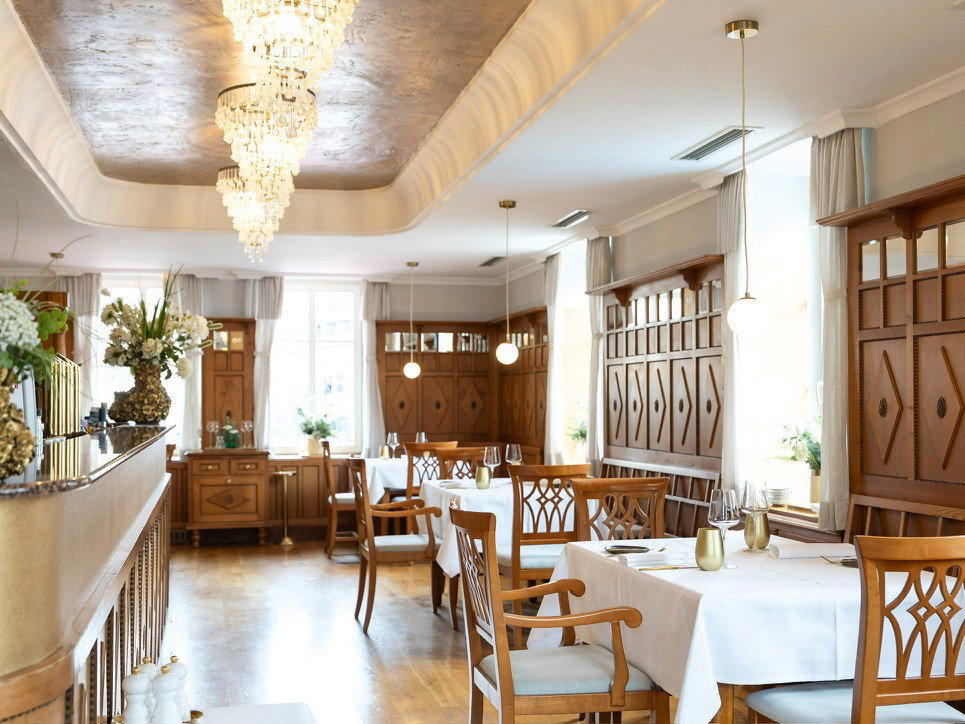
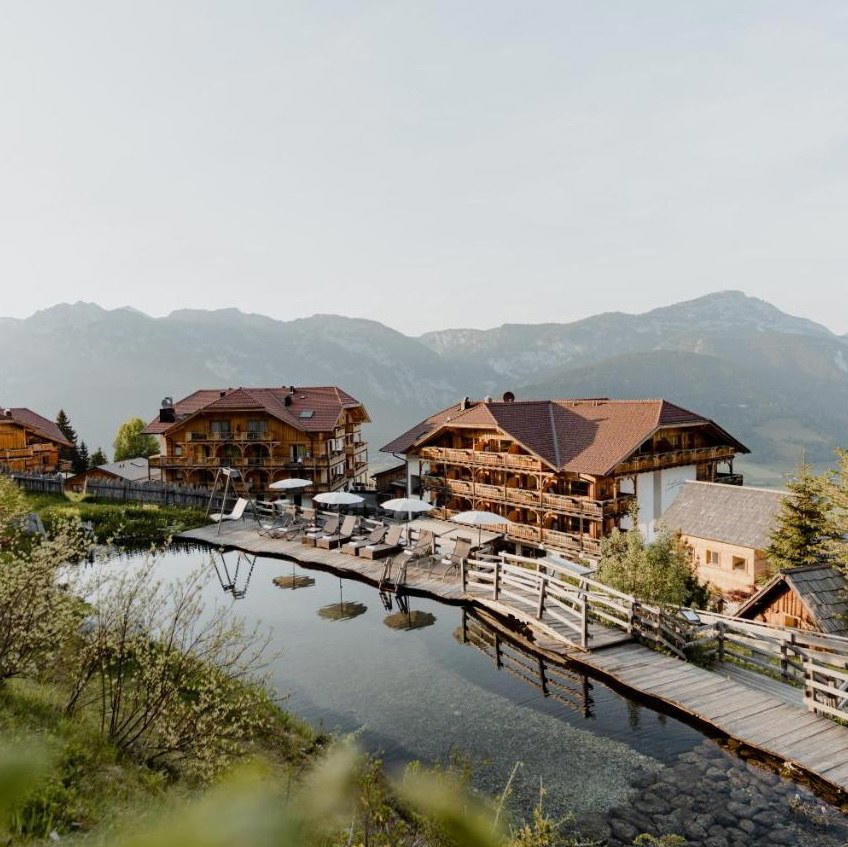
A mountain hut restaurant on the slopes above Schladming, Sonnenstüberl sits within the Styrian alpine tradition of hearty, locally sourced cooking served in warm timber surrounds. The address places it well above the valley floor, drawing skiers and hikers who want something more considered than a standard lift-side stop. It belongs to a category of Schladming dining that rewards the climb.
Pearl is the En Primeur Club membership app — saves, bookings, and concierge access live there. Same editors, same standards.
- Address
- Reiterkreuzweg 268, 8971 Schladming, Austria
- Phone
- +43368720872
- Website
- klemmerhof.at
- Directions
- Get directions
 Saves & bookings on Pearl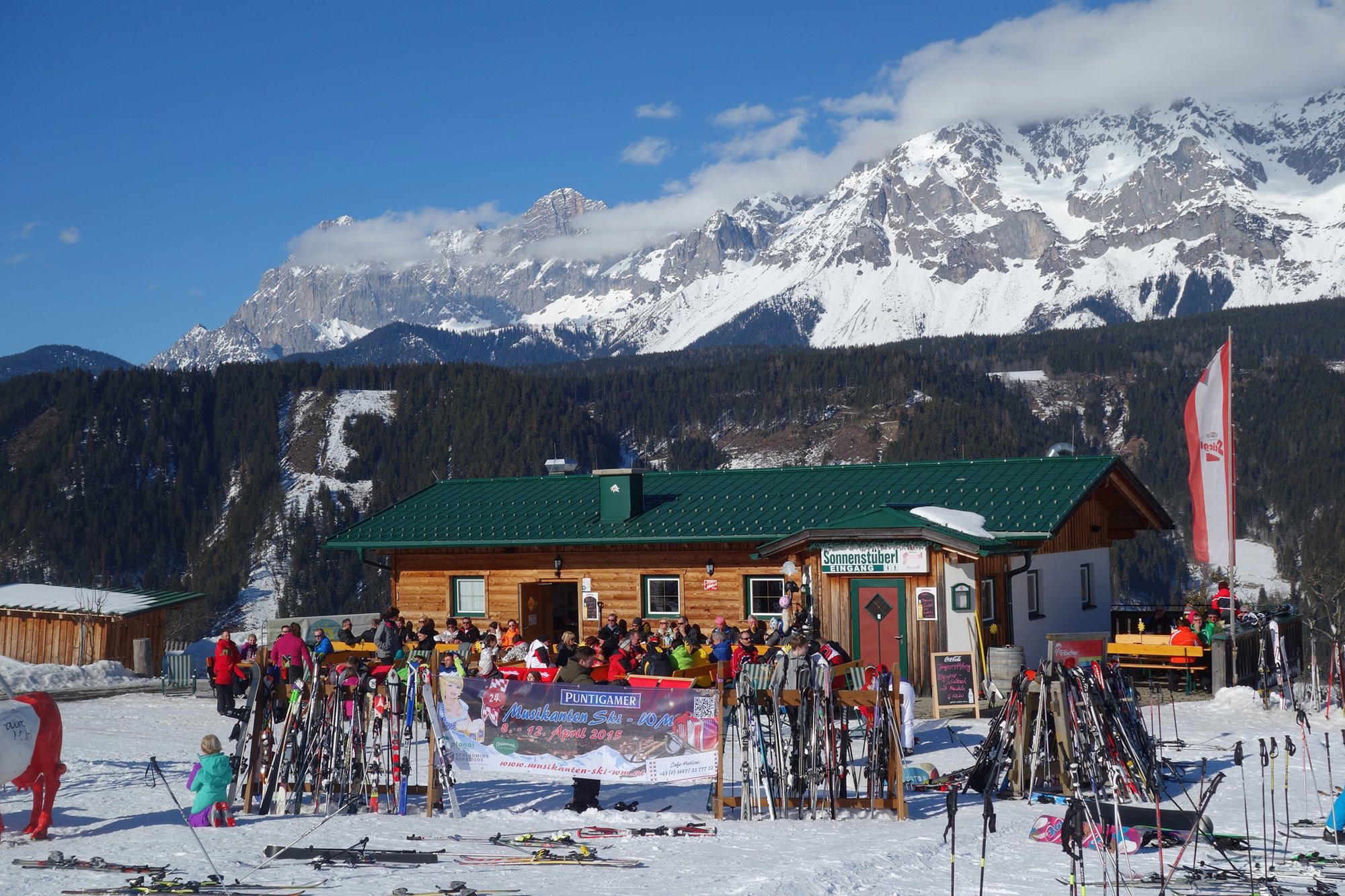
Above the Valley, Inside the Tradition
The approach to Sonnenstüberl tells you something about the broader character of mountain dining in the Schladming-Dachstein region. You arrive having earned it, whether on skis or on foot, and the transition from cold alpine air into a space designed around warmth and timber is part of what the meal means. In the Styrian Alps, the physical act of reaching a Hütte has always been woven into how the food tastes. The elevation, the effort, and the setting calibrate expectations in a way that a valley-floor restaurant cannot replicate.
Schladming sits at the intersection of two dining traditions: the unpretentious alpine hut culture that has served working mountain communities for generations, and a recent wave of ingredient-conscious cooking across the Ennstal valley. Venues like ARX Restaurant and da SEPP represent the latter current in Schladming's lower reaches. Sonnenstüberl, positioned above the town at Reiterkreuzweg 268, belongs to a category that predates that movement but increasingly benefits from the sourcing discipline it introduced.
The Styrian Sourcing Logic
The Steiermark is one of Austria's most agriculturally distinct provinces. Its combination of altitude, humidity, and meadow grazing produces beef, pork, and dairy that regional cooks have always treated as the starting point rather than a variable. In alpine hut kitchens specifically, sourcing was historically a necessity: supply chains to high-altitude sites are short by geography, which means local by default. What has changed in recent decades is that this geographic constraint has been reframed as a virtue, and kitchens that once sourced locally because they had no choice now do so with deliberate awareness of what that means for the plate.
In the wider Austrian alpine context, this sourcing logic reaches its most articulated form at places like Döllerer in Golling an der Salzach, where regional produce structures an entire tasting philosophy, or Kräuterreich by Vitus Winkler in Sankt Veit im Pongau, where herb cultivation on-site becomes the editorial spine of the menu. At the hut level, the expression is less formal but no less rooted in the same principle: Styrian ingredients, prepared without complication, served with the directness that altitude seems to demand.
Schladming's position as a ski destination, particularly during the Planai World Cup races held each January, means that the area's mountain kitchens serve a more international crowd than comparable venues in quieter alpine corners of Austria. That audience brings pressure to meet a certain baseline standard, and the better huts in the area have responded by tightening their sourcing and preparation rather than broadening their menus with concessions to international taste.
Placing Sonnenstüberl in Its Competitive Set
Mountain dining in the Schladming-Dachstein area occupies a spectrum. At one end sit the high-volume lift-station stops designed primarily for throughput. At the other sit destination huts where the cooking is worth the detour independent of ski conditions. Hochwurzenalm and Hochwurzenhütte both occupy positions on the Hochwurzen sector and represent that middle-to-upper tier of hut dining that Schladming visitors tend to plan around. Sonnenstüberl's address on Reiterkreuzweg places it in that same conversation, serving a clientele that is making an active choice about where to stop rather than defaulting to the nearest terrace.
For the broader Austrian fine dining context, the benchmark restaurants against which regional alpine cooking is measured sit in places like Vienna's Steirereck im Stadtpark or Obauer in Werfen. These are not direct competitors to a Schladming mountain hut, but they establish the provincial sourcing culture that trickles down through the region's entire hospitality tier. Likewise, Landhaus Bacher in Mautern an der Donau demonstrates how deeply ingredient provenance is embedded in Austrian kitchen thinking at the serious end of the market. Sonnenstüberl operates several tiers below that register, but within a culinary tradition that shares the same foundational assumptions about where food should come from.
Timing, Access, and the Mountain Calendar
Schladming functions as a dual-season destination. Winter brings ski traffic from December through March, with the January World Cup period creating the heaviest demand on the mountain's dining infrastructure. Summer opens a different kind of visitor, one arriving by trail rather than lift, and the huts that transition successfully between seasons tend to be the ones with menus anchored to what the surrounding landscape produces rather than what a generic tourist operation might default to. Alpine herbs, game from the surrounding hunting grounds, and dairy from valley farms that have supplied the same kitchens for decades are the materials that carry through across both seasons.
Access to Sonnenstüberl follows the seasonal rhythm of the Schladming mountain infrastructure. The restaurant is open daily from 9 AM to 5 PM. Visitors planning around peak ski season should expect the mountain to operate at full capacity in January and February, with the World Cup period requiring particular planning. The summer hiking season, roughly June through September, offers a quieter register and often a closer connection to the seasonal produce that defines the region's cooking at its most specific.
JOHANN GENUSSraum offers a town-centre alternative for evenings when the mountain isn't the draw.
For reference points further afield in the alpine dining circuit, Griggeler Stuba in Lech and Gourmetrestaurant Tannenhof in Sankt Anton am Arlberg represent the upper register of what alpine mountain dining can reach in the Austrian context. Ikarus in Salzburg, Ois in Neufelden, and Restaurant 141 by Joachim Jaud in Mieming extend the map of serious Austrian regional cooking worth knowing.
Peers in This Market
Comparable venues nearby, for context on price, style, and recognition.
| Venue | Cuisine | Price | Notes |
|---|---|---|---|
| SonnenstüberlThis venue — the venue you are viewing | Traditional Austrian | $$ | Not listed |
| da SEPP | Modern Austrian Alpine Cuisine | $$ | Rohrmoos-Untertal |
| REITERALMHÜTTE | Austrian Mountain Hut | $$ | Reiteralm |
| Hochwurzenhütte | Traditional Austrian Alpine Cuisine | $$ | Rohrmoos-Untertal |
| Steireralm | Traditional Austrian Ski Hut | $$ | Reiteralm |
| JOHANN GENUSSraum | Modern Styrian Austrian | $$$ | Hauptplatz |
Continue exploring
More in Schladming
Restaurants in Schladming
Browse all →
Bars in Schladming
Browse all →
At a Glance
- Cozy
- Rustic
- Casual Hangout
- Family
- Terrace
- Local Sourcing
- Mountain
Current opening hours
- Monday
- 9 AM–5 PM
- Tuesday
- 9 AM–5 PM
- Wednesday
- 9 AM–5 PM
- Thursday
- 9 AM–5 PM
- Friday
- 9 AM–5 PM
- Saturday
- 9 AM–5 PM
- Sunday
- 9 AM–5 PM
Hours can change for holidays and private events. Last verified .
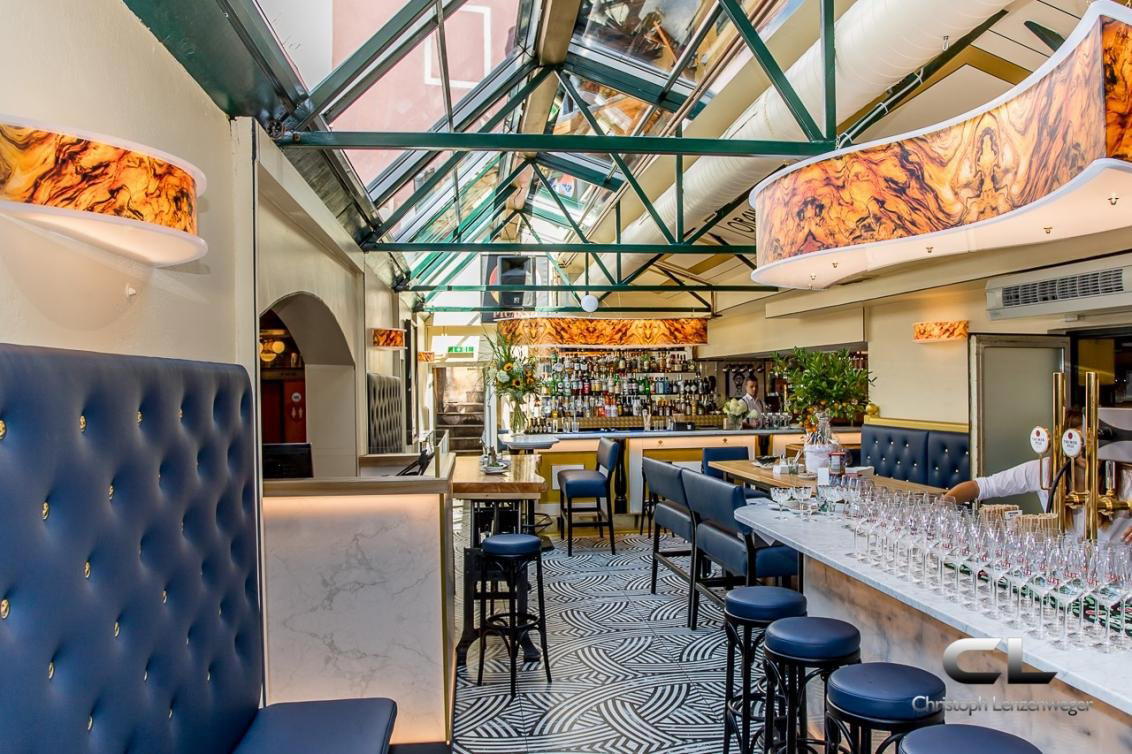
Warm and inviting atmosphere with regional charm.