On a narrow stretch of old Bangkok near the Golden Mount, Thip Samai has been serving pad thai from the same address for decades, long before the dish became a global shorthand for Thai food. The setup is street-facing and functional, the queues are real, and the pad thai cooked over high-flame charcoal woks remains the reference point against which every hotel version in the city falls short.

Pearl is the En Primeur Club membership app — saves, bookings, and concierge access live there. Same editors, same standards.
What a Street Corner Tells You About a City
Bangkok's dining conversation runs loudly through the fine-dining tier. Tasting menus at Sorn (Southern Thai), Baan Tepa (Thai contemporary), and Sühring (German) pull considerable international attention, and Michelin stars have reshaped where visitors direct their baht. But a parallel and older story plays out along the roads that ring Rattanakosin Island, where a handful of single-dish addresses have been doing the same thing, at the same address, for generations. Thip Samai Pad Thai on Maha Chai Road belongs to that category, and its staying power says something specific about how Bangkok's street food hierarchy actually works.
The city operates on a layered food culture where hyper-specialisation is a mark of seriousness, not limitation. A place that has cooked one dish across decades, at volume, with a queue that starts forming before service, signals something the awards circuit doesn't easily quantify. Thip Samai has become, for many Bangkok residents and food-focused visitors, the standard against which pad thai is judged everywhere else in the country.
The Physical Setting and What It Signals
The address sits in the older, less-polished part of central Bangkok, away from the glass towers of Silom and the hotel corridors of Sukhumvit. The architecture of the surrounding block is low-rise and weathered, a neighbourhood that has not been renovated into a dining district. That matters. In Bangkok's street food geography, addresses that predate gentrification carry a different kind of authority. The cooking hasn't been adjusted for a more comfortable neighbourhood; the neighbourhood simply grew around the cooking.
Setup is open-fronted and functional. Woks face the street, smoke rises visibly during service hours, and the spatial logic is organised entirely around production rather than comfort. Seating, where it exists, is secondary to the cooking line. This is a design approach born from decades of single-dish volume rather than any contemporary hospitality trend, and it places Thip Samai in a different peer group than the open-kitchen theatre found at Gaa (Modern Indian, Indian) or Côte by Mauro Colagreco, where the kitchen display is a deliberate design choice. Here, the visibility of the woks is simply how the operation runs.
Bangkok's long-running street food addresses share a recognisable spatial logic: the counter or wok station is the focal point, and everything else, the seating, the signage, the service flow, arranges itself around it. Thip Samai's physical container fits this pattern without modification. The queues that form outside are part of the structure, an external waiting room that signals demand without requiring a booking system.
Pad Thai as a Category, Not Just a Dish
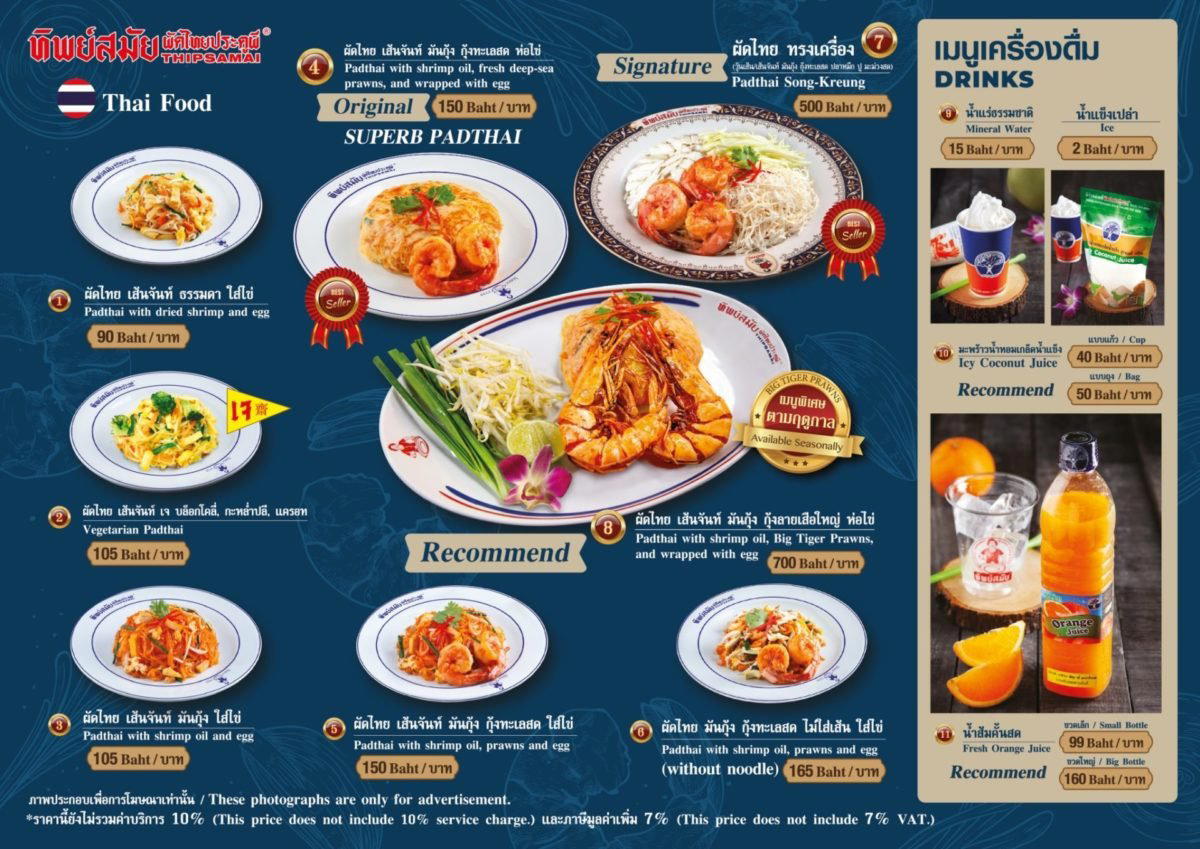
Understanding why Thip Samai draws the attention it does requires a brief detour into what pad thai actually represents in Thai culinary history. The dish was promoted as a national dish in the mid-twentieth century as part of a state-led campaign to standardise and promote a unified Thai food identity. It became ubiquitous as a result, which also meant it became variable, often to the point of being reduced to a generic noodle stir-fry with little connection to its original form.
The high-heat wok method, the specific sequence of tamarind, fish sauce, dried shrimp, and egg, and the textural contrast between the noodle and its accompaniments are what separate a technically correct pad thai from the adapted version found in hotel buffets and tourist-facing restaurants across Southeast Asia. The distinction matters because it explains why certain Bangkok addresses retain a reference-point status even as the broader dining scene evolves. Thailand's regional specialisation is visible across the country, from the fish-forward dishes at addresses like AKKEE in Pak Kret to the northern grilling tradition represented by Cherng Doi Roast Chicken (ไก่ย่างเชิงดอย) in Chiang Mai. Pad thai, done at this level of consistency and volume, sits in a different tradition: the urban, central Thai, single-dish institution.
Where Thip Samai Sits in Bangkok's Wider Scene
Bangkok now supports a dining range that runs from addresses with international Michelin recognition down to street-facing vendors operating from carts. Thip Samai sits in a middle tier that is sometimes overlooked: the established, high-volume, single-dish address with decades of operating history and a documented reputation among food writers and culinary researchers. It is not a cart, and it is not a fine-dining room. It occupies the category of institutionalised street food, a tier with its own logic around reputation, consistency, and physical permanence.
Internationally recognised restaurants in Bangkok operate on reservation systems, tasting formats, and wine pairings. Thip Samai operates on queues, wok speed, and repetition. Both are legitimate positions within Bangkok's food culture, and both attract serious visitors. The comparison is not hierarchical; it is structural. A visitor who books at Sorn and skips Thip Samai has made a category error, treating one type of serious eating as a substitute for another.
Across Thailand's coastal and regional markets, addresses like Hoy Tord Chao Lay (หอยทอดชาวเล) and Krua Laew Tae R-Rom in Pattaya follow a similar operational model: one or two dishes, high-heat execution, long operating history.
Timing, Access, and What to Expect
The queue at Thip Samai is a documented feature of the experience, not an anomaly. Arriving early in the evening service window reduces wait time significantly. The Maha Chai Road location is accessible by taxi from most central Bangkok neighbourhoods, and tuk-tuk from the Democracy Monument area is a logical approach. Street parking is limited and the surrounding roads narrow, making private car access less direct than for the hotel-district restaurants further east.
The price point sits at the lower end of Bangkok's eating options by design. This is not a restaurant that has kept prices low because it lacks confidence; it is a street food institution operating within the pricing conventions of that category. At about $5 per person, it is inexpensive by any standard.
Know Before You Go
- Location: Bangkok
- Reservations: Walk in only; queue in person during service hours
- Leading timing: Early evening to minimise wait; the queue builds quickly as the night progresses
- Getting there: Taxi or tuk-tuk is the simplest option.
- Price range: Street food tier; budget accordingly
- Dress code: Casual
Comparison Snapshot
Comparable venues nearby, for context on price, style, and recognition.
| Venue | Cuisine | Price | Notes |
|---|---|---|---|
| Thip Samai Pad ThaiThis venue — the venue you are viewing | Well-known Thai Pad Thai | $$ | Not listed |
| Lai Rot | Authentic Royal Thai Cuisine | $$ | Sam Sen |
| Ruenros | Authentic Thai Lakeside | $$ | Bang Phong Phang |
| Mae Varee Sweet Sticky Rice with Mango | Thai Mango Sticky Rice | $$ | Khlong Tan |
| Baan Somtum | Authentic Isaan Thai Somtum | $$ | Bang Rak Khwaeng |
| Nara | Authentic Thai Cuisine | $$ | Siam Square |
At a Glance
- Well Known
- Lively
- Classic
- Solo
- Casual Hangout
- Late Night
- Standalone
- Street Scene
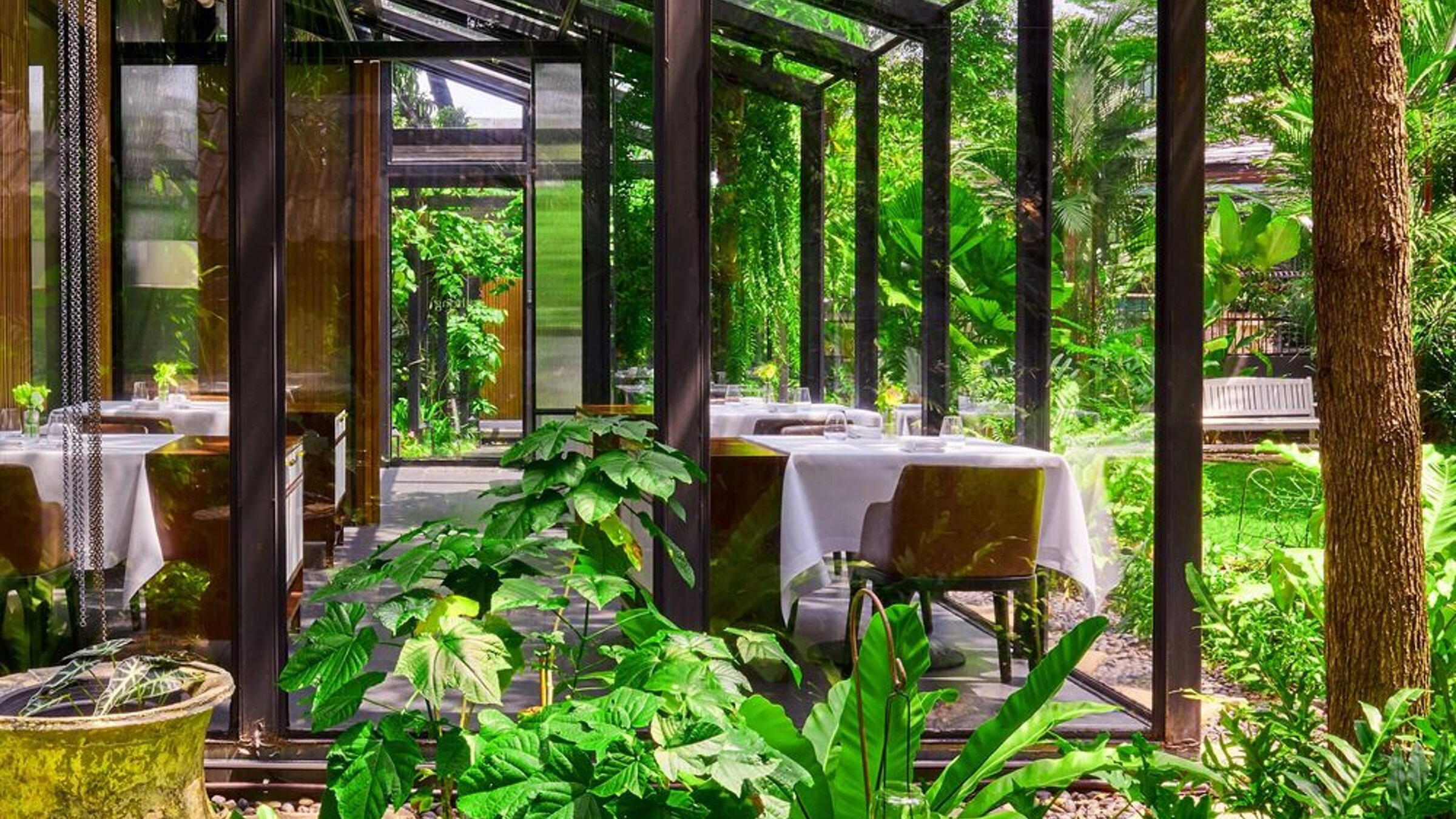
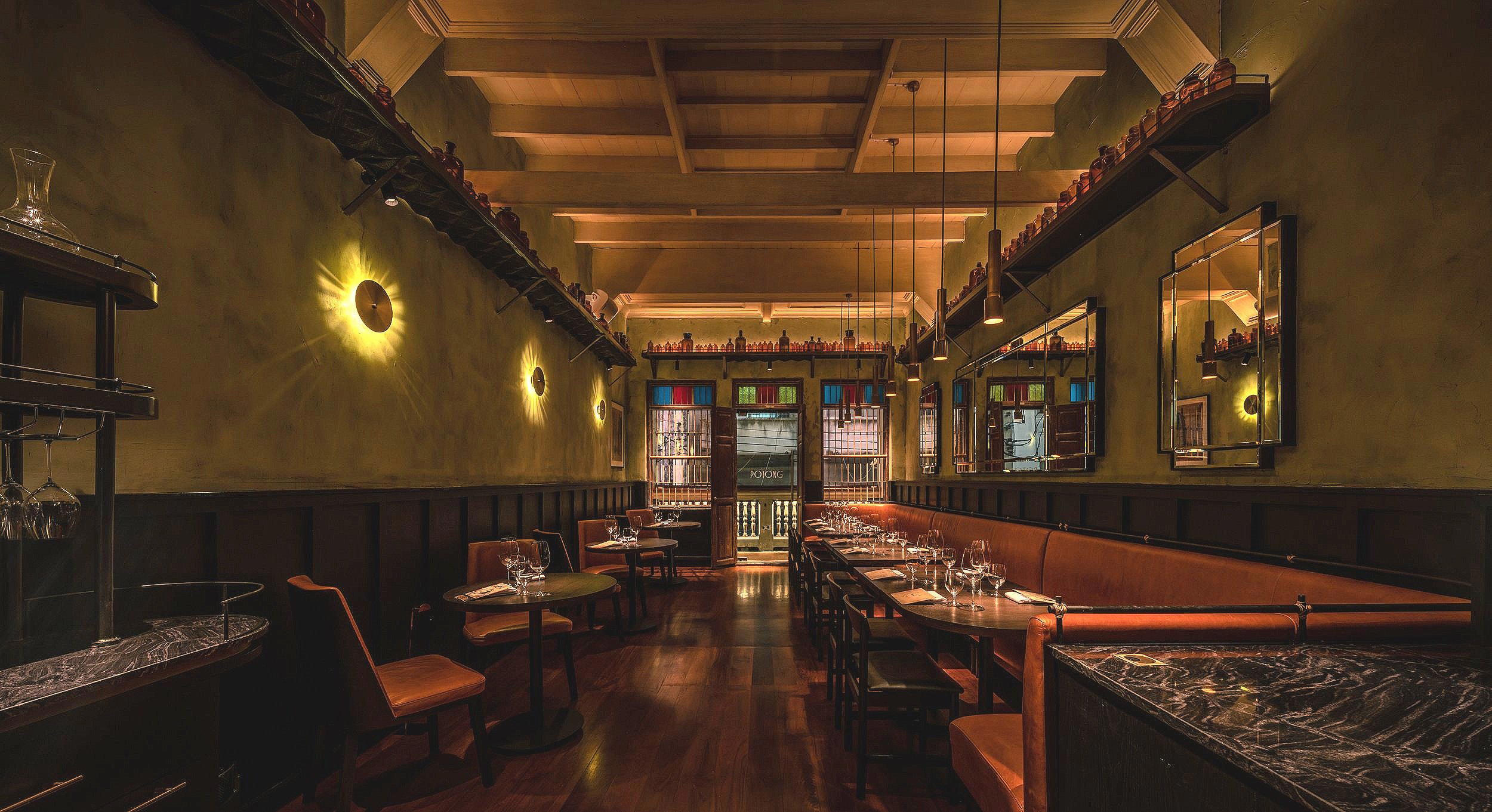
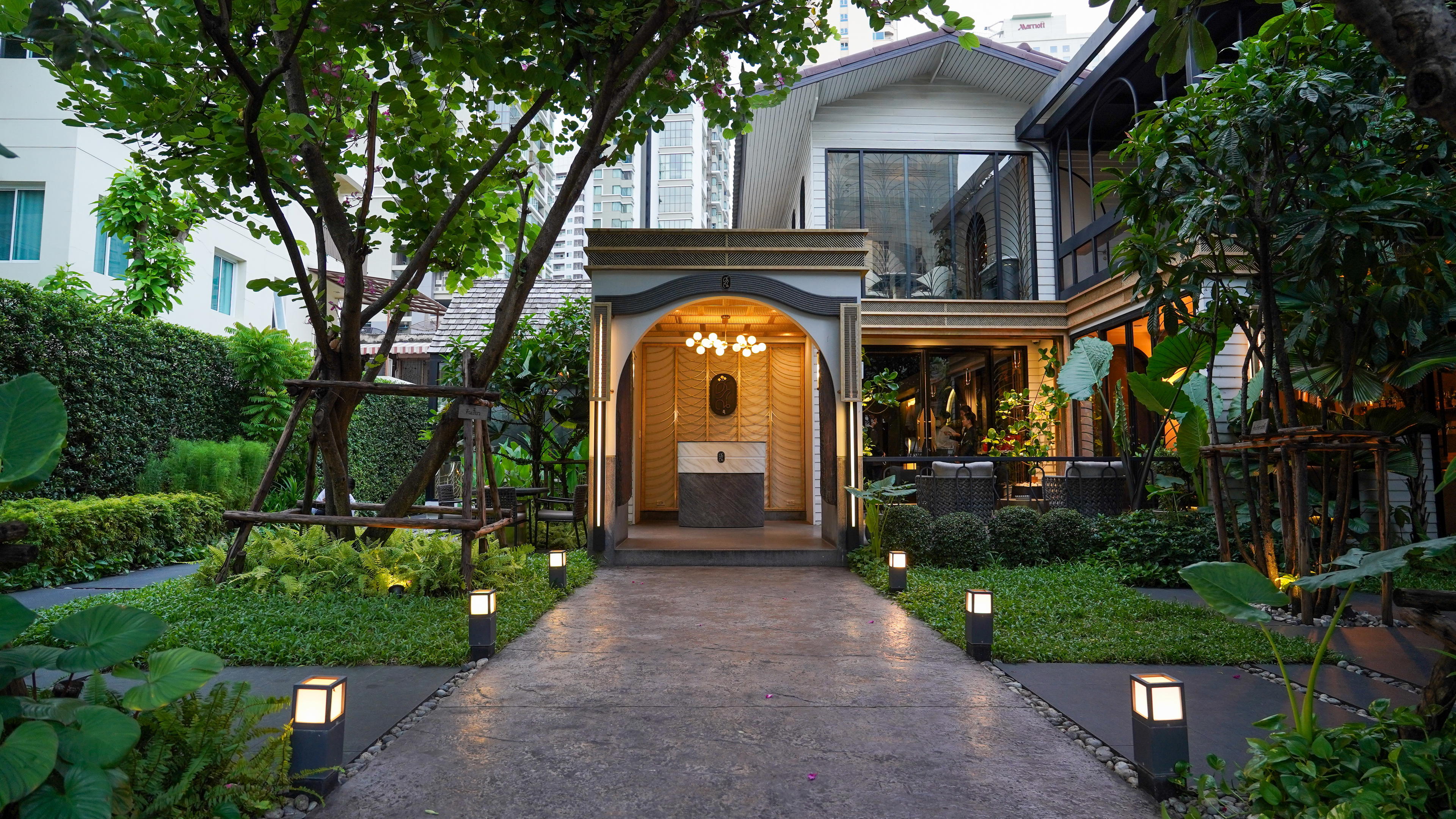
Bustling, no-frills street-food atmosphere with constant wok activity, queues, and a lively late-night energy.