An agriturismo concept in Yokosuka's Shonan Kokusai Mura district, SOLIS sits at the intersection of Italian farm-dining tradition and the Kanagawa countryside. The format anchors the meal in what the surrounding land produces, placing sourcing at the centre of the experience rather than as a footnote. For the Yokosuka dining scene, it represents an unusual commitment to place-rooted eating.
Pearl is the En Primeur Club membership app — saves, bookings, and concierge access live there. Same editors, same standards.
- Address
- Japan, 〒240-0107 Kanagawa, Yokosuka, Shonankokusaimura, 1 Chome−2−8 Solis Agriturismo
- Phone
- +81468748750
- Website
- solis-agriturismo.com
- Directions
- Get directions
 Saves & bookings on Pearl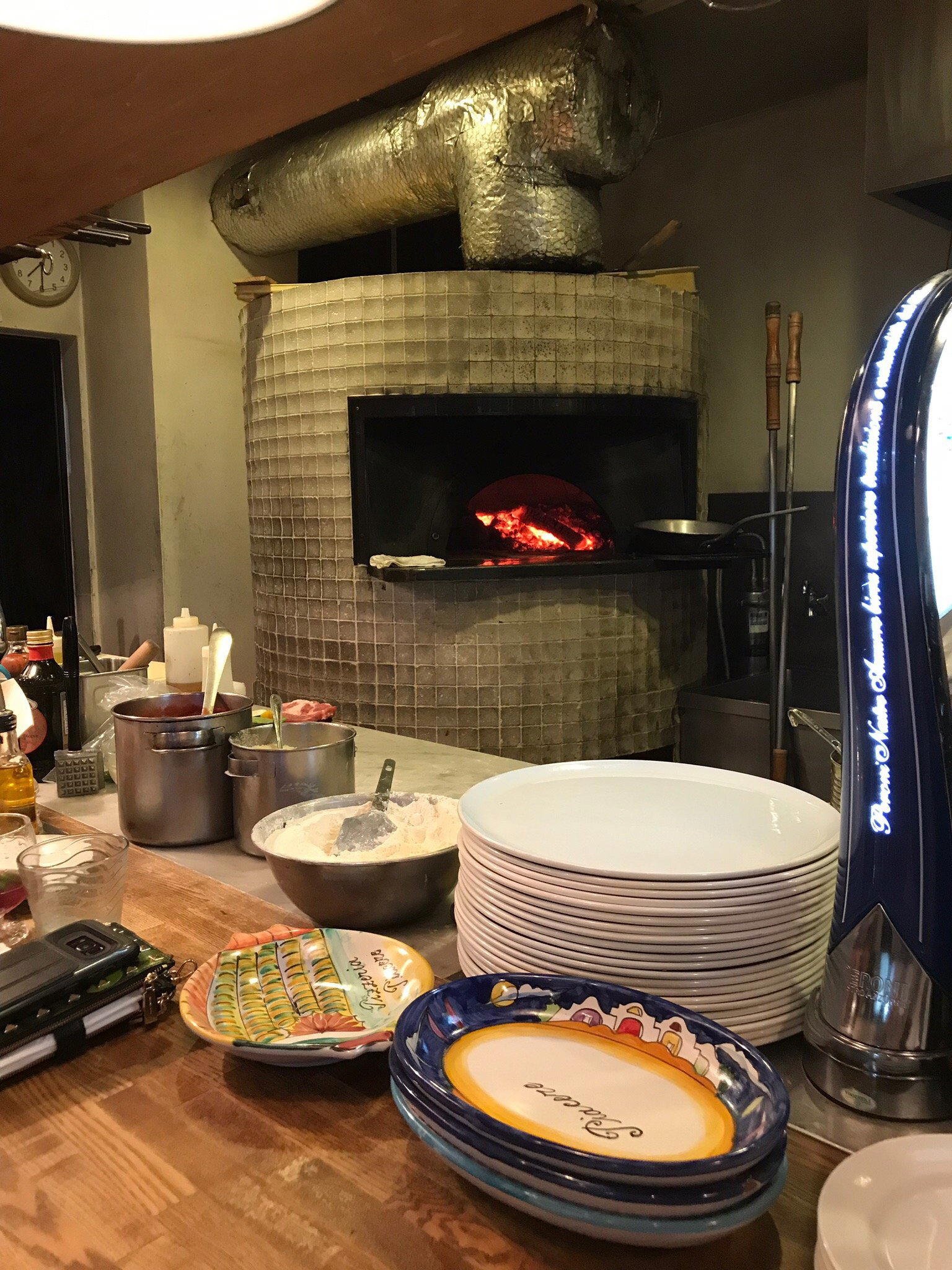
Where the Land Sets the Menu
The agriturismo model is Italian in origin and direct in logic: the farm precedes the kitchen, and the kitchen's job is to account honestly for what the farm produces that season. In Japan, that logic has found fertile ground in a country where ingredient provenance has always carried moral weight. The Shonan Kokusai Mura district of Yokosuka, a stretch of Kanagawa Prefecture, gives SOLIS Agriturismo a specific landscape to answer to. Approaching from the city, the density of greater Tokyo's southern sprawl recedes, and by the time the property comes into view, the meal has already shifted.
This is not a suburban restaurant that has adopted farm-to-table language as a marketing posture. The agriturismo format, at its most rigorous, means the growing operation and the hospitality operation are inseparable. What arrives on the table is contingent on what was harvested, which means the menu structure is less a fixed document and more a seasonal report. That contingency is the experience. For diners accustomed to the precision-programmed tasting menus of Tokyo's leading end, venues like Harutaka or the French-kaiseki hybrids operating at the ¥¥¥¥ tier, SOLIS represents a different kind of discipline, one organised around agricultural reality rather than kitchen choreography.
Kanagawa as Ingredient Source
Kanagawa Prefecture does not command the ingredient reputation of, say, Kyoto's market catchment or Hokkaido's dairy and seafood belts, but it is not without resources. The coastal proximity means access to Sagami Bay fish. The inland zones of the prefecture, Miura Peninsula agriculture, Tanzawa mountain foothills, produce vegetables and citrus that carry genuine regional character. An agriturismo in this location implies a working relationship with those sources, filtering Kanagawa's produce through an Italian-derived framework that prizes simplicity and seasonal fidelity over technical elaboration.
That sourcing logic matters because it positions the venue outside much of Japan's high-profile dining. The kaiseki tradition at venues like Gion Sasaki in Kyoto answers to a codified seasonal calendar with centuries of precedent. The innovative French restaurants, HAJIME in Osaka operating at the summit of that register, work from a different logic of transformation and technique. An agriturismo sits apart from both: its authority comes from the land it operates on, not from culinary lineage or technical ambition. The restraint is structural, not stylistic.
The Setting as Part of the Proposition
Shonan Kokusai Mura is a planned international village development, which places SOLIS in an unusual context: a venue drawing on agricultural intimacy within a zone that was itself deliberately designed. The address at 1-2-8 in that district puts it within a development that sits at roughly 30 kilometres south of central Yokohama, accessible from Tokyo's southern rail corridors but far enough removed that the visit requires intention. That distance is part of the proposition. Agriturismo, whether in Tuscany or Kanagawa, depends on a degree of remove from urban life. The travel is not incidental; it calibrates the diner's attention before the meal begins.
For context on how Japan's more destination-oriented dining formats operate, the pattern holds across the country's serious regional restaurants. Goh in Fukuoka and akordu in Nara both require the visitor to orient their day around the restaurant rather than slotting it into a broader itinerary. SOLIS operates by the same logic, amplified by the farm setting.
Ingredient Sourcing as the Critical Variable
In the agriturismo format, sourcing is not a supporting detail, it is the editorial spine of every meal. The Italian tradition the format draws from prizes what the land produces over what the chef imposes. Applied in Japan, that principle intersects with a native culture of ingredient reverence that runs from the tuna auctions at Toyosu through to the mountain vegetable foragers supplying kaiseki kitchens in Nara and Kyoto. The synthesis is not forced: both traditions, Italian agrarian and Japanese seasonal, share a suspicion of ingredients that have travelled too far or been handled too much.
What that means practically is that a meal at an agriturismo should shift visibly across seasons. The spring table looks different from the autumn one, not because a chef has engineered variety but because the land has changed. Comparing that to the fixed-register approach of, say, 湖畔荘 in Takashima or the more structured seasonal kaiseki at venues across the region clarifies the distinction: agriturismo menus are less composed, more contingent, and deliberately so.
Visitors planning around this format should factor that variability into expectations. The meal is not a fixed product. Checking availability before booking is standard practice for this type of venue.
Where SOLIS Sits in the Wider Picture
Japan's farm-dining category remains smaller and less codified than its Italian counterpart. While European agriturismi operate within a legal framework that defines what qualifies, Japanese farm-dining venues span everything from resort buffets using local produce to genuine working farms with tables for a handful of guests. SOLIS, with its explicit agriturismo identity and Shonan Kokusai Mura address, positions itself toward the more committed end of that range. How that translates to format, price, and booking access places it apart from the city's conventional restaurants. For reference, venues at the serious end of Japan's farm-to-table spectrum tend to require advance reservation, operate limited services, and price at a level that reflects the cost of maintaining a working land operation alongside a kitchen. Comparable thinking around place-rooted dining appears internationally at venues like Le Bernardin in New York on the sourcing-rigour axis, though the formats are entirely different. Closer to SOLIS's register, the regional Japanese dining covered in our guides to venues like bodai or 羽黒屋 in Nishikawa Machi maps the growing interest in deeply localised eating across Japan's less-central dining corridors.
Planning a Visit
The Shonan Kokusai Mura location means SOLIS is most naturally reached by car from the Yokosuka or Zushi directions, with the drive itself passing through terrain that contextualises the farm setting. Public transport connections to the area exist but require a transfer and some walking from the nearest station. Given the agriturismo format's dependence on seasonal availability, contacting the venue directly to understand current menu focus and booking windows is advisable before planning around a specific date.
A Quick Peer Check
Comparable venues nearby, for context on price, style, and recognition.
| Venue | Cuisine | Price | Notes |
|---|---|---|---|
| SOLIS AgriturismoThis venue — the venue you are viewing | Italian Agriturismo | $$$ | Not listed |
| toukyou bei fissyamanzu nudoru | Seafood Ramen | $ | Kitakurihama |
| Boulangerie zacro | French-style bakery and sandwich shop | $ | Highland |
| naga:raja | Modern Indian Curry Bistro | $$ | Kurihama |
| Yokosuka Gelato Factory | Local milk gelato & soft-serve | $ | Shinkocho |
| ASINA BAKERY ASIBE | Japanese neighborhood bakery | $ | Ashina, Yokosuka |










At a Glance
- Rustic
- Scenic
- Cozy
- Date Night
- Special Occasion
- Terrace
- Open Kitchen
- Extensive Wine List
- Local Sourcing
- Waterfront
Current opening hours
- Monday
- Closed
- Tuesday
- 12–3 PM, 5–8 PM
- Wednesday
- 12–3 PM, 5–8 PM
- Thursday
- 12–3 PM, 5–8 PM
- Friday
- 12–3 PM, 5–8 PM
- Saturday
- 12–3 PM, 5–8 PM
- Sunday
- 12–3 PM, 5–8 PM
Hours can change for holidays and private events. Last verified .
Pleasant atmosphere with outdoor shaded seating and calming bay views.