India House, Chicago
India House, Chicago serves Authentic North Indian Tandoori at 59 W Grand Ave, with Chicken Tikka Masala, Butter Chicken, and Tandoori Mixed Grill among its signatures.
Pearl is the En Primeur Club membership app — saves, bookings, and concierge access live there. Same editors, same standards.
- Address
- 59 W Grand Ave, Chicago, IL 60654
- Phone
- +13126459500
- Website
- indiahouserestaurants.com
- Directions
- Get directions
 Saves & bookings on Pearl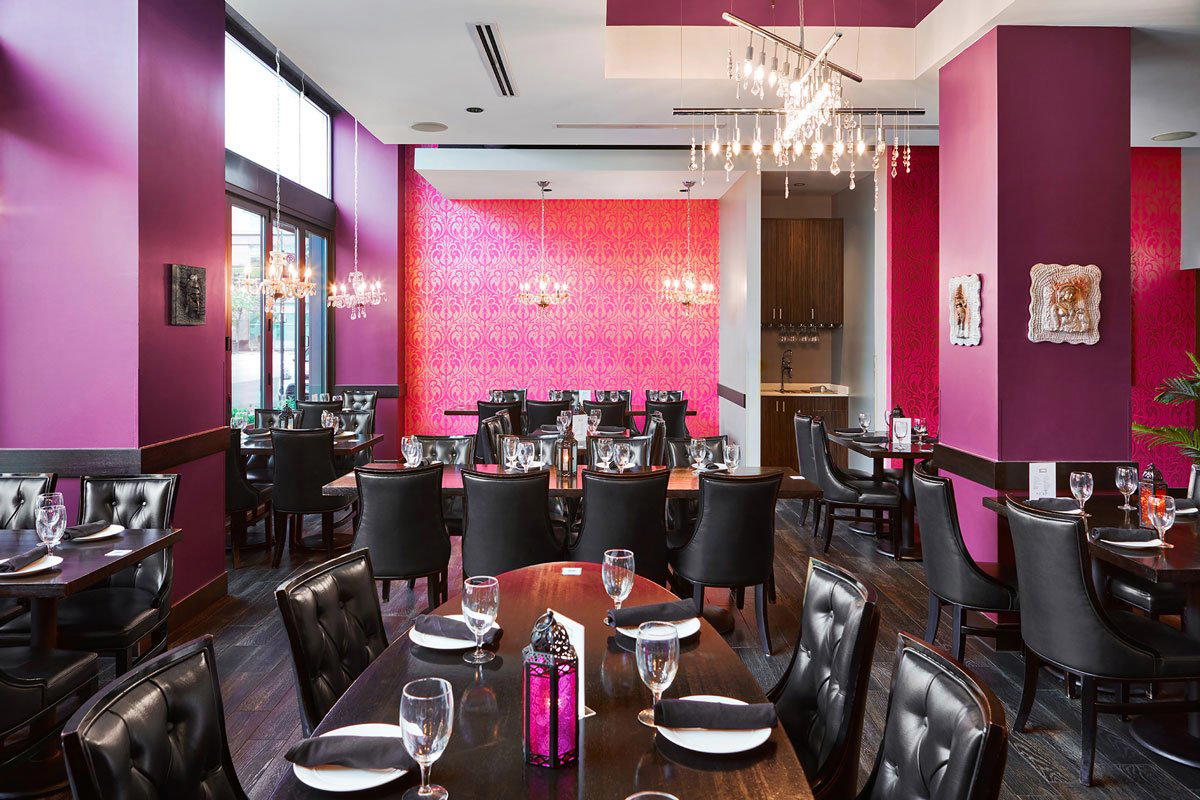
River North's Indian Table
River North sits at the denser, more commercial end of Chicago's dining geography, where steakhouses and rooftop bars compete for street-level attention along Grand Avenue. Indian restaurants occupy a particular position in this neighborhood: they draw both the downtown lunch crowd and evening diners who want something more structurally complex than the burger-and-cocktail format that dominates the surrounding blocks. India House, at 59 W Grand Ave, operates within that context, placing itself in a part of the city where the competition is broad rather than category-specific.
Chicago's Indian dining scene has historically concentrated in Devon Avenue on the North Side, where the South Asian community built a dense corridor of regional specialists, grocers, and sweet shops over decades. The River North outpost represents a different commercial logic: proximity to hotels, convention traffic, and the office density of the Near North Side. That positioning shapes what any Indian restaurant in this zip code needs to deliver, namely a menu that communicates clearly to diners who may not arrive with deep familiarity with regional Indian cuisine, while still offering enough depth to satisfy those who do.
The Sourcing Question in Indian Cuisine
Ingredient sourcing matters for any serious Indian restaurant in an American city. The distance between a dish built on freshly ground whole spices and one relying on pre-mixed powders is not subtle. It shows in the base notes of a dal, in the finish of a curry, in whether the ghee reads as a background fat or as a flavor in its own right. Indian cooking at its most disciplined is as ingredient-dependent as any farm-to-table American format, and more technically demanding in its spice work.
Restaurants in the Devon Avenue corridor have long benefited from proximity to specialist importers and South Asian grocery infrastructure. A River North address creates a different supply challenge: the same quality of dried chilis, mustard seeds, fresh curry leaves, and paneer requires deliberate sourcing rather than a short drive. The restaurants that thread this needle successfully in American cities tend to prioritize a smaller menu executed with more consistent sourcing over a sprawling list that dilutes procurement focus. This is the structural tension every Indian restaurant in a non-specialist neighborhood operates within.
Chicago's food culture has increasingly rewarded kitchens that can articulate where their ingredients come from, a shift visible across price tiers. That cultural expectation now touches Indian dining in Chicago too, even if the language around it differs from farm-driven American formats.
Where It Sits in the Chicago Dining Tier
River North's dining population skews toward experiential and mid-to-upper price formats. At the highest tier, Chicago has a cluster of progressive American restaurants including Alinea, Smyth, Oriole, and Next Restaurant that operate with Michelin recognition and multi-month booking windows. India House occupies a different tier and a different category, where the competitive reference points are other Indian restaurants in the downtown core rather than the tasting-menu circuit.
For diners moving between Chicago's dining registers, the city also has restaurants like Kasama, which shows how a non-European cuisine can operate at the highest price and recognition tier in the American market. That precedent matters for understanding where Indian dining in Chicago sits relative to its potential ceiling, and whether the River North format represents an entry point or a destination in its own right.
Vegetarian Depth as a Structural Asset
One area where Indian cuisine holds a structural advantage over most other major culinary traditions in the American market is vegetarian depth. This is not a concession to dietary preference but a reflection of culinary history: large portions of the Indian subcontinent have developed sophisticated meatless cooking traditions over centuries, producing dishes where legumes, dairy, and vegetables carry full flavor weight without being designed as substitutes for anything. A well-executed dal makhani or chana masala is not a vegetarian version of something else; it is the thing itself.
For a River North restaurant, that vegetarian depth functions as a practical asset. It broadens the table's ordering range and reduces the friction for mixed groups with varying dietary requirements. The restaurants that handle this well in American cities tend to treat the vegetarian menu as a first-class section rather than an afterthought appended to a meat-forward list.
The Broader American Indian Dining Moment
Indian cuisine occupies an interesting position in the current American fine dining conversation. At the highest recognition level internationally, Indian restaurants have begun entering the categories that were once dominated by French, Japanese, and progressive American formats. In American cities, the shift has been slower, but there are signs of acceleration, with Indian-inflected tasting menus and ingredient-forward formats beginning to attract the same editorial attention that Korean cuisine received following restaurants like Atomix in New York City.
The restaurants that bridge the gap between accessibility and culinary seriousness in the Indian category tend to succeed by committing to specificity: regional identity, sourcing clarity, and technique transparency rather than the catch-all "Indian" label that characterized earlier generations of the format. Whether the River North positioning of India House allows for that kind of specificity is the relevant question for a serious diner to consider before booking.
Each shows, in its own format, what happens when sourcing discipline meets a clear culinary identity at the table.
Cuisine Context
Comparable venues nearby, for context on price, style, and recognition.
| Venue | Cuisine | Price | Notes |
|---|---|---|---|
| India House, ChicagoThis venue — the venue you are viewing | Authentic North Indian Tandoori | $$ | Not listed |
| Indian Garden Restaurant | Traditional North Indian | $$ | Streeterville |
| Pizza Lobo | New York-Style Pizza | $$ | West Loop |
| Gus' Sip & Dip | Classic Tavern Dips & Cocktails | $$ | River North |
| Tempo Cafe | Classic American Diner | $$ | Gold Coast |
| Porter Kitchen & Deck | Polished American with River Views | $$ | West Side |


At a Glance
- Elegant
- Cozy
- Sophisticated
- Business Dinner
- Group Dining
- Special Occasion
- Private Dining
Current opening hours
- Monday
- 11:30 AM–2:30 PM, 5–10 PM
- Tuesday
- 11:30 AM–2:30 PM, 5–10 PM
- Wednesday
- 11:30 AM–2:30 PM, 5–10 PM
- Thursday
- 11:30 AM–2:30 PM, 5–10 PM
- Friday
- 11:30 AM–2:30 PM, 5–10:30 PM
- Saturday
- 11:30 AM–3 PM, 5–10:30 PM
- Sunday
- 11:30 AM–3 PM, 5–10 PM
Hours can change for holidays and private events. Last verified .
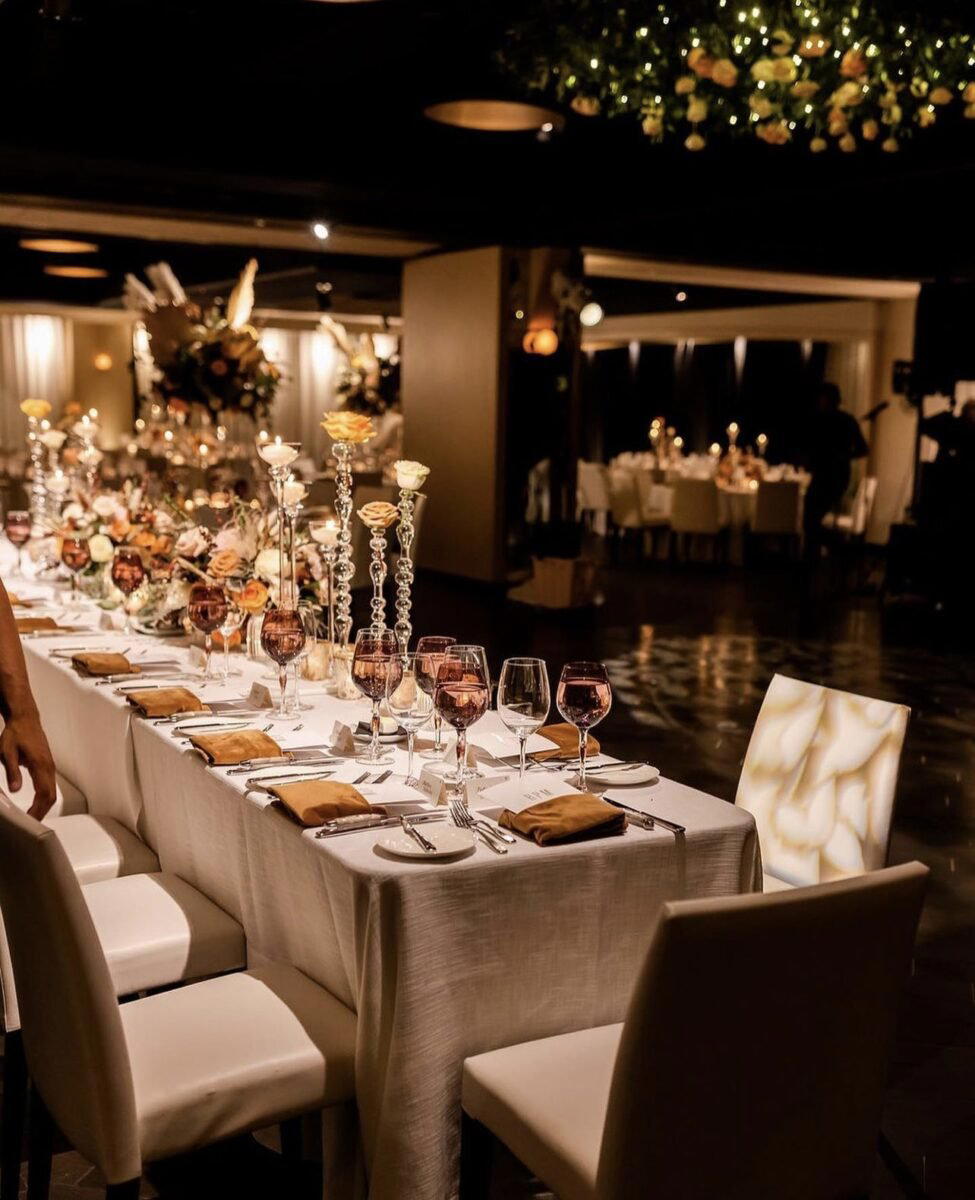
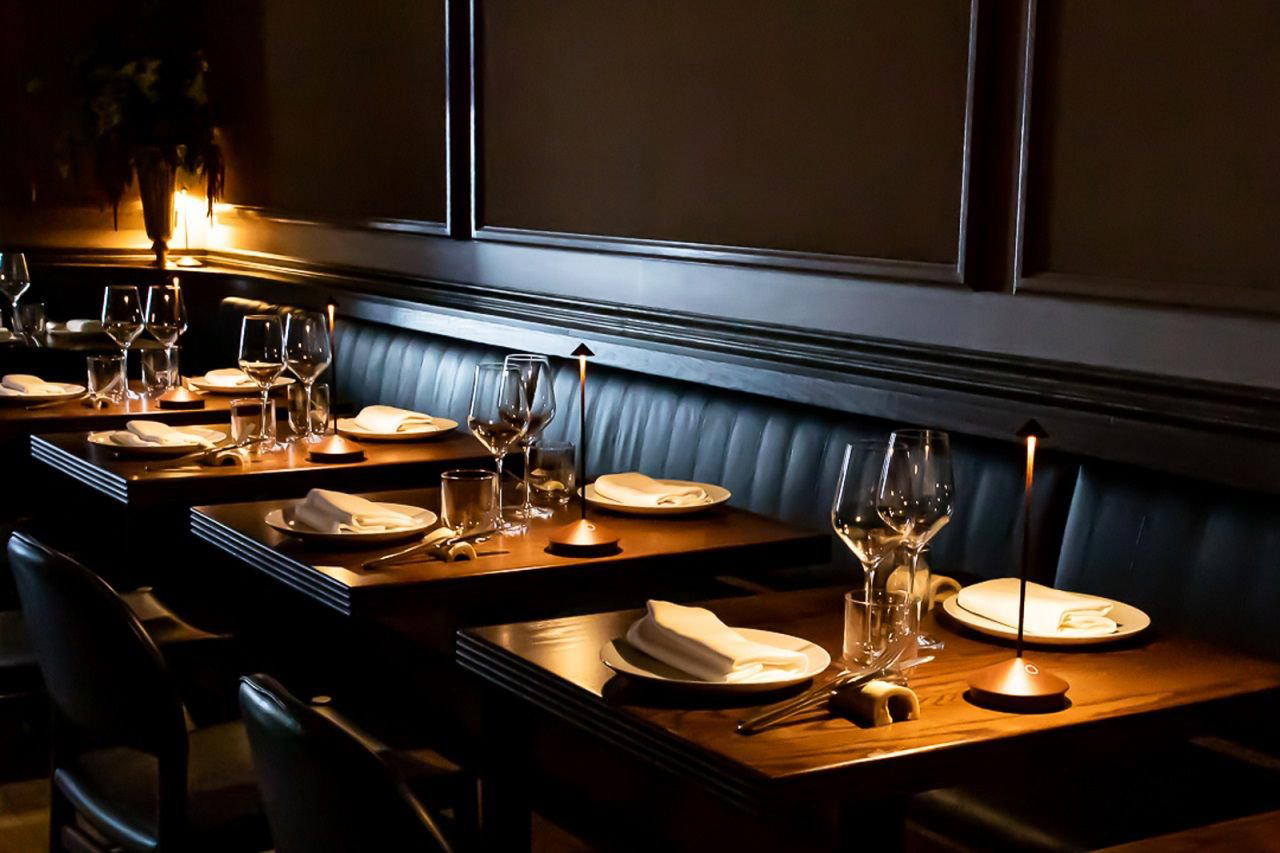
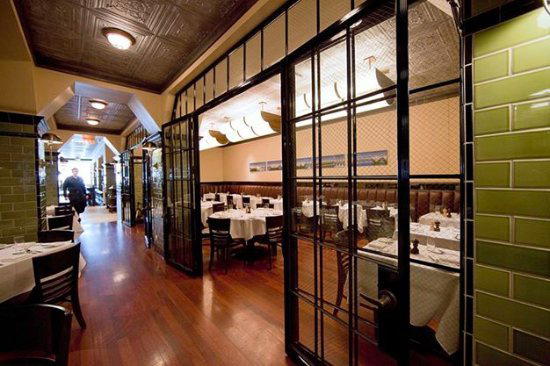
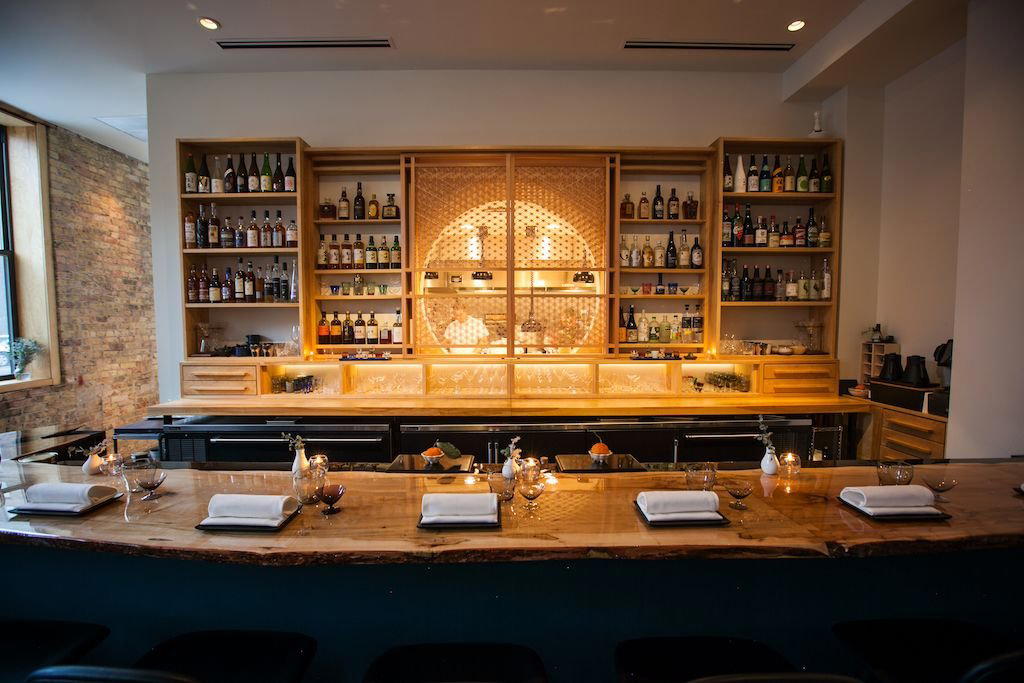
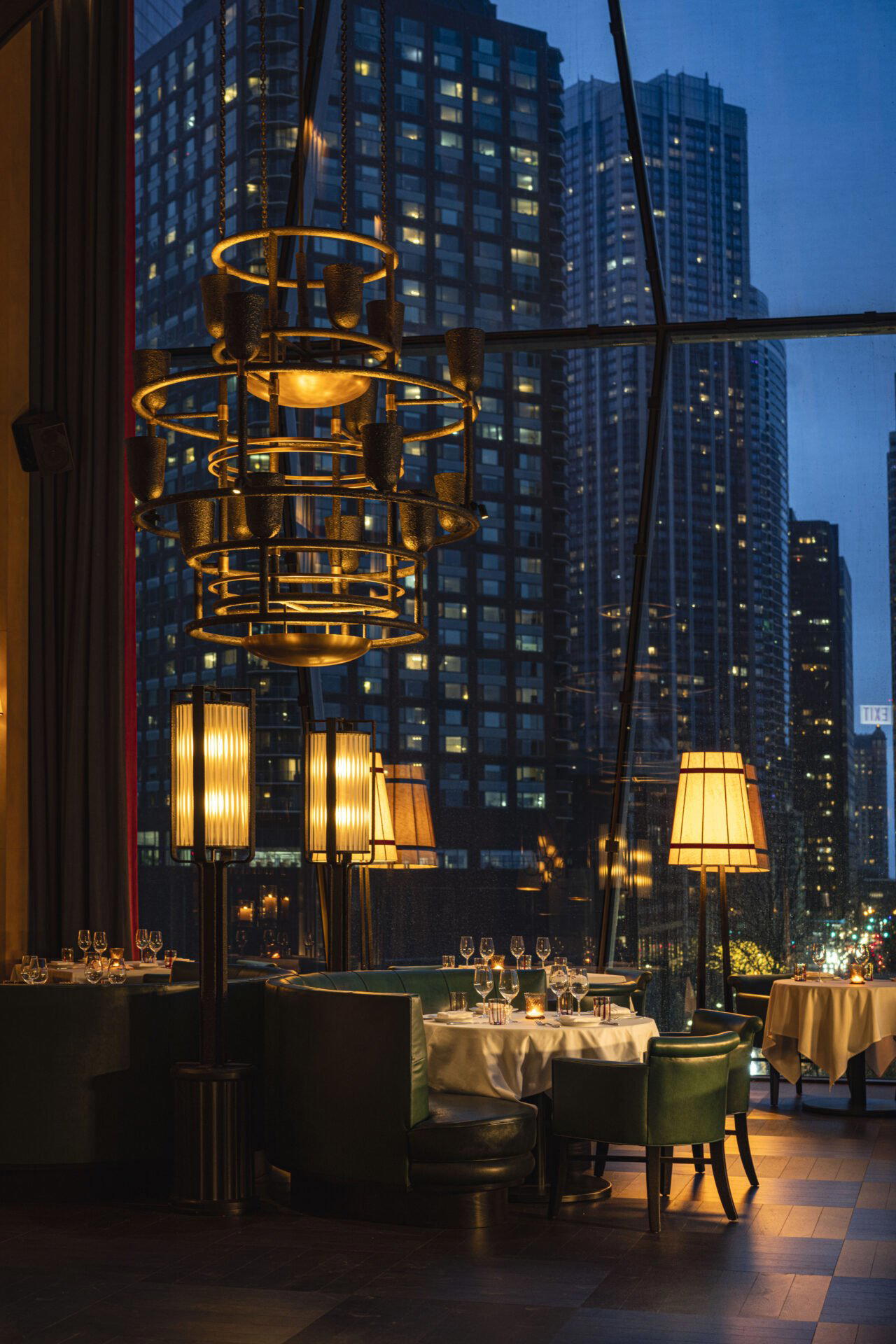
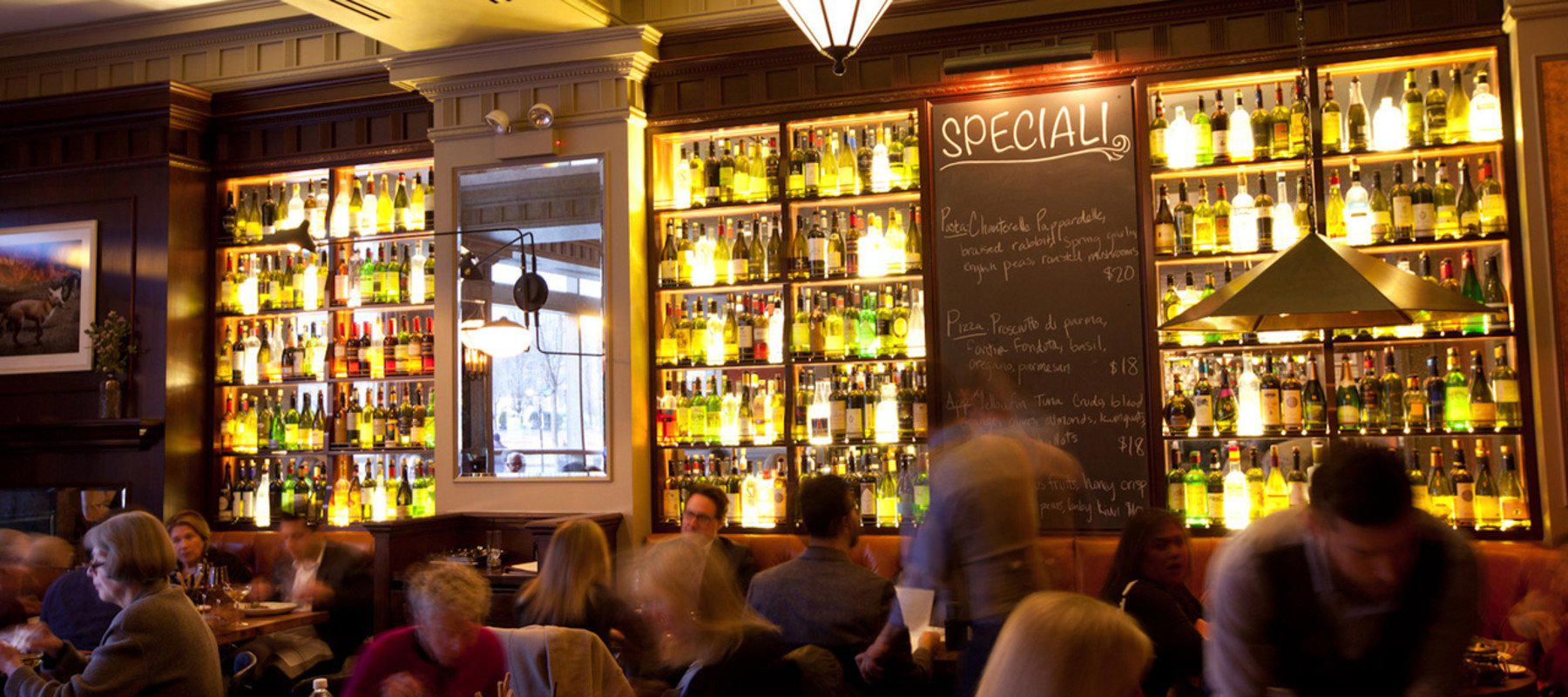
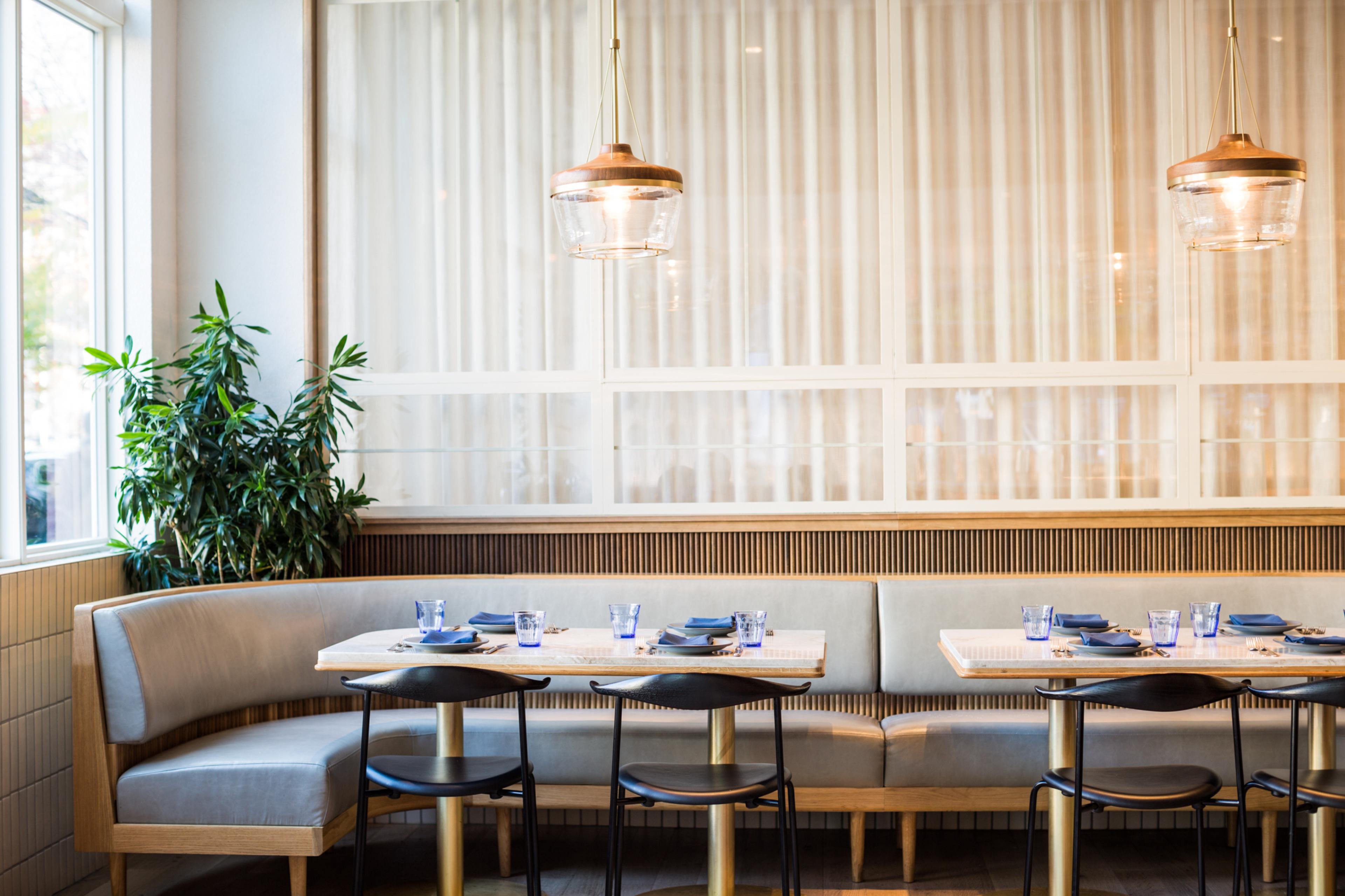
Sophisticated and cozy interior with elegant seating, leather-upholstered chairs, soft lighting, and plush environs ideal for formal dining.