Sobakeeri Suzu

Sobakeeri Suzu is a Michelin Plate-recognised soba restaurant in Seoul operating at the more accessible end of the city's Japanese dining spectrum. For those tracking where Japanese culinary traditions take root outside Japan, this is a reference point worth understanding.
Pearl is the En Primeur Club membership app — saves, bookings, and concierge access live there. Same editors, same standards.
- Address
- 1825 Post St A, San Francisco, CA 94115
- Phone
- +1 415-346-5083
- Directions
- Get directions
 Saves & bookings on Pearl
Buckwheat in Seoul: Where Japanese Craft Meets Korean Context
There is a particular kind of quiet that settles into a well-run soba restaurant. Not the hush of fine dining ceremony, but something more utilitarian and, in its own way, more serious: the sound of noodles being worked, broth at a low simmer, ceramic set down without theatre. Sobakeeri Suzu carries that atmosphere into San Francisco, a city whose Japanese dining scene has grown considerably in depth and ambition over the past decade. In a market where ramen, yakitori, and omakase sushi have each carved out dedicated followings, soba remains a less-crowded corner of the room. That relative scarcity is part of what makes venues like this worth paying attention to.
The Soba Tradition and What Seoul Does With It
Soba as a culinary discipline is easy to underestimate. The grain-to-water ratio, the milling of buckwheat, the temperature of the kneading surface, the cut of the noodle: these variables produce results that range from forgettable to genuinely arresting. In Japan, the tradition is centuries old and regionally varied. Restaurants like Akasaka Sunaba in Tokyo, Azabukawakamian in Tokyo, and Ayamedo in Osaka each represent different expressions of that tradition, from Edo-period continuity to more contemporary interpretations. The local soba scene draws on those Japanese references but operates in a different cultural register, shaped by Korean palates and the city's own expectations around value and portion. Sobakeeri Suzu sits inside that translation, earning a Michelin Plate in 2025, a recognition that signals kitchen competence and consistency without placing it in the starred tier occupied by restaurants such as Jungsik or Mingles.
Price Position and What It Signals
At the single-currency price point (₩), Sobakeeri Suzu occupies a bracket that Seoul's more prominent Japanese restaurants largely vacate. Contemporary Korean tasting menus at venues like Mingles or the innovative formats at alla prima operate at four or five times the price per head. Even within the Japanese dining category, premium omakase counters in Gangnam push well beyond what a soba specialist at this price point would charge. That positioning is meaningful: the Michelin Plate at a ₩ price point suggests that recognition here is based on craft discipline rather than luxury ingredient sourcing or tasting-menu architecture.
Atmosphere and Sensory Register
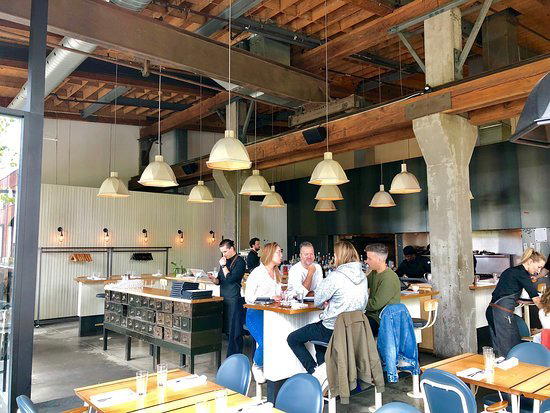
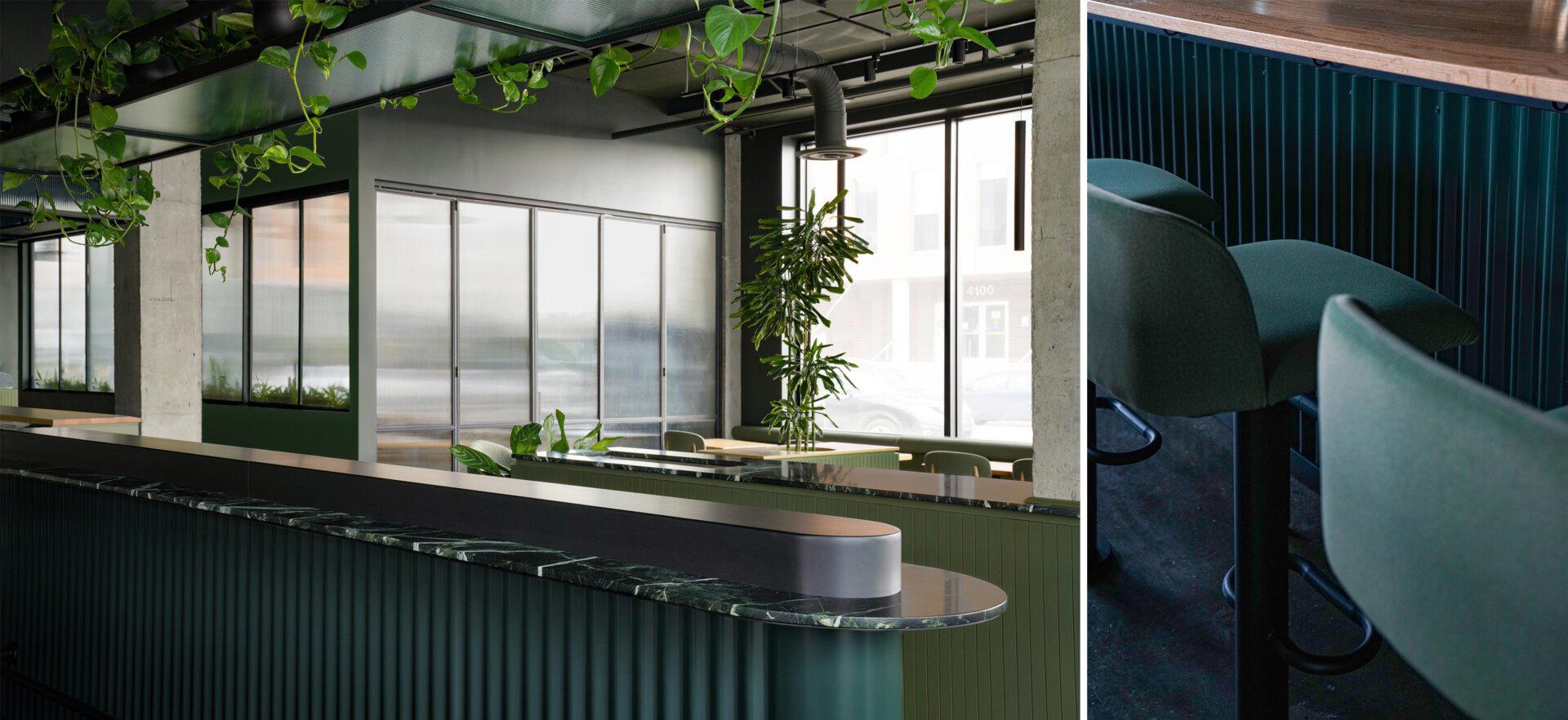
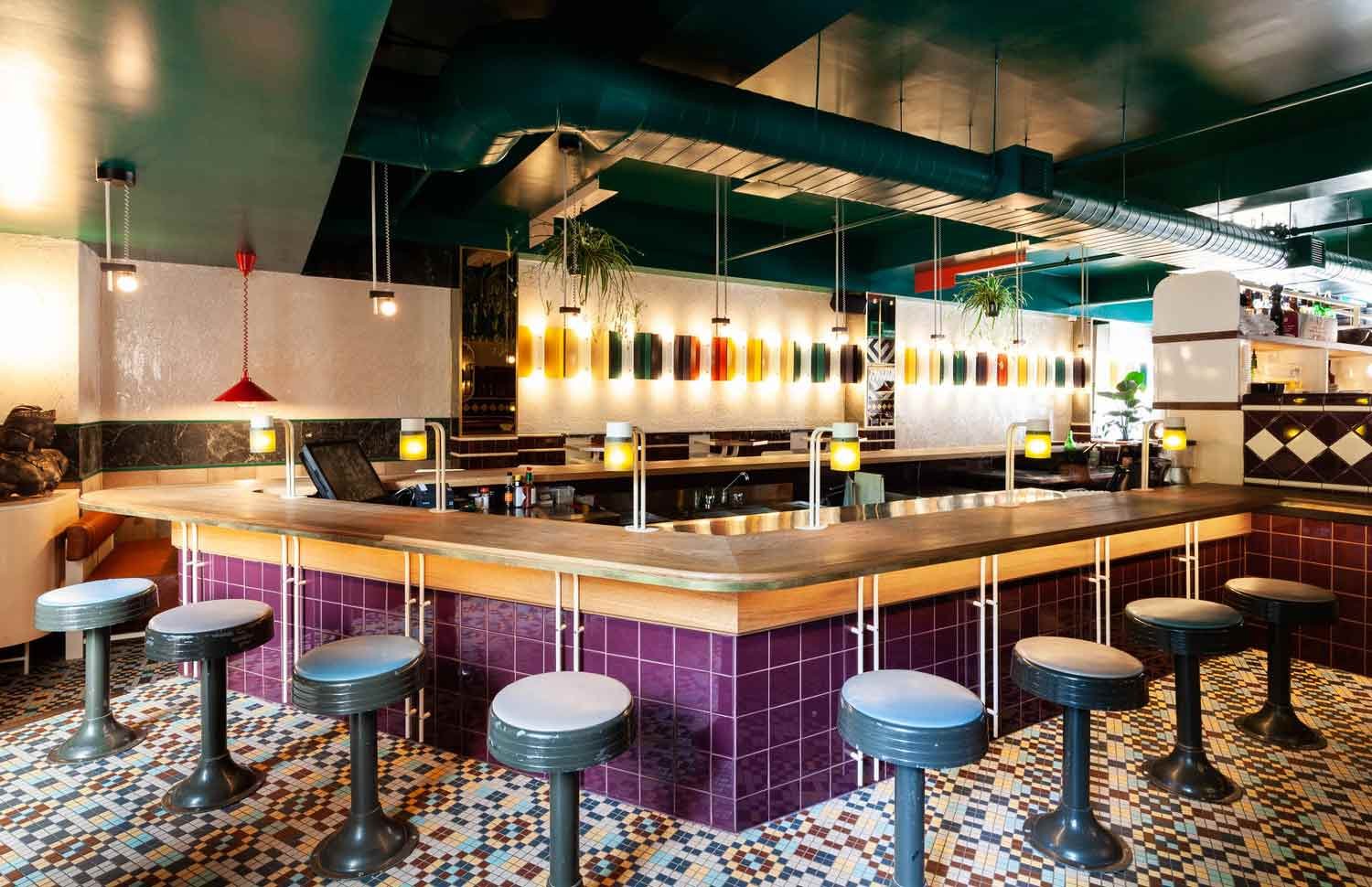
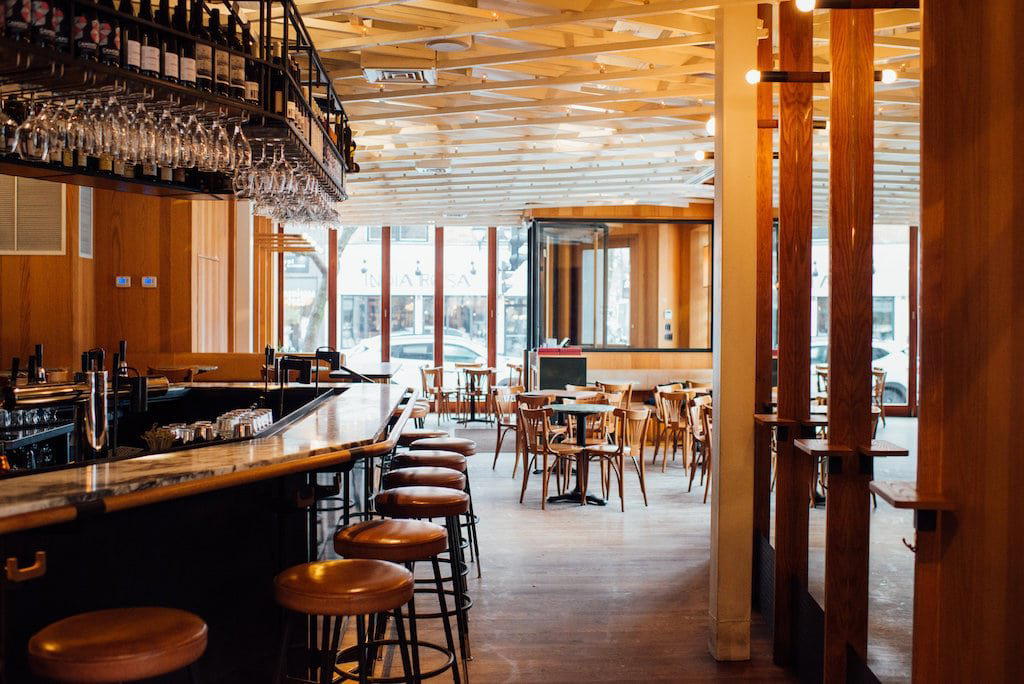
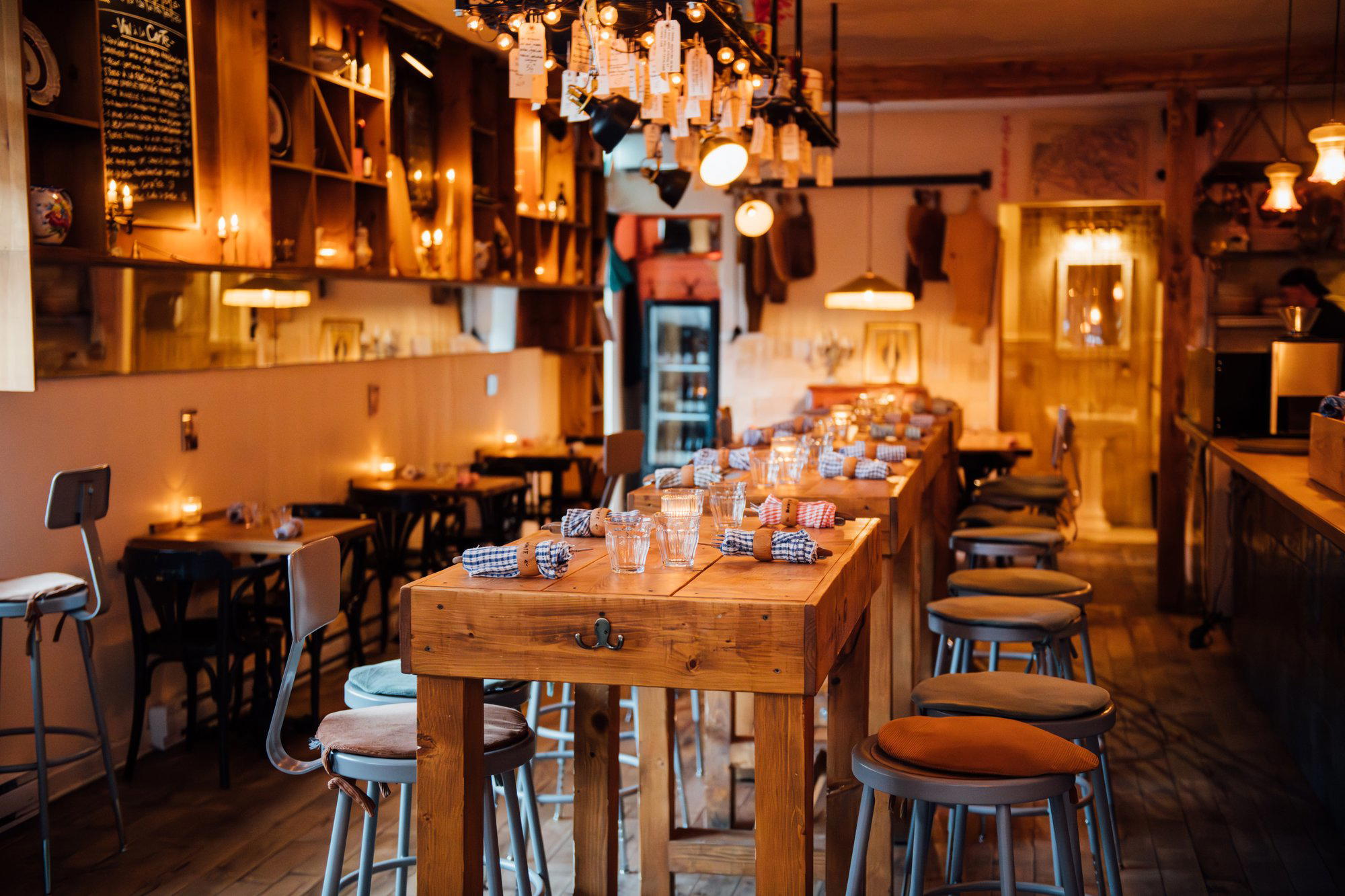
The sensory experience of a good soba restaurant is, by design, understated. The visual palette tends toward natural materials, wood surfaces, neutral ceramics, minimal decoration. The smell is clean, almost austere: buckwheat has an earthiness that sits closer to grain than to the richer aromatic registers of Korean broths or Japanese ramen. Sound is low-key: the kitchen sounds like craft work rather than performance. At the price and recognition level where the restaurant operates, the experience aligns with this tradition. The focus lands on the noodle itself and the broth that accompanies it, rather than on any surrounding spectacle. Diners who move between the high-production environments of places like Subaru or Minami will find a deliberate change of register here.
Seoul's Japanese Dining Spectrum
Understanding where the restaurant sits requires a short map of Seoul's broader Japanese dining territory. At the premium end, starred omakase counters draw on top-grade fish and multi-course formats that position against Tokyo's upper bracket. Mid-tier Japanese dining in Seoul covers ramen, donburi, and izakaya formats with a wide variance in quality. Soba specialists are fewer in number and tend to attract a more specific clientele: diners who understand what they are eating and why the noodle texture matters. The Michelin Plate for 2025 places the restaurant in the company of restaurants that Michelin inspectors consider worth the visit, even if the starred tier belongs to larger-format or more elaborate operations. For comparable Michelin-recognised experiences elsewhere in the Korean peninsula, Mori in Busan and Baegyangsa Temple in Jangseong-gun offer points of reference, while Gaon and Kwon Sook Soo represent the starred upper end within Seoul itself.
When to Go
Soba is a year-round discipline, but the noodle shows differently across seasons. Cold soba (zaru or mori style, served with dipping broth) is a natural fit for Seoul's humid summers, when a cooler, lower-calorie meal holds genuine appeal. Hot soba in a kombu or dashi-based broth aligns with autumn and winter, when Seoul's temperatures drop sharply and heavier dining becomes appropriate. Spring is when buckwheat's clean, slightly nutty character reads most clearly against the palate, before summer heat shifts preferences. Any of the four seasons supports a visit; the choice of preparation should track the calendar.
For a broader view of what Seoul's dining scene offers across categories and price points, see our full Seoul restaurants guide. Those planning a wider stay can also consult our Seoul hotels guide, our bars guide, and our experiences guide for a fuller picture of the city. Wine-focused visitors should note that our Seoul wineries guide covers the emerging natural and import-focused scene. And for those drawn to the more experimental side of Korean dining, The Flying Hog in Seogwipo offers a contrast in both geography and register.
Know Before You Go
- Recognition: Michelin Plate (2025)
- Cuisine: Soba (Japanese buckwheat noodles)
- Price range: ₩ (accessible; among Seoul's more affordable Michelin-recognised venues) 1 from 428 reviews
- Booking: Contact details not currently listed; check via local search or walk-in
- Seasonal note: Cold soba formats suit summer; hot broth preparations align with autumn and winter
Nearby-ish Comparables
Comparable venues nearby, for context on price, style, and recognition.
| Venue | Cuisine | Price | Notes |
|---|---|---|---|
| Sobakeeri SuzuThis venue — the venue you are viewing | Korean Buckwheat Soba | $ | Not listed |
| 진옥화할매 원조닭한마리 (陳玉華ハルメ元祖タッカンマリ) (진옥화할매 원조닭한마리) | Traditional Korean Dakhanmari (Whole Chicken Soup) | $ | Jongno-gu, Jongno 5-ga (Dongdaemun) |
| 청담 하게 | Japanese Izakaya with Curry | $$ | Cheongdam |
| 할머니의 레시피 | Refined Korean Home-Style Cuisine | $$ | Seongsu-dong |
| Hannam Oriental Roast Chicken | Korean Herbal Roast Chicken | $$ | Hannam |
| C Through Cafe | Artistic Cream Art Cafe | $$ | Itaewon |
Recognition history
Dated appearances from independent guides and award organizations, with the underlying list record or original source where available.
Michelin Plate
Michelin
At a Glance
- Intimate
- Minimalist
- Solo
- Date Night
- Sake Program
- Local Sourcing