

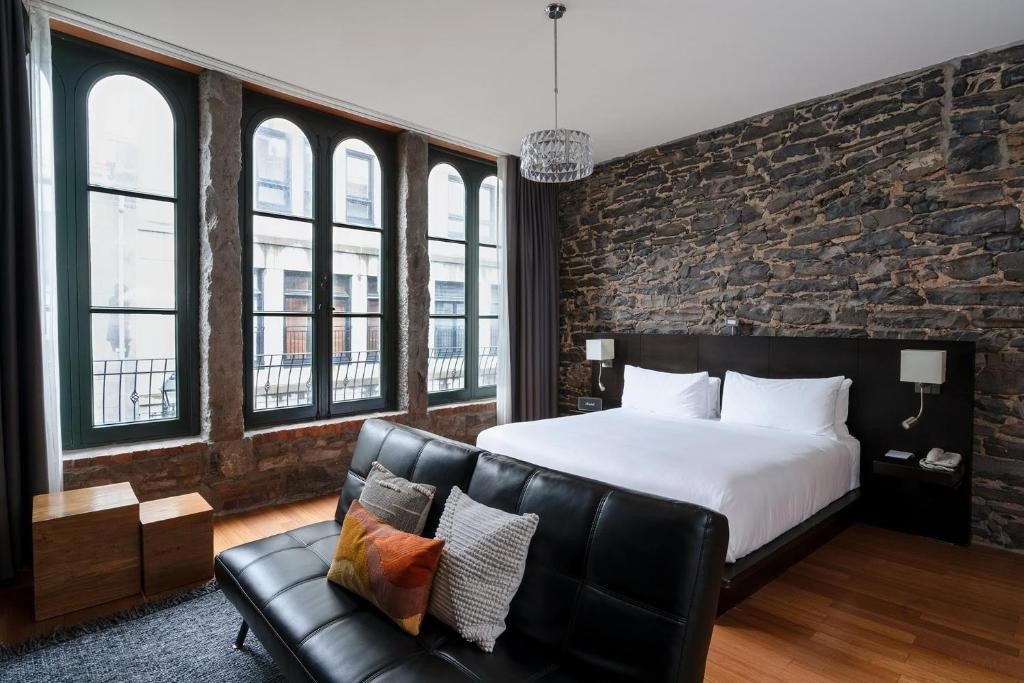
Auberge du Vieux-Port in Old Montreal is a refined boutique hotel blending 19th-century architecture with contemporary comfort. Stay in one of 45 rooms featuring Le Labo bath products, Marie L'Oie goose-down bedding and Nespresso machines. Dine at Gaspar French Brasserie or the Pincette lobster bar, then ascend to Terrasse sur l’Auberge for rooftop views of the Saint Lawrence River. The hotel’s Prix du Jury interior-design recognition and intimate service create a romantic, culturally rich stay. Expect cobblestone streets, fireplaces, warm wood finishes and the scent of fresh coffee each morning, an authentic Montreal experience tailored for couples, cultural travelers and business guests.
Pearl is the En Primeur Club membership app — saves, bookings, and concierge access live there. Same editors, same standards.
- Address
- 97 Rue de la Commune E, Montréal, QC H2Y 1J1
- Phone
- +1 888-660-7678
- Website
- aubergeduvieuxport.com
- Directions
- Get directions
 Saves & bookings on Pearl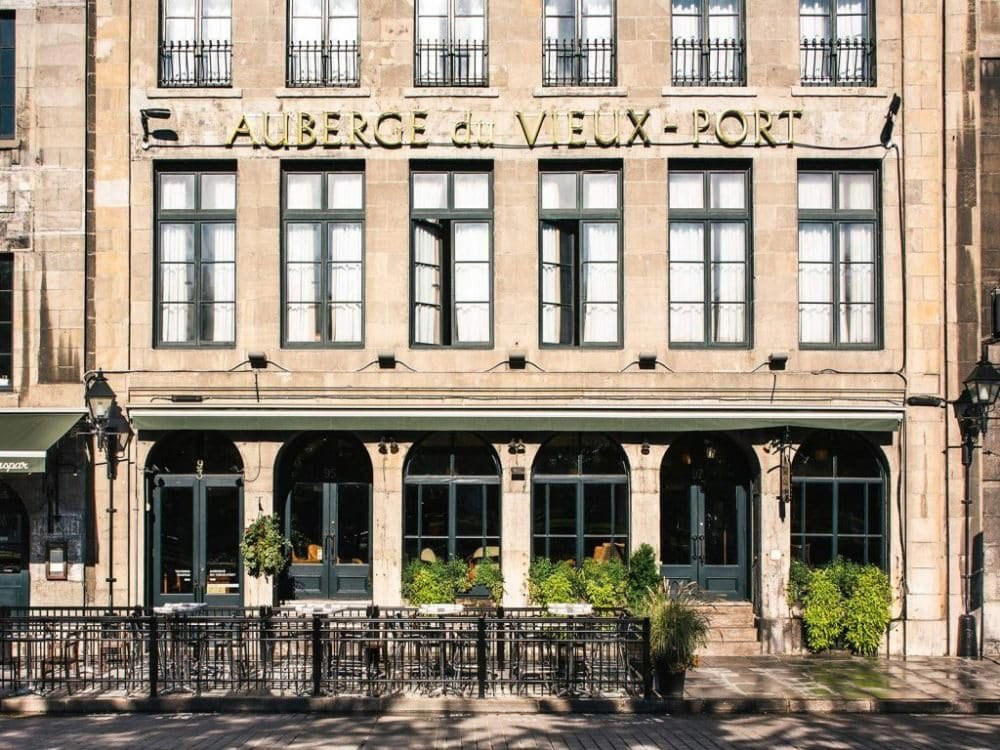
Stone, River, and Two Centuries of Old Montreal
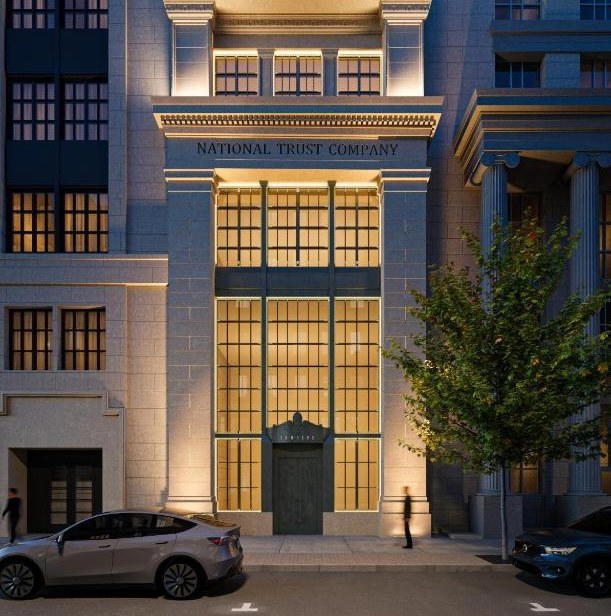
Standing at the edge of the Old Port, where Rue de la Commune runs along the St. Lawrence waterfront, the building that houses Auberge du Vieux-Port reads less like a hotel and more like a geological record of the city itself. The limestone facade belongs to a 19th-century warehouse district that once processed the commercial traffic of a continental river trade. Today the same stretch of Commune, with its cobblestones and converted industrial blocks, forms one of Montreal's most architecturally coherent streetscapes, a rare North American environment where adaptive reuse has preserved mass and material rather than erasing them. The auberge sits inside that continuity, not apart from it.
Old Montreal's hotel tier has expanded considerably over the past decade, with properties ranging from boutique conversions to full-scale luxury addresses. Within that cohort, the distinction that matters most is often structural: how much of the original building survives, and how honestly the interior acknowledges it. The properties that perform leading at the premium end of the neighbourhood tend to be those that let exposed brick, original timber, and warehouse-scale ceilings do the heavy architectural work rather than layering contemporary finishes over the bones. Auberge du Vieux-Port operates in that tradition. The hotel has 45 rooms and a four-star rating.
The Heritage Framework That Defines Old Montreal Lodging
The Vieux-Port district has been through several identities since the mid-1800s. As St. Lawrence trade routes shifted and industrial use declined through the 20th century, the warehouse blocks along the waterfront fell into disuse before municipal and federal investment began reclaiming the area for cultural and residential purposes in the late 1980s and 1990s. That reclamation produced two categories of building: those gutted and rebuilt behind preserved facades, and those converted with interior structure largely intact. The latter are rarer and, for travellers interested in the city's mercantile past, considerably more instructive as places to stay.
Across the broader Canadian hotel market, the properties that have accumulated the strongest editorial recognition are frequently those that embed place-specific character rather than deploying a transferable luxury vocabulary. Fogo Island Inn in Joe Batt's Arm and Clayoquot Wilderness Lodge in Tofino occupy the far end of that spectrum, where site-specificity becomes the entire product. In urban heritage contexts, the equivalent commitment shows up in structural honesty and neighbourhood integration rather than remote setting.
Auberge du Vieux-Port's 2025 Condé Nast ranking at number seven among Canada's leading hotels places it in the upper bracket of boutique heritage properties nationally, alongside addresses like Manoir Hovey in North Hatley and Le Germain Charlevoix Hotel & Spa in Baie-St-Paul, both of which operate on similarly place-rooted premises in Quebec's broader hospitality offer. The auberge is being evaluated against properties that prioritise character over standardised amenity delivery.
Where It Sits in Montreal's Competitive Set
Montreal's premium hotel market is relatively concentrated, with a cluster of well-known addresses operating in or adjacent to the downtown core. Four Seasons Hotel Montreal and Fairmont The Queen Elizabeth represent the large-format, full-service end of the market, with correspondingly large footprints and amenity lists. Le Mount Stephen and Hotel Le St-James occupy a more character-driven register, with heritage buildings and smaller scales that overlap more directly with the Vieux-Port competitive set. Hotel Le Germain Montreal and Hotel Gault lean toward design-led rather than heritage-led positioning.
What separates Auberge du Vieux-Port from most of those comparisons is geography as much as style. The Old Port location places it within walking distance of the Marché Bonsecours, the Basilique Notre-Dame, and the network of cobbled streets that make Vieux-Montréal one visited part of the city. For travellers whose primary interest is the historical quarter, commuting from a downtown address wastes time. Staying in the neighbourhood is a functional choice, not only an aesthetic one. Le Place d'Armes Hotel & Suites and Le Petit Hotel are among the other properties that make the same neighbourhood argument from different positions within the district.
The Rooftop Terrace and Seasonal Strategy
Montreal's hospitality calendar has a clear seasonal logic. The winter months compress outdoor activity and move energy indoors, while June through September opens up the terrasse culture that defines the city's warmer months. Properties in the Old Port benefit disproportionately from this shift, given their proximity to the waterfront promenade and the summer programming that runs through the Vieux-Port district. A rooftop terrace with river sightlines reads differently in July, when the St. Lawrence catches long evening light, than it does in February. Travellers optimising for the outdoor dimension of the property should weight their visit toward the late spring through early autumn window. Those arriving in winter will find the neighbourhood in a different register, quieter, with the architectural character of the stone streets even more legible without summer crowds.
For Canadian context at the mountain-resort end of the spectrum, Fairmont Chateau Whistler in Whistler and Fairmont Banff Springs in Banff invert this logic entirely, peaking in winter. The Vieux-Port, by contrast, is a summer-weighted property for most of its leisure appeal.
Planning and Booking
For a property ranked seventh nationally by Condé Nast in 2025, demand at peak periods, Festival International de Jazz in late June and early July, Just For Laughs in July, and the broader summer tourist season, should be anticipated well in advance. Heritage boutique properties in the Old Port operate with limited room counts relative to the larger downtown addresses, which means availability tightens faster. Travellers targeting the summer rooftop experience specifically should plan three to four months ahead for the preferred dates. Winter and shoulder-season windows in November, March, and April typically offer more flexibility, with the Old Port quieter but the architectural experience of the neighbourhood undiminished.
The property's address at 97 Rue de la Commune E places it directly on the waterfront, and easily walkable from the majority of Vieux-Montréal attractions. Rosewood Hotel Georgia in Vancouver and Four Seasons Hotel Toronto in Toronto represent the next tier up in terms of amenity depth, though neither offers the same degree of neighbourhood immersion. At the international end, Aman Venice in Venice provides a useful reference point for what adaptive reuse of genuinely historic buildings can achieve at the highest price tier. Aman New York in New York City and The Fifth Avenue Hotel in New York City anchor the North American heritage hotel conversation at a different price point entirely. Hôtel Quintessence in Mont-Tremblant, Fairmont Chateau Lake Louise in Lake Louise, Fairmont Empress Hotel in Victoria, The Dorian, Autograph Collection in Calgary, and The Royal Hotel in Picton round out the Canadian premium hotel picture for travellers building a broader itinerary.
Nearby-ish Comparables
Comparable venues nearby, for context on price, style, and recognition.
| Venue | Cuisine | Price | Notes |
|---|---|---|---|
| Auberge du Vieux-PortThis venue — the venue you are viewing | Charming boutique hotel in a restored 19th-century warehouse blending historic charm with modern luxury. | $$$ | Not listed |
| Metcalfe Montréal | Downtown boutique hotel offering quiet luxury behind a historic façade with contemporary interiors and locally rooted touches. | $$$ | Downtown Montreal |
| Hotel St. Paul | Luxury boutique hotel in a heritage building with modern serene interiors. | $$$ | Vieux Montréal |
| Hotel Gault | Contemporary boutique in historic greystone building | $$$$ | Vieux Montréal |
| Hotel Le St-James | Historic boutique luxury hotel in restored 19th-century bank | $$$$ | Quartier international de Montreal |
| InterContinental Montreal | Historic luxury with contemporary updates | $$$$ | Quartier international de Montreal |
Recognition history
Dated appearances from independent guides and award organizations, with the underlying list record or original source where available.
Conde Nast Best Hotels #7
Conde Nast
Michelin Selected
Michelin
At a Glance
- Romantic
- Elegant
- Cozy
- Historic
- Intimate
- Sophisticated
- Romantic Getaway
- Anniversary
- Weekend Escape
- Business Trip
- Waterfront
- Terrace
- Historic Building
- Wi Fi
- Fitness Center
- Spa
- Room Service
- Concierge
- Business Center
- Valet Parking
- Restaurant
- Bar
- Laundry Service
- Waterfront
- Skyline
- Wi Fi
- Fitness Center
- Spa
- Room Service
- Concierge
- Business Center
- Valet Parking
- Restaurant
- Bar
- Laundry Service
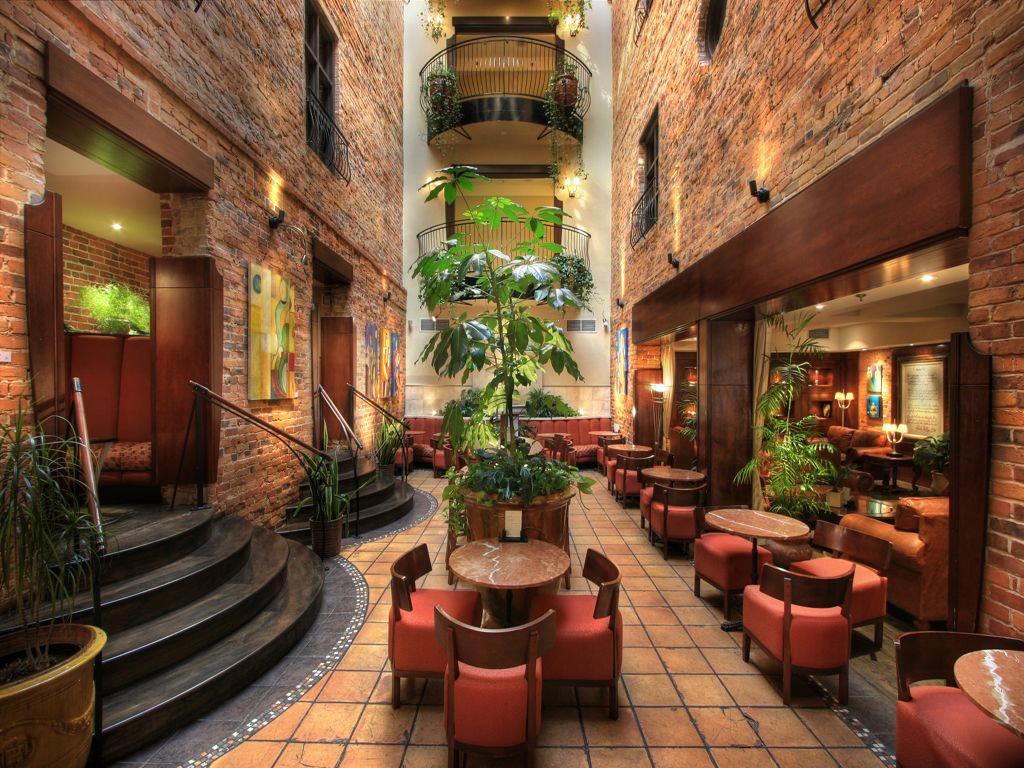
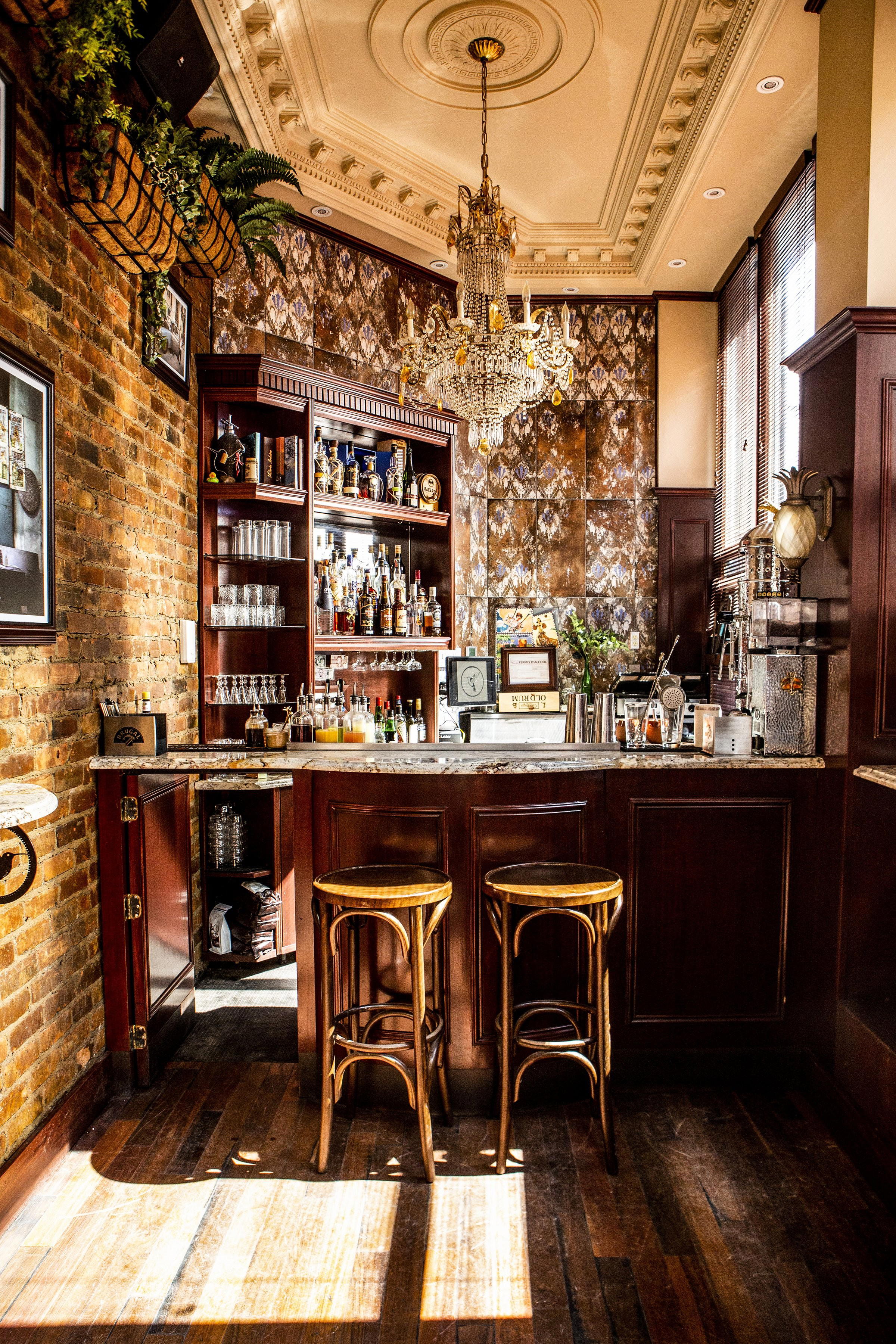
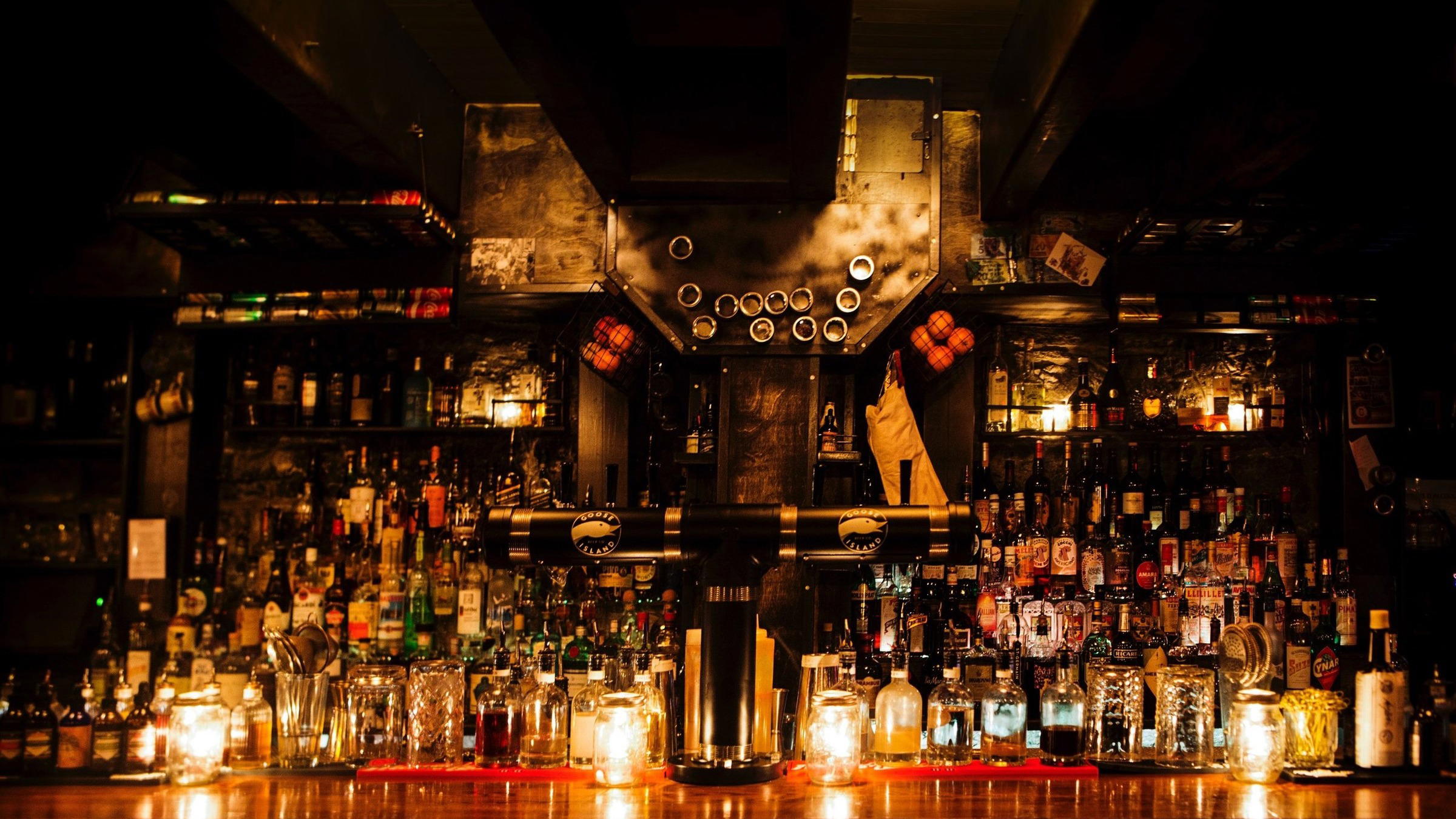
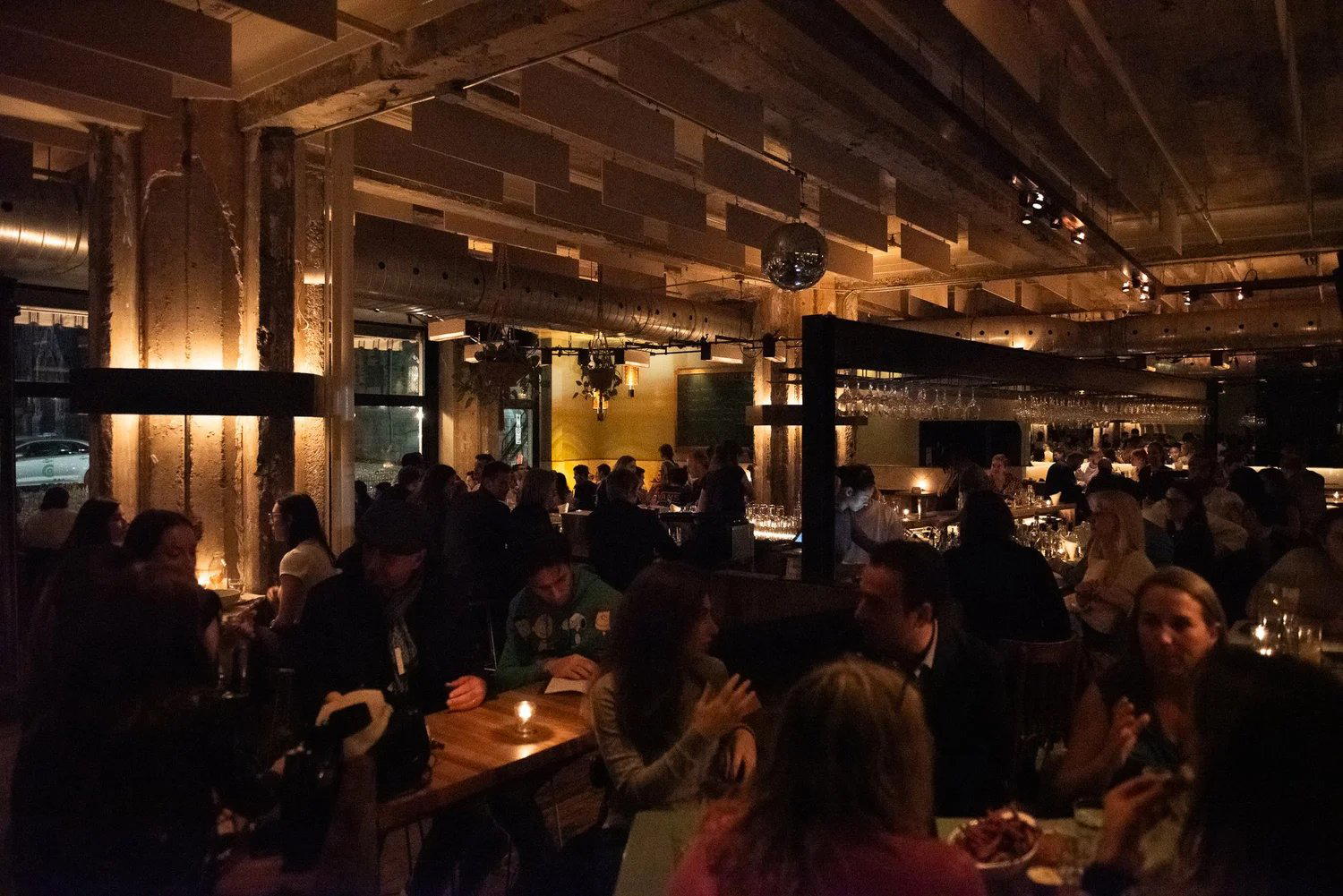
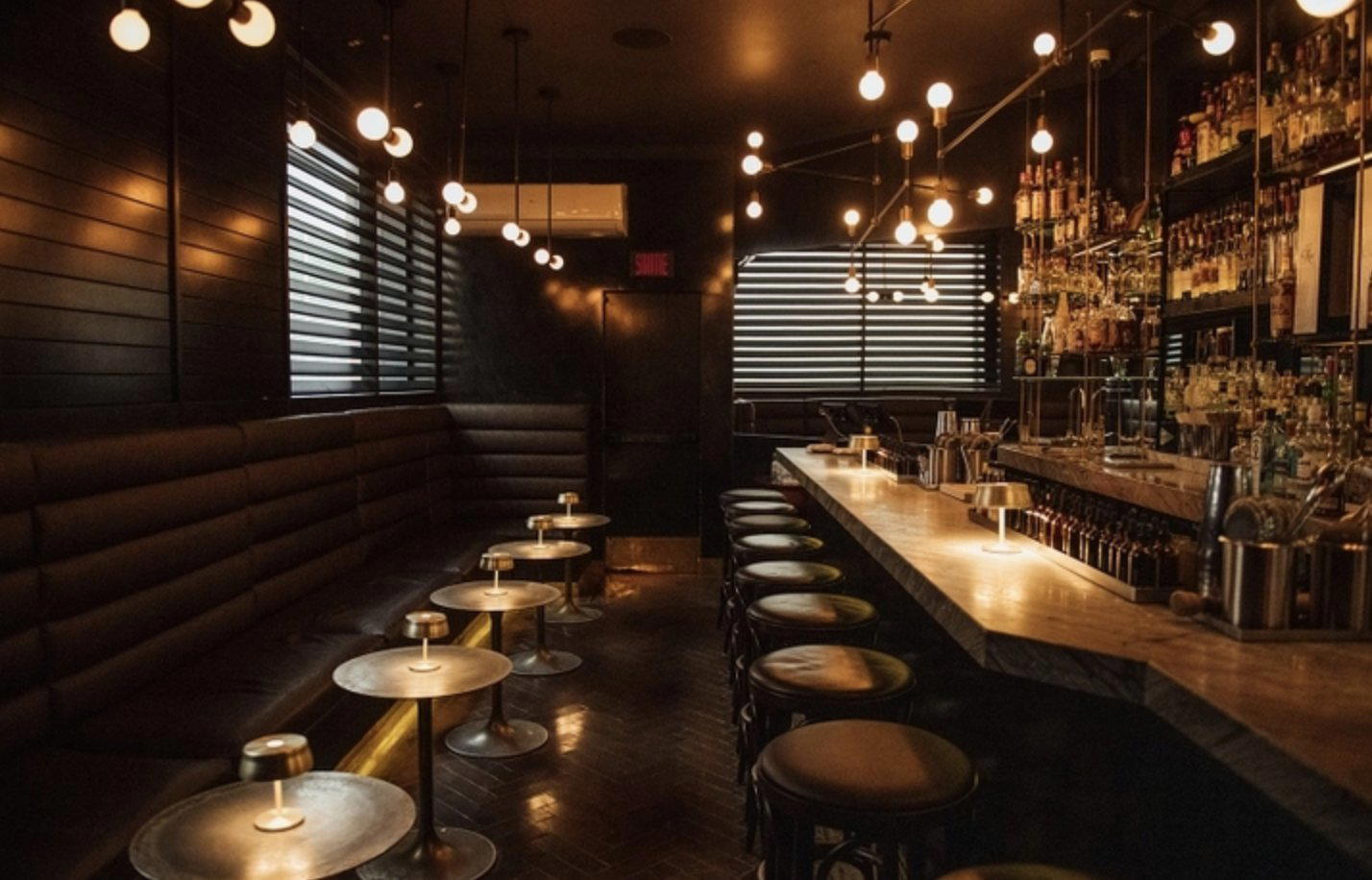
Cozy and elegant with exposed stone walls and beams, warm lighting from lobby fireplace, and a lively yet intimate multifunctional lounge featuring a library and chess table.