


1 Michelin Star · Canada's 100 Best Restaurants #63 · The Best Chef One Knife
Our verdict
Chef Simon Mathys runs a five-course tasting menu where the ingredients set the agenda, from ruby-red tomatoes finished with camelina oil to a house-classic lettuce tart that critics keep citing by name. Natural wine flights and Quebec spirits complete the picture.

Pearl is the En Primeur Club membership app — saves, bookings, and concierge access live there. Same editors, same standards.
- Address
- 1879 Rue Bélanger, Montréal, QC H2G 1B6, Canada
- Phone
- (514) 843-2152
- Hours
- Mon–Fri 6–10 PMSat–Sun Closed
- Website
- restaurantmastard.com
- Directions
- Get directions
- Booking
- Book on the venue's website
The menu
What to order
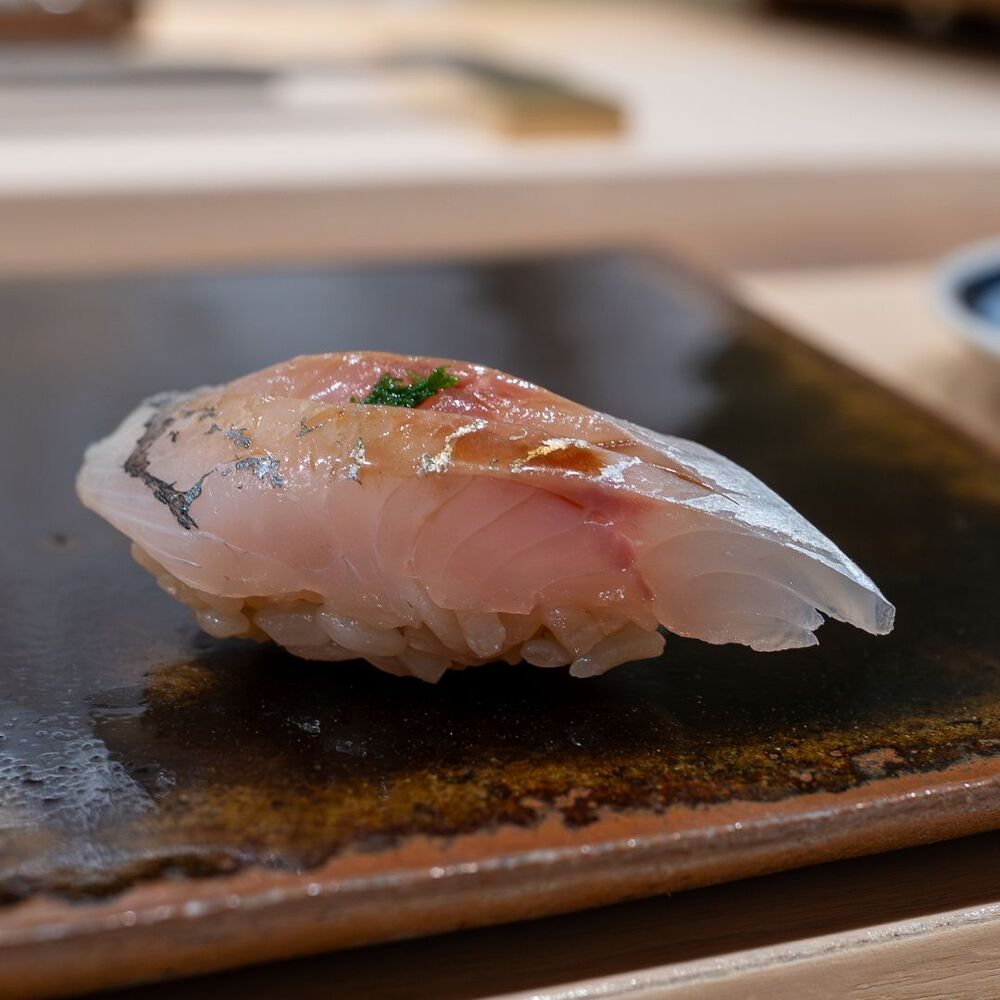
- Lettuce Tart
- Rabbit & Oysters
- Miso Walleye
- Braised Cabbage & Uni
- Sunchoke Ice Cream
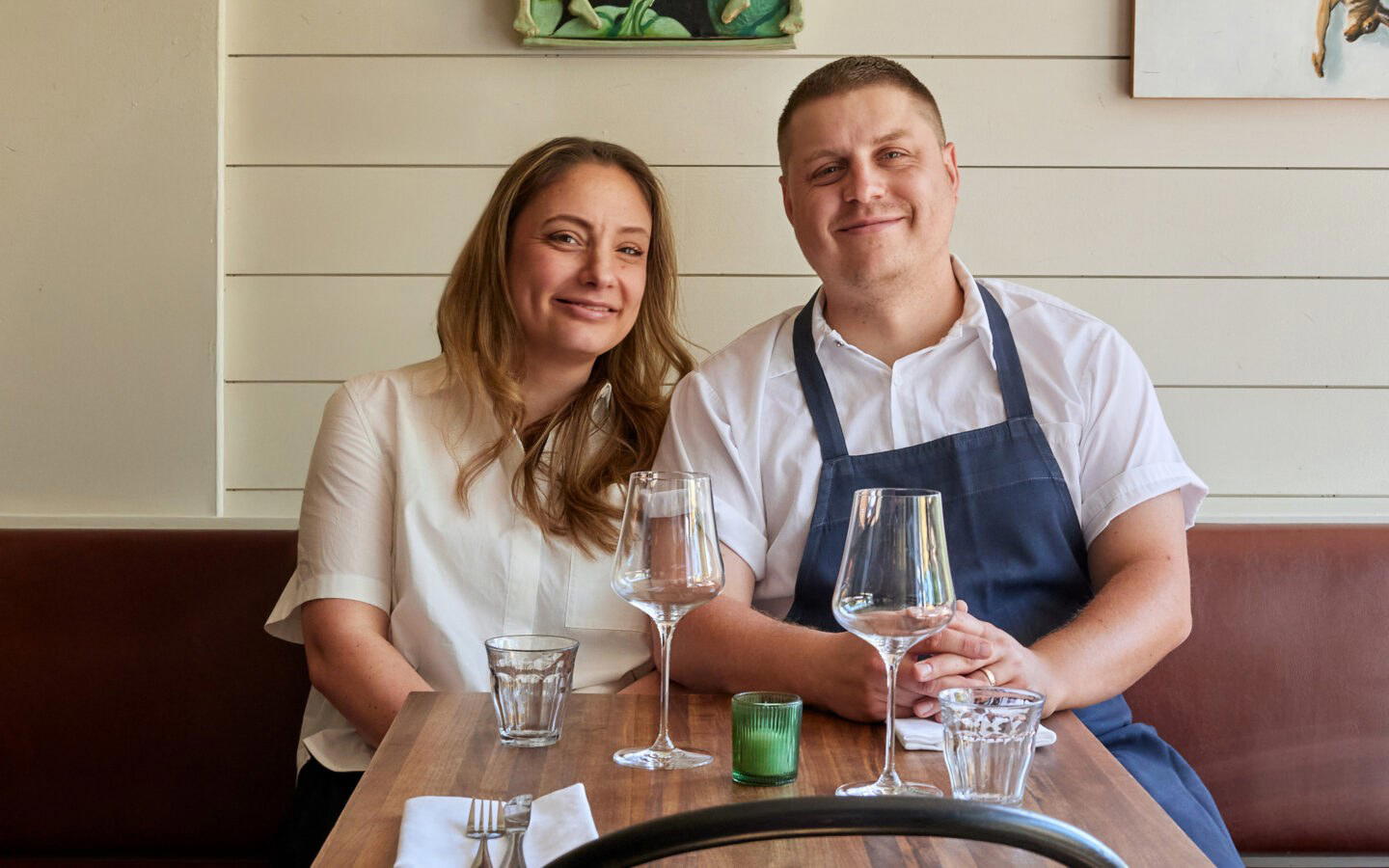
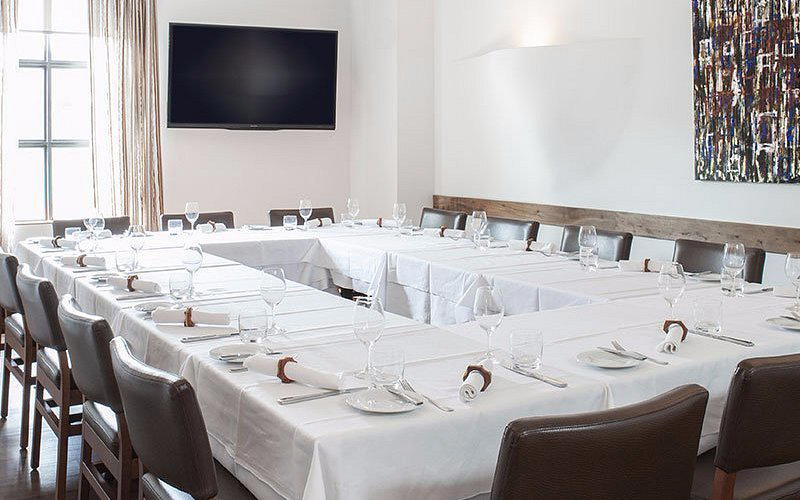
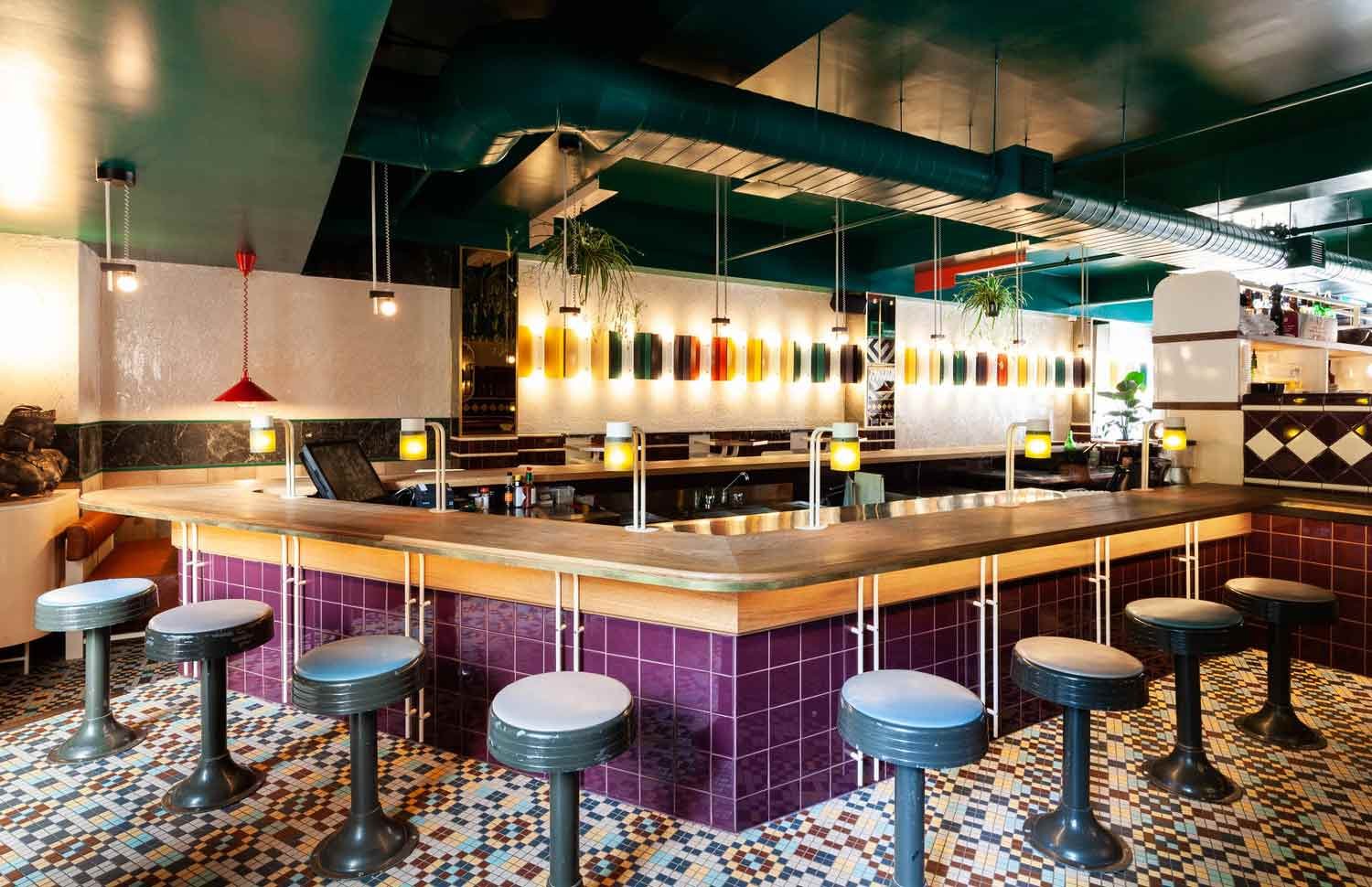
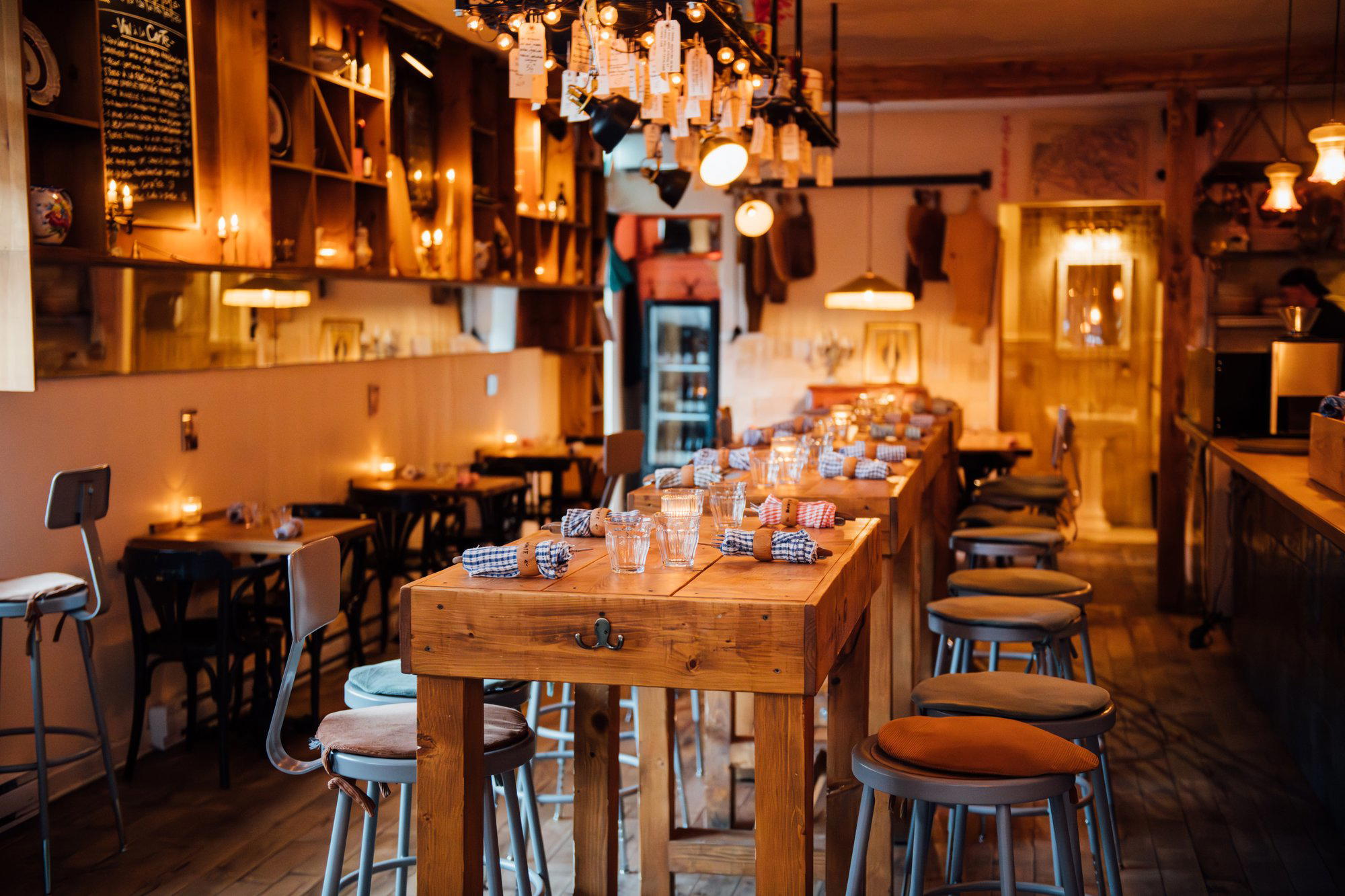
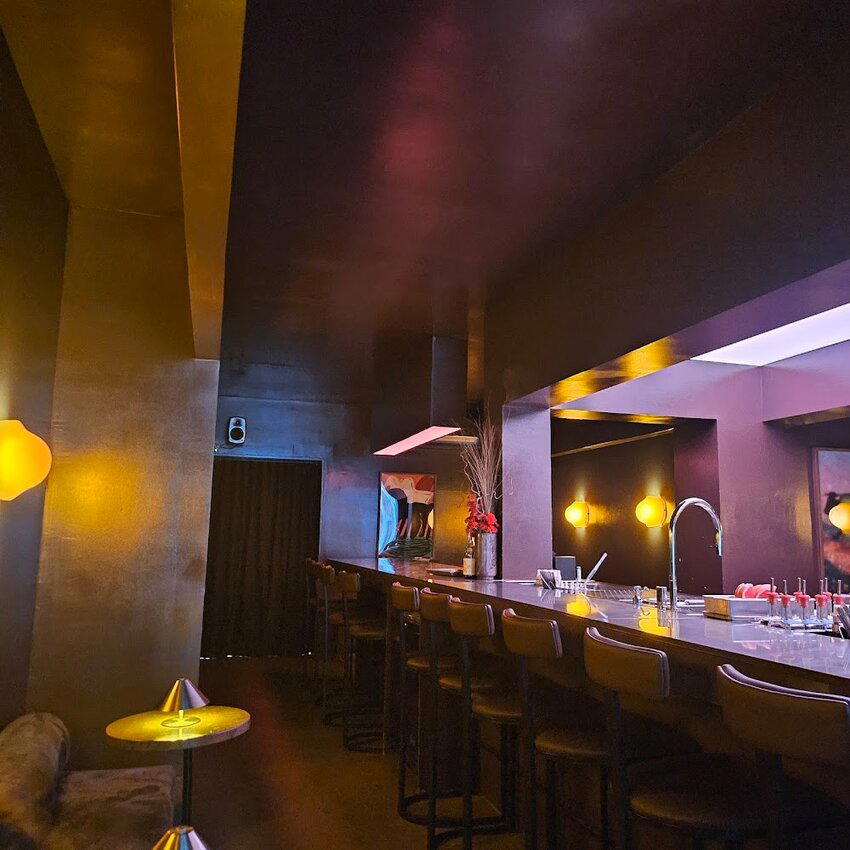
That dual identity — neighbourhood spot and destination restaurant — is harder to pull off than it sounds. Many starred rooms in Canadian cities drift toward formality as recognition accumulates, distancing themselves from the communities that originally sustained them. Mastard has moved in the opposite direction. A recent major renovation introduced a minimalist décor built around natural materials, which sharpened the room's visual identity without sacrificing the ease that defines the service under front-of-house partner Viki Brisson-Sylvestre. The result is a dining room that reads as considered without being precious.
What Quebec Terroir Looks Like at the Counter
The word mastard carries weight in Quebec French: it signals something large, forceful, and not easily dismissed. The kitchen takes that implied mandate seriously. Chef Simon Mathys works a five-course tasting menu format built around seasonal Quebec product, and the flavour profile that emerges is one of bold clarity rather than refinement for its own sake. Dishes from the current rotation have included a slice of ruby-red tomato from Ferme des Quatre-Temps, finished with smoked beef fat, camelina oil, and verjus, a construction that uses a single impeccable ingredient as the structural argument of the plate.
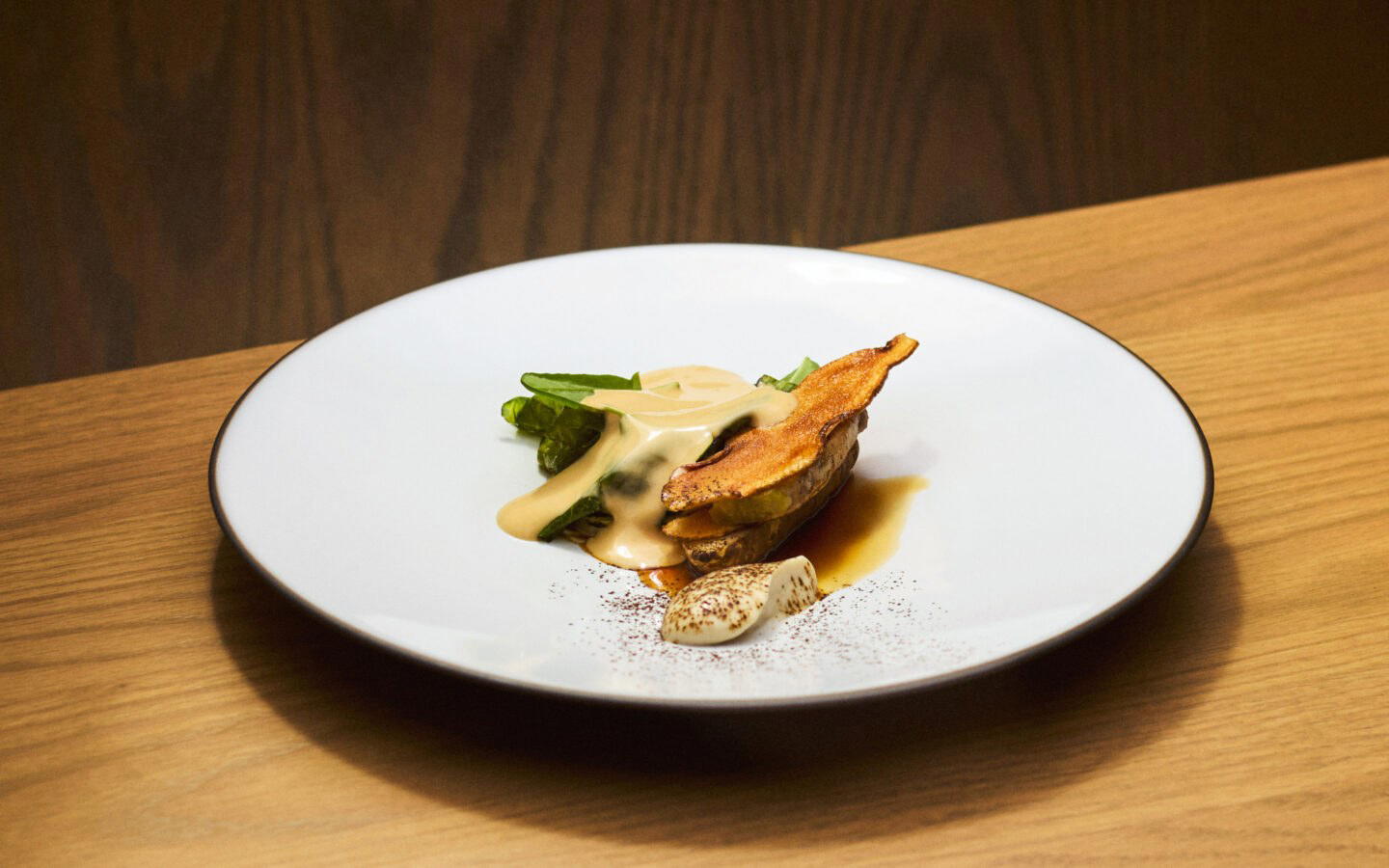
The lettuce tart has become the room's signature over repeated seasons: pâte brisée filled with a mousse of local gem lettuce and served alongside an herb sauce. Critic Ivy Lerner-Frank, writing in the context of the restaurant's Michelin recognition, described dreaming about it specifically. That kind of dish, technically demanding, built on an ingredient that most kitchens would treat as garnish, is a reliable signal of where a tasting menu program actually sits in terms of ambition. Meatier courses extend the range: duck sausage with smoked egg yolk emulsion and meat jus, or guinea fowl paired with foie gras terrine, mustard sabayon, and braised endive.
Cooking sits in a lineage that runs through Quebec's most ingredient-focused kitchens. Tanière³ in Québec City and Narval in Rimouski occupy similar territory, tasting menus organized around provincial sourcing, where the season's produce sets the pace and the chef's role is to find the most honest expression of what arrived that week. Outside Quebec, the format has close analogs at AnnaLena in Vancouver and Restaurant Pearl Morissette in Lincoln, both of which treat regional sourcing as editorial premise rather than marketing language. The city's wine culture has moved steadily away from conventional French-heavy programs toward bottles that reflect the same seasonal, producer-led logic as the food. Alo in Toronto and a cluster of Quebec City addresses, and it invites comparison with the broader tendency across Canadian fine dining to treat local ingredient identity as a primary differentiator rather than a secondary note.
Internationally, the format has close equivalents at rooms like Frantzén in Stockholm, where terroir-first cooking operates at the tasting menu level with minimal theatrical intervention. Mastard's version of that impulse is less austere, the service is warmer, the room is convivial rather than ceremonious, but the underlying premise is comparable: let the sourcing carry the argument, and build technique around it rather than over it. FZN by Björn Frantzén in Dubai shows how that same sensibility translates to a very different context; Mastard's interest lies in staying rooted in place. The Pine in Creemore pursues a version of that same regional commitment at an even smaller scale. The five-course tasting menu format with optional wine flight is the primary way to experience the kitchen's current direction. Price sits at the $$$ range, which places Mastard below Toqué and Europea in absolute cost while operating at a comparable level of culinary ambition.enprimeurclub.
Frequently asked questions
What should I order at Mastard?
Mastard operates a five-course tasting menu format, so ordering à la carte is not the standard mode. The kitchen's most-cited dish is the lettuce tart: pâte brisée filled with a mousse of local gem lettuce, served with an herb sauce. Critic Ivy Lerner-Frank specifically identified it as a standout in coverage tied to the restaurant's Michelin one-star award (2025). Other documented dishes include a tomato preparation from Ferme des Quatre-Temps with smoked beef fat, camelina oil, and verjus; duck sausage with smoked egg yolk emulsion; and guinea fowl with foie gras terrine, mustard sabayon, and braised endive. The wine flight, four or five pours, leaning natural, is the designed accompaniment to the menu and aligns with the same Quebec-sourcing logic as the food. Chef Simon Mathys and front-of-house partner Viki Brisson-Sylvestre run the room together, and the service reflects that partnership: attentive without being formal.
Cuisine Lens
A quick peer reference to anchor this venue in its category.
| Venue | Cuisine | Price | Awards | Notes |
|---|---|---|---|---|
| MastardThis venue — the venue you are viewing | Modern Quebec Terroir Fine Dining | $50–100 | 1 Michelin Star · Canada's 100 Best Restaurants #63 | Not listed |
| L’Express | Classic French Bistro | $50–100 | Michelin Plate · Star Wine List | French Bistro |
| Schwartz’s | Montreal Smoked Meat Deli | $20–30 | Michelin Plate | Delicatessen |
| Toqué | Modern Quebecois Fine Dining | $100–150 | Michelin Plate · La Liste Top Restaurants | French |
| Jérôme Ferrer - Europea | Modern French Fine Dining with Quebec Influences | $150–200 | 1 Michelin Star · Relais Chateaux Award | Modern Cuisine |
| Au Pied de Cochon | French-Canadian Brasserie | $100–150 | Michelin Plate · Canada's 100 Best Restaurants #78 | Regional Cuisine |
Recognition history
Dated appearances from independent guides and award organizations, with the underlying list record or original source where available.
Michelin 1 Star
Michelin
Canada's 100 Best Restaurants #63
Canada's 100 Best
The Best Chef One Knife
The Best Chef
Full recognition history (5 entries)
Canada's 100 Best Restaurants #40
Canada's 100 Best
Michelin 1 Star
Michelin



Details
- Cozy
- Elegant
- Minimalist
- Intimate
- Sophisticated
- Date Night
- Special Occasion
- Celebration
- Open Kitchen
- Standalone
- Natural Wine
- Craft Cocktails
- Sommelier Led
- Farm To Table
- Local Sourcing
- Natural Wine
- Tasting Menu
- Prix Fixe
- Natural Wine
- Quebec Spirits
- Vegetarian Friendly
- Gluten Free Options
- Allergy Accommodating
Current opening hours
- Monday
- 6–10 PM
- Tuesday
- 6–10 PM
- Wednesday
- 6–10 PM
- Thursday
- 6–10 PM
- Friday
- 6–10 PM
- Saturday
- Closed
- Sunday
- Closed
Hours can change for holidays and private events. Last verified .
Calm and subdued with muted taupe tones and minimalist décor highlighting natural materials; warm, convivial, and refined without pretension.