Subaru

Michelin Bib Gourmand
Our verdict
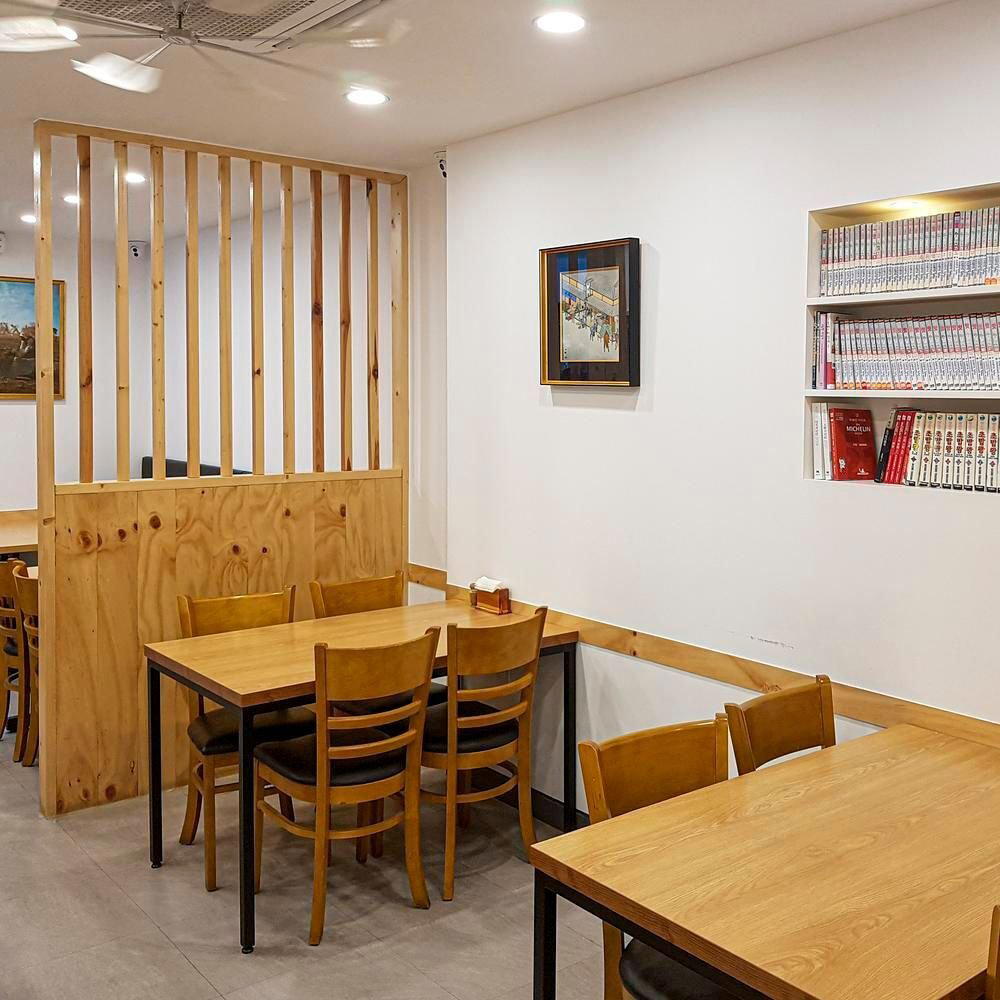
A Michelin Bib Gourmand soba counter in Seoul's Seocho District, Subaru holds consecutive Bib recognitions for 2024 and 2025, placing it among a small tier of Japanese specialty restaurants in the city taken seriously by international guides. The format is disciplined and the price point accessible, making it one of the more considered entry points into Seoul's Japanese dining scene.

Pearl is the En Primeur Club membership app — saves, bookings, and concierge access live there. Same editors, same standards.
- Address
- South Korea, Seoul, Seocho District, Bangbaejungang-ro 21-gil, 7 1층
- Phone
- +82 2-596-4882
- Directions
- Get directions
The menu
What to order
- Zaru soba
- Soba with duck and green onion
- Soba with perilla oil
- Foot-kneaded udon
A quiet street in Seocho, and why it matters
Seocho District does not announce itself the way Gangnam's main artery does. The residential lanes off Bangbaejungang-ro run quieter, lined with the kind of low-rise buildings that house neighbourhood restaurants rather than destination flagships. It is precisely this setting that frames what Subaru does: soba, prepared with the seriousness Japanese noodle culture demands, served at a price point that has earned consecutive Michelin Bib Gourmand recognition in both 2024 and 2025.
Seoul's Japanese dining scene has deepened considerably over the past decade. Where once the city's Japanese restaurants skewed toward mass-market ramen or accessible sushi, a smaller cohort of specialists — soba-ya, kappo counters, tempura houses — has taken root, drawing on either Japanese-trained chefs or Korean practitioners who have done serious time in Japan. Subaru belongs to this specialist tier. Its consecutive Bib Gourmand citations signal value that goes beyond mere affordability; the Michelin distinction in this category specifically rewards cooking quality that punches above its price bracket.
Soba as a discipline, not a menu category
In Japan, the soba-ya occupies a specific cultural position. These are not casual noodle shops in the Western fast-food sense, even when the interiors are spare and the meals short. The craft of soba, milling buckwheat, managing hydration, cutting by hand to consistent width, timing the boil to the second, is a tradition with its own lineage and regional vocabulary. Nagano's cold zaru, the warm kakesoba of Tokyo's shitamachi, the ten-soba combinations that appear at tempura-adjacent houses: each reflects a distinct set of decisions about grain ratio, dashi construction, and service temperature.
Seoul's soba specialists operate within this tradition while adapting to a Korean dining context. Korean palates tend toward more assertive flavour profiles, and the interaction between Korean produce and Japanese technique has produced something genuinely its own in the city's better soba houses. Subaru's Seocho address, away from the tourist-heavy districts, suggests a restaurant that serves a local clientele rather than a passing international crowd, a reliable indicator, in any city, of a kitchen cooking to repeat customers who know the difference.
For a direct comparison with the Japanese reference points for this tradition, Akasaka Sunaba in Tokyo, Azabukawakamian in Tokyo, and Ayamedo in Osaka each represent the Tokyo and Osaka expressions of the form. Subaru's Bib Gourmand status places it in a parallel conversation, a Seoul house taken seriously by the same guide that recognises those Japanese institutions.
The kaiseki sensibility in a bowl
Soba, at its considered end, shares structural DNA with kaiseki philosophy even when it does not wear that label. Kaiseki's core logic, seasonal ingredients, minimal intervention, each element given space to read clearly, applies as readily to a cold soba dipped in tsuyu as to a twelve-course progression. The buckwheat harvest cycle, the temperature at which noodles are served, the restraint of a broth that lets the grain's nuttiness come through: these are aesthetic decisions, not just culinary ones. A soba house operating at Subaru's recognised level is making those decisions deliberately.
This places Subaru in an interesting position relative to Seoul's broader fine-dining ecosystem. The city's most-discussed restaurants, places like Mingles, Jungsik, and alla prima, operate in a different register entirely, with multi-course formats and price points that reflect their ambitions. Subaru is not competing in that bracket. It is doing something more compressed: delivering the same kind of considered craft in a format that takes forty minutes rather than four hours. For visitors who have already experienced Seoul's high-end Korean and contemporary dining through houses like Gaon or Kwon Sook Soo, a meal at Subaru functions as a counterpoint: the same attention to craft, different scale.
Where Subaru sits among Seoul's soba specialists
Seoul's soba landscape is small. Sobakeeri Suzu and Minami occupy related territory in the city's Japanese specialty dining scene. What separates houses in this category tends to be the grain sourcing, whether noodles are milled and cut in-house, and the quality of the dashi that forms the broth and dipping sauce. The Bib Gourmand distinction at Subaru, awarded twice in succession, suggests the kitchen is consistent on these fundamentals, which, in a discipline where daily freshness of the noodle is the baseline requirement, is harder to sustain than it sounds.
Chef Tom Köffers heads the kitchen, an unusual circumstance in Seoul's Japanese specialty dining, where European-named chefs are rare. His presence signals that Subaru is not positioning itself as a traditional Japanese house in the strictest cultural sense, but rather as a kitchen where the craft has been absorbed and applied with its own identity. This is not a liability in Seoul's dining culture; the city's most interesting restaurants have long been comfortable with cross-cultural synthesis.
Planning your visit
Subaru sits at the ₩ price tier, the most accessible bracket in Seoul's restaurant hierarchy, and unusual for a Michelin-recognised address. This makes it a practical choice for a standalone lunch or an early dinner before moving to one of Seocho or Gangnam's bars. For broader Seoul planning, our full Seoul restaurants guide maps the city's dining scene across price tiers and cuisine categories. For accommodation context, our Seoul hotels guide covers the full range of options near Seocho and Gangnam. If you are building a longer Korea itinerary, Mori in Busan and Baegyangsa Temple in Jangseong-gun offer reference points outside Seoul. Our Seoul bars guide, wineries guide, and experiences guide cover the full city beyond the plate.
If Seocho's contemporary Korean end of the spectrum interests you alongside the soba visit, The Flying Hog in Seogwipo and the city's contemporary mid-tier houses represent a different but complementary read on what Korean dining looks like at this price tier.
| Venue | Cuisine | Price Tier | Michelin Recognition | District |
|---|---|---|---|---|
| Subaru | Soba | ₩ | Bib Gourmand 2024, 2025 | Seocho |
| Sobakeeri Suzu | Soba | Seoul | ||
| Minami | Japanese | Seoul | ||
| Mingles | Korean | ₩₩₩₩ | Michelin starred | Gangnam |
| Gaon | Korean | ₩₩₩₩ | Michelin starred | Gangnam |
What dish is Subaru famous for?
Subaru's Michelin Bib Gourmand recognition anchors firmly to its soba. In Seoul's Japanese specialty dining, soba houses at this level are recognised specifically for the quality of the noodle itself, the buckwheat grain ratio, the freshness of the cut, and the dashi-based tsuyu or broth that accompanies it. The cold zaru soba format, served with a dipping sauce on the side, is the discipline's reference point and the dish against which a serious soba-ya is measured. Subaru's consecutive Bib citations, awarded by inspectors who return across multiple visits, confirm the kitchen's consistency on this core offering.
Frequently asked questions
Is Subaru expensive?
Pricing at Subaru is listed as ₩.
Where exactly is Subaru?
Subaru is located at South Korea, Seoul, Seocho District, Bangbaejungang-ro 21-gil, 7 1층, Seoul.
What awards or recognition does Subaru have?
Subaru has received recognition including: Michelin Bib Gourmand (2025); Michelin Bib Gourmand (2024).
What dish is Subaru famous for?
Subaru's reputation rests on its soba, which anchored the restaurant's Michelin Bib Gourmand recognition in both 2024 and 2025. In Seoul's small circuit of Japanese specialty noodle houses, soba at this level of craft is rare, with Subaru sitting alongside Sobakeeri Suzu and Minami as one of the few addresses treating the discipline with the rigor of a dedicated soba-ya. The Bib Gourmand designation signals quality above the price point, making the soba here an overperformer relative to its ₩ tier.
In Context: Similar Options
| Venue | Cuisine | Price | Awards | Notes |
|---|---|---|---|---|
| SubaruThis venue — the venue you are viewing | Traditional Japanese Soba | $10–20 | Michelin Bib Gourmand | Not listed |
| 7th Door | Modern Korean Fermentation Fine Dining | $100–150 | 1 Michelin Star · World's 50 Best #49 | Korean, Contemporary |
| Solbam | Contemporary Neo-Classical Korean | $200–300 | 1 Michelin Star · World's 50 Best #55 | Contemporary |
| Onjium | Modern Korean Royal Court Cuisine | Not listed | 1 Michelin Star · World's 50 Best #14 | Korean |
| L'Amitié | Classic French Fine Dining | $100–150 | 1 Michelin Star · La Liste Top Restaurants | French |
| Zero Complex | Modern French Neo-Bistro | $100–150 | 1 Michelin Star · La Liste Top Restaurants | Korean-French, Innovative |
Recognition history
Dated appearances from independent guides and award organizations, with the underlying list record or original source where available.
Michelin Bib Gourmand
Michelin
Full recognition history (2 entries)
Michelin Bib Gourmand
Michelin
Continue exploring
More in Seoul
Restaurants in Seoul
Browse all →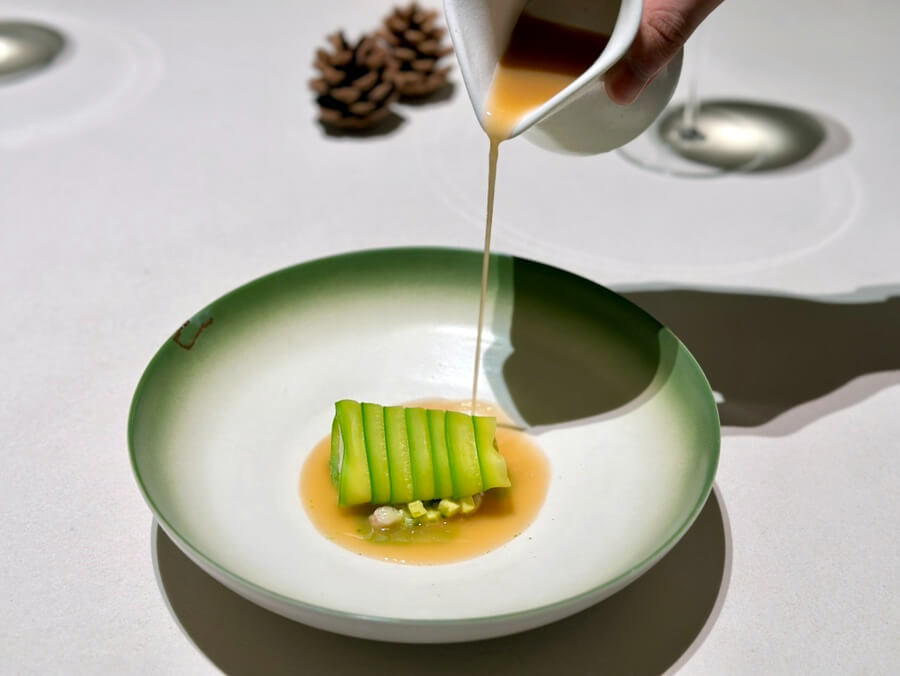
Details
- Intimate
- Quiet
- Minimalist
- Solo
- A La Carte
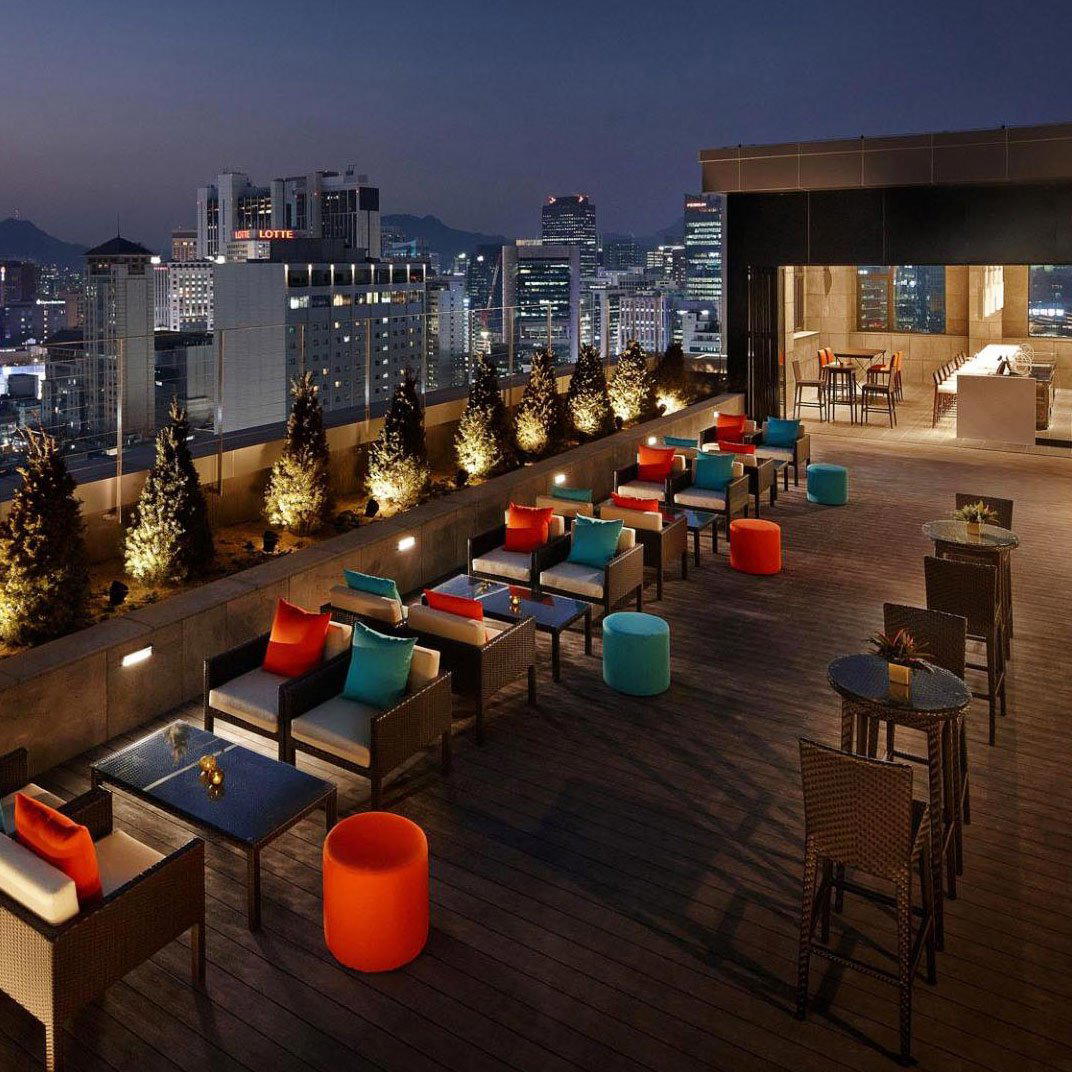
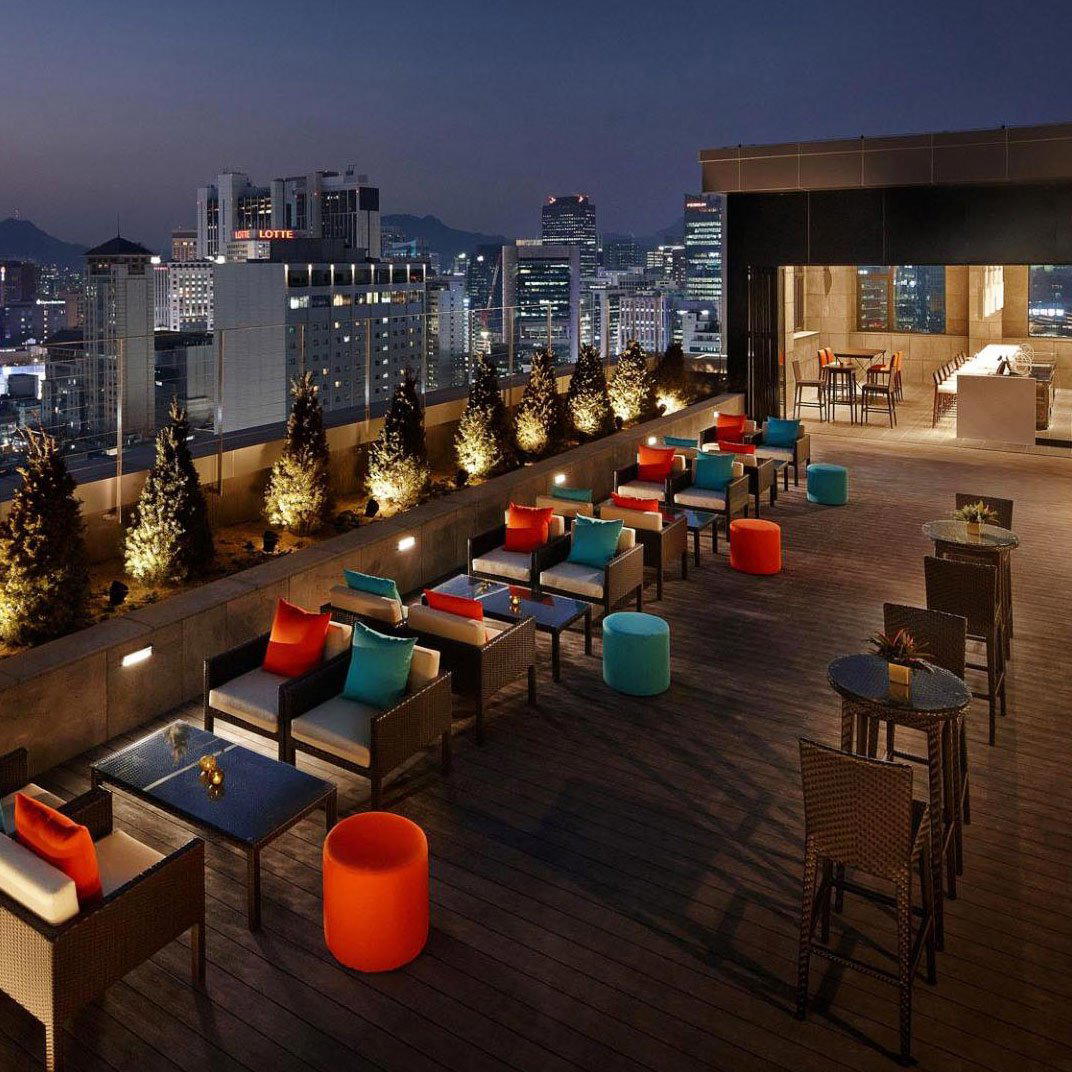
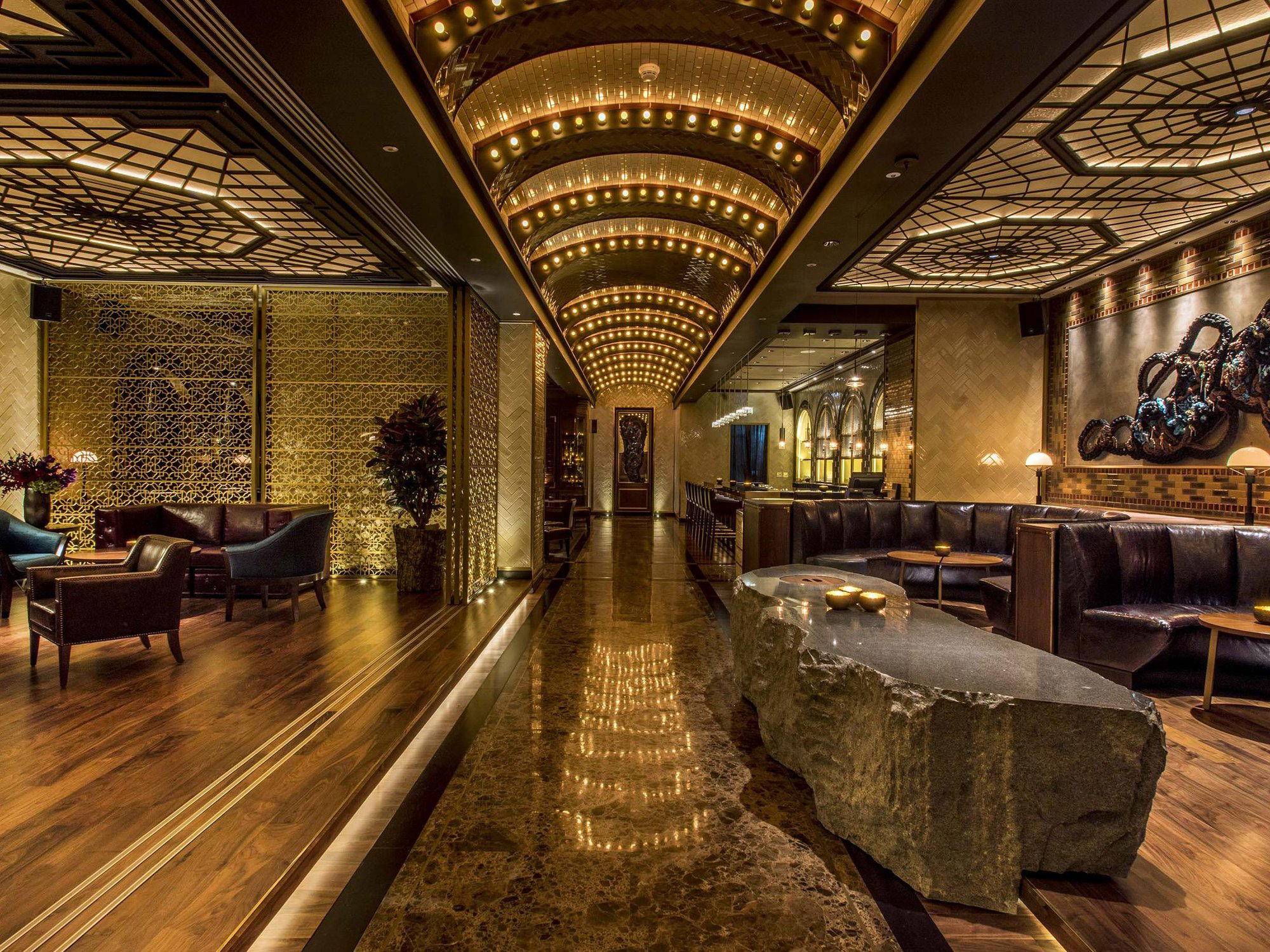
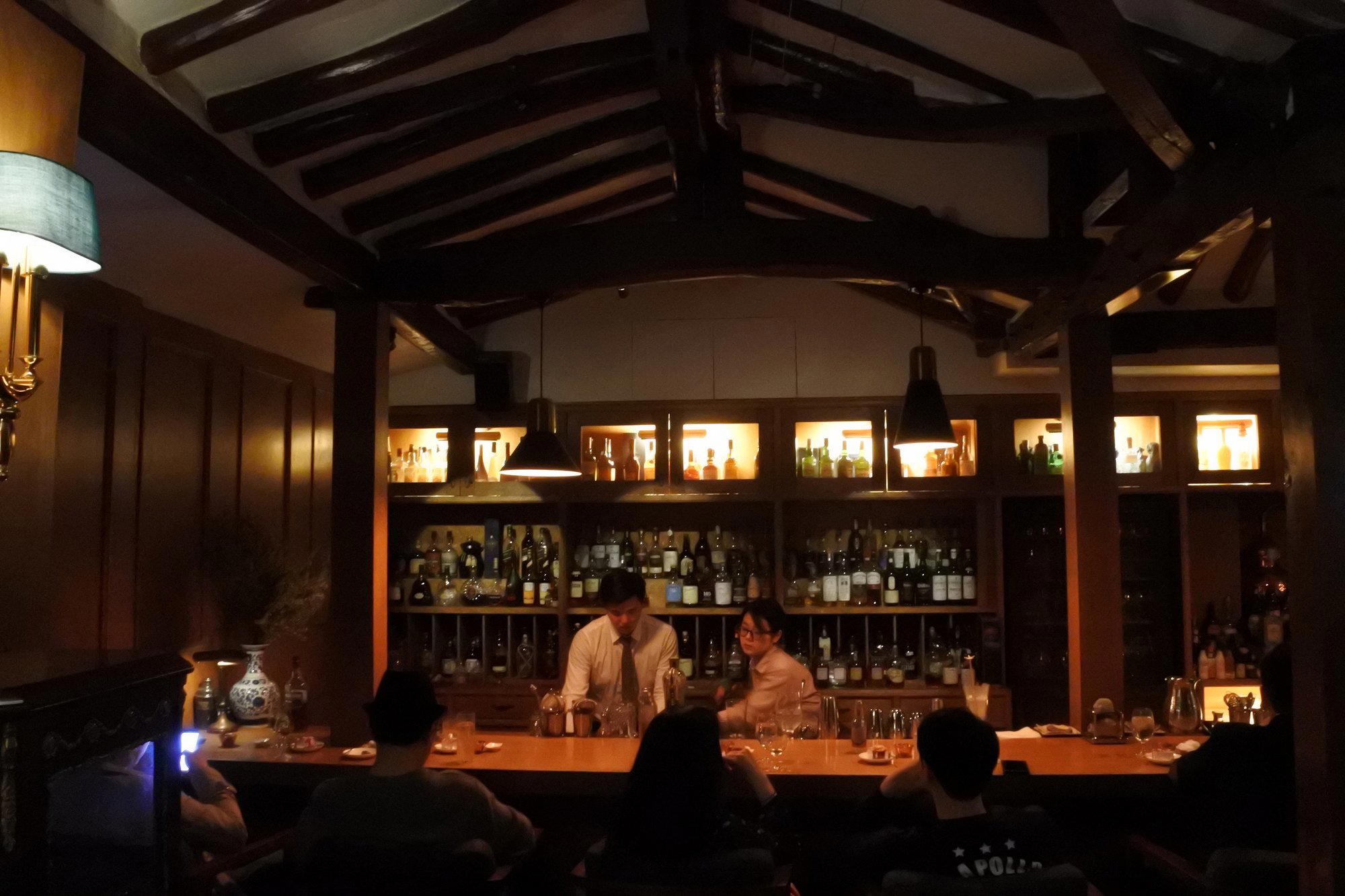
Modest small shop atmosphere ideal for solo dining with a focus on authentic craftsmanship.