
Tabelog 100 #23
Our verdict
Soba Kiri Momoyo Zuki gives Nara’s soba tradition a small-room, specialist expression near Kintetsu Nara. Recognition in Tabelog 100 - Soba - WEST - 2025 places it within western Japan’s serious buckwheat conversation, while its modest price band keeps the experience closer to everyday craft than ceremony.

Pearl is the En Primeur Club membership app, where members save venues, book tables and use the concierge.
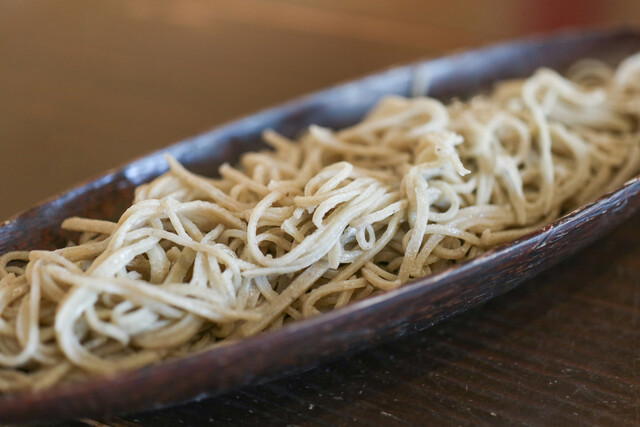
The menu
What to order
- 100% buckwheat soba
- Seasonal vegetable tempura with soba
- Zaru soba
The approach to Nara has a different tempo from Japan’s larger dining capitals: temple-bound streets, low buildings, and a lunch culture shaped by day-trippers as much as residents. Here, soba works because it is concise, asking for attention to grain, water, cutting, and timing rather than spectacle. Soba Kiri Momoyo Zuki belongs to that quieter register, a soba address suited to a city where restraint often reads more clearly than display.
Nara is not framed as a noodle city like Tokyo, with specialist counters, or Kyoto, with kaiseki lineage, but that is why soba has a useful place here. It gives visitors craft without turning lunch into an event that consumes the day. Buckwheat noodles sit between rural memory and urban precision in Japan: humble in origin, exacting in execution, and unforgiving when handled carelessly. Serious soba houses in western Japan reward diners who understand that the point is control, not abundance.
A focused soba room in a city built for measured meals
The format matters. A specialist soba meal changes the rhythm of a day, narrowing attention to noodle texture, dipping broth, aroma, and timing. The structure follows a Japanese specialist model rather than a long-form restaurant experience. It is built for focus, clarity, and a defined sequence, not lingering theatrics.
The recognition is specific. Selection for Tabelog 100 - Soba - WEST - 2025 places Soba Kiri Momoyo Zuki in a regional list devoted to buckwheat noodles, not a general restaurant roll call. For travellers, that distinction helps: a soba award signals consistency in a craft category where small deviations in texture, aroma, and service timing matter. Its Tabelog score of 3.65 reinforces this as a specialist address with established local and regional attention, not a visitor-driven novelty.
Against Nara’s casual dining field, the positioning is clear. SAKURA BURGER and Rokumei Coffee Nara ten serve the city’s faster, lighter visitor economy; Momoshiki sits at a higher dinner price band; toi Inshokuten and RISTORANTE Borgo KONISHI represent other options in the city. Soba occupies another lane: short, precise, culturally grounded, and well suited to a day planned around Nara rather than a multi-hour tasting menu.
Why soba carries cultural weight in Nara
Soba’s cultural importance in Japan comes from its dual identity. It is everyday food, but its serious form depends on disciplined technique. Buckwheat has long been tied to colder regions and modest agriculture, while urban soba culture made it a study of proportion and speed. In Kansai, where udon has often had a stronger everyday presence, a dedicated soba address signals more than a staple category: it asks diners to choose buckwheat deliberately.
That choice suits Nara. The city’s dining character rewards lower volume and clear purpose. A soba meal can sit between sightseeing and a later dinner without exhausting the palate. It also gives a better reading of Japanese food culture than a generic snack stop, because soba shows a tradition where minimalism is technical, not decorative.
The category adds another cultural clue. Soba rooms in Japan often sit between functional lunch counter and specialist dining, where buckwheat is treated as part of a larger table culture rather than just a quick bowl. That does not make the address a bar or izakaya; it places it inside a familiar Japanese pattern, a soba room that understands noodles as craft.
How to fold it into a Nara itinerary
The question is not whether Nara has grander dining rooms. It does. The question is whether a day in the city benefits from one meal that is sharply local in scale and tempo. For many travellers, yes. A soba lunch leaves room for the rest of Nara rather than competing with it. The specialist format underlines this as a focused dining room, not a ceremonial destination.
Payment and timing logistics matter in Japan’s smaller specialist restaurants, so planning with some flexibility remains sensible. Soba is a category where the best experience often depends on arriving with patience rather than rigid expectations. That is not a flaw; it is part of the style. Many better Japanese casual specialists operate on scarcity, not luxury signaling.
For a broader view of the city’s dining range, start with Our full Nara restaurants guide, then compare nearby formats such as other Nara dining rooms, casual Japanese restaurants, and contemporary restaurants across the city. Travellers building a fuller stay can also map the city through Our full Nara hotels guide, Our full Nara bars guide, Our full Nara wineries guide, and Our full Nara experiences guide.
For readers tracing Japanese casual craft beyond Nara, useful contrasts include other regional specialists in Japan and overseas, from beef-focused rooms and seafood counters to cafes, curry shops, sake bars, and onigiri counters. The broader point is comparison by format: craft-led dining that succeeds through repetition, restraint, and a clear sense of what the meal is meant to do.
The editorial case for Soba Kiri Momoyo Zuki is narrow and persuasive: a soba specialist in Nara with regional recognition, modest spend, and a format that respects the speed and fragility of buckwheat noodles. It is not the city’s answer to fine dining, and is better for that. It gives Nara a meal in the right key: concise, traditional, and disciplined.
Frequently asked questions
What's the price range at Soba Kiri Momoyo Zuki?
Pricing at Soba Kiri Momoyo Zuki is listed as Dinner: JPY 2,000 - JPY 2,999; Lunch: JPY 1,000 - JPY 1,999.
Where exactly is Soba Kiri Momoyo Zuki?
Nara.
Do I need a reservation for Soba Kiri Momoyo Zuki?
Reservation details are not provided here. Soba Kiri Momoyo Zuki is in Nara, so check the venue's official channels for the latest seating and service information before you go.
What's the defining dish or idea at Soba Kiri Momoyo Zuki?
The draw is soba, specifically Soba (Buckwheat noodles), and the restaurant was selected for Tabelog Soba WEST "Tabelog 100" 2025. It sits in Nara, a city where restrained noodle shops carry real weight.
How does Soba Kiri Momoyo Zuki handle allergies?
Those details are not published here.
Is Soba Kiri Momoyo Zuki suitable for children?
Those details are not published here. With lunch listed at JPY 1,000 to JPY 1,999, it may fit a simple meal in Nara, but families should confirm current policies directly before visiting.
A Pricing-First Comparison
Nearby venues at a similar price tier for orientation.
| Venue | Cuisine | Price | Awards | Notes |
|---|---|---|---|---|
| Soba Kiri Momoyo ZukiThis venue (the venue you are viewing) | Traditional Soba Noodle Shop | $10–20 | Tabelog 100 #23 | Not listed |
| Dandan | Izumo Soba | $20–30 | Michelin Plate · Tabelog 100 #29 | Nara, Authentic Izumo Soba |
| Poku Poku | Japanese Tonkatsu | $10–20 | Tabelog 100 #48 | Nara, Japanese Tonkatsu |
| 味の旅人浪漫 | Seasonal Japanese Kaiseki | $50–100 | Not listed | Nara, Seasonal Japanese Kaiseki |
| Houseki Bako | Japanese Kakigori Cafe | $10–20 | Tabelog 100 #85 | Nara, Japanese Kakigori Cafe |
| Tsuru Yoshi | Traditional Kaiseki | $150–200 | Tabelog Bronze #490 | Nara, Traditional Kaiseki |
Recognition history
Dated appearances from independent guides and award organizations, with the underlying list record or original source where available.
Tabelog 100 #23 · No. 23
Tabelog · Tabelog 100 - Soba - WEST - 2025
Continue exploring
More in Nara
Restaurants in Nara
All restaurants in Nara →



Bars in Nara
All bars in Nara →
Hotels in Nara
All hotels in Nara →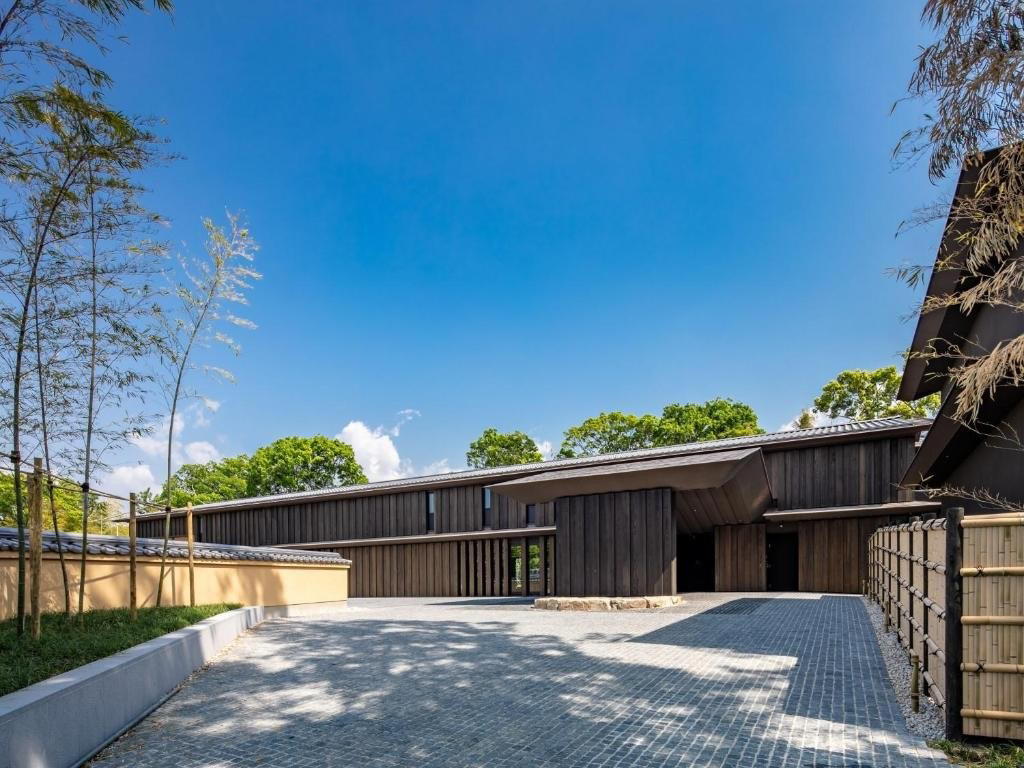
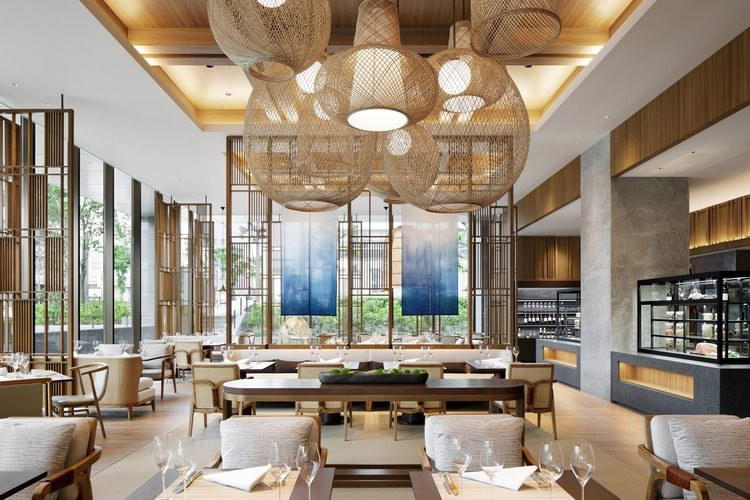



Wineries in Nara
Browse all →
Details
- Cozy
- Quiet
- Classic
- Solo
- Casual Hangout
- Family
- Standalone
- Historic Building
- Sake Program
- Local Sourcing
- A La Carte
- Counter Dining
- Sake
- Beer
A peaceful, traditional soba shop with a few communal wooden tables, simple decor, and a calm, contemplative atmosphere that encourages slow, mindful eating rather than hurried dining.