
A wonton noodle shop on Guangzhou Avenue that operates well outside the category's usual parameters: blue-and-white porcelain interiors, Iberico pork wontons, sea urchin, black truffle, and noodles enriched with duck egg. The format is familiar Cantonese comfort food, but the ingredient roster reads closer to a fine-dining larder than a neighbourhood noodle counter.
Pearl is the En Primeur Club membership app — saves, bookings, and concierge access live there. Same editors, same standards.
- Address
- 181 Middle Guangzhou Avenue, Yuexiu
- Phone
- +86 150 9998 5715
- Directions
- Get directions
 Saves & bookings on Pearl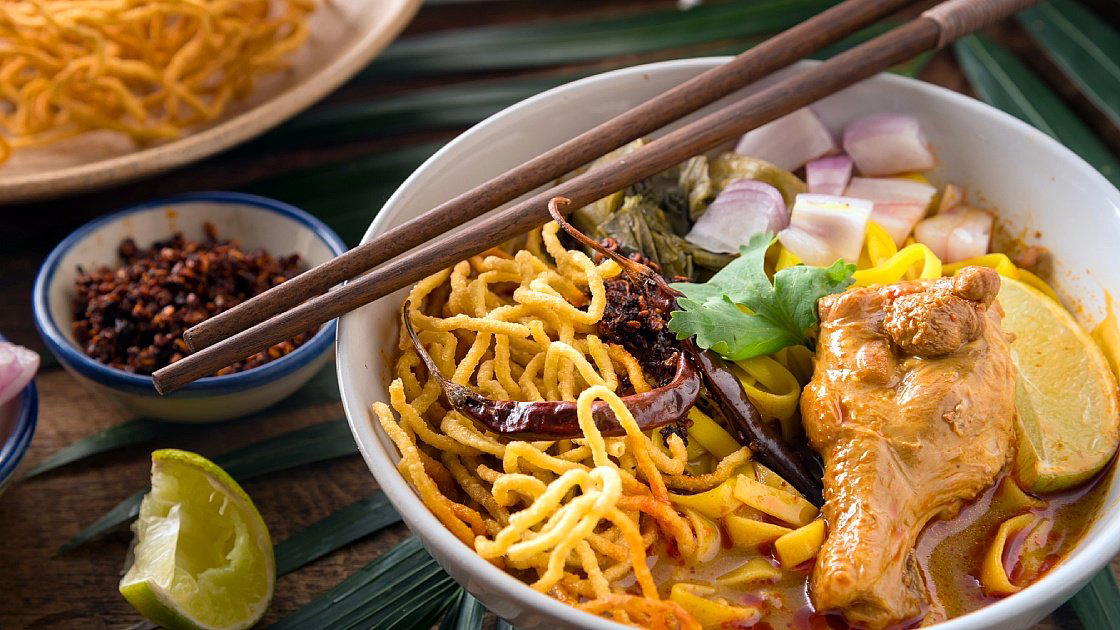
When the Noodle Bowl Goes Upmarket
Guangzhou's wonton noodle tradition is among the more codified in Chinese cooking. The canonical version demands a clear, shrimp-shell broth, thin egg noodles with enough spring to resist the chopstick, and wontons whose wrappers are gossamer-thin around a tight pork-and-shrimp filling. The dish is cheap, fast, and nearly identical across hundreds of shops from Yuexiu to Haizhu. What Sing Wan Loi Noodle on Middle Guangzhou Avenue does is take that rigid template and quietly replace its components with ingredients more commonly found at the city's formal Cantonese tables. The category framing remains noodle shop; the sourcing decisions do not.
The Room Signals What's Coming
Walk past a typical Guangzhou noodle counter and the design language is purely functional: laminate tables, strip lighting, a chalkboard or laminated card listing four or five items. The interior at Sing Wan Loi reads differently. Blue-and-white porcelain patterning covers the surfaces alongside considered millwork that references classical Cantonese decorative craft. The gap between this room and the stainless-steel counters of most noodle shops is not incidental. It tells the customer, before a bowl arrives, that the ingredient decisions here have been made with the same care as the joinery. That kind of visual positioning carries a clear purpose.
Sourcing as the Menu's Architecture
The ingredient list at Sing Wan Loi is the editorial argument the kitchen is making. Iberico pork, the acorn-finished Spanish breed whose intramuscular fat renders at lower temperatures than standard commercial pork, replaces the commodity filling found in most wonton shops. The result is a wonton that achieves the juiciness the format promises. Duck eggs, higher in fat and with a more pronounced yolk flavour than hen's eggs, replace standard eggs in the noodle dough, giving the strands a richer colour and a firmer, springier texture that holds up better against hot broth.
That sourcing logic extends further along the menu. Black truffle and sea urchin appear as ingredients rather than garnishes. Hairy crab, the Shanghai-regional delicacy whose roe commands serious price premiums in season, finds its way into a bowl that would otherwise cost a fraction of what hairy crab commands at a dedicated Shanghainese restaurant. Dried abalone, among the more labour-intensive of the classic Cantonese luxury ingredients, appears on a menu that otherwise operates in the register of casual noodles. The cumulative effect is a menu that uses the noodle bowl to deliver ingredients that diners in this category would not expect to encounter at this price point and in this format.
Both are blanched in a shrimp roe stock, which means the liquid carrying the offal and the secondary cuts is itself a considered ingredient rather than a neutral cooking medium. Shrimp roe, dried and intensely savoury, is a traditional Cantonese flavour booster with a long history in the region's noodle culture. Using it as the base stock for blanching elevates what might otherwise be direct protein additions into something with more aromatic depth.
Where This Fits in Guangzhou's Broader Noodle Conversation
Guangzhou sits at the centre of a regional food culture that takes ingredient quality seriously, even in humble formats. The city's wet markets set a standard for freshness that shapes what restaurants at every price point can expect from suppliers. Within that context, a noodle shop that sources Iberico pork and seasonal delicacies is less of an anomaly than it might appear in another city. What Sing Wan Loi does is make the sourcing visible and legible, building it into the menu as an explicit selling point rather than a background operational decision.
This places the shop among Guangzhou establishments that operate familiar formats with atypical ingredients. It is a different category from the formal Cantonese rooms that receive press attention, whether the multi-course banquet format of BingSheng Mansion or the contemporary innovation of Chōwa, and also distinct from the modernist European work at Taian Table. The noodle shop with fine-dining ingredients occupies a narrower, more specific niche, one where casual comfort and premium sourcing are meant to coexist in a single bowl.
Visitors with a broader interest in how ingredient quality travels across Chinese restaurant categories will find useful reference points in comparable operations elsewhere. Xin Rong Ji in Beijing and Xin Rong Ji in Chengdu each demonstrate how premium sourcing can reframe a traditional Chinese dining format; Chef Tam's Seasons in Macau, Ru Yuan in Hangzhou, and Dai Yuet Heen in Nanjing offer further illustrations of the same principle across the wider Greater China restaurant scene. Further afield, the ingredient-first philosophy that drives operations like Le Bernardin in New York City and Emeril's in New Orleans reflects a parallel commitment: sourcing quality as the primary creative act, format as the delivery mechanism.
Planning a Visit
Sing Wan Loi Noodle is at 181 Middle Guangzhou Avenue in the Yuexiu district. Yuexiu is one of the city's older central districts, accessible by metro on Lines 1 and 2. Arriving at off-peak times, mid-morning or mid-afternoon rather than the typical Cantonese lunch or dinner rush, is the practical approach for anyone wary of queues. Given the ingredient quality on the menu, this is not a high-volume throughput operation in the mould of a standard noodle counter, but the format is still casual enough that the experience moves at the pace of a bowl rather than a tasting menu. For context on other dining options in the city, consult our full Guangzhou restaurants guide, and for accommodation and other planning, see our Guangzhou hotels guide, bars guide, wineries guide, and experiences guide. The Shanghai-adjacent 102 House in Shanghai is worth a look for those building a broader itinerary across China's major food cities.
Side-by-Side Snapshot
Comparable venues nearby, for context on price, style, and recognition.
| Venue | Cuisine | Price | Awards | Notes |
|---|---|---|---|---|
| Sing Wan Loi Noodle (Yuexiu)This venue — the venue you are viewing | Premium Cantonese Noodles | $ | Michelin Plate | Not listed |
| Chao Ji Claypot Rice (Liwan) | Cantonese Claypot Rice | $ | Michelin Plate | Guangzhoushi |
| Zhou Men | Traditional Cantonese Noodles | $ | Bib Gourmand | Guangzhoushi |
| Mian Ji (Yuexiu) | Cantonese Double-Boiled Soups | $ | Bib Gourmand | Guangzhoushi |
| BingSheng Pin Wei (Dongxiao Road) | Refined Cantonese with Live Seafood | $$$ | Michelin Plate | Guangzhoushi |
| Famous Cuisine (Tianhe North Road) | Traditional Cantonese | $$ | Michelin Plate | Guangzhoushi |
Recognition history
Dated appearances from independent guides and award organizations, with the underlying list record or original source where available.
Michelin Plate
Michelin · 2026 Michelin Plate
Continue exploring
More in Guangzhou
Restaurants in Guangzhou
Browse all →
Bars in Guangzhou
Browse all →



At a Glance
- Elegant
- Classic
- Casual Hangout
- Open Kitchen
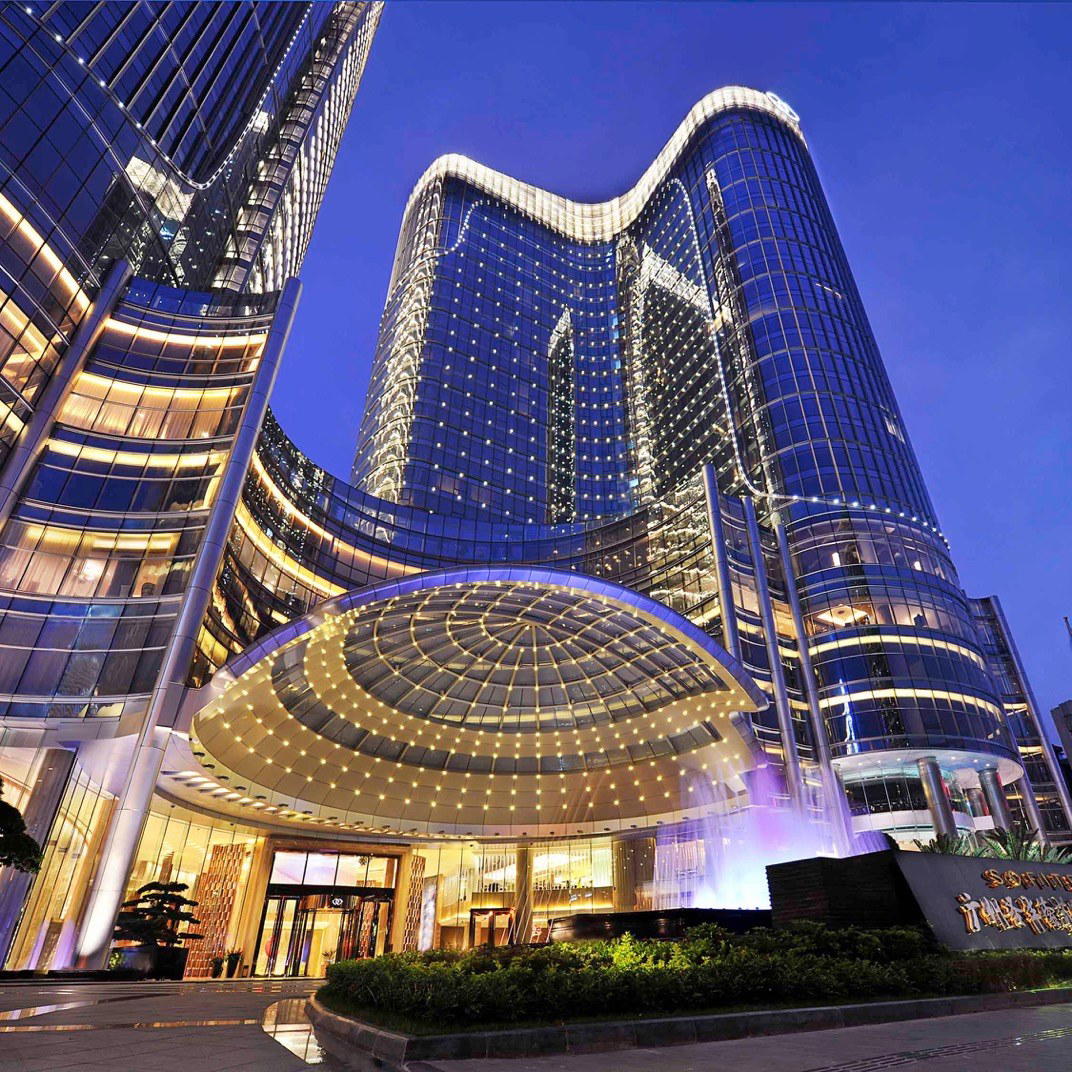
Precise decor with blue and white porcelain patterns and millwork creating an elegant atmosphere beyond a typical noodle joint.