
A Michelin Plate-recognised Cantonese address in Guangzhou's Haizhu District, BingSheng Pin Wei on Dongxiao Road sits in the mid-price tier where serious dim sum and traditional cooking intersect with genuine local custom. Two consecutive Michelin Plate recognitions (2024 and 2025) place it within the city's credentialed everyday dining circuit, drawing a predominantly Guangzhou crowd rather than hotel guests or tourists.
Pearl is the En Primeur Club membership app — saves, bookings, and concierge access live there. Same editors, same standards.
- Address
- 33 Dongxiao Rd, Haizhu District, Guangzhou, Guangdong Province, China, 510230
- Phone
- +86 20 3428 6910
- Website
- bingsheng.com
- Directions
- Get directions
 Saves & bookings on Pearl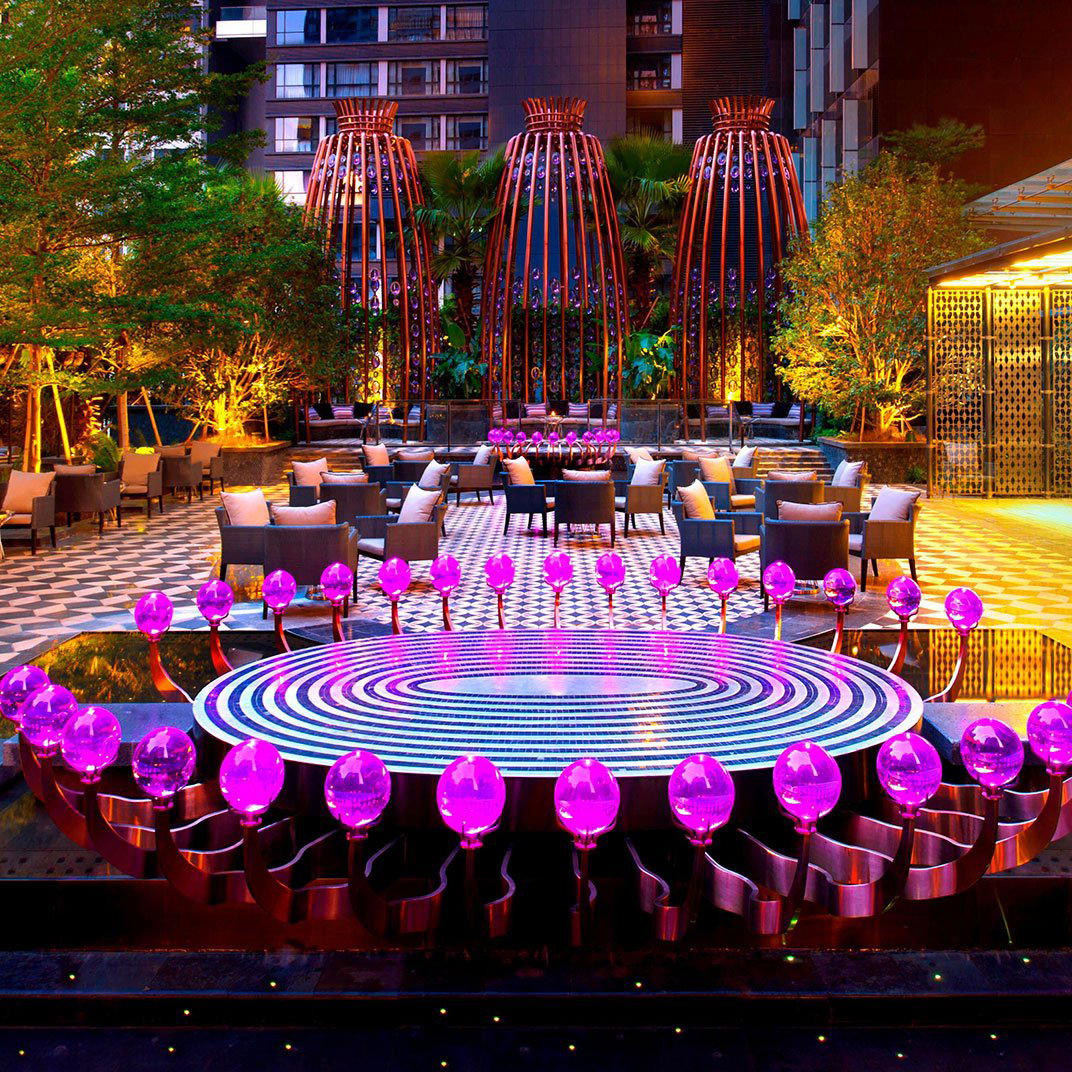
Where Haizhu Eats: The Cantonese Everyday Table
BingSheng Pin Wei (Dongxiao Road) is a Cantonese restaurant in Haizhu District, Guangzhou, serving refined Cantonese with live seafood at a mid-price level. On Dongxiao Road in Haizhu District, BingSheng Pin Wei occupies precisely that position. Haizhu is residential Guangzhou, a district that feeds itself rather than performing for visitors, and the Cantonese cooking here operates accordingly: calibrated to local palates built on decades of yum cha habit, not to international expectations of what southern Chinese food should look like.
The Michelin Guide awarded BingSheng Pin Wei a Plate in both 2024 and 2025. For context, Guangzhou's starred Cantonese houses, including Imperial Treasure Fine Chinese Cuisine at the ¥¥¥ level and Jiang by Chef Fei, occupy a different price tier and a different social register. BingSheng Pin Wei at ¥¥ sits below that bracket in cost but inside the same Michelin ecosystem of recognition, which makes it the kind of address that Guangzhou residents return to rather than bookmark for special occasions.
Tea as Structure, Not Ceremony
In Cantonese dining culture, tea is not an accompaniment, it is the architectural frame around which a meal is built. The tradition of yum cha (literally, drinking tea) predates the modern dim sum canon, and in the older neighbourhood teahouses of cities like Guangzhou, the tea selection once carried as much conversation as the food. At addresses like BingSheng Pin Wei, that structure persists in the sequencing of a meal: tea arrives first, establishes the pace, and continues through dishes rather than being set aside once food appears.
The varieties common at this level of Cantonese dining include pu-erh for its ability to cut through roasted and fatty preparations, tieguanyin oolong for lighter dim sum courses, and jasmine-scented green teas that hold well against steamed items. The pairing logic is functional rather than decorative: strong fermented teas alongside char siu or roasted duck; lighter, fragrant varieties with delicate har gow or rice noodle rolls. This is not a formal tea programme in the mode of a high-end hotel restaurant, it is embedded practice, the kind of knowledge that moves between generations in a city where the morning dim sum table is also a social institution.
For visitors more accustomed to tea as a finale or an afterthought, the Cantonese insistence on tea-first is an orientation worth accepting on its own terms. The pace of service at a proper Haizhu neighbourhood restaurant follows the tea, not the clock.
Cantonese Cooking at the Mid-Price Register
The $50-per-person price point in Guangzhou's Cantonese segment spans a wide range of ambition. At the lower end, it covers functional canteens. At the upper end of that bracket, where Michelin Plate recognition starts to appear, kitchens are producing technically disciplined work: properly rested stocks, correctly rendered siu mai wrappers, roast proteins with the lacquered skin that requires both temperature control and timing. The Michelin Plate designation is not a starred accolade, but it does represent the guide's judgement that the cooking is consistent and the ingredients are handled with care.
BingSheng Pin Wei operates within the BingSheng group, which also runs BingSheng Mansion on Xiancun Road, a larger-format address in Tianhe. The Dongxiao Road branch takes the same culinary lineage into a more embedded neighbourhood setting. Within Guangzhou's broader Cantonese circuit, it sits alongside addresses like Jade River and Lai Heen in the wider conversation, though at a distinctly different price point and formality level from either.
That ratio matters in Guangzhou: a restaurant feeding regulars over years holds to different quality standards than one relying on first-time visitors. Locals return when the food justifies it, and in a city with this density of Cantonese options, that return rate is its own form of credential.
Cantonese Tradition Across the Greater China Circuit
Guangzhou remains the reference city for Cantonese cooking, the place where the tradition is most embedded in daily life rather than repositioned for export. The same culinary lineage that feeds Haizhu at ¥¥ also underlies the high-end Cantonese houses operating in Hong Kong (Forum), Macau (Jade Dragon), and across mainland China's other major cities. Within that network, the neighbourhood institution in Guangzhou carries a particular authority: it is the source, not the adaptation.
Travellers who have eaten at serious Cantonese tables in other cities, or at addresses like Chef Tam's Seasons in Macau or Ru Yuan in Hangzhou, will find the Dongxiao Road setting a different kind of reference point: less curated, more functional, and closer to the daily rhythm that generated the cuisine in the first place. For those also exploring fine dining across China, Xin Rong Ji in Beijing, 102 House in Shanghai, Xin Rong Ji in Chengdu, and Dai Yuet Heen in Nanjing each represent their own regional registers worth comparing.
Planning a Visit
BingSheng Pin Wei on Dongxiao Road is in Haizhu District at 33 Dongxiao Road, Guangdong Province. The ¥¥ price point means a full dim sum meal for two sits well below what comparable Michelin-recognised cooking costs at the city's hotel Cantonese restaurants. Given the neighbourhood character and the local-regular clientele, arriving earlier in the morning for dim sum, consistent with Guangzhou's yum cha custom, where the leading trolley selection moves quickly, is the more reliable approach than arriving at midday rush. Reservations are recommended.
Similar Picks
Comparable venues nearby, for context on price, style, and recognition.
| Venue | Cuisine | Price | Notes |
|---|---|---|---|
| BingSheng Pin Wei (Dongxiao Road)This venue — the venue you are viewing | Refined Cantonese with Live Seafood | $$$ | Not listed |
| Taozui Guan | Chinese Contemporary | $$$ | Guangzhoushi |
| Tung Fook Superior Cuisine | Classic Cantonese | $$$ | Guangzhoushi |
| Guo Fan Jia Yan | Authentic Hunanese Cuisine | $$$ | Guangzhoushi |
| Gu Yuan | Plant-Based Chinese Tasting Menu | $$$ | Guangzhoushi |
| Ze 8 (Haizhu) | Modern Cantonese Claypot | $$$ | Guangzhoushi |
Recognition history
Dated appearances from independent guides and award organizations, with the underlying list record or original source where available.
Michelin Plate
Michelin
Michelin Plate
Michelin
Continue exploring
More in Guangzhou
Restaurants in Guangzhou
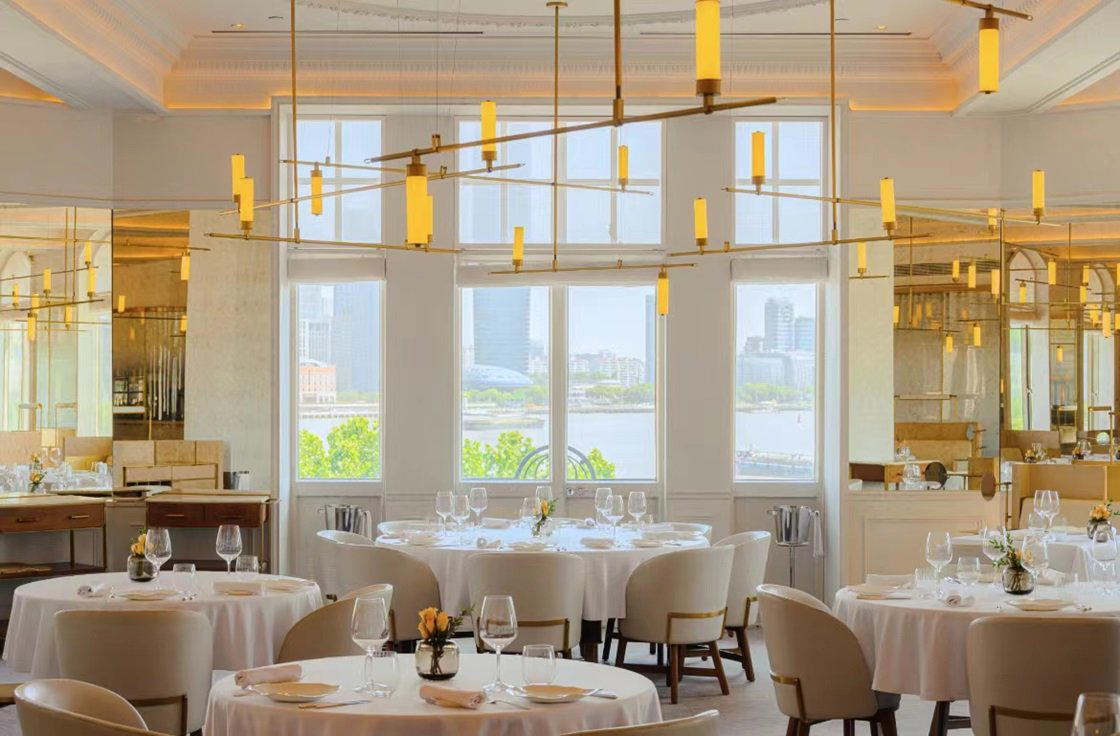
Browse all →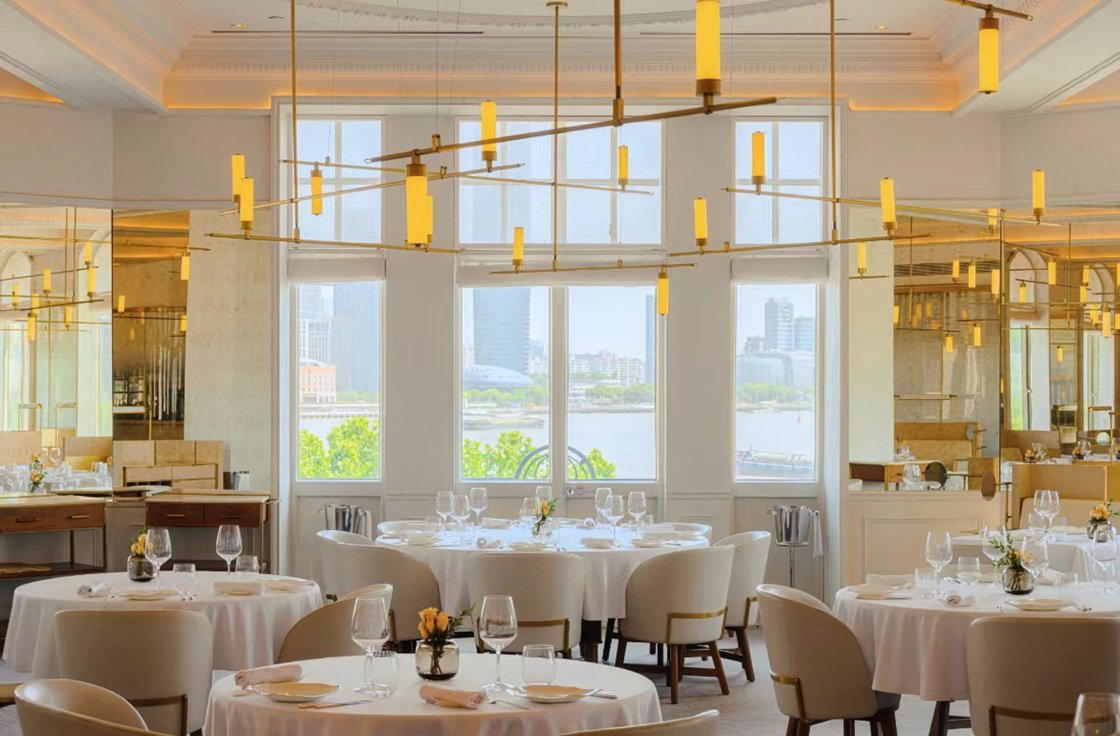
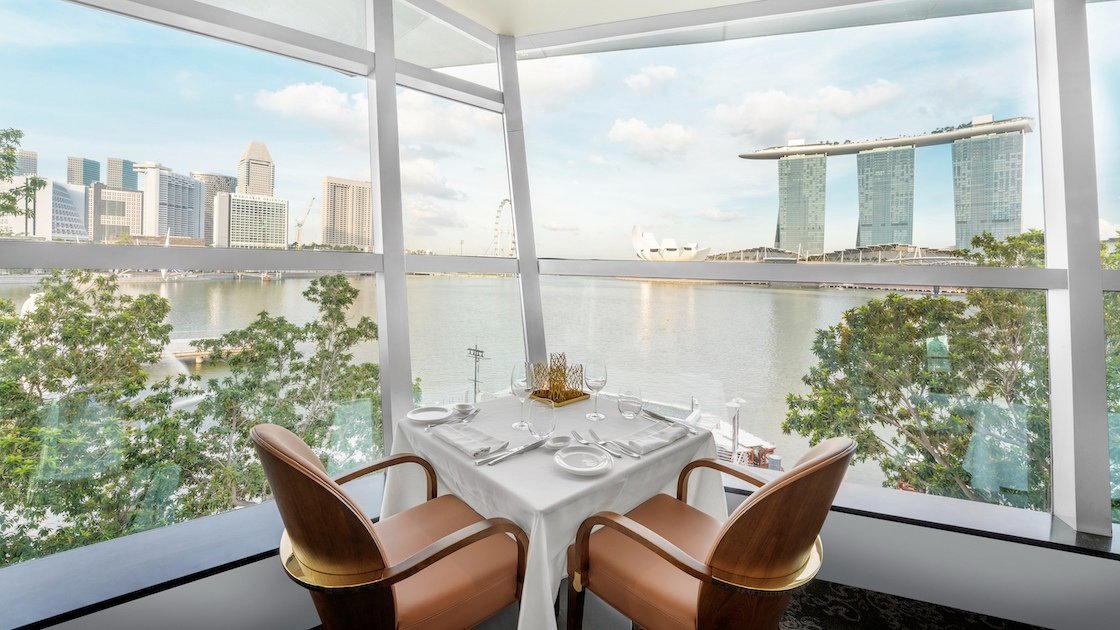
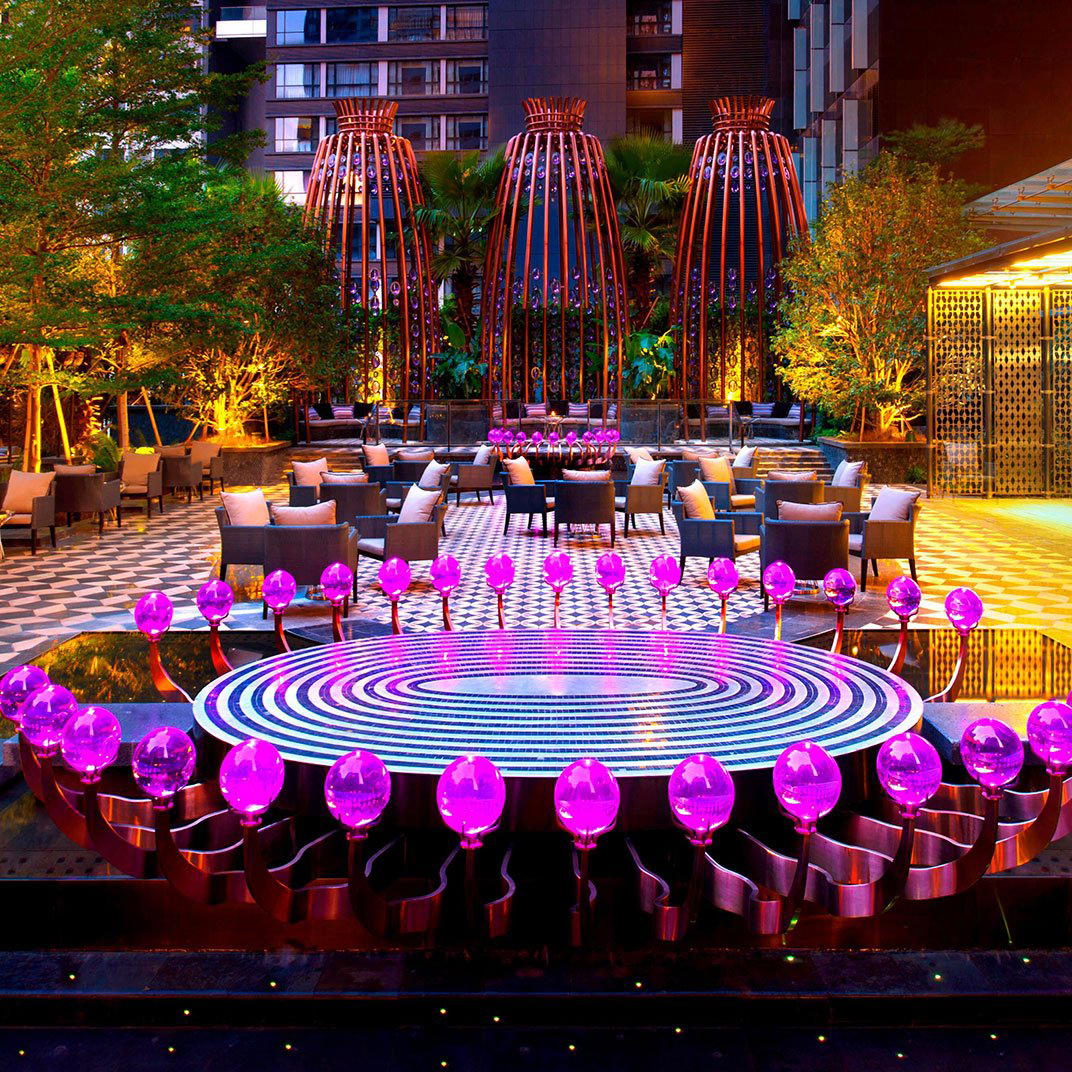
Bars in Guangzhou
Browse all →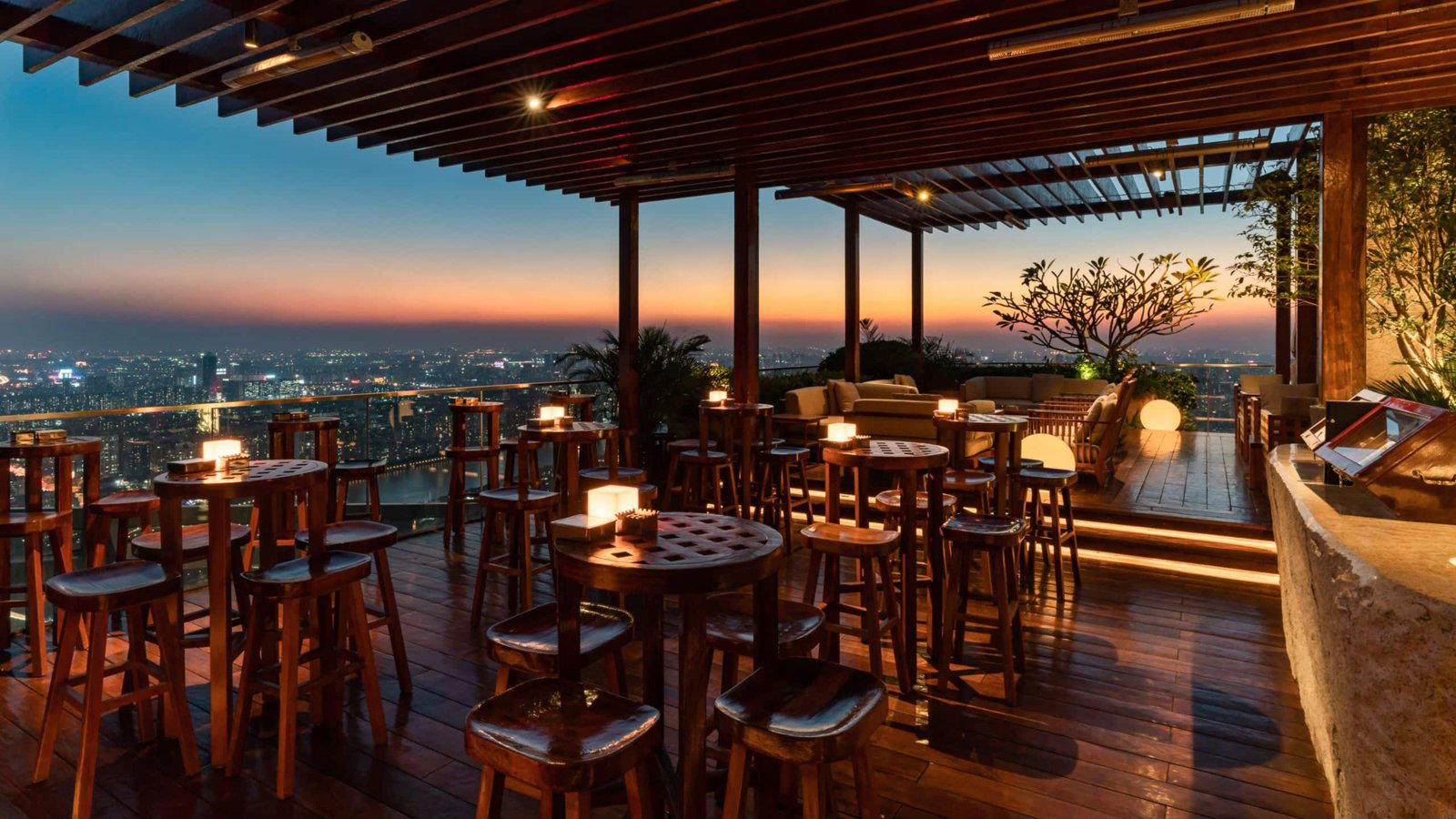
At a Glance
- Elegant
- Sophisticated
- Cozy
- Business Dinner
- Group Dining
- Family
- Celebration
- Private Dining
- Open Kitchen
- Extensive Wine List
- Sommelier Led
- Local Sourcing
Current opening hours
- Monday
- 11 AM–11 PM
- Tuesday
- 11 AM–11 PM
- Wednesday
- 11 AM–11 PM
- Thursday
- 11 AM–11 PM
- Friday
- 11 AM–11 PM
- Saturday
- 11 AM–11 PM
- Sunday
- 11 AM–11 PM
Hours can change for holidays and private events. Last verified .
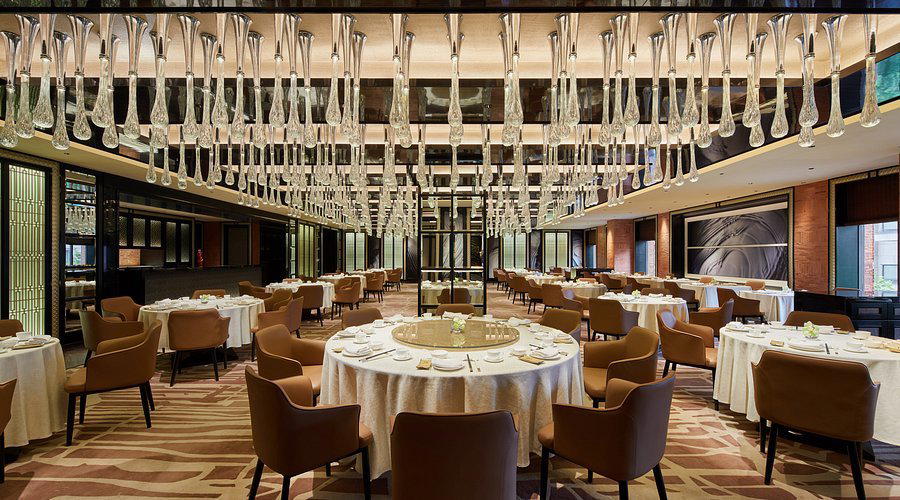
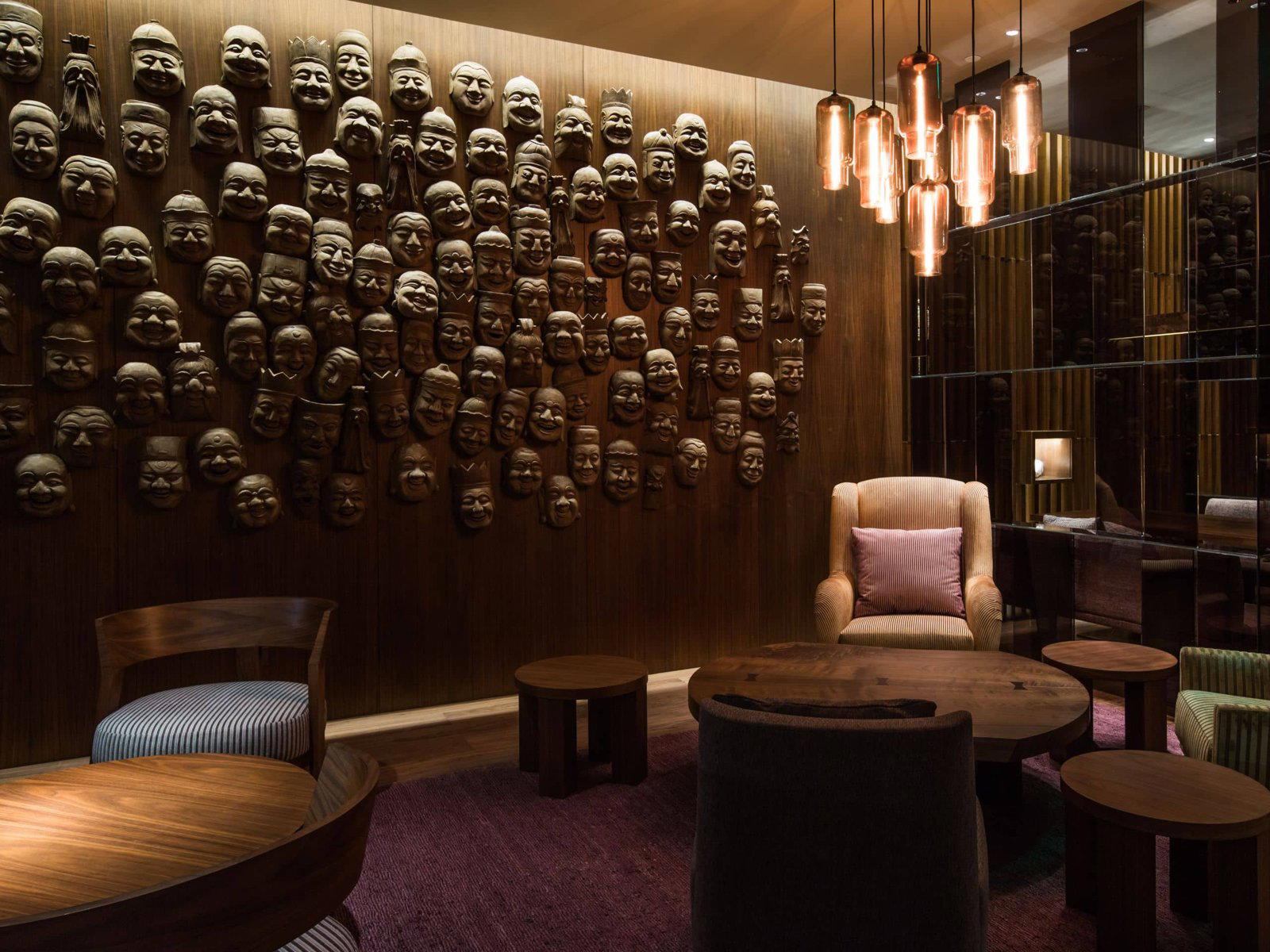
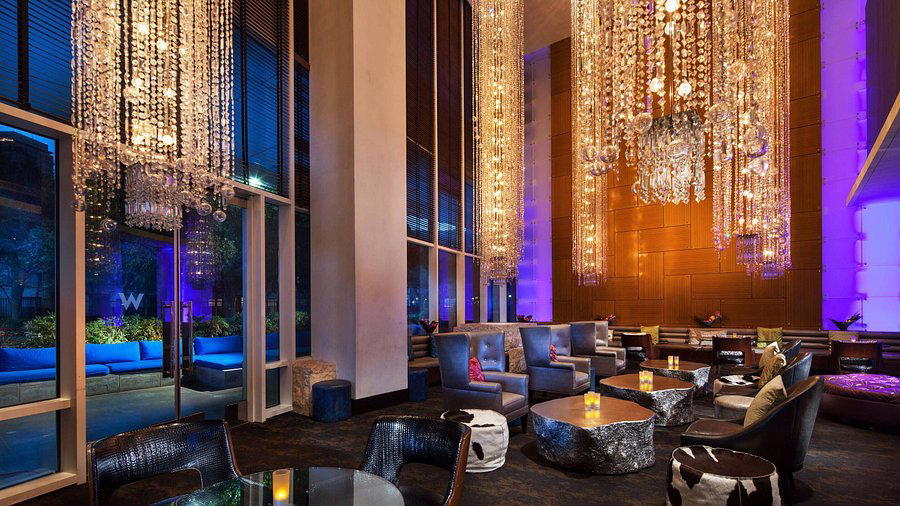
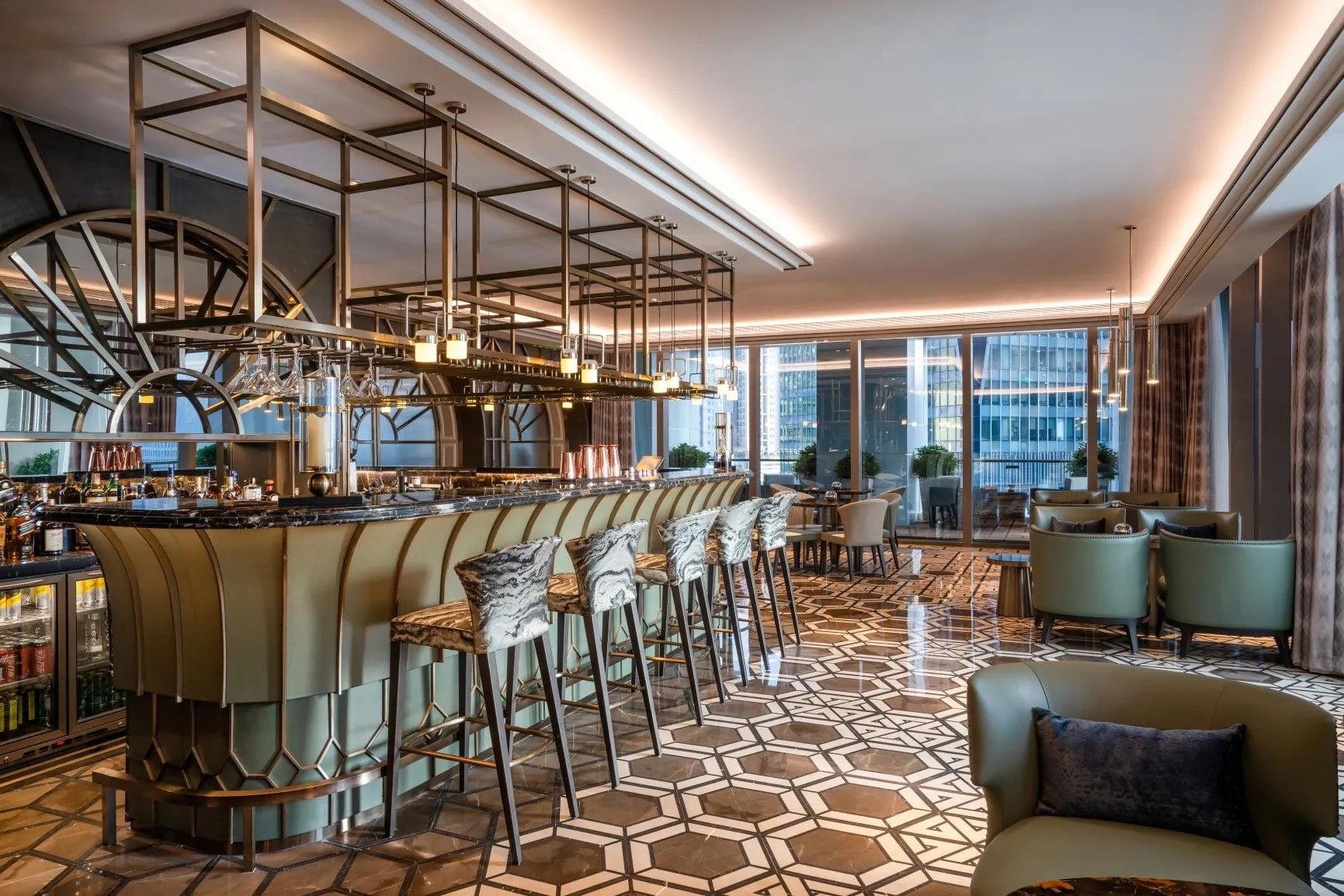
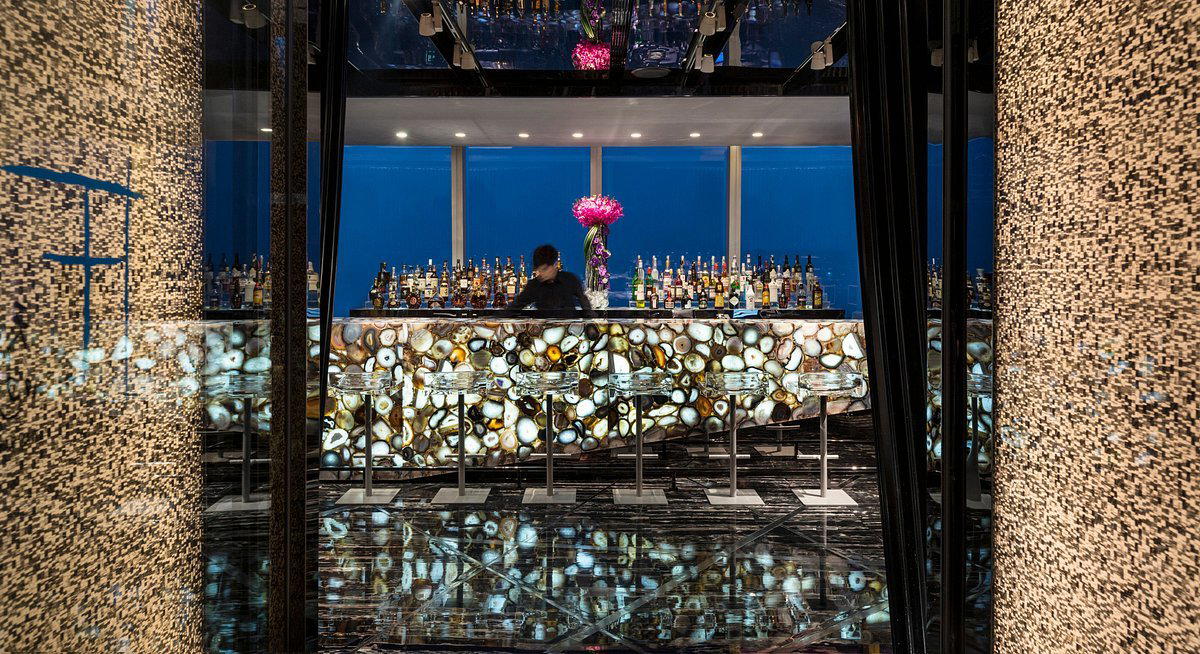
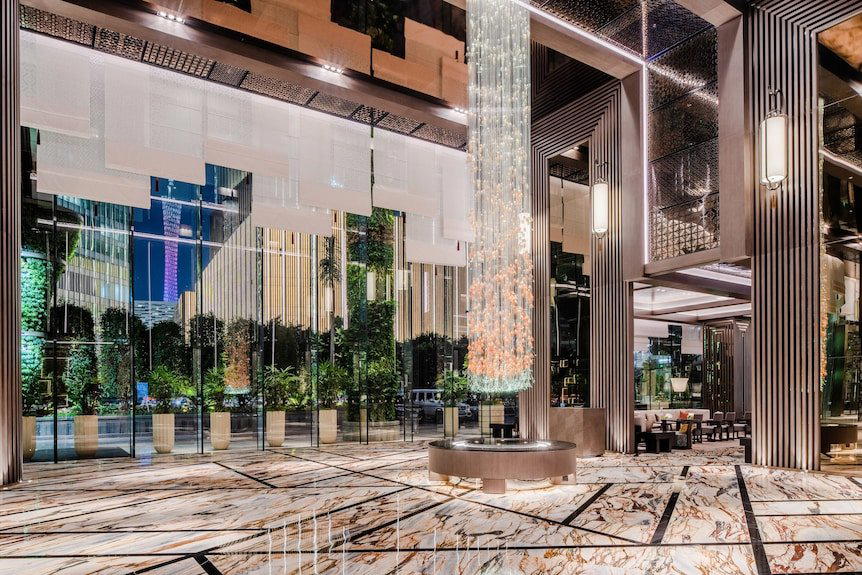
Contemporary polish with Cantonese elegance—lacquered woods, soft lighting, and well-spaced tables.