Sicily
Sicily on West 46th Street sits in the heart of Midtown Manhattan's Restaurant Row, where Italian regional cooking has long competed for attention against a dense field of theatre-district dining. The address places it squarely in a neighbourhood defined by pre-curtain crowds and tourist foot traffic, making it a useful reference point for understanding how Sicilian cuisine is represented in New York's Italian dining tier.
 Discover on Pearl
Pearl is the En Primeur Club membership app — saves, bookings, and concierge access live there. Same editors, same standards.
- Address
- 328-330 W 46th St, New York, NY 10036
- Phone
- +16466093417
- Website
- sicilynyc.com
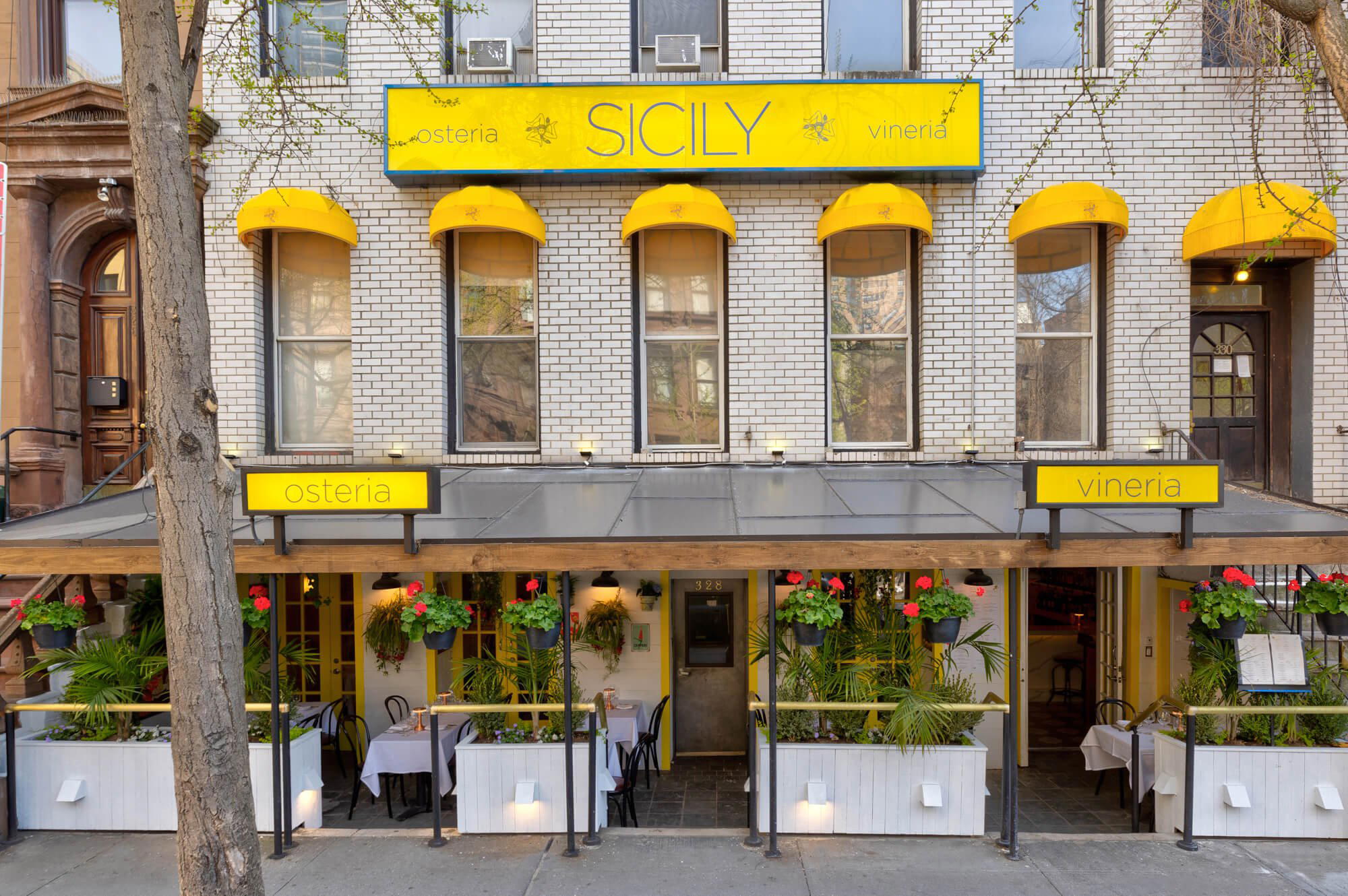
Restaurant Row and the Italian Regional Question
West 46th Street between Eighth and Ninth Avenues has carried the nickname Restaurant Row since the 1970s, when a concentration of independent dining rooms made it a destination for pre-theatre eating in Midtown. The strip remains one of the few blocks in Manhattan where the Italian restaurant is not an anomaly but a constant, appearing in multiple registers: red-sauce neighbourhood staples, mid-market trattoria formats, and more considered regional kitchens. Sicily, a Sicilian osteria at 328-330 W 46th Street in New York City, sits at a moment when Sicilian food specifically has become a more legible category in American dining, distinct from the broader Italian-American canon that shaped New York's restaurant culture through most of the twentieth century.
The distinction matters because Sicilian cooking is not simply southern Italian with different geography. It carries a specific set of influences, Arab, Norman, Greek, Spanish, that produce flavour combinations rarely encountered in the northern Italian kitchens that dominate the upper tier of New York's fine-dining Italian category. Sweet-sour agrodolce preparations, the use of dried fruits and nuts in savoury contexts, the prominence of preserved fish, and a reliance on vegetables as primary rather than supporting ingredients all mark Sicilian cooking as its own tradition. When a New York restaurant claims the island as its reference point, it is making an implicit editorial statement about which tradition it is working within.
The Sensory Register of a Midtown Dining Room
Restaurant Row dining rooms tend toward a particular atmospheric formula: warm lighting calibrated for pre-theatre speed, sound levels that rise as curtain time approaches, and a visual language that borrows from Southern European trattoria conventions without necessarily committing to them. The challenge for any Italian regional kitchen on this block is to produce an experience with enough sensory specificity to be remembered after the show, not merely consumed before it.
Sicilian cooking, when handled with attention, brings its own sensory markers. The smell of saffron in a properly made pasta alla norma variant, the saline edge of good bottarga grated over pasta, the char on eggplant that has seen direct heat rather than a low oven, these are not subtle signals. They communicate a kitchen's position relative to the broader category. The Theatre District's dining rooms compete largely on convenience and familiarity; a kitchen working from genuine regional specificity operates on different terms, appealing to the diner who is choosing a restaurant first and a location second.
Among the higher-end Italian options available in Manhattan, where the conversation about Italian fine dining is shaped by a relatively small number of recognised rooms, Sicilian cooking occupies an interesting gap. The ceiling of Italian fine dining in New York runs through kitchens working in the French-influenced tasting menu format or the white-tablecloth Tuscan and Piedmontese register. Rooms drawing from the south of Italy, and from Sicily specifically, tend to sit in a different tier, where the value proposition is specificity and generosity rather than refinement and restraint. That positioning is neither a limitation nor a default, it reflects a genuine difference in culinary tradition.
Midtown Italian in Context: Where Sicily Sits
To understand Sicily's place in New York's dining architecture, it helps to map the broader Italian restaurant tier in the city. At the formal end, Midtown carries rooms whose comparable set includes some of the most recognised addresses in American fine dining. Le Bernardin and Per Se set the reference point for what a premium Midtown dining experience costs and requires in terms of commitment. Masa operates at the furthest point of the tasting counter format. Atomix and Jungsik New York represent the Korean fine-dining tier that has become a significant presence in Manhattan's upper restaurant market.
Italian regional cooking, including Sicilian, operates in a different competitive band. The Theatre District specifically rewards restaurants that can handle volume, turn tables at pre-curtain pace, and maintain consistency under the particular pressure of a dining room that fills and empties twice in an evening. These are not trivial operational requirements, and they shape what a kitchen can realistically execute. The restaurants on West 46th Street that have maintained longevity have generally done so by solving the operational problem first and the culinary one second.
For comparison against other ambitious American restaurant experiences, the frame shifts considerably. Rooms like Alinea in Chicago, The French Laundry in Napa, Providence in Los Angeles, and Blue Hill at Stone Barns in Tarrytown represent a tier defined by advance booking requirements, tasting menu formats, and a strong identity around sourcing or technique. Internationally, rooms such as 8 1/2 Otto e Mezzo Bombana in Hong Kong and Alain Ducasse at Louis XV in Monte Carlo show what Italian-influenced fine dining looks like at its most decorated. Sicily on West 46th operates in a more accessible register than any of these, which is not a criticism of ambition so much as a description of what the neighbourhood and format allow.
Other US destinations with strong regional Italian or Mediterranean identities, Emeril's in New Orleans, Bacchanalia in Atlanta, Addison in San Diego, Single Thread Farm in Healdsburg, and Lazy Bear in San Francisco, each demonstrate how regional specificity can anchor a dining identity in markets where the Italian category is less crowded. New York's density makes that differentiation harder to sustain and more consequential when it works. You might also consider The Inn at Little Washington for a Washington-area counterpoint to what a longstanding American fine-dining room looks like in a less pressured urban context.
Planning a Visit
| Venue | Location | Price Tier | Format | Advance Booking |
|---|---|---|---|---|
| Sicily | W 46th St, Midtown | Not confirmed | Not confirmed | Recommended for Theatre District timing |
| Le Bernardin | W 51st St, Midtown | $$$$ | Tasting / à la carte | Several weeks ahead |
| Per Se | Columbus Circle | $$$$ | Tasting menu | Several weeks ahead |
| Masa | Columbus Circle | $$$$ | Omakase counter | Months ahead |
| Atomix | NoMad | $$$$ | Tasting menu | Weeks to months ahead |
Specific hours, pricing, and booking methods for Sicily are not confirmed in our current data. For up-to-date reservation availability, check directly with the restaurant at 328-330 W 46th Street. West 46th Street is accessible from Times Square-42nd Street station (A/C/E/1/2/3/7/N/Q/R/W lines) and Fiftieth Street station (1 line). Pre-theatre timing typically means the block is at capacity between 6:00 and 7:30 pm on weekday evenings; arriving earlier or later will affect both noise level and service pace.
Comparable Options
Comparable venues nearby, for context on price, style, and recognition.
| Venue | Cuisine | Price | Notes |
|---|---|---|---|
| SicilyThis venue — the venue you are viewing | Sicilian Osteria | $$$ | |
| BOTTINO | Modern Tuscan Italian | $$$ | Chelsea-Hudson Yards |
| Osteria al Doge | Authentic Venetian Italian | $$$ | Midtown-Times Square |
| Tartufo Osteria | Contemporary Italian Trattoria | $$$ | Hell's Kitchen |
| Stella 34 Trattoria | Modern Italian Trattoria | $$$ | Midtown-Times Square |
| Il Pastaio | Housemade Italian Pasta Bar | $$$ | Midtown South-Flatiron-Union Square |
Continue exploring
More in New York City
Restaurants in New York City
Browse all →
Bars in New York City
Browse all →
Hotels in New York City
Browse all →



At a Glance
- Rustic
- Elegant
- Cozy
- Date Night
- Group Dining
- Special Occasion
- Open Kitchen
- Garden
- Extensive Wine List
- Garden
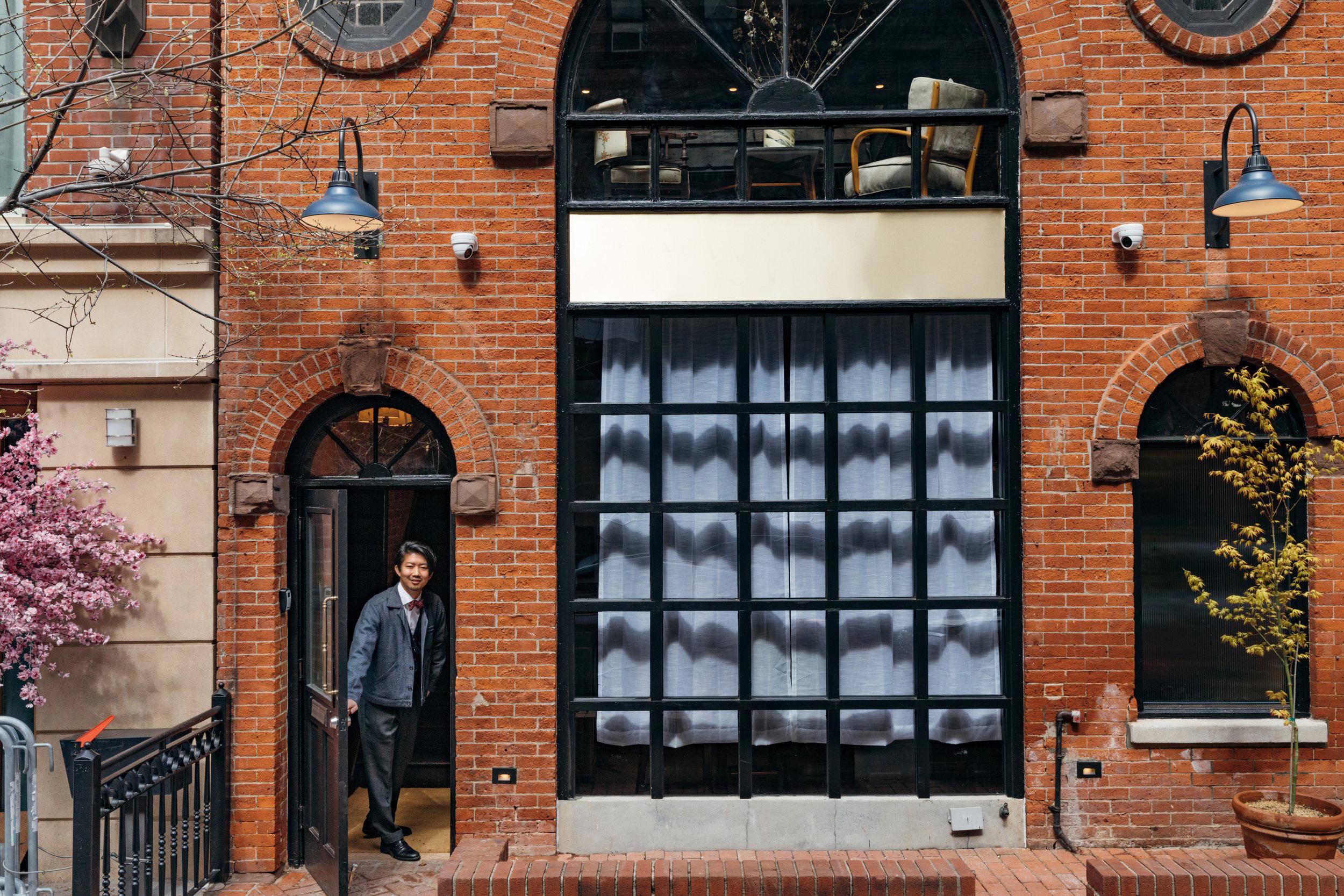
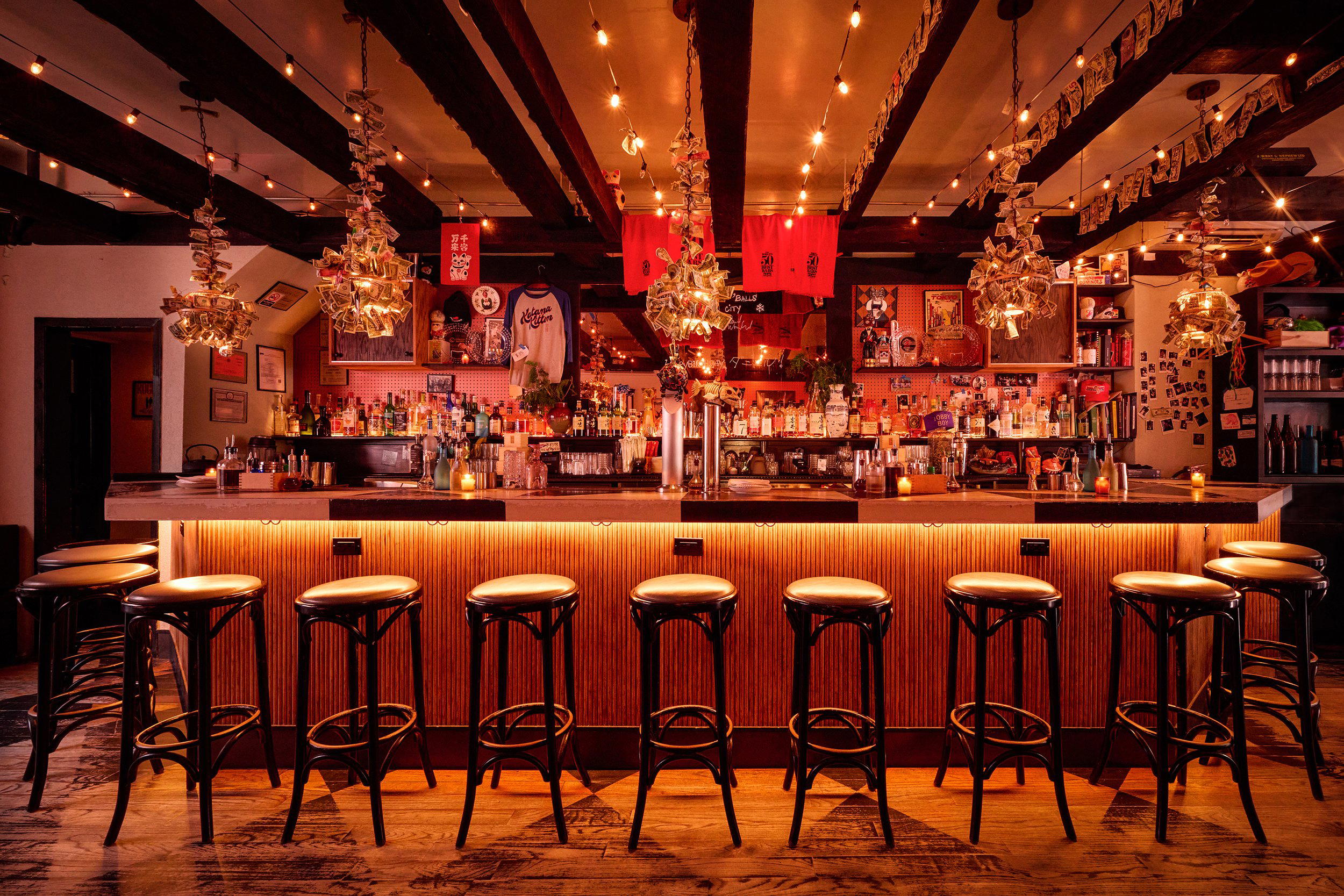
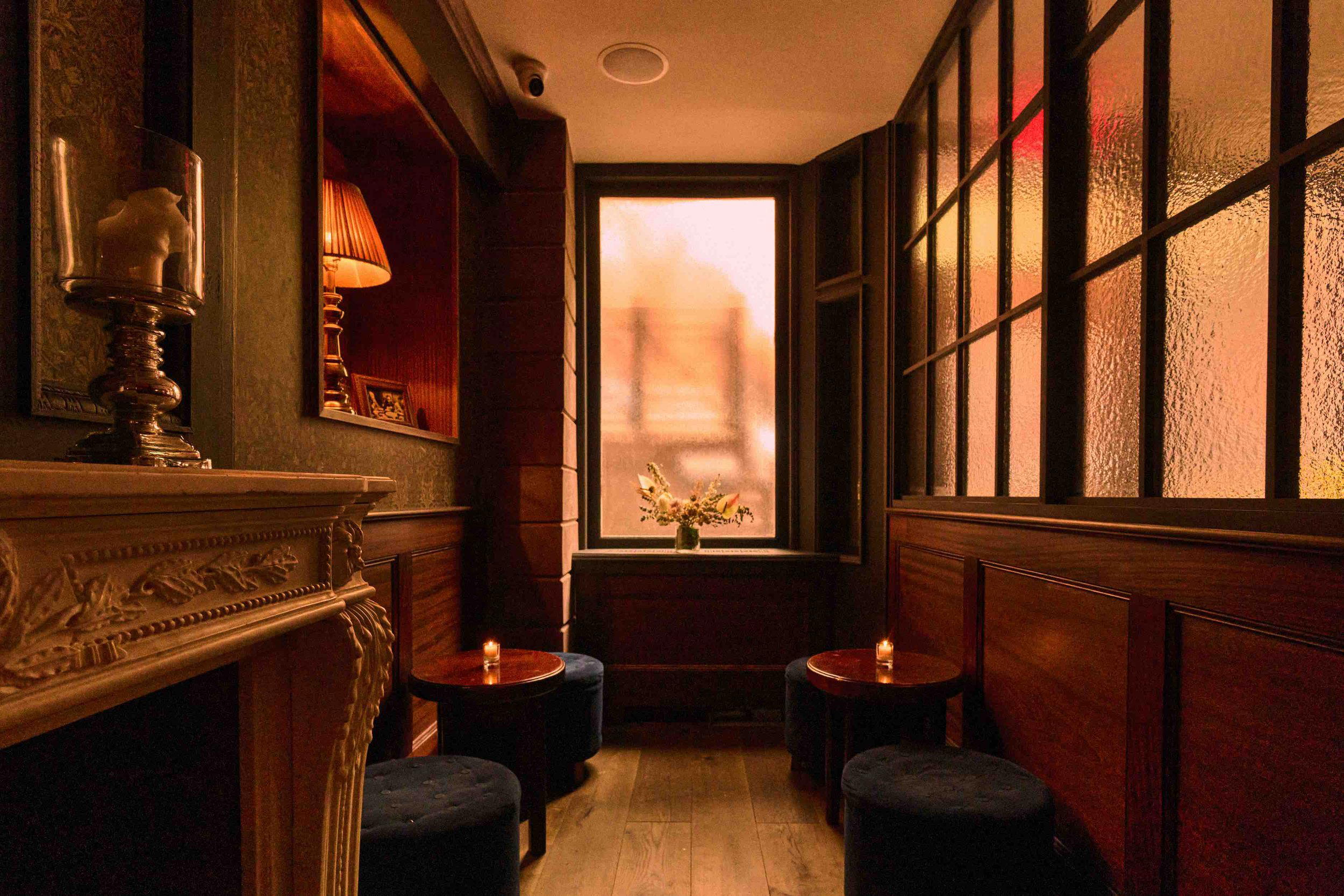
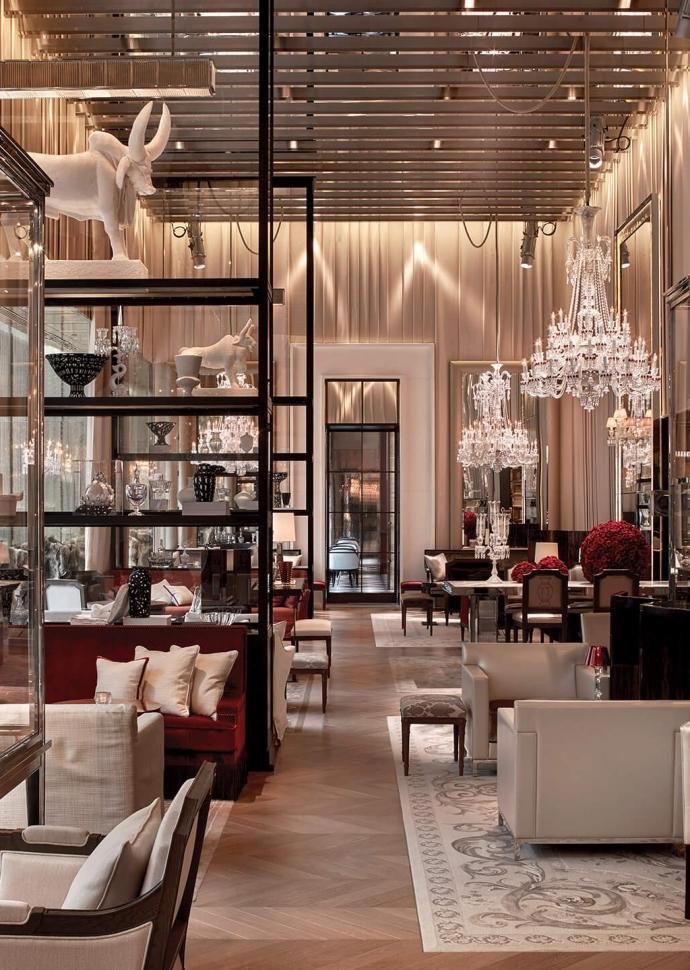
Rustic elegance with vintage green walls, exposed brick, custom tiled floors, white tablecloths, and a lush enclosed patio garden oasis.