Osteria al Doge
Our verdict
On West 44th Street in the heart of Midtown, Osteria al Doge has been a consistent reference point for Italian dining within walking distance of Times Square. The kitchen works in a register that prioritizes regional Italian tradition over novelty, making it a practical counterweight to the area's more performative dining options. For travelers and locals alike, it occupies a reliable middle ground in one of Manhattan's most transited corridors.

Pearl is the En Primeur Club membership app, where members save venues, book tables and use the concierge.

The menu
What to order
- Carpaccio di Manzo
- Stinco d'Agnello al Forno
- Fegato alla Veneziana
Italian Table Ritual in the Middle of Midtown
West 44th Street runs through one of the most commercially dense blocks in Manhattan, bracketed by theatre marquees, hotel lobbies, and the tourist infrastructure that Times Square generates at scale. Most restaurants along this corridor operate on throughput logic: turn tables quickly, price for convenience, and rely on foot traffic rather than repeat custom. Osteria al Doge has, over its tenure at 142 West 44th Street, occupied a different register. The kitchen draws on northern Italian osteria tradition, a format historically organized around unhurried meals, wine by the carafe, and a sequence of courses that respects the logic of Italian dining rather than collapsing it into a single plate.
That distinction matters more in this zip code than it would almost anywhere else in New York. The area surrounding Times Square is not generally where New York's serious Italian dining concentrates. The city's most discussed Italian tables tend to cluster in the West Village, the East Village, and select pockets of the Upper East Side. Midtown's Italian options, with a few exceptions, lean toward either the quick-service end or the high-expense-account end. Osteria al Doge positions itself between those poles, referencing the Venetian osteria model, where the meal is a structured event rather than a transaction.
The Architecture of an Italian Meal
The osteria format, as it has historically operated in Venice and the broader Veneto, is built around sequence and pacing. An antipasto begins the table, establishing tempo. A primo of pasta or risotto follows, functioning as the structural center of the meal rather than a preamble. The secondo arrives as a narrower, protein-focused course. The format assumes that diners arrive with time, not just appetite, and that the table belongs to the guests for the duration rather than being reclaimed between waves of bookings.
In New York's Midtown, where lunch service often runs to a hard stop and dinner tables turn within ninety minutes, committing to that sequence requires some deliberate navigation. Osteria al Doge's positioning on West 44th Street places it within easy reach of the Theatre District, which creates a particular dining rhythm: pre-theatre dinners that need to conclude by curtain, and post-theatre meals that begin late and carry fewer time pressures. That split shapes how the kitchen and floor operate across service periods. Travelers staying in the immediate area, whether for business or leisure, have access to a format that is rare within a few blocks' walk.
How This Fits the Midtown Italian Conversation
To understand where Osteria al Doge sits, it helps to map the broader Italian dining field in Manhattan. At the highest price tier, the city's Italian fine dining draws comparison to European reference points, including Michelin-recognized rooms where tasting menus run well above two hundred dollars per person. At the informal end, the city has a deep bench of neighbourhood trattorias and enotecas that trade on simplicity and value. The osteria format occupies a middle position: more structured than a casual trattoria, less choreographed than a fine-dining tasting room.
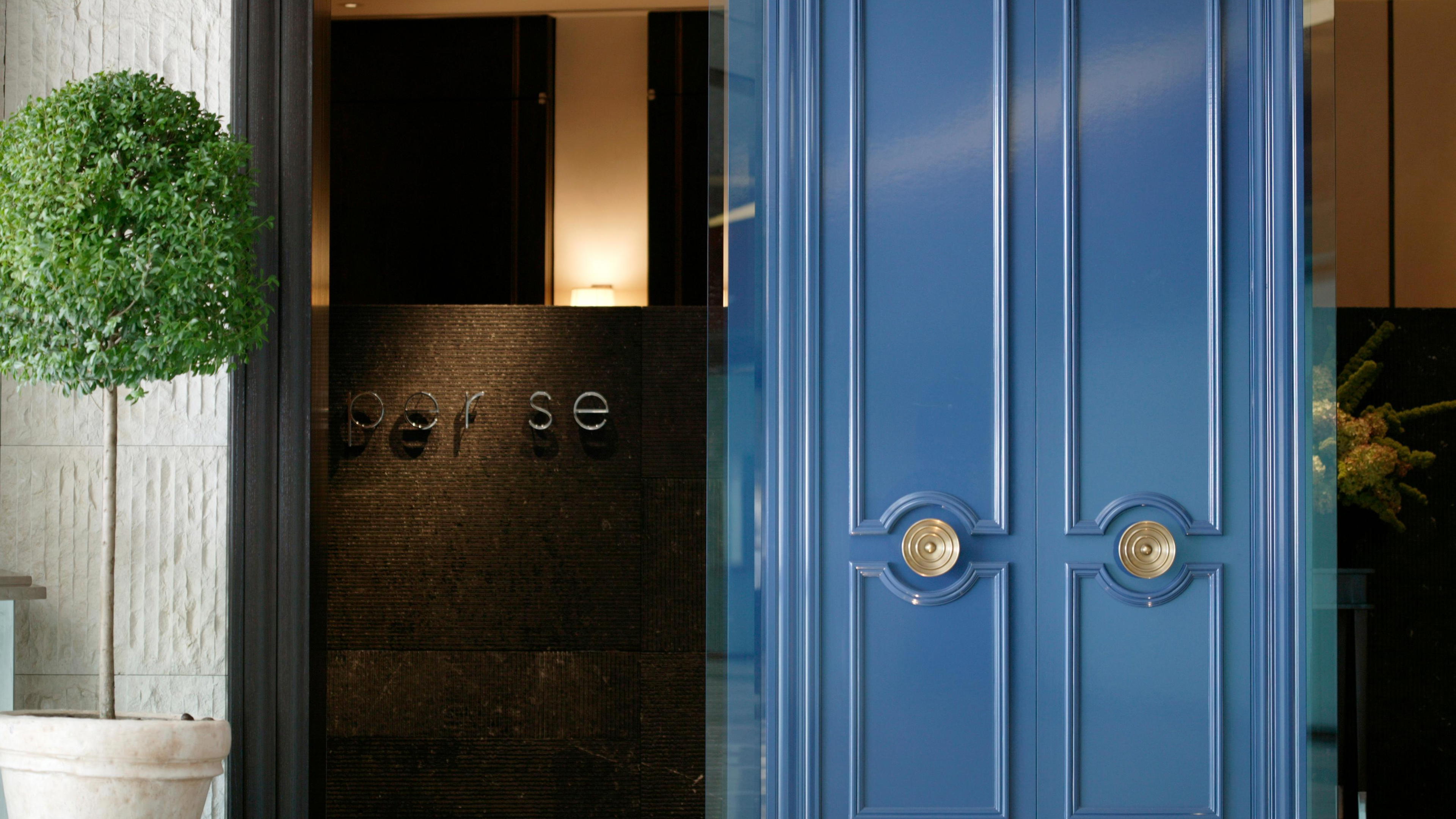
For context on what serious Italian fine dining looks like at global scale, rooms like 8 1/2 Otto e Mezzo Bombana in Hong Kong or Alain Ducasse at Louis XV in Monte Carlo represent the upper end of European-inflected formal dining. New York's own top tier includes rooms like Le Bernardin, Per Se, and Masa, which operate at price points and formality levels well above the osteria category. Progressive tasting-menu formats like Atomix and Jungsik New York define a different competitive tier entirely. Osteria al Doge does not compete in those brackets. Its reference set is the regional Italian table, where the meal's credibility rests on ingredient sourcing, pasta execution, and the integrity of the sequence rather than on chef celebrity or Michelin hardware.
Across the United States, the restaurants that have built durable reputations on disciplined regional cooking rather than tasting-menu spectacle tend to develop steady local followings over time. That pattern holds in cities like New Orleans, San Francisco, and Atlanta, where longevity is its own credential. The same logic applies to Midtown, where the churn rate among restaurants is high enough that any multi-year tenure at a fixed address carries informational weight.
Dining Strategy for Times Square Visitors
The Theatre District creates one of New York's most legible pre-dinner windows: the ninety minutes before an eight o'clock curtain. For that window, an osteria format can work well if the table is booked early in the service, courses are communicated clearly to the floor, and the expectation is set for a two-course rather than a three-course sequence. Post-theatre is the more relaxed option, arriving after ten and eating in a room that has largely cleared its earlier rush.
For visitors whose hotel base is Midtown and who want to range further into New York's more serious dining neighborhoods, the fuller picture is available in our full New York City restaurants guide, which covers rooms across all price tiers and borough contexts. Other American cities with strong editorial coverage include Chicago's Alinea, Single Thread in Healdsburg, The French Laundry in Napa, Providence in Los Angeles, Blue Hill at Stone Barns in Tarrytown, Addison in San Diego, and The Inn at Little Washington.
Know Before You Go
- Address: 142 West 44th Street, Times Square, New York, NY 10036
- Neighbourhood: Times Square / Theatre District, Midtown Manhattan
- Format: Osteria, northern Italian tradition
- Booking: Advance reservation recommended, particularly for pre-theatre windows and weekend evenings in the Theatre District corridor
- Planning note: If attending a Broadway or off-Broadway show, confirm curtain time and communicate it to the floor when booking
Frequently asked questions
at Osteria al Doge?
The kitchen works within northern Italian osteria tradition, which means pasta and risotto courses carry the most structural weight on the menu. In that format, the primo is where the kitchen's technique is most legible: house-made pasta or a carefully executed risotto is where an osteria earns or loses credibility. The antipasto selection is also worth treating as its own course rather than skipping in favor of speed.
Should I book Osteria al Doge in advance?
The Times Square corridor is among the most heavily trafficked dining zones in New York, and the pre-theatre window between six and seven-thirty generates consistent demand across the block. Booking ahead, particularly for weekend dinners or the pre-theatre slot, is a reasonable precaution rather than a formality. Walk-in availability is more likely at lunch or late in the evening after the theatre crowd has been seated. Given the venue's location near multiple Broadway houses, last-minute tables on matinee days can also be constrained.
What has Osteria al Doge built its reputation on?
Osteria al Doge's position in a neighborhood not known for serious Italian dining is itself part of its identity. The Venetian osteria format, with its emphasis on sequenced courses and regional Italian cooking, is a deliberate counterpoint to the transactional dining model that dominates Times Square. Longevity at a fixed Midtown address is a credential in its own right in a market where restaurant turnover is high. The kitchen operates within a culinary tradition that prizes execution and sequence over novelty or chef-driven spectacle.
Is Osteria al Doge a practical choice for business dining near Midtown offices?
The West 44th Street location places the restaurant within walking distance of much of Midtown's commercial core, including the clusters of offices and hotels between Fifth and Eighth Avenues. The osteria format, with its structured but not over-choreographed sequence, suits a business lunch or dinner where conversation is the priority and the meal does not need to perform for the table. The northern Italian frame means the menu reads accessibly to international guests without requiring prior knowledge of the cuisine. Confirming current hours and reservation availability directly is recommended before scheduling a client meal.
Comparison Snapshot
Comparable venues nearby, for context on price, style, and recognition.
| Venue | Cuisine | Price | Notes |
|---|---|---|---|
| Osteria al DogeThis venue (the venue you are viewing) | Authentic Venetian Italian | $50–100 | Not listed |
| Il Pastaio | Housemade Italian Pasta Bar | $30–50 | Midtown South-Flatiron-Union Square |
| Alaluna | New Italian Seafood | $50–100 | West Village |
| Spes | Italian Natural Wine Bar | $50–100 | East Village |
| OLIO E PIÙ | Authentic Italian Trattoria | $50–100 | West Village |
| Lex Restaurant | Classic Italian | $50–100 | Upper East Side-Carnegie Hill |
Continue exploring
More in New York City
Restaurants in New York City
All restaurants in New York City →
Bars in New York City
All bars in New York City →





Details
- Classic
- Cozy
- Elegant
- Date Night
- Business Dinner
- Special Occasion
- Private Dining
- A La Carte
- Vegetarian Friendly
- Vegan Options
- Gluten Free Options
Current opening hours
- Monday
- 11:30 AM–10:30 PM
- Tuesday
- 11:30 AM–11 PM
- Wednesday
- 11:30 AM–11 PM
- Thursday
- 11:30 AM–11 PM
- Friday
- 11:30 AM–11 PM
- Saturday
- 11:30 AM–11:30 PM
- Sunday
- 4–10:30 PM
Hours can change for holidays and private events. Hours as of .
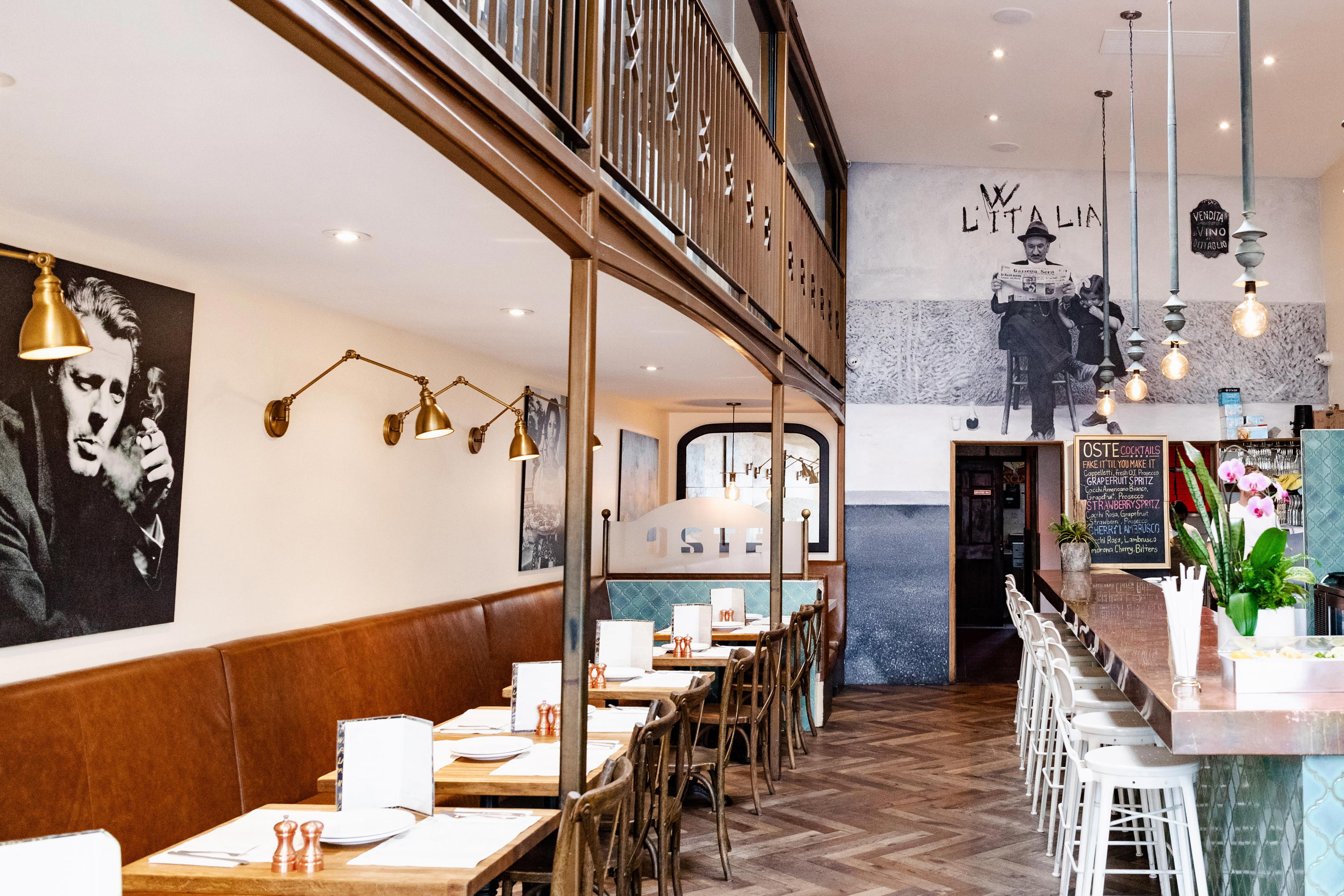
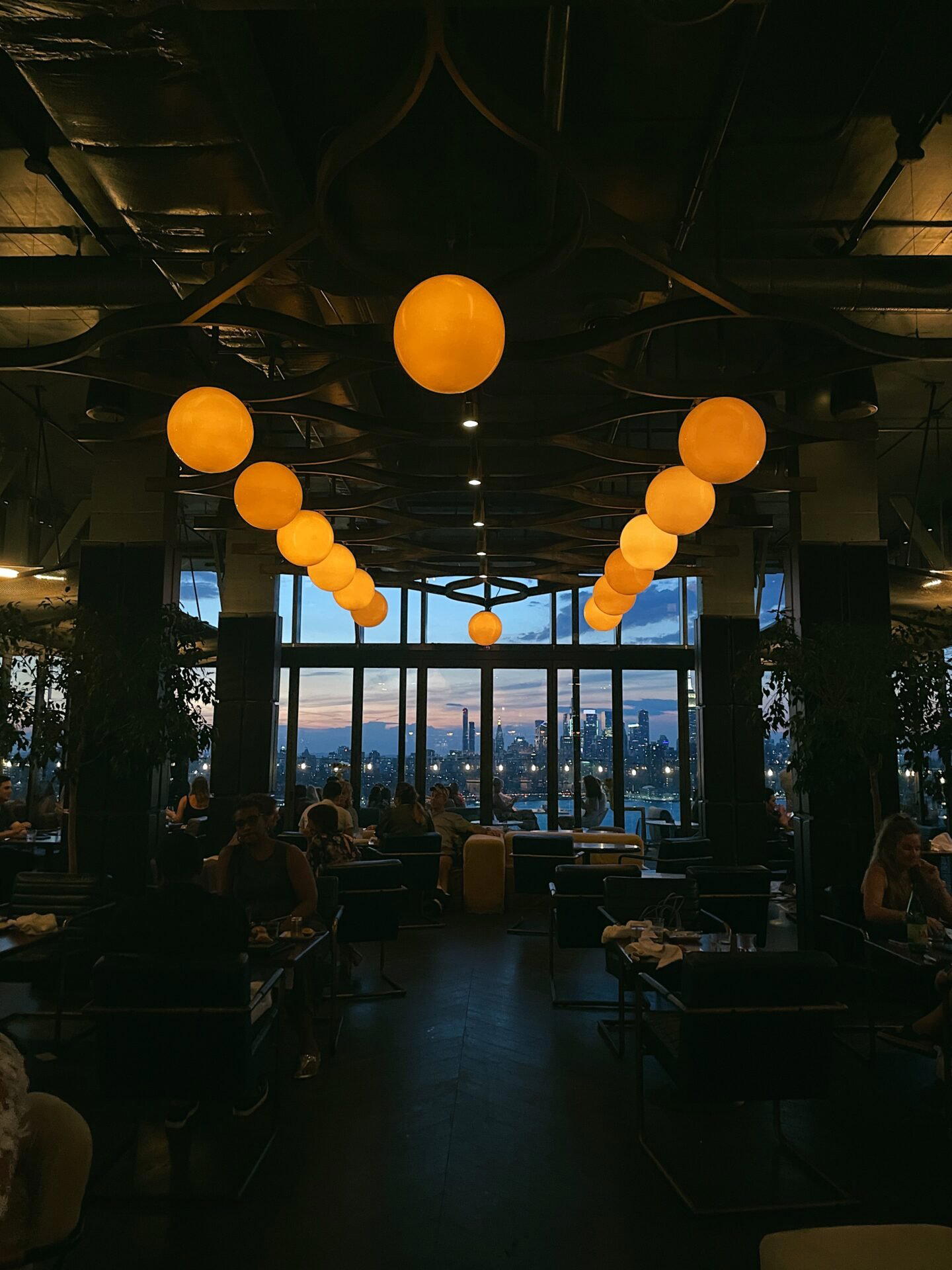
Charming atmosphere with high ceilings, attractively decorated wainscoting, scattered greenery, flowers, and colorful Italian ceramics.