Il Pastaio
Il Pastaio occupies a Fifth Avenue address in the Flatiron District, placing it at the intersection of one of New York's most architecturally layered neighbourhoods and the city's enduring appetite for Italian pasta traditions. The setting and address signal a certain formality of occasion, while the format itself connects to a broader Italian-American dining culture that has shaped Manhattan's restaurant scene for generations.
Pearl is the En Primeur Club membership app — saves, bookings, and concierge access live there. Same editors, same standards.
- Address
- 210 5th Ave, New York, NY 10010
- Phone
- +1 212 229 2560
- Website
- eataly.com
- Directions
- Get directions
 Saves & bookings on Pearl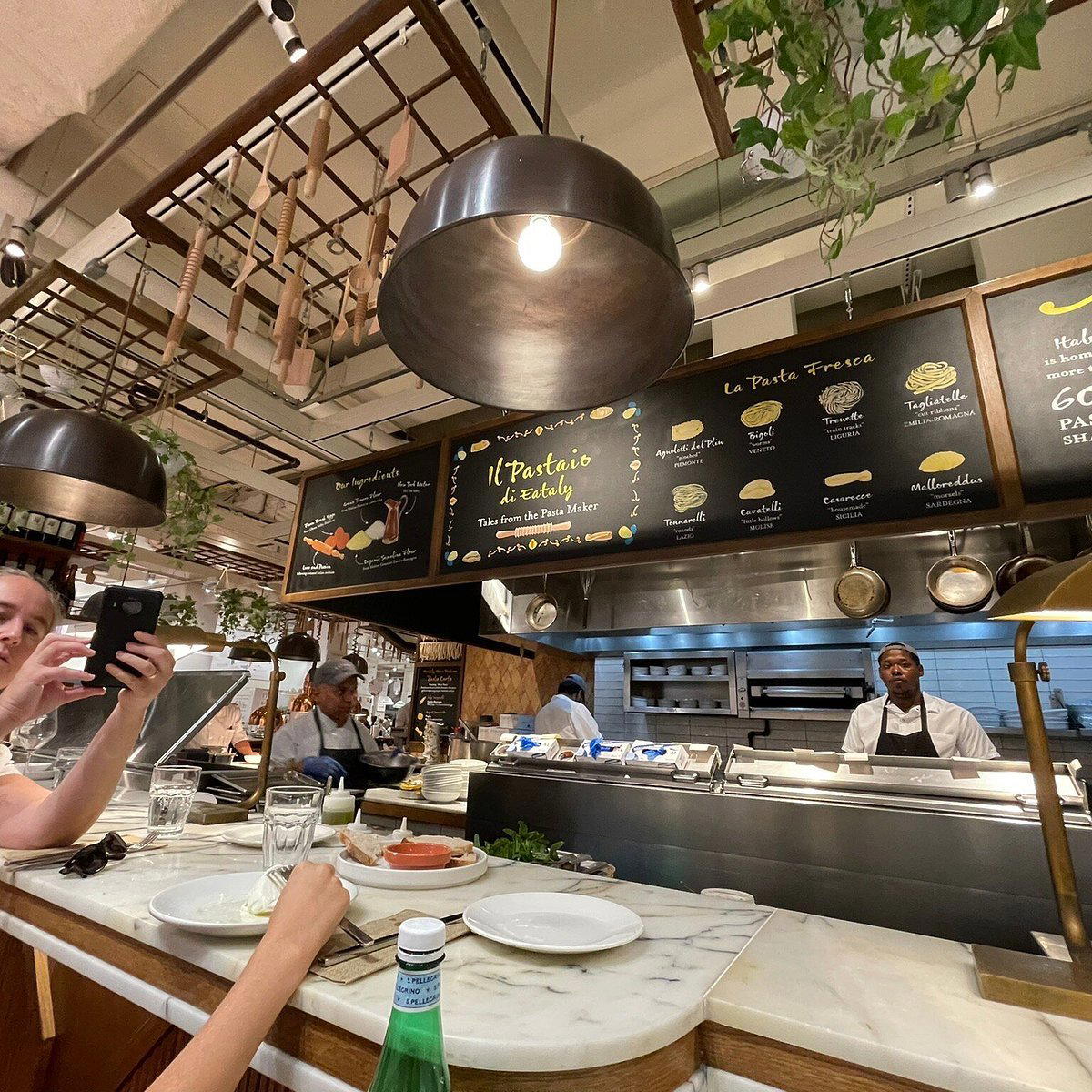
Fifth Avenue, the Flatiron, and What a Room Tells You Before You Order
The block of Fifth Avenue between 25th and 26th Streets sits in a part of Manhattan where the grid logic of the Flatiron District gives way to something slightly more considered. The buildings here carry more ornamental weight than the blocks further north or south, and the foot traffic carries a different composition: office workers at lunch, hotel guests navigating upward from NoMad, and the kind of tourist who has already covered the obvious ground and is now moving through neighbourhoods with more deliberate intent. Arriving at 210 Fifth Avenue, you are arriving at an address that carries Flatiron's particular sense of occasion without the self-conscious density of Midtown.
In a city where dining rooms have increasingly become either maximalist spectacles or stripped-back counter formats, the physical container of a restaurant functions as a declaration. The Italian trattoria tradition, which Il Pastaio draws from by name and format, historically solved the problem of hospitality through warmth of material rather than drama of scale: exposed brick, close table spacing, ambient noise that signals occupancy rather than acoustics managed to the decibel. Whether a room executes on that tradition or merely references it is the question any pasta-focused restaurant in this price bracket invites.
Pasta in New York: Where the Category Sits Now
New York's Italian restaurant scene has stratified sharply over the past decade. At one end sit the white-tablecloth Italian-American institutions that have operated for thirty or forty years on reputation and return visits. At the other, a wave of pasta-specialist formats has emerged, often smaller and more focused, drawing from specific Italian regional traditions rather than the broader canon. The Flatiron and surrounding neighbourhoods have absorbed a significant share of this newer category, partly because of the density of office and hotel demand and partly because the area's commercial rents have historically attracted restaurants positioning above the casual end.
Il Pastaio as a name references a specific Italian term: the pastaio is the pasta maker, the craftsman of the dough. Restaurants that adopt this framing are signalling an intent to centre the pasta itself as the primary object of attention, in the same way a sushiya centres the fish or a boulangerie centres the bread. That positioning places a restaurant in a different competitive conversation than a broader trattoria or an Italian-American red-sauce house. In New York, the relevant comparable set for this kind of format includes both neighbourhood specialists and the more ambitious mid-tier Italian rooms that have built followings through consistent craft rather than celebrity or spectacle.
For context on where pasta-focused formats sit within the broader hierarchy of New York dining ambition, consider that the city's most recognised fine dining rooms operate at a different register entirely. Le Bernardin, Eleven Madison Park, Per Se, Atomix, and Masa each operate tasting-menu or omakase formats at $$$$ price points, where the architecture of the meal is as deliberate as the food itself. A pasta-focused restaurant serves a different reader decision: the choice between a category of food and an occasion format, rather than a comparison between equally formal peer institutions.
The Design Logic of an Italian Dining Room
The physical design of Italian-format restaurants in New York tends to follow one of two schools. The first is the maximalist school: Carmine's-scale rooms with murals, hanging cured meat, and noise levels that treat convivality as a feature rather than a side effect. The second is the restrained school: smaller rooms where the architecture does less and the table does more, where the play is on the quality of what arrives rather than the theatre of the setting. The Flatiron address at 210 Fifth Avenue suggests a room operating in the latter register, in a building stock more suited to controlled intimacy than warehouse-scale volume.
Across the American fine dining circuit, Italian-inflected formats have proven durable in cities with strong local ingredient networks. Frasca Food and Wine in Boulder has built a long-standing reputation around Friulian traditions in an unlikely market. Blue Hill at Stone Barns in Tarrytown, while not Italian in format, demonstrates how proximity to New York enables ingredient-driven restaurants to operate at a high level outside the city itself. In New York proper, the competition for the Italian mid-market is dense enough that design and spatial quality function as meaningful differentiators alongside the food.
Planning Your Visit
For readers building a broader picture of the New York dining scene, our full New York City restaurants guide covers the range from neighbourhood specialists through to the city's most formal tasting-menu rooms. For comparison across other American cities with strong Italian or pasta-focused programs, see Smyth in Chicago, Providence in Los Angeles, and Lazy Bear in San Francisco for a sense of how the broader American fine dining conversation is evolving. For Italian-rooted reference points in Europe, Atelier Moessmer Norbert Niederkofler in Brunico and Dal Pescatore in Runate offer context on what the Italian tradition looks like at its most formally ambitious. Additional American reference points include Emeril's in New Orleans, The French Laundry in Napa, Single Thread Farm in Healdsburg, Addison in San Diego, and The Inn at Little Washington in Washington.
| Venue | Format | Price Tier | Neighbourhood |
|---|---|---|---|
| Il Pastaio | Pasta-focused Italian | Not confirmed | Flatiron, Manhattan |
| Le Bernardin | French seafood, tasting | $$$$ | Midtown West |
| Eleven Madison Park | French/Vegan, tasting | $$$$ | Flatiron |
| Per Se | French, contemporary tasting | $$$$ | Columbus Circle |
| Masa | Omakase sushi | $$$$ | Columbus Circle |
Cuisine Context
Comparable venues nearby, for context on price, style, and recognition.
| Venue | Cuisine | Price | Notes |
|---|---|---|---|
| Il PastaioThis venue — the venue you are viewing | Housemade Italian Pasta Bar | $$$ | Not listed |
| La Masseria | Authentic Puglian Italian | $$$ | Midtown-Times Square |
| AlMar | Authentic Italian | $$$ | Downtown Brooklyn-DUMBO-Boerum Hill |
| Lusardi's | Classic Northern Italian | $$$ | Upper East Side-Yorkville |
| Osteria Brooklyn | Authentic Italian Trattoria | $$$ | Clinton Hill |
Continue exploring
More in New York City
Restaurants in New York City
Browse all →
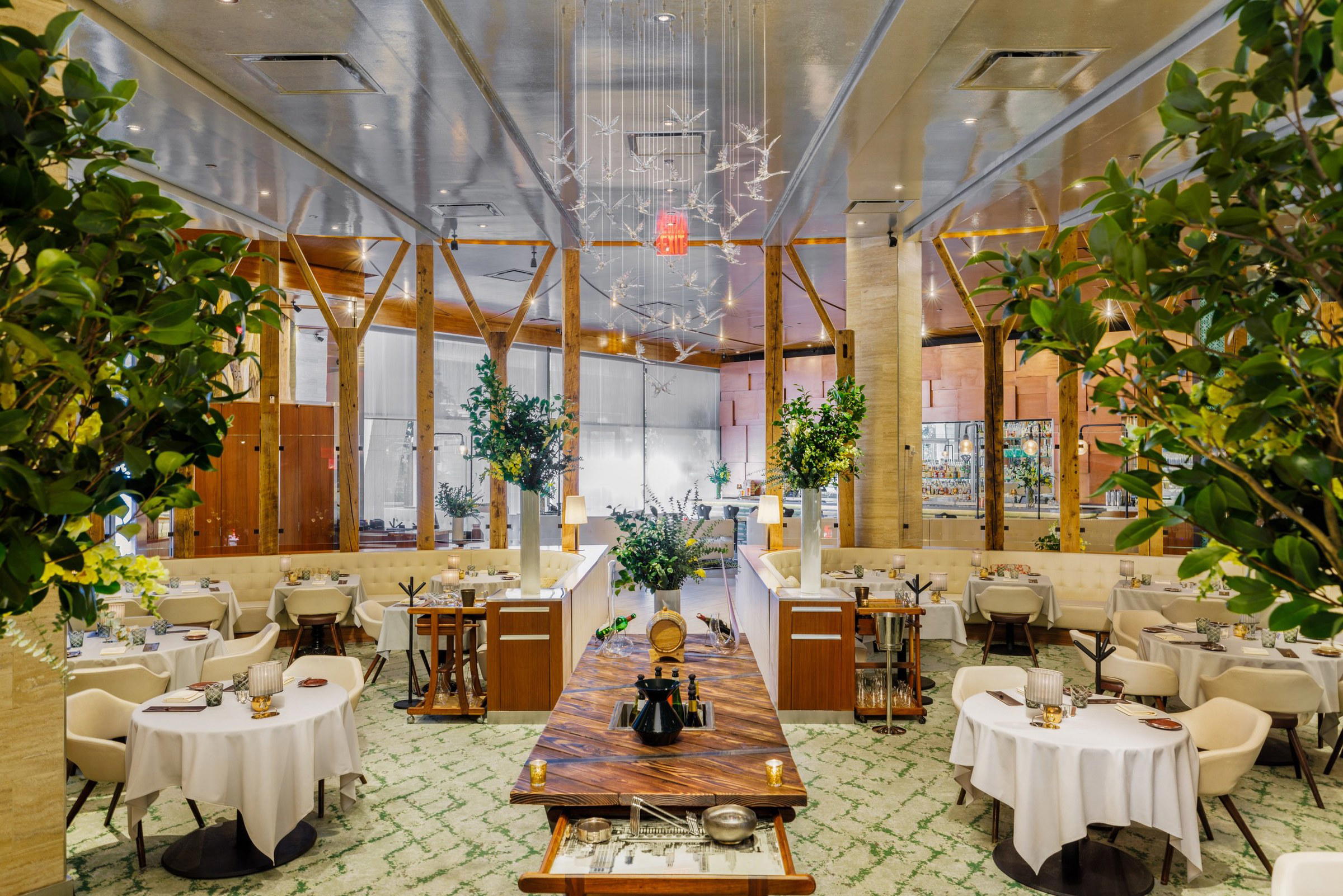
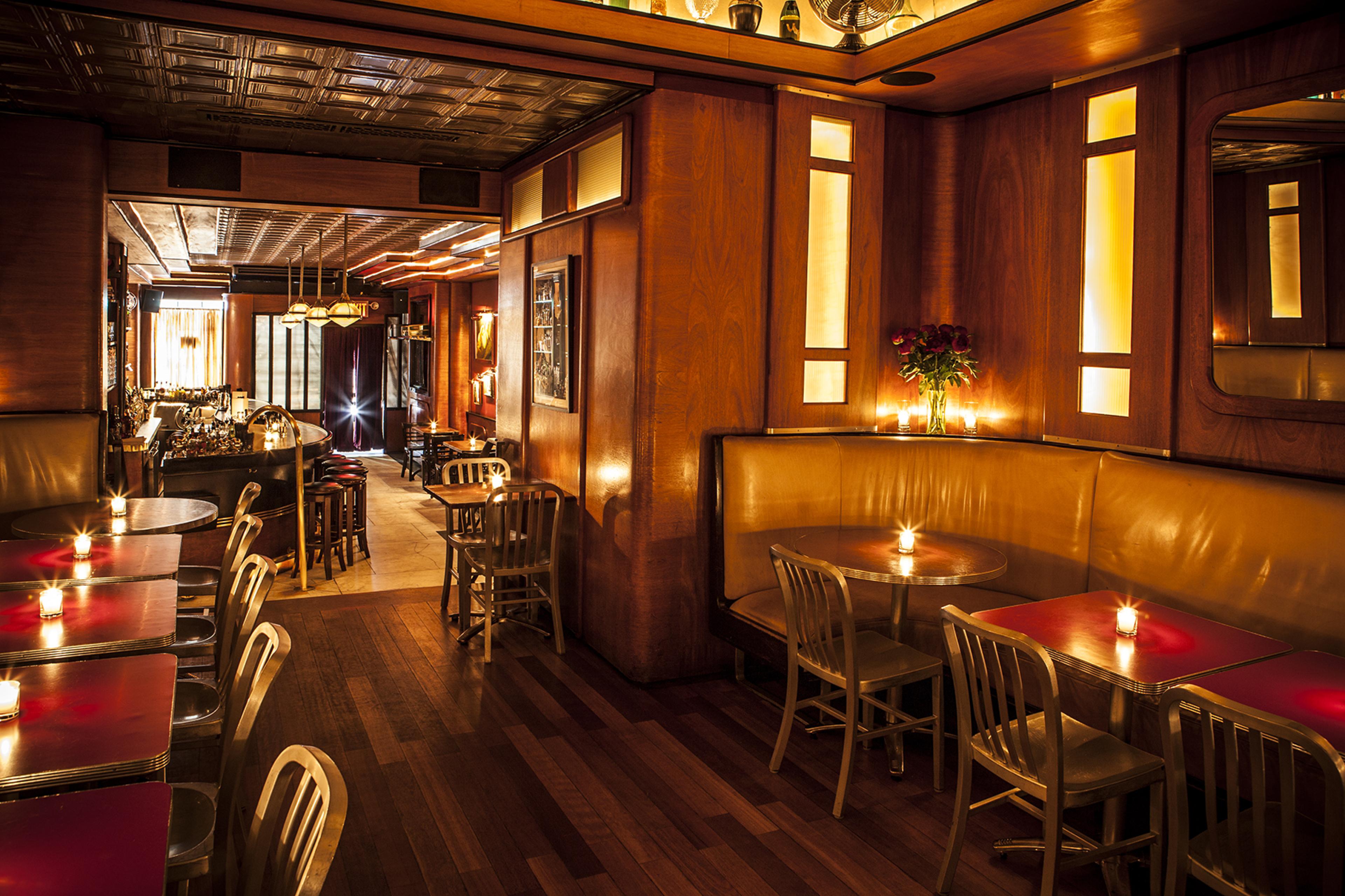
Bars in New York City
Browse all →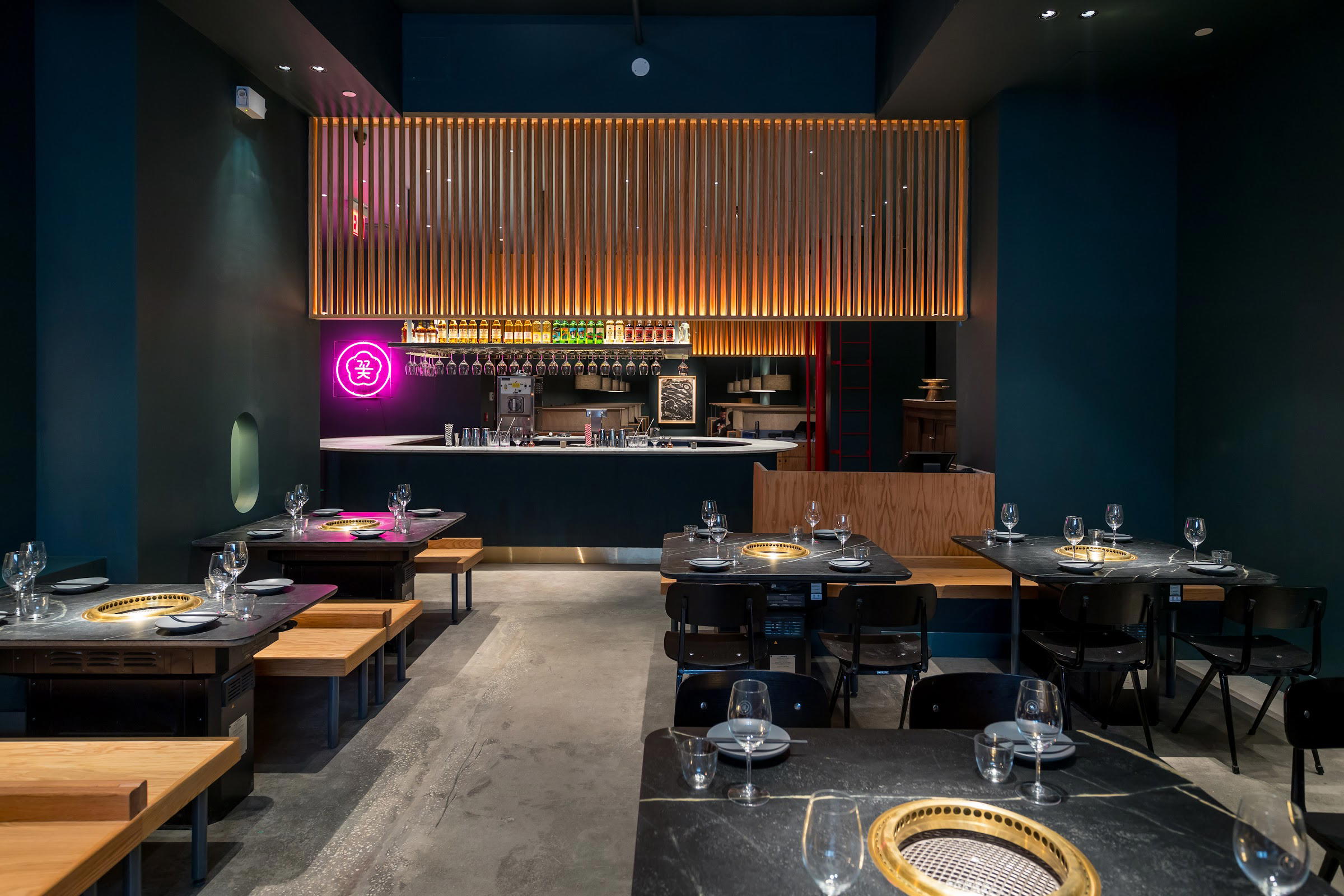
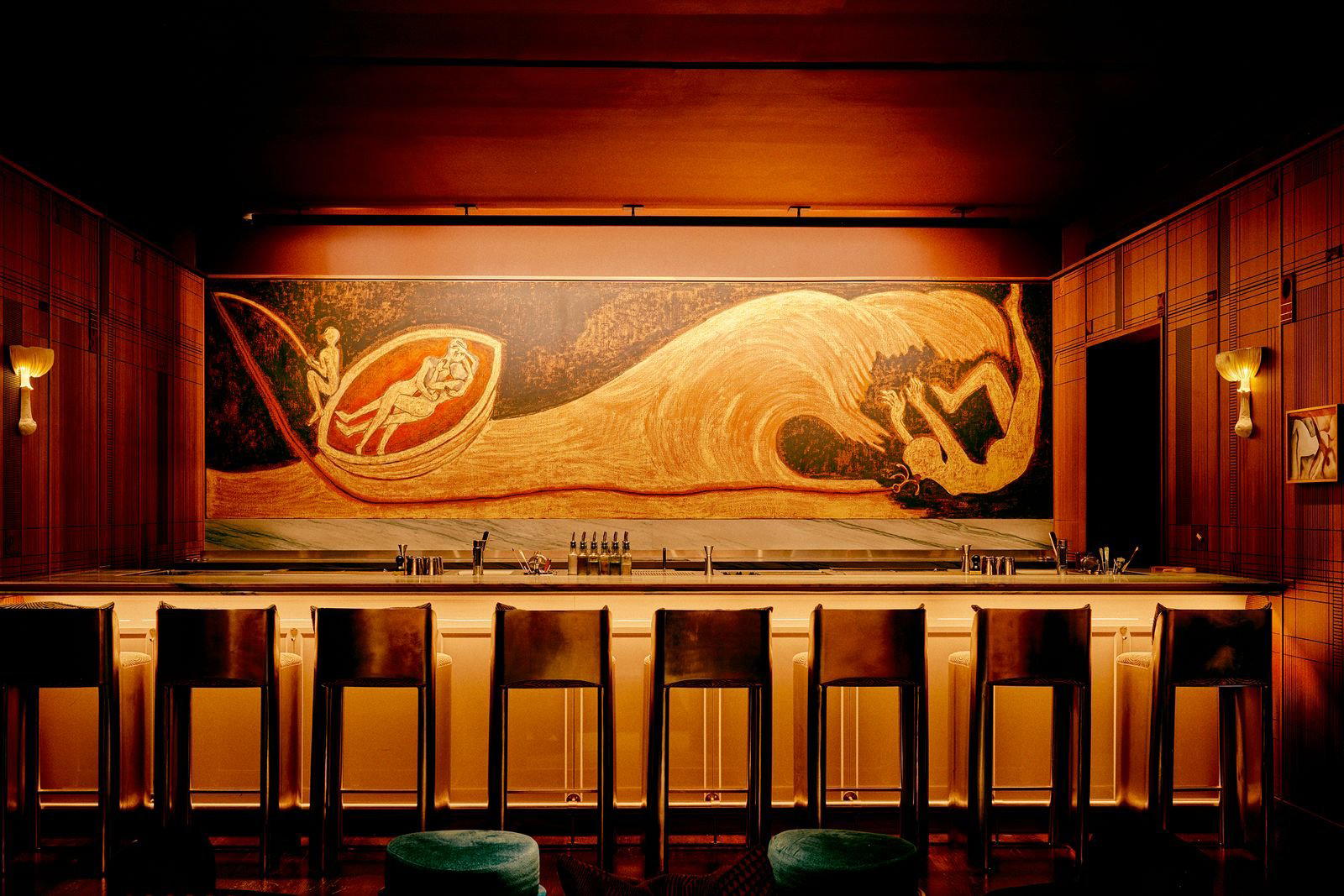
Hotels in New York City
Browse all →






At a Glance
- Lively
- Casual
- Casual Hangout
- Open Kitchen
- Extensive Wine List
Current opening hours
- Monday
- 11 AM–10 PM
- Tuesday
- 11 AM–10 PM
- Wednesday
- 11 AM–10 PM
- Thursday
- 11 AM–10 PM
- Friday
- 11 AM–10 PM
- Saturday
- 11 AM–10 PM
- Sunday
- 11 AM–10 PM
Hours can change for holidays and private events. Last verified .
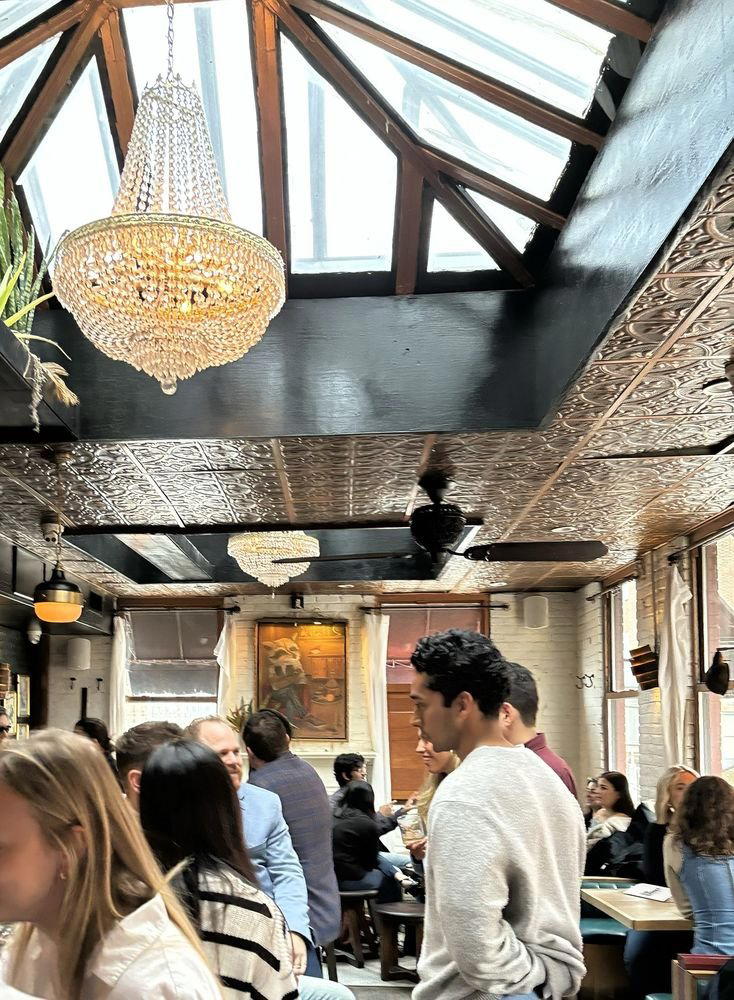
Busy and casual atmosphere inside the lively Eataly market.