Sichuan Folk (Wuhou)

A Michelin Plate recipient in Chengdu's Wuhou district, Sichuan Folk sits in the mid-price tier where everyday Sichuan cooking meets recognisable quality benchmarks.
Pearl is the En Primeur Club membership app — saves, bookings, and concierge access live there. Same editors, same standards.
- Address
- 109 Legacy Dr #170, Plano, TX 75023
- Phone
- (469) 863-7215
- Website
- pos.chowbus.com
- Directions
- Get directions
 Saves & bookings on Pearl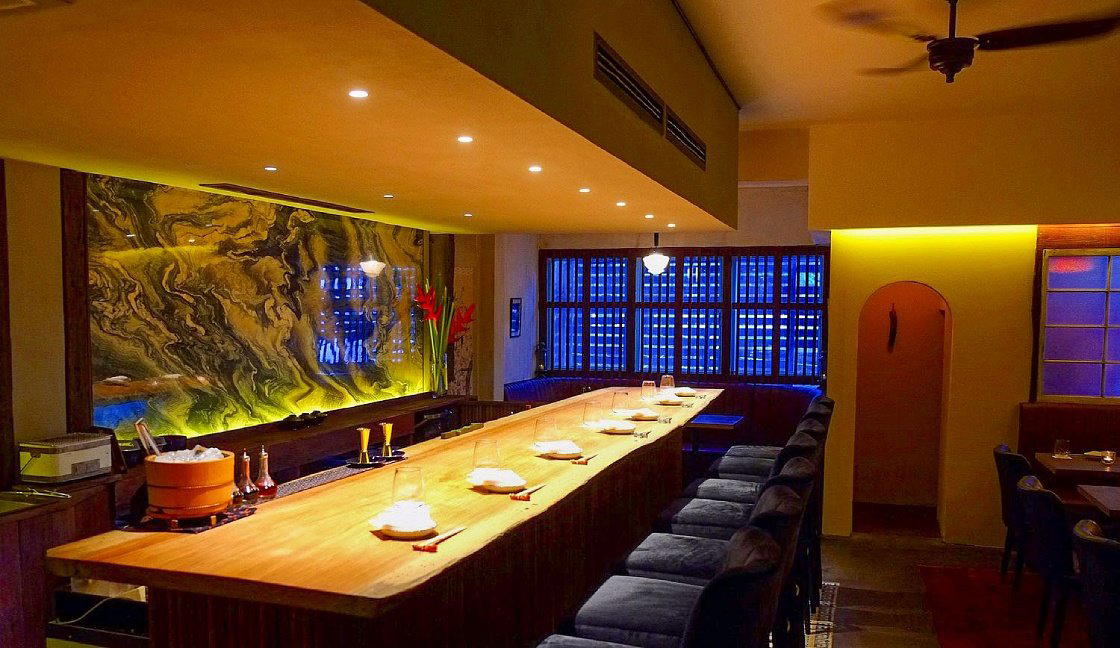
Wuhou and the Mid-Range Sichuan Tradition
Chengdu's Wuhou district sits south of the historic core, a neighbourhood whose dining character is shaped less by tourism infrastructure and more by the everyday habits of the city's residents. The streets around Wuhou run thick with teahouses, local canteens, and the kind of mid-range restaurants that define how Chengdu actually eats, not in the rarefied counters of the ¥¥¥¥ tier, but in places where the food is the point and the room is functional rather than designed for spectacle. Sichuan Folk belongs to that tradition, and its mid-price positioning places it within a recognisable quality bracket: not fine dining, but cooking that meets a documented standard in a city the guide takes seriously.
That context matters when reading Chengdu's restaurant map. At one end sits Yu Zhi Lan, operating at the ¥¥¥¥ level with a culinary language several steps removed from everyday Sichuan. At the other, single-dish specialists like Chen Mapo Tofu (Qinghua Road) charge ¥ prices for one dish done exceptionally well. Sichuan Folk occupies the ¥¥ bracket between those poles, a position that in Chengdu represents the majority of serious daily eating. For travellers arriving from cities where Sichuan food means a mid-level chain or a western interpretation, the ¥¥ Chengdu tier is often one instructive place to recalibrate.
How the Meal Tends to Unfold
Sichuan cooking at this level is structured by a logic most visitors discover only after they have ordered once or twice. The meal rarely starts with heat. Cold dishes, liangban preparations, often featuring cucumber with garlic and chilli oil, or sliced pork in a sesame-forward sauce, arrive first and function as palate orientation. They carry chilli heat but it is diffuse, the kind that opens rather than closes the senses. This is a regional convention observed across Sichuan canteens and mid-tier restaurants alike, and Sichuan Folk, operating in that tradition, follows the same sequencing logic.
From cold dishes, a table typically moves toward the wok-fired middle of the meal: mapo tofu in its canonical form (silken tofu, minced pork, fermented black bean, the numbing press of Sichuan peppercorn), dry-pot preparations built around protein or vegetable with charred aromatics, and stir-fried greens that serve as relief against the fat and spice of the larger dishes. The Sichuan canon at this level is not about innovation. It is about execution within parameters that locals read immediately, whether the doubanjiang has been fried long enough, whether the mala ratio sits where it should.
The meal's final movement, at this tier, is usually broth-based, a clay pot preparation or a lighter soup that functions as the table's closing note. In Sichuan folk tradition, the meal ends less with dessert than with something that settles rather than excites. Tea, served throughout in most Chengdu restaurants, carries that function here as well. The Wuhou neighbourhood's teahouse culture bleeds into dining habits, and a pot of green or jasmine tea at the table from the first cold dish onward is standard rather than optional.
Where Sichuan Folk Sits in Chengdu's Recognised Tier
Michelin's Plate designation, awarded across China in its annual guide, signals a kitchen producing food worth eating without implying the ambition or price of a starred establishment. In Chengdu, where the guide has recognised a meaningful spread from high-end tasting menus to neighbourhood-level cooking, the Plate tier encompasses a wide range of styles. Sichuan Folk holds that recognition alongside other Wuhou-area entries, placing it in a group that Chengdu's more attentive food visitors tend to use as a reliable shortlist when they want cooking that has passed external scrutiny at accessible prices.
For comparison: Silver Pot and Fang Xiang Jing each occupy different corners of Chengdu's recognised dining map. Fu Rong Huang and Ma's Kitchen represent further points on the price and style spectrum. Sichuan Folk's positioning at ¥¥ means that a full table meal, cold dishes, two or three wok preparations, a broth dish, tea, remains accessible to a range of visitors without requiring advance booking infrastructure or dress considerations. In a city where the ¥¥¥¥ tier at places like Yu Zhi Lan demands weeks of advance planning, the practical accessibility of the ¥¥ bracket is itself a meaningful differentiator.
Chengdu's status as a UNESCO Creative City of Gastronomy (awarded in 2010) has drawn sustained international attention to its food culture, which in turn has raised the baseline expectation for what even mid-tier restaurants must deliver. The city's residents are informed eaters with strong opinions about the regional canon, and that audience pressure functions as a quality floor that benefits visitors. Sichuan Folk operates within that environment.
Sichuan Cooking in Broader Chinese Context
The wider context for understanding what Sichuan Folk represents is useful for visitors arriving from other Chinese cities. Sichuan cuisine as practised in Chengdu is distinct from the versions served in restaurants targeting the same cuisine category in other major cities. Song, Sichuan in Guangzhou and Yong, Sichuan in Guangzhou operate in a different market context, adapting spice levels and flavour profiles for a Cantonese dining public. Eating Sichuan food in Chengdu itself, at the neighbourhood level represented by Sichuan Folk, removes that adaptation layer. The food is calibrated for locals who grew up eating it, and the mala intensity, the fermented notes, and the peppercorn heat are not moderated for unfamiliar palates.
For visitors whose China itinerary also includes Xin Rong Ji in Beijing, 102 House in Shanghai, or Ru Yuan in Hangzhou, a meal at a Chengdu ¥¥ Sichuan table like this one offers a useful calibration point against the more restrained or regionally distinct kitchens of those cities. The contrast is instructive. Travellers moving on to Chef Tam's Seasons in Macau or Imperial Treasure Fine Chinese Cuisine in Guangzhou will find Cantonese cooking at a high register; eating Sichuan at the source before that journey sharpens the comparison. Dai Yuet Heen in Nanjing similarly represents a distinct regional register.
Planning a Visit
Sichuan Folk's ¥¥ pricing means that practical barriers are low relative to the city's recognised tier. Wuhou is well connected by Chengdu's metro network, and the district offers natural pairings with visits to the Wuhou Shrine and the adjacent Jinli pedestrian area. Visiting on a weekday afternoon tends to mean shorter waits and a more local crowd than weekend evening service, when Wuhou's restaurants draw families and larger groups.
The Essentials
Comparable venues nearby, for context on price, style, and recognition.
| Venue | Cuisine | Price | Notes |
|---|---|---|---|
| Sichuan Folk (Wuhou)This venue — the venue you are viewing | Sichuan | $$ | Not listed |
| Mango Thai Cuisine | Berkeley Square, Authentic Thai Cuisine | $$ | Not listed |
| Kuppanna | Plano, South Indian | $$ | Not listed |
| CraftWay Kitchen Plano | Preston Road, Modern American Gastropub | $$ | Not listed |
| Covino's | Not listed | $$ | Independence Parkway area, Traditional Italian Pasta & Pizza |
| Mahjong Chinese Kitchen | Refined Cantonese & Sichuan | $$$ | Not listed |
Recognition history
Dated appearances from independent guides and award organizations, with the underlying list record or original source where available.
Michelin Plate
Michelin

At a Glance
- Classic
- Cozy
- Family
- Group Dining
- Celebration
- Open Kitchen
Current opening hours
- Monday
- 11 AM–3 PM, 4:30–9:30 PM
- Tuesday
- 11 AM–3 PM, 4:30–9:30 PM
- Wednesday
- 11 AM–3 PM, 4:30–9:30 PM
- Thursday
- 11 AM–3 PM, 4:30–9:30 PM
- Friday
- 11 AM–10:30 PM
- Saturday
- 11 AM–10:30 PM
- Sunday
- 11 AM–9:30 PM
Hours can change for holidays and private events. Last verified .
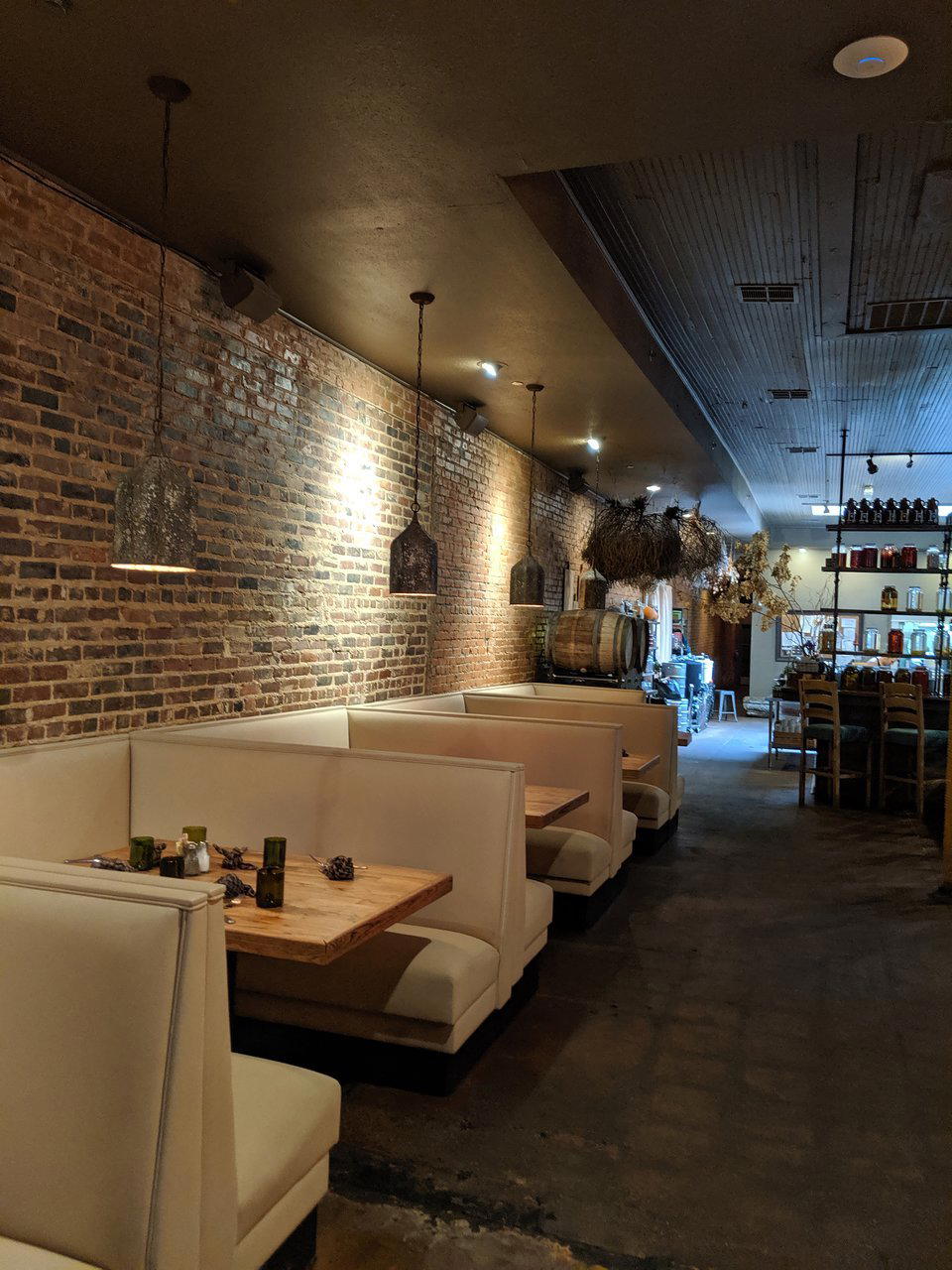
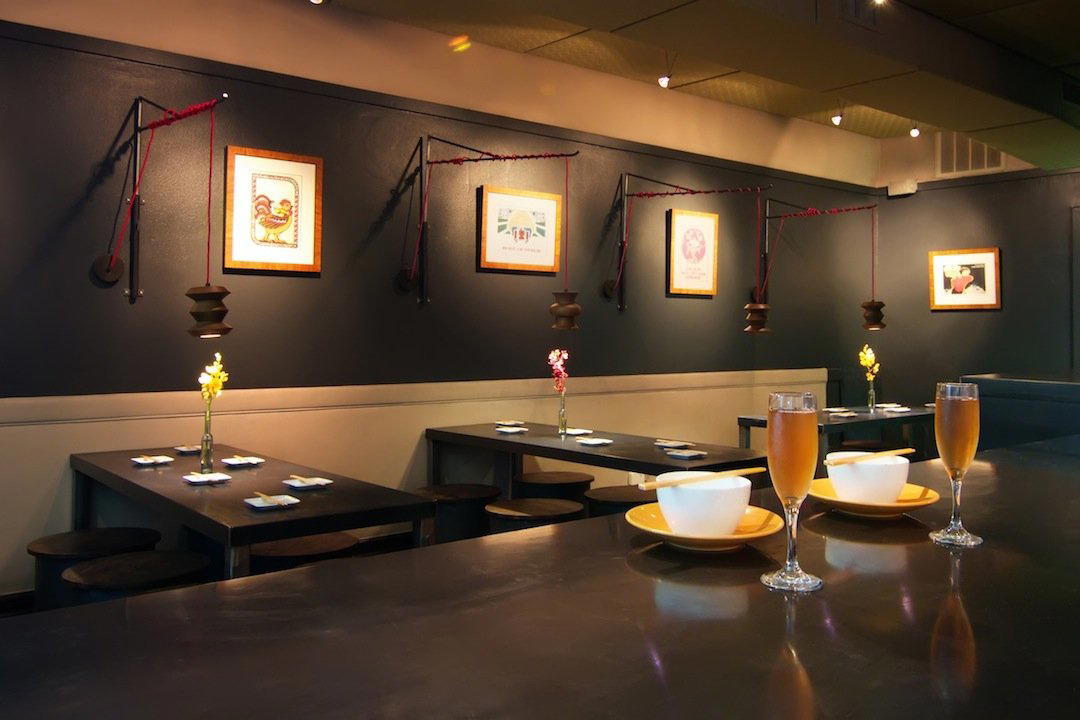
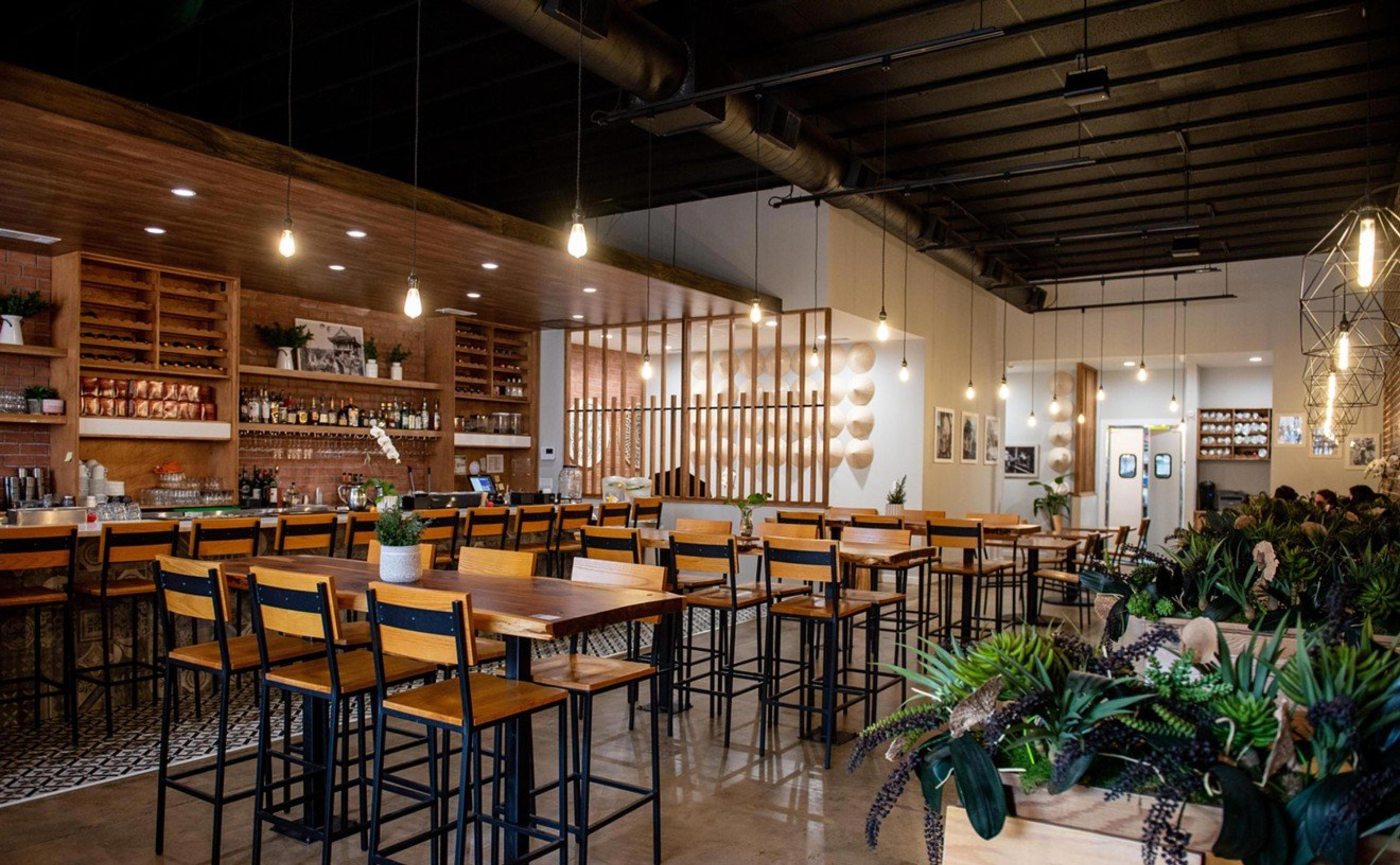
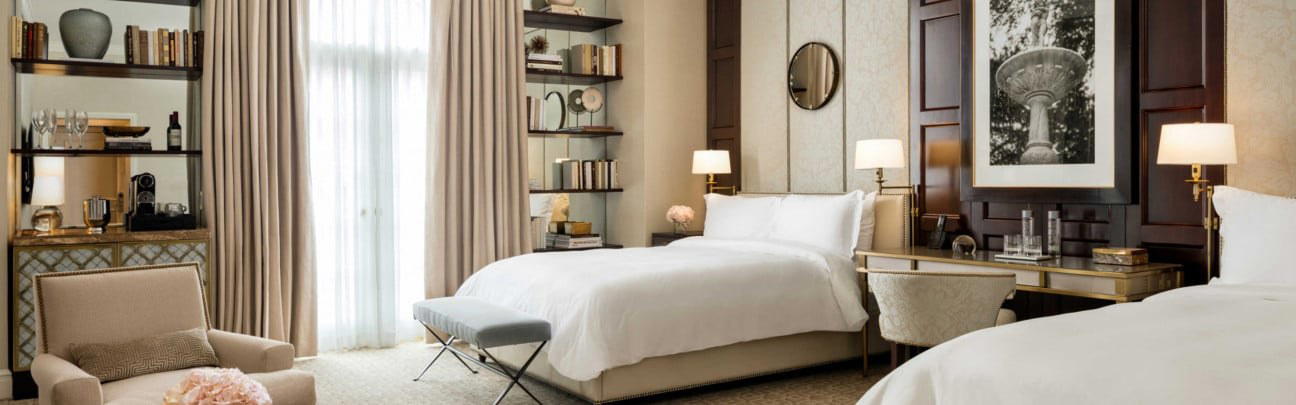
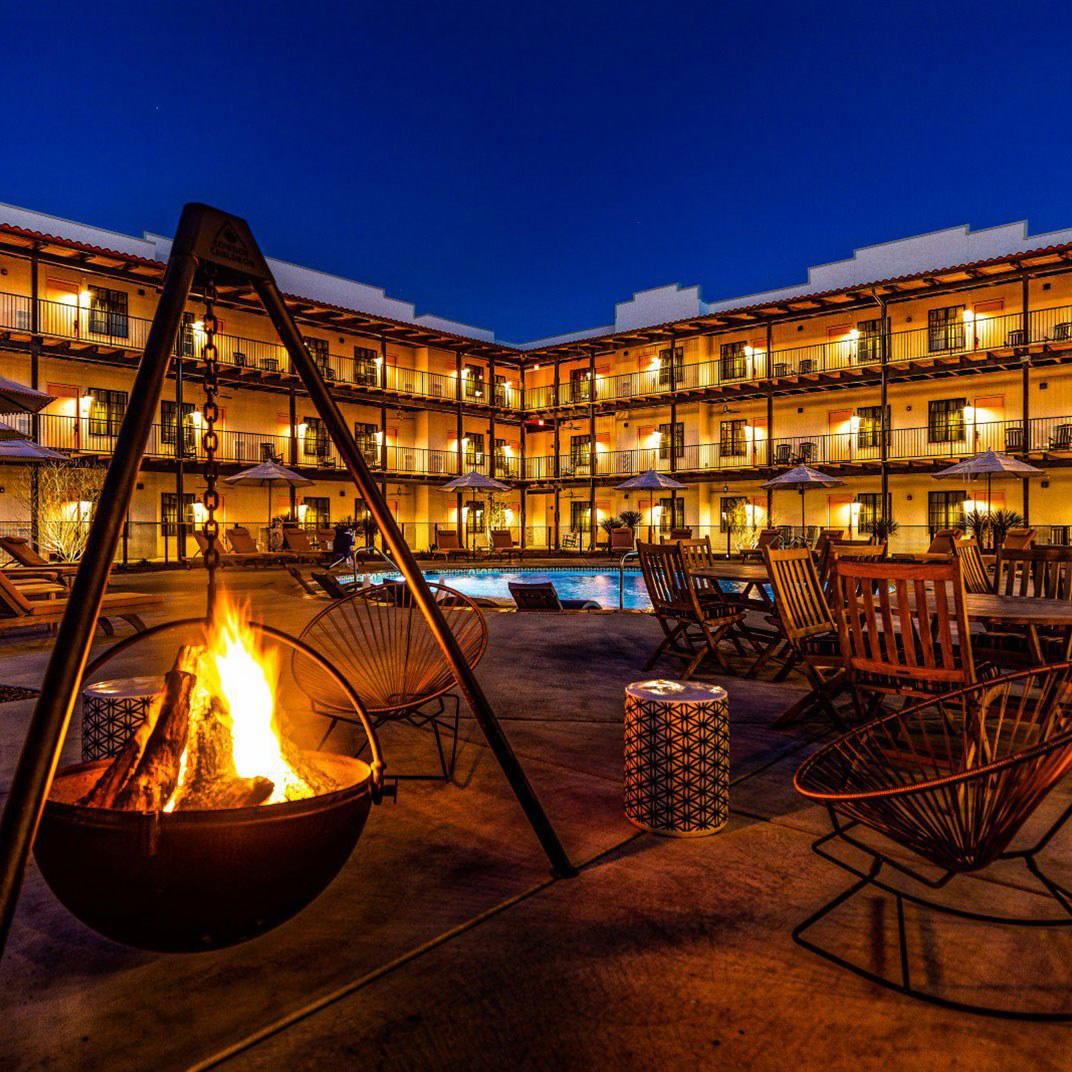
Traditionally appointed dining room with wooden screens, burnished tones, and a cultural pond entrance.