Mahjong Chinese Kitchen
Mahjong Chinese Kitchen on Preston Road brings a focused Chinese dining format to Plano's northwest corridor, where the suburban strip-mall exterior gives way to a kitchen that takes its cuisine seriously. The name signals a cultural anchor point, and the menu follows through with the kind of cooking that rewards table-sharing and unhurried ordering. A consistent local draw in a city still building its Chinese dining identity.
Pearl is the En Primeur Club membership app — saves, bookings, and concierge access live there. Same editors, same standards.
- Address
- 4025 Preston Rd #604, Plano, TX 75093
- Phone
- +19724030163
- Website
- mahjongkitchen.com
- Directions
- Get directions
 Saves & bookings on Pearl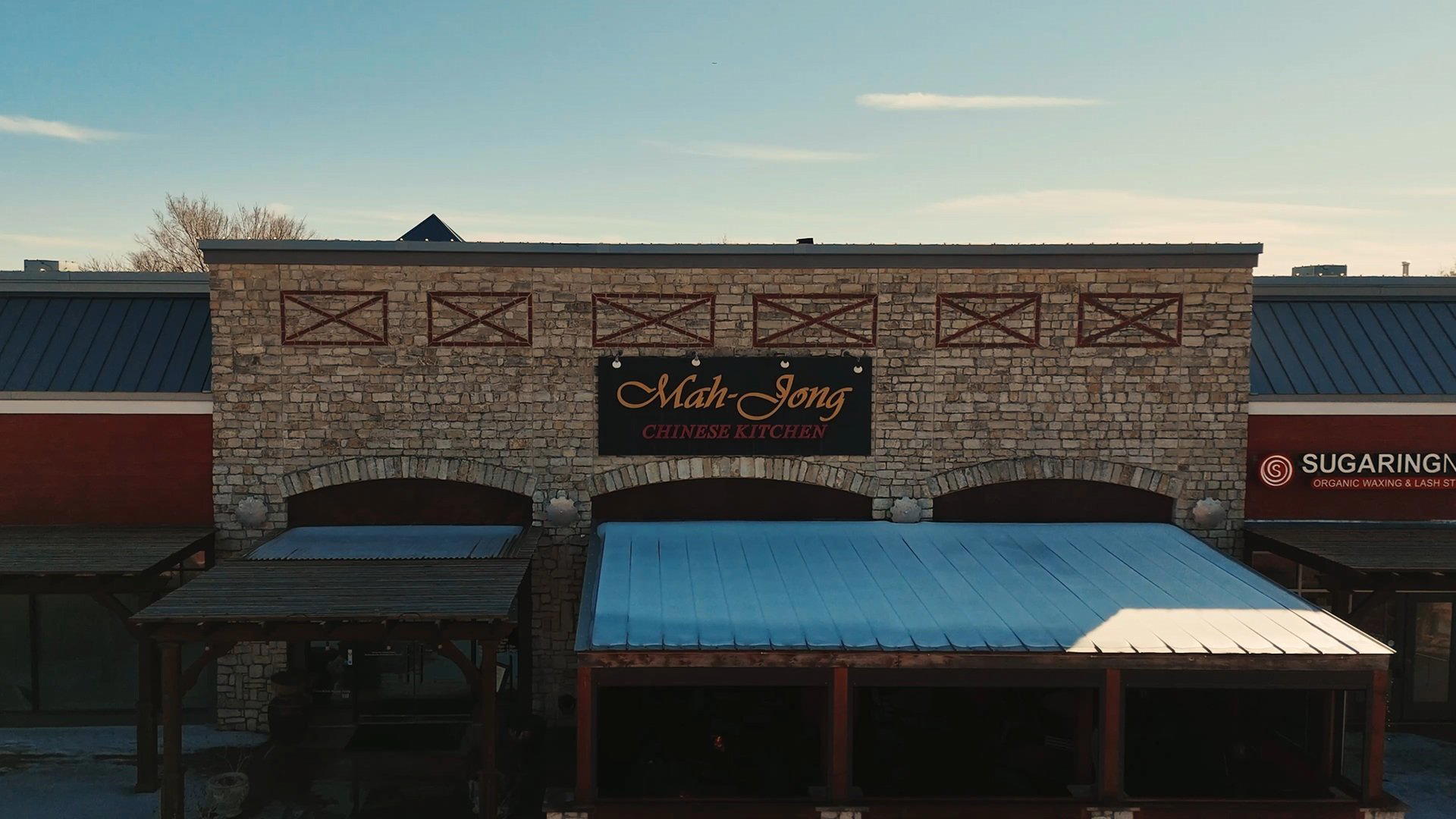
How the Room Sets the Terms
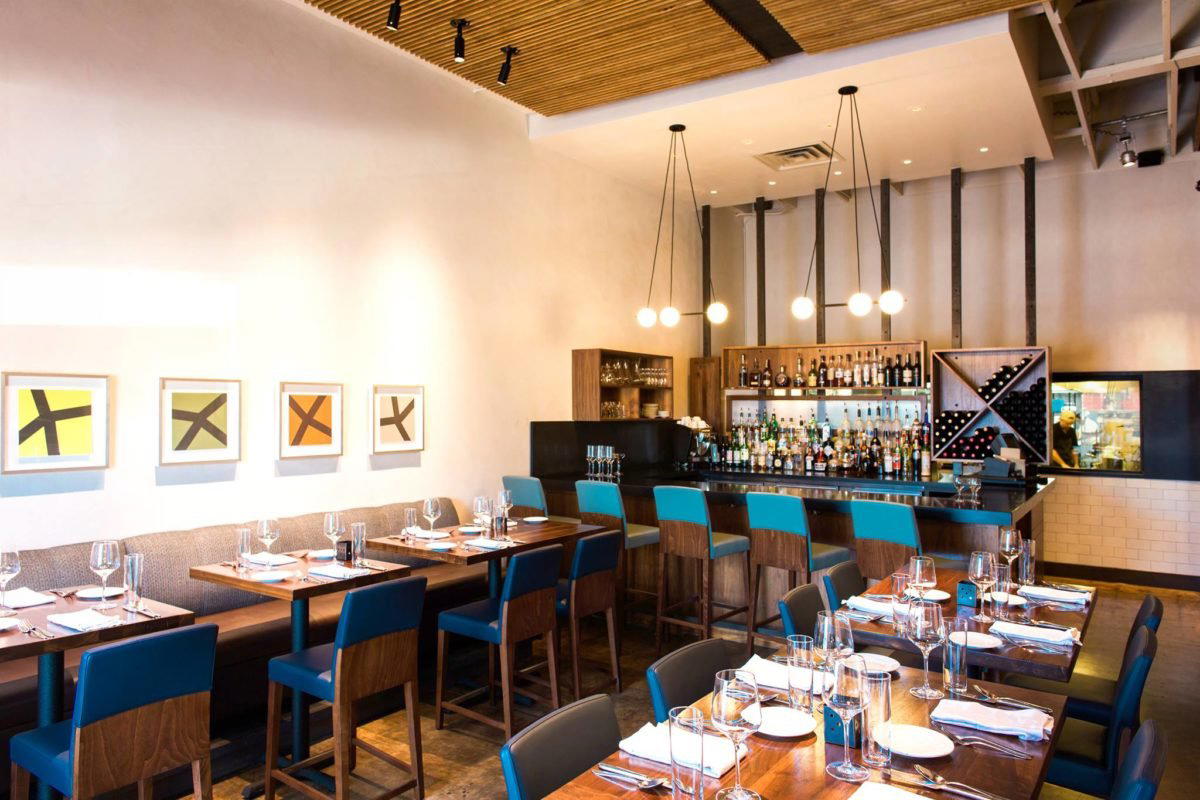
The Preston Road retail corridor in Plano runs through particularly densely Chinese-populated suburbs in Texas, a stretch where Sichuan hotpot parlors, Cantonese BBQ counters, and Taiwanese boba shops have accumulated over the past two decades into something approaching a genuine dining district. Mahjong Chinese Kitchen at 4025 Preston Road sits inside that context, tucked into a strip-center suite that, like most serious Chinese kitchens in suburban Texas, spends its budget on what happens in the back rather than what signals status at the door. The room asks you to pay attention to the food, not the fit-out.
That trade-off is consistent with how Chinese dining has organized itself in the Dallas-Fort Worth suburbs. Unlike the downtown dining corridors of cities such as Chicago, home to Alinea, or San Francisco, where Lazy Bear operates a dining-event format that charges for atmosphere as much as food, Chinese restaurants in the DFW metro have historically competed on ingredient quality, regional specificity, and the accumulated trust of a diaspora customer base that knows exactly when something is off. The strip-mall address is part of the code.
The Ritual of Ordering and Sharing
Chinese restaurant meals carry their own pacing logic, one that differs substantially from the linear progression of Western tasting formats. The table is the unit, not the individual diner. Dishes arrive on a schedule that the kitchen and the group negotiate in real time, and the experienced approach is to order in waves rather than all at once, reading how the first round lands before committing to the second. At a kitchen like Mahjong, where the menu draws on Chinese culinary tradition rather than a single narrowly defined regional cuisine, this ordering rhythm matters.
The shared-table format also means the meal's quality is partly a function of group size. A two-leading ordering conservatively gets a narrower read on what the kitchen can do than a table of four or six working through eight or ten dishes. Chinese dining in this format rewards curiosity and a willingness to order past the safe center of the menu. That applies whether you are eating in Plano or in Hong Kong, where restaurants such as 8 1/2 Otto e Mezzo Bombana demonstrate how formal cuisine culture coexists with deeply communal table customs across the region.
The name Mahjong itself is a deliberate cultural signal. The game is inseparable from Chinese social life, played across generations and geographies as a form of structured communal engagement that runs for hours. Naming a restaurant after it implies something about the intended pace and social character of the meal: this is not a place designed for a 45-minute turnaround.
Plano's Chinese Dining Context
City of Plano and the broader corridor extending toward Richardson and Garland represent the largest concentration of Chinese residents in Texas, a demographic shift that accelerated through the 1990s and 2000s as technology sector employment drew immigrant communities from across China and Taiwan. That population base created market conditions for restaurants that do not need to translate themselves for a non-Chinese audience, which in practice means kitchens that maintain higher regional specificity and less menu softening than Chinese restaurants in markets where diaspora density is lower.
Within Plano specifically, Chinese dining competes on a different axis than the broader restaurant scene. Steakhouses like Bavette Grill and casual options like Blue Goose Cantina occupy the mainstream suburban dining market. Italian-leaning spots such as Covino's serve a different need. Chocolate Angel Cafe and Tea Room and CraftWay Kitchen Plano represent the city's casual daytime dining layer. Mahjong Chinese Kitchen operates in a distinct tier, one where the reference points are regional Chinese cooking traditions and the loyalty of a customer base that compares it to other Chinese kitchens rather than to the broader Plano dining market.
What the Format Signals About the Kitchen
A Chinese kitchen operating under a name with cultural specificity in a high-density Chinese suburb carries implicit accountability. The customer base that dines here regularly has the reference points to evaluate whether the food holds up against what they know from other cities or from home. That pressure tends to produce kitchens that maintain standards more rigorously than restaurants operating in markets where the customer has fewer comparison points.
This is a pattern that holds across major Chinese-American dining corridors, from Flushing in New York to the San Gabriel Valley in Los Angeles. In each case, the restaurants that survive long-term in high-density diaspora markets do so on repetition and consistency, not novelty. For context on what that kind of accountability looks like at the highest end of the American dining spectrum, consider what kitchens like Le Bernardin in New York or The French Laundry in Napa have built through decades of consistent execution. The scale and price tier are different, but the underlying logic of repeat customer trust applies.
Other reference points in American dining that demonstrate how regional specificity drives sustained reputation include Emeril's in New Orleans, Providence in Los Angeles, Single Thread Farm in Healdsburg, Blue Hill at Stone Barns in Tarrytown, Addison in San Diego, The Inn at Little Washington, and Atomix in New York City, each of which has built identity through a clear point of view rather than broad appeal.
Planning a Visit
Mahjong Chinese Kitchen is located at 4025 Preston Road, Suite 604, Plano, Texas 75093, in the Preston Road retail corridor that runs through among the more active Chinese dining neighborhoods in the Dallas-Fort Worth area. Mahjong Chinese Kitchen is recommended for reservations, and its regular hours are Mon: 11 AM to 2:30 PM and 5 to 8:30 PM; Tue: 11 AM to 2:30 PM and 5 to 8:30 PM; Wed: 11 AM to 2:30 PM and 5 to 8:30 PM; Thu: 11 AM to 2:30 PM and 5 to 8:30 PM; Fri: 11 AM to 2:30 PM and 5 to 9:30 PM; Sat: 11 AM to 2:30 PM and 4:30 to 9:30 PM; Sun: 11 AM to 2:30 PM and 4:30 to 8:30 PM. Weekend evenings at Chinese kitchens serving an active local diaspora community tend to move at capacity without much walk-in availability, so arriving with a plan is the practical default. Visiting during a weekday lunch period generally offers more flexibility and a calmer pace for working through the menu methodically.
Style and Standing
Comparable venues nearby, for context on price, style, and recognition.
| Venue | Cuisine | Price | Notes |
|---|---|---|---|
| Mahjong Chinese KitchenThis venue — the venue you are viewing | Refined Cantonese & Sichuan | $$$ | Not listed |
| Taverna Rossa | Tex-Italian Craft Pizza & Beer | $$ | Plano |
| Blue Goose Cantina | Authentic Tex-Mex with Mesquite-Grilled Specialties | $$ | Berkeley Square |
| Sea Breeze Fish Market & Grill | Fresh Seafood Market & Grill | $$ | Preston Road and Spring Creek Parkway area |
| Field & Vine | Modern Gastropub | $$$ | Legacy West |
| Kuppanna | South Indian | $$ | Plano |
At a Glance
- Elegant
- Intimate
- Sophisticated
- Modern
- Date Night
- Business Dinner
- Special Occasion
- Open Kitchen
- Sake Program
Current opening hours
- Monday
- 11 AM–2:30 PM, 5–8:30 PM
- Tuesday
- 11 AM–2:30 PM, 5–8:30 PM
- Wednesday
- 11 AM–2:30 PM, 5–8:30 PM
- Thursday
- 11 AM–2:30 PM, 5–8:30 PM
- Friday
- 11 AM–2:30 PM, 5–9:30 PM
- Saturday
- 11 AM–2:30 PM, 4:30–9:30 PM
- Sunday
- 11 AM–2:30 PM, 4:30–8:30 PM
Hours can change for holidays and private events. Last verified .
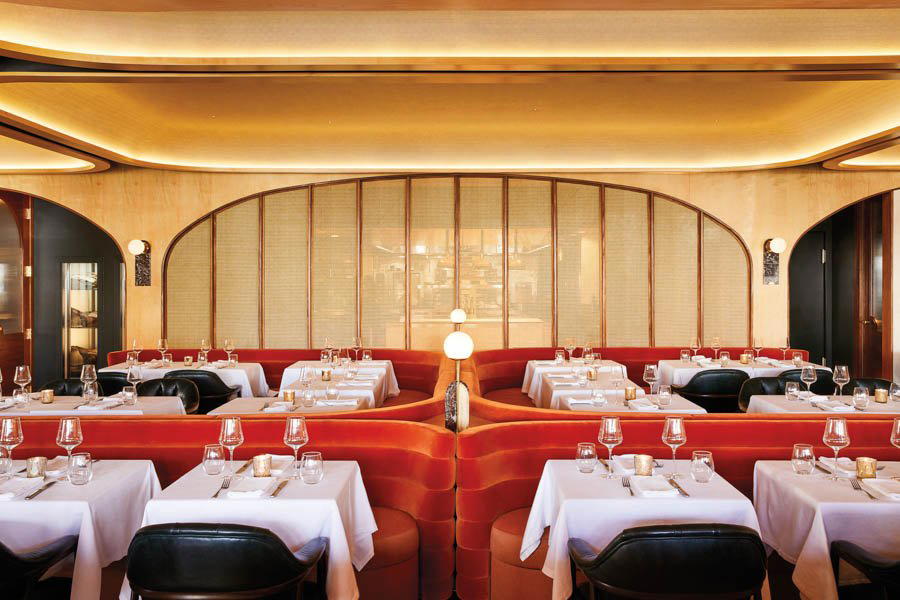
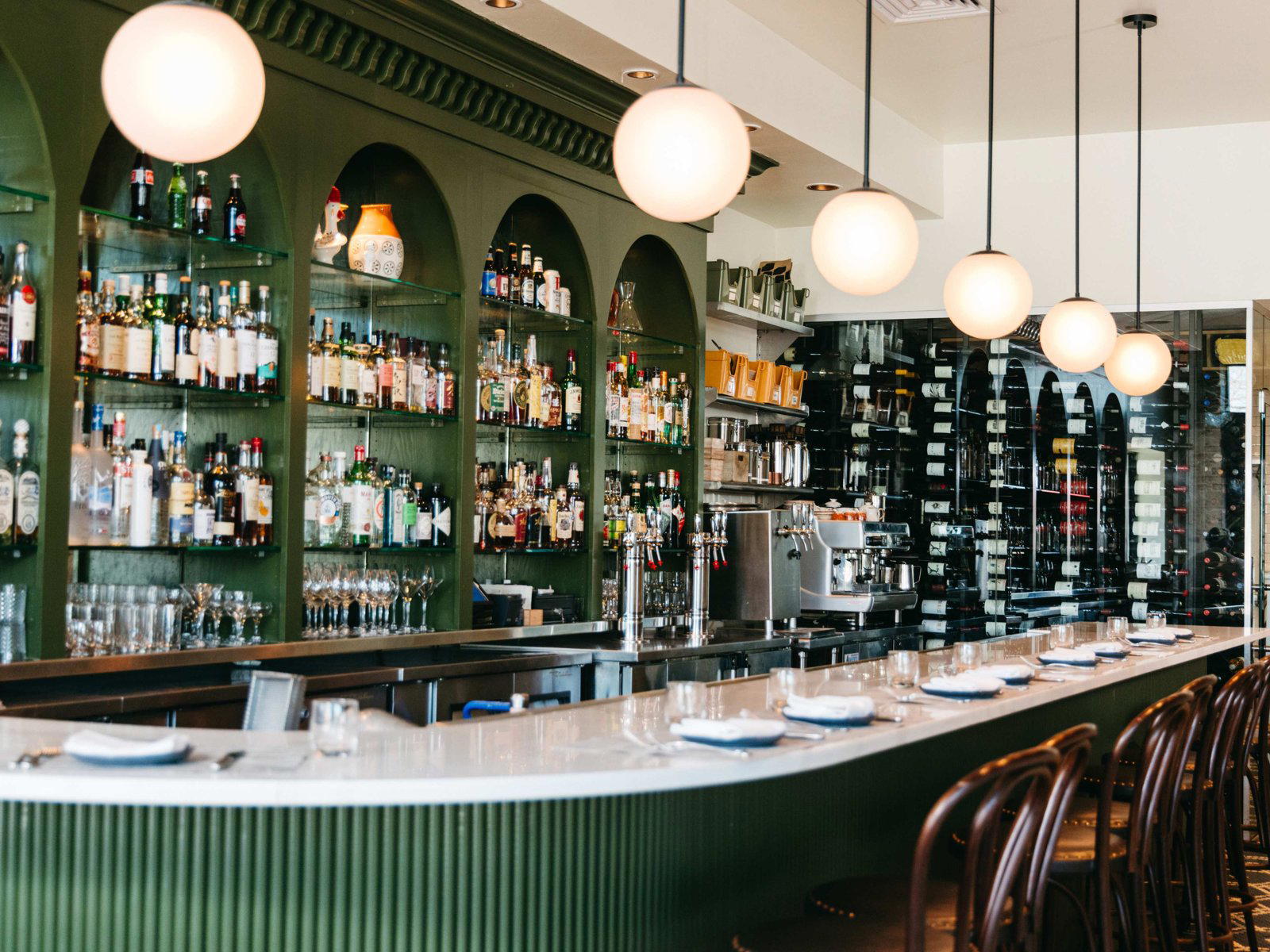
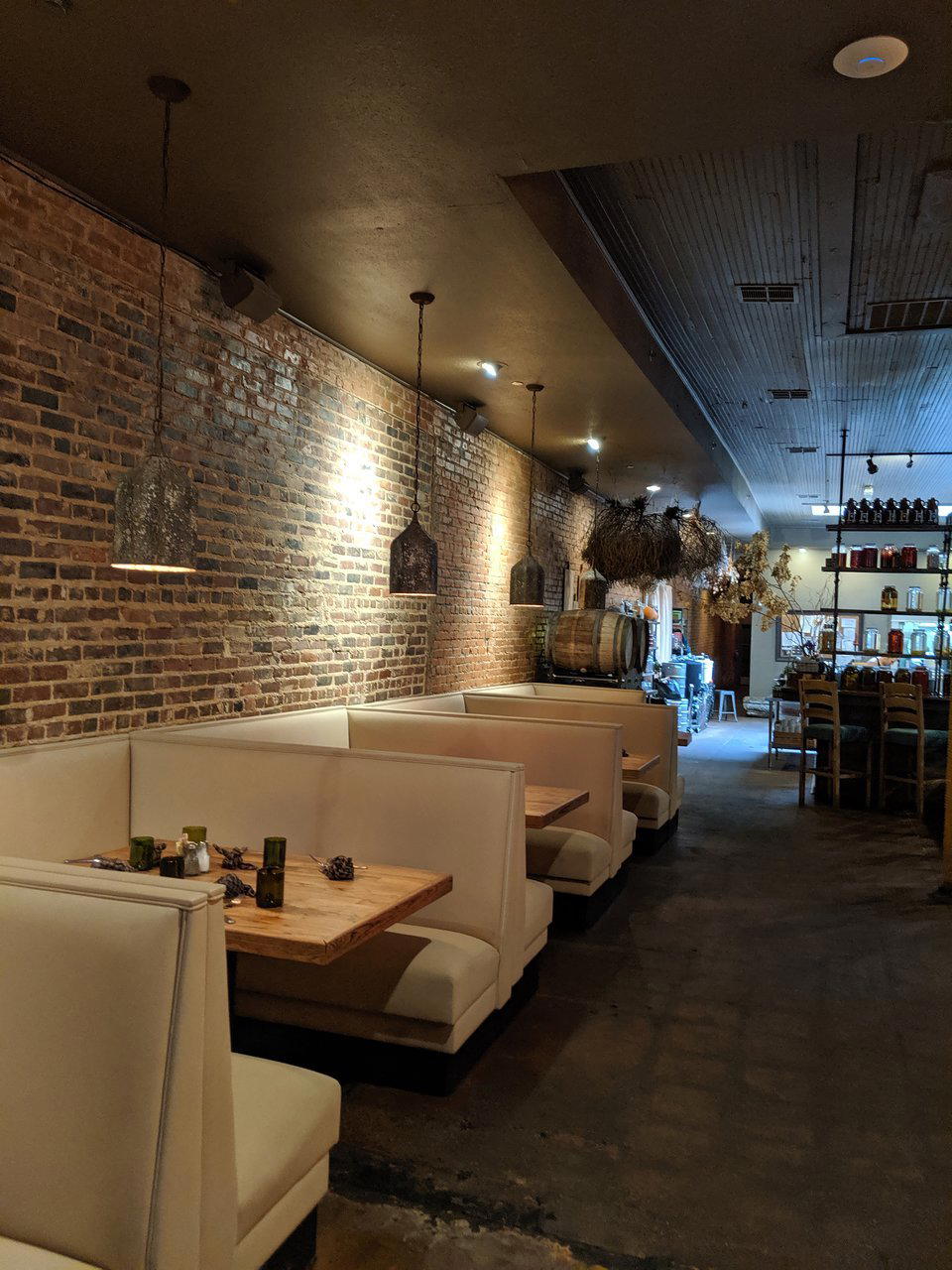
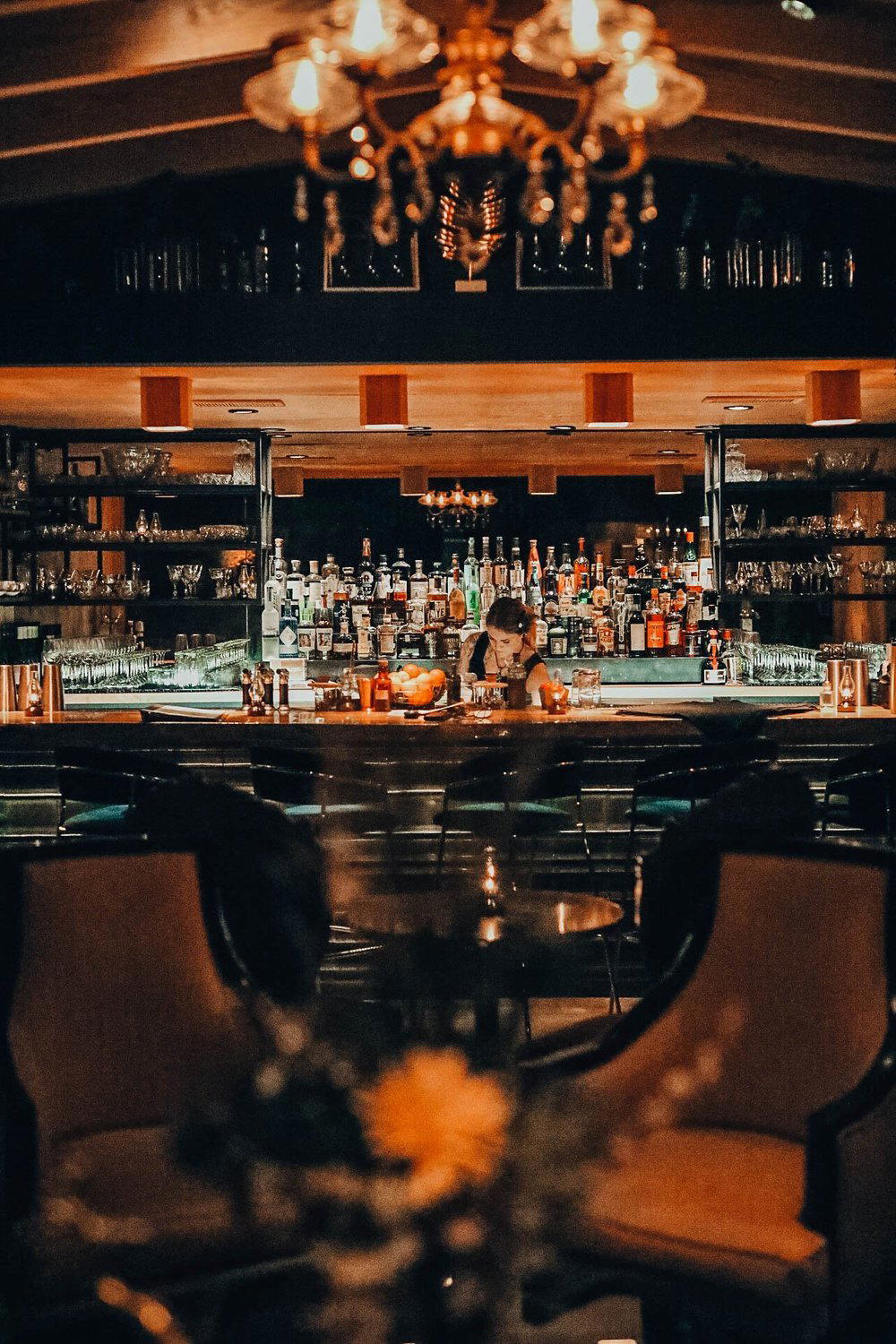
Warm wood finishes, soft lighting, and subtle accents create an inviting and thoughtfully composed atmosphere.