Kuppanna
Kuppanna brings the bold, slow-cooked traditions of Tamil Nadu to Plano's Custer Road corridor, where aromatic curries and chettinad-style preparations draw a consistent following from the region's South Indian diaspora. The kitchen works with spice combinations that reward familiarity as much as first visits, making it a reference point for regional Indian cooking in North Texas.
 Discover on Pearl
Pearl is the En Primeur Club membership app — saves, bookings, and concierge access live there. Same editors, same standards.
- Address
- 1301 Custer Rd #510a, Plano, TX 75075
- Phone
- +14694093123
- Website
- kuppannaus.com
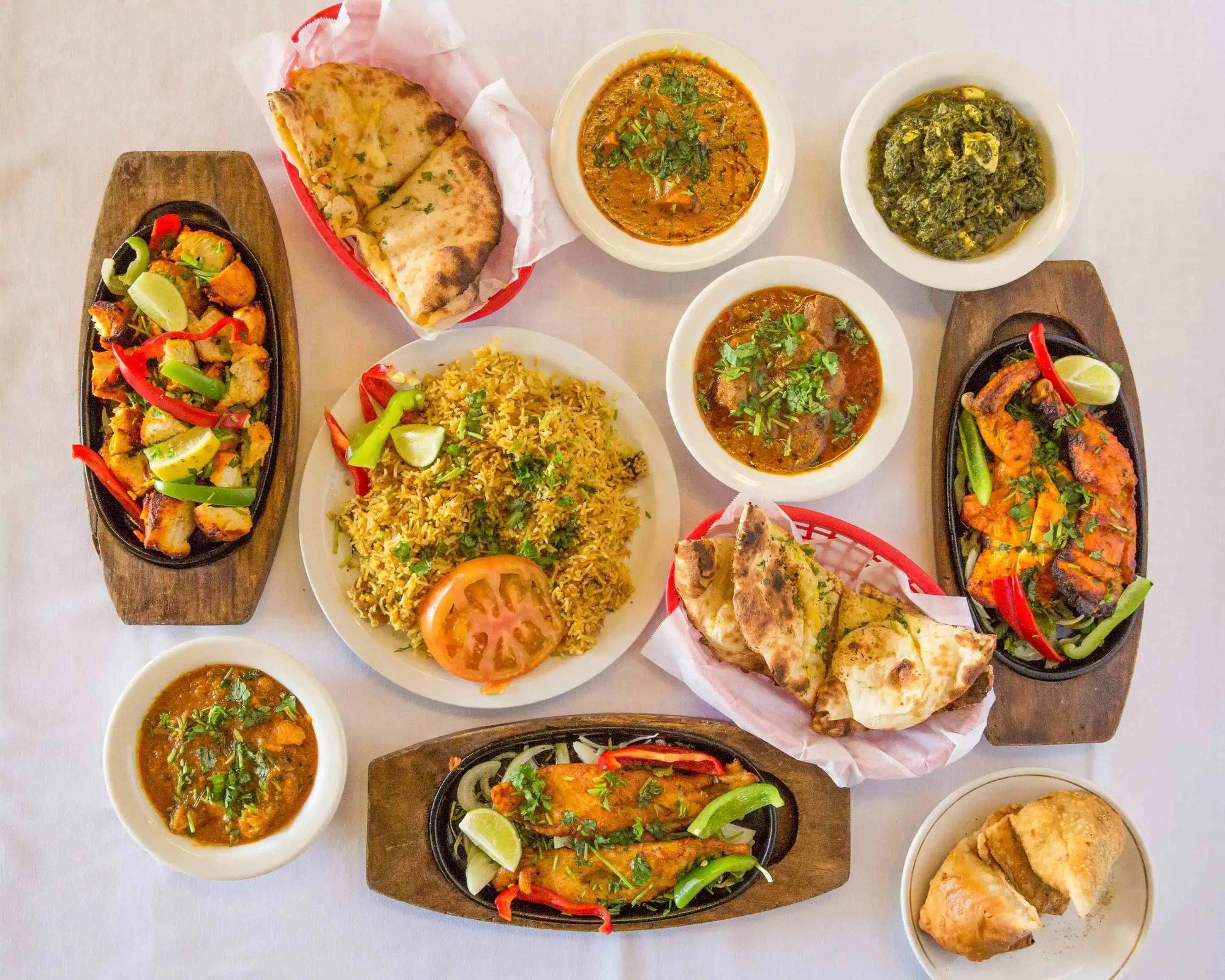
Arriving at the Corner of Custer and Chettinad
Strip mall dining in suburban Dallas-Fort Worth carries its own logic. The signage is rarely the story, and the parking lot gives nothing away. What matters is what happens once the door swings open, and at Kuppanna on Custer Road in Plano, the first signal arrives through smell before you have found a seat. Tamarind, dried red chili, and roasted curry leaf, the aromatic trinity of South Indian coastal cooking, establish the register immediately. This is not the generalist Indian-American menu that dominated suburban restaurant development through the 1990s and 2000s. The kitchen is operating in a narrower, more specific tradition.
Plano's restaurant corridor along Custer Road has accumulated enough density over the past decade to function as a genuine dining district for the area's South Asian community, one of the largest in Texas. Kuppanna sits within that context, at 1301 Custer Rd #510a, as a representative of a category that has grown substantially in North Texas: regional Indian restaurants built around a specific state or culinary lineage rather than a composite of pan-subcontinental dishes. The Chettinad tradition of Tamil Nadu, which Kuppanna draws from, is among the most technically demanding in South Indian cooking. Its spice compounds, built from ingredients including kalpasi (stone flower), marathi mokku (dried flower pods), and star anise, require sourcing and preparation discipline that most generalist kitchens bypass entirely.
What the Kitchen Is Actually Doing
South Indian cooking in the United States has occupied a secondary tier in the public imagination for decades, partly because its most recognizable formats, the dosa and idli of Tamil and Andhra breakfast culture, tend to be understood as snack food rather than as entry points into a complex culinary system. Kuppanna positions itself differently. The Chettinad tradition it draws from originated in a community of traders from the Sivaganga district of Tamil Nadu who built a cuisine of deliberate complexity: heavy on meat preparations, long on slow cooking, and built around a spice vocabulary that differs meaningfully from both North Indian and other South Indian regional traditions.
In dining rooms working in this tradition, the signature preparations tend to be the slow-cooked mutton dishes and the pepper-forward gravies that define Chettinad's identity at a national level in India. These are not quick-service dishes. The preparation timelines for properly rendered Chettinad curries are measured in hours rather than minutes, and the layering of wet and dry spice masalas in sequence is a technique that diverges substantially from the butter-and-cream-forward cooking most American diners associate with Indian restaurant cuisine. For Plano diners familiar with this tradition, Kuppanna functions as a local reference point. For those encountering it for the first time, the experience tends to recalibrate expectations about what regional Indian cooking can involve.
The Sensory Argument for This Category of Restaurant
There is a reason that the most credible regional Indian restaurants in the United States tend to cluster in metropolitan areas with substantial diaspora populations: the feedback mechanism for authenticity is tighter where the community of reference is larger. Dallas-Fort Worth's South Indian population, anchored by the technology employment corridor running through Plano, Richardson, and Irving, provides exactly that feedback pressure. The result is a dining environment where kitchens cannot drift toward approximation without consequence. This is the structural advantage that places like Kuppanna operate within: a local audience that knows the reference point.
This differs substantially from the situation facing Indian restaurants in cities where South Asian communities are thinner. Compare the operating context of a Chettinad specialist in Plano to the challenge facing even acclaimed regional Indian programming at fine dining addresses in other American cities, where the chef's interpretation goes largely unchecked by a community of reference. The cuisine at such establishments, whether measuring against a tasting menu format at destinations like Le Bernardin in New York City or the produce-forward precision of Blue Hill at Stone Barns in Tarrytown, operates under a different kind of critical pressure than the one Kuppanna faces from its immediate community.
Plano's Wider Dining Picture
Kuppanna occupies a specific lane within a Plano dining scene that has diversified considerably beyond its earlier reputation as a chain restaurant suburb. The city now supports a range of independent operations across price points and traditions. Bavette Grill addresses the premium steakhouse tier, while Blue Goose Cantina anchors the Tex-Mex end of the casual dining spectrum. CraftWay Kitchen Plano and Covino's represent the neighbourhood kitchen category, while Chocolate Angel Cafe & Tea Room serves a different daytime clientele entirely. Kuppanna fits into none of these categories. Its competitive set is regional Indian specialists, and within that set, the Chettinad lineage gives it a distinct identity within the Plano and broader DFW market.
The scale of Plano's South Indian dining ecosystem also means that visitors arriving specifically for this category of food have options beyond any single address. But Kuppanna's reputation within the community, built on consistency with a tradition that is difficult to execute correctly, gives it staying power that more generalist operations in the area tend not to accumulate.
Planning a Visit
Kuppanna is located at 1301 Custer Rd #510a in Plano, in a strip mall format that is standard for this part of the Custer Road corridor. Parking is accessible directly adjacent to the entrance. The address is direct to reach from the Central Expressway corridor and the broader Legacy Business District area to the north. Kuppanna is open Mon through Thu from 11:30 AM to 3 PM and 6 to 10 PM, Fri from 11:30 AM to 12 AM, Sat from 12 PM to 12 AM, and Sun from 12 to 9:15 PM. The restaurant is walk-in friendly and particularly busy at weekend lunch. Demand for the kitchen's core preparations has historically been strongest during weekend lunch, when the diaspora community tends to concentrate dining activity.
Peers You’d Cross-Shop
Comparable venues nearby, for context on price, style, and recognition.
| Venue | Cuisine | Price | Notes |
|---|---|---|---|
| KuppannaThis venue — the venue you are viewing | South Indian | $$ | |
| Taverna Rossa | Tex-Italian Craft Pizza & Beer | $$ | Plano |
| Covino's | Traditional Italian Pasta & Pizza | $$ | Independence Parkway area |
| Blue Goose Cantina | Authentic Tex-Mex with Mesquite-Grilled Specialties | $$ | Berkeley Square |
| Field & Vine | Modern Gastropub | $$$ | Legacy West |
| Mai Colachi | Pakistani | $$ | Plano |
Continue exploring
More in Plano
Restaurants in Plano
Browse all →
Bars in Plano
Browse all →
Hotels in Plano
Browse all →



At a Glance
- Group Dining
- Family
- Casual Hangout
Casual dining atmosphere focused on flavorful South Indian dishes with fast service.