Mango Thai Cuisine
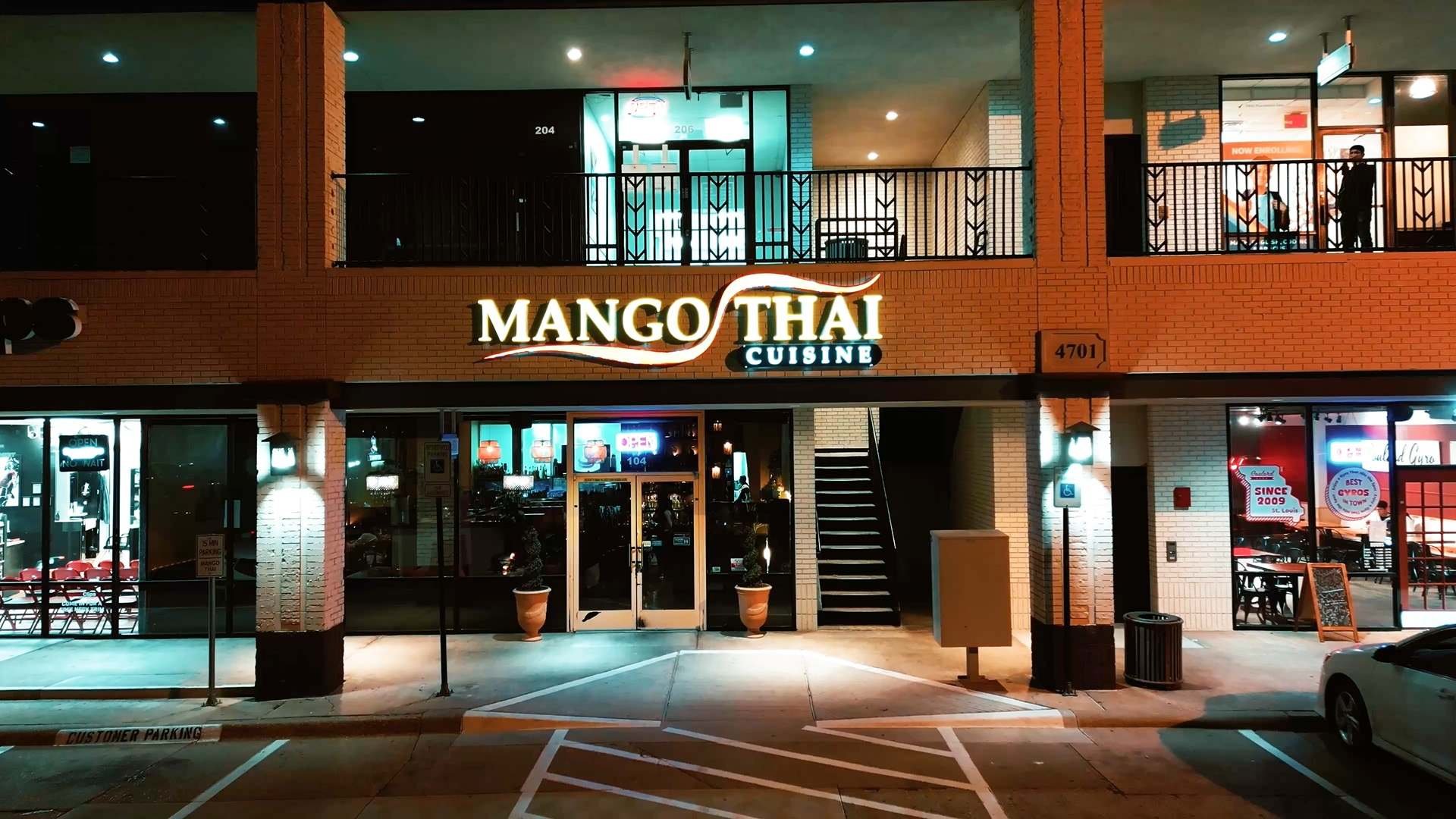
A neighborhood Thai restaurant on West Park Boulevard in Plano, Mango Thai Cuisine sits within a dining corridor that draws from across the northern Dallas suburbs. The kitchen works through a broad Thai repertoire, from lighter appetizers and salads through curries and stir-fries, in a format suited to both casual weeknight visits and longer group meals.
 Discover on Pearl
Pearl is the En Primeur Club membership app — saves, bookings, and concierge access live there. Same editors, same standards.
- Address
- 4701 W Park Blvd #104, Plano, TX 75093
- Phone
- +14696664244
- Website
- mangoplano.com
Thai Cooking in the North Dallas Suburbs: Where Plano Fits the Pattern
Suburban Dallas has developed one of the more consequential Southeast Asian dining corridors in Texas, driven partly by the density of skilled immigrant communities across Richardson, Garland, and Plano. The stretch of West Park Boulevard where Mango Thai Cuisine operates at 4701 W Park Blvd #104 sits inside that broader pattern: a commercial strip where Thai, Vietnamese, and Chinese kitchens compete on both authenticity and value, serving a mixed clientele of expats, second-generation diners, and suburbanites who have developed real expectations for regional specificity. That competitive pressure tends to sharpen kitchens. Restaurants that survive it usually do so because something in their cooking, a particular curry base, a balance of heat and acidity, lands consistently, not because the branding is polished.
Le Bernardin in New York City, Alinea in Chicago, or The French Laundry in Napa. Mango Thai operates in a different register entirely: the neighborhood restaurant that sustains a community through consistent, mid-price Thai cooking rather than through tasting menus or critical acclaim. That is its own category.
Reading the Meal: How a Thai Progression Typically Unfolds
Thai cooking at a mid-range suburban restaurant tends to follow a recognizable sequencing logic, even when the menu is presented as a flat list of dishes rather than an explicit tasting progression. Understanding that arc is useful before you order, because the dishes are designed to interact, lighter, brighter flavors opening the palate, richer, slower-cooked preparations following, with contrasting textures and heat levels moving through the meal.
The early phase of a Thai meal at this price tier usually draws from the cold and warm appetizer section: larb (minced meat salad with toasted rice, herbs, and fish sauce), fresh spring rolls with peanut dipping sauce, or satay skewers whose quality depends on the marinade-to-char ratio. These are the dishes that signal whether a kitchen is calibrated toward balance or default sweetness, a common pitfall in suburban Thai kitchens adapting to a broad American palate. A larb that leads with fish sauce funk and lime before the chili heat arrives is reading the tradition correctly; one that lands sweet first usually tells you something about the rest of the menu.
The middle register of the meal is where curries, noodle dishes, and stir-fries carry the weight. In Thai cooking, the curry pastes, red, green, massaman, panang, are the technical test. Massaman skews Persian-influenced, with whole spices and a longer, slower richness. Green curry moves faster and brighter, the heat more immediate. A kitchen that can hold those distinctions clearly is working from recipe discipline rather than approximation. Pad Thai, the dish that most suburban Thai restaurants are judged on whether they admit it or not, works as a diagnostic: the balance between tamarind, fish sauce, and sugar, the texture of the rice noodles, the timing on the egg. When it is right, it is one of the more complete one-plate meals in any Asian culinary tradition.
Closing phase of a Thai meal in this format typically involves jasmine rice or sticky rice acting as a neutral base, with the assumption that diners are sharing across multiple preparations. This communal model is worth leaning into at Mango Thai: ordering two or three dishes for a table of two rather than one per person produces a better experience, as the contrasts between a bright papaya salad, a rich curry, and a clean stir-fried vegetable dish do more work together than any single plate can do alone.
Plano's Dining Spread: Where Mango Thai Sits Among Its Neighbors
West Park Boulevard corridor places Mango Thai in a neighborhood where dining preferences run across several cuisines and price points simultaneously. Within Plano's broader restaurant coverage on our full Plano restaurants guide, the city's mid-range category includes a mix of American, Mexican, Italian, and Asian formats. Bavette Grill and CraftWay Kitchen Plano represent the American-leaning end of that spectrum, while Blue Goose Cantina anchors the Tex-Mex side. Covino's and Chocolate Angel Cafe & Tea Room cover Italian and cafe formats respectively. Thai cooking in Plano does not have the density of, say, Richardson's Belt Line Road corridor, which means that a solid Thai kitchen on the west side of the city fills a genuine gap rather than competing directly against a dozen alternatives.
Comparison point worth making is regional. Thai cooking in the Dallas-Fort Worth area has gradually shifted toward more regional specificity, with northern Thai preparations (khao soi, sai ua sausage) and Isaan-inflected dishes (som tum, larb) appearing more frequently alongside central Thai standards. Where a restaurant positions itself within that spectrum, central Thai mainstream, or leaning toward regional variations, shapes the menu more than any single technique.
Planning a Visit: What to Know Before You Go
Mango Thai Cuisine operates at 4701 W Park Blvd #104 in Plano. Parking is direct in the shared lot. The format, a neighborhood restaurant without a formal reservations requirement at most times, means the practical calculus is less about booking weeks ahead and more about timing your arrival around the dinner rush, typically between 6:30 and 8:00 pm on weekdays and earlier on weekends when family dining peaks. Weekday lunch service, where available, is generally the lower-traffic window for this type of kitchen.
Pricing is accessible, with an average spend of about $18 per person. The format rewards groups who approach the meal communally, ordering across appetizer and main categories rather than treating it as a single-dish-per-person situation.
Lazy Bear in San Francisco, Providence in Los Angeles, Atomix in New York City, Blue Hill at Stone Barns in Tarrytown, Addison in San Diego, The Inn at Little Washington in Washington, Single Thread Farm in Healdsburg, Emeril's in New Orleans, or 8 1/2 Otto e Mezzo Bombana in Hong Kong is essentially categorical. Those venues operate on entirely different terms. Mango Thai operates on the terms of the neighborhood restaurant: reliability, accessibility, and a cooking tradition deep enough to reward regular visits across different sections of the menu.
- Pad Thai
- Green Curry
- Yellow Curry
- Duck Curry
- Tom Yum Soup
- Mango Sticky Rice
Recognition, Side-by-Side
Comparable venues nearby, for context on price, style, and recognition.
| Venue | Cuisine | Price | Awards | Notes |
|---|---|---|---|---|
| Mango Thai CuisineThis venue — the venue you are viewing | Authentic Thai Cuisine | $$ | , | |
| Sea Breeze Fish Market & Grill | Fresh Seafood Market & Grill | $$ | , | Preston Road and Spring Creek Parkway area |
| Mai Colachi | Pakistani | $$ | , | Plano |
| Covino's | Traditional Italian Pasta & Pizza | $$ | , | Independence Parkway area |
| Kuppanna | South Indian | $$ | , | Plano |
| Haunted Castle Cafe | American Infused Mediterranean | $$$ | , | west Plano |
Continue exploring
More in Plano
Restaurants in Plano
Browse all →
Bars in Plano
Browse all →
Hotels in Plano
Browse all →
At a Glance
- Classic
- Cozy
- Family
- Casual Hangout
- Group Dining
- After Work
- Standalone
Warm and welcoming with muted yellow and black decor, small intimate dining space with a dozen tables, recently renovated from previous gray and black design with a half-wall divider creating separate dining areas.
- Pad Thai
- Green Curry
- Yellow Curry
- Duck Curry
- Tom Yum Soup
- Mango Sticky Rice