



World's 50 Best #63 · Tabelog Silver #124 · Tatler Listed in Best Restaurants Asia-Pacific
Our verdict
Sushi Shunji holds a Tabelog Silver Award for 2026 and a score of 4.42, with dinner averaging JPY 50,000–59,999. Reservations run through a lottery system on the OMAKASE platform, placing access on par with the city's most competitive counters.

Pearl is the En Primeur Club membership app, where members save venues, book tables and use the concierge.
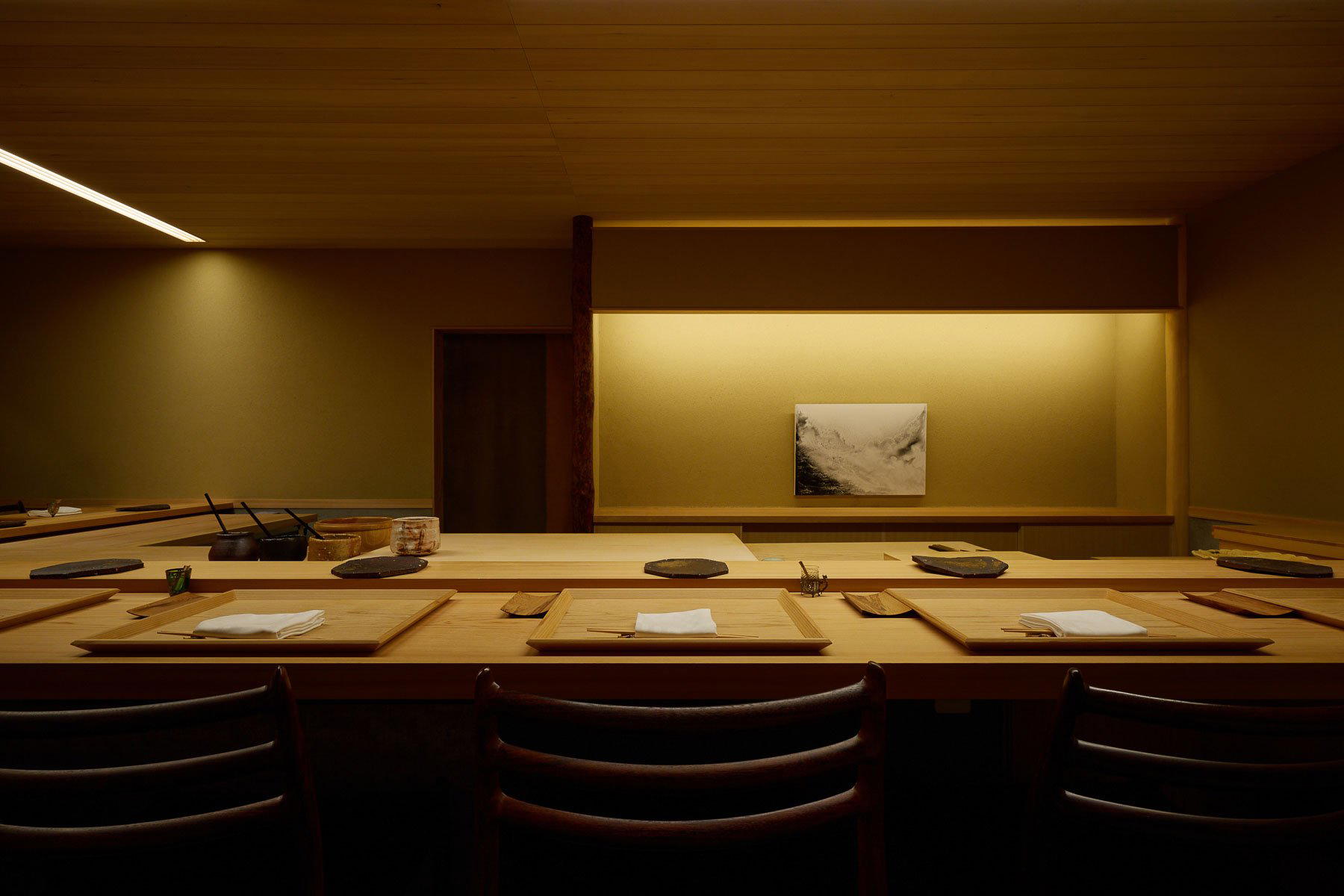
Ten Seats, One Counter, No Margin for Error
Tokyo's premium Edomae sushi scene has long sorted itself into tiers defined not by geography but by seat count and booking friction. At the narrow apex sit counters of eight to twelve seats, where demand structurally outpaces supply and reservation systems have shifted from telephone-only to hybrid lottery formats. Its Tabelog score of 4.42 and a 2026 Silver Award place it in the city's documented upper tier, while the lottery-based access model through the OMAKASE platform signals a counter that has moved beyond conventional booking queues. At counters of this scale, every design decision, from seat width to the rhythm of service, concentrates attention on the food in a way that larger rooms cannot replicate.
How the Menu Architecture Reads
Edomae sushi, at its most considered, is not simply a sequence of nigiri. It is a structured argument about ingredients, technique, and timing, with each piece functioning as both an individual statement and a contribution to a longer arc. The Tabelog description for Shunji frames the approach as one that weaves tradition and innovation within what it calls a "new era of Edomae sushi," with gratitude toward ingredients as the animating principle. That framing, however abstractly worded in promotional language, maps onto a recognizable structural logic at this price tier: the menu moves from lighter preparations toward richer, more sustained flavors, with the kitchen's interventions designed to clarify rather than complicate what the fish is doing.
At JPY 50,000–59,999 for dinner (with review-based data suggesting some visits run JPY 60,000–79,999 once drinks and service are included), Shunji prices against peer counters rather than mid-range omakase. A ten-percent service charge applies, and the drink list covers sake, shochu, and wine, which is a broader selection than counters that restrict to sake alone. This suggests a menu architecture designed to move through multiple beverage pairings across the course of the meal, which in turn shapes pacing. Dinner service runs from 17:00 and from 20:00, indicating two seatings, a format that gives the kitchen a clean reset between groups and allows the counter to serve its full ten seats twice in an evening without crowding the timeline. The neighborhood lacks the name recognition of Ginza or Nishi-Azabu but has drawn a concentration of counter-format restaurants that operate at high price points without the foot traffic or tourist visibility of more central districts. Azabu-Juban Station sits roughly 665 meters away; Roppongi Station on the Tokyo Metro Hibiya Line is approximately a ten-minute walk. Neither approach involves the kind of landmark navigation that characterizes a Ginza dinner. The counter is in a residential-commercial building, a setting that reinforces the format's concentration on what happens at the wood rather than on the arrival experience.
This geographic positioning is consistent with a broader pattern in Tokyo's high-end sushi scene, where counters increasingly locate in quieter pockets of established neighborhoods rather than in premium commercial real estate. Overhead reduction at the venue level allows budget to concentrate in sourcing. The counter's dress code, which asks guests to avoid strong fragrances, reflects the same logic applied to the sensory environment: everything that might interfere with the aromas of fish and rice is removed before service begins.
Sushi Shunji's award trajectory is specific enough to be worth reading carefully. The Tabelog Bronze Award in 2025 was followed by a Silver in 2026, with a current score of 4.42. It appeared in the Tabelog Sushi TOKYO "100" selection for 2025, a list that functions as a curated shortlist of the city's documented sushi counters rather than a simple popularity ranking. That movement over three consecutive years suggests a counter that has consolidated its position rapidly rather than coasting on an established reputation.
Peer counters operating at comparable scores and price points in Tokyo include Harutaka, which operates in the same premium sushi tier. For reference points outside the sushi category at similar price levels, RyuGin anchors the kaiseki tier in Tokyo, while L'Effervescence, Sézanne, and Crony represent the French-influenced end of the city's high-spend dining map. These are not direct competitors to a sushi counter, but they occupy the same evening budget and decision set for visitors planning a limited number of serious meals.enprimeurclub.com/restaurants/hajime-osaka-restaurant">HAJIME in Osaka, Gion Sasaki in Kyoto, akordu in Nara, Goh in Fukuoka, 1000 in Yokohama, and 6 in Okinawa. Internationally, fish-focused precision counters like Le Bernardin in New York City and technically demanding tasting-menu formats such as Atomix occupy a different structural model but draw from the same pool of international diners willing to plan meals months in advance.
Booking, Access, and What to Know Before You Go
Access works on two tracks: telephone reservations are accepted between 12:00 and 15:00 on business days, and the OMAKASE lottery runs on a separate registration basis where availability is distributed by draw rather than by speed-to-dial. The lottery model, which Shunji's Tabelog record describes as designed to give "as many people as possible a fair chance," has become more common at sought-after Tokyo counters as a mechanism for managing demand that phone lines alone cannot absorb. For international visitors, the OMAKASE platform offers an English-language interface that removes the language barrier that historically made phone reservations at smaller Tokyo counters difficult.
Reservations: Reservation only; telephone 12:00–15:00 on business days, or via OMAKASE lottery (register as a favorite to receive availability notifications). Budget: JPY 50,000–59,999 per person for dinner before drinks; review data suggests some visits reach JPY 60,000–79,999 all-in. A 10% service charge applies. Hours: From 17:00 and from 20:00; closed primarily Sundays and Wednesdays (schedule not fixed). Payments: Credit cards accepted (VISA, Mastercard, JCB, AMEX, Diners), QUICPay accepted; QR code payments not accepted. Dress: No strong fragrances. Seating: Ten counter seats only; private rooms unavailable, though full private hire is available. Getting there: Ten minutes on foot from Roppongi Station (Hibiya Line) or Azabu-Juban Station; no on-site parking.
Explore more of the city's dining, drinking, and accommodation options through our full Tokyo restaurants guide, our full Tokyo hotels guide, our full Tokyo bars guide, our full Tokyo wineries guide, and our full Tokyo experiences guide.
Frequently asked questions
What is the signature dish at Sushi Shunji?
What do critics highlight about Sushi Shunji?42 score and a 2026 Silver Award, placing it in the platform's upper band for Tokyo sushi. The Tabelog "Sushi TOKYO 100" 2025 selection adds a third data point. Together, these recognitions describe a counter that has gained traction across multiple independent evaluators over a short period.Do they accommodate allergies at Sushi Shunji?
Awards and Standing
Comparable venues nearby, for context on price, style, and recognition.
| Venue | Cuisine | Price | Awards | Notes |
|---|---|---|---|---|
| ShunjiThis venue (the venue you are viewing) | Modern Edomae Sushi Omakase | $300–500 | World's 50 Best #63 · Tabelog Silver #124 | Not listed |
| Kioicho Fukudaya | Traditional Kaiseki | $300–500 | 2 Michelin Stars | Chiyoda |
| Sonoji | Shizuoka-Style Tempura with Soba | $150–200 | 1 Michelin Star · La Liste Top Restaurants | Chūō |
| Sushi Yuki | Edomae Sushi | $200–300 | 1 Michelin Star · Tabelog Bronze #532 | Shibuya |
| Nishiazabu Sushi Shin | Edomae Omakase Sushi | $200–300 | 2 Michelin Stars | Minato |
| Sushi Oya | Modern Edomae Omakase | $300–500 | 1 Michelin Star | Shinjuku |
Recognition history
Dated appearances from independent guides and award organizations, with the underlying list record or original source where available.
World's 50 Best Asia's Best Restaurants #63
World's 50 Best
Opinionated About Dining Top Restaurants in Japan Ranked #58
Opinionated About Dining
Tabelog Silver #124
Tabelog
Tatler Listed in Best Restaurants Asia-Pacific
Tatler
Full recognition history (9 entries)
Opinionated About Dining Top Restaurants in Japan Ranked #49
Opinionated About Dining
Tabelog 100 #3 · No. 3
Tabelog · Tabelog 100 - Sushi - TOKYO - 2025
Tabelog Bronze
Tabelog
Opinionated About Dining Top Restaurants in Japan Ranked #147
Opinionated About Dining
Opinionated About Dining Top Restaurants in Japan Recommended
Opinionated About Dining
Continue exploring
More in Tokyo
Restaurants in Tokyo
All restaurants in Tokyo →

Bars in Tokyo
All bars in Tokyo →




Details
- Elegant
- Intimate
- Sophisticated
- Quiet
- Special Occasion
- Date Night
- Celebration
- Chefs Counter
- Open Kitchen
- Sake Program
- Sommelier Led
- Local Sourcing
- Sustainable Seafood
- Omakase
- Counter Dining
- Sake
- Wine
- Allergy Accommodating
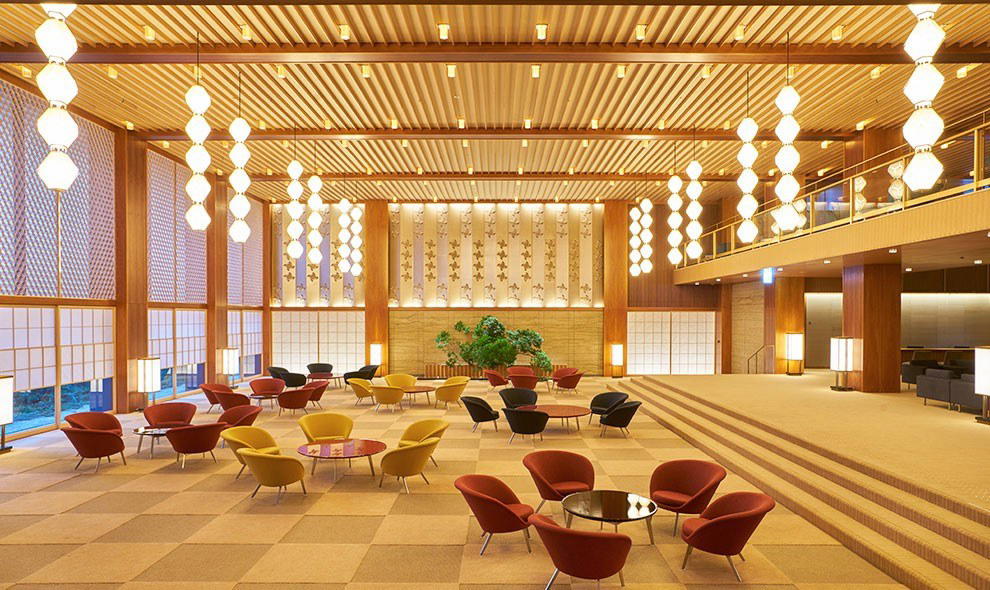
Tasteful and elegant dining room with refined craftsmanship details, designed by Toru Kijima; intimate counter seating with open kitchen view; warm and gentle atmosphere created by the chef and his wife sommelier.