
Tokyo’s Spanish dining scene has moved well beyond paella shorthand, with small counters and Basque-leaning rooms translating Iberian technique into the city’s precision-driven restaurant culture. shokudou aca sits in that serious tier: a nine-seat counter in Toranomon with Tabelog Award 2026 Bronze recognition and a place on Tabelog 100 for Spanish cuisine in 2026.
Pearl is the En Primeur Club membership app — saves, bookings, and concierge access live there. Same editors, same standards.
- Address
- 麻布台ヒルズ ガーデンプラザA, 2F, 5 Chome-8-1 Toranomon, Minato City, Tokyo 105-0001, Japan
- Phone
- +81 3-6432-0015
- Website
- instagram.com
 Saves & bookings on Pearl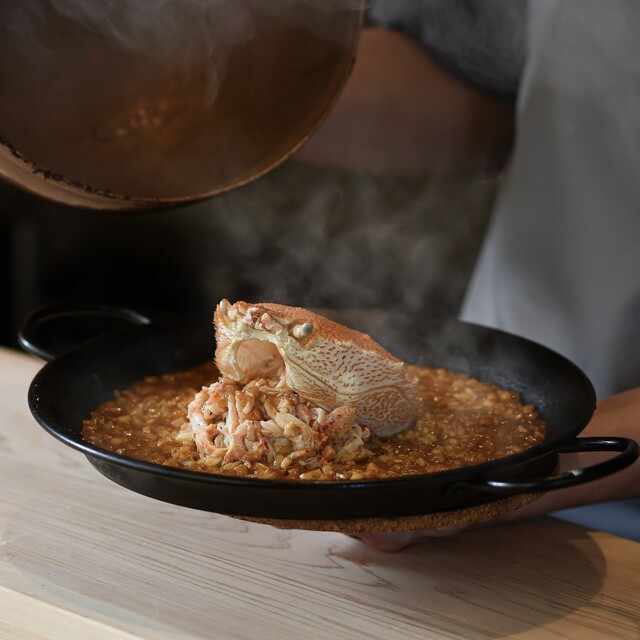
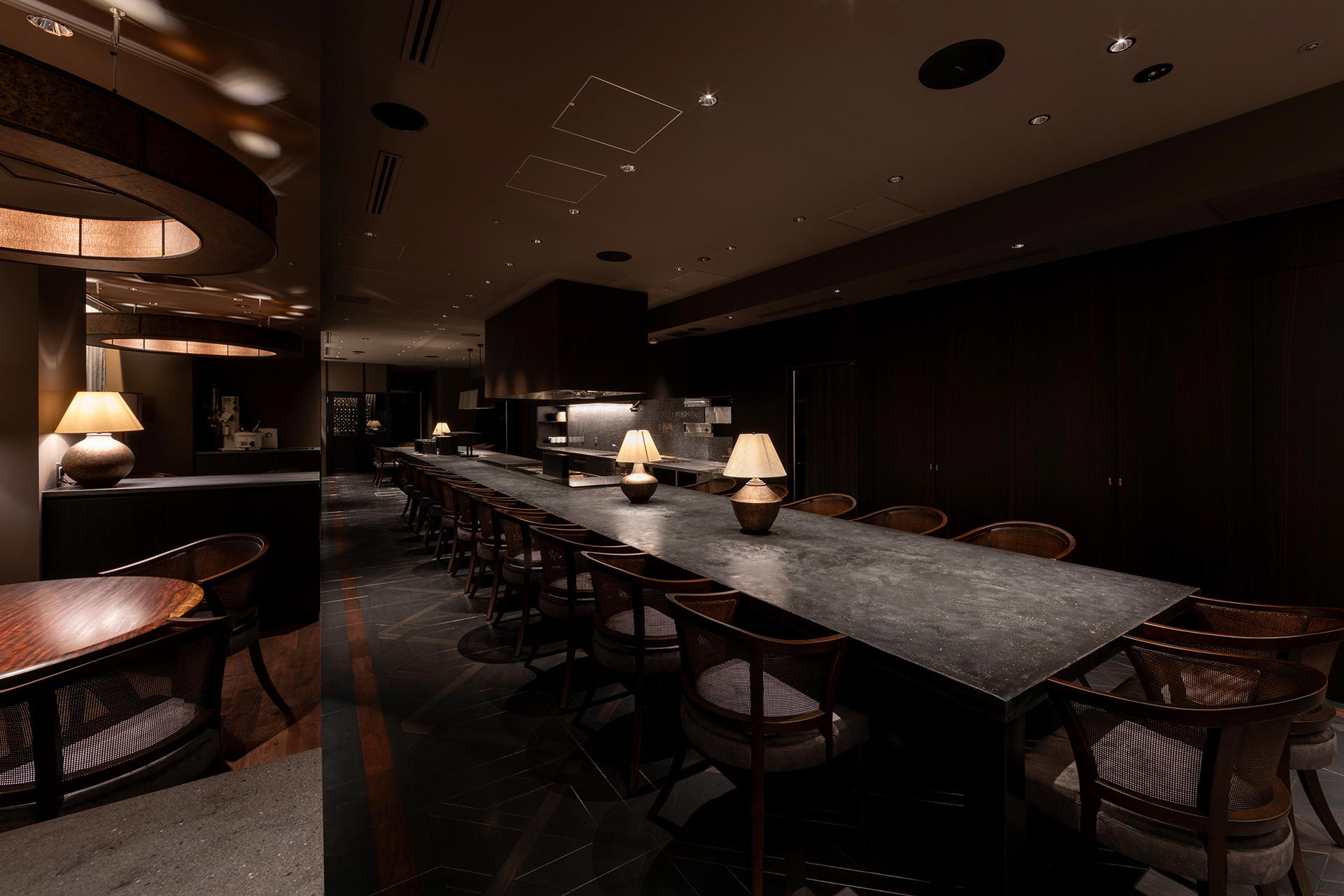
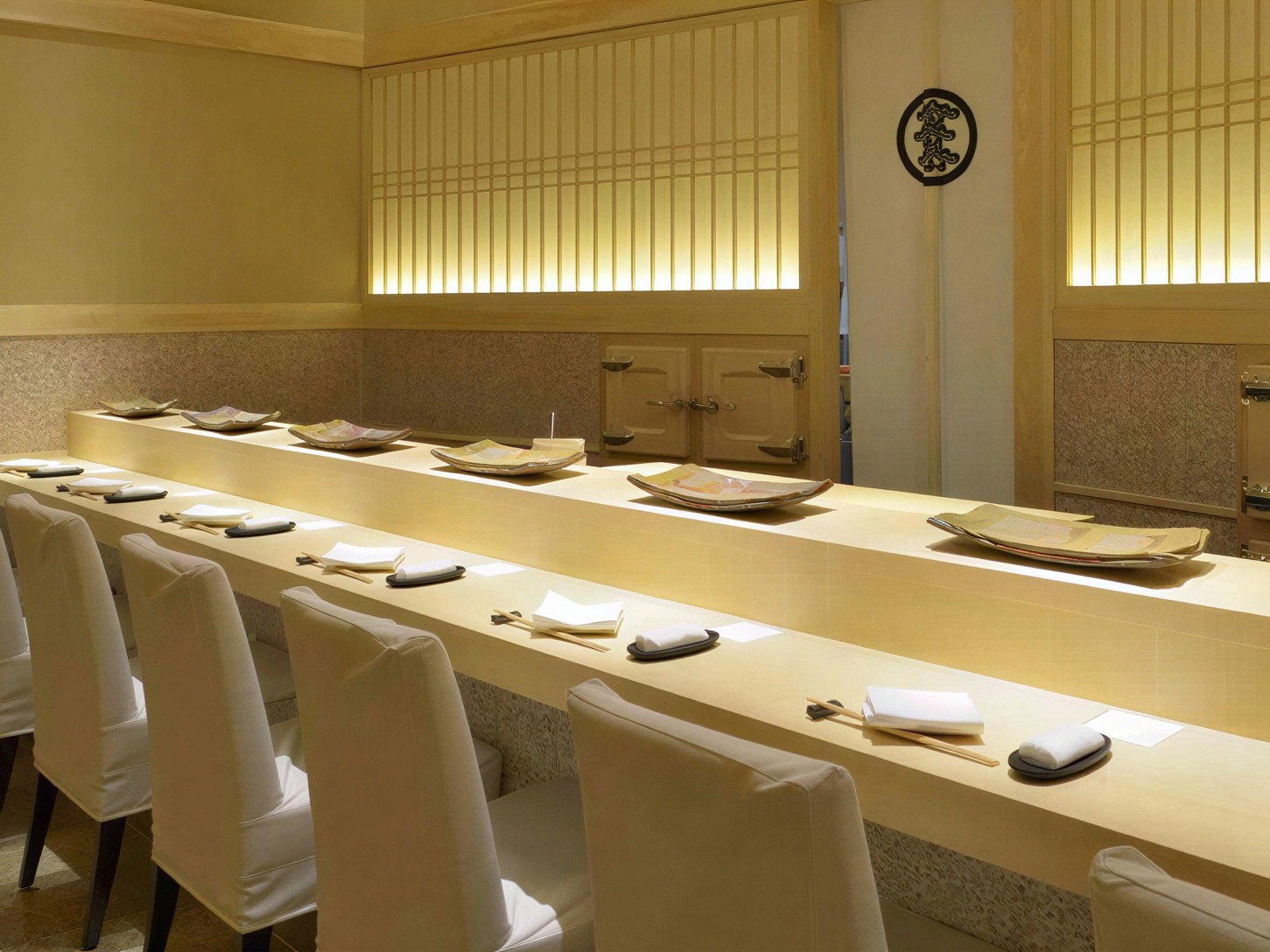
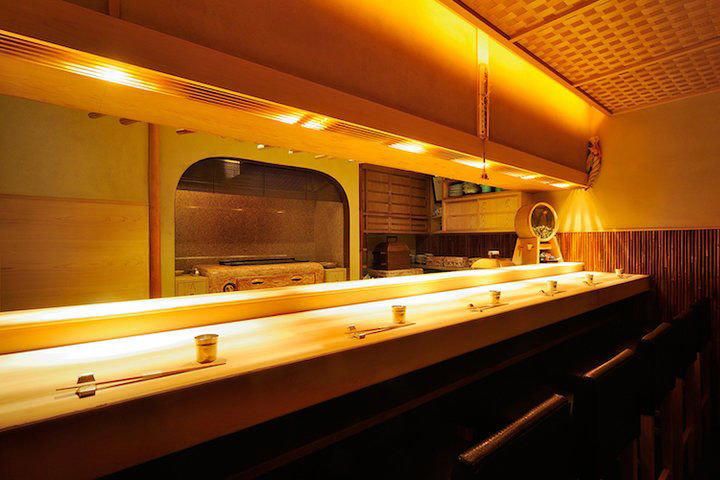
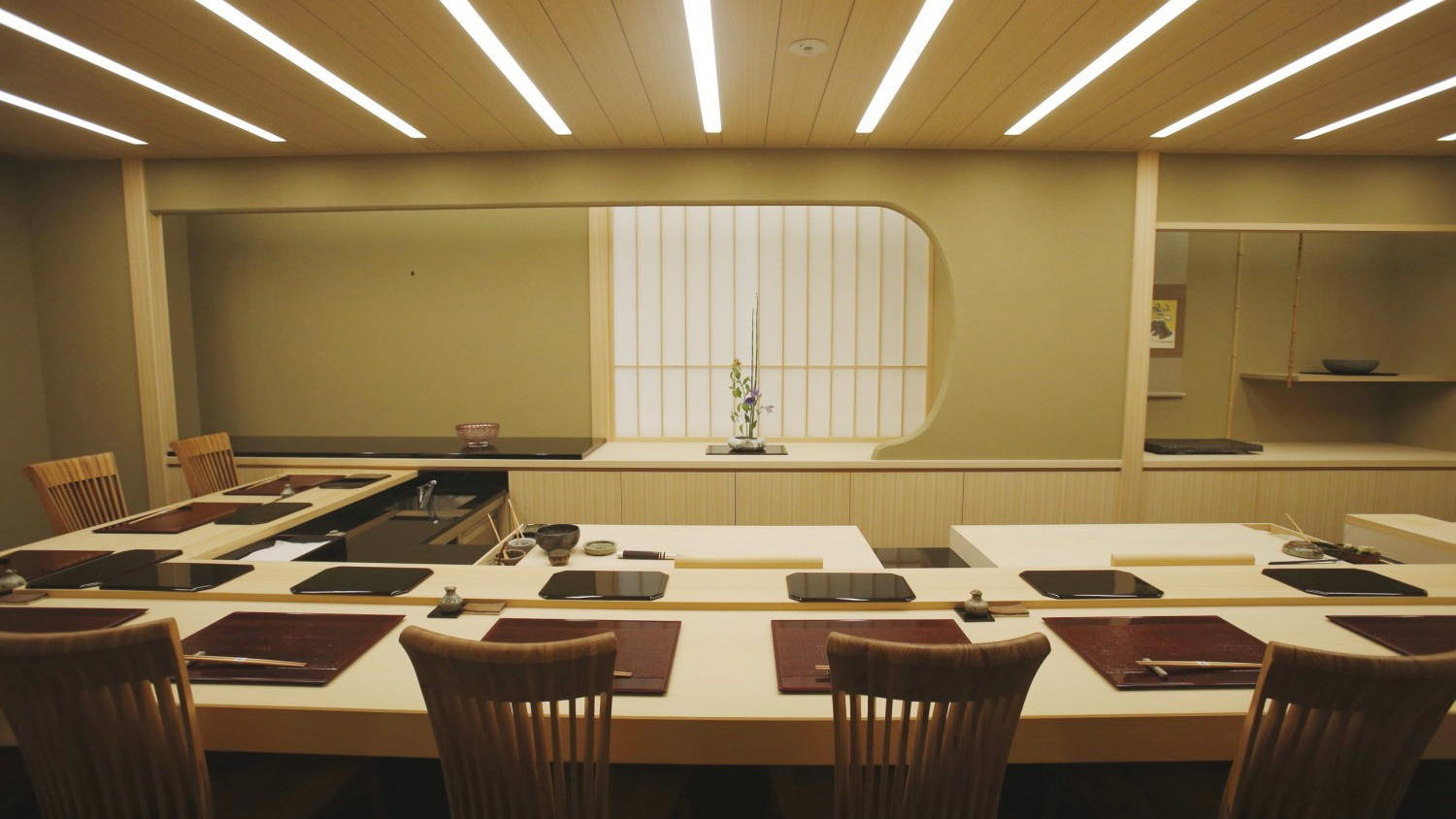
Approaching the counter at shokudou aca, the point is scale before spectacle. Tokyo often turns foreign cuisines into tight formats, and Spanish cooking has proved especially adaptable: plancha heat, rice discipline, seafood timing, and bar-room informality all fit a city that rewards concentration over size. Here, the room is built around nine counter seats, which puts the meal closer to a chef-facing kappo rhythm than to the louder Spanish restaurant model many diners know from Madrid or Barcelona.
That smallness matters because Spanish food in Tokyo now splits into clear camps. There are rice-focused arrocerías, polished Basque-influenced dining rooms, and wine-bar hybrids where pintxo culture is filtered through Japanese pacing. shokudou aca belongs to the high-touch counter camp, where the format asks diners to read the cooking in sequence rather than graze casually. Tabelog Award 2026 Bronze recognition and selection for Tabelog 100 Spanish cuisine in 2026 place it in the city’s serious Spanish conversation, not merely in the novelty category of non-Japanese fine dining.
Spanish cooking through Tokyo's counter culture
Spanish cuisine travels well when it is treated as technique rather than theme. In Tokyo, that means less reliance on décor cues and more attention to heat, sequencing, and product handling. A nine-seat counter naturally compresses the experience: the kitchen is not hidden, pacing becomes part of the evening, and the Spanish vocabulary has to work within a Japanese expectation of order and exact timing.
This is where the restaurant’s cultural position becomes interesting. Spain’s regional cooking is not a single style; it runs from Basque grill culture to Catalan seafood, from Andalusian frying to Valencia’s rice traditions. Tokyo’s Spanish restaurants often choose one lane and refine it. ARROCERÍA La Panza and Arrocería Sal y Amor make rice the anchor. ENEKO Tokyo signals a more formal contemporary Spanish frame. Aca 1° and eman sit in the broader premium Spanish conversation for diners comparing Tokyo’s smaller, more curated rooms.
shokudou aca is useful to understand because it reflects a Japanese reading of Spanish dining rather than a replica of Spain. The counter format strips away the easy clichés: no need to perform the fantasy of a tavern when the meal can instead show how Iberian ideas behave under Tokyo’s pressure for precision. That is a more compelling proposition for diners who already know the city’s sushi, tempura, and kappo counters and want to see how a foreign cuisine changes when placed under the same discipline.
Recognition, restraint, and the Toranomon shift
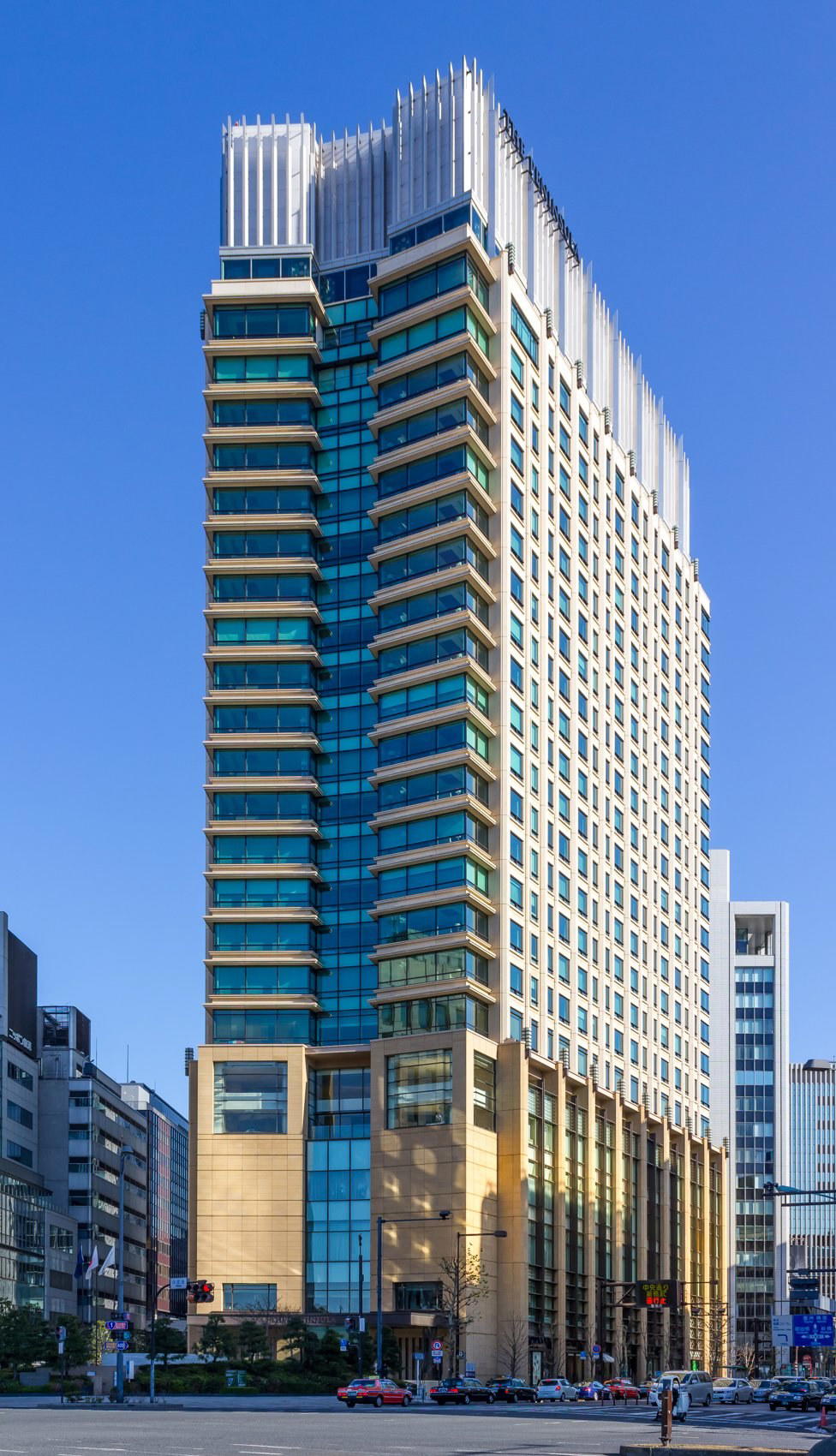
Toranomon has become one of Tokyo’s clearer examples of high-budget urban redevelopment shaping restaurant geography. The area around Azabudai Hills and Kamiyacho is not the old alleyway Tokyo of tiny independent dining mythology; it is corporate, designed, and increasingly international. That setting can flatten restaurants into lifestyle components if the cooking lacks identity. The stronger rooms in this district use the polish of the development while resisting its anonymity.
The Tabelog signals matter here because Tokyo’s Spanish category is not as internationally legible as sushi or kaiseki. A Bronze placement in The Tabelog Award 2026 and inclusion in Tabelog 100 for Spanish cuisine give diners a local recognition framework. They do not make the restaurant interchangeable with Michelin-style European fine dining, and that distinction is useful. Tabelog’s Japanese audience tends to reward consistency, access to quality ingredients, and the kind of repeat-diner confidence that does not always translate into global award language.
Compared with ZURRIOLA or MASIA, the appeal is not simply that another Spanish address exists in Tokyo. The question is what kind of Spanish meal a diner wants in the city. Larger-format Spanish dining can offer breadth: wine lists, table service, regional references, and a more familiar European rhythm. A counter changes the contract. It narrows the field, but it also sharpens attention. At this tier, that trade is often the point.
How to place it in a Tokyo dining itinerary
For visitors building a serious Tokyo restaurant schedule, the restaurant makes more sense as a counterpoint than as a substitute for the city’s Japanese staples. It is for a night when the diner wants Tokyo’s precision applied to Spanish technique, not another omakase or French dégustation. The price band, award recognition, and nine-seat format put it firmly in planned-evening territory.
The reservation-only format also changes the kind of diner who will get full value from it. This is not the address for a loose group looking for tapas and a second bottle after work. It suits diners comfortable with compact rooms, counter pacing, and a meal where the kitchen’s sequence matters. Private rooms and private use are not part of the proposition, so the social energy is necessarily focused and public.
For wider planning, use Our full Tokyo restaurants guide to compare it with Japanese counters, French rooms, and other Spanish addresses across the city. Travelers pairing dinner with a stay can cross-check Our full Tokyo hotels guide, while those extending the evening should look at Our full Tokyo bars guide. Tokyo’s broader trip architecture can also include Our full Tokyo experiences guide and, for category completists, Our full Tokyo wineries guide.
Readers comparing Japan beyond Tokyo can scan adjacent EP Club coverage, from -Grilled beef Sukiyaki- KAMAKURA TANUKIAN 鎌倉 たぬき庵 in Kamakura to.cafe in Osaka.know in Kumamoto, (Shoku) Vietnam in Kawasaki, [Curry Senmon Ten] Maruyama Kyoju. in Sapporo, and [ki:] in Kyoto. For Spanish comparisons outside Japan, Amari, Spanish in Brighton and Hove and AMOR, Spanish in Singapore show how the same cuisine changes under different city pressures.
City Peers
Comparable venues by category and price.
| Venue | Cuisine | Price | Notes |
|---|---|---|---|
| shokudou acaThis venue — the venue you are viewing | Casual Spanish Tapas | $$ | Not listed |
| Spain Bar Girona | Spanish Bar / Tapas | $$ | Shinagawa |
| Bar Porteno | Spanish & South American Wine Bar | $$$ | Sumida |
| Flowers&Spanish Sonrisa | Flower-filled Spanish wine bar with Japanese influences | $$$ | Ōta |
| Spain Restaurant Ginza Espero | Traditional Spanish restaurant specializing in paella | $$ | Chūō |
| Spanish Ryouri Pablo | Spanish tapas & paella bar | $$$ | Meguro |
Recognition history
Dated appearances from independent guides and award organizations, with the underlying list record or original source where available.
Tabelog 100 #23 · No. 23
Tabelog · Tabelog 100 - Spanish cuisine - 2026
Tabelog Bronze #4
Tabelog







At a Glance
- Lively
- Trendy
- Modern
- Casual Hangout
- Date Night
- After Work
- Open Kitchen
- Sake Program
Current opening hours
- Monday
- 5–11:30 PM
- Tuesday
- 5–11:30 PM
- Wednesday
- 5–11:30 PM
- Thursday
- 5–11:30 PM
- Friday
- 5–11:30 PM
- Saturday
- 5–11:30 PM
- Sunday
- Closed
Hours can change for holidays and private events. Last verified .
Lively bar-like atmosphere combining casual energy with authentic restaurant flavors.