Stuttgart's casual dining scene has a capable representative at Rotebühlplatz 20, where SHOBU POKÉ & DELI occupies a spot in the city's growing fast-casual segment. The format sits at a distance from the fine-dining corridor anchored by venues like Speisemeisterei and Délice, addressing a different appetite: quick, bowl-based eating in a city that has historically under-served that register.
Pearl is the En Primeur Club membership app — saves, bookings, and concierge access live there. Same editors, same standards.
- Address
- Rotebühlpl. 20, 70178 Stuttgart, Germany
- Website
- calwer-passage.de
- Directions
- Get directions
 Saves & bookings on Pearl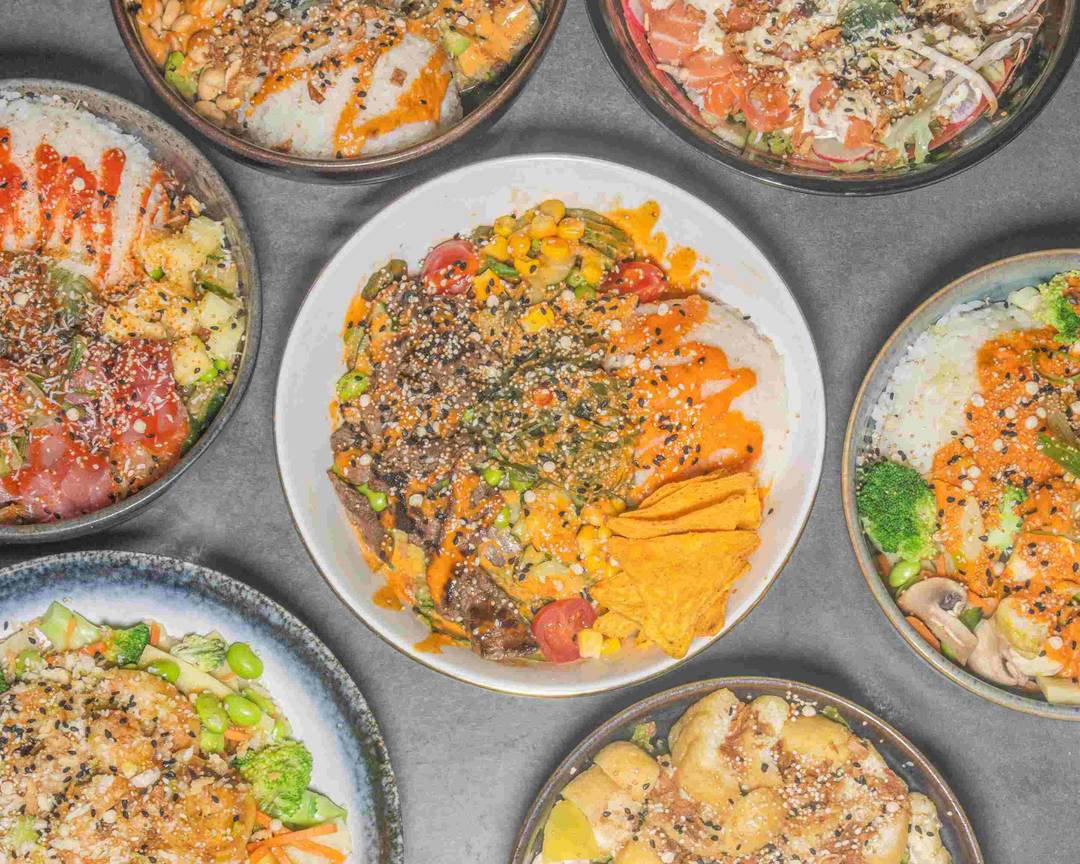
A Different Register: Fast-Casual in a Fine-Dining City
Stuttgart's restaurant identity has long been shaped by white-tablecloth ambition. Stuttgart's dining scene includes a range of formal and casual options, and SHOBU POKÉ & DELI at Rotebühlplatz 20 represents the city's fast-casual side. But a city's eating culture is never reducible to its starred tier. The faster, cheaper, walk-in segment is where most people eat most of the time, and Stuttgart's fast-casual options have historically lagged behind cities like Berlin or Munich. That gap is where the poke and deli format has found real traction across German urban centres in recent years, and SHOBU POKÉ & DELI at Rotebühlplatz 20 represents Stuttgart's participation in that shift.
The move toward bowl-based, build-your-own formats in Germany mirrors what happened in the United States and the United Kingdom roughly five years earlier: a dining public that wanted customisable, protein-forward meals without the time or price commitment of a sit-down lunch. Poke, imported from Hawaiian tradition and adapted extensively for European tastes, became the vessel for that appetite. The category now sits alongside ramen, banh mi, and grain bowls as part of a recognisable fast-casual toolkit in most mid-size European cities.
Rotebühlplatz: The Space and Its Context
Location tells part of the story. Rotebühlplatz sits at the western edge of Stuttgart's city centre, a transit-connected square that functions as a commercial crossroads rather than a destination dining street. The area draws office workers, students from nearby institutions, and commuters passing through the Stadtmitte corridor. That foot-traffic profile suits a fast-casual format far better than it suits a tasting-menu restaurant, and it is the kind of positioning that determines whether a casual concept survives past its first year.
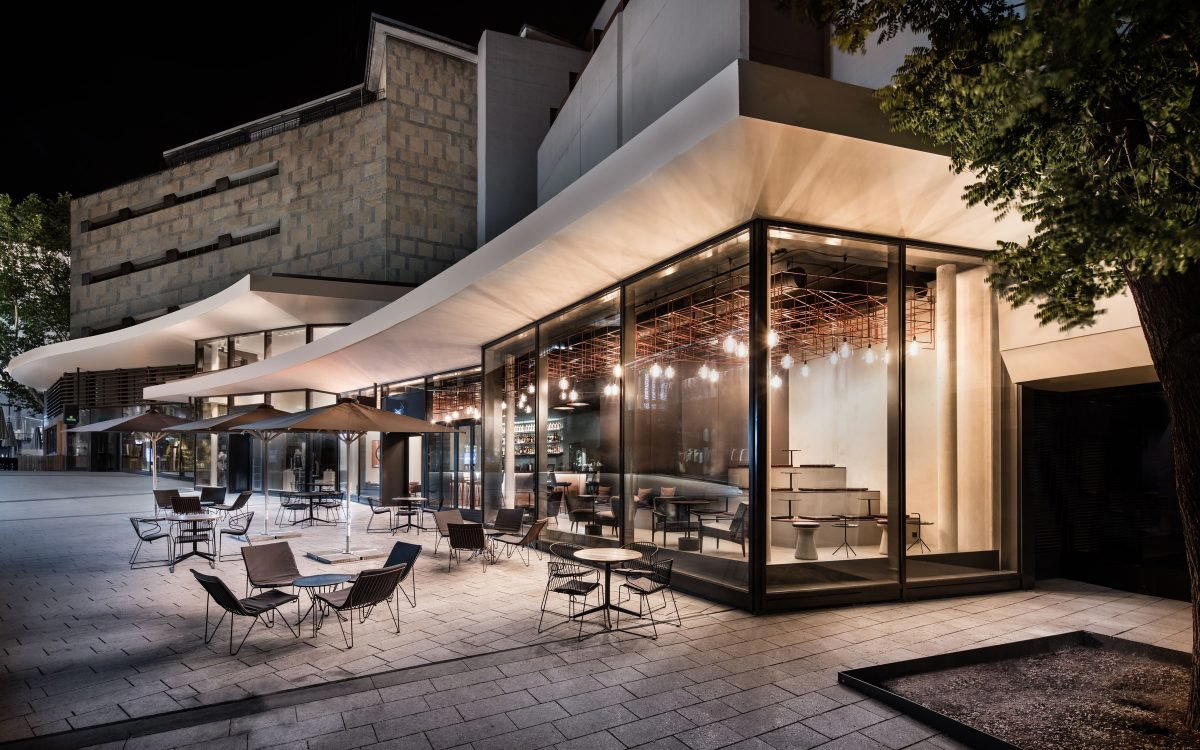
The physical design choices at venues in this category tend to follow one of two paths: the spare, Scandi-minimalist approach (clean counters, natural wood, muted palette) or the louder, logo-heavy streetwear aesthetic borrowed from American fast-casual chains. Both are responses to the same spatial challenge: how do you make a small footprint feel considered rather than provisional? In Stuttgart's fast-casual tier, where the competition includes both independent operators and regional chain outposts, the design signal matters because it communicates to a passing customer whether this is a place worth stopping for or just another grab-and-go counter. The format itself sets clear spatial expectations: counter ordering, visible assembly, limited seating or a hybrid sit-and-go arrangement.
The Rotebühlplatz address also places SHOBU near one of Stuttgart's denser pedestrian flows. For a fast-casual operator, that adjacency to foot traffic is as important as any design or menu decision.
The Bowl Format and What It Asks of a City
Poke as a category has matured considerably since its European arrival. The early wave of operators leaned heavily on raw salmon and tuna as the primary draw, reflecting the ingredient's cache rather than any deep engagement with Hawaiian culinary tradition. More recent operators have expanded into cooked protein options, marinated tofu, regional grain bases, and house-made sauces that distinguish one counter from another. What the format requires, above all, is sourcing discipline: the raw-fish component of a poke bowl is unforgiving of mediocre supply chains, and the difference between a well-sourced and a poorly-sourced bowl is immediately apparent to anyone who has eaten in the category before.
Stuttgart is not a coastal city, which historically made raw fish a logistical concern for restaurateurs here. That constraint has eased considerably with improved cold-chain infrastructure and the same distribution networks that allow Restaurant Haerlin in Hamburg and JAN in Munich to maintain fine-dining fish programmes. The fast-casual tier benefits from the same infrastructure, even if the sourcing story rarely gets communicated to the customer at the counter.
For context on how seriously Germany's dining scene takes fish sourcing at all levels, it is worth noting that venues like Aqua in Wolfsburg and Schwarzwaldstube in Baiersbronn have built reputations partly on their ability to serve polished seafood far from any coast. The expectation, once established at the summit of a market, filters down through the dining public over time.
Where SHOBU Sits in the Stuttgart Picture
Stuttgart's dining spread runs from tasting menus in the €150-plus bracket, represented by addresses like Der Zauberlehrling and comparable to nationally recognised rooms such as Vendôme in Bergisch Gladbach or Victor's Fine Dining by christian bau in Perl, down through mid-market brasseries and neighbourhood trattorias, and into the fast-casual segment where SHOBU operates. These tiers rarely compete with one another for the same customer at the same meal occasion, but they do collectively define what a city's eating culture looks like from the outside.
A city that covers the full spectrum, from the technical ambition of venues comparable to ES:SENZ in Grassau or CODA Dessert Dining in Berlin at one end, down to accessible daily eating at the other, is a city with a functioning food culture rather than just a fine-dining showcase. SHOBU's position in the fast-casual register is part of what fills out Stuttgart's lower tier, addressing the lunch and casual-dinner occasion that the city's starred restaurants are not designed to serve.
Stuttgart's dining scene spans formal and casual formats across the city. Stuttgart's dining scene spans formal and casual formats across the city.
SHOBU is addressing something more immediate: the practical question of where to eat a decent, fast, affordable bowl in a city whose casual dining tier includes plenty of room for growth.
Know Before You Go
Address: Rotebühlpl. 20, 70178 Stuttgart, Germany
Format: Fast-casual poke and deli counter
Reservations: Not applicable for fast-casual counter service; walk-in format
Hours: Mon to Sat 11:30 AM to 9 PM; Sun closed
Price range: About $12 per person
Getting there: Rotebühlplatz 20, 70178 Stuttgart, Germany
Comparable Venues
Comparable venues nearby, for context on price, style, and recognition.
| Venue | Cuisine | Price | Notes |
|---|---|---|---|
| SHOBU POKÉ & DELIThis venue — the venue you are viewing | Hawaiian Poké Bowls | $$ | Not listed |
| Im Künstlerhaus | Modern European Fusion | $$ | Heslach |
| Büffel & Koi | Japanese-Vietnamese Fusion | $$ | Dachswald |
| Suzuna | Traditional Japanese Izakaya & Ramen | $$ | Gablenberg |
| Fruchttick | Healthy Salads & Bowls | $$ | Gablenberg |
| Schellenturm | Swabian German Weinstube | $$ | Gablenberg |
Continue exploring
More in Stuttgart
Restaurants in Stuttgart
Browse all →
Bars in Stuttgart
Browse all →
Hotels in Stuttgart
Browse all →

At a Glance
- Trendy
- Modern
- Casual
- Casual Hangout
- Solo
- Open Kitchen
- Standalone
Current opening hours
- Monday
- 11:30 AM–9 PM
- Tuesday
- 11:30 AM–9 PM
- Wednesday
- 11:30 AM–9 PM
- Thursday
- 11:30 AM–9 PM
- Friday
- 11:30 AM–9 PM
- Saturday
- 11:30 AM–9 PM
- Sunday
- Closed
Hours can change for holidays and private events. Last verified .
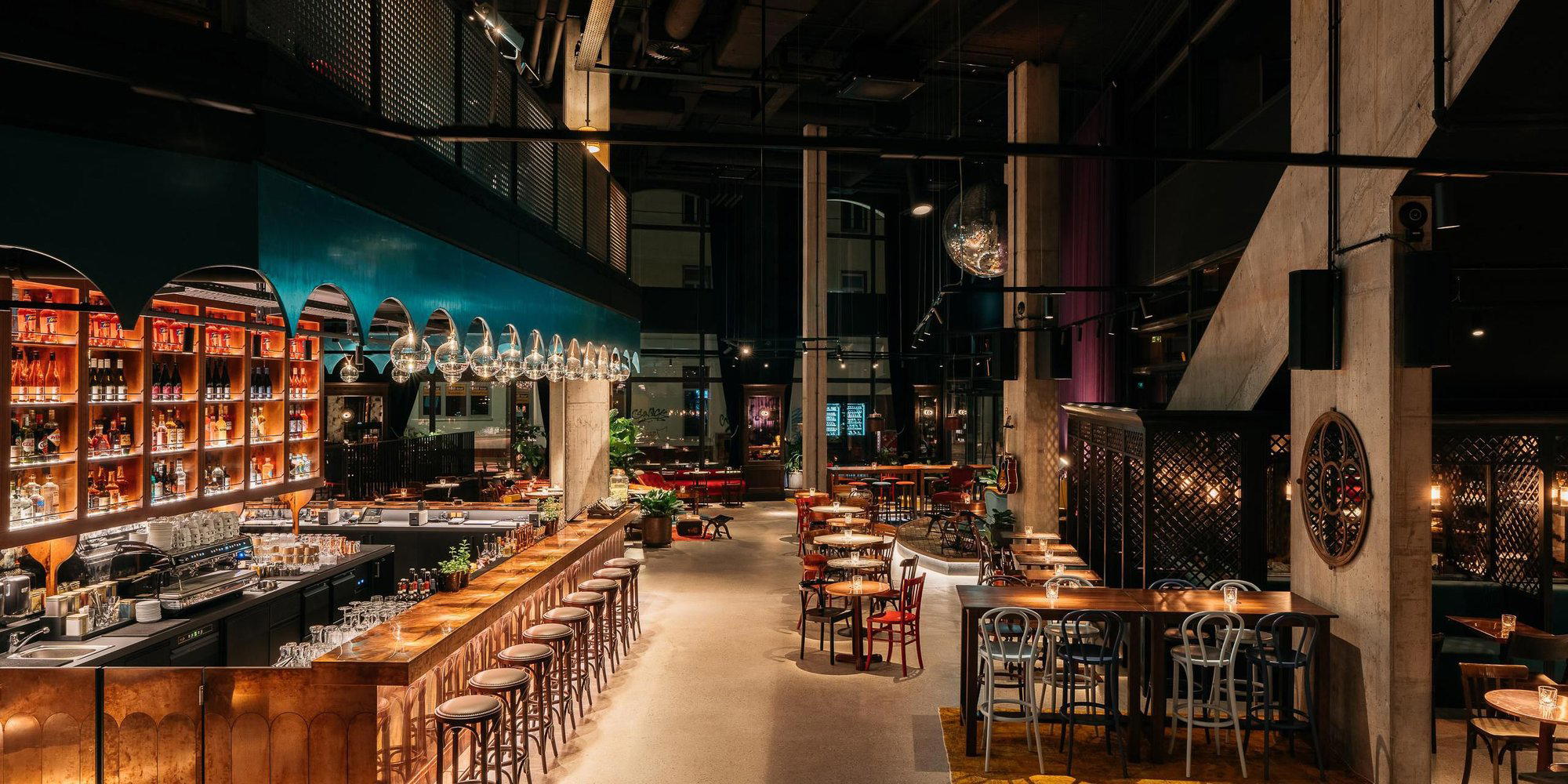
Modern, casual fast-casual environment with a contemporary design aesthetic reflecting the trendy food spot concept.