

1 Michelin Star · Tabelog Bronze #523
Our verdict
Kyoto’s innovative dining tier is crowded with temples of technique, but Shimmonzen Yonemura is better read through sourcing and format: fish-led creative cooking, French vocabulary, and a chef’s-choice course in Higashiyama. Tabelog Bronze recognition in 2025 and 2026, plus selection for Tabelog 100 Innovative / Creative Cuisine 2025, place it among the city’s serious contemporary tables rather than casual fusion rooms.

Pearl is the En Primeur Club membership app, where members save venues, book tables and use the concierge.
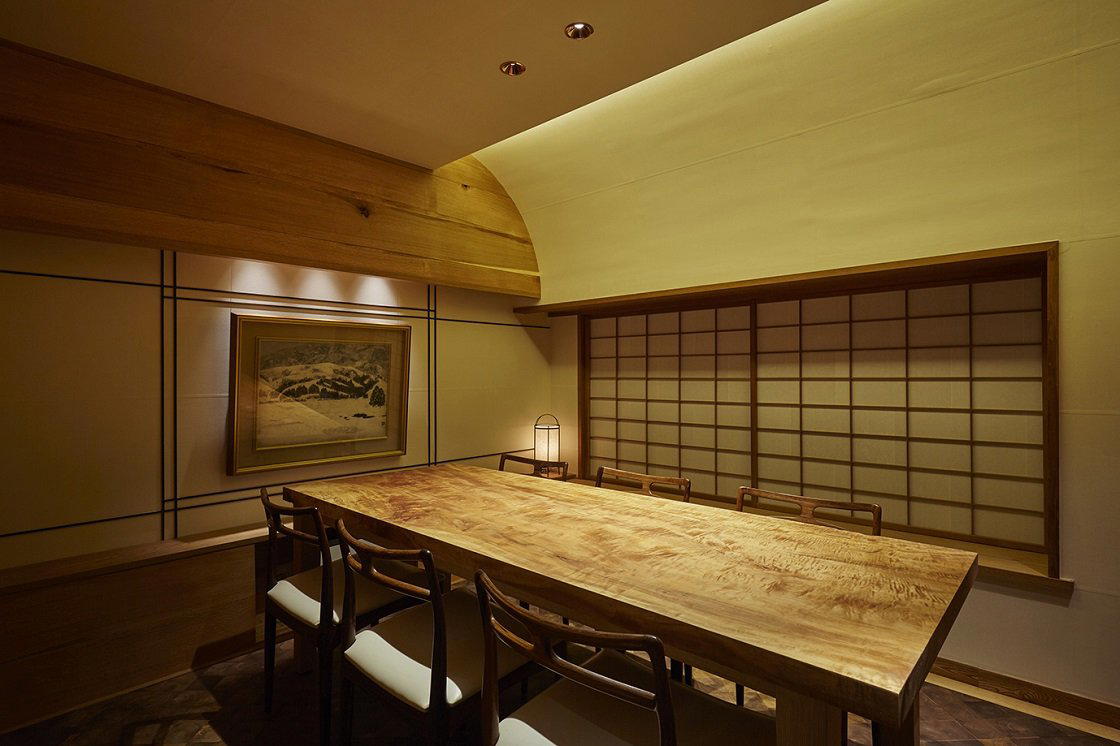
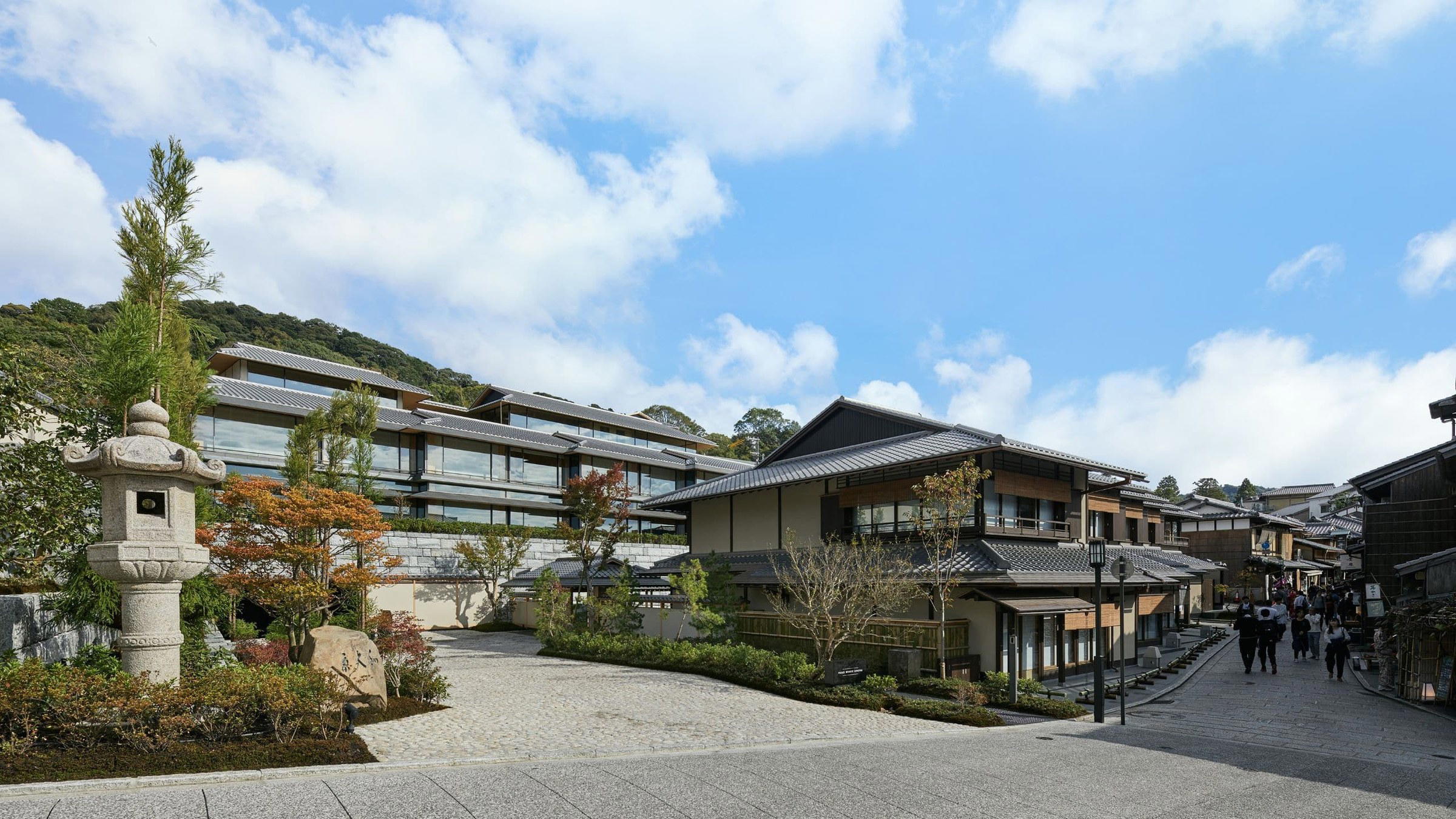
Shinmonzen-dori changes the rhythm before the meal begins: old Kyoto street scale, low facades, and the quieter side of Higashiyama rather than the performance of the tourist lanes nearby. That setting matters for contemporary Kyoto cooking. The city’s newer creative restaurants often work best when they do not fight the surrounding restraint; they borrow its discipline, then move beyond kaiseki’s fixed grammar. Shimmonzen Yonemura belongs to that group, using an innovative, creative-French register without abandoning the ingredient logic that gives Kyoto dining its authority.
The useful way to read the restaurant is not as a Western restaurant in Kyoto, nor as a kaiseki room with foreign accents. It sits in the hybrid middle, where sourcing, sequence, and restraint carry more weight than spectacle. The format is chef’s-choice for lunch and dinner, and the kitchen is noted for fish, which gives the meal a clear center of gravity. In a city where vegetables, river fish, seafood, and seasonal pantry work all carry cultural meaning, that emphasis keeps the cooking from drifting into generic luxury tasting-menu territory.
Fish-led creative cooking in Kyoto's contemporary French lane
Kyoto’s innovative restaurants tend to split into two camps. One pursues architectural plating and international luxury cues; the other uses modern technique to sharpen local ingredients without turning every course into a statement piece. Shimmonzen Yonemura is more persuasive in the second reading. The listed categories, Innovative, Creative, and French, explain the vocabulary, but the stronger signal is the ingredient emphasis: fish sits close to the restaurant’s identity, with sake, shochu, and wine all present as drinking frameworks rather than a single imported model.
That matters because Kyoto’s creative dining scene is not short on technique. What separates the more credible rooms is whether technique clarifies the produce or merely decorates it. Fish-led cooking gives a restaurant less room to hide. Temperature, seasoning, texture, and sauce weight become the argument. The chef’s-choice structure also changes the diner’s role: this is not a place to assemble a meal from preferences, but to accept a sequence built around what the kitchen can source and handle with confidence.
The awards record supports that reading. Tabelog named the restaurant a Bronze winner in both 2025 and 2026, and selected it for Tabelog 100 Innovative / Creative Cuisine in 2025. Those are meaningful signals in Japan because Tabelog’s high-end recognition often captures local diner consensus with a granularity that international lists can miss. A score listed at 3.93 places it in a competitive band where small differences usually reflect consistency, scarcity, and repeat-visitor approval rather than broad name recognition alone.
How it compares with Kyoto's innovative set
Within Kyoto, the comparison is less with orthodox kaiseki and more with restaurants such as KOKE, where international technique and Kyoto context also meet at the higher end of the city’s dining spectrum. Outside the city, the category stretches toward higher-priced innovative rooms such as VILLA COMMUNICO, KAHALA, and Fujiya 1935, while capi operates in a comparable creative bracket. Shimmonzen Yonemura’s advantage is its Kyoto placement: Higashiyama gives the meal a sharper sense of place than a neutral luxury dining room would.
The restraint also affects who should book it. Diners looking for classic temple-adjacent Kyoto formality may find the category too hybrid; diners looking for theatrical avant-garde cooking may find the room too disciplined. The stronger fit is a traveler who already understands the city’s traditional dining codes and wants to see how a contemporary kitchen bends them without discarding ingredient hierarchy. In that sense, it works well as a second or third serious meal in Kyoto, after a more traditional counter or kaiseki booking has set the baseline.
For a wider Kyoto itinerary, the restaurant pairs naturally with other serious dining research rather than a single-meal checklist. Compare it with Koide for a different expression of Kyoto precision, ORTO for another contemporary lens, and 3TOKU6MI Shijo karasuma ten or 551蓬莱 when the day calls for a lower-formality counterpoint. Broader planning sits in Our full Kyoto restaurants guide, with adjacent context from Our full Kyoto hotels guide, Our full Kyoto bars guide, Our full Kyoto wineries guide, and Our full Kyoto experiences guide.
The planning trade-offs are part of the format
The practical intelligence here is unusually relevant because the format is not built for last-minute customization. Dietary restrictions need to be handled before the reservation rather than at the table, and the restaurant’s own policy makes clear that extensive restrictions may not suit the chef’s-choice course. That is not a flaw; it is how ingredient-led tasting formats protect pacing and sourcing. It does mean the booking is better for flexible diners than mixed groups with complex allergies or strict preferences.
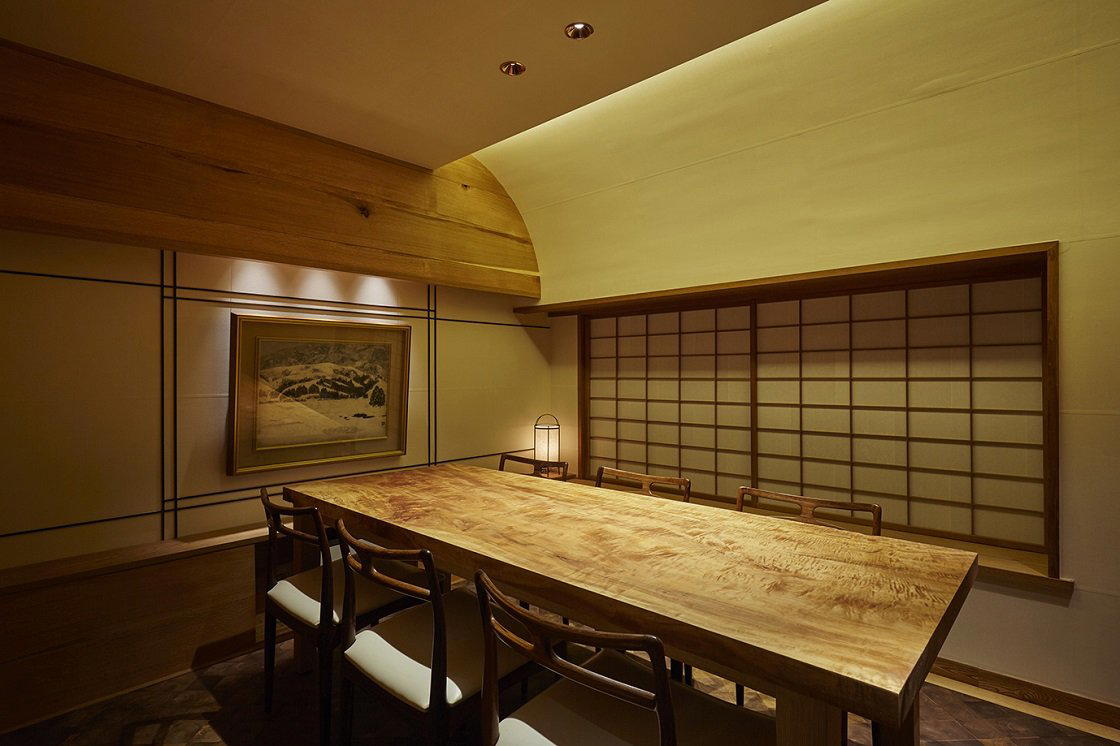
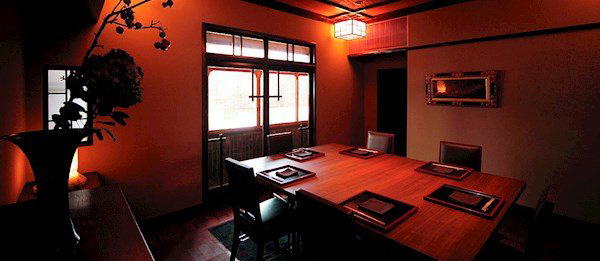
The room is compact, with 20 seats and private rooms listed for four, six, and eight guests, so the scale sits closer to a controlled dining salon than a large destination restaurant. Children are accepted only from middle school age and above, which reinforces the adult dining-room rhythm. Payments also require attention: lunch is cash only, while dinner accepts major cards and PayPay, and dinner carries a one-drink order policy or a water charge. Cancellation fees begin two days before the reservation date, rising as the booking approaches.
Those details make the restaurant easier to place. It is not a spontaneous Higashiyama meal after sightseeing, and it is not designed as a broad family option. It is a precise contemporary Kyoto booking for diners who care about where the ingredients come from, how fish is handled within a French-influenced structure, and how far the city’s creative cooking can move while keeping local discipline intact.
For readers mapping the category beyond Kyoto, useful contrasts include -Grilled beef Sukiyaki- KAMAKURA TANUKIAN 鎌倉 たぬき庵 in Kamakura. 鮪と炭火焼き うお炭 秋葉原店 in Tokyo.cafe in Osaka.know in Kumamoto, (Shoku) Vietnam in Kawasaki, [Curry Senmon Ten] Maruyama Kyoju. in Sapporo, [àbitat], Innovative in San Fermo della Battaglia, and Å by T.U.N.G, Innovative in Ho Chi Minh City.
Frequently asked questions
What style of cooking does Shimmonzen Yonemura do?
Shimmonzen Yonemura serves Innovative cuisine.
What time does Shimmonzen Yonemura open and close?
Hours at Shimmonzen Yonemura: Mon: 12–3 PM, 6–9 PM; Tue: Closed; Wed: Closed; Thu: 12–3 PM, 6–9 PM; Fri: 12–3 PM, 6–9 PM; Sat: 12–3 PM, 6–9 PM; Sun: 12–3 PM, 6–9 PM.
What does dinner at Shimmonzen Yonemura typically cost?
Pricing at Shimmonzen Yonemura is listed as ¥¥¥.
Where do I go for Shimmonzen Yonemura?
Shimmonzen Yonemura is located in Kyoto.
What has Shimmonzen Yonemura built its reputation on?
Its reputation rests on a chef’s choice omakase format, fish-focused cooking, and Tabelog recognition, including Bronze awards in 2025 and 2026. It was also selected for Tabelog Innovative/Creative Cuisine "Tabelog 100" in 2025, with lunch and dinner service at 255 Umemotocho, Kyoto.
Is Shimmonzen Yonemura a family-friendly restaurant?
Not in the usual sense. The restaurant does not accept reservations for children, except middle school students and above, so it is better suited to adult dining in Kyoto’s Higashiyama Ward.
At-a-Glance Comparison
Nearby venues at a similar price tier for orientation.
| Venue | Cuisine | Price | Awards |
|---|---|---|---|
| Shimmonzen YonemuraThis venue (the venue you are viewing) | Innovative Japanese-French Omakase | $150–200 | 1 Michelin Star · Tabelog Bronze #523 |
| VELROSIER | Modern Chinese Fusion | $200–300 | 1 Michelin Star · La Liste Top Restaurants |
| Ryō-shō | Modern Kaiseki | $300–500 | 2 Michelin Stars |
| Sanso Kyoyamato | Traditional Japanese Kaiseki | $150–200 | 2 Michelin Stars |
| Gion Matayoshi | Michelin 2-Star Kaiseki | $200–300 | 2 Michelin Stars · Tabelog Bronze #262 |
| Otagi | Seasonal Kyoto Kaiseki Omakase | $200–300 | 2 Michelin Stars · Tabelog Bronze #345 |
Recognition history
Dated appearances from independent guides and award organizations, with the underlying list record or original source where available.
Michelin 1 Star
Michelin
Tabelog Bronze #523
Tabelog
Full recognition history (5 entries)
Tabelog Bronze
Tabelog
Tabelog 100 #19 · No. 19
Tabelog · Tabelog 100 - Innovative / Creative cuisine - 2025
Michelin 1 Star
Michelin
Continue exploring
More in Kyoto
Restaurants in Kyoto
All restaurants in Kyoto →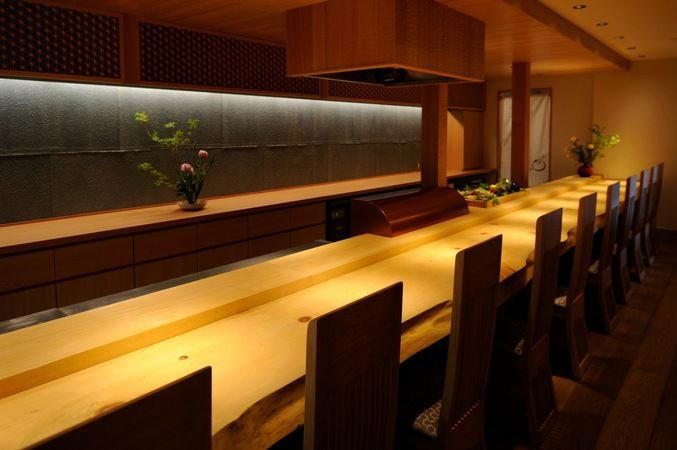
Bars in Kyoto
All bars in Kyoto →
Hotels in Kyoto
All hotels in Kyoto →
Wineries in Kyoto
Browse all →
Details
- Elegant
- Sophisticated
- Modern
- Intimate
- Cozy
- Special Occasion
- Date Night
- Business Dinner
- Celebration
- Chefs Counter
- Open Kitchen
- Private Dining
- Standalone
- Local Sourcing
- Omakase
- Tasting Menu
- Set Menu
- Counter Dining
Current opening hours
- Monday
- 12–3 PM, 6–9 PM
- Tuesday
- Closed
- Wednesday
- Closed
- Thursday
- 12–3 PM, 6–9 PM
- Friday
- 12–3 PM, 6–9 PM
- Saturday
- 12–3 PM, 6–9 PM
- Sunday
- 12–3 PM, 6–9 PM
Hours can change for holidays and private events. Hours as of .
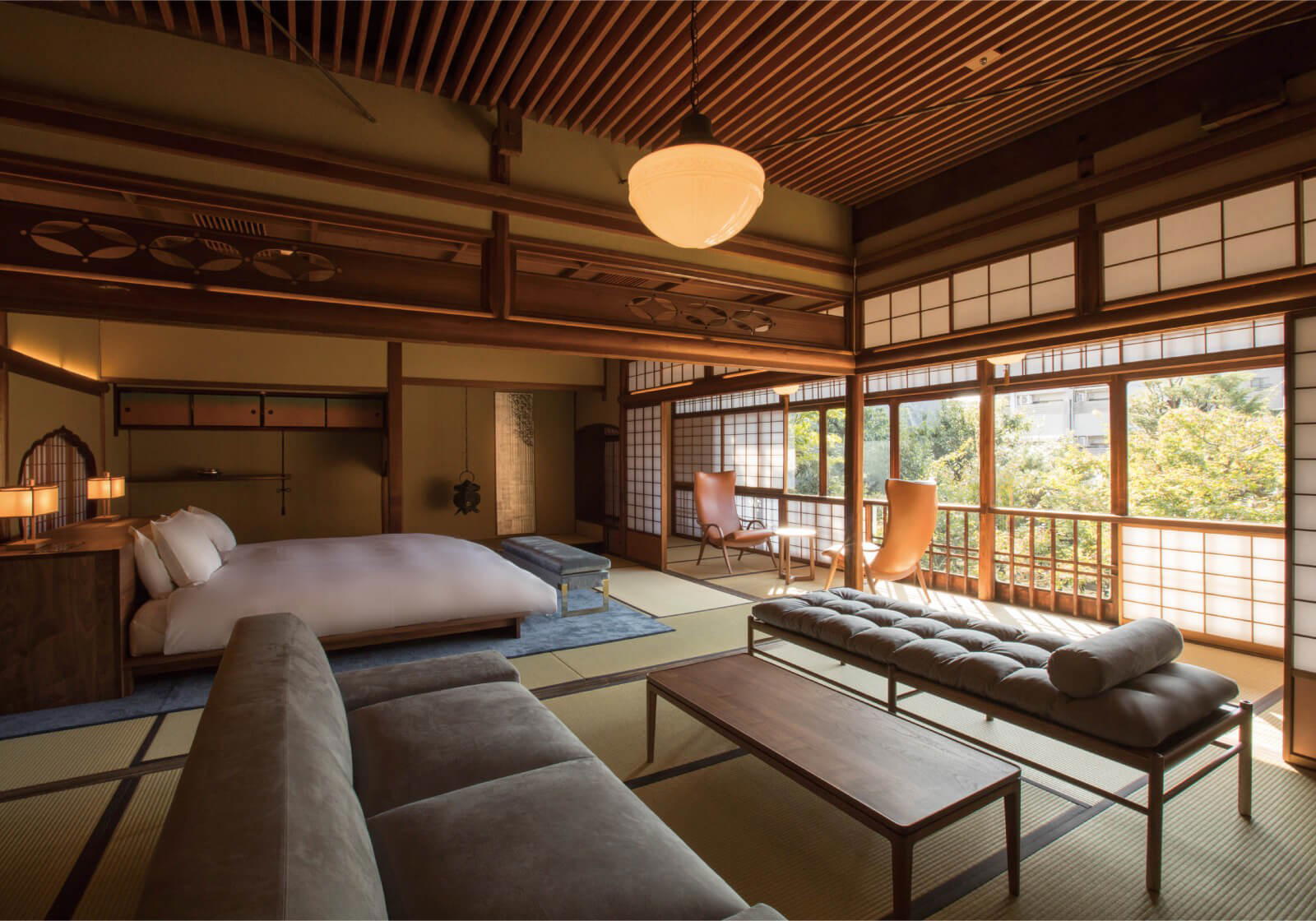
Refined and comfortable, with a polished modern Kyoto-residence feel and an intimate chef-focused dining atmosphere.