

Tabelog Bronze #341 · We're Smart World 4 Radishes
Our verdict
Open since 2008 in Kyoto's Nakagyo Ward, ORTO has earned consecutive Tabelog Bronze Awards from 2019 through 2026, plus a Silver in 2020, and a place in the Tabelog Innovative/Creative Cuisine Top 100 for 2025. The 18-seat restaurant, whose name means 'garden' in Italian, builds its dinner-only course around seasonal Japanese produce, with a notably restrained approach to salt and fat. Dinner runs JPY 15,000–19,999; reservations open 90 days in advance.

Pearl is the En Primeur Club membership app, where members save venues, book tables and use the concierge.
A Small Room With a Long Track Record
In Kyoto's Nakagyo Ward, the dominant dining grammar is kaiseki. The city's most discussed restaurants Gion Sasaki, Hyotei, Isshisoden Nakamura, operate within that tradition, calibrating seasonal produce through a multi-course Japanese structure that has remained remarkably stable for centuries. ORTO, which opened on Sanjocho in August 2008, sits in a different category: the smaller, harder-to-define tier of Kyoto restaurants that borrow their organizing logic from somewhere else. The name itself is Italian for 'garden', and the kitchen's interest in vegetables as primary subject rather than supporting cast connects it, at least conceptually, to a European idiom. What it actually does with that interest, inside an 18-seat room a five-minute walk from Karasuma Oike Station, is where the story gets more specific.
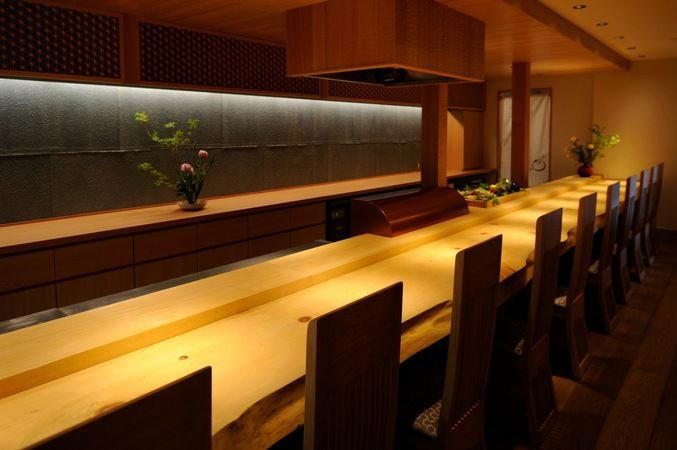
The space divides across two floors: an eight-seat counter on the ground level and a ten-seat table arrangement upstairs, where a curtain partition can section off groups of two to six. Neither configuration reads as a splashy destination room. The venue's own Tabelog listing categorises its location as a 'hideout' and a 'house restaurant', which captures something accurate about the approach. For a restaurant with seven consecutive Tabelog Award wins and a Tabelog Score of 3.90, the scale is deliberately contained.
The Innovative Category in Kyoto's Context
Japan's innovative or creative cuisine restaurants occupy an interesting competitive position. They sit outside the protection of codified tradition, they can't trade on kaiseki provenance the way Shimmonzen Yonemura or KOKE might, and they can't claim Italian or French pedigree the way a restaurant like cenci does, yet they compete for the same high-consideration dining occasion. The argument they have to make is different: the synthesis itself is the credential. In Kyoto particularly, where the kaiseki framework exerts enormous gravitational pull on how diners think about premium Japanese dining, a restaurant that organises itself around produce-forward creativity is making a somewhat contrarian bet.
ORTO has been making that bet since 2008, which is itself a form of evidence. Kyoto's fine dining scene turns over; restaurants that sustain consistent recognition across more than fifteen years at the JPY 15,000–19,999 dinner price point have generally found a repeatable formula that works for a specific audience. The Tabelog Award record maps this directly: Bronze from 2019 through 2024, a Silver in 2020, Bronze again in 2026, and inclusion in the Tabelog Innovative/Creative Cuisine 'Tabelog 100' for 2025. That pattern, consistent rather than ascending, solid rather than volatile, suggests a restaurant that knows its lane and stays in it.
For comparison, restaurants working at a similar innovative-cuisine register elsewhere in Japan include HAJIME in Osaka and MAZ in Tokyo, both of which operate at considerably higher price points and scale. ORTO's JPY 15,000–19,999 bracket places it in a more accessible tier of serious creative cooking, closer to the entry point of destination dining than the ceiling.
Produce as Argument: The Kitchen's Organising Logic
The editorial angle most useful for reading ORTO is the intersection between imported method and indigenous material. The venue's name, its Italian framing of the 'vegetable garden', and its documented emphasis on minimising salt and fat all point toward a kitchen that has absorbed something from the European tradition of ingredient-led cooking, particularly the strand that runs through northern Italian and French vegetable-centric work, and applied it to Japanese seasonal produce. This is not an unusual synthesis in 2025, restaurants like akordu in Nara and Goh in Fukuoka work in adjacent territory, but ORTO was establishing this position in 2008, which gives the approach a different historical weight.
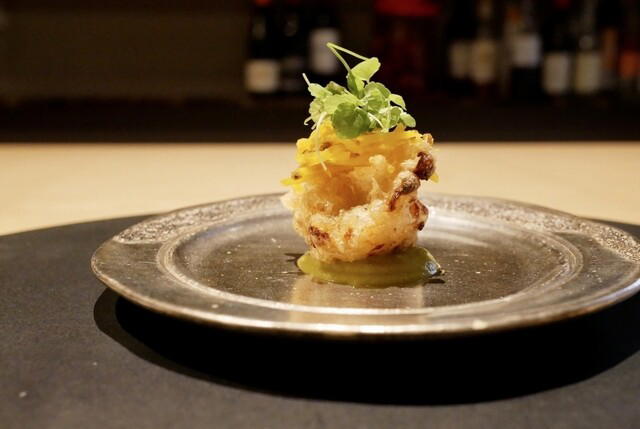
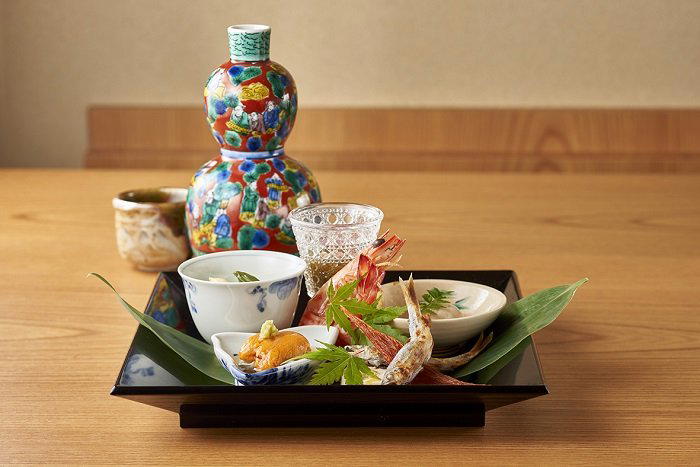
What matters practically about the produce-first orientation is what it implies about the menu structure. The kitchen's documented attention to fish quality sits alongside its vegetable focus, suggesting a course format where both categories receive equal technical consideration rather than fish serving as the main event with vegetables in support. The health and wellness framing noted in the venue data, the reduction of salt and fat as a conscious position, separates ORTO from innovative restaurants that chase intensity and concentration. The argument here is about clarity and restraint, not about layering complexity.
That restraint extends to the drink program, which covers sake and wine with a noted emphasis on both. The BYO policy adds flexibility for guests who want to bring something specific, an unusual provision at this price tier that gives the evening a more personal character.
Format and Logistics
The operational structure at ORTO follows a format common among Japan's tightly run counter restaurants: simultaneous seating, meaning all guests with reservations at the same time begin together. The allocated dining time is approximately three hours, and the venue asks guests to plan accordingly rather than treat the timing as approximate. Arriving more than thirty minutes late triggers a same-day cancellation charge, and the same-day cancellation policy carries a 100% fee regardless of advance notice on the day itself.
Reservations open ninety days ahead and close at 10:00 AM on the day of the visit. The restaurant operates Tuesday and Wednesday closures, opening Thursday through Monday including public holidays from 18:00 to 22:00. Given the small capacity, eighteen seats total, and a Tabelog Score of 3.90 with sustained award recognition, the ninety-day window is the relevant planning horizon. Booking through the restaurant's reservation page is the documented channel.
The no-perfume dress code is enforced strictly, appearing prominently in the restaurant's own remarks. At a venue this size, with simultaneous seatings and a kitchen focused on nuanced flavour, the policy is a coherent operational decision rather than an arbitrary restriction.
Children under seven are not admitted; children aged seven and above receive the adult course without modification. Credit cards are accepted across major networks including VISA, Mastercard, JCB, American Express, and Diners. A 10% service charge applies alongside the consumption tax, so the effective cost of dinner sits closer to JPY 17,600–21,999 all-in before additional drinks.
For broader orientation in the city, see our full Kyoto restaurants guide, or explore our Kyoto hotels guide, our Kyoto bars guide, our Kyoto wineries guide, and our Kyoto experiences guide for a fuller picture of what the city offers at this level. Those looking at the innovative cuisine register across Japan can also reference Harutaka in Tokyo, 1000 in Yokohama, 6 in Okinawa, and alla prima in Seoul for regional comparison.
Quick Reference
- Address: 337-2 Sanjocho, Nakagyo Ward, Kyoto, 5-minute walk from Karasuma Oike Station
- Hours: Thursday–Monday and public holidays, 18:00–22:00; closed Tuesday and Wednesday
- Price: JPY 15,000–19,999 per person (dinner), plus 10% service charge and 10% tax
- Seats: 18 total (8-seat counter, ground floor; 10-seat table, second floor)
- Reservations: Up to 90 days in advance; same-day cancellation charged at 100%
- Payment: Major credit cards accepted; no electronic money or QR payments
- Dress note: Perfume strictly prohibited
Frequently asked questions
How much does it cost to eat at ORTO?
Pricing at ORTO is listed as JPY 15,000 - JPY 19,999.
Has ORTO won any awards?
ORTO has received recognition including:
What's the must-try dish at ORTO?
ORTO does not publish a fixed signature dish, and the menu changes with the season as a direct consequence of the kitchen's produce-first orientation, the name itself translates from Italian as 'vegetable garden.' What remains consistent, according to the venue's own framing, is an emphasis on minimising salt and fat while centring seasonal ingredients. With a Tabelog score of 3.90 and consecutive Bronze awards from 2019 through 2026, the through-line reviewers return to is the kitchen's handling of vegetables rather than any single plate.
Pricing, Compared
Comparable venues nearby, for context on price, style, and recognition.
| Venue | Cuisine | Price | Awards | Notes |
|---|---|---|---|---|
| ORTOThis venue (the venue you are viewing) | Italian with Kyoto Vegetable Fusion | $150–200 | Tabelog Bronze #341 · We're Smart World 4 Radishes | Not listed |
| SCALAE | Modern Italian with Plant-Forward Options | $150–200 | Star Wine List | Shimogyō, Modern Italian with Plant-Forward Options |
| IL GARAGE | Modern Italian with Japanese Influences | $150–200 | Tabelog Bronze #129 | Nakagyō, Modern Italian with Japanese Influences |
| La Locanda Za rittsu kaaruton kyoto | Nakagyō, Modern Italian Fine Dining | Not listed | Not listed | Not listed |
| Nihonryori Fujii | Shizuoka Kaiseki | Not listed | Not listed | Sakyō, Shizuoka Kaiseki |
| Ristorante Noro | Italian with Japanese and French influences | $50–100 | Tabelog 100 #90 | Nakagyō, Italian with Japanese and French influences |
Recognition history
Dated appearances from independent guides and award organizations, with the underlying list record or original source where available.
Tabelog Bronze #341
Tabelog
We're Smart World 4 Radishes
We're Smart World
Full recognition history (3 entries)
Tabelog 100 #40 · No. 40
Tabelog · Tabelog 100 - Innovative / Creative cuisine - 2025

Continue exploring
More in Kyoto
Restaurants in Kyoto
All restaurants in Kyoto →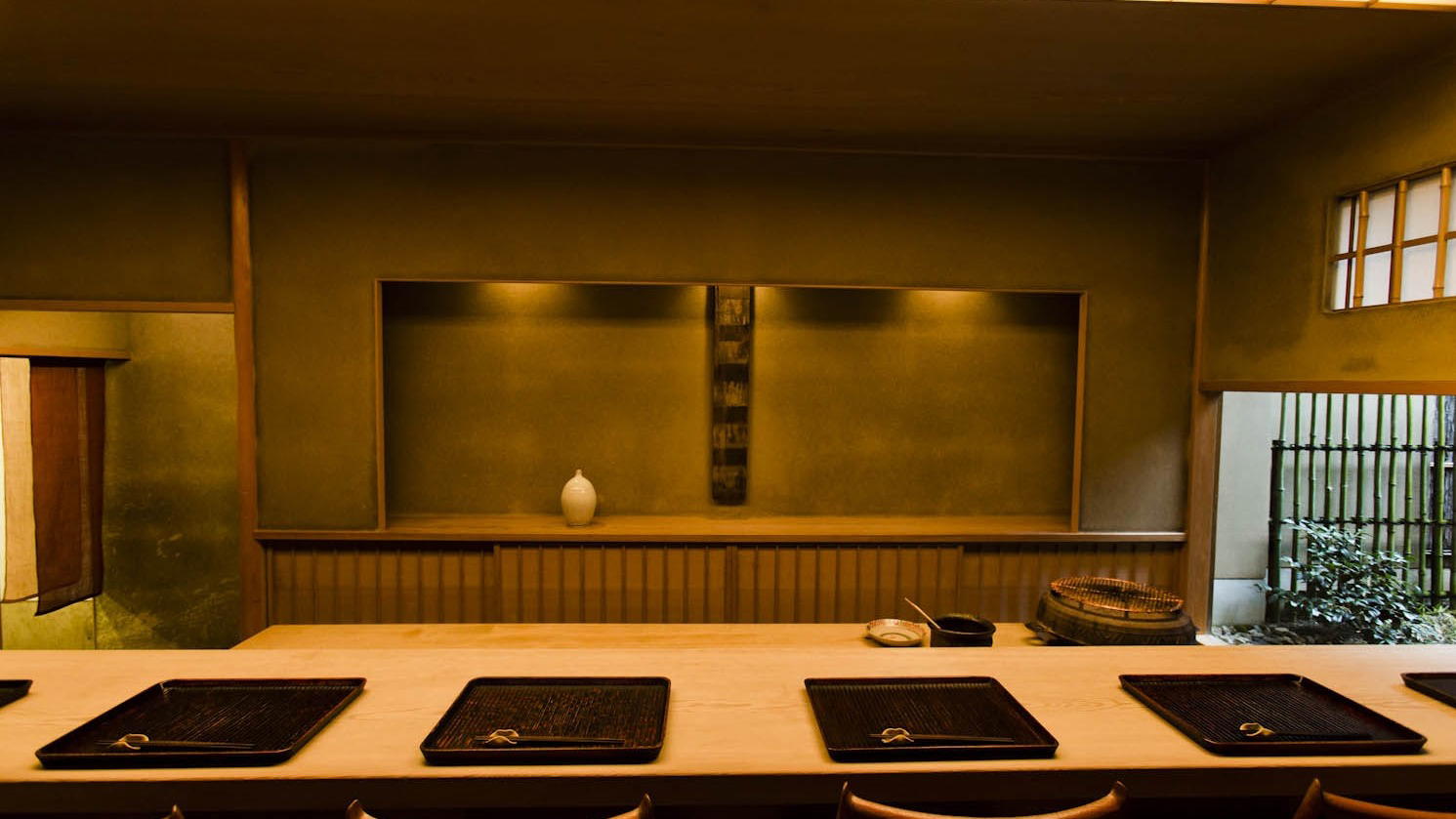
Bars in Kyoto
All bars in Kyoto →

Hotels in Kyoto
All hotels in Kyoto →
Wineries in Kyoto
Browse all →
Details
- Elegant
- Modern
- Intimate
- Sophisticated
- Date Night
- Special Occasion
- Celebration
- Private Dining
- Extensive Wine List
- Sake Program
- Local Sourcing
- Tasting Menu
- Wine
- Sake
- Vegetarian Friendly
- Vegan Options
Current opening hours
- Monday
- 6–11 PM
- Tuesday
- 6–11 PM
- Wednesday
- Closed
- Thursday
- 6–11 PM
- Friday
- 6–11 PM
- Saturday
- 6–11 PM
- Sunday
- 6–11 PM
Hours can change for holidays and private events. Hours as of .
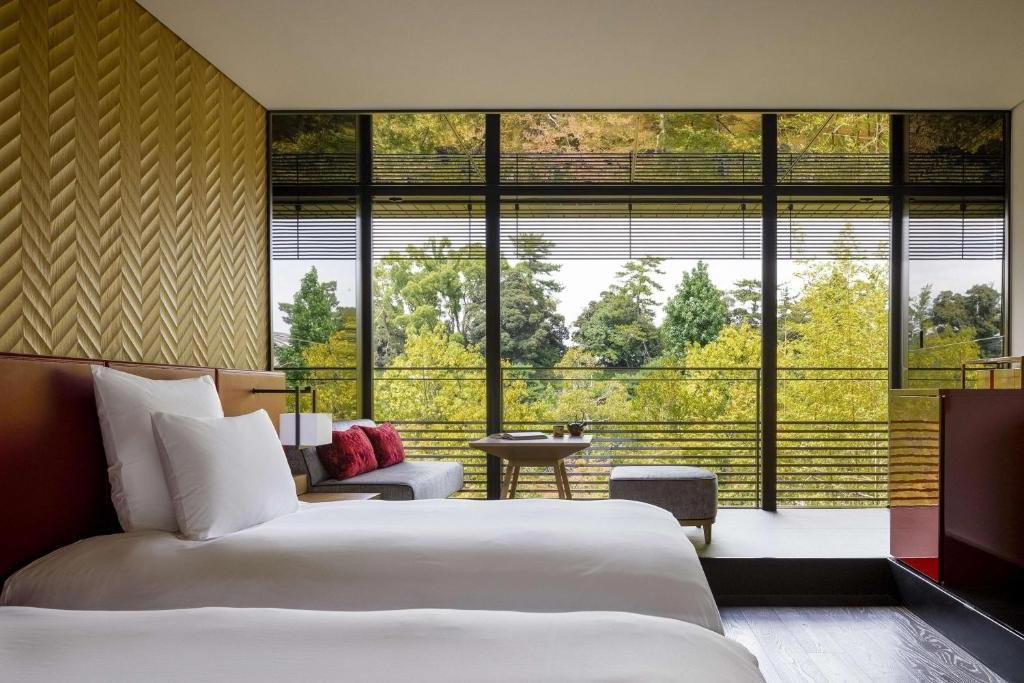
Elegant dining area with modern decor, warm and inviting atmosphere praised for its comfort and sophistication.