
1 Michelin Star
Our verdict
The kitchen works within the Japanese tasting format, progressing through seasonal courses in a district where multi-course precision is the competitive baseline, not a differentiator.

Pearl is the En Primeur Club membership app — saves, bookings, and concierge access live there. Same editors, same standards.
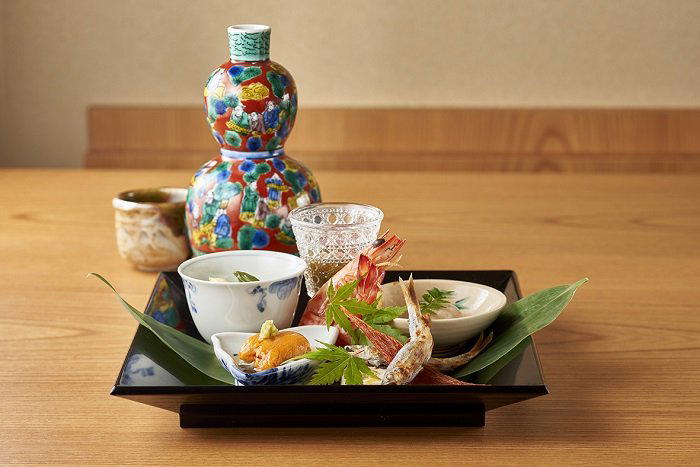
Ginza's Tasting Format and Where SHIGEMATSU Sits in It
Ginza has long operated as Tokyo's most demanding testing ground for multi-course Japanese dining. The district's leading addresses don't just serve food in sequence; they treat the arc of a meal as the primary creative act. A course arrives not because a timer has elapsed but because the previous dish has prepared the palate for what follows. That logic, inherited from kaiseki tradition, shapes how diners and critics assess every serious restaurant in this postcode. SHIGEMATSU, holding a 2024 Michelin star and positioned at ¥¥¥¥ pricing, occupies a tier where that sequencing is assumed and judged on its internal coherence rather than its mere existence.
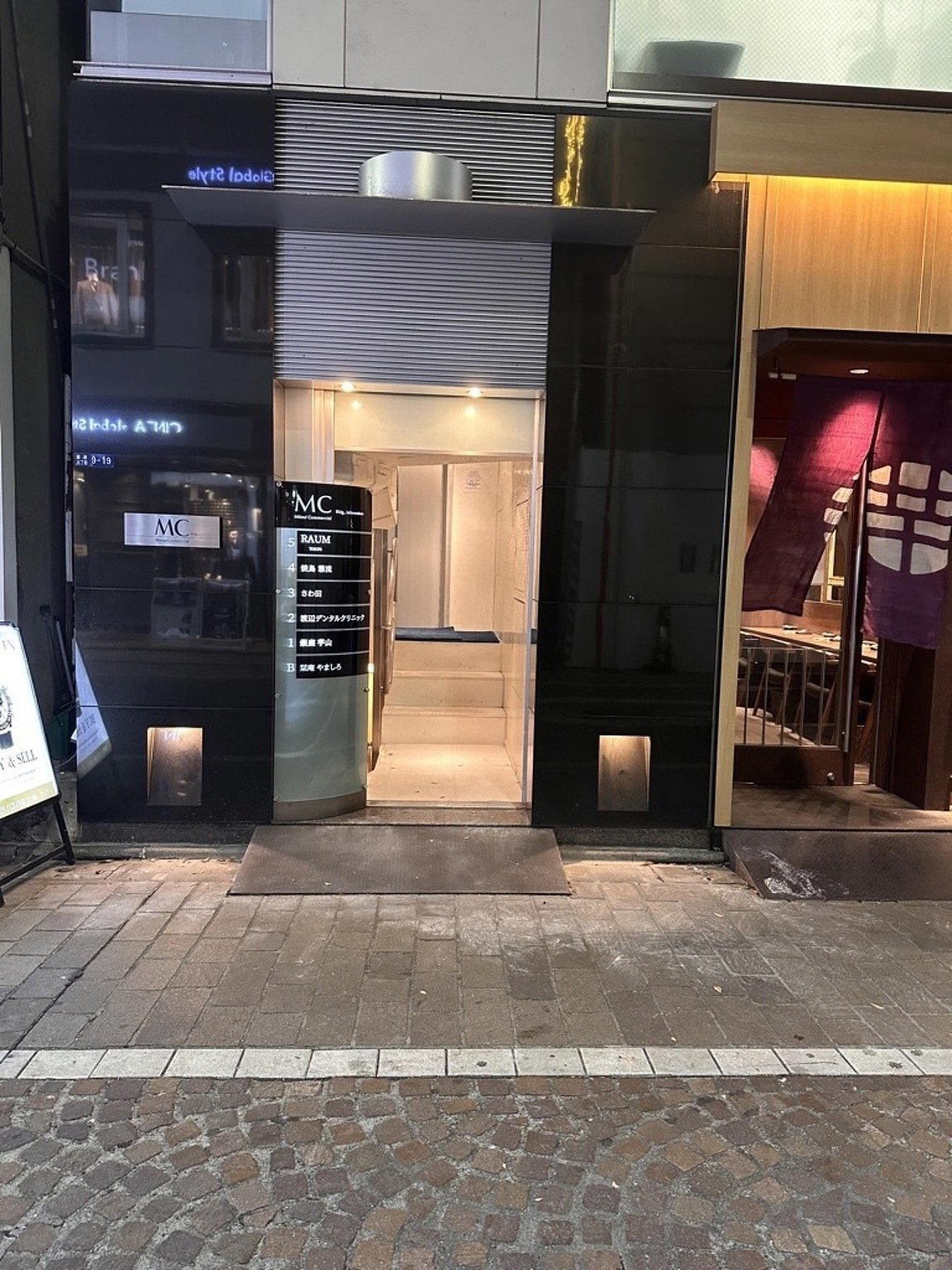
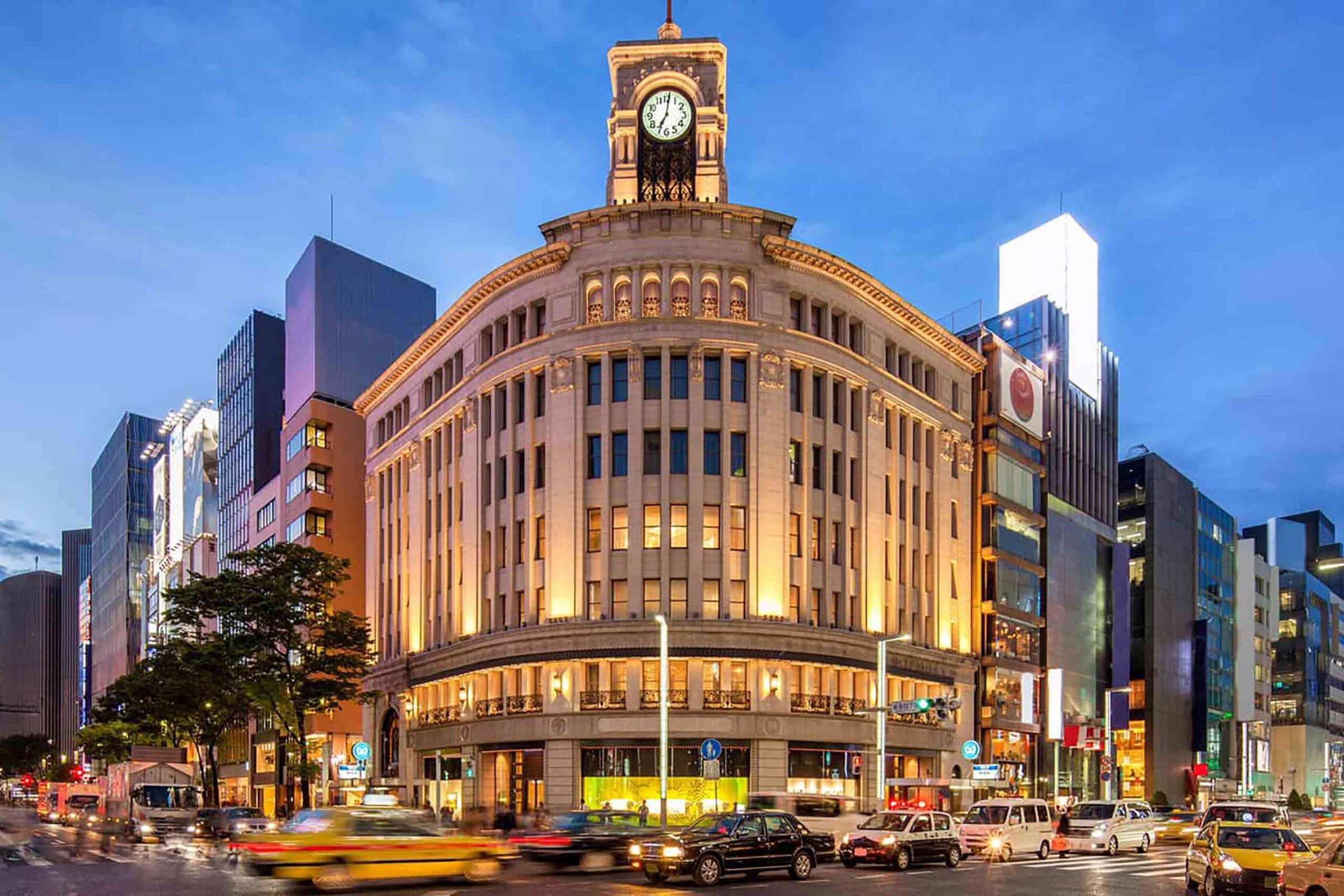
The restaurant sits on the fourth floor at 6-chome 5-6, within Ginza's gallery-and-craft corridor rather than its most trafficked retail stretch. That placement is characteristic of how serious Japanese tasting rooms tend to locate: close enough to draw from Ginza's concentration of high-spending diners, removed enough to function without the foot-traffic noise of the main boulevard. Comparable Ginza addresses — Ginza Fukuju among them — follow a similar spatial logic, treating accessibility as a design choice rather than a constraint.
The Architecture of a Japanese Tasting Progression
Within the kaiseki framework, a meal's persuasiveness depends on the transitions between its phases, not just the individual dishes. The opening sakizuke sets register and intention. What follows in the soup course either confirms or complicates that opening statement. A strong Japanese tasting menu uses each course to narrow the range of what can come next, building inevitability rather than surprise into its arc. At the ¥¥¥¥ level, where diners have comparative experience across Tokyo, Kyoto, and Osaka, that structural intelligence is what separates the consequential from the technically adequate.
SHIGEMATSU's Michelin recognition, awarded in the 2024 guide, signals that its progression meets the bar the Guide sets for single-star Japanese kitchens: seasonal sourcing that reflects the calendar with precision, technique that doesn't interrupt the ingredient's legibility, and a room-to-kitchen coherence that makes the experience feel composed rather than assembled. Michelin's Tokyo operation has consistently maintained one of the world's densest star populations, which means a single star here sits inside a competitive field that would earn higher recognition in most other cities.
Reading the Progression: From Opening to Close
In the kaiseki format, the first third of a meal establishes tempo. Japanese tasting kitchens at this level typically open with a sequence of smaller composed dishes, appetisers designed to demonstrate range before commitment, a seasonal vegetable preparation, perhaps something fermented or cured, a broth that signals how the kitchen reads the current month. These courses are intentionally understated; their purpose is calibration, not declaration. They tell an experienced diner which version of Japanese seasonality is being argued tonight.
The middle sequence bears the most weight structurally. This is where the kitchen commits: a grilled course, a simmered course, often a raw or lightly cured fish preparation that contrasts with the heat around it. At Ginza's competitive pricing band, these courses tend to be where ingredient sourcing becomes visible, where the provenance logic either holds or doesn't, where the relationship between fire, time, and texture becomes the argument rather than the garnish. Restaurants in this tier, including Myojaku and Azabu Kadowaki, each stake their claim to attention through how they handle this central structural weight.
The closing sequence in Japanese multi-course formats typically involves rice, pickles, and a dessert that steps outside the savoury logic of everything preceding it. These courses are often underestimated by diners more alert to the theatrical middle section, but they function as editorial conclusion: they determine whether the meal feels resolved or simply finished. A kitchen that understands this will calibrate its rice course with the same attention it gives its grilled fish. The distinction between a restaurant that sequences and one that merely presents shows most clearly here.
SHIGEMATSU in the Context of Tokyo's Kaiseki Map
Tokyo's Michelin-starred Japanese tasting rooms now number in the dozens, with concentration in Ginza, Minami-Aoyama, Azabu, and Kagurazaka. Each district carries a different inflection on the core tradition. Kagurazaka addresses like Kagurazaka Ishikawa tend to foreground the historic ryotei atmosphere of the neighbourhood, with wooden interiors that read as continuity arguments. Azabu venues position toward a more international clientele without abandoning technical Japanese rigour. Ginza kitchens, operating in a district with the city's highest commercial rents and most visually demanding audience, tend to present precision as a baseline expectation rather than a selling point.
Outside Tokyo, the kaiseki tradition deepens in Kyoto, where Gion Sasaki and Isshisoden Nakamura operate against a longer institutional backdrop. Osaka's version of the format, visible at Kashiwaya Osaka Senriyama and HAJIME, carries the city's characteristic appetite for technical ambition. SHIGEMATSU, sitting within Ginza's concentrated competitive set, is measured against its immediate neighbourhood peers rather than against the broader national tradition, but the national tradition provides the grammar from which all of them work.
For diners building a multi-city itinerary through Japan, the comparison extends further: akordu in Nara offers a European-Japanese hybrid that diverges from kaiseki convention, while Goh in Fukuoka draws on Kyushu's distinct ingredient vocabulary. Context like this clarifies what a Ginza address such as SHIGEMATSU is choosing to be: rooted in the Tokyo kaiseki tradition's particular version of precision, not a regional variation on it.
Also relevant for Tokyo planning: Jingumae Higuchi offers a contrasting take on seasonal Japanese in a different neighbourhood register, useful for diners who want to read how the same tradition is being argued across different postcodes.
Planning Your Visit
SHIGEMATSU is located at 6 Chome-5-6, Ginza, Chuo City, Tokyo 104-0061, fourth floor of the Ginza Bijutsukan Building. Budget: ¥¥¥¥ tier, consistent with the pricing band of single-to-three-star kaiseki addresses in central Tokyo. Reservations: Booking details are not publicly listed; at this level in Ginza, advance reservations are standard and typically require contact through the restaurant directly or via a hotel concierge with existing relationships. Dress: Not formally stated, but Ginza's dining culture at this price tier defaults to smart attire; casual dress would be anomalous. Timing: As with most kaiseki formats, seasonal shifts in the menu mean that a visit in late spring or autumn typically catches the ingredient calendar at its most legible, though winter brings its own argument around root vegetables, citrus, and warming preparations.
For broader Tokyo planning, EP Club's full guides are available: Tokyo restaurants, Tokyo hotels, Tokyo bars, Tokyo wineries, and Tokyo experiences. For Japan travel beyond Tokyo, 1000 in Yokohama and 6 in Okinawa extend the map in different directions.
What's the Signature Dish at SHIGEMATSU?
SHIGEMATSU operates within the kaiseki format, where the concept of a single signature dish is structurally at odds with the tradition. Kaiseki is defined by its seasonality and sequencing: the menu rotates with the calendar, and no single course is meant to dominate the narrative. The 2024 Michelin star signals that the kitchen's seasonal sourcing and multi-course coherence meet the Guide's standard for recognition at this tier. Diners looking for a fixed reference point should understand that the meal's architecture is the offering, not any individual plate. That said, the grilled course in a kaiseki progression typically carries the most structural weight and is where a kitchen's sourcing relationships become most apparent.suggests consistent execution across the full progression rather than a single memorable moment that papers over uneven cooking.
Frequently asked questions
Is SHIGEMATSU award-winning?
SHIGEMATSU has received recognition including: Michelin 1 Star (2024).
What's the signature dish at SHIGEMATSU?
Kaiseki by structure resists the single-dish concept: the format is a sequenced progression where each course derives meaning from what precedes and follows it. At SHIGEMATSU, a Michelin-starred address in Ginza's ¥¥¥¥ tier, the relevant question is how the full arc moves, not which plate to single out. Guests should approach the menu as a timed composition rather than a collection of individual dishes.
What price level is SHIGEMATSU?
Pricing at SHIGEMATSU is listed as ¥¥¥¥.
Accolades, Compared
Comparable options at a glance, pulled from our tracked venues.
| Venue | Cuisine | Price | Awards | Notes |
|---|---|---|---|---|
| SHIGEMATSUThis venue — the venue you are viewing | Creative Seasonal Japanese Fine Dining | $200–300 | 1 Michelin Star | Not listed |
| Harutaka | Edo-Style Omakase Sushi | $200–300 | 3 Michelin Stars · World's 50 Best #76 | Sushi |
| RyuGin | Modern Kaiseki | $500+ | 3 Michelin Stars · World's 50 Best #41 | Kaiseki, Japanese |
| L'Effervescence | Modern French with Japanese Influences | $200–300 | 3 Michelin Stars · World's 50 Best #69 | French |
| HOMMAGE | Modern French with Japanese Influences | $150–200 | 2 Michelin Stars · World's 50 Best #78 | Innovtive French, French |
| MAZ | Innovative Peruvian-Japanese Fusion | $150–200 | 2 Michelin Stars · World's 50 Best #28 | Innovative |
Recognition history
Dated appearances from independent guides and award organizations, with the underlying list record or original source where available.
Michelin 1 Star
Michelin
Continue exploring
More in Tokyo
Restaurants in Tokyo
All restaurants in Tokyo →
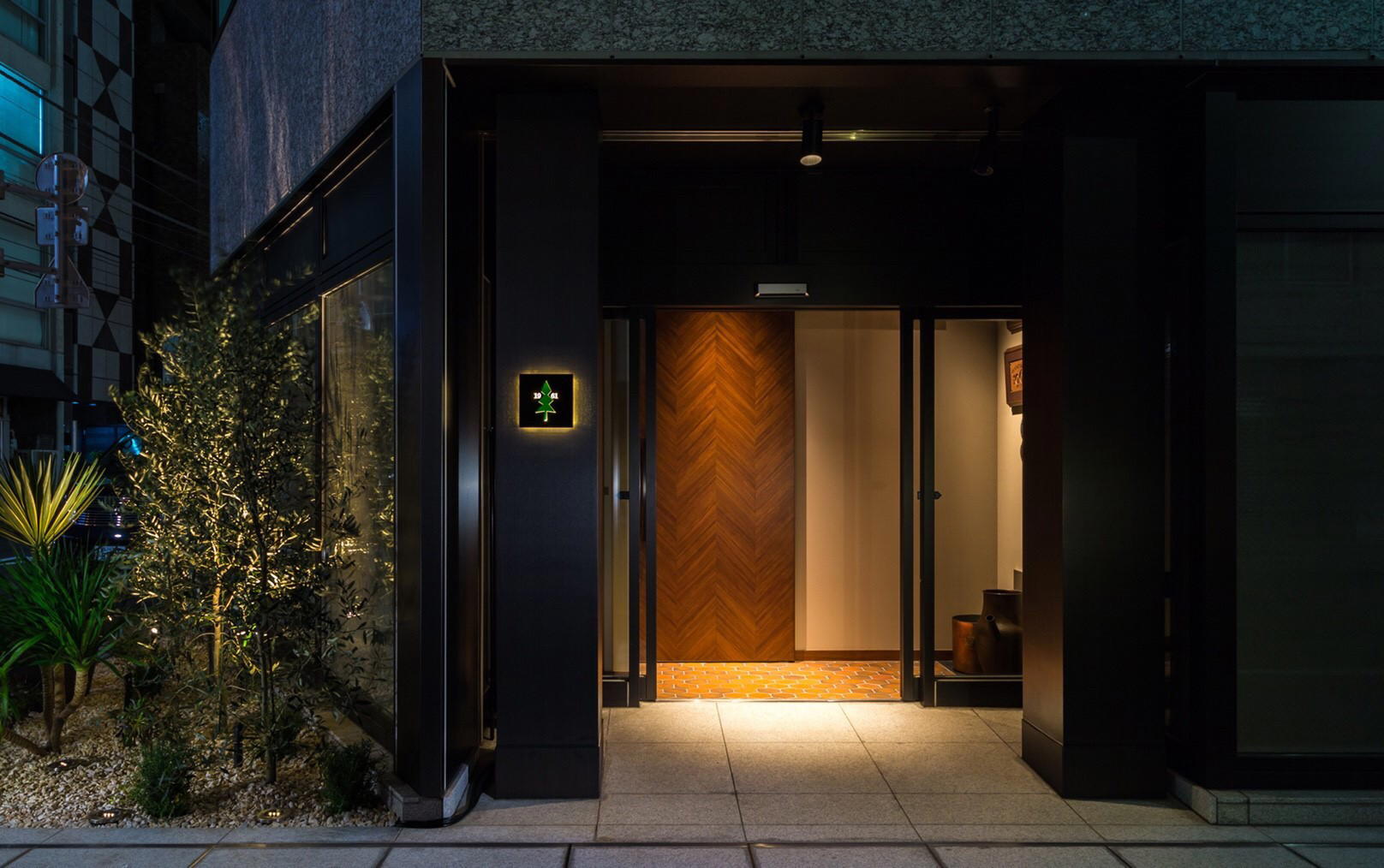
Bars in Tokyo
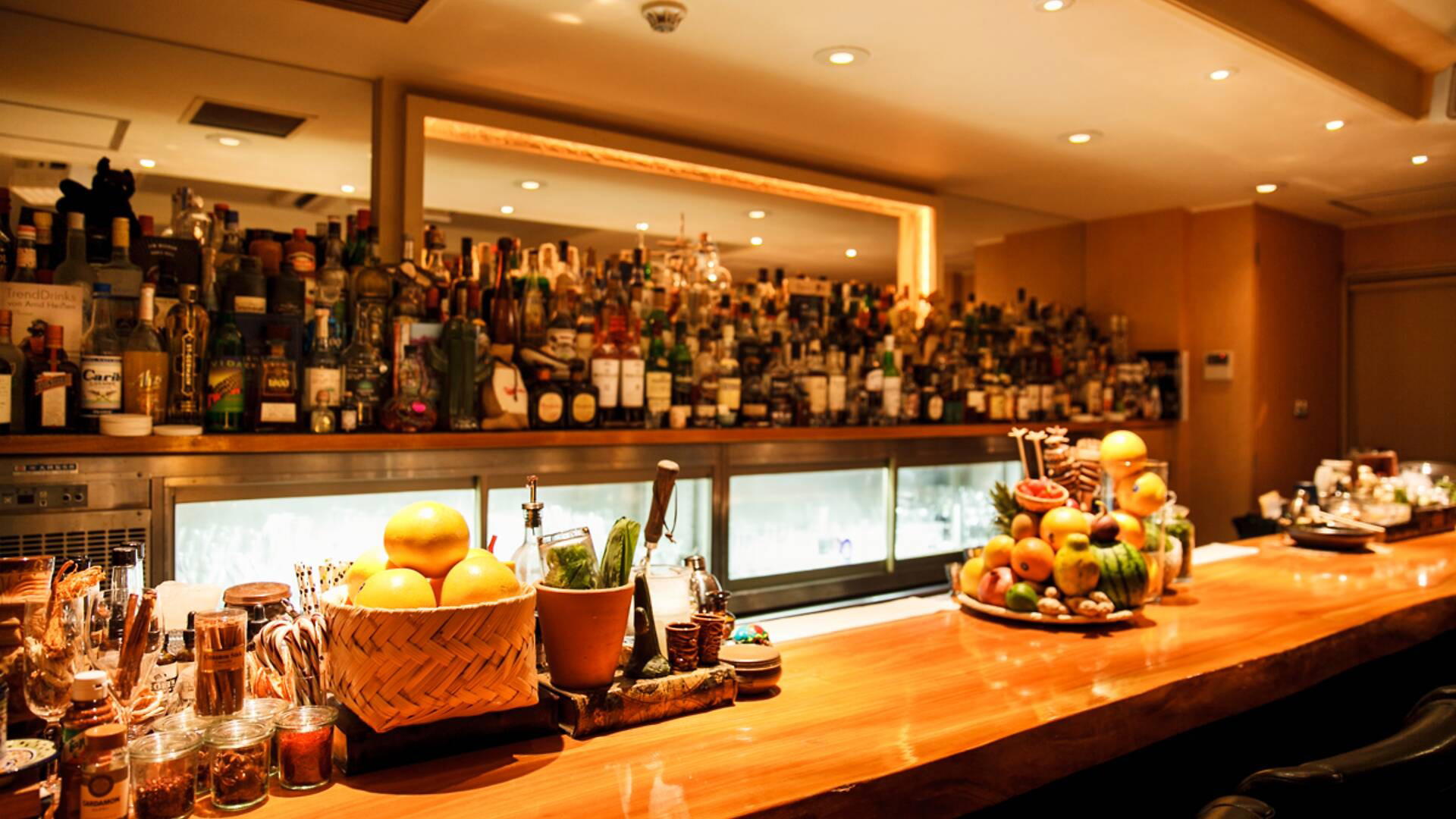
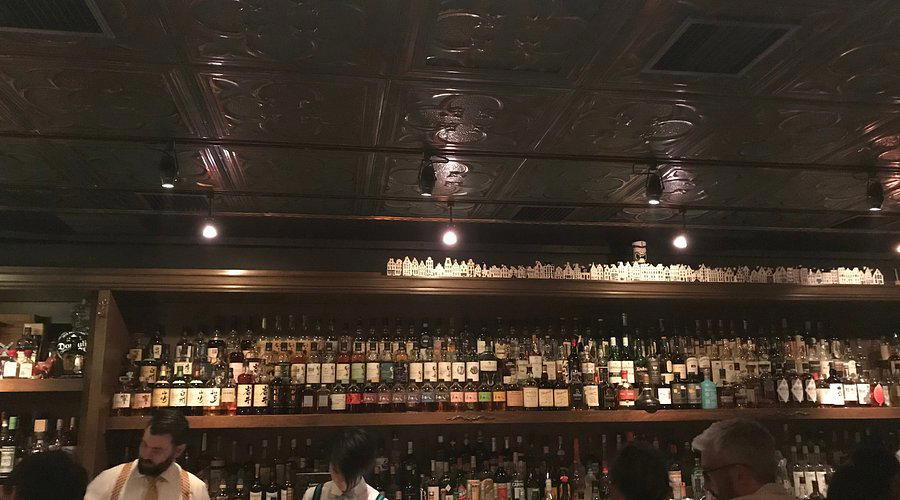
All bars in Tokyo →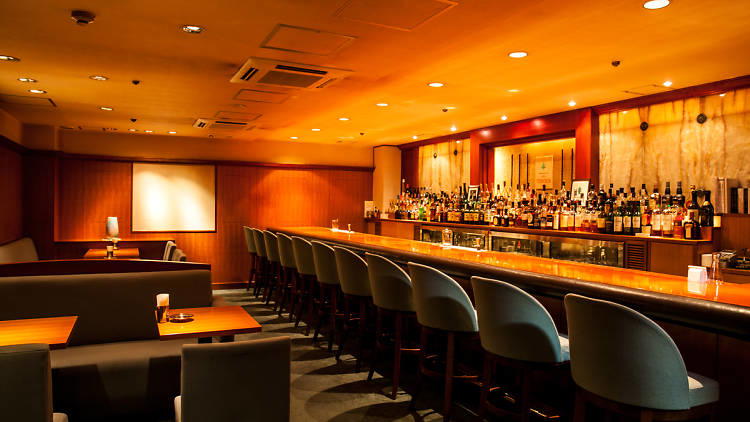

Details
- Intimate
- Quiet
- Elegant
- Sophisticated
- Special Occasion
- Date Night
- Business Dinner
- Celebration
- Private Event
- Chefs Counter
- Private Dining
- Standalone
- Sake Program
- Local Sourcing
- Counter Dining
- Set Menu
- Fukushima Sake
Current opening hours
- Monday
- 6–10 PM
- Tuesday
- 6–10 PM
- Wednesday
- 6–10 PM
- Thursday
- 6–10 PM
- Friday
- 6–10 PM
- Saturday
- 6–10 PM
- Sunday
- Closed
Hours can change for holidays and private events. Last verified .
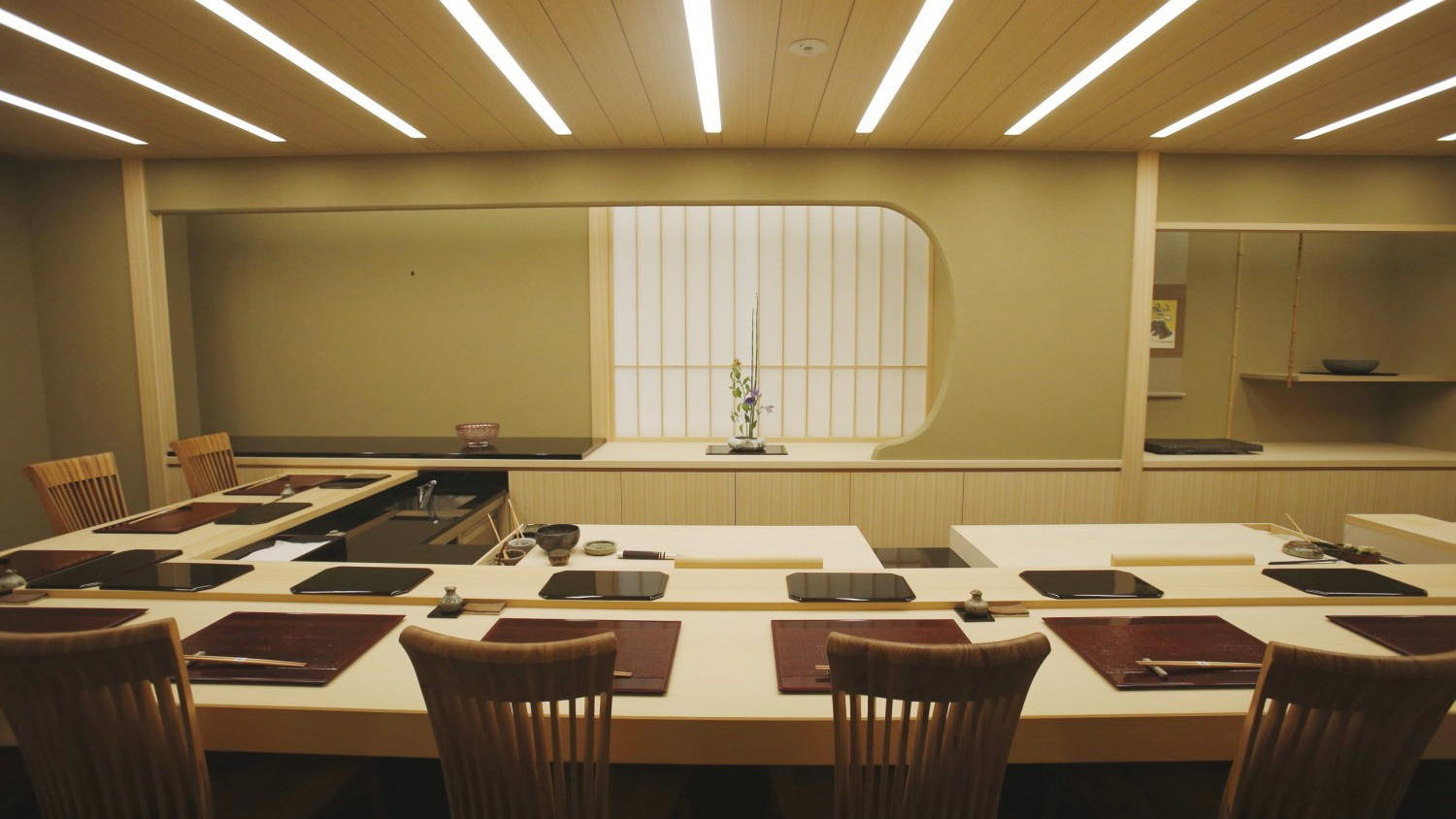
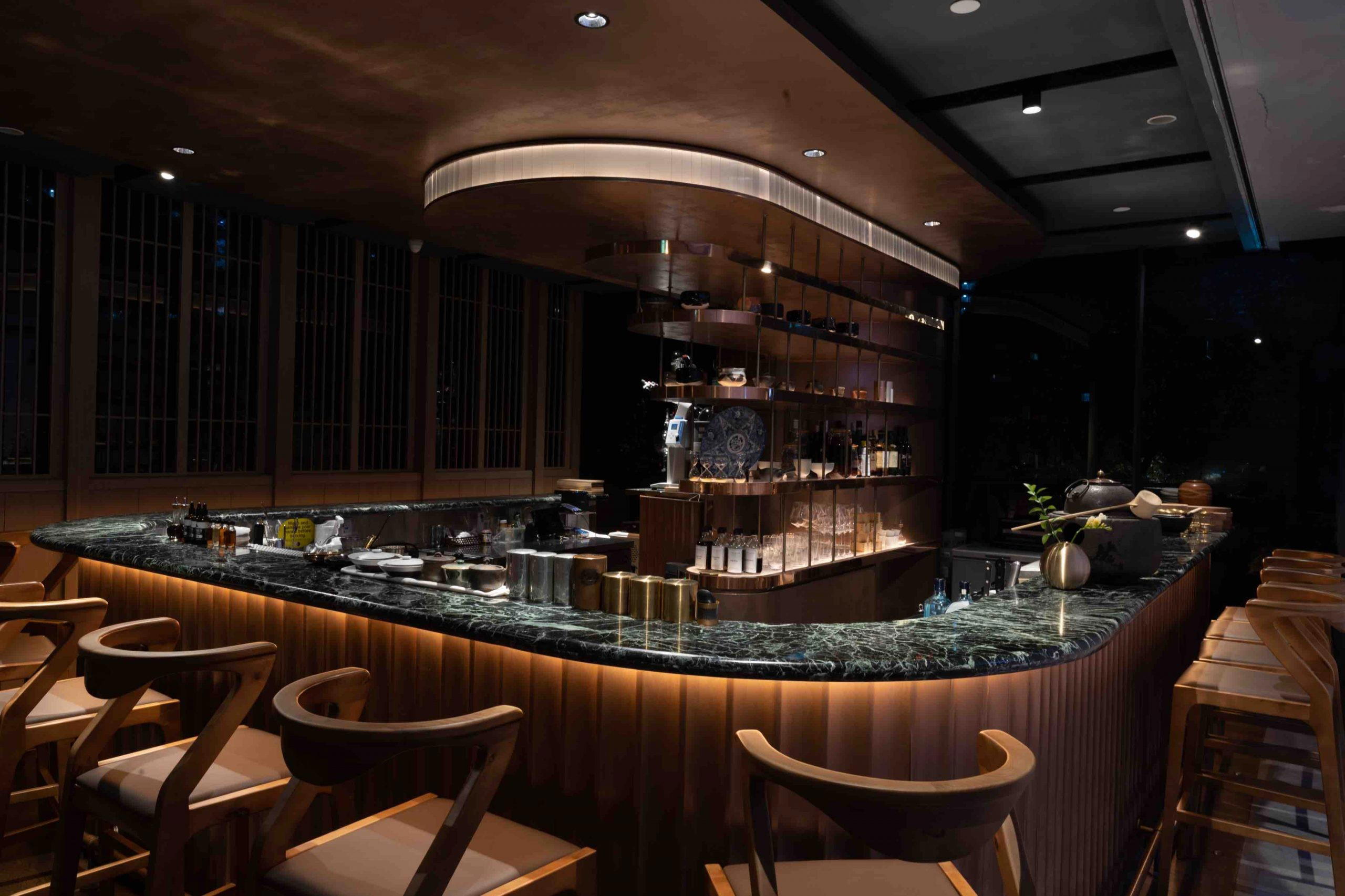
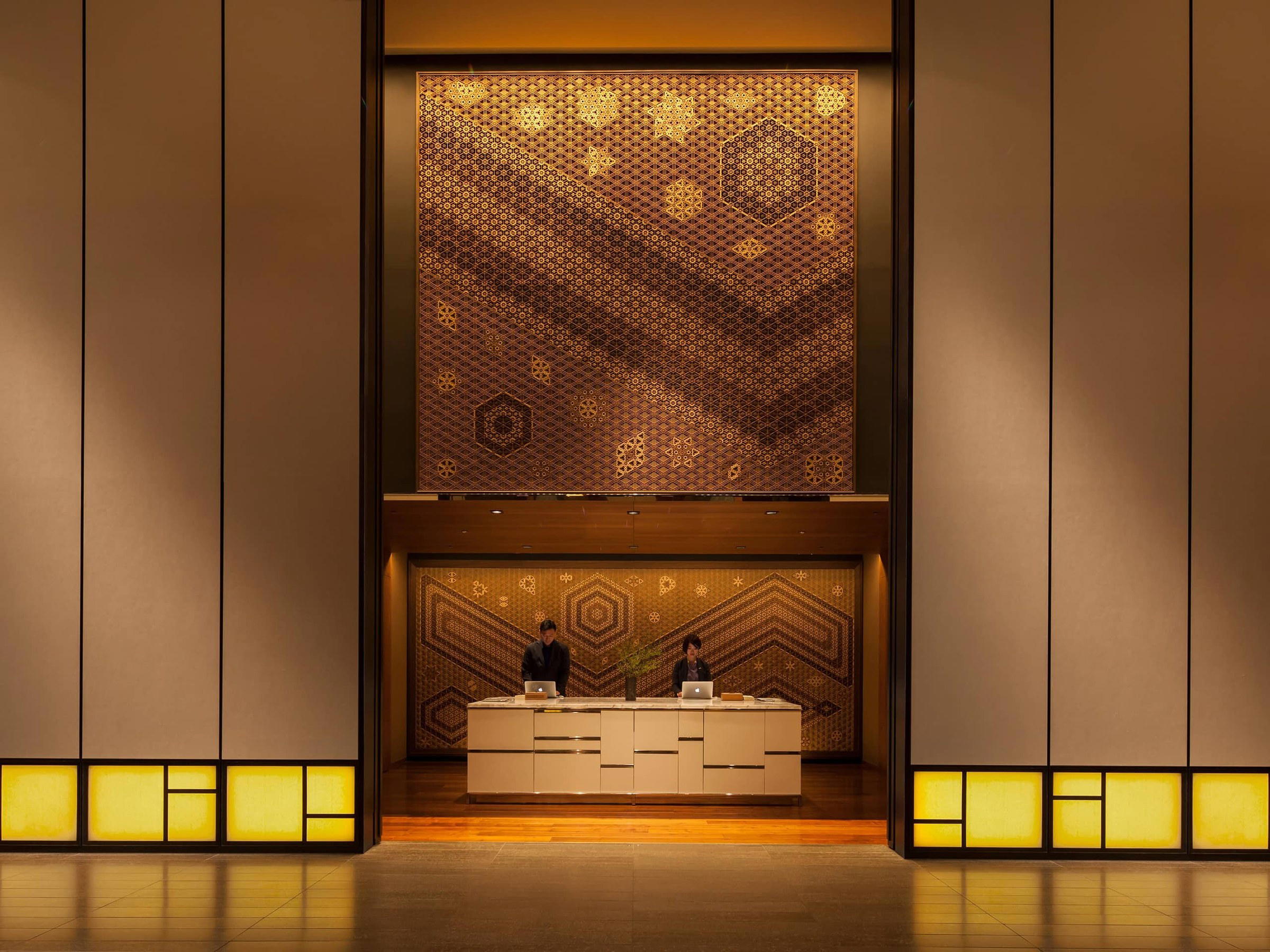
Serene, warm, and intimate, with a tucked-away fourth-floor setting designed around focused counter dining and conversation.