SHIA Restaurant



Washingtonian 100 Very Best Restaurants #37 · OpenTable Top 100 Restaurants · Esquire Best Martinis in America
Our verdict
SHIA operates at the intersection of Korean fine dining and applied sustainability research, running a tasting menu program from its Northeast D.C. address that has drawn national attention, including Esquire's 2025 Best Martinis in America recognition. The kitchen pursues active zero-gas, zero-plastic, and zero-waste protocols while framing Korean cuisine within a contemporary fine dining context, making it one of the capital's more methodologically serious tasting menu destinations.

Pearl is the En Primeur Club membership app, where members save venues, book tables and use the concierge.
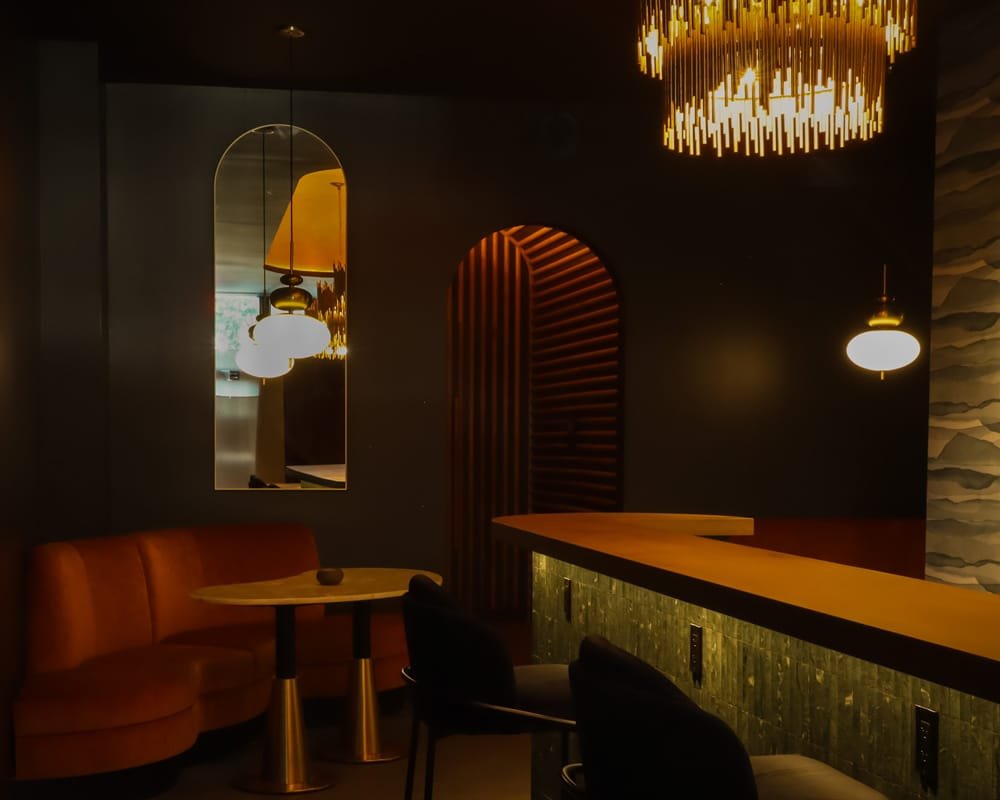
The menu
What to order
- Scallop and Fried Oyster Ssam
- Grilled Roseda Farms Strip Loin
Northeast D.C. and the New Fine Dining Address
Washington's fine dining geography has shifted. For a long time, the serious tasting menu restaurants clustered in Penn Quarter, downtown, and the upper Northwest corridors. NoMa and the broader Northeast quadrant were afterthoughts in that conversation. SHIA, at 1252 4th Street NE, is part of a smaller cohort of restaurants that have made Northeast D.C. a credible destination address, the kind of place where the walk from the Metro station is itself a signal that something deliberate is happening. The neighborhood is still industrial at its edges, with the Federal City logistics of Union Market nearby, which makes the transition into a composed, technically demanding tasting menu experience all the more pronounced. That contrast between exterior context and interior precision is not accidental, it describes a certain posture toward fine dining that several American restaurants have adopted over the last decade, from Lazy Bear in San Francisco to Alinea in Chicago: the idea that the setting should not do the signaling for you.
Korean Fine Dining in an American Capital
The positioning of Korean cuisine within the American fine dining tier has been uneven. New York has moved furthest along that trajectory, with Atomix in New York City representing the clearest example of Korean cuisine treated as an equal participant in the global tasting menu conversation. Washington has been slower to develop that tier. SHIA arrives as a statement that D.C. is now part of it. The restaurant frames Korean culinary tradition not as a novelty angle inside a broader fusion format but as the structural logic of the menu itself. That distinction matters. The approach is closer in spirit to what Jônt does for Modern French in D.C., a cuisine treated with enough seriousness that technique and sourcing become inseparable from identity, than to the kind of Korean-inflected menus that use gochujang as an accent note in an otherwise European framework.
The tasting menu format at SHIA is not merely a delivery mechanism for the food; it is the method by which the restaurant controls the full sensory sequence of the meal. Fixed progression, controlled pacing, and the absence of à la carte alternatives all concentrate the diner's attention in a way that differs materially from ordering off a menu. That format has become the dominant structure for this tier of American dining, shared by restaurants as varied as The French Laundry in Napa, Single Thread Farm in Healdsburg, and minibar here in D.C. itself. Within that format, each course is an argument about what Korean cuisine can do when it operates without apology at this price tier.
Sustainability as Method, Not Marketing
D.C.'s fine dining scene has produced several restaurants that put sustainability at the center of their operational model rather than as a footnote in the press materials. Oyster Oyster built its New American vegetarian program around provenance and ecological sourcing with enough rigor to earn serious critical attention. SHIA operates from a different starting point but with comparable methodological seriousness: the restaurant conducts on-site research to develop zero-gas, zero-plastic, and zero-waste solutions, specifically framed as viable models for the broader hospitality industry. This is not a passive commitment to local sourcing or a general declaration of environmental awareness. It is a working laboratory inside a fine dining restaurant, which is a structurally different proposition.
The distinction between performative sustainability and operational sustainability is one that separates restaurants in this category more than most diners realize. Performative sustainability shows up in menu language: heritage breed pork, hand-foraged mushrooms, regenerative farms. Operational sustainability changes how a kitchen is built, what equipment it runs, how waste is processed at every stage of service. SHIA's published commitments, zero-gas, zero-plastic, zero-waste, describe infrastructure and process, not just procurement. That places it in a smaller peer group nationally, more aligned with the research-oriented model that restaurants like Le Bernardin in New York City and Emeril's in New Orleans have applied to different aspects of kitchen operation over long institutional histories.
The Martini Recognition and What It Signals
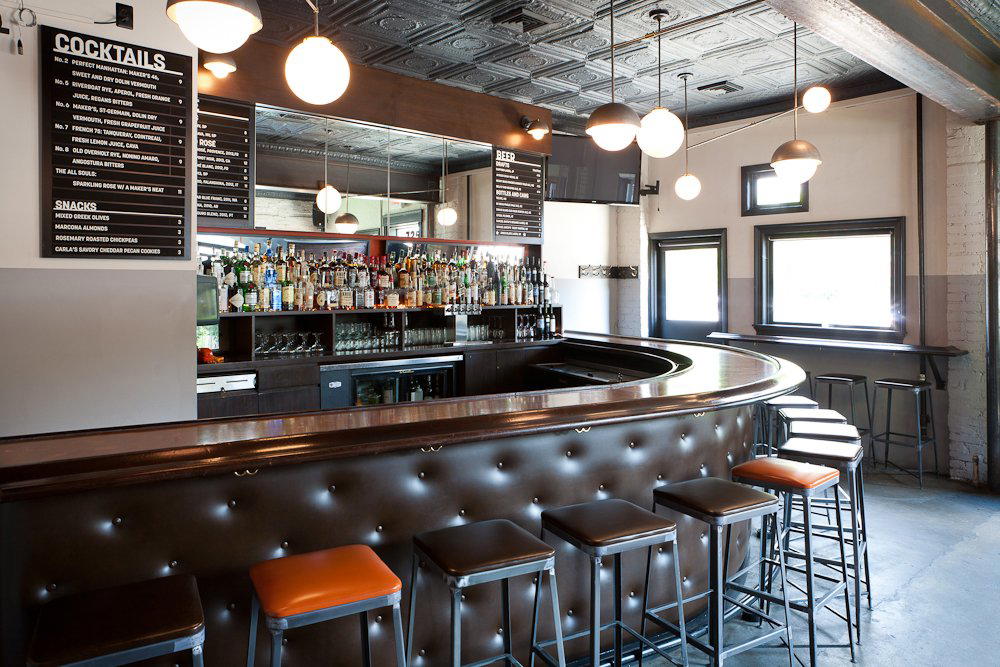
Esquire's 2025 Best Martinis in America citation is not the kind of award that typically appears in a Korean fine dining restaurant's record. It is, however, telling. A martini program at a tasting menu restaurant signals that the bar component is developed with enough independence and discipline to be evaluated separately from the food. In most serious tasting menu contexts, the drinks program functions in service of the kitchen: wine pairings selected to frame each course, cocktails as aperitifs that set a mood before the sequence begins. A martini program significant enough to earn national editorial recognition from a publication like Esquire suggests something more deliberate: a bar identity that stands alongside the kitchen rather than behind it. That dual identity, a tasting menu restaurant where the bar is also a serious destination, is relatively rare. D.C.'s cocktail scene has developed considerable depth in recent years, and SHIA's recognition within that conversation, rather than solely within the food conversation, says something about the restaurant's ambition across the full span of a guest's experience. For more on D.C.'s bar scene, see our full Washington, D.C. bars guide.
How SHIA Sits in D.C.'s Fine Dining Tier
Washington's premium tasting menu restaurants now form a coherent competitive set. Causa operates a Peruvian tasting menu program that has attracted the same kind of serious critical interest as SHIA. Albi brings a wood-fired Middle Eastern sensibility to the same price tier. Jônt applies a Modern French and contemporary framework with full tasting menu commitment. These restaurants share a format, fixed menu, evening-only or near-evening-only service, high technique, but differ sharply in culinary tradition, sourcing philosophy, and the secondary programs that distinguish them. For readers planning a broader D.C. dining itinerary, the full context is in our full Washington, D.C. restaurants guide.
| Venue | Cuisine | Format | Price Tier | Notable Recognition |
|---|---|---|---|---|
| SHIA | Modern Korean | Tasting menu only | $$$$ | Esquire Leading Martinis 2025 |
| Jônt | Modern French / Contemporary | Tasting menu only | $$$$ | Michelin-recognized |
| Causa | Peruvian | Tasting menu | $$$$ | Critical recognition |
| Albi | Middle Eastern | À la carte / sharing | $$$$ | James Beard nominated |
| Oyster Oyster | New American / Vegetarian | Tasting menu / à la carte | $$$ | Sustainable sourcing focus |
Planning Your Visit
SHIA is located at 1252 4th Street NE, Washington, DC 20002, in the NoMa neighborhood, accessible from the NoMa-Gallaudet U Metro station on the Red Line. As a tasting menu restaurant with a sustainability research component, the operational model differs from standard reservation-and-walk-in formats, advance booking is the expected approach. Given the restaurant's growing national profile following the Esquire 2025 recognition, demand is likely to outpace availability at the most sought-after sittings. Book ahead wherever possible and check directly with the restaurant for current availability and seasonal menu timing. For adjacent planning, see our full Washington, D.C. hotels guide, our full Washington, D.C. wineries guide, and our full Washington, D.C. experiences guide.
Frequently asked questions
What's the address for SHIA Restaurant?
SHIA Restaurant is located at 1252 4th St NE, Washington, DC 20002, Washington, D.C.
Is SHIA Restaurant Michelin-listed?
SHIA Restaurant has received recognition including: SHIA is a modern Korean fine dining restaurant in Washington D.C. built on three core commitments: sustainable practices, innovative culinary education, and the elevation of Korean cuisine. It is a tasting menu only restaurant that conduct….
What do people recommend at SHIA Restaurant?
SHIA runs a tasting menu only format, meaning the kitchen sets the full sequence rather than offering à la carte selection. The program is built around modern Korean cuisine developed through on-site culinary research. Notably, Esquire named SHIA among its Best Martinis in America for 2025, a rare crossover recognition for a Korean fine dining kitchen that signals the bar program is worth attention alongside the food.
How hard is it to get a table at SHIA Restaurant?
SHIA's tasting menu format fixes the number of covers per service, and national press including Esquire's 2025 recognition has increased demand. Tasting menu restaurants at this tier in Washington D.C. typically require advance reservations of several weeks, and SHIA's NoMa location at 1252 4th Street NE places it outside the downtown cluster, which means guests plan their visit deliberately rather than walking in.
Nearby-ish Comparables
A quick peer reference to anchor this venue in its category.
| Venue | Cuisine | Price | Awards | Notes |
|---|---|---|---|---|
| SHIA RestaurantThis venue (the venue you are viewing) | Modern Korean Fine Dining | $150–200 | Washingtonian 100 Very Best Restaurants #37 · OpenTable Top 100 Restaurants | Not listed |
| Albi | Modern Levantine Fine Dining | $300–500 | 1 Michelin Star · World's 50 Best #6 | United States, Middle Eastern |
| Causa | Modern Peruvian Fine Dining | $150–200 | 1 Michelin Star · James Beard Award Best Chef: Mid-Atlantic | Peruvian |
| Oyster Oyster | Modern Vegetable-Focused Tasting Menu | Not listed | 1 Michelin Star · James Beard Award Outstanding Chef #1 | New American, Vegetarian, Vegetarian (Sustainable) |
| Bresca | Modern French Bistronomy | $150–200 | 1 Michelin Star · James Beard Award Semi Finalist | Modern French, Contemporary |
| Gravitas | Modern American Fine Dining | $150–200 | 1 Michelin Star | New American, Contemporary |
Recognition history
Dated appearances from independent guides and award organizations, with the underlying list record or original source where available.
Washingtonian 100 Very Best Restaurants #37
Washingtonian
Esquire Best Martinis in America
Esquire
OpenTable Top 100 Restaurants
OpenTable