Hong Kong's kakigori scene has a quiet but committed following, and Shari Shari Kakigori House sits at its specialist end, a dedicated shaved-ice destination in a city that otherwise leans toward roast meats, dim sum, and high-end tasting menus. The format is Japanese in origin, Hong Kong in execution, and worth planning around during the city's humid summer months.
Pearl is the En Primeur Club membership app — saves, bookings, and concierge access live there. Same editors, same standards.
- Address
- Hong Kong, Hong Kong
- Directions
- Get directions
 Saves & bookings on Pearl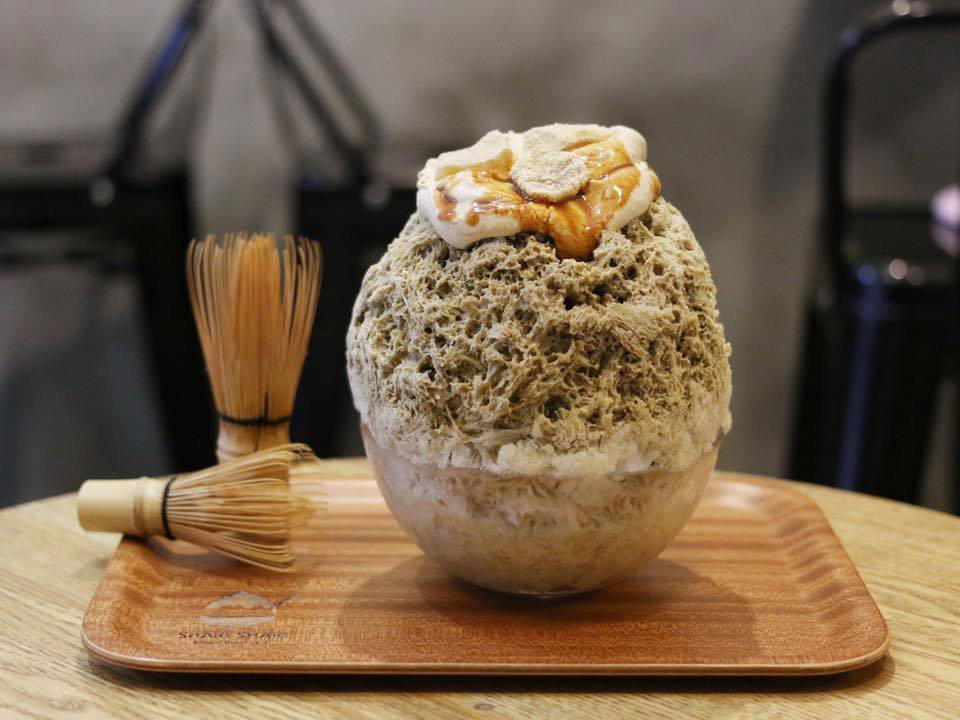
Shaved Ice, Serious Intent: Hong Kong's Kakigori Specialist
Hong Kong runs hot for roughly eight months of the year, and the city's response to that humidity has always been theatrical: rooftop bars, ice-cold beer towers, and a long tradition of tong sui, sweet soups and cold desserts served from street-level shops across Kowloon and the Island. Against that backdrop, the Japanese kakigori format, ultra-fine shaved ice flavoured with syrups and layered toppings, arrived in the city as something categorically different. It is slower, more considered, and built around a single product prepared with a precision that closer resembles a pastry kitchen than a dessert stall. Shari Shari Kakigori House operates squarely in that specialist tier. It is a Hong Kong restaurant serving Japanese Kakigori Shaved Ice, with a casual dress code and a walk-in-friendly policy.
The broader kakigori revival in Asia tracks a wider trend: Japanese food culture, already dominant in Hong Kong across ramen, sushi, and wagyu, has increasingly exported its dessert vocabulary too. Kakigori, once confined to summer festival stalls in Japan, has found permanent homes in cities from Bangkok to Taipei to Hong Kong, where year-round warmth provides a more commercially reliable context than Japan's short summer window. Shari Shari entered this space as one of the format's dedicated advocates in the city, a venue oriented entirely around the shaved-ice category rather than folding it into a broader menu.
What the Format Demands
Kakigori is deceptively technical. The quality of the ice, how finely it is shaved, what mineral content the water carries, how cold the serving vessel is kept, determines whether the result is ethereal or merely cold. Done well, the ice dissolves almost without chewing, absorbing syrup in layers rather than pooling at the bottom of the bowl. Done poorly, it is just a granita in a ceramic dish. The gap between the two is wider than it appears from the outside, which is why dedicated kakigori houses tend to develop loyal audiences quickly: once you have had the calibrated version, the approximation is hard to accept.
In Hong Kong, this specificity sits alongside a city that already demands high standards from its food culture. A population accustomed to the precision of Cantonese cooking, where the freshness of ingredients and the control of heat are treated as non-negotiable, is not a forgiving audience for technical sloppiness in any format. That cultural baseline partly explains why specialist dessert formats have taken hold here more firmly than in comparable Southeast Asian cities.
Placing Shari Shari in Hong Kong's Wider Dessert and Dining Map
Hong Kong's fine dining tier is anchored by a well-documented set of Michelin-recognised restaurants: Amber and Caprice in French contemporary, 8 1/2 Otto e Mezzo Bombana in Italian, Ta Vie at the Japanese-French intersection, and Forum in classical Cantonese. Shari Shari occupies a different register entirely, not a competitor to tasting-menu formats, but a specialist within the city's dessert and casual dining ecosystem. Shari Shari occupies a different register entirely, not a competitor to tasting-menu formats, but a specialist within the city's dessert and casual dining ecosystem. Its comparable set is other single-focus dessert destinations, not the Michelin circuit.
That positioning matters for how you plan a visit. Kakigori houses operate differently from restaurants: they often have limited seating, short waits that can stretch unexpectedly during peak summer afternoons, and a menu structured around variations on a single format rather than multiple courses. In Hong Kong's dense food culture, where options at every price point are within walking distance of each other, specialist venues like this earn their place by doing one thing better than anyone else in the category, not by offering breadth.
The city's dessert culture is rich enough to support this kind of specialisation. Beyond kakigori, Hong Kong maintains strong traditions in egg waffles, mango desserts, and the tong sui canon, represented across the city from Yau Tsim Mong venues like Coconut Soup to neighbourhood spots further afield. Further out, the New Territories offer their own distinct dining registers, from Hoi Tin Garden in Tuen Mun to One-ThirtyOne in Tai Po. The city's appetite for specificity, for places that commit to a format and execute it at a high level, runs across all of these categories.
Planning Your Visit: What to Know Before You Go
Kakigori is a seasonal format in its Japanese homeland, peaking from June through August when the heat creates genuine demand. In Hong Kong, the heat extends long enough to sustain year-round trade, but the optimal window for visiting a kakigori specialist still aligns with the humid summer months, roughly May through September, when the contrast between outdoor temperatures and the cold, dissolving ice is at its most compelling. Visiting outside that window is still worthwhile, but the experience has less urgency in November or February when the city cools.
Shari Shari Kakigori House is walk-in friendly, so weekday visits and off-peak hours are the easiest way to avoid a wait.
For visitors building a broader Hong Kong itinerary, kakigori works naturally as a standalone stop between lunch and dinner, or as a late-afternoon pause. The broader restaurant ecosystem around it, from Gaia in Central and Western to more local-facing spots across the city, gives enough variety that Shari Shari slots into a day rather than anchoring one. For travellers interested in how Hong Kong's food culture extends beyond the central neighbourhoods, venues like Lei Garden in Sha Tin, King Of Soybeans in Wong Tai Sin, and Habib's in Kwun Tong map the city's genuine range.
Shari Shari Kakigori House is walk-in friendly, so arriving with some knowledge of the format and a little patience is usually enough.
Comparable Venues
Comparable venues nearby, for context on price, style, and recognition.
| Venue | Cuisine | Price | Notes |
|---|---|---|---|
| Shari Shari Kakigori HouseThis venue — the venue you are viewing | Japanese Kakigori Shaved Ice | $$ | Not listed |
| Butao | Hakata-style tonkotsu ramen shop | $$ | Central |
| Birdie | Traditional Japanese Yakitori | $$$ | Central |
| Ramen Jo | Authentic Japanese Ramen | $$ | Wan Chai |
| Torikaze | Omakase Yakitori Counter | $$$$ | Central |
| Chili Club | Authentic Thai | $$ | Wan Chai |
Continue exploring
More in Hong Kong
Restaurants in Hong Kong
Browse all →
Bars in Hong Kong
Browse all →



At a Glance
- Minimalist
- Cozy
- Trendy
- Casual Hangout
- Date Night
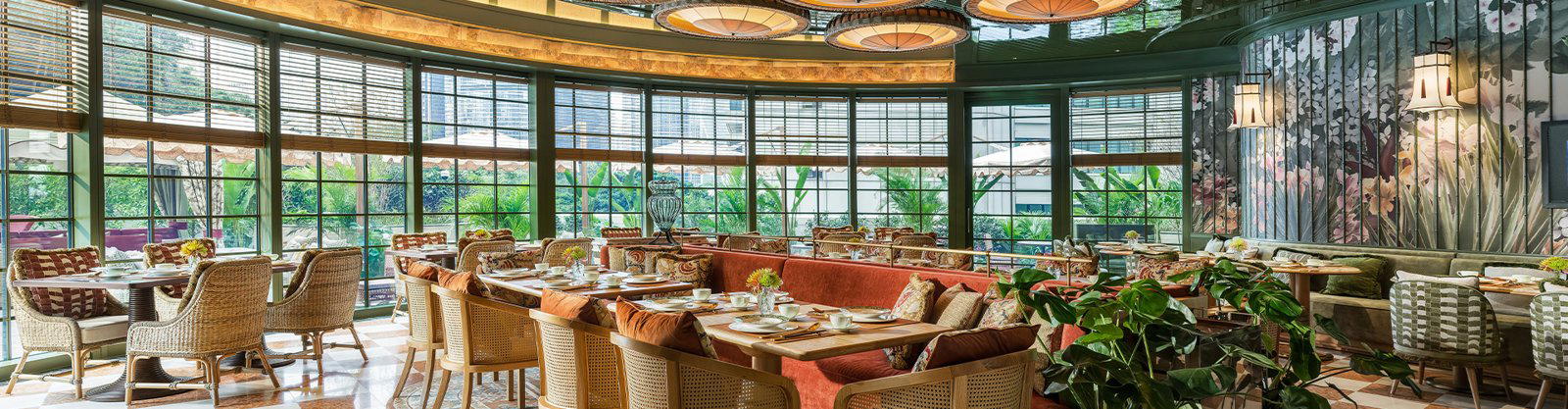
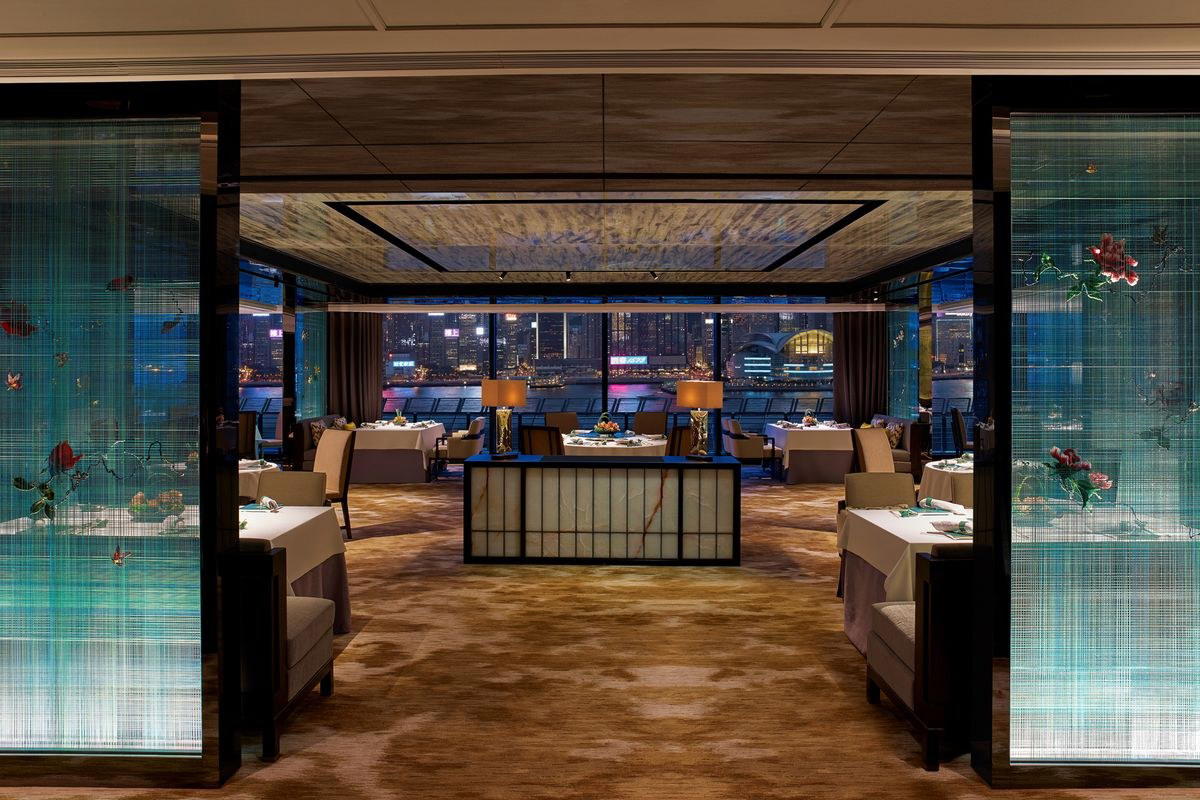
Japanese minimalist style with simple wooden interior, cozy and intimate atmosphere.