Shampan Westerham
Our verdict
Shampan Westerham occupies a characterful address on Grays Road in the Kent market town of Westerham, placing South Asian cooking within a county better known for its hop gardens and country gastropubs. The setting positions it as a counterpoint to the rural English dining mainstream, drawing on a tradition of Indian restaurant culture that has long taken root in market towns across the South East.

Pearl is the En Primeur Club membership app — saves, bookings, and concierge access live there. Same editors, same standards.
- Address
- The Spinning Wheel, Grays Rd, Westerham TN16 2HX, United Kingdom
- Phone
- +441959572622
- Hours
- Mon–Thu 12–2:30 PM, 5–10:30 PMFri–Sat 12–2:30 PM, 5–11 PMSun 12–10 PM
- Website
- shampangroup.co.uk
- Directions
- Get directions
- Booking
- Book on OpenTable
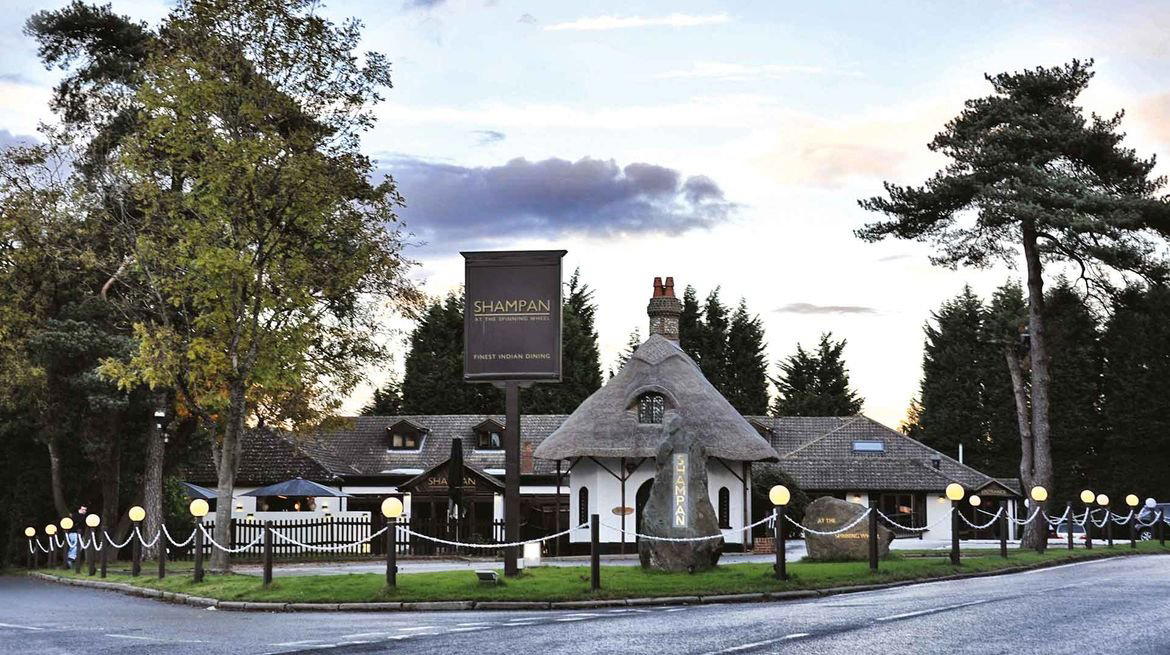
Where Kent's Market Town Character Meets South Asian Cooking
Westerham sits at the western edge of Kent, close enough to the M25 to pull a London-proximate crowd, yet firmly anchored in the rhythms of a small English market town. The high street trades in antique shops, country pubs, and the kind of Georgian architecture that makes the surrounding commuter villages feel like a preserved exhibit. It is into this setting that Shampan Westerham arrives on Grays Road, at an address called The Spinning Wheel, bringing South Asian cooking to a town whose dining identity has historically centred on the gastropub and the country inn.
That juxtaposition is not unusual in the South East. Indian restaurants have been embedded in English market towns since the 1970s, and in counties like Kent and Surrey they occupy a specific cultural role: the dependable neighbourhood option that outlasts trends, sustains regulars across decades, and competes not with the fine dining room but with the local pub kitchen. Shampan belongs to that category of restaurant, and understanding it means understanding the tradition it sits within, rather than measuring it against the Michelin-starred rural houses that define a different tier of British dining.
The Ingredient Question in Regional South Asian Cooking
South Asian restaurants in English market towns have long operated at a distance from the sourcing conversations that animate urban Indian cooking. London restaurants like Opheem in Birmingham have built serious reputations partly by articulating where their produce comes from and how regional Indian culinary traditions inform the plate. In the market town context, that conversation is rarer, and the expectation from the local diner is different: consistency of flavour, familiarity of format, and a menu that reflects the broad sweep of subcontinental cooking rather than a single regional tradition.
Kent itself offers an interesting ingredient backdrop. The county's agricultural identity, built around soft fruit, hops, and market garden vegetables, creates at least the possibility of local sourcing for restaurants willing to pursue it.
The tradition of South Asian cooking in Britain has also shifted in its relationship to spice sourcing. Whole spices, ground in house, bought from specialist importers, or sourced from specific growing regions in India, Sri Lanka, or East Africa, carry flavour profiles that pre-mixed powders cannot replicate. The degree to which any restaurant commits to that supply chain is often invisible to the diner but audible in the food. It is the kind of detail that separates a kitchen operating on thin margins from one making a longer-term investment in quality.
The Setting and What It Signals
The Spinning Wheel address on Grays Road places Shampan in a part of Westerham that sits just off the main town centre, a location pattern common to Indian restaurants in English market towns, where secondary sites carry lower rents and allow a restaurant to build a loyal local following without the overheads of a prime position. The building name suggests a converted or repurposed premises, the kind of adaptive reuse that characterises much of the dining stock in smaller English towns where purpose-built restaurant space is rare.
For comparison, the broader tier of destination dining in the English countryside operates on a very different model. Places like Waterside Inn in Bray, Le Manoir aux Quat'Saisons in Oxford, or L'Enclume in Cartmel are destination restaurants that visitors travel to specifically, often booking months in advance. The neighbourhood Indian restaurant in a market town operates on the opposite logic: the diner comes regularly, books late or not at all, and expects the restaurant to be there in five years as it was five years ago. Longevity and consistency are the metrics that matter, not critical acclaim or seasonal menu rotation.
That model of neighbourhood permanence is itself worth valuing. The British dining scene's critical infrastructure, Michelin, the 50 Best lists, publications focused on Midsummer House in Cambridge or hide and fox in Saltwood, attends to a narrow slice of what people actually eat when they go out. The market town South Asian restaurant fills a gap that fine dining cannot and does not try to fill.
Westerham's Dining Context
Westerham's restaurant offering is modest relative to its proximity to London. The town sits approximately 25 miles south-east of central London and draws both day-trippers visiting the Churchill-associated Chartwell estate nearby and residents of the surrounding commuter villages. That demographic mix creates demand for a range of dining formats, from the weekend pub lunch to the mid-week family dinner, and South Asian restaurants in this catchment tend to serve all of those functions at once.
The presence of a restaurant like Shampan in a town this size reflects a broader truth about British Indian restaurant culture: it is distributed widely across the country, in towns that would not otherwise support diverse dining, and it has been providing that service for generations. The conversation about ingredient provenance, regional specificity, and culinary craft that now surrounds the most ambitious Indian restaurants in London, Birmingham, and Edinburgh is slowly travelling outward. Whether it reaches the market town tier depends on whether restaurants at that level choose to engage with it, and whether their local clientele creates demand for the shift.
For those planning a visit, Shampan sits at The Spinning Wheel on Grays Road, a short walk from Westerham's town centre. Westerham is accessible by road from the M25 at junction 6, and the surrounding area rewards a half-day visit, with the National Trust's Chartwell house and the open countryside of the Kent Downs AONB providing natural context for a meal. Our full Westerham restaurants guide covers the broader dining options in the town and surrounding villages.
For those whose interest in South Asian cooking extends beyond the market town, Opheem in Birmingham represents the current ceiling of Indian fine dining in the English regions, while CORE by Clare Smyth in London, Restaurant Sat Bains in Nottingham, and Ynyshir Hall in Machynlleth chart different points on the spectrum of ambitious British regional cooking. Further afield, Le Bernardin in New York City and Atomix in New York City show how ingredient-led thinking translates at the highest levels internationally. Closer to home, Hand and Flowers in Marlow, Gidleigh Park in Chagford, Moor Hall in Aughton, Restaurant Andrew Fairlie in Auchterarder, The Glenturret Lalique in Crieff, and 33 The Homend in Ledbury represent the range of serious dining available across Britain's smaller towns and rural counties.
Frequently asked questions
Is Shampan Westerham a family-friendly restaurant?
South Asian restaurants at the Shampan's market-town level in Kent typically accommodate families across a broad age range, with menus that span mild and spiced dishes. The Grays Road address, just off Westerham's main centre, suggests a neighbourhood setting rather than a formal dining room.
Is Shampan Westerham formal or casual?
The Spinning Wheel address on Grays Road in Westerham points to a relaxed, community-oriented setting typical of South Asian restaurants in English market towns. This is not a tasting-menu counter or jacket-required dining room. Expect a casual atmosphere suited to weeknight meals and weekend gatherings rather than occasion dining.
How does Shampan Westerham compare to Indian restaurants closer to London?
Westerham sits approximately 25 miles south-east of central London, and Shampan on Grays Road fills a gap in a town with a modest overall restaurant offering. For diners coming from the London-proximate commuter belt around the TN16 postcode, it represents a local South Asian option without the drive into the city. Urban Indian restaurants in London's Southall or Mayfair corridors operate under different sourcing pressures and price structures, so Shampan serves a distinct geographic and community function rather than a directly competitive one.
What should I eat at Shampan Westerham?
South Asian restaurants in Kent's market towns generally anchor their menus around subcontinental classics — curries, tandoor dishes, and rice preparations. Checking directly with the restaurant via their Grays Road location will give the clearest picture of current dishes and seasonal availability.
Side-by-Side Snapshot
Comparable venues nearby, for context on price, style, and recognition.
| Venue | Cuisine | Price | Awards | Notes |
|---|---|---|---|---|
| Shampan WesterhamThis venue — the venue you are viewing | Elegant Modern Indian | $30–50 | Not listed | Not listed |
| The Old Bank | Modern Cuisine | Not listed | Michelin Plate | Westerham |
| Bombay Palace | Traditional Indian | $50–100 | Not listed | Paddington |
| Copper Chimney | Modern North Indian | $30–50 | Not listed | White City |
| Gul & Sepoy | Modern Rustic Royal Indian | Not listed | Not listed | Spitalfields |
| Madhus of Mayfair | Authentic Punjabi Indian | $50–100 | Not listed | Piccadilly Circus |
Continue exploring
More in Westerham
Restaurants in Westerham
Browse all →

Hotels in Westerham
Browse all →




Shampan Westerham
The wine
- Wine program
- Curated wine list
- Extensive wine list
Details
- Elegant
- Sophisticated
- Cozy
- Special Occasion
- Group Dining
- Private Dining
- Extensive Wine List
- A La Carte
- Buffet
- Vegetarian Friendly
- Vegan Options
- Gluten Free Options
Current opening hours
- Monday
- 12–2:30 PM, 5–10:30 PM
- Tuesday
- 12–2:30 PM, 5–10:30 PM
- Wednesday
- 12–2:30 PM, 5–10:30 PM
- Thursday
- 12–2:30 PM, 5–10:30 PM
- Friday
- 12–2:30 PM, 5–11 PM
- Saturday
- 12–2:30 PM, 5–11 PM
- Sunday
- 12–10 PM
Hours can change for holidays and private events. Last verified .
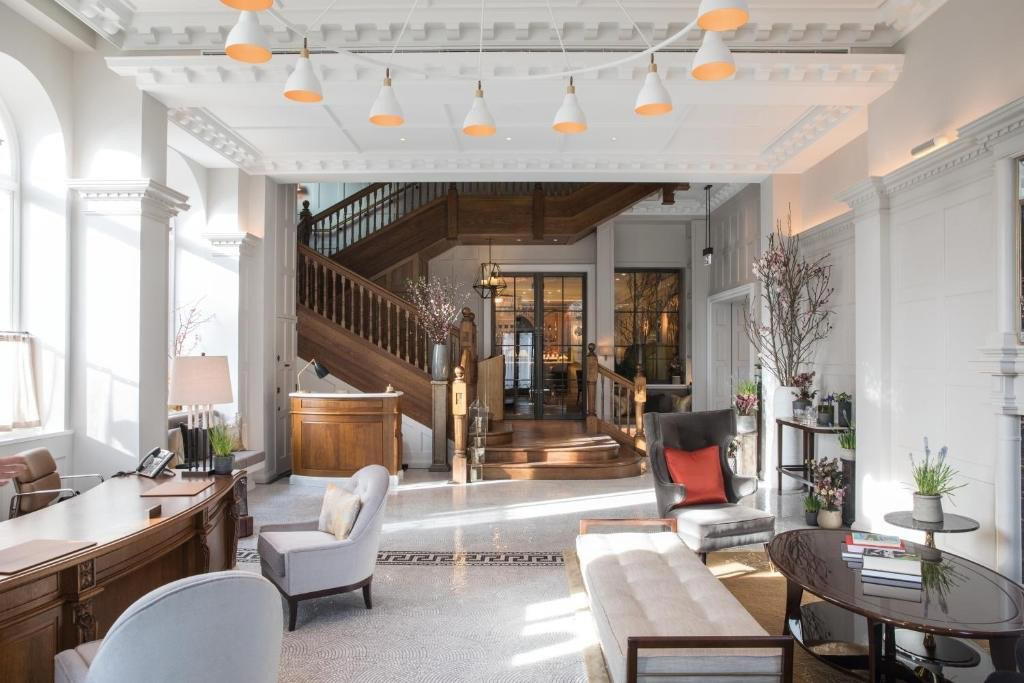
Contemporary and stylish long dining hall with minimalist neutral color scheme that is luxurious, understated, and soothing.