33 The Homend


A Michelin-starred husband-and-wife restaurant occupying a Grade II listed building on Ledbury's main street, 33 The Homend seats just 14 guests around an open kitchen where the chef works alone. The concise menu draws on Herefordshire's seasonal larder with a directness that has earned consistent critical recognition, and bottles start at £28.50.
Pearl is the En Primeur Club membership app — saves, bookings, and concierge access live there. Same editors, same standards.
- Address
- 33 The Homend, Ledbury HR8 1BP, United Kingdom
- Phone
- +44 7725 036040
- Website
- 33thehomendledbury.co.uk
- Directions
- Get directions
 Saves & bookings on Pearl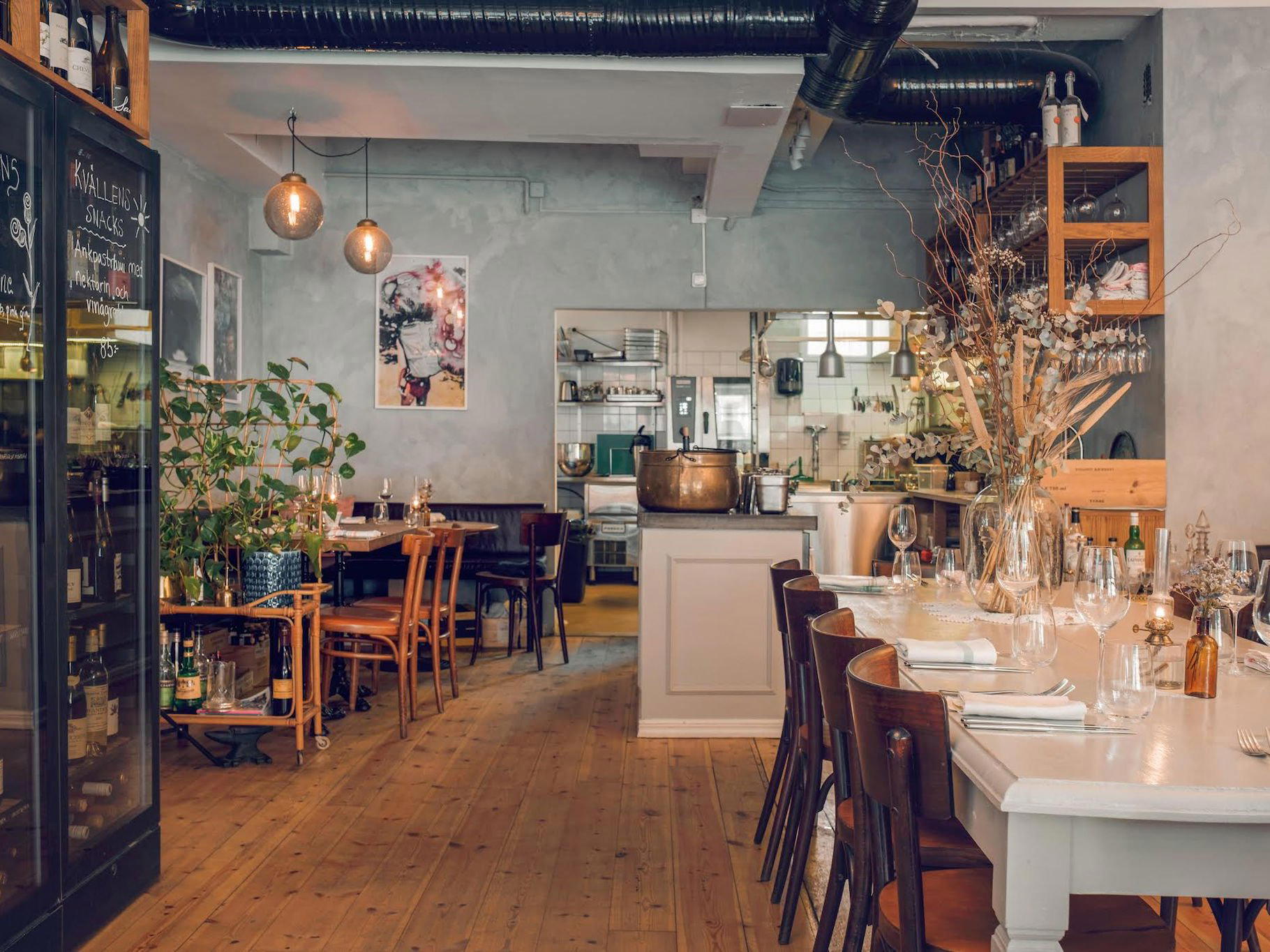
A Room With Fourteen Seats and Something to Prove
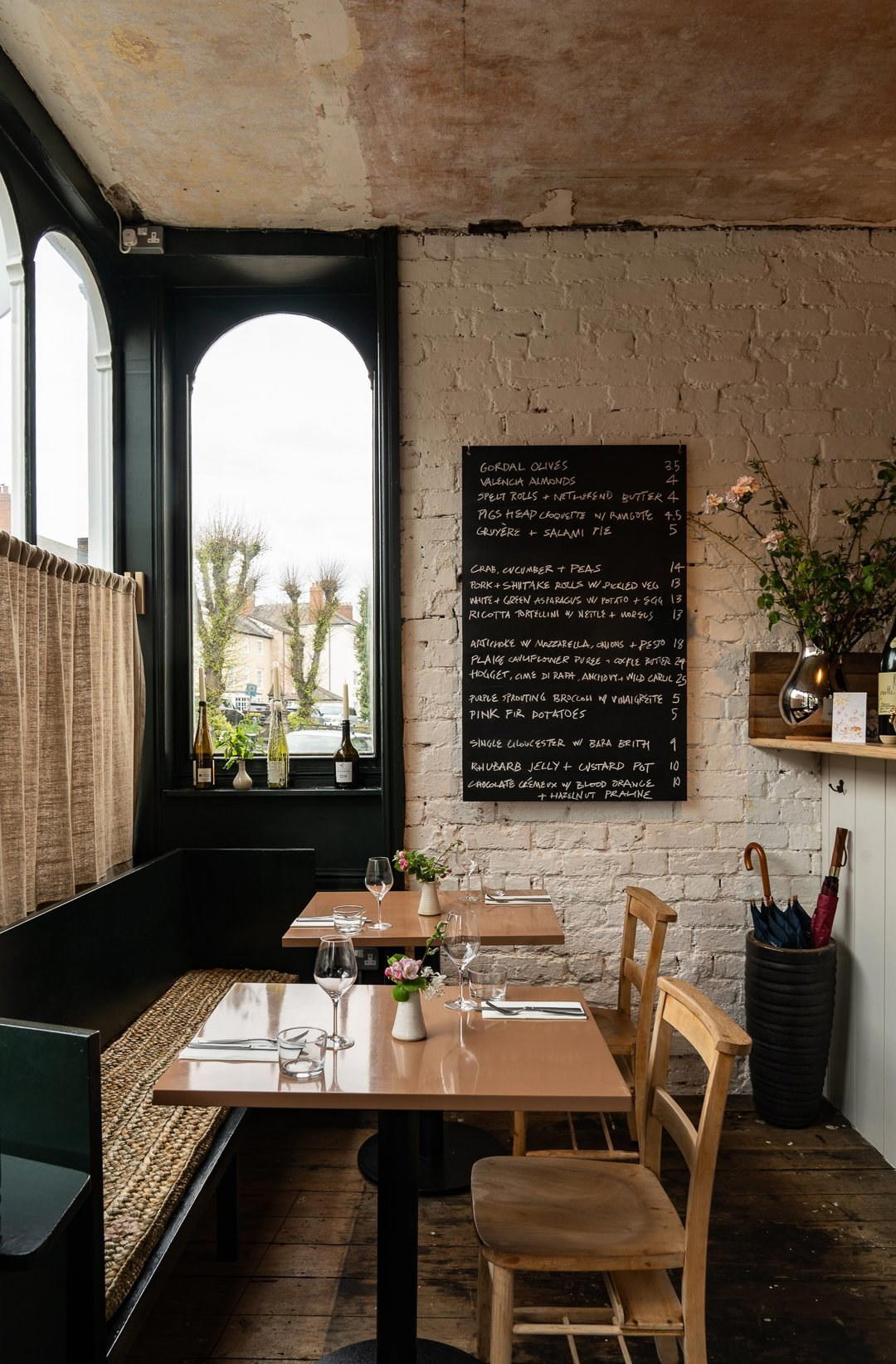
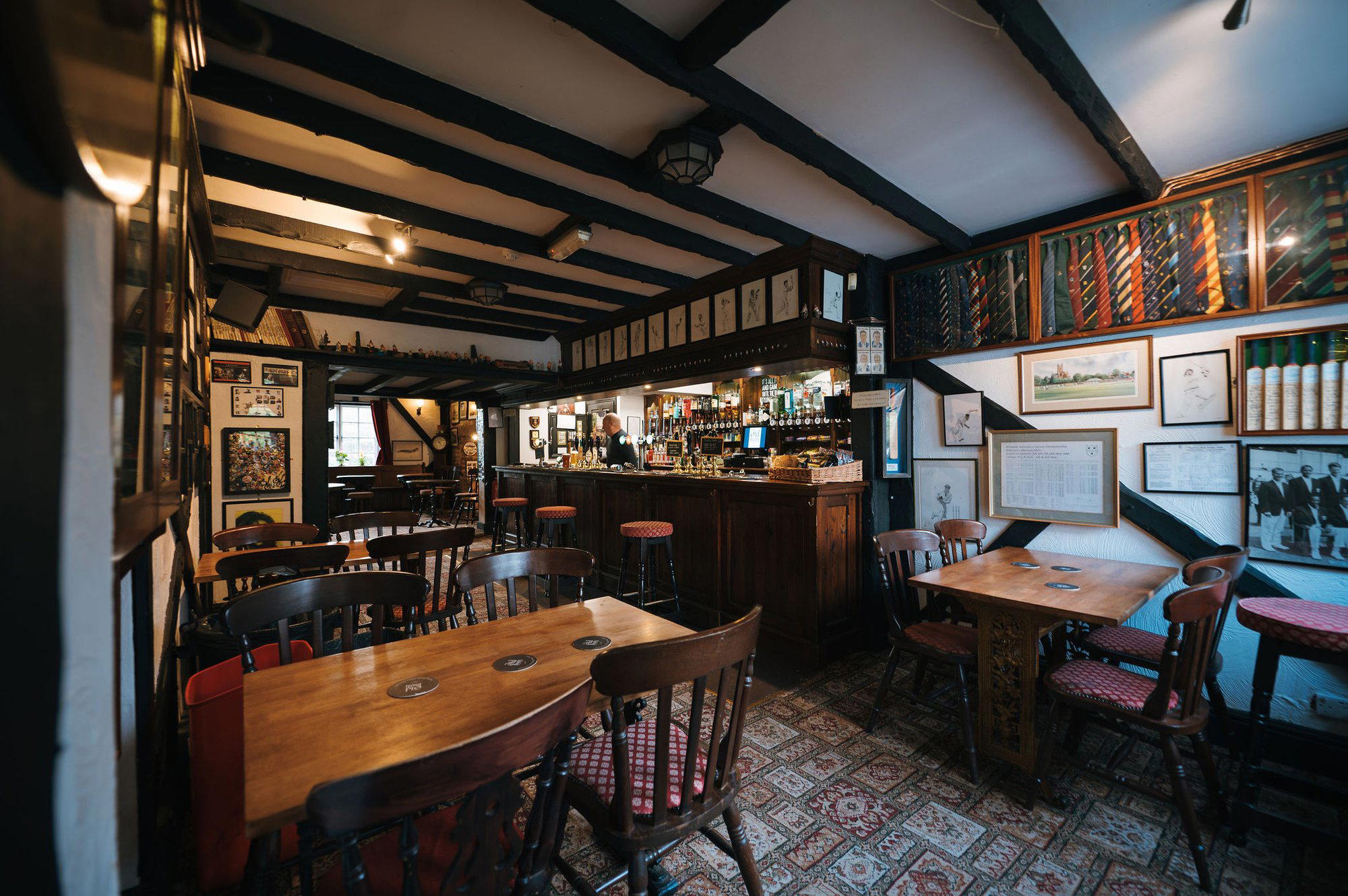
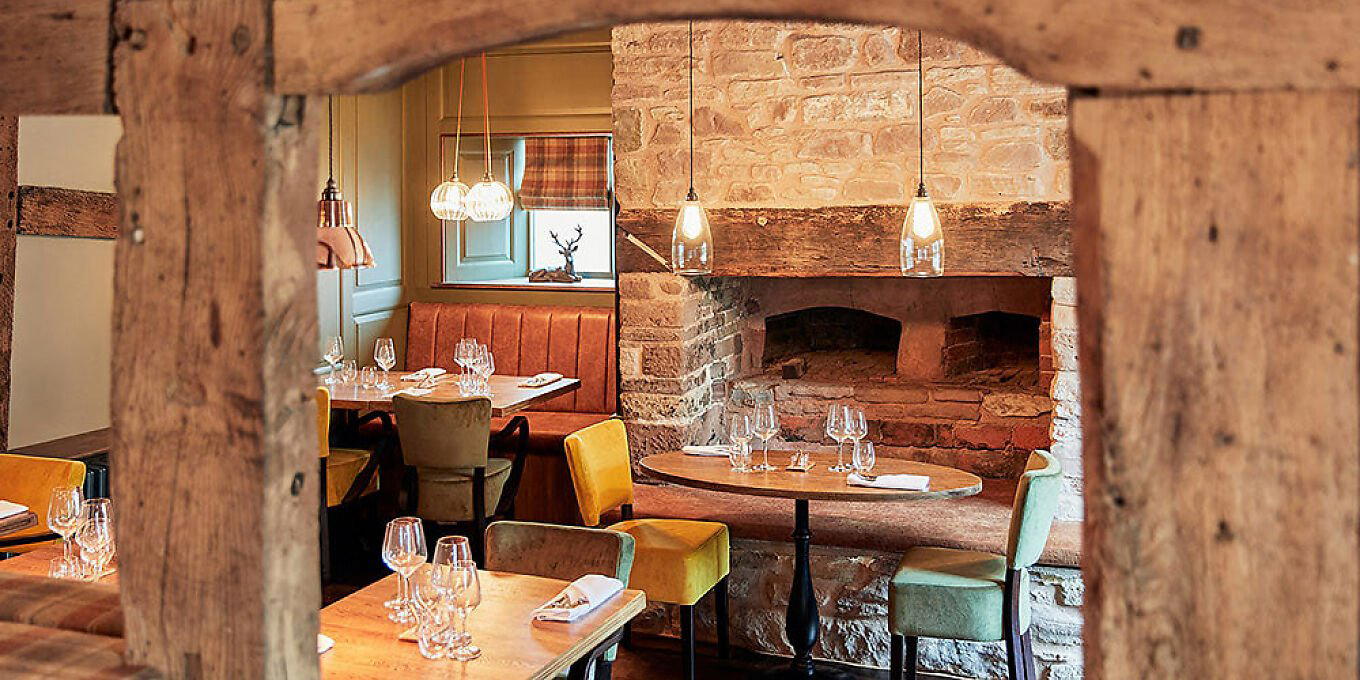
Walk the length of Ledbury's main street and you could pass 33 The Homend entirely without noticing it. That low-key street presence is partly the building speaking for itself, a Grade II listed 18th-century structure that sits quietly among the market town's timber-framed storefronts, and partly a function of the kitchen's philosophy: the cooking does the announcing. Inside, the room holds fourteen covers arranged around an open kitchen, and the atmosphere that results is closer to a private dinner party than a formal restaurant service. The relationship between the front of house and the guest is immediate and personal. There is no buffer of floor managers or sommelier theatre. That directness is not an accident; it is the model.
The Reinvention of the Local: What This Restaurant Represents
British fine dining has, over the past two decades, cleaved along a particular fault line. On one side sit the large-format destination restaurants, high-investment rooms with extended tasting menus, brigade kitchens, and price tags that benchmark against L'Enclume in Cartmel, Moor Hall in Aughton, or Le Manoir aux Quat' Saisons in Great Milton. On the other sit the small, owner-operated rooms where a single cook shapes everything on the plate and scale is a deliberate constraint rather than a commercial limitation. 33 The Homend belongs firmly in the second category, and its 2024 Michelin star confirms that the Guide's inspectors regard intimate scale and culinary ambition as fully compatible.
The editorial angle that matters here is not the star itself but what it says about a broader shift. The gastropub revolution of the early 2000s established that serious cooking could occur outside the city and outside the grand-hotel tradition. What followed, gradually, in market towns and rural villages across England, was a further compression of format: not a pub with good food, but a small room with a short menu and a cook who sources with genuine care. That evolution produced places like The Hand and Flowers in Marlow and, at the more metropolitan end, rooms like hide and fox in Saltwood. 33 The Homend sits in that lineage: post-gastropub, pre-destination-resort, entirely its own thing.
That kind of diner migration is a meaningful signal in the British provincial restaurant market, where habit and geography usually anchor people firmly to their closest options.
The Kitchen's Logic
The kitchen is run by a solo chef. That is not a romantic detail; it is a structural constraint that shapes every decision on the menu. A single cook cannot execute fifteen-component dishes across fourteen covers, so the menu stays concise, three choices per course at dinner, and each dish is built around a clear, achievable idea rather than accumulated technique. The result is cooking that reads as confident rather than restricted.
Sourcing reflects the geography. Herefordshire sits at the western edge of the English Midlands, bordered by Wales, and its agricultural character, cattle, game, market-garden produce, feeds directly into what appears on the plate. Pershore asparagus (from Worcestershire, just east of the county border) features in season. Hereford beef and game from local deer are recurring references. Salcombe crab, sourced from Devon's South Coast, shows that the kitchen reaches beyond its immediate county when the ingredient justifies it. The concise menu format means every choice on the list has earned its place.
Some dishes carry signature status. The fish soup is described as a priority-have in the restaurant's Michelin entry, a dish that has clearly been refined over multiple iterations to the point where regulars return for it specifically. Desserts run toward comfort: crème caramel, treacle tart, baked cheesecake with passion-fruit sorbet and basil. These are not nostalgic choices made by default. They are the appropriate conclusion to a menu that never tries to impress through complexity alone.
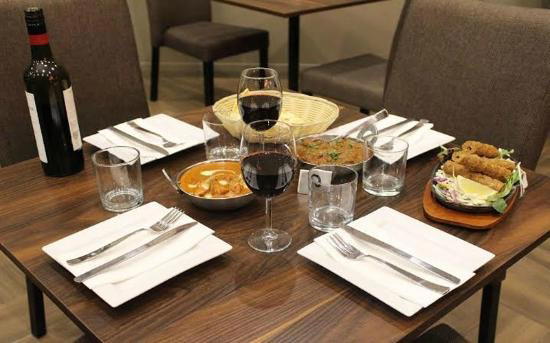
At lunch, the menu keeps the same concise format, with three choices per course. Wine is offered by carafe as well as glass and bottle, a practical acknowledgement that at fourteen covers, the sommelier-led bottle service of a larger room would feel incongruous. Bottles start at £28.50, placing the wine list in accessible territory relative to the cooking's ambition.
Where It Sits in the Broader Picture
A 2024 Michelin star in a fourteen-seat room in a Herefordshire market town raises an obvious comparison question. The star cohort for Modern British cooking in England includes rooms operating at considerable scale and price distance from 33 The Homend: CORE by Clare Smyth in London and The Ritz Restaurant sit at the formal, metropolitan end of that spectrum. At the regional level, Midsummer House in Cambridge and Opheem in Birmingham operate with larger brigades and more elaborate formats. The Ledbury in London, which shares its name with this town, though no other connection, represents the highest-investment end of the modern British room.
What the restaurant demonstrates is that the Michelin framework has never been exclusively about formality or scale. The Guide's provincial category has long included small rooms where the quality of the cooking and the sourcing logic justify the star regardless of white tablecloth count or brigade size. In that sense, the restaurant belongs to a tradition that includes early iterations of what became the gastropub revolution, the idea that cooking grounded in local produce and executed with conviction carries its own authority. Restaurant Andrew Fairlie in Auchterarder and Gidleigh Park in Chagford both demonstrate that the destination-restaurant model works at a remove from major cities. The restaurant operates at an even more reduced scale, which makes the star a sharper editorial point.
The price range at £££ sits below the ££££ bracket occupied by most London peers in the starred Modern British category. For a town of Ledbury's size, that pricing represents a meaningful local commitment as well as a draw for visitors willing to travel for the cooking.
Planning a Visit
The restaurant is at 33 The Homend, Ledbury HR8 1BP, and reservations are essential. Wines by carafe are available alongside the standard glass and bottle list; the entry bottle price of £28.50 provides a useful anchor for planning the evening's spend against the £££ menu pricing.
At-a-Glance Comparison
Comparable venues nearby, for context on price, style, and recognition.
| Venue | Cuisine | Price | Awards | Notes |
|---|---|---|---|---|
| 33 The HomendThis venue — the venue you are viewing | Modern British Fine Dining | $$$ | Michelin 1 Star | Not listed |
| Wilsons | Modern British Fine Dining | $$$ | Michelin 1 Star | Cotham |
| Restaurant Hywel Jones by Lucknam Park | Modern British Fine Dining | $$$$ | Michelin 1 Star | Colerne |
| Masons Arms | Modern British & French Fine Dining | $$$ | Michelin 1 Star | Knowstone |
| The Cross | Modern British Fine Dining | $$$ | Michelin 1 Star | Kenilworth |
| Thornbury Castle | Modern British Fine Dining | $$$$ | Michelin 1 Key | Thornbury |
Recognition history
Dated appearances from independent guides and award organizations, with the underlying list record or original source where available.
Michelin 1 Star
Michelin
Michelin 1 Star
Michelin
The Good Food Guide GFG Good
The Good Food Guide
Michelin 1 Star
Michelin
At a Glance
- Cozy
- Intimate
- Rustic
- Date Night
- Special Occasion
- Open Kitchen
- Historic Building
- Local Sourcing
Current opening hours
- Monday
- Closed
- Tuesday
- Closed
- Wednesday
- Closed
- Thursday
- 12–2:30 PM, 6:30–10 PM
- Friday
- 12–2:30 PM, 6:30–10 PM
- Saturday
- 6:30–10 PM
- Sunday
- Closed
Hours can change for holidays and private events. Last verified .
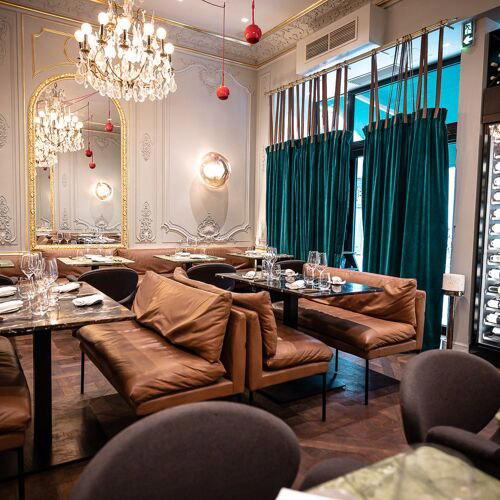
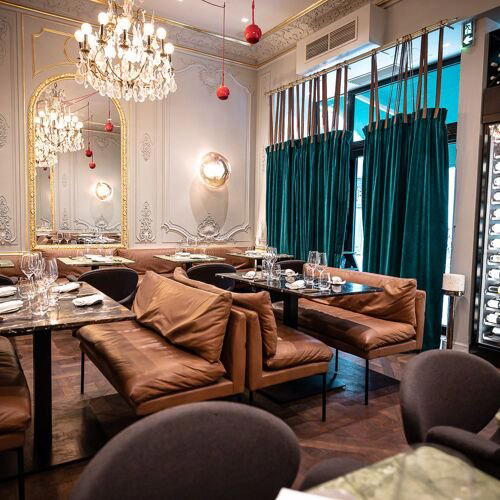
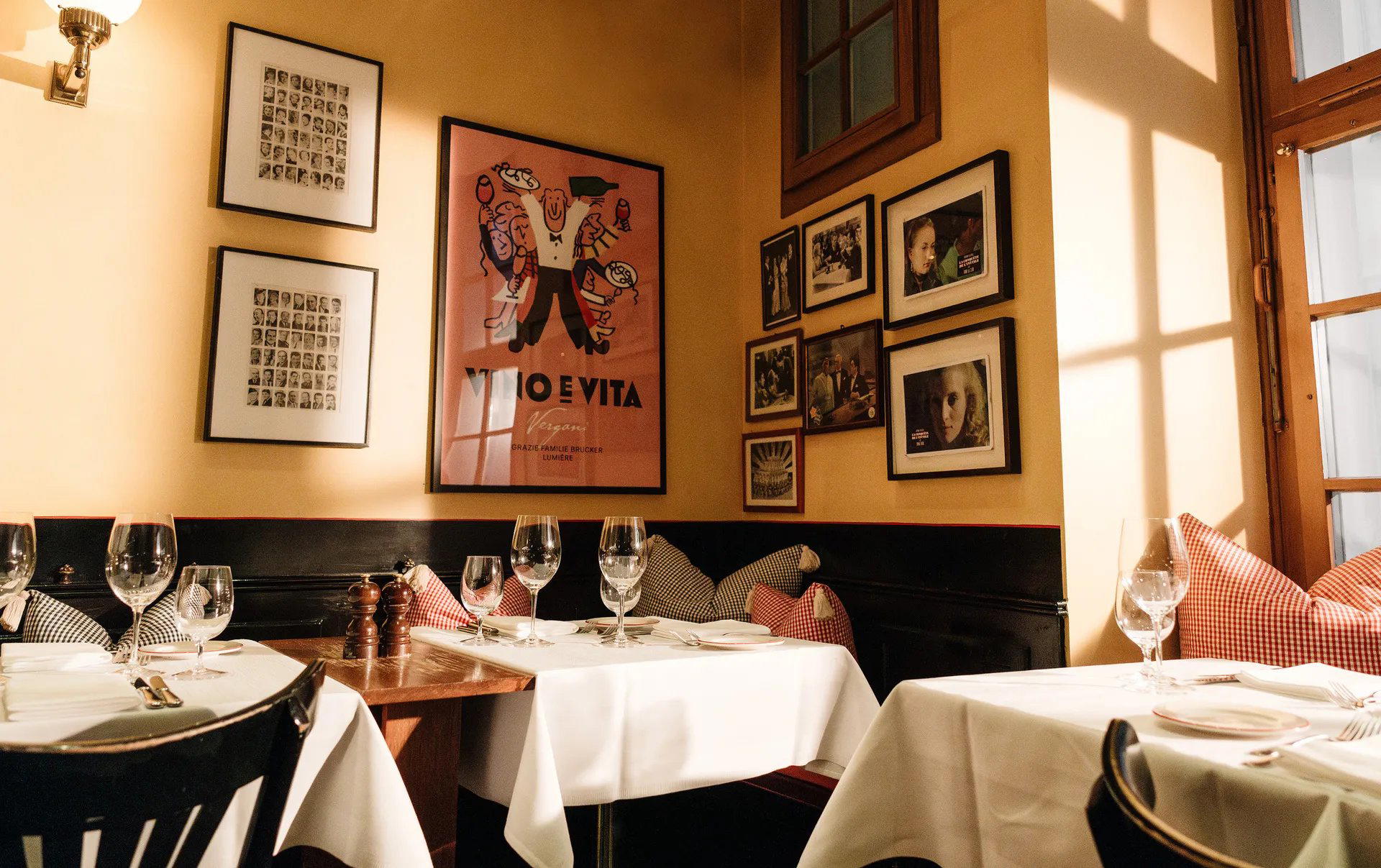
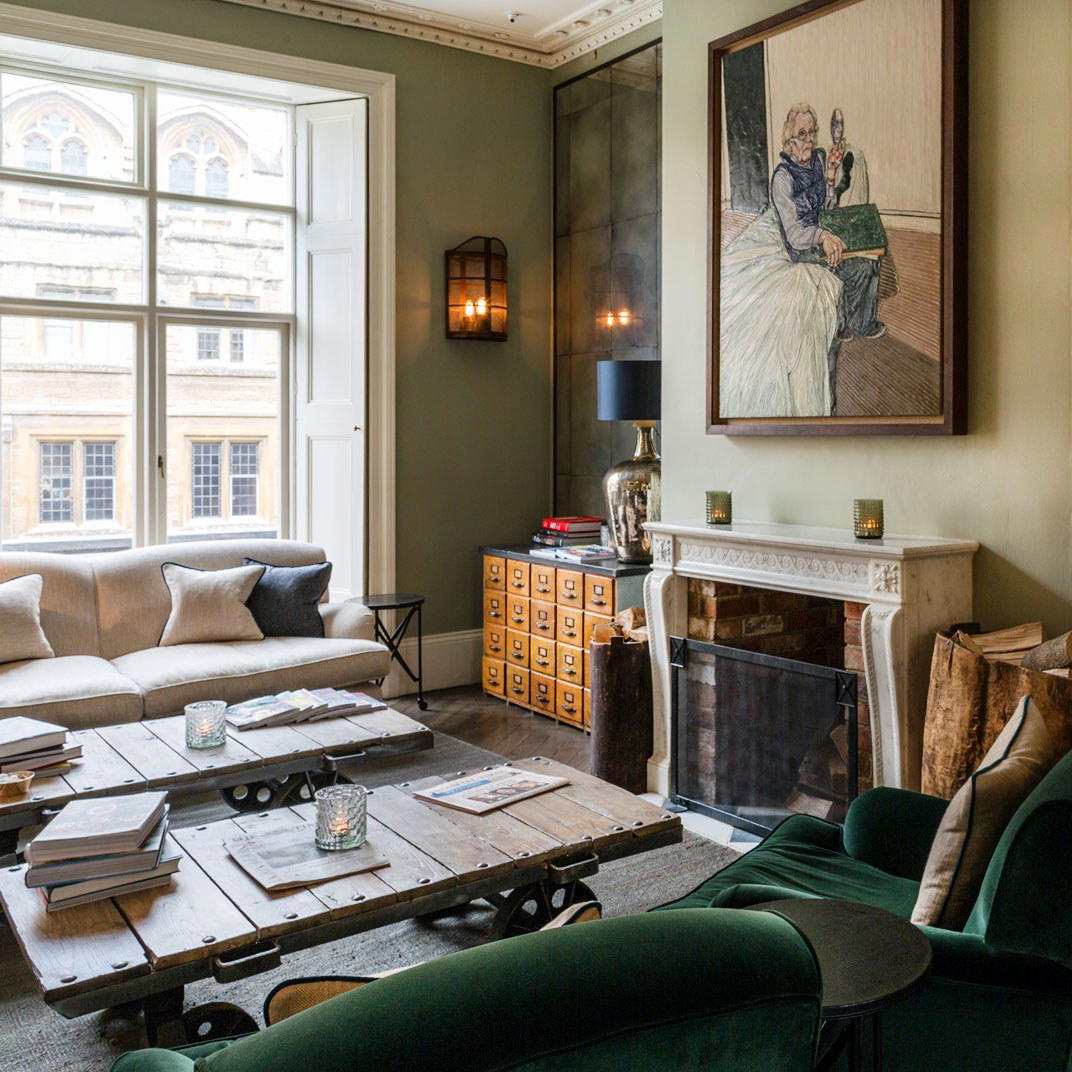
Cozy and characterful 18th-century room with retro art, open kitchen, warm lighting, and a relaxed, welcoming atmosphere like dining in a friend's home.