Madhus of Mayfair
Our verdict
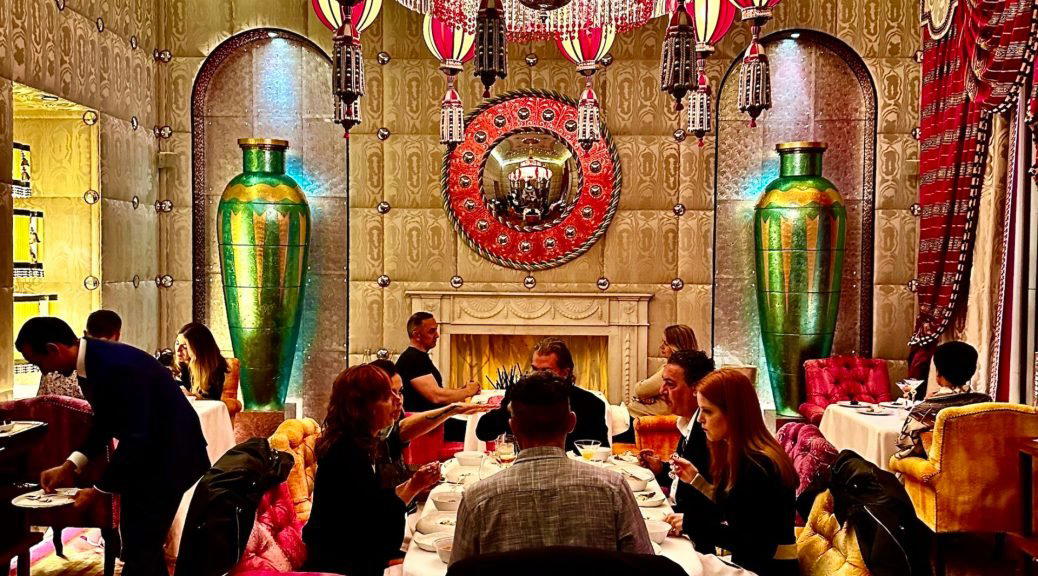
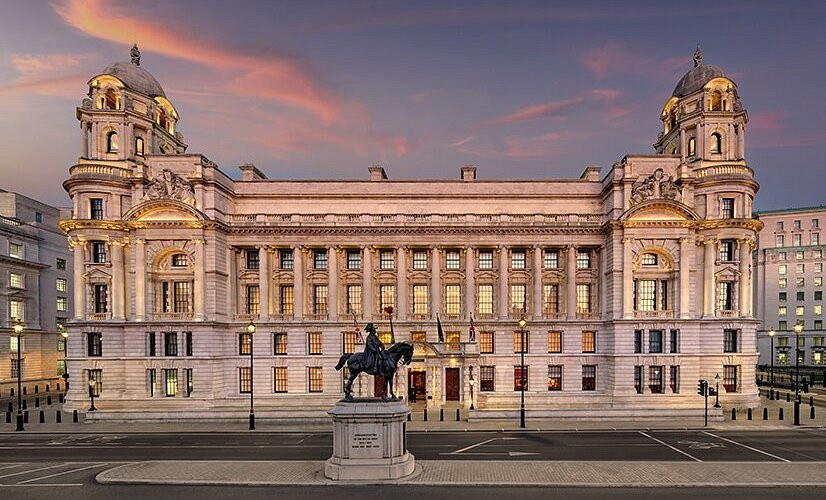
Madhus of Mayfair occupies a distinguished address at The Dilly Hotel on Piccadilly, placing it within one of London's most competitive fine-dining corridors. The restaurant draws on Indian culinary tradition with the precision and service discipline that Mayfair's premium tier demands. For visitors seeking refined South Asian cooking in a setting that matches the neighbourhood's expectations, it belongs on the shortlist.

Pearl is the En Primeur Club membership app, where members save venues, book tables and use the concierge.

The menu
What to order
- Madhu’s Makhani Dal
- Chicken Makhani
- Robata Chops
- Chilli Paneer
Indian Fine Dining in Mayfair's Premium Tier
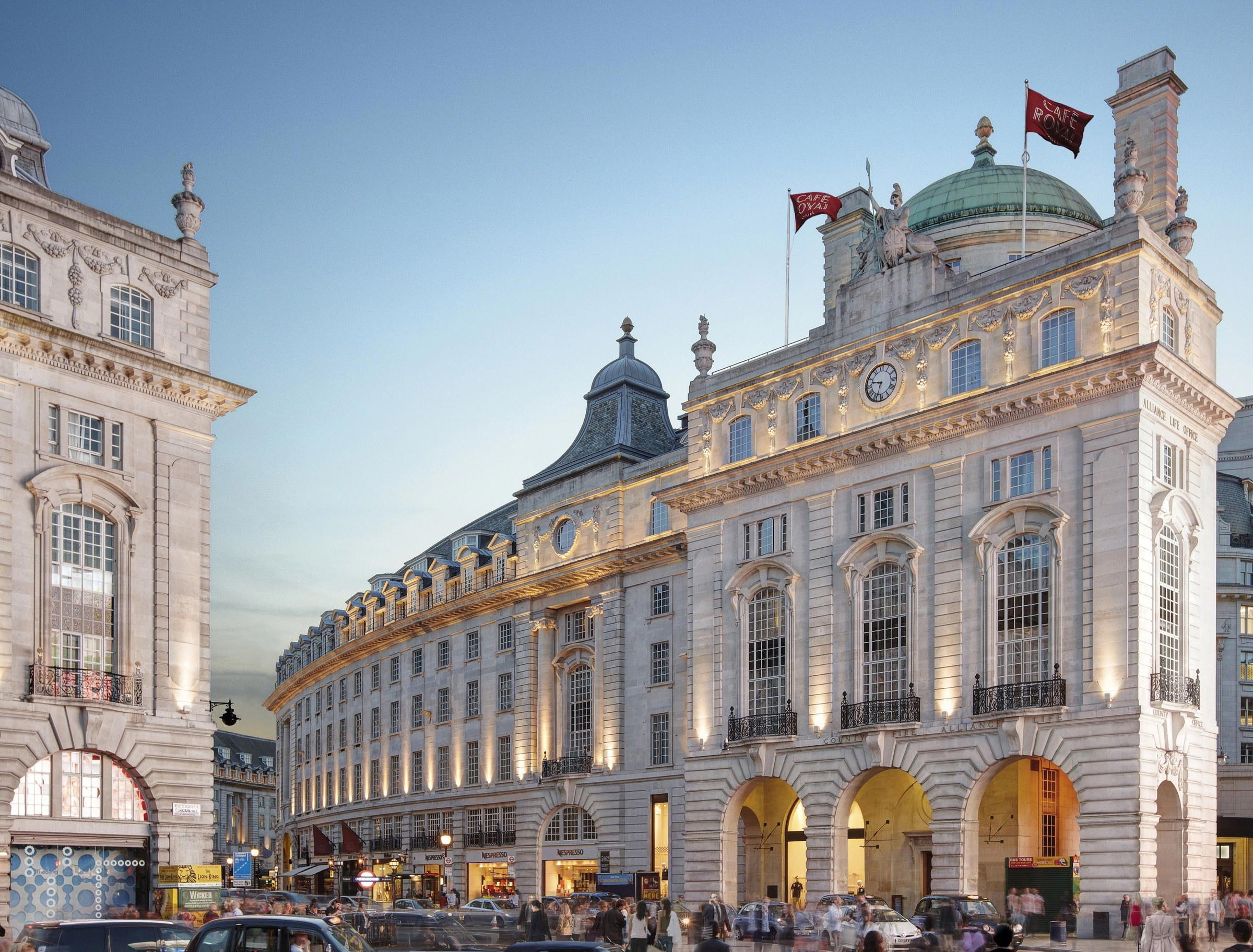
London's Indian restaurant scene has undergone a significant structural shift over the past two decades. What was once a category defined by high-volume neighbourhood houses has fractured into distinct tiers, with a small cohort of restaurants now operating at price points and service standards that place them directly alongside the Modern British and Contemporary European rooms that dominate Mayfair and the West End. Madhus of Mayfair, operating from within The Dilly Hotel at 21 Piccadilly, positions itself firmly in that upper bracket, where the competition is not other Indian restaurants but the full range of serious fine-dining destinations in one of the capital's most scrutinised postcodes.
That address matters. For a broader picture of what the city offers across all categories, our full London restaurants guide maps the complete range.
The Front-of-House Proposition at This Level
At the premium tier of Mayfair dining, the dynamic between kitchen, floor, and drinks programme is where restaurants either justify their positioning or expose gaps in it. The rooms that hold their ground year after year, whether that is The Ledbury in Notting Hill or CORE by Clare Smyth in Kensington, tend to operate as coordinated ensembles rather than kitchen-led productions where the floor is an afterthought. The front-of-house at this level needs to carry independent authority: the ability to guide a table through a menu with genuine knowledge, to pace a meal correctly, and to handle the expectations of a clientele that has almost certainly dined at comparable or higher-end rooms elsewhere.
Indian fine dining presents a specific challenge in this regard. Spice-forward, complexity-layered menus require floor staff who can articulate flavour architecture in terms that connect with guests unfamiliar with the underlying culinary tradition, while not condescending to those who know it well. The restaurants that have managed this most credibly in London have done so by treating front-of-house fluency as a non-negotiable element of the offering, on the same footing as kitchen execution. Madhus of Mayfair's Piccadilly location, housed within a hotel property, provides a structural framework that can support this kind of disciplined service culture, given the operational infrastructure that established hotel dining rooms typically maintain.
The Drinks Programme in Context
One of the areas where Indian fine dining has historically lagged behind its European counterparts is wine and cocktail programme depth. As the category has matured in London, the better rooms have addressed this directly, building lists that engage seriously with the pairing challenges of spice, heat, and acidity rather than defaulting to crowd-pleasing safe choices. A hotel setting on Piccadilly carries certain expectations about the drinks operation, and the positioning of Madhus of Mayfair within The Dilly Hotel means guests have reason to expect a programme calibrated to the neighbourhood rather than a generic hotel bar list.
London's broader cocktail and bar scene has developed considerably in parallel, and for visitors who want to extend an evening, our full London bars guide covers the range of options within reach of Piccadilly.
Placing Madhus in the Wider Indian Fine-Dining Conversation
The conversation about where London's Indian fine-dining scene sits globally has grown more pointed in recent years. Cities including New York have developed their own Indian fine-dining tiers, and the broader category has attracted serious critical attention in ways that would have seemed unlikely a generation ago. Within the UK, Indian cooking at the serious end of the market has remained disproportionately concentrated in London relative to the wider fine-dining distribution that sees significant rooms at places like L'Enclume in Cartmel, Moor Hall in Aughton, and Gidleigh Park in Chagford drawing serious diners out of the capital.
Internationally, the reference points for what serious South Asian cooking at the fine-dining level can achieve are expanding. Places like Atomix in New York City have demonstrated how non-European culinary traditions can operate at the very best of the fine-dining tier when the full ensemble of kitchen, floor, and programme is aligned. That is the competitive context in which London's premium Indian restaurants are now assessed. For comparison with London's most technically precise European rooms, Dinner by Heston Blumenthal offers a useful data point on what the hotel fine-dining format can achieve at its ceiling.
The Hotel Dining Room Format
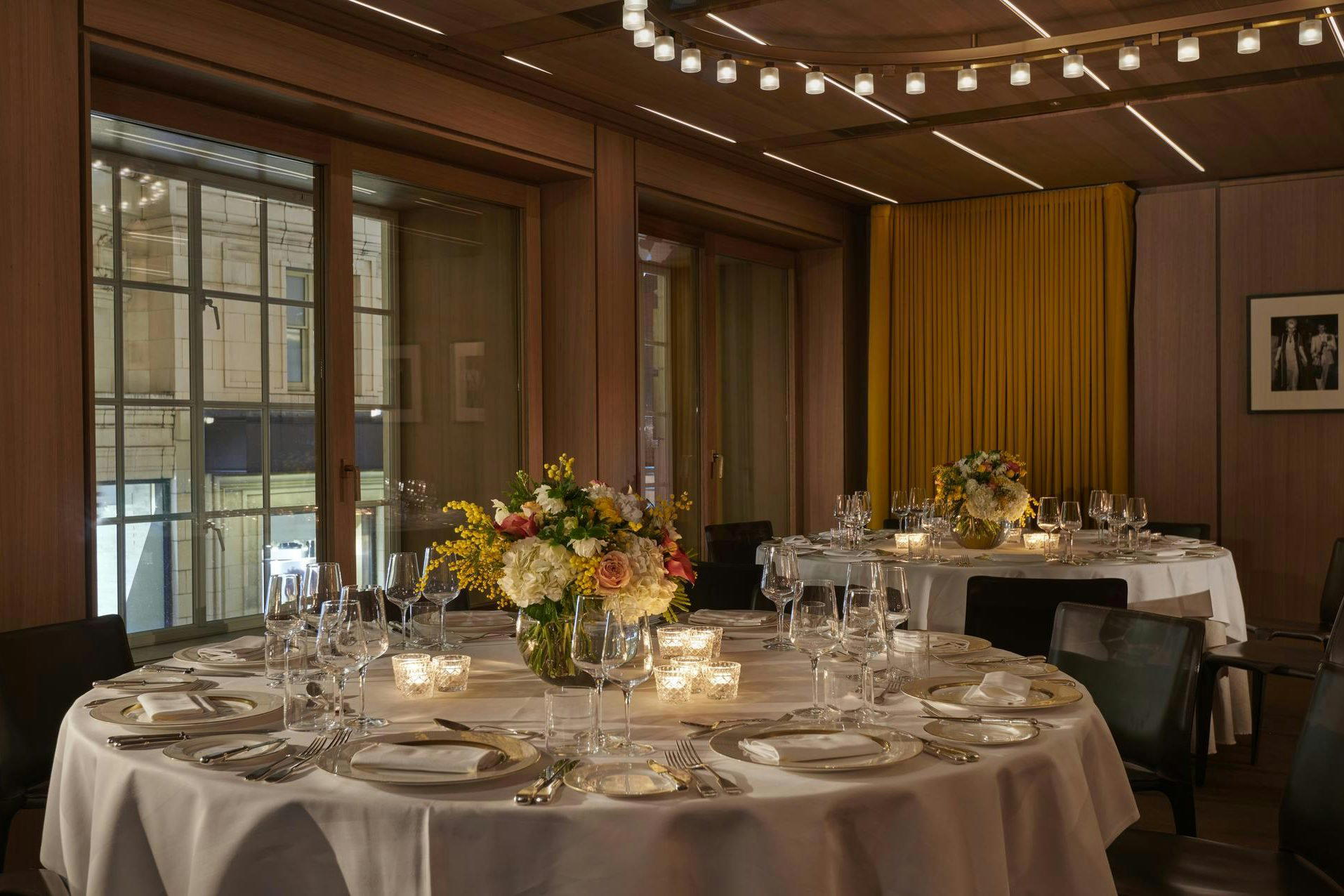
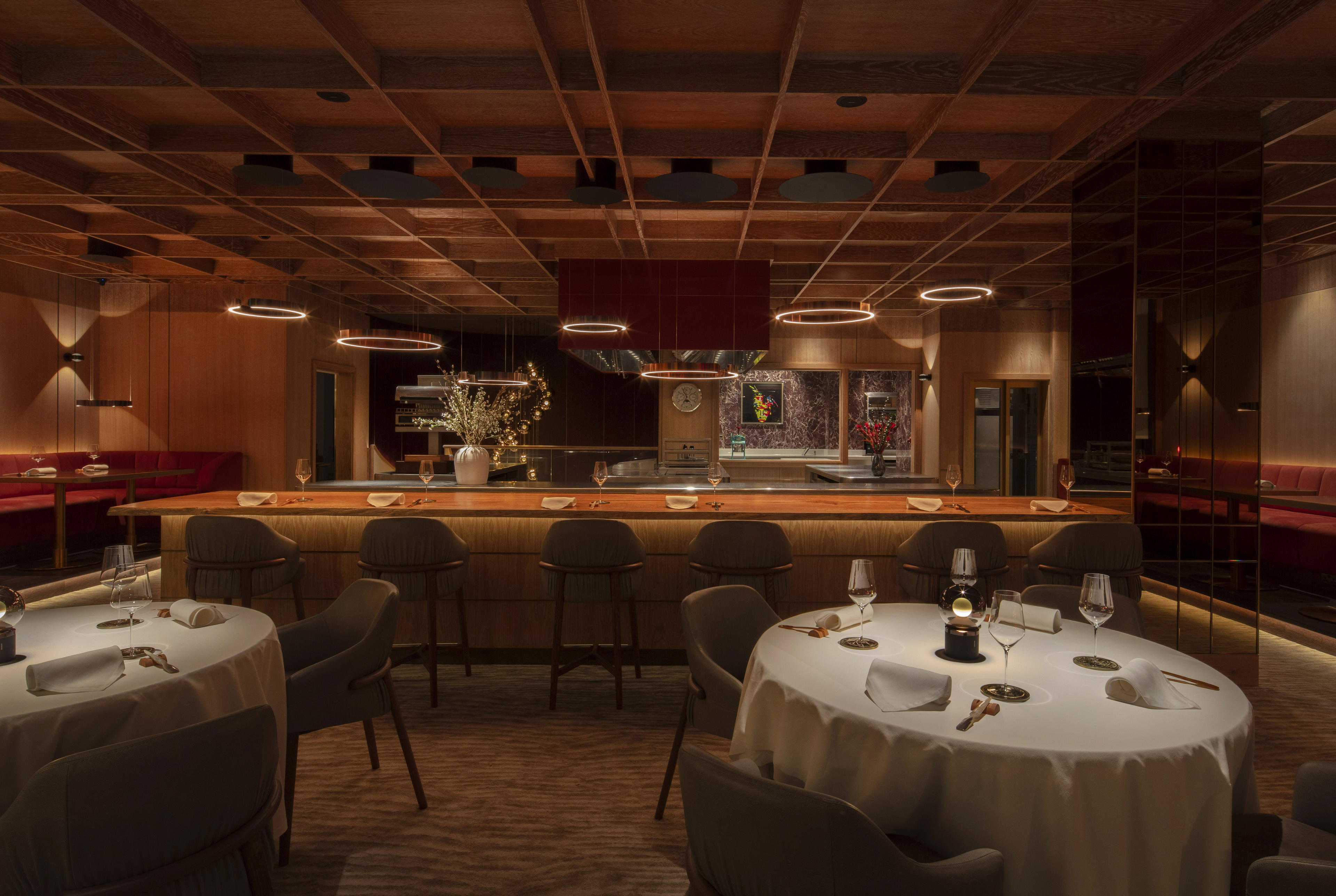
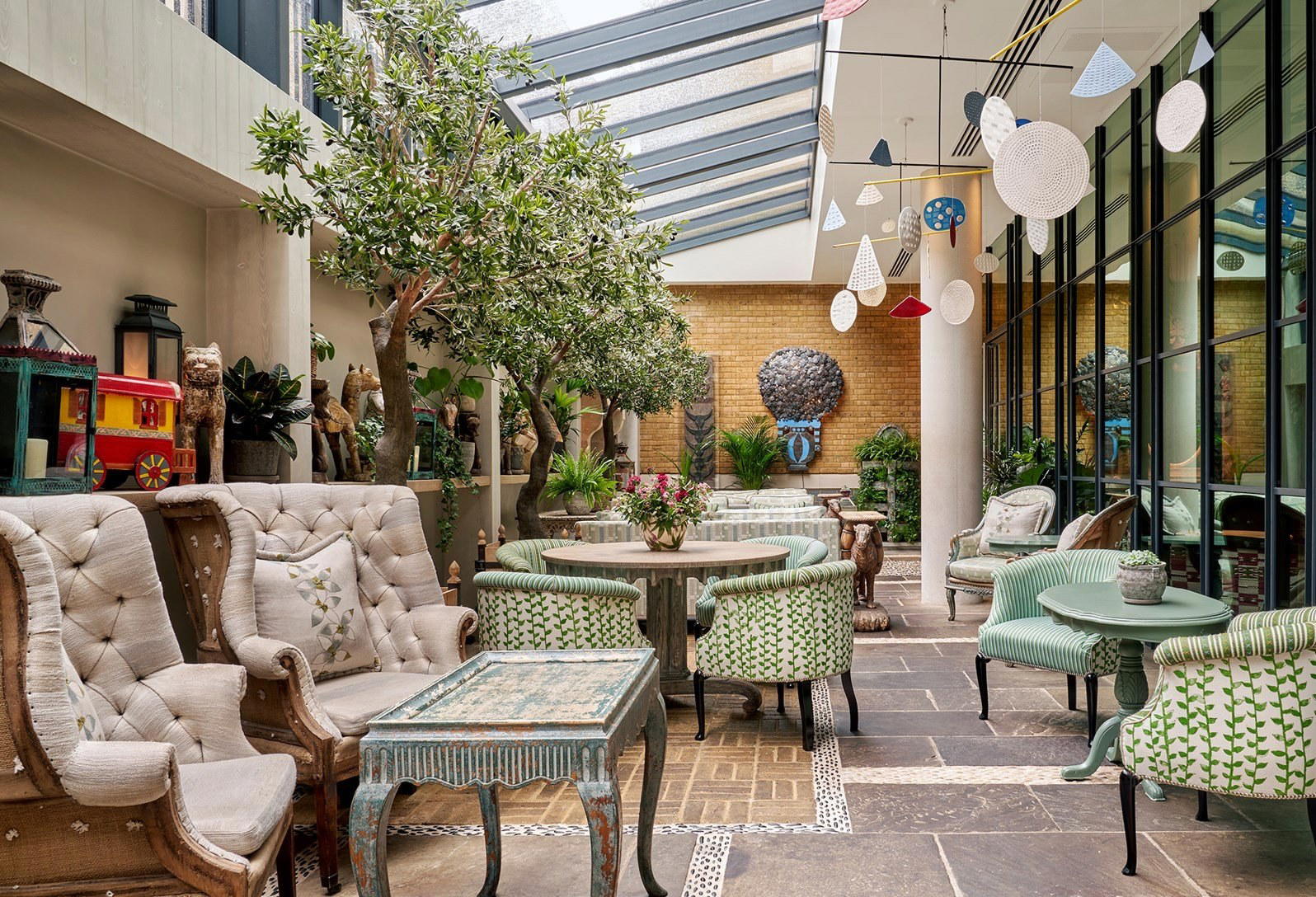
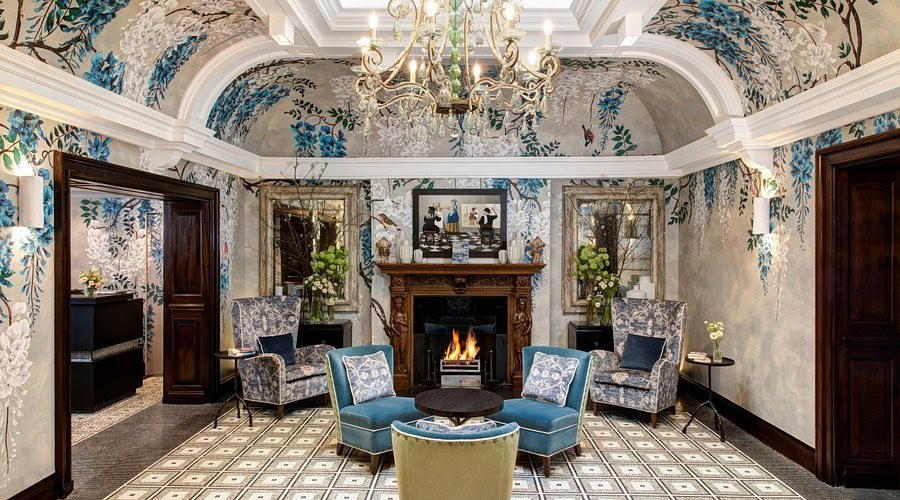
Operating inside a hotel brings structural advantages and genuine constraints. On the positive side, hotel dining rooms at established properties tend to have more consistent service infrastructure, better-maintained physical spaces, and a captive audience of well-travelled guests who arrive with calibrated expectations. The Dilly Hotel on Piccadilly has the heritage and address to attract an international clientele for whom Indian fine dining in this setting represents a point of genuine interest rather than a default choice. Comparable hotel dining experiences across the UK, from Le Manoir aux Quat' Saisons in Great Milton to Hand and Flowers in Marlow, show that the format is not inherently limiting, it depends entirely on the ambition and execution of the team operating within it.
For those planning a broader London visit that extends beyond dining, our full London hotels guide, London wineries guide, and London experiences guide cover the surrounding options in depth. The Fat Duck in Bray is also within reach for those extending a London trip into the home counties.
Planning Your Visit
Madhus of Mayfair is located at The Dilly Hotel, 21 Piccadilly, London W1J 0BH, placing it within easy reach of Green Park and Piccadilly Circus underground stations. The hotel's central position means guests arriving from other parts of London or from international transit have a direct connection. Given the address and positioning, reservations are advisable, particularly for weekend evenings when demand from both hotel guests and outside bookings is highest. For those planning a multi-restaurant trip through London's premium tier, it sits logically alongside other Mayfair and West End rooms as part of a broader itinerary rather than a standalone destination requiring significant travel.
Frequently asked questions
Is Madhus of Mayfair formal or casual?
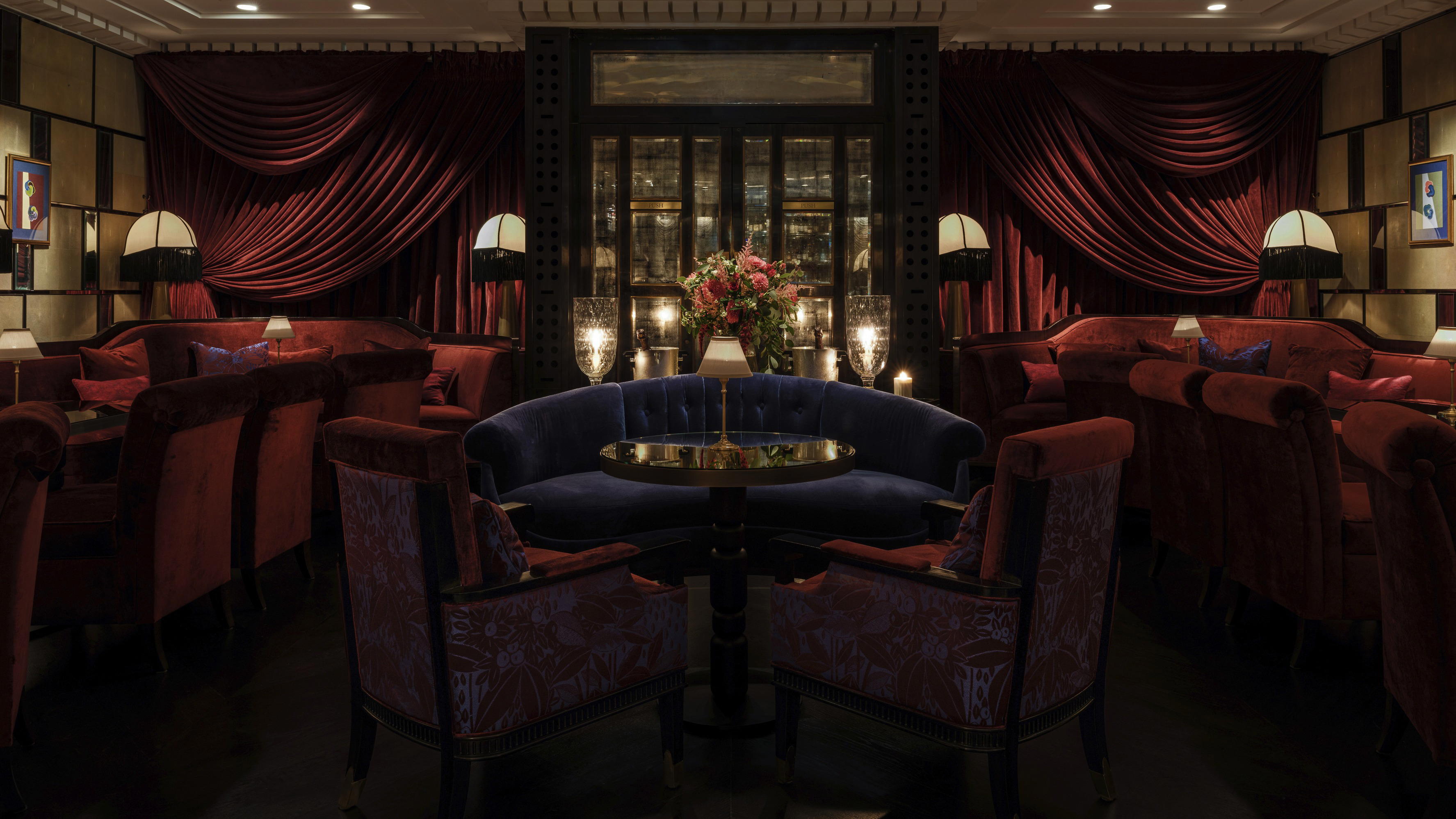
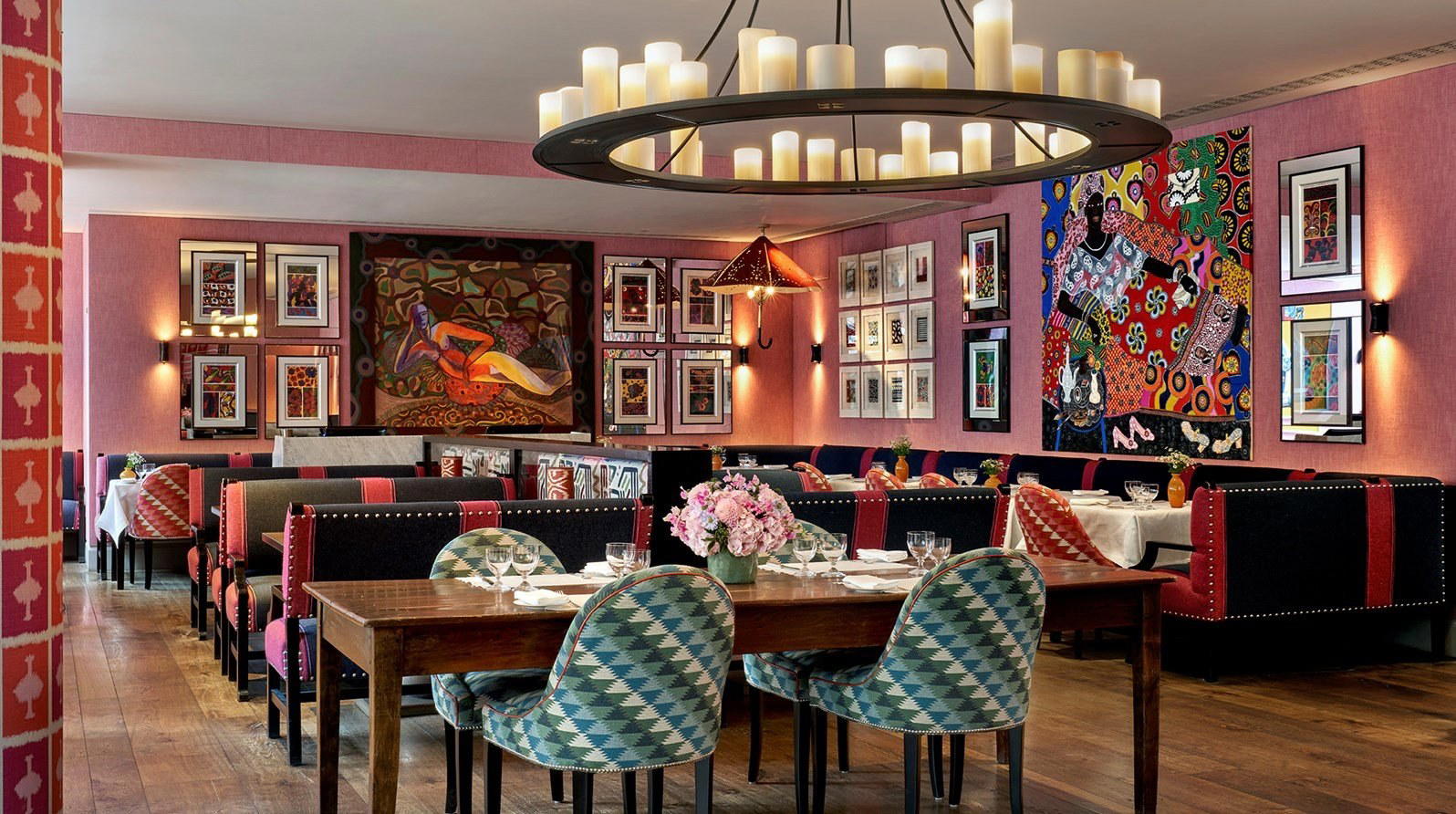
The setting inside The Dilly Hotel on Piccadilly puts Madhus in Mayfair's formal dining tier by default, a hotel dining room at this address carries architectural weight that sets the tone before the menu arrives. Dress code expectations align with the neighbourhood standard: polished rather than black-tie, but noticeably above the casual end of London dining. Diners arriving from nearby Green Park or Piccadilly Circus should account for the room's character when choosing attire.
Where do I go for Madhus of Mayfair?
Madhus of Mayfair is located at The Dilly Hotel, 21 Piccadilly, London, W1J 0BH, United Kingdom, London.
How does Madhus of Mayfair differ from other Indian restaurants in central London?
Madhus operates from inside The Dilly Hotel at 21 Piccadilly, which places it structurally in a different category from the standalone Indian restaurants that populate the wider West End. Hotel dining rooms at established Mayfair properties carry a different operational profile: consistent floor staffing, a managed drinks programme, and a room built for a broader dining occasion rather than neighbourhood regulars. Within London's Indian fine dining conversation, that hotel-anchored format is a meaningful point of distinction from competitors operating independent sites in Mayfair and Marylebone.
What do regulars order at Madhus of Mayfair?
What the Indian fine dining tier at this Piccadilly address reliably delivers is a kitchen approach that moves well beyond the high-volume curry-house format that long defined the category in London. For reliable ordering guidance, checking the current menu directly with the restaurant at The Dilly Hotel, 21 Piccadilly, is the right move before visiting.
Fast Comparison
A small set of peers for context, based on recorded venue fields.
| Venue | Cuisine | Price | Awards | Notes |
|---|---|---|---|---|
| Madhus of MayfairThis venue (the venue you are viewing) | Authentic Punjabi Indian | $50–100 | Not listed | Not listed |
| The Ledbury | Modern British Fine Dining | $300–500 | 3 Michelin Stars · World's 50 Best #83 | Modern European, Modern Cuisine |
| Sketch, The Lecture Room and Library | Modern French Fine Dining | $200–300 | 3 Michelin Stars · World's 50 Best #18 | Modern French |
| CORE by Clare Smyth | Modern British Fine Dining | $150–200 | 3 Michelin Stars · World's 50 Best #97 | Modern British |
| Restaurant Gordon Ramsay | French Fine Dining | $200–300 | 3 Michelin Stars · World's 50 Best #13 | Contemporary European, French |
| Dinner by Heston Blumenthal | Historic British Fine Dining | $200–300 | 2 Michelin Stars · World's 50 Best #45 | Modern British, Traditional British |