Amaya




1 Michelin Star · AA Rosettes 3 Rosettes · The Good Food Guide GFG Very Good
Our verdict
Amaya occupies a different tier from London's standard Indian restaurant scene. Operating from a Belgravia side passage since 2004, this Michelin-starred member of the MW Eat group structures its menu around live tawa, tandoor, and sigri grills, with sharing-format dishes that encourage range over volume.

Pearl is the En Primeur Club membership app, where members save venues, book tables and use the concierge.
The menu
What to order
- Smoked chilli lamb chops
- Grilled lamb
- Tandoori quail
- Biryani
- Stuffed sheesh kebabs
A Passage Off Lowndes Street
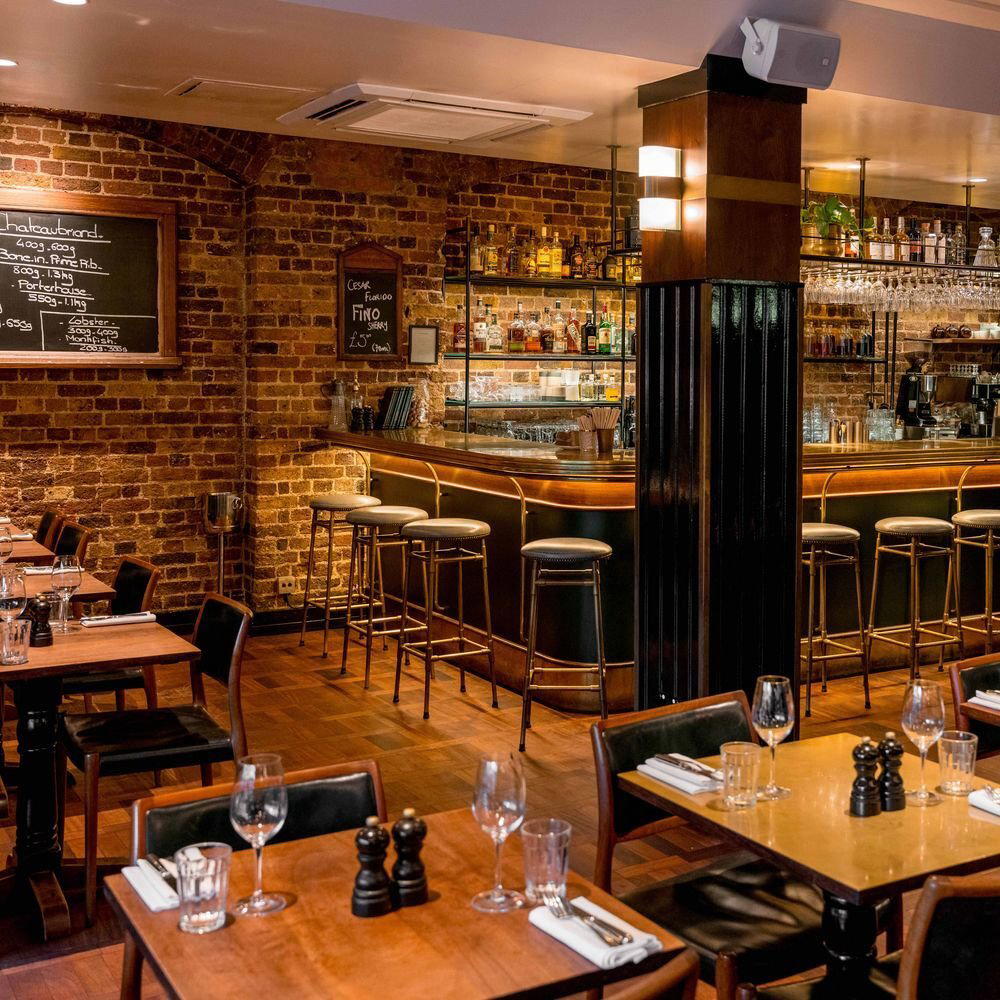
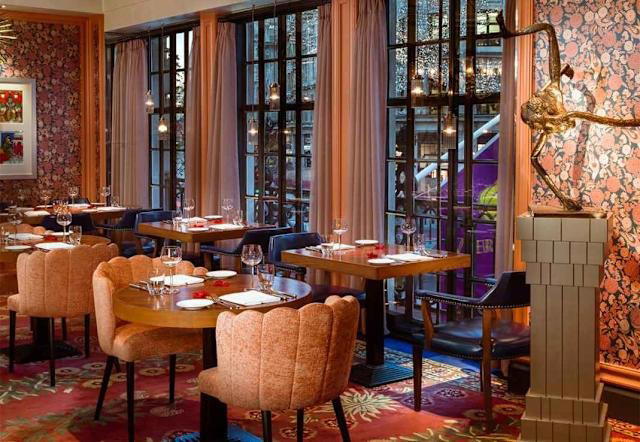
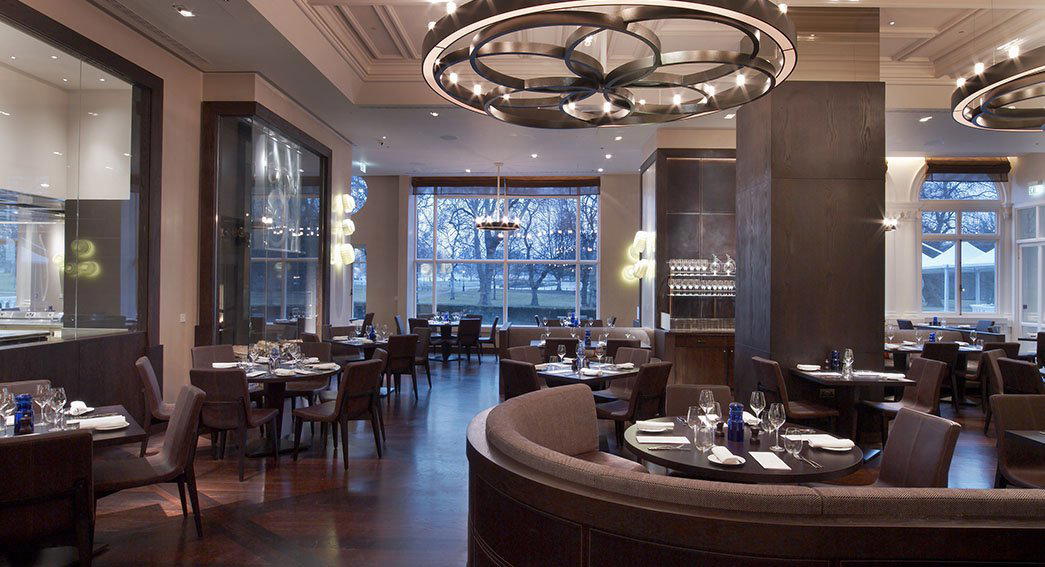
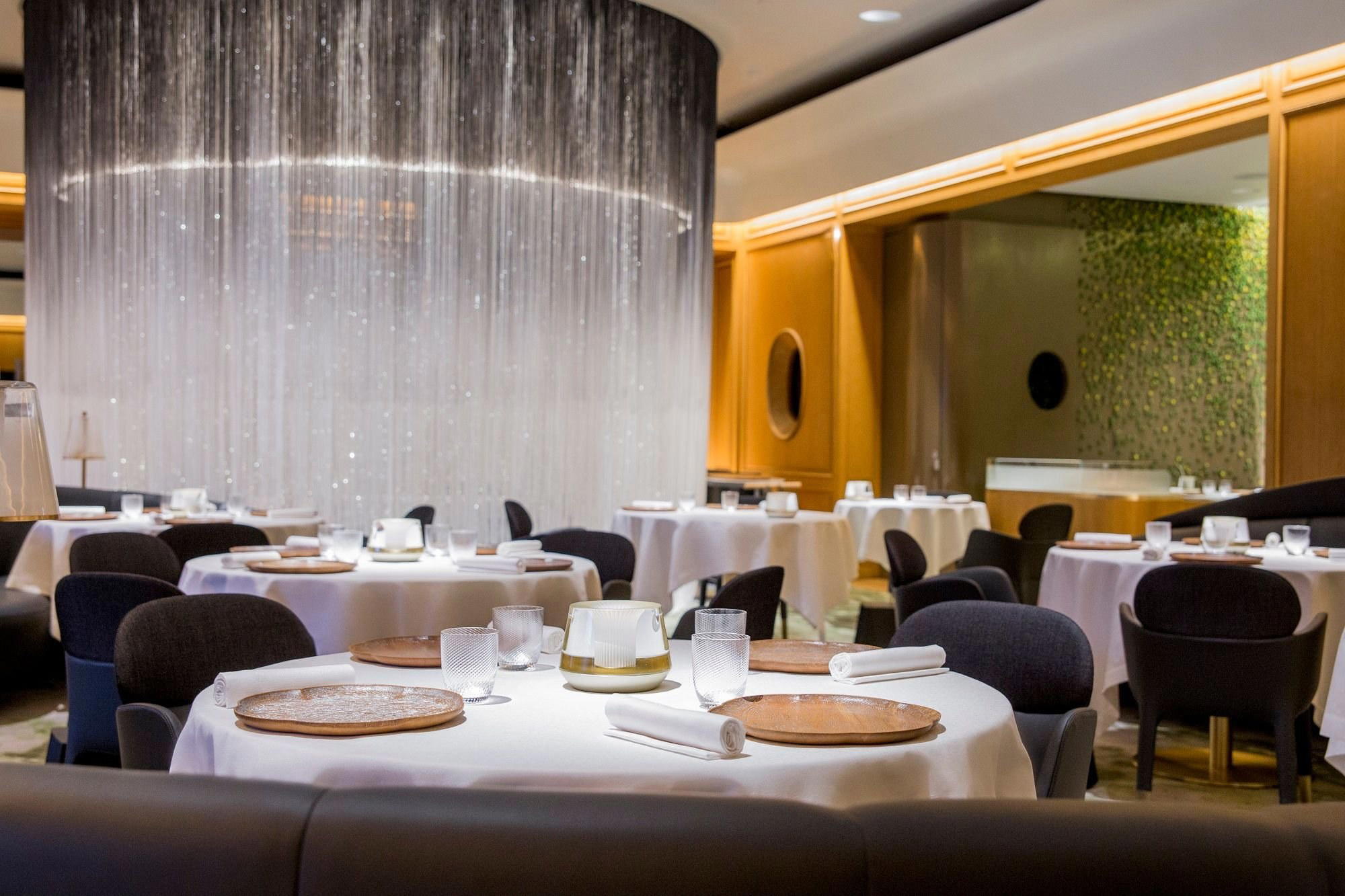
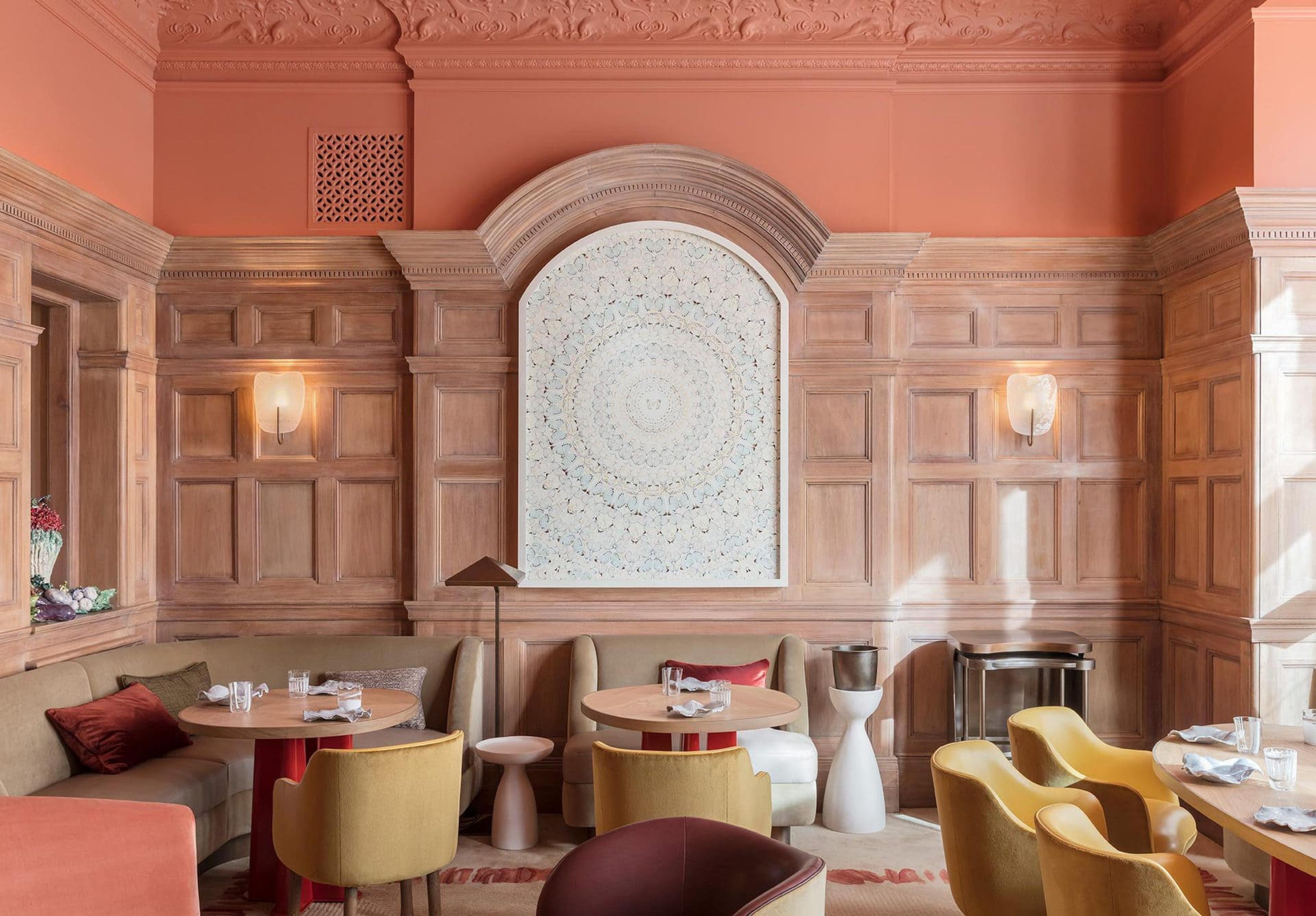
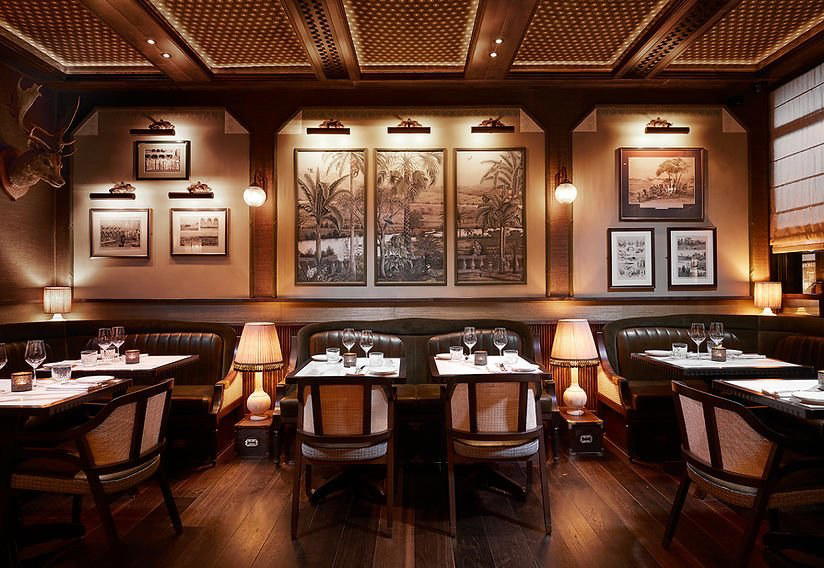
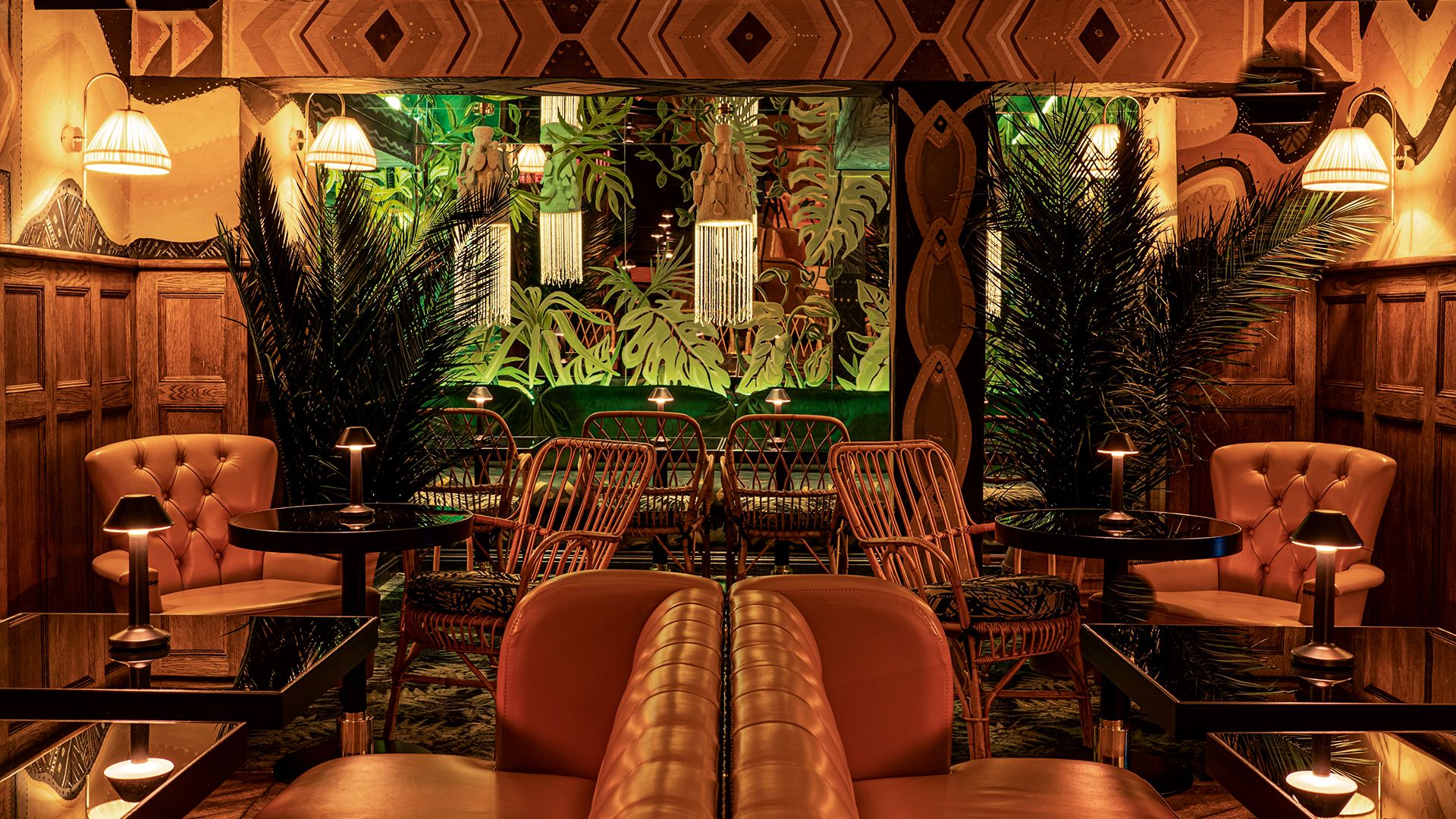
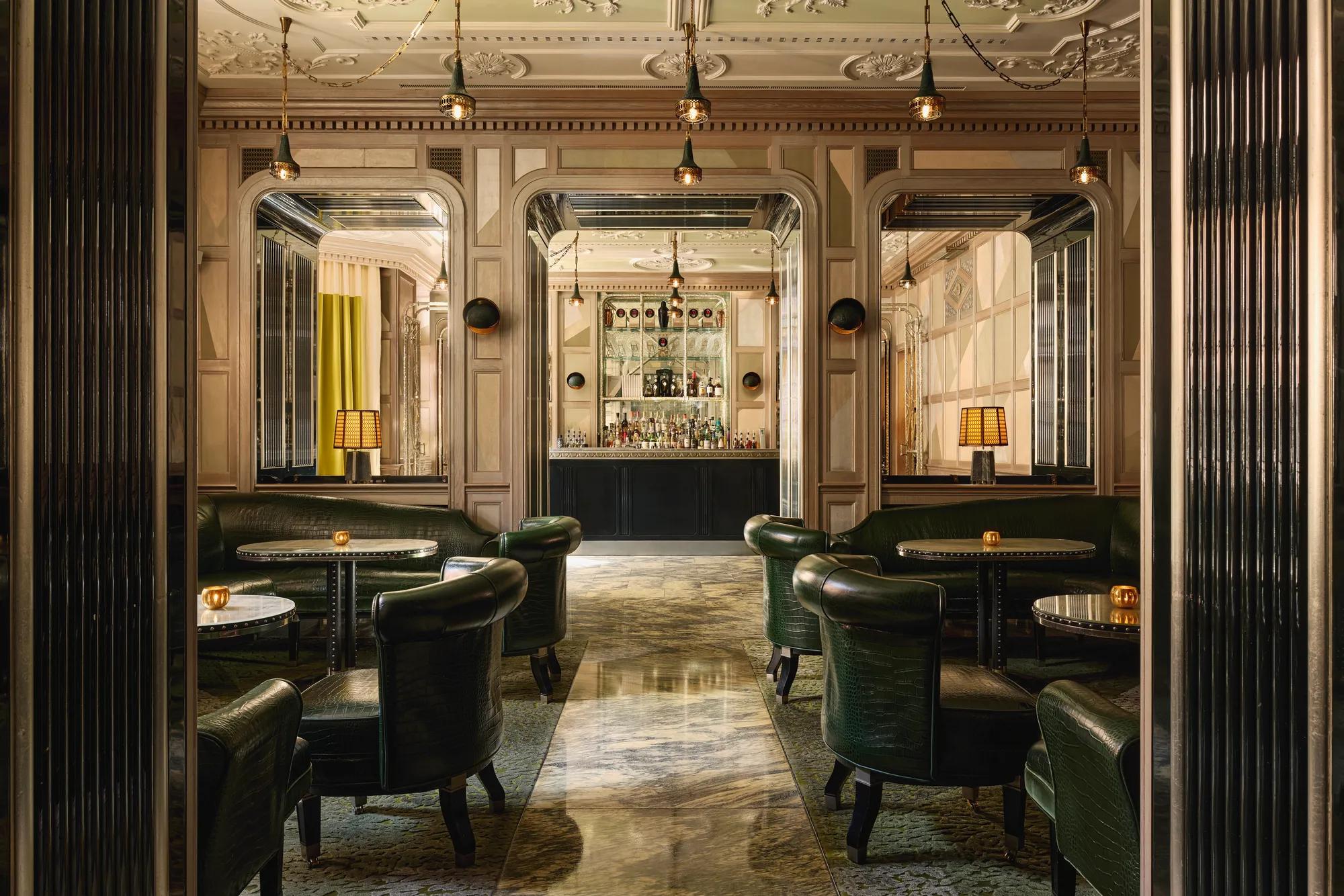
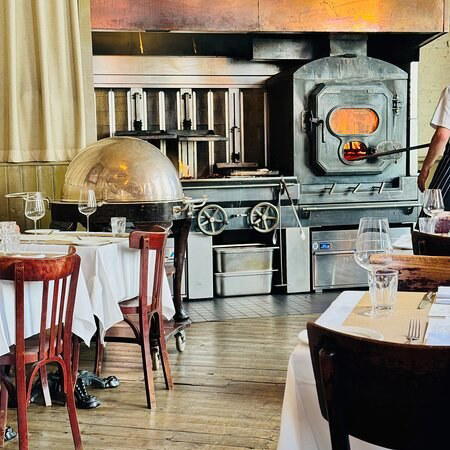
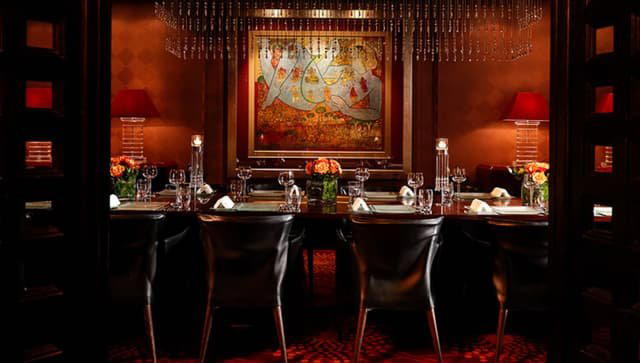
The approach sets expectations before you reach the dining room. Amaya sits down a covered passage beside the Pantechnicon in Belgravia, a deliberate remove from the main street that gives the entrance an unhurried, considered quality. Inside, polished dark wood runs the length of the room, the lighting pitched low enough to soften the generous spacing between tables without dimming the main attraction: an open kitchen where tandoor ovens, tawa griddles, and sigri charcoal grills operate in full view. The kitchen is not a decorative gesture here. It is the room's focal point, and watching the cooking unfold from the dining floor is part of how the meal communicates itself.
London's premium Indian tier has consolidated around two models: the tasting-menu format, where modernist technique rewrites the subcontinental canon, and the grill-led sharing format, where live fire does most of the editorial work. Amaya, operating since 2004 as part of the MW Eat group alongside Benares, Veeraswamy, and Chutney Mary, sits firmly in the second model. Its identity is built around heat and smoke rather than around a single chef's authorial voice, which gives the kitchen a consistency that pure personality-led restaurants sometimes struggle to maintain across years.
The Logic of the Grill Menu
The editorial angle at Amaya borrows from the same structural thinking that underlies a well-composed thali: variety across textures and intensities, balance between char and freshness, and the practical wisdom of smaller portions that allow a table to move through more of the menu rather than committing to fewer, heavier plates. Dishes arrive as the kitchen produces them rather than in choreographed courses, which creates a rhythm determined by fire and timing rather than by convention.
That approach places Amaya in a conversation with how Indian hospitality has historically understood the complete meal. The thali philosophy is not merely about portion size; it is about the idea that a meal should cover enough range to feel resolved, that spice and acidity and richness should all register before you leave the table. The grill format here operates under a similar premise: the menu's variety across protein, seafood, and vegetable preparations from three distinct heat sources is what gives the meal its arc.
The cooking that results from this structure tends to be precise rather than showy. Spicing is applied with intention, and the kitchen shows a consistent interest in pairing conventional Indian spice vocabularies with less expected ingredients. The result is a menu that reads as Indian without reading as static, in a way that distinguishes Amaya from both the white-tablecloth formality of an earlier generation of upmarket Indian restaurants and from the more conceptually adventurous modernist operators that have appeared in London in recent years. For comparable ambition in a different register, Trishna applies similar precision to coastal Indian cooking in Marylebone, while Opheem in Birmingham represents the modernist route from an Indian one-Michelin-star kitchen.
Recognition and Peer Position
Amaya holds a Michelin star, awarded in 2024, which places it in a tier occupied by a small number of Indian restaurants in London. Opinionated About Dining ranked it 211th among European restaurants in 2024, rising to 246th in their 2025 list, with a Highly Recommended citation in their Casual category in 2023. Those rankings reflect a different evaluation framework from Michelin's, prioritising food-forward assessments over service and room criteria, which means both lists together offer a reasonably complete picture of how the kitchen is regarded across different critical communities.
Within London's ££££ Indian tier, the competitive set is genuinely narrow. The grill-centred format, the Belgravia address, and the MW Eat group's operational infrastructure position Amaya against a small number of peers rather than the broader Indian restaurant market. Bombay Bustle works a more Mayfair-casual register; Babur in Forest Hill operates at a different price point and with a different South London audience. Internationally, Trèsind Studio in Dubai represents the modernist Indian fine-dining format that has gained significant traction in the Gulf region over the same period Amaya has been building its reputation in London.
For readers orienting themselves within London's broader premium dining scene, Amaya sits in a distinct category from the modern European and contemporary British operators that dominate the city's top tier. Restaurants like L'Enclume in Cartmel, Moor Hall in Aughton, and The Fat Duck in Bray operate under an entirely different culinary logic. Amaya's proposition is not in competition with those restaurants; it occupies its own category, where the grill tradition and the sharing format define the terms of evaluation rather than the tasting-menu progression that governs assessment of those European kitchens.
Drinks and Room Mechanics
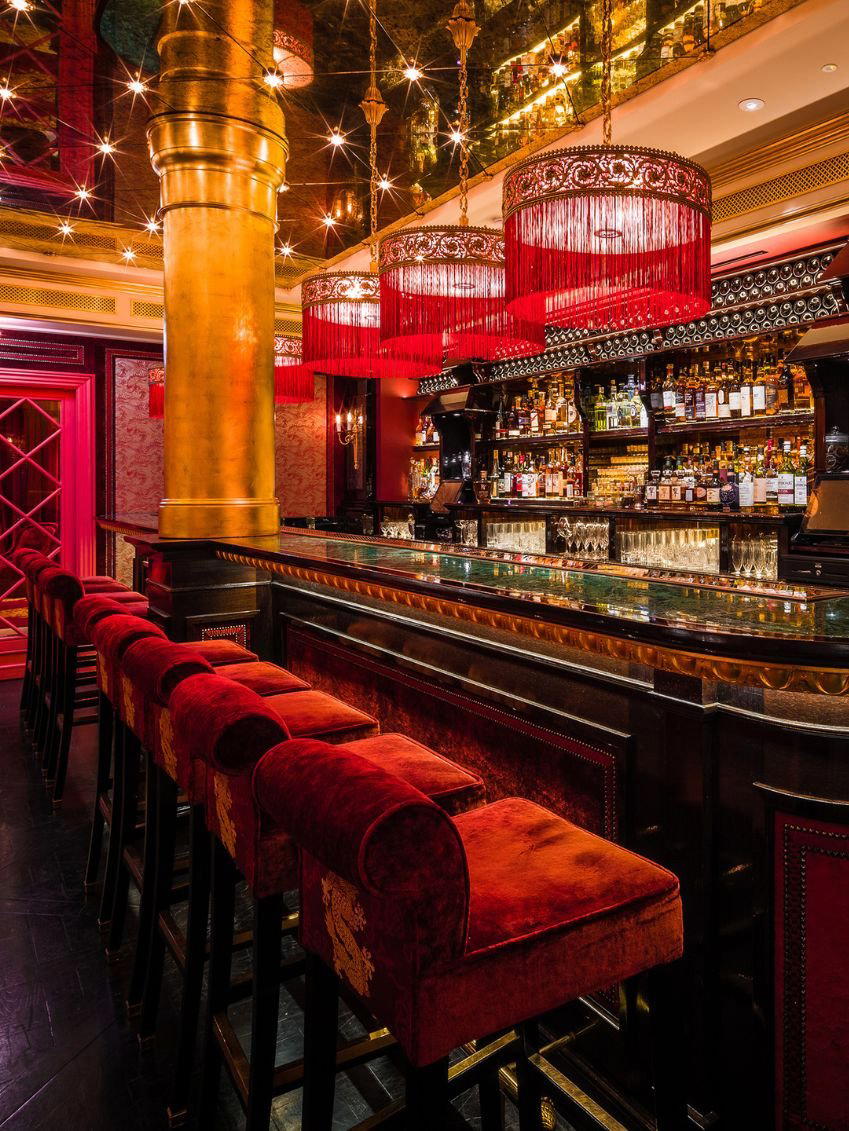
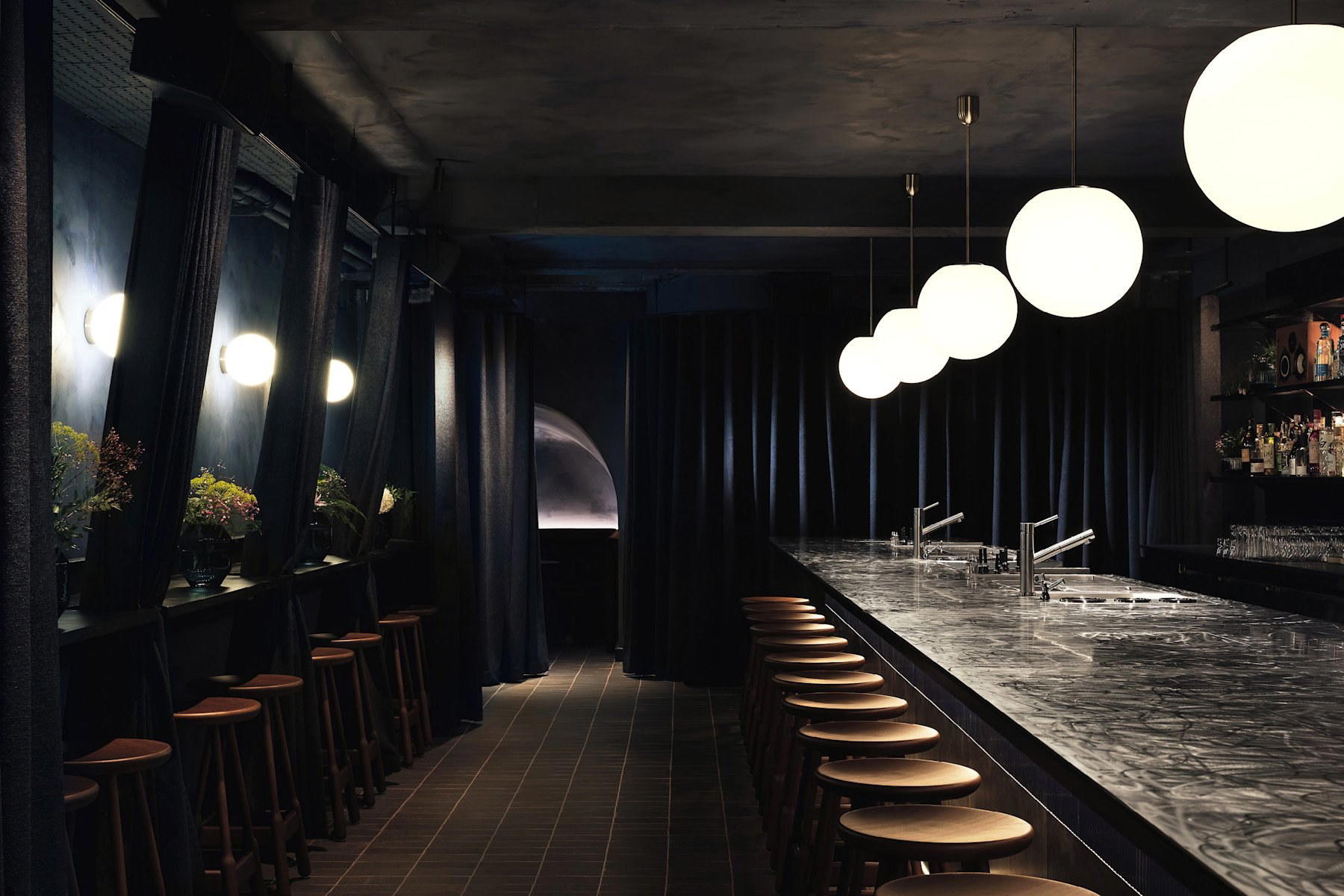
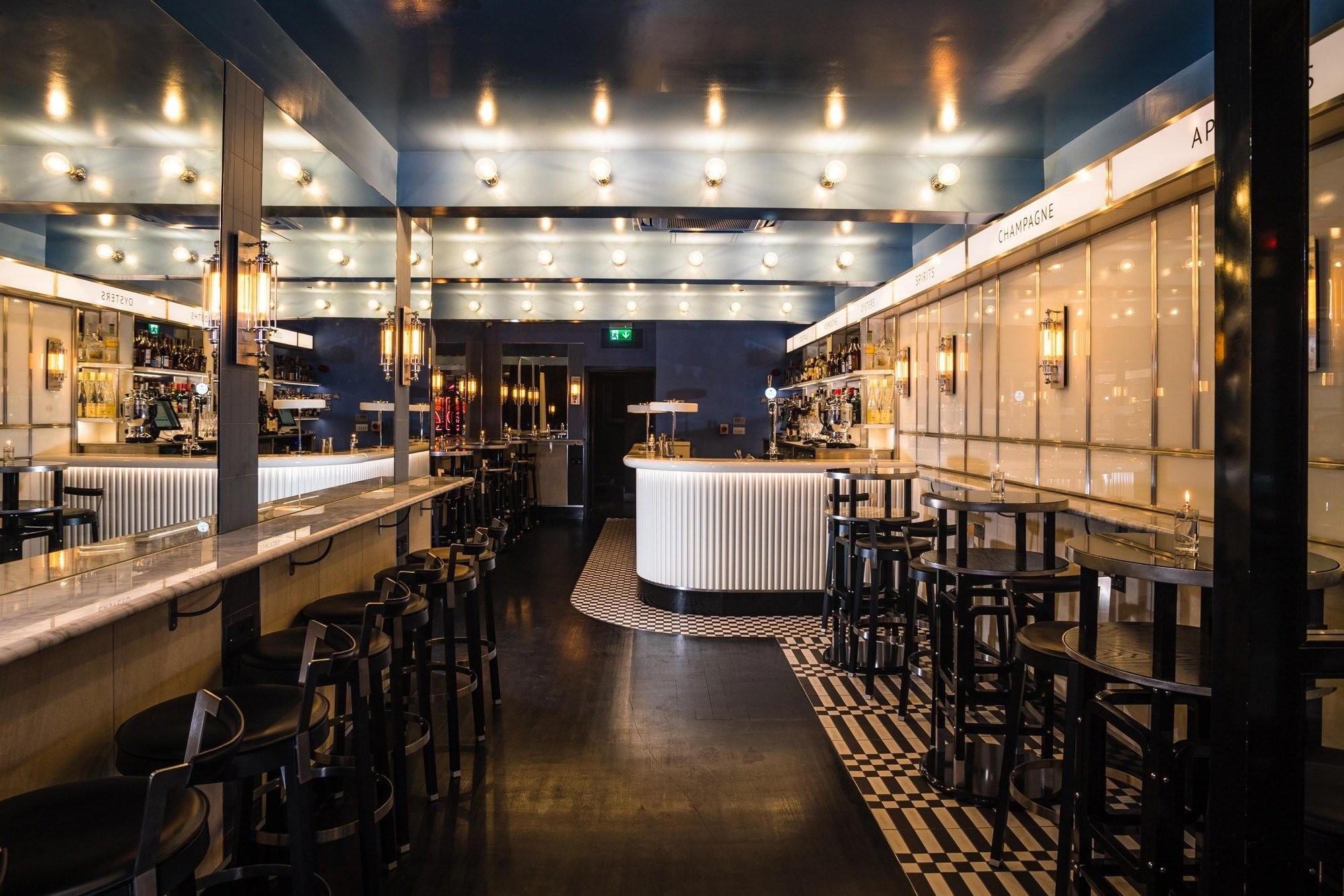
The wine list is assembled with the cooking in mind. Nearly two dozen selections are available by the glass from £11, a range that gives the table the flexibility to move across different pairings as dishes arrive rather than committing a single bottle to a meal that changes character between rounds. Spice-friendly wine programmes remain a minority pursuit in London's Indian restaurants, and the breadth by the glass here is a practical advantage for how the menu is designed to be eaten. Contemporary cocktails are available from a bar area that anchors one end of the room, providing an entry point for pre-dinner drinking that suits the Belgravia neighbourhood's habits.
Service operates through a maître d' model that prioritises efficiency without formality. The team's capacity to move dishes quickly without disrupting the room's atmosphere is consistent with the wider MW Eat group's operational approach across its portfolio.
Planning a Visit
Amaya runs a split-service format across the week. Monday through Friday, lunch runs from noon to 2:15 PM and dinner from 6:00 PM to 10:30 PM. Saturday lunch extends slightly, opening at 12:30 PM and closing at 2:45 PM, with dinner running to 10:30 PM. Sunday service mirrors Saturday's lunch timing but closes dinner at 10:00 PM, a half-hour earlier than weekday service. The Belgravia location at Off Lowndes Street, SW1X 8JT, is a short distance from Knightsbridge station, which makes it accessible from central London without requiring a specific transport plan. The Ambassadors Clubhouse operates in the same neighbourhood if a secondary booking is needed nearby.
Reservations are advised given the restaurant's sustained recognition across multiple review cycles and its consistent position in European restaurant rankings. For readers planning a broader London visit, the city's full dining and hospitality options are covered across our full London restaurants guide, our full London hotels guide, our full London bars guide, our full London wineries guide, and our full London experiences guide. For dining outside the city, UK options at a comparable price tier include Gidleigh Park in Chagford, Hand and Flowers in Marlow, and Le Manoir aux Quat' Saisons in Great Milton.
Frequently asked questions
Is Amaya Michelin-listed?
Amaya has received recognition including: This long-standing Indian restaurant delivers a dining experience where the emphasis is on differently sized dishes designed for sharing – delivered as and when they are prepared from the tawa, tandoor and sigri grills. The smaller portions….
What kind of cuisine does Amaya serve?
What's the signature dish at Amaya?
The smoked chilli lamb chops are consistently cited as the standout item, a point noted directly in Michelin's own commentary on the restaurant. Beyond that, the grill-led format means dishes like tandoor-fired jumbo prawns spiked with ginger and tomato, and oysters crumbed and grilled in coconut milk with turmeric and chilli, represent the kitchen's approach as clearly as any single plate. Amaya's premise is variety across the tawa, tandoor and sigri grills rather than one defining centrepiece, which is precisely what earned it a Michelin star in 2024.
What's the price range at Amaya?
Pricing at Amaya is listed as ££££.
A Lean Comparison
A quick peer check to anchor this venue’s price and recognition.
| Venue | Cuisine | Price | Awards | Notes |
|---|---|---|---|---|
| AmayaThis venue (the venue you are viewing) | Modern Indian Grill | $100–150 | 1 Michelin Star · AA Rosettes 3 Rosettes | Not listed |
| The Ledbury | Modern British Fine Dining | $300–500 | 3 Michelin Stars · World's 50 Best #42 | Modern European, Modern Cuisine |
| Sketch, The Lecture Room and Library | Modern French Fine Dining | $200–300 | 3 Michelin Stars · World's 50 Best #18 | Modern French |
| CORE by Clare Smyth | Modern British Fine Dining | $150–200 | 3 Michelin Stars · World's 50 Best #97 | Modern British |
| Restaurant Gordon Ramsay | French Fine Dining | $200–300 | 3 Michelin Stars · World's 50 Best #13 | Contemporary European, French |
| Dinner by Heston Blumenthal | Historic British Fine Dining | $200–300 | 2 Michelin Stars · World's 50 Best #45 | Modern British, Traditional British |
Recognition history
Dated appearances from independent guides and award organizations, with the underlying list record or original source where available.
Michelin 1 Star
Michelin
AA Rosettes 3 Rosettes
AA Rosettes
Opinionated About Dining Top Restaurants in Europe Recommended
Opinionated About Dining
The Good Food Guide GFG Very Good
The Good Food Guide
Full recognition history (9 entries)
Michelin 1 Star
Michelin
Opinionated About Dining Top Restaurants in Europe Ranked #246
Opinionated About Dining
Michelin 1 Star
Michelin
Opinionated About Dining Top Restaurants in Europe Ranked #211
Opinionated About Dining
Opinionated About Dining Casual in Europe Highly Recommended
Opinionated About Dining