Gul & Sepoy
Gul & Sepoy occupies a corner of Commercial Street where Spitalfields meets the East End's older textile history, serving a style of South Asian cooking that reads against the neighbourhood's broader dining evolution rather than alongside it. The name itself signals ambition: gul (flower) and sepoy (soldier) carry enough cultural weight to suggest a kitchen with a point of view.
- Address
- 65 Commercial St, London E1 6BD, United Kingdom
- Phone
- +44 20 7247 1407
- Website
- gulandsepoy.com
- Directions
- Get directions
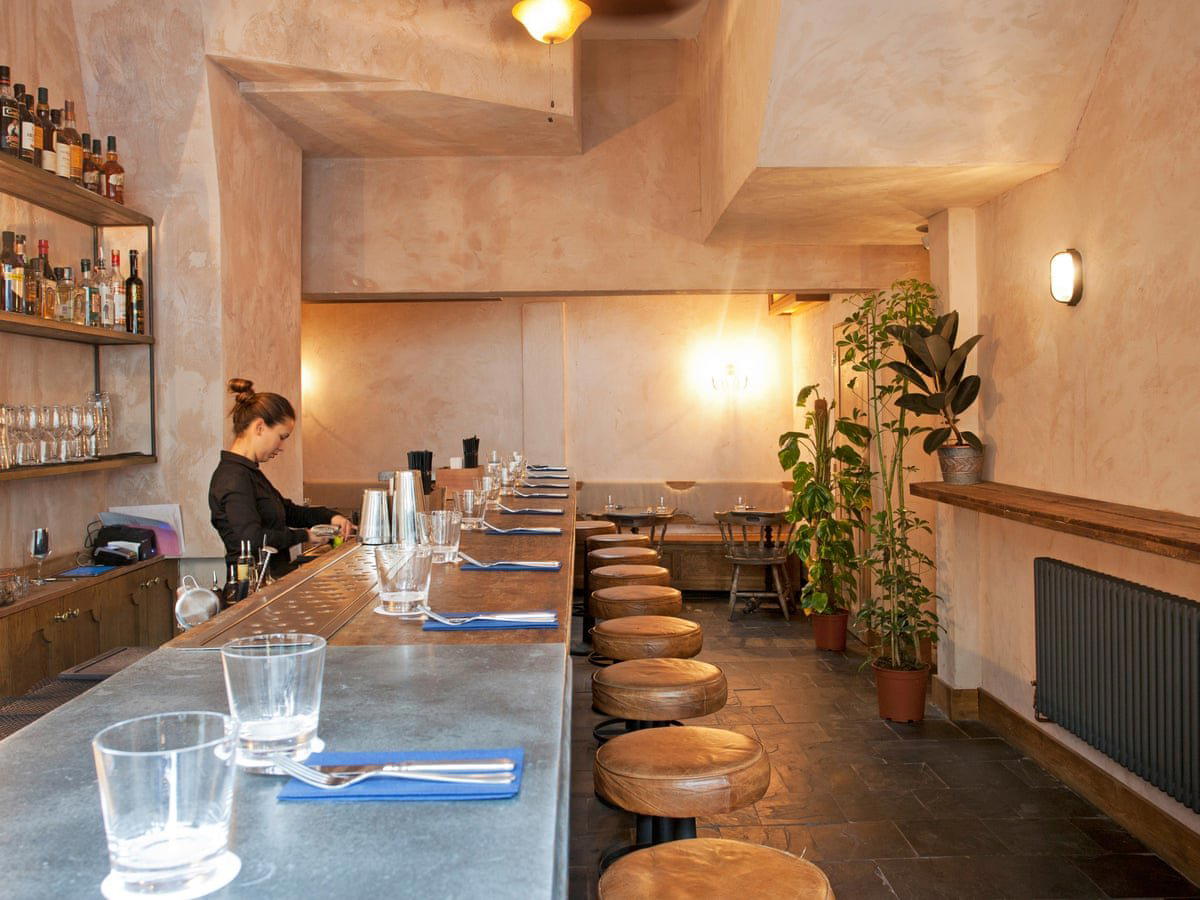
Commercial Street, Spitalfields, and the Architecture of Arrival
Commercial Street in E1 has one of London's more layered street-level identities. The road that once marked the edge of Victorian Spitalfields now separates the gentrified market quarter from what remains of the East End's working fabric. Arriving at number 65, the address sits in that transitional stretch where Georgian terrace frontages give way to newer builds, where the crowds from Spitalfields Market thin out and the street recovers some of its older, quieter character. The physical approach matters here in a way it does not on a restaurant row in Mayfair or Chelsea, because the neighbourhood frames the meal before the door opens.
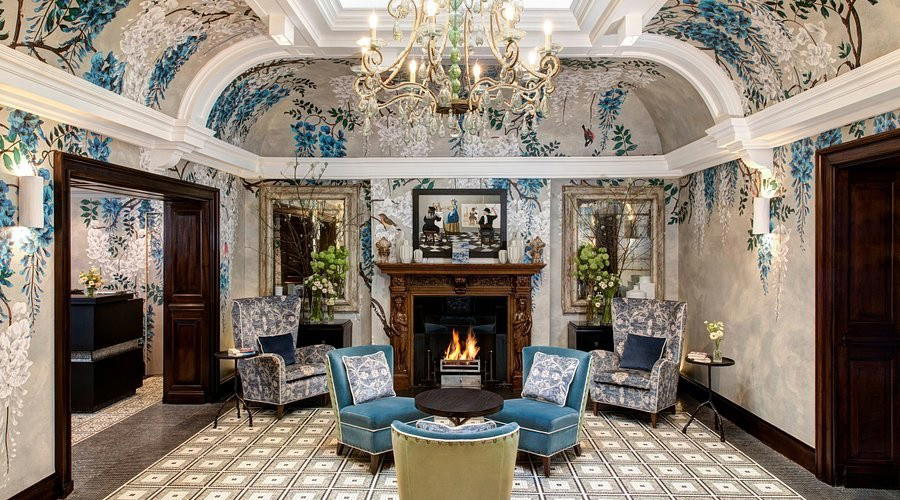
Gul & Sepoy takes that address seriously. The interior aesthetic, as far as the public record shows, works against the stripped-back industrial defaults that most East End openings have defaulted to since Shoreditch set the template in the 2010s. Where exposed brick and pendant bulbs became the region's shorthand for credibility, this room draws from a different visual vocabulary: South Asian decorative reference filtered through a contemporary London sensibility. That shift in register is not cosmetic. In a city where the physical container of a restaurant increasingly functions as a statement of intent, the design language communicates before the menu arrives.
South Asian Fine Dining and Where Gul & Sepoy Sits in It
The broader category of South Asian fine dining in London has sharpened considerably over the past decade. The city has moved well beyond the question of whether Indian cuisine could occupy a serious tasting-menu format and into a more demanding conversation about which kitchens are doing it with real precision and depth. Opheem in Birmingham holds a Michelin star and represents one model for this ambition at the regional level. In London, the peer conversation is sharper still, given the density of competition and the critical scrutiny that comes with it.
Gul & Sepoy enters that conversation from Spitalfields, which carries its own historical resonance. The area's connection to South Asian communities, particularly the Bangladeshi presence in nearby Brick Lane, gives the address a layered meaning that a room in Knightsbridge or Mayfair would not carry. Operating here is a choice, and it reads as one. The name reinforces the positioning: gul, meaning flower, and sepoy, the term for an Indian soldier in colonial service, together form a pairing that holds tension rather than resolving it. That is a more considered act of naming than most restaurant titles manage.
London's highest-end tier remains dominated by kitchens working in European idioms. CORE by Clare Smyth, Restaurant Gordon Ramsay, Sketch, The Lecture Room and Library, The Ledbury, and Dinner by Heston Blumenthal each represent the ££££ bracket of modern British or European cooking. Gul & Sepoy operates in a different culinary tradition and, in doing so, occupies a less crowded competitive position at the serious end of South Asian cooking in this city. That scarcity is part of its appeal for a particular reader: the question is not whether to visit the fifth or sixth Michelin-starred French kitchen in London, but whether to engage with something working in a different register entirely.
The Room as Editorial Statement
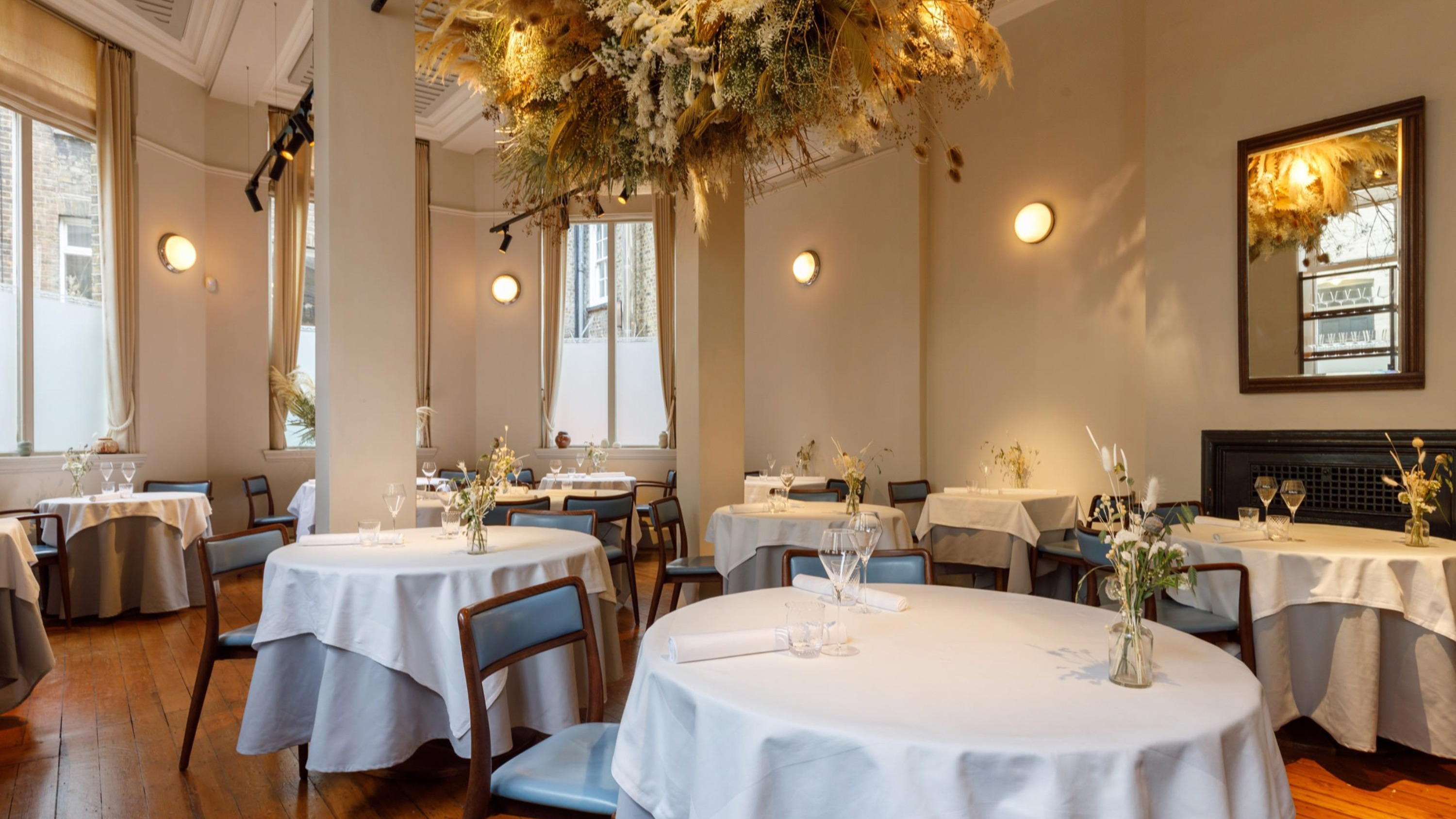
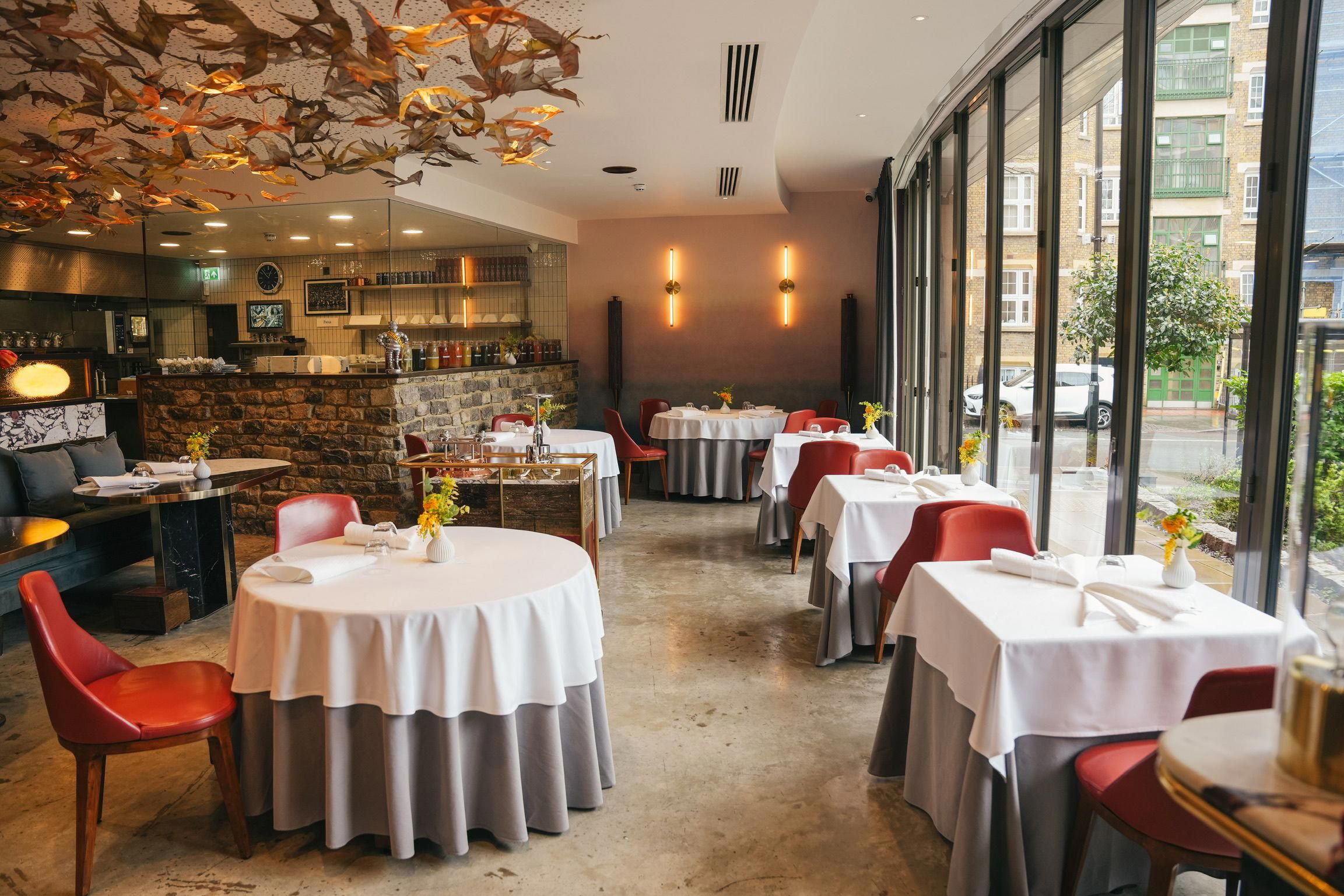
In contemporary restaurant culture, the design of a dining room functions as a medium. The seating arrangement communicates whether the kitchen prioritises theatre or conversation, whether the lighting is calibrated for photography or for the food itself, whether the room was conceived by a team with a genuine spatial sensibility or assembled to hit a brief. At Gul & Sepoy, the reported decorative approach, drawing on South Asian visual traditions without collapsing into pastiche, positions the room in a different register from both the minimalist-Nordic interiors that dominate serious tasting-menu venues and the heavy-fabric colonial-club aesthetic that some South Asian fine dining rooms have inherited from an older generation of restaurants.
That distinction in spatial language matters because it signals a kitchen that has thought about the whole experience, not just what arrives on the plate. The leading rooms in this city do that work quietly: you are inside a coherent world before you have read the menu. Whether Gul & Sepoy fully delivers on that premise requires a visit, but the ambition is legible from what the public record shows.
The Broader UK Fine Dining Context
For a reader comparing London dining against what is available elsewhere in the United Kingdom, the reference points shift depending on what they are looking for. The village-inn format of the Hand and Flowers in Marlow and the remote-destination seriousness of L'Enclume in Cartmel, Moor Hall in Aughton, or Ynyshir Hall in Machynlleth each represent European fine dining traditions executed with real skill. Gidleigh Park in Chagford, hide and fox in Saltwood, Midsummer House in Cambridge, and Restaurant Andrew Fairlie in Auchterarder belong to that same conversation. None of them are doing what Gul & Sepoy is attempting. Internationally, the comparison extends to kitchens like Le Bernardin in New York City and Lazy Bear in San Francisco, both of which have built serious reputations around clearly defined culinary identities. The question Gul & Sepoy is answering, in its own way, is whether a South Asian culinary identity can carry the same weight of seriousness in the London context. The Waterside Inn in Bray also bears mention for those calibrating UK fine dining expectations across price tiers and formats before committing to a London booking.
Planning a Visit
Gul & Sepoy is located at 65 Commercial Street, E1 6BD, a ten-minute walk from Liverpool Street station and within easy reach of Aldgate East. The surrounding blocks hold a range of eating and drinking options, so arriving early or staying late in the area is practical rather than an afterthought. Booking details and current opening hours are best confirmed directly with the venue, as the public record does not currently carry that information reliably.
Cuisine Context
Comparable venues nearby, for context on price, style, and recognition.
| Venue | Cuisine | Price | Notes |
|---|---|---|---|
| Gul & SepoyThis venue — the venue you are viewing | Modern Rustic Royal Indian | $$$ | Not listed |
| Porte des Indes | French-Creole Indian Fusion | $$$ | Marble Arch |
| Gaylord | Traditional Mughlai Indian | $$$ | Cubitt Town |
| Indian Zing | Modern Indian | $$$ | Ravenscourt Park |
| Gunpowder Soho | Modern Regional Indian | $$$ | Soho |
| Bombay Palace | Traditional Indian | $$$ | Paddington |
Continue exploring
More in London
Restaurants in London
Browse all →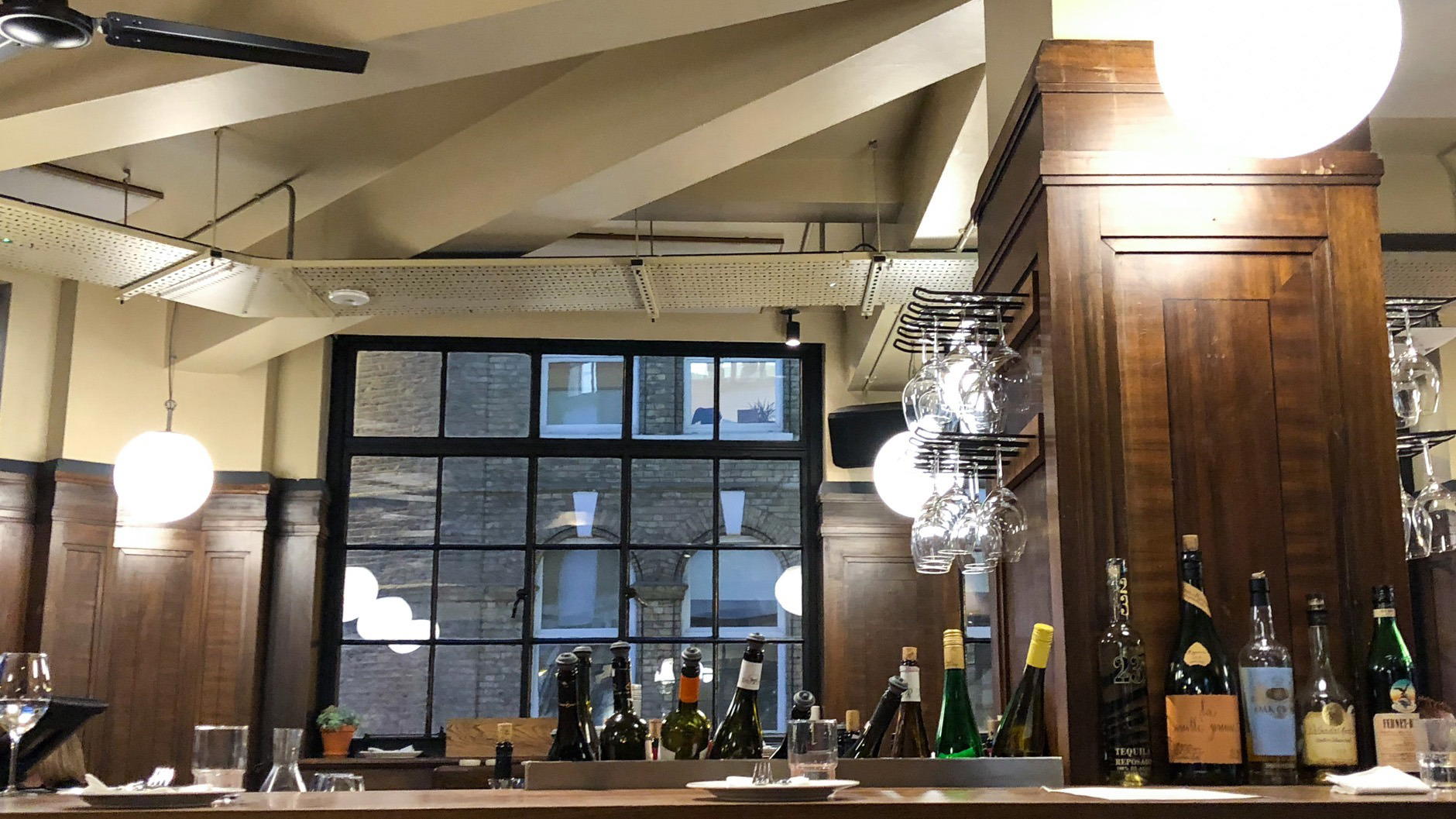
Bars in London
Browse all →
Hotels in London
Browse all →




At a Glance
- Cozy
- Elegant
- Modern
- Date Night
- Special Occasion
- Open Kitchen
Warm and cozy atmosphere with French cooking techniques applied to Indian dishes.