The Glenturret Lalique Restaurant









2 Michelin Stars · La Liste Top Restaurants · Star Wine List
Our verdict
Set inside Scotland's oldest working distillery, The Glenturret Lalique holds two Michelin stars and a La Liste score of 95 points, placing it firmly among Scotland's most decorated dining rooms. Chef Mark Donald's multi-course tasting menu at £220 per person draws on ingredients from across the Highlands and beyond, served beneath Lalique crystal chandeliers in a seven-table dining room that reads as one of the southern Highlands' more serious fine-dining propositions.

Pearl is the En Primeur Club membership app — saves, bookings, and concierge access live there. Same editors, same standards.
The menu
What to order
- Langoustine tartare
- Bisque-it
- Tattie scone
- Malted barley bread
Where French Luxury Meets Scotland's Oldest Distillery
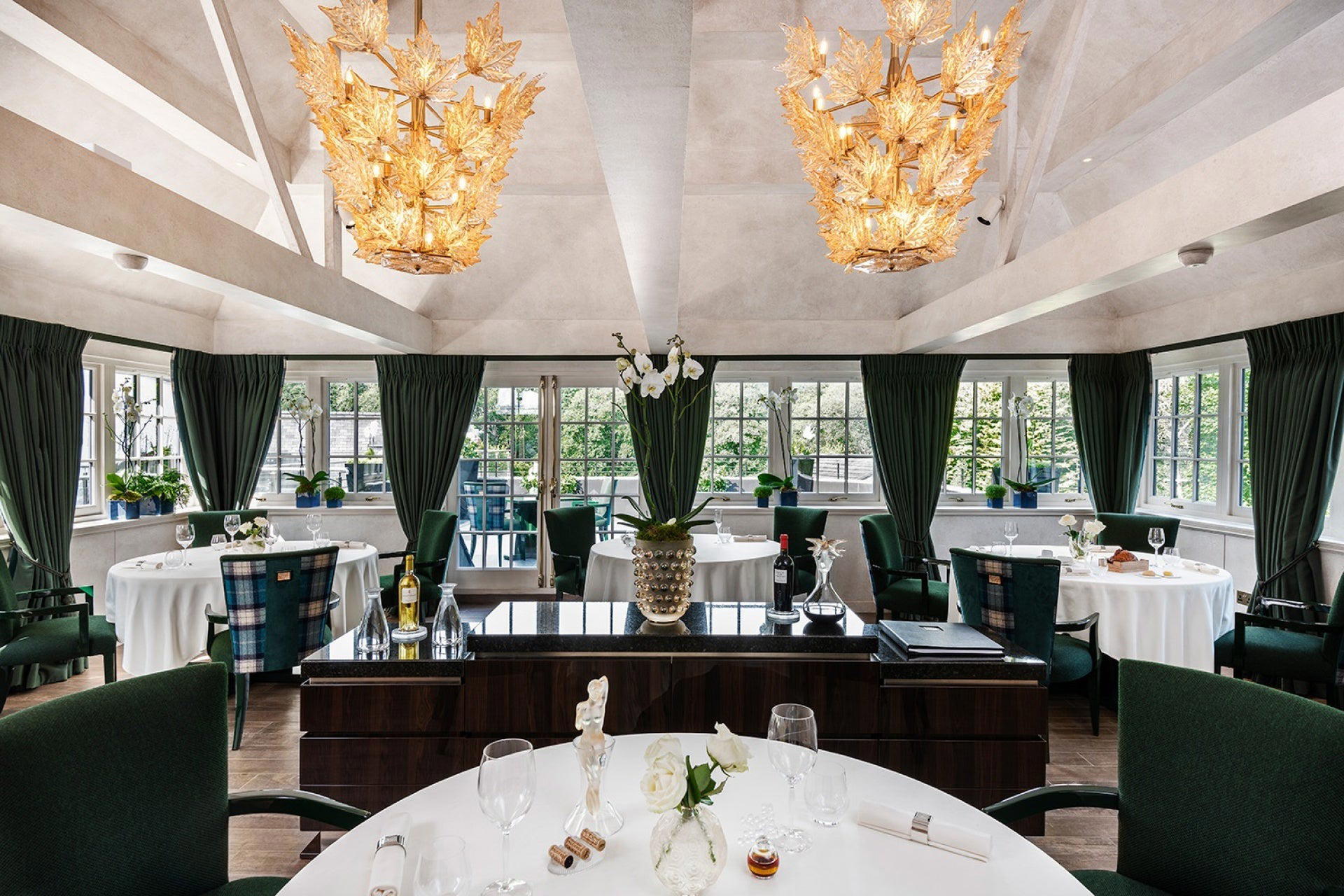
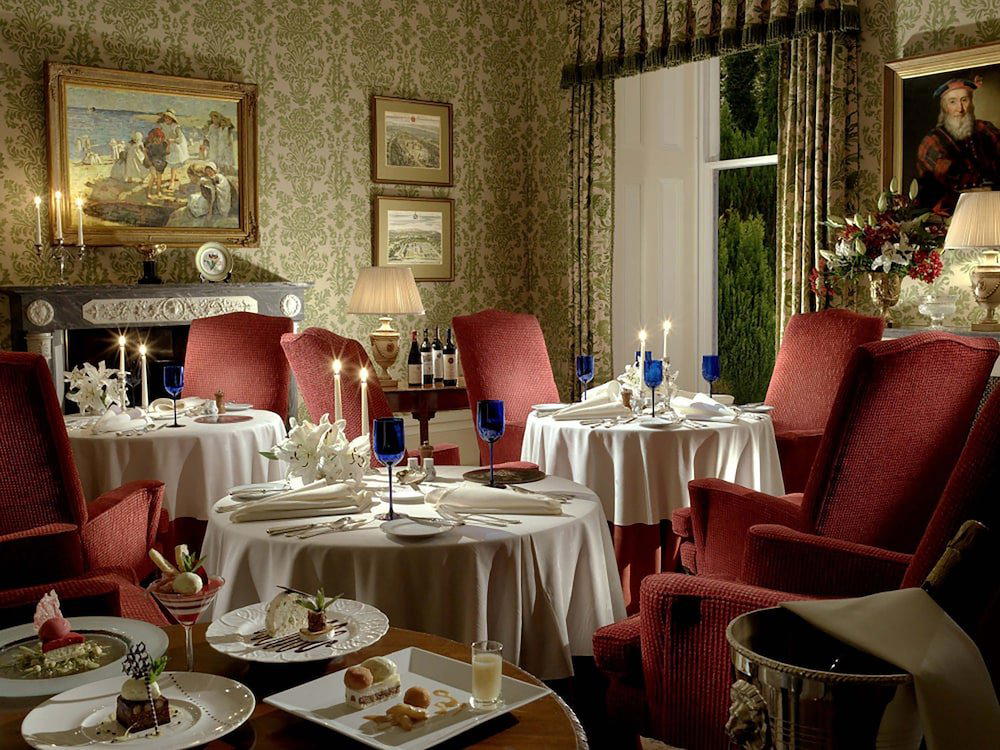
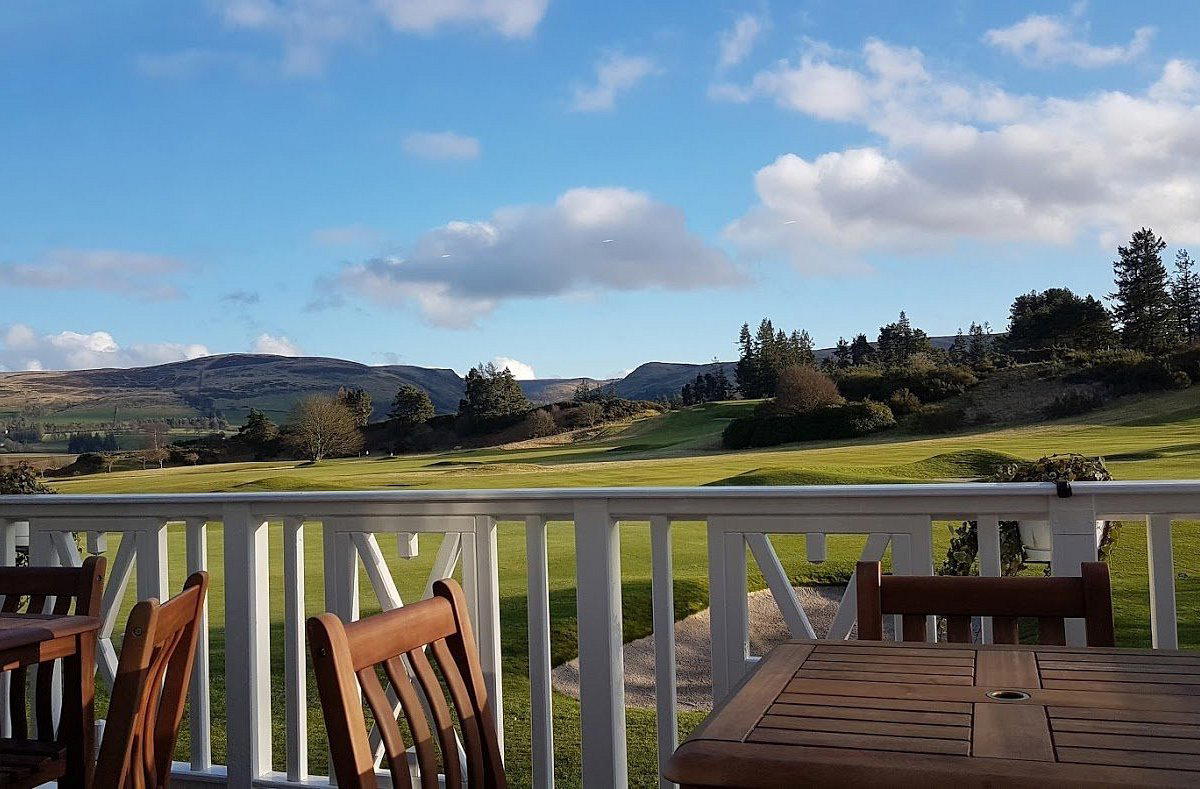
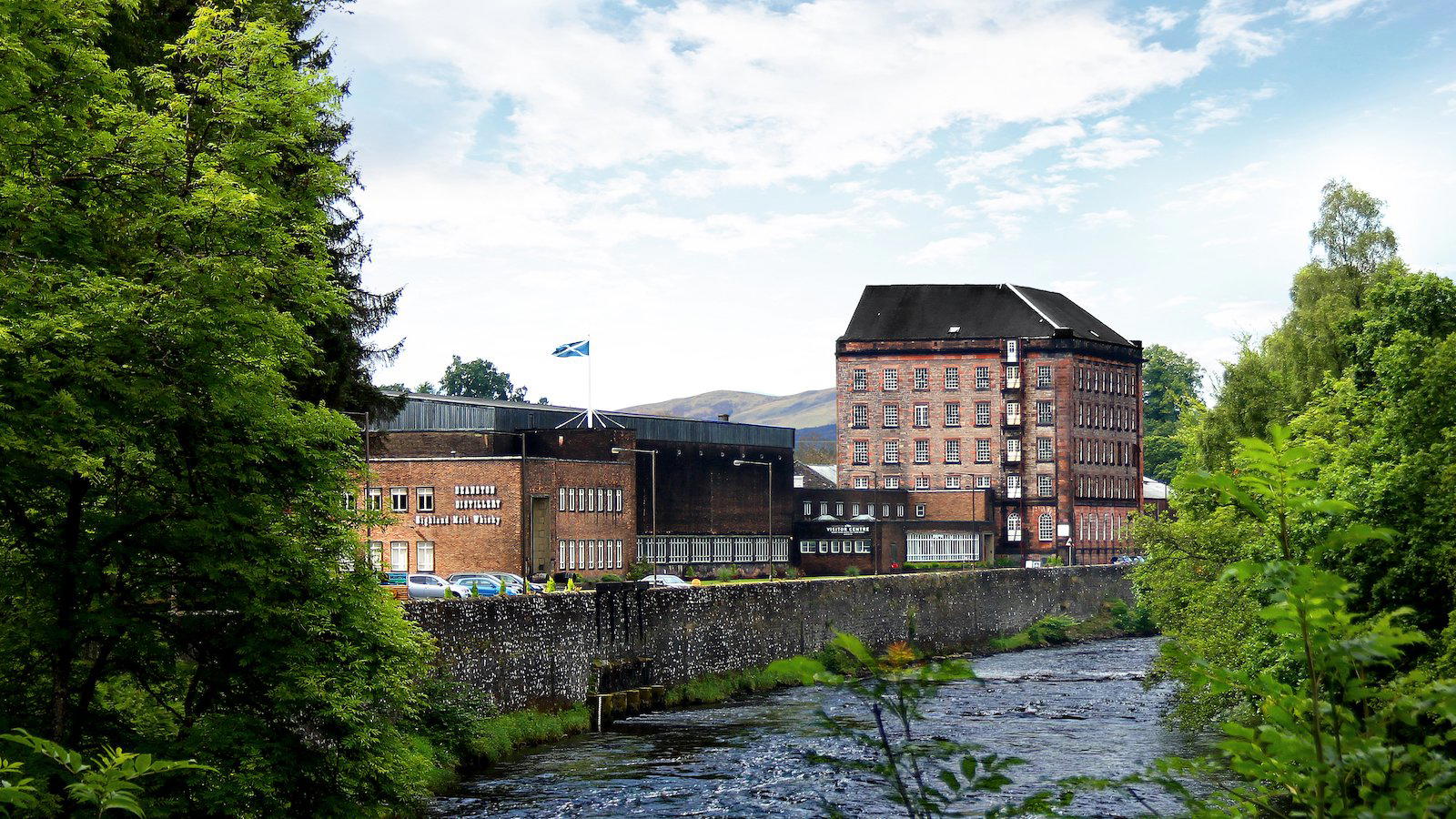
The approach to Hosh, a hamlet outside Crieff in Perthshire, gives little warning of what follows. The road narrows past farmland before arriving at the Glenturret Distillery, a working site that has produced whisky since 1763. Inside, the dining room belongs to a different register entirely: glass walls frame a rugged Highland landscape, Champs-Elysées-scale Lalique crystal chandeliers throw light across seven tables set with starched white linen and polished stemware, and the effect has been described by guests as "a touch of France transported to the southern Highlands." It is a collision of contexts that, by most accounts, functions precisely as intended.
This is the physical premise of The Glenturret Lalique: a formal partnership between the French crystal house Lalique and Scotland's oldest continuously operating whisky distillery. The room itself is a statement of that alliance — crystal everywhere, beamed ceilings above, and a glass-sided structure that keeps the landscape permanently present. Guests arrive not just for the food but for a setting that sits unlike most other fine-dining rooms in the country. For context on what else Crieff and its surrounds offer, see our full Crieff restaurants guide.
Chef Mark Donald and the Culinary Tradition He Draws From
The two Michelin stars awarded in both 2024 and 2025 reflect a kitchen working with consistency at a high technical level, and the La Liste ranking of 95 points in 2026 (up from 92 in 2025) suggests that recognition is growing rather than plateauing. Behind that trajectory is a chef whose background spans some of the more demanding kitchens in contemporary European cooking. Mark Donald, a Glaswegian, has worked at Noma in Copenhagen and at Gleneagles, two institutions that sit at opposite ends of the foraging-formality spectrum. The combination has produced a kitchen sensibility that handles both hyper-local Scottish ingredients and technically demanding classical structures with apparent ease.
The broader British fine-dining scene offers a useful frame. At venues like The Ledbury in London or L'Enclume in Cartmel, the dominant mode is a deep commitment to a specific regional ingredient story. Glenturret Lalique operates differently: it is not a strictly locavore project, but rather a kitchen that uses Scottish produce as primary material and international technique as the processing language. Tattie scones appear alongside Highland Wagyu and caviar, served in Lalique bowls. A raw cherrystone clam arrives dressed with condensed gooseberry and dulse vinaigrette. Malted barley sourdough is presented with peat-smoked beurre noisette and local honey. The menu's wit is deliberate — a sour pre-dessert shot is listed as "kumquat penicillin", and the structural confidence of the cooking has drawn repeated commentary from guests about the depth of flavour across multiple courses.
Comparison to kitchens at Moor Hall in Aughton or Gidleigh Park in Chagford is instructive. All three operate in rural or semi-rural settings, carry serious award credentials, and require guests to commit to a journey. What separates Glenturret Lalique is the particular double identity of the venue, fine-dining restaurant and working distillery simultaneously, which gives it a context that most countryside tasting-menu destinations do not share. In Scotland specifically, it occupies a different position from Restaurant Andrew Fairlie in Auchterarder, the country's only three-Michelin-star restaurant, which operates from within a hotel rather than a distillery and draws on a different classical French lineage.
Seven Courses, a Sommelier Worth Noting, and the Whisky Dimension
Tasting menu runs to seven courses at £220 per person. The structure follows a familiar contemporary format: amuse-bouche opening, seafood-heavy middle courses, a transition through game and red meat, a sweet-savoury palate cleanser, dessert, and a handcrafted sweetie box at the close. What distinguishes the execution, according to consistent guest reporting, is the quality of the amuse-bouche sequence, described by diners as among the strongest they had encountered across Michelin-starred restaurants, and the service's ability to read the room without becoming overbearing.
Sommelier Julien Beltzung receives specific mention across multiple reports, with guests noting that wine pairings are constructed with genuine thought rather than assembled from a standard sequence. The wine list itself runs to 600 selections across 4,000 bottles in inventory, with particular depth in France, Burgundy, and Bordeaux. For guests not taking the paired option, the list operates at a $$$ price tier, meaning a significant portion of selections sit above the £80-per-bottle mark. The pairing logic reportedly spans sake at the start through to sweet stickies at the close, tracking the menu's arc rather than simply matching weight to weight.
The distillery dimension adds a layer not available at comparable tasting-menu venues. The whisky selection is catalogued across seven curated flights, including a six-shot sequence described as a "voyage around Scotland." Aged single malts from the Glenturret site itself are available at a depth not replicated in a conventional restaurant wine cellar. For guests staying overnight, which the venue recommends as the natural way to complete the experience, the bar offers a snack menu at lunch service, including oysters with kipper vinaigrette and Lanarkshire beef tartare.
The food and beverage program here sits in a different competitive tier from the broader rural fine-dining group. The whisky program alone would justify a visit from spirits-focused travellers who would not otherwise make the drive to Crieff. For those approaching from a pure fine-dining perspective, the parallels are closer to destination restaurants like Le Manoir aux Quat' Saisons in Great Milton or Midsummer House in Cambridge, where the setting and the food combine to justify a dedicated trip rather than an incidental visit.
Getting There and Planning the Visit
Restaurant sits at the Glenturret Distillery outside Crieff, approximately an hour and fifteen minutes by car north of Edinburgh. There is no rail connection to Crieff itself, so guests arriving by public transport from Edinburgh or Glasgow will need to plan for a taxi or hired car from Perth or Stirling. The drive from Glasgow runs slightly longer, at approximately an hour and forty minutes depending on route. Given the format, a multi-course evening with wine pairings, staying overnight is the most practical approach, and the venue makes this available. Booking depth at a seven-table room with two Michelin stars suggests advance planning of several months, particularly for weekend dates.
£220 per person price covers the seven-course tasting menu; wine pairing and the whisky selection are priced separately. The full evening, with pairings, will exceed £300 per head without difficulty. As a reference point, that places the total cost broadly in line with comparable two-star experiences at hide and fox in Saltwood or Opheem in Birmingham, though the travel overhead makes the overall commitment higher. For those planning a broader Perthshire stay, the Crieff hotels guide, bars guide, wineries guide, and experiences guide cover what else the area supports.
For comparison with other high-end modern cuisine formats operating internationally, the closest analogues in positioning, destination tasting menus built around a strong sense of place and exceptional wine programs, include Frantzén in Stockholm and FZN by Björn Frantzén in Dubai, both of which operate on a similar logic of immersive, multi-course formats in distinctive physical settings. Glenturret Lalique's particular Scottish-French axis is its own, and the distillery context gives it a grounding in place that few tasting-menu destinations anywhere in the UK can replicate.
Frequently asked questions
Would The Glenturret Lalique be comfortable with kids?
This is not a natural fit for children. The seven-table dining room operates with starched linen, formal service, and a seven-course tasting menu priced at £220 per person that runs across several hours at a deliberate pace. The format is designed for focused adult dining, not flexible or abbreviated meals.
Is The Glenturret Lalique better for a quiet night or a lively one?
Quiet, without question. Seven tables, two Michelin stars, and a formal service team describe an evening built around concentration rather than conversation across the room. The Lalique chandeliers and glass-sided dining room set a tone that leans toward ceremony, not sociability.
Is The Glenturret Lalique award-winning?
The Glenturret Lalique has received recognition including: “Outstanding in every way” is the comment most often made this year regarding this “wonderfully well-spaced” dining room which is emerging as one of Scotland’s most notable dining destinations. “An hour and a bit by car, to the north of Edi….
What should I eat at The Glenturret Lalique?
The seven-course tasting menu at £220 per person is the evening format, so the main decision is whether to take the wine pairing. Given sommelier Julien Beltzung's track record, noted across multiple diner reports, the pairing is the stronger choice. The amuse-bouche sequence has drawn particular attention from guests who visit Michelin-starred restaurants regularly, and the whisky selection offers a complementary dimension specific to the distillery setting.
Comparable Venues
Comparable venues nearby, for context on price, style, and recognition.
| Venue | Cuisine | Price | Awards | Notes |
|---|---|---|---|---|
| The Glenturret LaliqueThis venue (the venue you are viewing) | Modern Scottish Fine Dining | $200–300 | 2 Michelin Stars · La Liste Top Restaurants | Not listed |
| Three Chimneys & The House Over-By | Modern Scottish Fine Dining | $150–200 | Michelin Plate · World's 50 Best #32 | Colbost |
| The Ivy | British Brasserie | $50–100 | World's 50 Best #44 | Blackfriars |
| The Kitchin | Modern Scottish Fine Dining | $150–200 | 1 Michelin Star · La Liste Top Restaurants | Leith Docks |
| Trivet | Modern British Fire-Led Fine Dining | $150–200 | 2 Michelin Stars · La Liste Top Restaurants | Borough |
| Restaurant Andrew Fairlie | French-Scottish Fine Dining | $200–300 | 2 Michelin Stars · La Liste Top Restaurants | Gleneagles |
Recognition history
Dated appearances from independent guides and award organizations, with the underlying list record or original source where available.
Michelin 2 Stars
Michelin
La Liste Top Restaurants
La Liste
Star Wine List
Star Wine List
AA Rosettes 5 Rosettes
AA Rosettes
Harden's Top 100 UK Restaurants #26
Harden's
Full recognition history (18 entries)
National Restaurant Awards Top 100 #44 · No. 44
National Restaurant Awards · 2026 National Restaurant Awards Top 100
SquareMeal UK Top 100 Restaurants #22
SquareMeal
Wine Spectator Best of Award of Excellence
Wine Spectator
La Liste Top Restaurants
La Liste
Michelin 2 Stars
Michelin
National Restaurant Awards Top 100 #41
National Restaurant Awards
The Good Food Guide GFG Exceptional
The Good Food Guide
Wine Spectator Best of Award of Excellence
Wine Spectator
World's Best Wine Lists Awards WBWL 2-Star
World's Best Wine Lists Awards
Michelin 2 Stars
Michelin
World's Best Wine Lists Awards WBWL 2-Star
World's Best Wine Lists Awards
World's Best Wine Lists Awards WBWL 2-Star
World's Best Wine Lists Awards
World's Best Wine Lists Awards WBWL 2-Star
World's Best Wine Lists Awards
Continue exploring
More in Crieff
Restaurants in Crieff
All restaurants in Crieff →
Bars in Crieff
Browse all →
Hotels in Crieff
Browse all →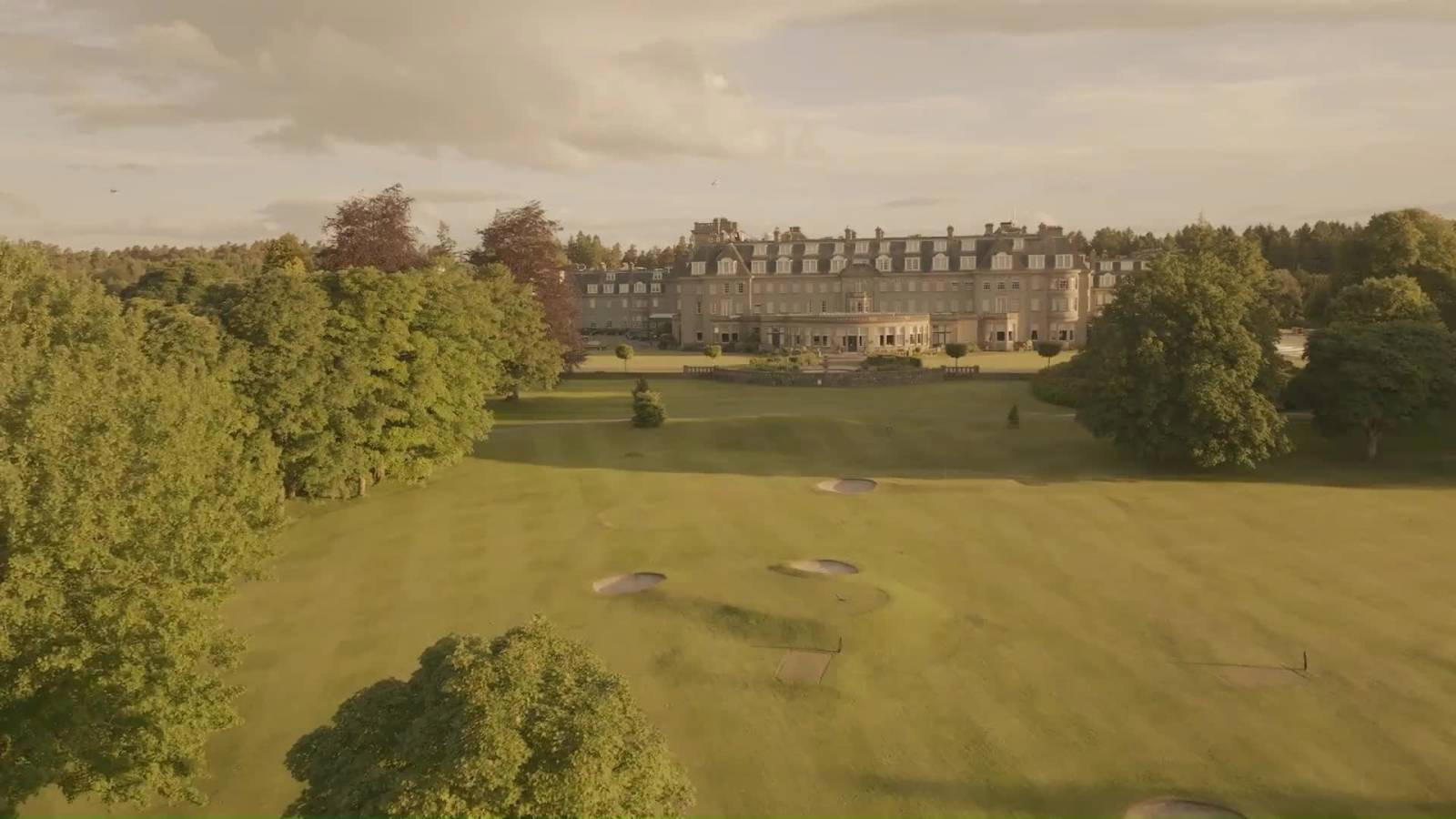
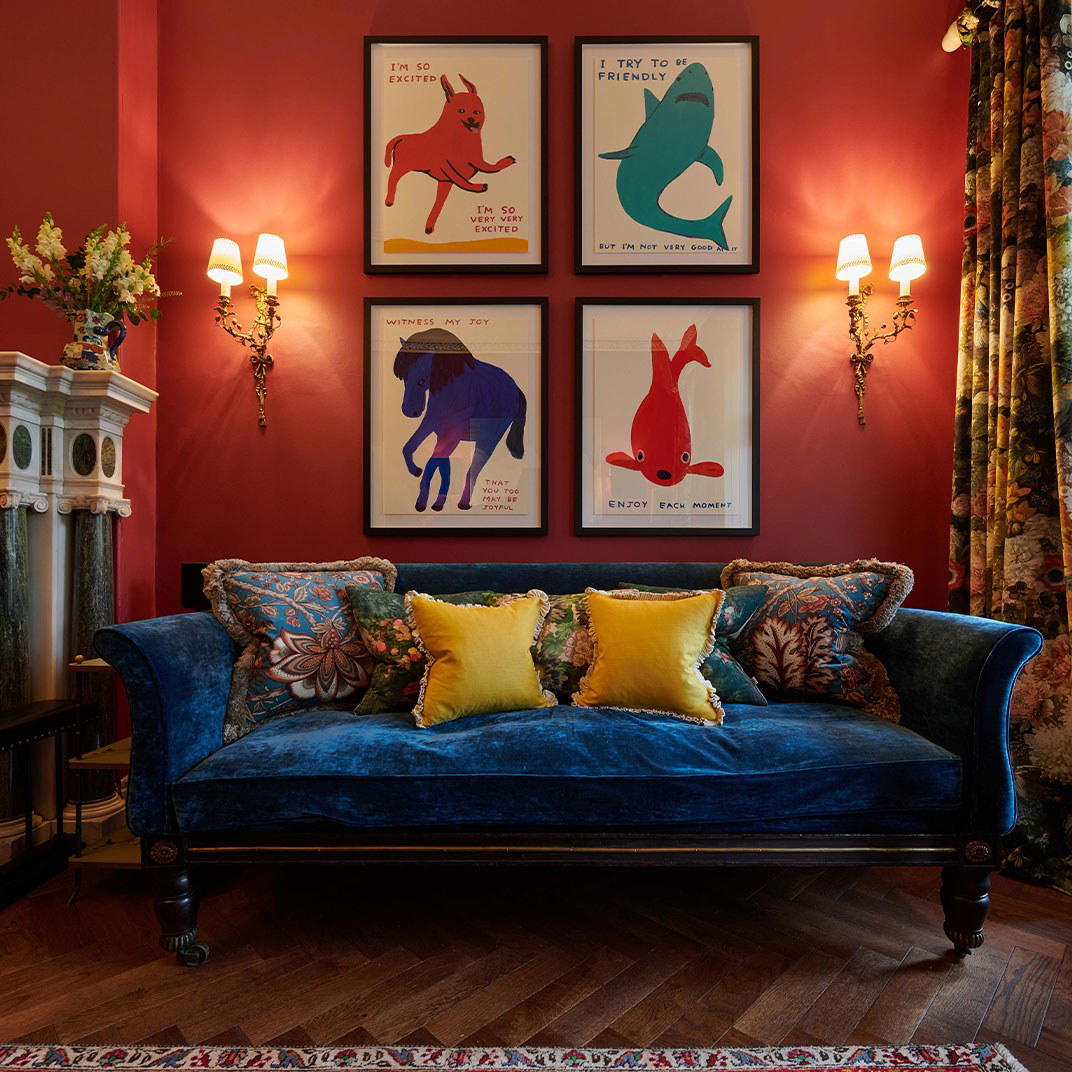
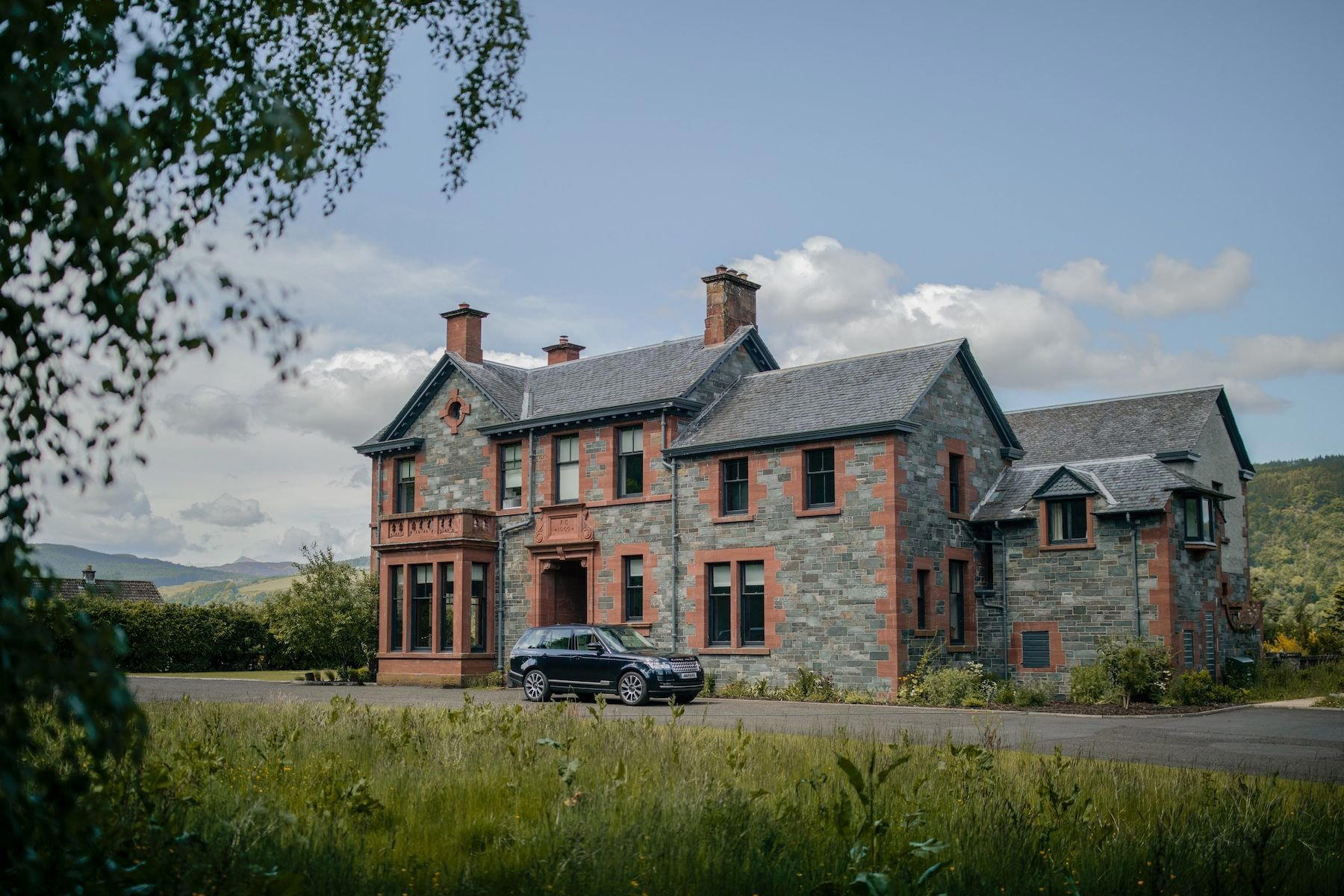
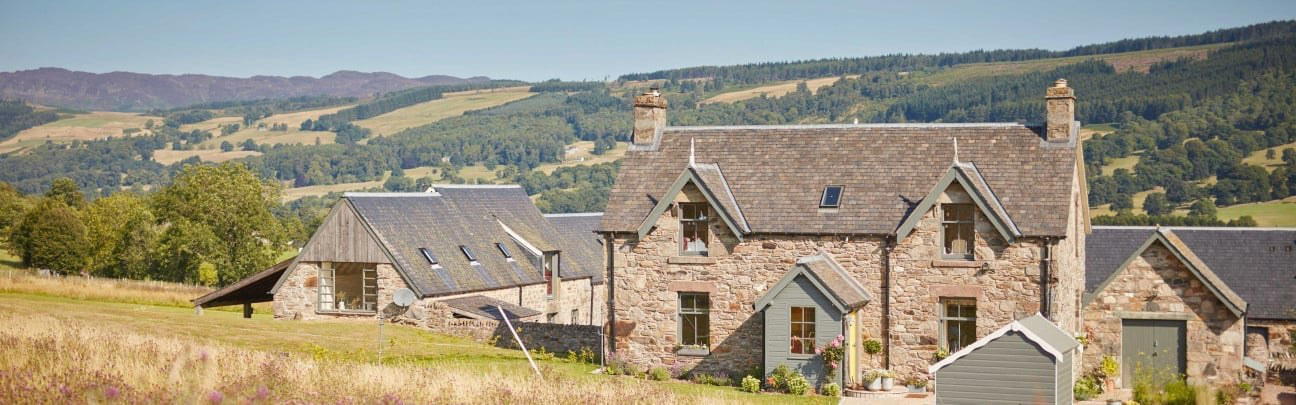
Wineries in Crieff
All wineries in Crieff →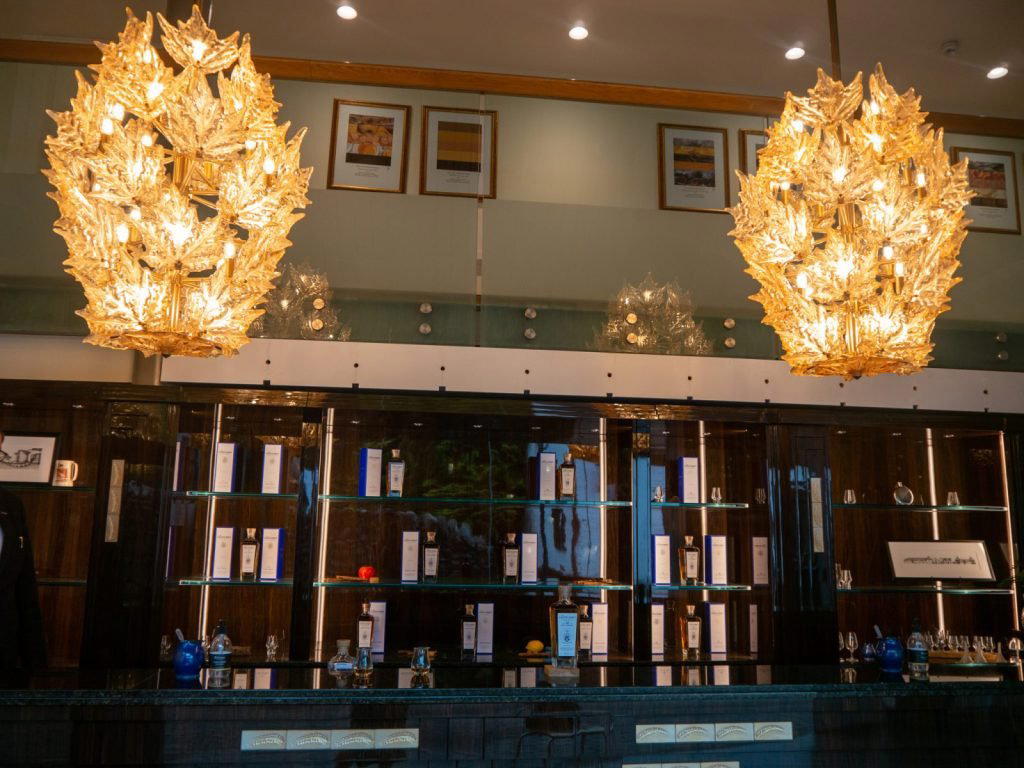
The Glenturret Lalique Restaurant
The wine
The Glenturret Lalique Restaurant holds the Wine Spectator Best of Award of Excellence, which Wine Spectator gives to lists of usually 350 or more selections.
- Wine program
- Deep wine list
- Wine Spectator
- Wine Spectator Best of Award of Excellence
- Selections
- 600
- Bottles in cellar
- 4,000
- List strengths
- France, Burgundy, Bordeaux
- Wine director
- Romain Iltis
- Extensive wine list
- Sommelier-led
Details
- Elegant
- Sophisticated
- Ornate
- Intimate
- Classic
- Special Occasion
- Date Night
- Celebration
- Historic Building
- Design Destination
- Standalone
- Wine Cellar
- Extensive Wine List
- Sommelier Led
- Local Sourcing
- Tasting Menu
- Whisky
- Wine
- Vegetarian Friendly
Current opening hours
- Monday
- Closed
- Tuesday
- Closed
- Wednesday
- 6–10 PM
- Thursday
- 6–10 PM
- Friday
- 6–10 PM
- Saturday
- 6–10 PM
- Sunday
- Closed
Hours can change for holidays and private events. Last verified .
Ornate luxury blending rustic beamed ceilings with sparkling Lalique chandeliers and glassware, creating an intimate and elegant atmosphere.