
Tabelog 100 #58
Our verdict
Shabushabu Kanoko is a small Nara shabu-shabu and beef restaurant selected for Tabelog 100 Hot Pot 2024. Its appeal sits in the regional grammar of Japanese hot pot: controlled heat, beef as the centre of the table, and a compact room that keeps the meal closer to local dining culture than destination tasting-menu theatre.

Pearl is the En Primeur Club membership app, where members save venues, book tables and use the concierge.
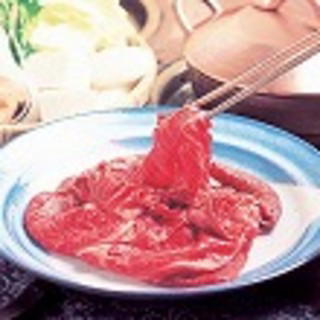
The menu
What to order
- Ikoma beef shabu-shabu
- Special Wagyu Shabu-Shabu Course
- Kanoko Course
- Homemade Rishiri kombu dashi with local vegetables
In Nara, dinner can have a different cadence from the temple-quarter day trip. The streets thin out, the pace turns local, and hot pot makes sense: a shared table, steam in the room, beef cooked in short movements rather than presented as a chef’s sequence. Shabu-shabu belongs to that social register. It is precise but not stiff, built around timing, broth, dipping sauces, vegetables, and the quiet agreement that the diner has work to do.
Shabushabu Kanoko sits inside that tradition rather than trying to dress it up as a luxury performance. Its Tabelog 100 Hot Pot 2024 selection places it in a national conversation around hot pot, a category where recognition tends to favour consistency and the ability to make a familiar format feel worth crossing town for. In Nara, where many high-interest dining rooms lean toward kaiseki, sushi, or contemporary tasting menus, a focused shabu-shabu address gives the city’s restaurant map a useful counterweight.
Nara hot pot, read through beef rather than ceremony
Japanese hot pot is often misunderstood by travellers as casual comfort food alone. At its stronger end, it is a test of restraint. The broth should support rather than dominate; the beef needs enough character to justify its central role; the vegetables matter because they shape the rhythm of the pot after the first slices are gone. The format is communal, but it is not careless. The diner watches the heat, moves quickly, and eats in stages.
The restaurant’s public positioning points to shabu-shabu and beef dishes. That focus matters. Shabu-shabu’s lighter register often sits in a delicate space, especially when the meal moves between broth, sauce, and beef fat. The appeal is not a long menu of named signatures; it is the discipline of a narrow category executed with care.
Compared with Nara’s more formal Japanese dining rooms, including Wa Yamamura, Shikinosushi KROUTO, and Oryori Kotan, this kind of hot pot address asks for a different evening. Kaiseki and sushi tend to place the guest in a receiving role, course by course or piece by piece. Shabu-shabu keeps the guest active. That distinction is the point: the meal is less about a plated reveal and more about the table’s control of pace.
A focused format changes the stakes
The restaurant’s category focus makes the experience feel closer to a specialist dining room than a broad-use hot pot house. Focused restaurants sharpen expectations. They reduce the distraction of a sprawling menu, make timing more visible, and turn a shared-pot format into something more concentrated. The value sits in the cooking format and the clarity of the concept rather than overt luxury signals.
That focus also explains why the Tabelog 100 Hot Pot 2024 selection carries weight here. Tabelog’s Hyakumeiten lists are not the same signal as Michelin stars, but in Japan they often capture category-specific strength across everyday and specialist formats. For a shabu-shabu restaurant outside Tokyo, Osaka, or Kyoto’s densest dining corridors, appearing on that list gives travellers a practical reason to take Nara’s non-temple dining seriously.
Nara’s dining scene rewards this kind of specificity. A visitor can build a polished itinerary around other Nara dining rooms, but hot pot fills another need: a meal that feels Japanese in structure without borrowing the language of ceremony from kaiseki. For broader planning, use Our full Nara restaurants guide, then layer in Our full Nara hotels guide, Our full Nara bars guide, Our full Nara wineries guide, and Our full Nara experiences guide.
How it fits a Japan food itinerary
Shabu-shabu works especially well in Nara because the city’s tourism day often front-loads walking, shrines, museums, and park time. By evening, a table built around hot pot has a logic that a longer tasting menu may not. It gives structure without overcomplication and keeps conversation at the centre of dinner.
The useful comparison is not only within Nara. Beef-led cooking across Japan splinters into sukiyaki, grilled beef, yakiniku, steakhouse formats, and regional hot pot traditions. A traveller studying that spectrum might compare the category with other Japanese beef-focused restaurants, while a wider Japan itinerary can swing through seafood, casual urban stops, and regional specialities elsewhere in the country. The through-line is not sameness; it is how tightly each place commits to its format.
For travellers coming from North America, useful reference points can sit outside Japan too. Japanese restaurant-bar and staple-focused formats abroad can show how a narrow idea carries a meal without excess. Shabushabu Kanoko belongs to that same editorial lesson: a narrow format becomes more persuasive when it resists expansion.
The verdict is practical rather than grand. Choose this for a Nara dinner when beef, hot pot, and a focused atmosphere matter more than a many-course chef’s menu. The Tabelog 100 Hot Pot 2024 selection supplies the external signal; the cultural interest is the way shabu-shabu turns dinner into a controlled, shared act rather than a passive sequence of plates.
Frequently asked questions
Where is Shabushabu Kanoko located?
Nara.
Is Shabushabu Kanoko expensive?
Pricing at Shabushabu Kanoko is listed as JPY 5,000 - JPY 5,999.
How far ahead should I plan for Shabushabu Kanoko?
Because Shabushabu Kanoko is a recognized hot pot address in Nara, early planning is sensible, especially for dinner.
What's the signature at Shabushabu Kanoko?
The clearest anchor is shabu shabu, backed by the restaurant’s Tabelog 100 Hot Pot 2024 selection. The listing also places the restaurant in the categories of shabu shabu and beef dishes, shaping the meal around the hot pot itself.
Cost and Credentials
Nearby venues at a similar price tier for orientation.
| Venue | Cuisine | Price | Awards | Notes |
|---|---|---|---|---|
| Shabushabu KanokoThis venue (the venue you are viewing) | Ikoma beef shabu-shabu | $50–100 | Tabelog 100 #58 | Not listed |
| 37+1 - Sanjuhachi | Japanese-Italian Farm-to-Table | Not listed | Michelin Plate · We're Smart World 2 Radishes | Yamatotakada, Japanese-Italian Farm-to-Table |
| Kakomura | Traditional Setouchi Kaiseki | $50–100 | Michelin Plate | Nara, Traditional Kaiseki |
| Momoshiki | Japanese Sukiyaki & Beef Mabushi | $30–50 | Tabelog 100 #25 | Nara, Japanese Sukiyaki & Beef Mabushi |
| Houseki Bako | Japanese Kakigori Cafe | $10–20 | Tabelog 100 #85 | Nara, Japanese Kakigori Cafe |
| Inakajaya Chie | Traditional Japanese Kaiseki | Not listed | Michelin Plate | Sakurai, Traditional Japanese Kaiseki |
Recognition history
Dated appearances from independent guides and award organizations, with the underlying list record or original source where available.
Tabelog 100 #58 · No. 58
Tabelog · Tabelog 100 - Hot Pot - 2024
Continue exploring
More in Nara
Restaurants in Nara
All restaurants in Nara →


Bars in Nara
All bars in Nara →
Hotels in Nara
All hotels in Nara →

Wineries in Nara
Browse all →
Details
- Cozy
- Intimate
- Classic
- Date Night
- Family
- Group Dining
- After Work
- Special Occasion
- Chefs Counter
- Standalone
- Sake Program
- Local Sourcing
- Set Menu
- Counter Dining
- Sake
- Shochu
- Wine
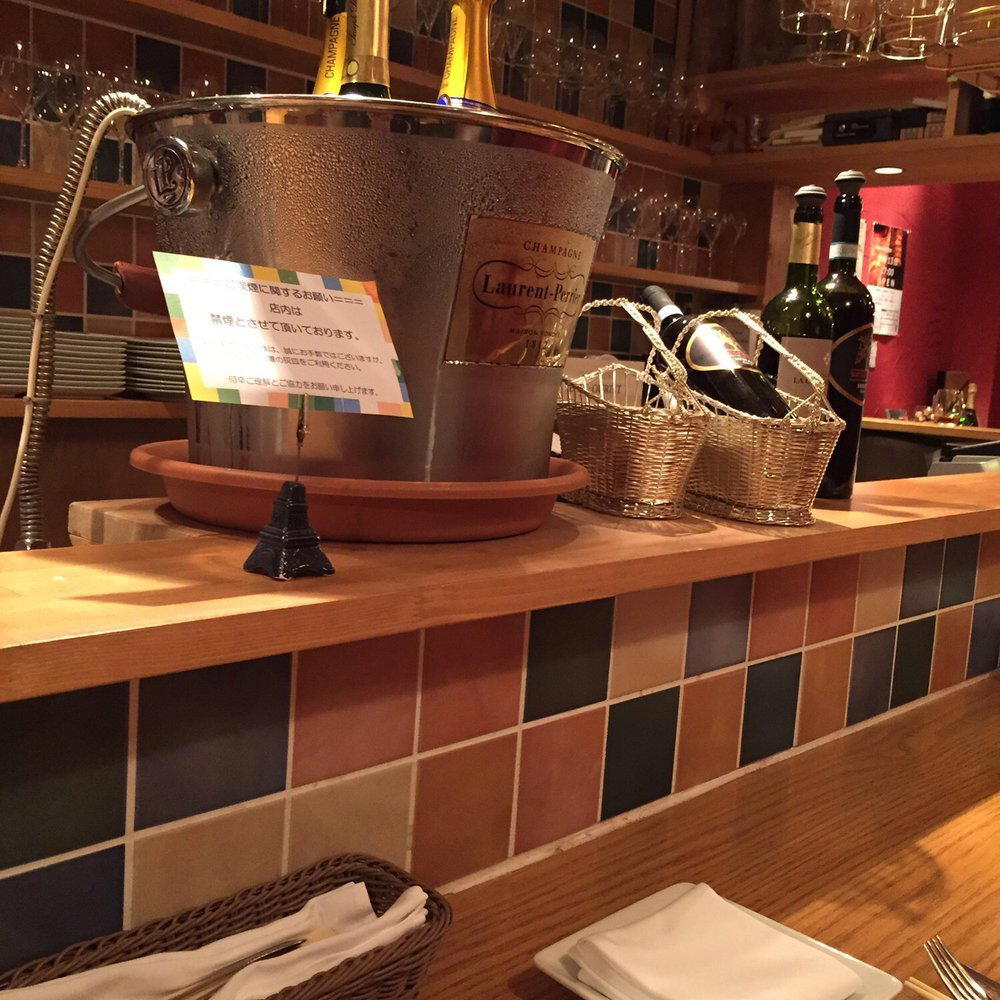
A small, non-smoking hideout near Shin-Omiya Station with only 14 seats, warm lighting, counter-focused seating and a friendly owner-couple who guide guests through how best to enjoy the shabu-shabu, creating a relaxed, welcoming atmosphere for all ages.