Our verdict
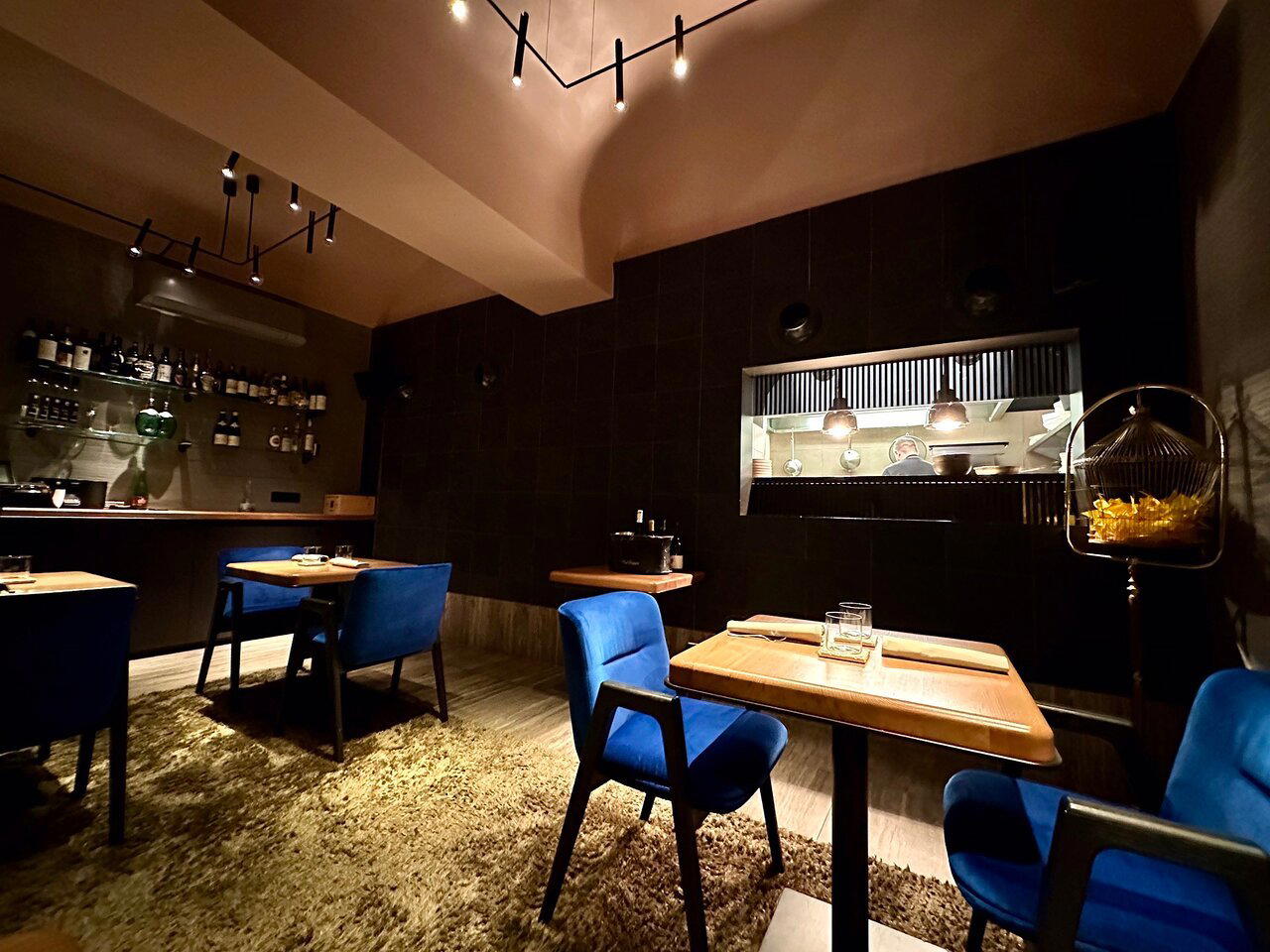
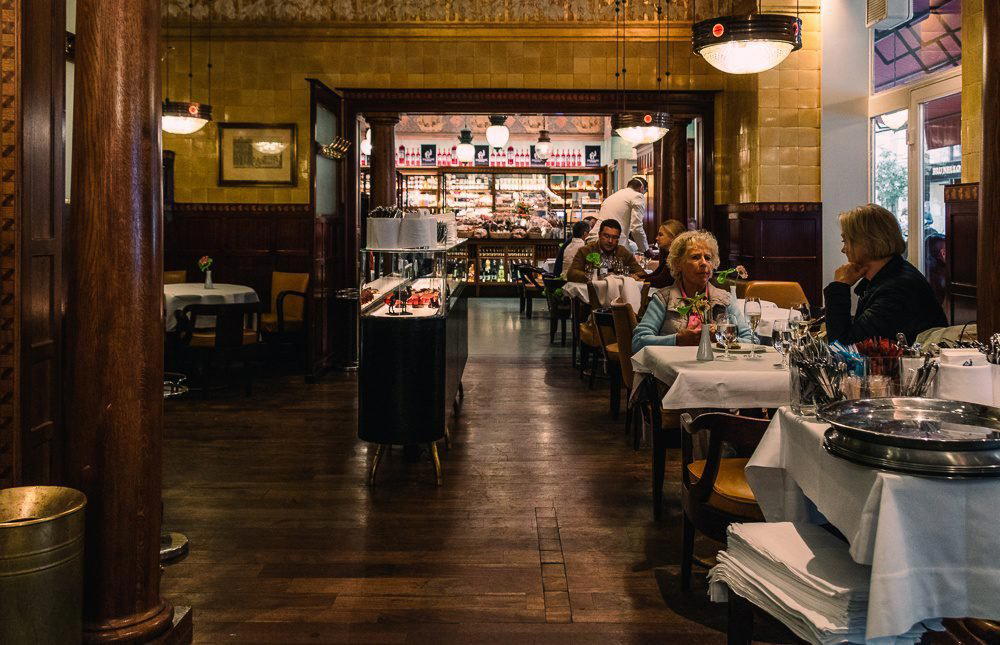
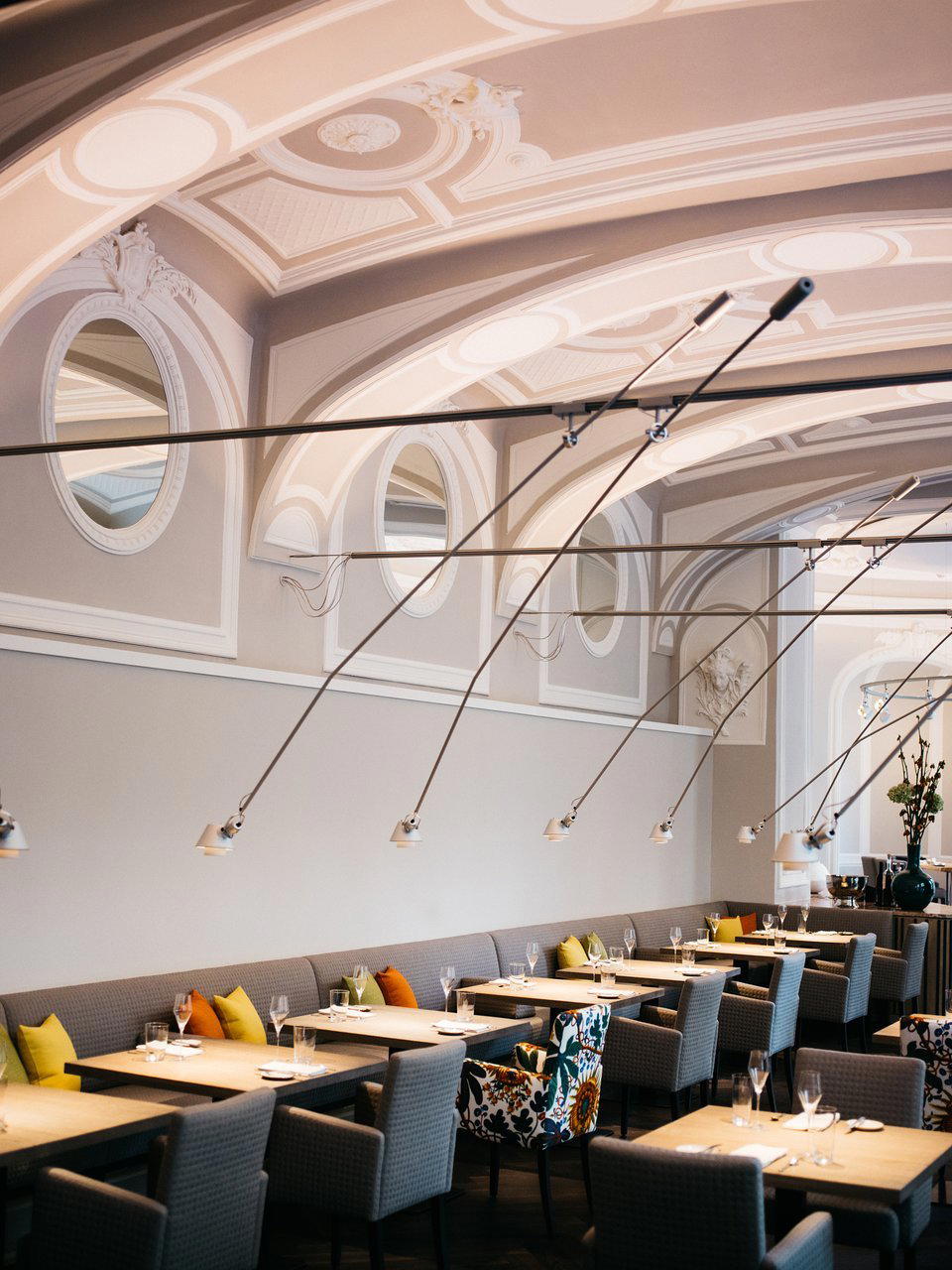
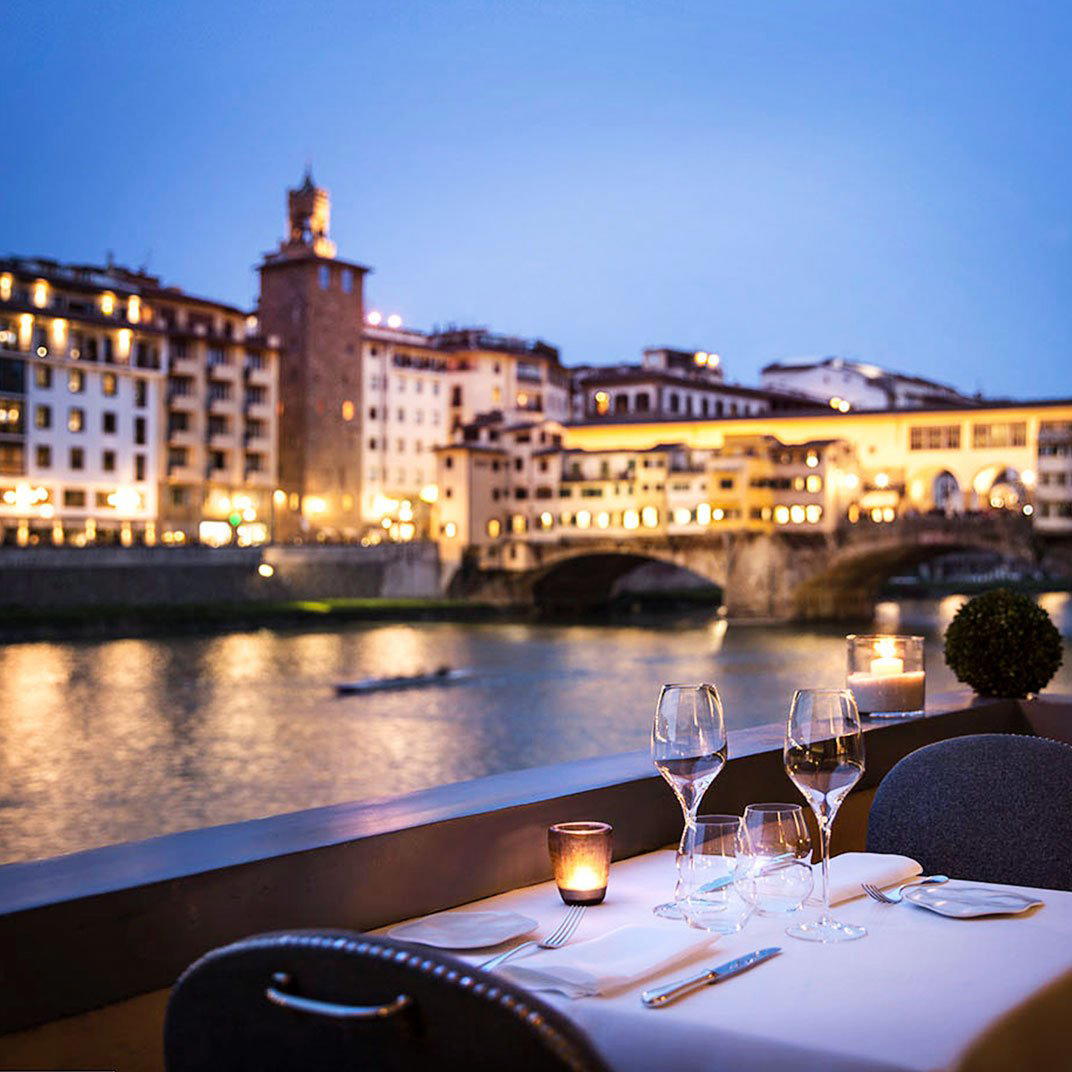
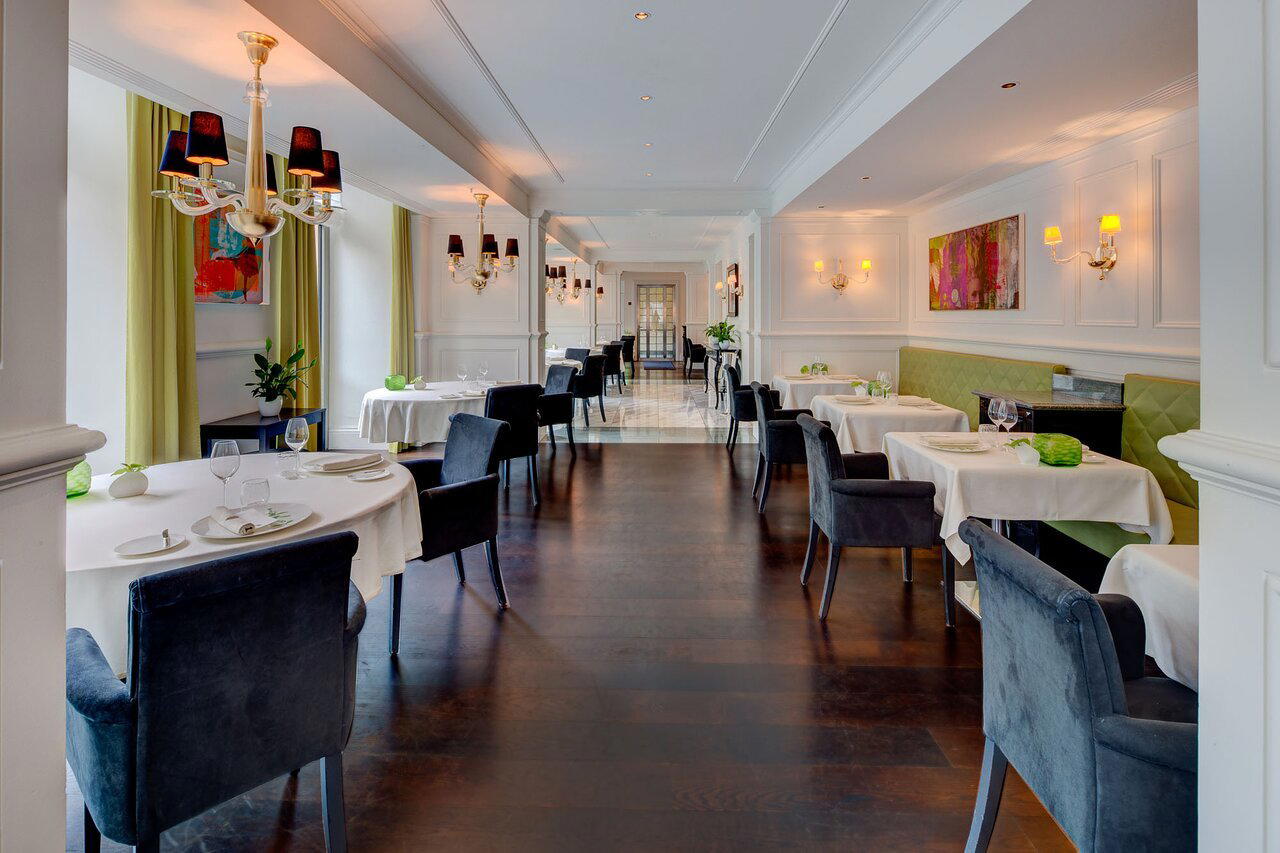
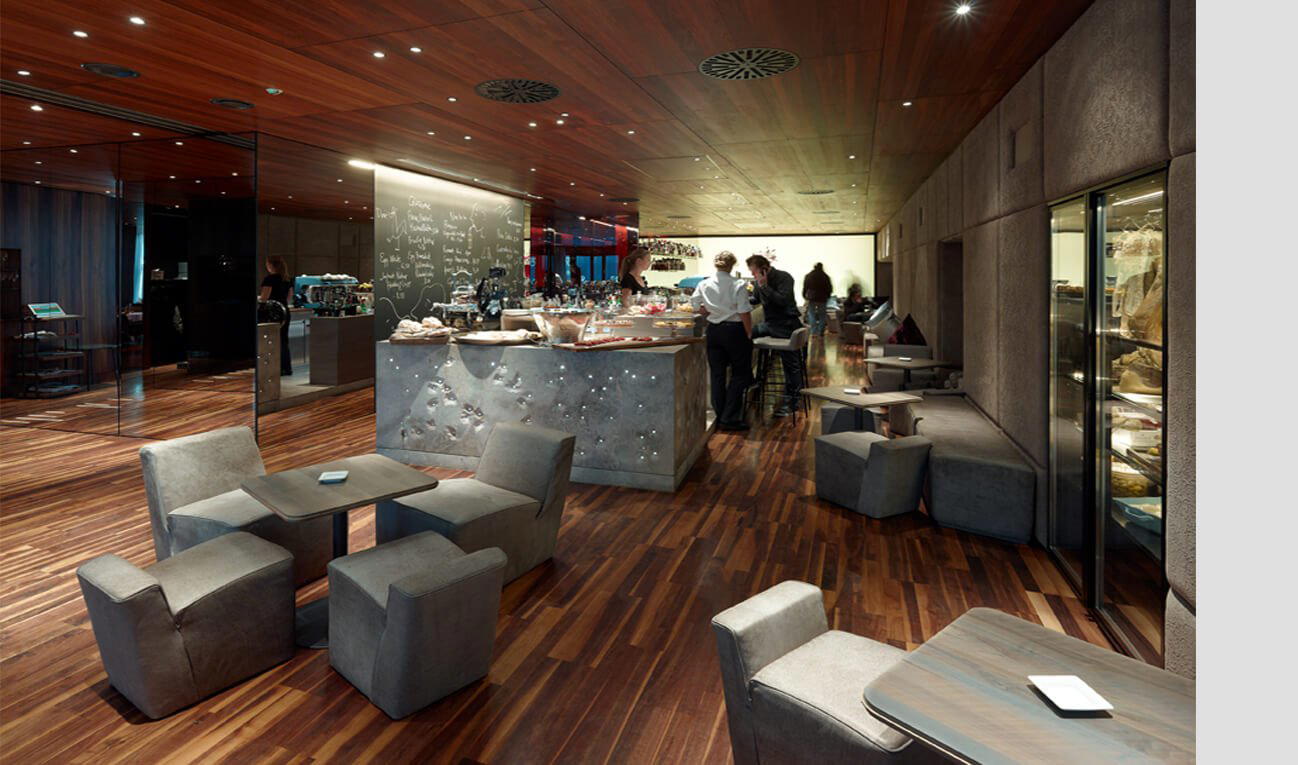
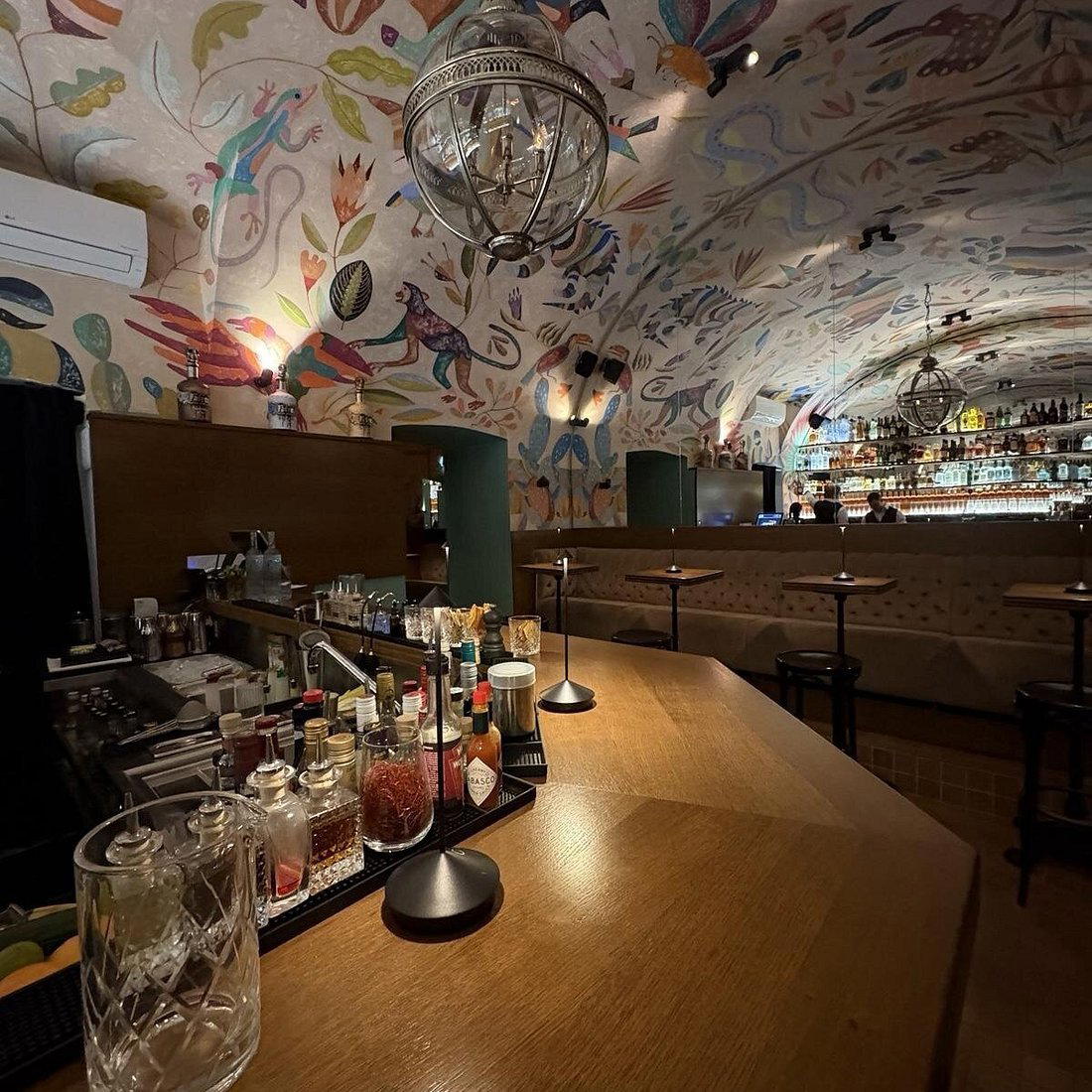
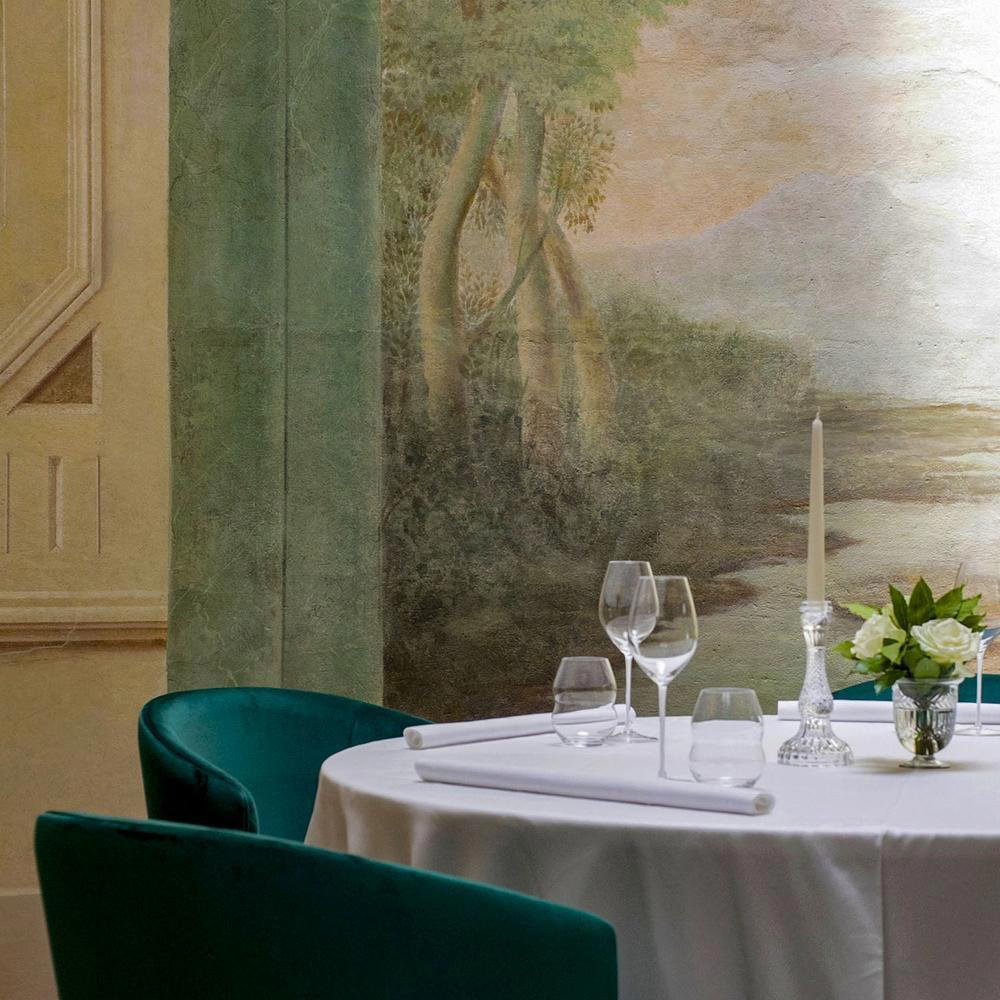
An Italian wine bar and enoteca on Singerstraße in Vienna's First District, Firenze Enoteca occupies a floor-level address that places it inside one of the city's most concentrated stretches of fine dining. The format follows a European enoteca tradition: wine as the anchor, food as the complement, and a room that shifts character between afternoon and evening service.

Pearl is the En Primeur Club membership app, where members save venues, book tables and use the concierge.

The menu
What to order
- Linguine with prawns
- Risotto with salmon
- Bistecca alla fiorentina
- Homemade pasta
- Caprese salad
A Wine-Led Room in Vienna's First District
Singerstraße runs through the First District with the kind of quiet authority that comes from proximity to the Staatsoper and the Albertina. The street does not announce itself, but the addresses along it carry weight: this is one of Vienna's most formally credentialed dining corridors, where venues sit against a backdrop of Baroque facades and the city's centuries-old hospitality tradition. Firenze Enoteca occupies a floor-level position at number 3, a placement that keeps it off the main tourist sightline while positioning it squarely within reach of the city's core cultural geography.
The enoteca format itself is worth understanding before considering the specifics. In Italy, the enoteca tradition emerged from wine merchants who added food to keep customers at the table longer, the priority was always the bottle, with the plate acting as its supporting structure. That logic survives in the format's better representatives across Europe: the wine list defines the room's character, the kitchen calibrates to enhance rather than compete, and the pacing of service tends toward the leisurely rather than the brisk. Vienna has absorbed this tradition alongside its own Heuriger culture, and the city's relationship with wine-led hospitality has grown more sophisticated over the past two decades as Austrian producers, particularly from the Wachau, Kamptal, and Burgenland, have gained international recognition.
How Lunch and Evening Service Divide the Experience
The lunch and dinner divide at an enoteca format like this is more pronounced than at a conventional restaurant, and that gap is worth attending to when planning. Daytime service at wine-led rooms in Vienna's First District tends to draw a working professional crowd, lawyers, gallery staff, diplomats from nearby embassies, who want something more considered than a Schnitzel counter but faster than a full tasting sequence. The room operates at a different register: lighter selections, shorter dwell times, and a quieter energy that makes the space feel more generous than it might at full evening capacity.
Evening service shifts the balance. In wine-focused formats, the bottle becomes the occasion rather than the accompaniment, and the kitchen typically responds with richer preparations and longer menus. For visitors comparing this type of experience against Vienna's more formal dining tier, places like Steirereck im Stadtpark or Konstantin Filippou, both operating at the €€€€ tier with creative or modern European positioning, an enoteca dinner represents a structurally different proposition: less choreographed, more self-directed, with the guest controlling pace through wine selection rather than following a tasting menu sequence.
For value-conscious visitors, the lunch window at enotecas in this district tends to offer the sharper return: comparable kitchen output at lower per-cover spend, with the room at its calmest. Evening visits offer atmosphere and the full wine program, but the bill responds accordingly. This dynamic is consistent across the enoteca category, from northern Italian originals to their Central European interpreters.
Vienna's Fine Dining Context
Understanding where a wine-led room fits in Vienna's dining structure requires a sense of what the city's upper tier looks like. The €€€€ bracket in the First District and its adjacent neighbourhoods is dominated by creative and modern Austrian formats: Amador, Mraz & Sohn, and Doubek among them. These venues foreground the kitchen, often through tasting menus with significant chef-to-diner ratios and structured service sequences. The enoteca model operates in a different register, less kitchen-forward, more cellar-forward, and that distinction matters when matching a venue to an occasion.
For those using Vienna as a base to explore Austrian fine dining more broadly, the country's restaurant scene extends well beyond the capital. Döllerer in Golling an der Salzach and Obauer in Werfen represent Salzburg's regional tradition, while Landhaus Bacher in Mautern an der Donau anchors the Wachau wine country with the kind of kitchen-and-cellar pairing that makes it a natural reference point for wine-focused dining in Austria. Further west, Gourmetrestaurant Tannenhof in Sankt Anton am Arlberg, Stüva in Ischgl, and Kräuterreich by Vitus Winkler in Sankt Veit im Pongau serve a high-altitude clientele with expectations calibrated to international resort dining. Eastern Austria's wine villages, including Taubenkobel in Schützen am Gebirge, add a Pannonian dimension that rarely appears on international radar. Our full Vienna restaurants guide maps the city's dining tiers in more detail.
Globally, the enoteca format has close cousins in very different culinary traditions. Wine-anchor formats where the list defines the room appear in different guises at Le Bernardin in New York City, where the kitchen's restraint serves a similar function to a wine program's structural role, and at Lazy Bear in San Francisco, where communal formats and producer-focused beverage programs share the enoteca's underlying logic of hospitality built around what's in the glass. Schwarzer Adler in Hall in Tirol, Restaurant 141 by Joachim Jaud in Mieming, and Ois in Neufelden each demonstrate how Austrian kitchens outside Vienna have developed wine-and-food pairing as a distinct regional language.
Planning Your Visit
Firenze Enoteca sits at Singerstraße 3, 10th floor, in Vienna's First District, within walking distance of the Staatsoper U-Bahn stop and the main pedestrian zone. Reservations: Contact details were not available at time of publication; confirm directly through search or the venue's current listings before visiting. Timing: Lunch visits offer a quieter room and typically represent the more accessible entry point for first-time visitors; evening service better suits those prioritising a full wine experience. Dress: First District dining in Vienna generally trends toward smart casual in the evening, with daytime visits more relaxed. Budget: Price data was not available at publication; expect positioning consistent with the enoteca category in a premium First District address.
Frequently asked questions
Where exactly is Firenze Enoteca?
Firenze Enoteca is located at Singerstraße 3/10 Stock, 1010 Wien, Austria, Vienna.
Is Firenze Enoteca in Vienna suitable for a business lunch or private dining occasion?
A 10th-floor room on Singerstraße 3 in the First District, within the immediate orbit of the Staatsoper and the Albertina, positions Firenze Enoteca naturally for occasion dining. The enoteca format, with its emphasis on considered wine selection, suits a business context where the wine list itself signals intent. For private dining arrangements, contacting the venue directly is the only way to confirm room configuration and service options.
What's the best thing to order at Firenze Enoteca?
At an enoteca-format venue, the wine list is the primary event rather than a supporting role, so the most considered approach is to let the wine selection drive the meal. Firenze Enoteca sits in Vienna's First District, where the upper dining tier tends toward depth over breadth, making bottle selection the focal decision. Ask staff what's currently drinking well rather than defaulting to a predictable region.
Do they take walk-ins at Firenze Enoteca?
Walk-in availability at Firenze Enoteca on Singerstraße 3 depends heavily on the time of day and day of week. The First District draws significant foot traffic from Staatsoper visitors and hotel guests in the surrounding area, which compresses spontaneous seating options during peak evening service. A same-day call ahead is a reasonable precaution, particularly Thursday through Saturday.
What's the signature at Firenze Enoteca?
The defining characteristic is the enoteca format itself, a wine-led room where the bottle list carries more editorial weight than any single dish. Positioned on the 10th floor at Singerstraße 3 in Vienna's First District, the elevated setting reinforces that the experience is structured around the wine programme. That format puts it in a different category from a conventional restaurant operating with a token wine list.
Do they accommodate allergies at Firenze Enoteca?
As a practical measure, check the venue's official channels before visiting, this is standard practice at wine-focused rooms in Vienna's First District, where menus can shift with the season and sourcing. Direct communication also allows staff to advise on wine pairings within any dietary constraints.
Where the Accolades Land
Comparable venues nearby, for context on price, style, and recognition.
| Venue | Cuisine | Price | Notes |
|---|---|---|---|
| Firenze EnotecaThis venue (the venue you are viewing) | Traditional Tuscan Italian | $30–50 | Not listed |
| Materia | Modern Italian Tasting Menus | $50–100 | Josefstadt |
| l'autentico | Authentic Neapolitan Pizza | $20–30 | Neubau |
| 8o8 restaurant | Modern Italian with International Influences | $30–50 | Josefstadt |
| Settimo Cielo | Modern Italian Mediterranean Rooftop | $50–100 | Innere Stadt |
| La Pasteria | Authentic Italian Trattoria | $20–30 | Franz Josefs Bahnhof |