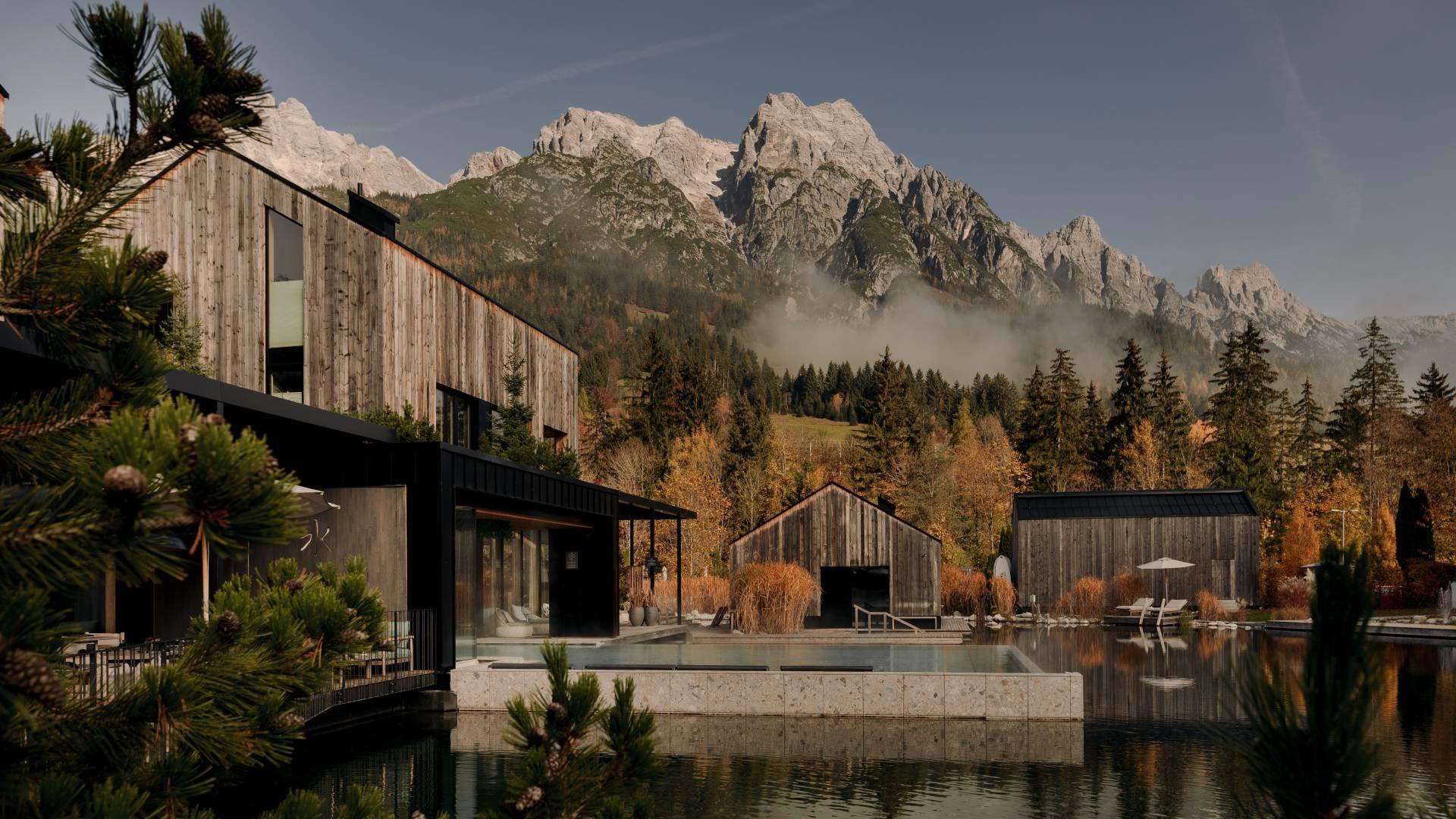
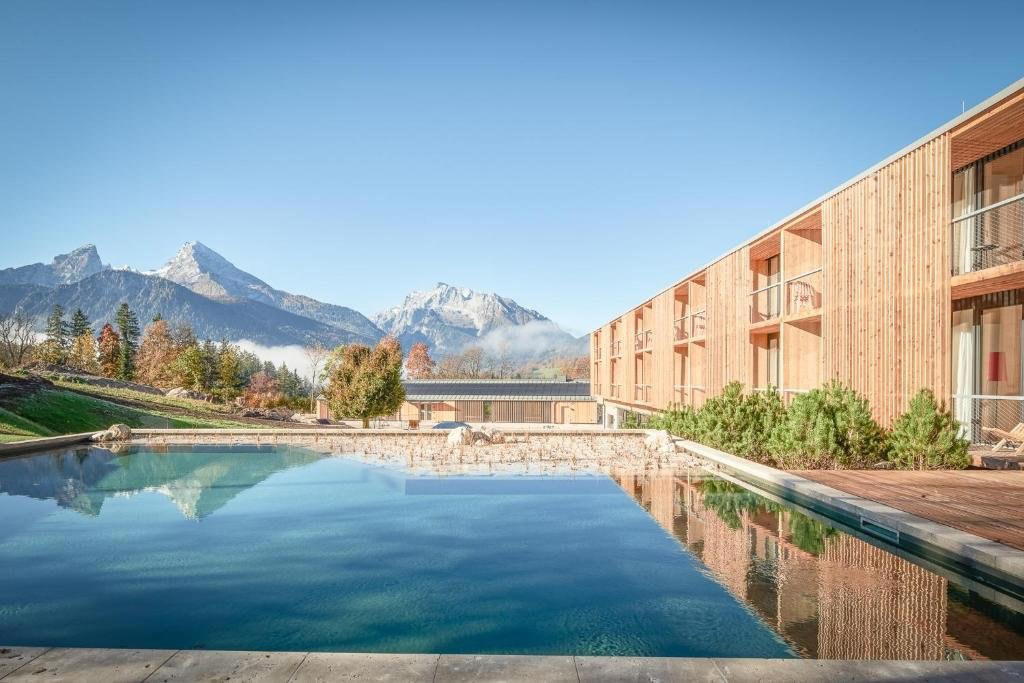
Almhof sits in Hinterthal, a quieter satellite of Maria Alm where the Hochkönig massif frames the valley on three sides. The property places guests close to the rhythms of alpine agriculture that shape this corner of the Salzburger Land, with access to the Hochkönig ski area in winter and high-altitude trails in summer. For travellers who prefer the character of a mountain farmstead over a resort hotel, it occupies a distinct position in the local accommodation tier.
Pearl is the En Primeur Club membership app — saves, bookings, and concierge access live there. Same editors, same standards.
- Address
- Kreidenbachweg 5, 5761 Hinterthal, Austria
- Phone
- +434365848414
- Website
- almhof.co.at
- Directions
- Get directions
 Saves & bookings on Pearl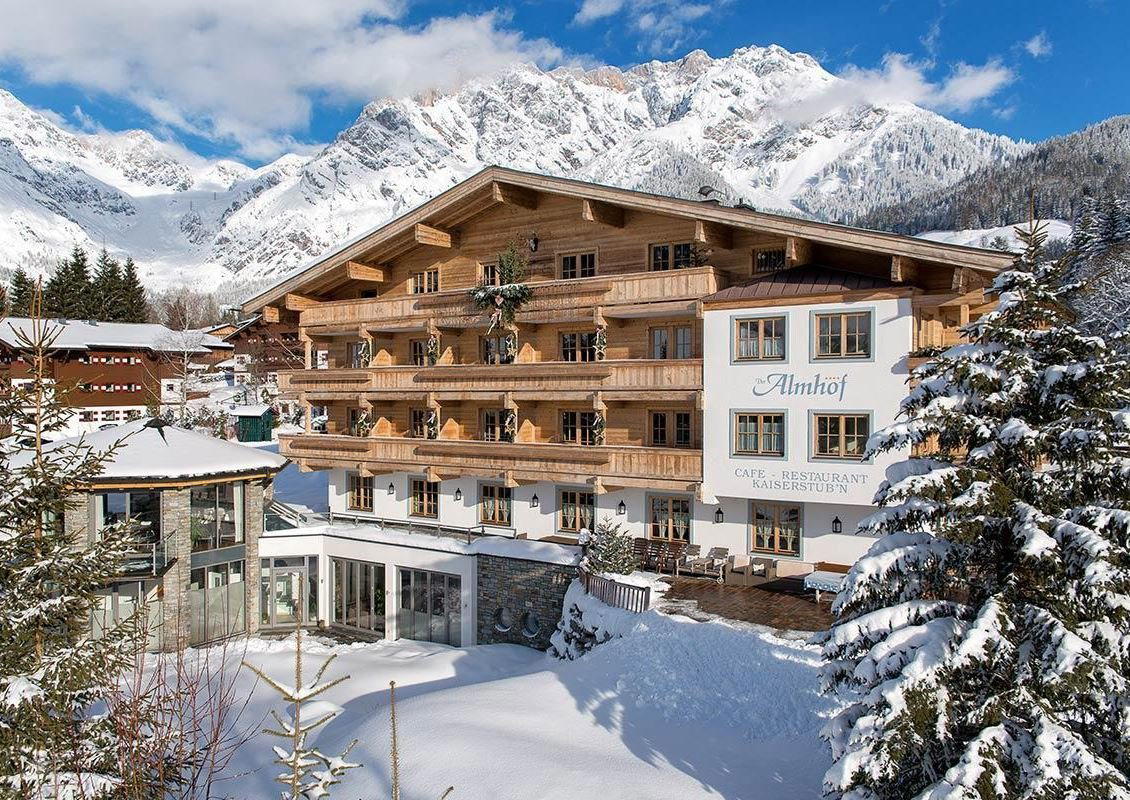
Where the Valley Narrows and the Alps Take Over
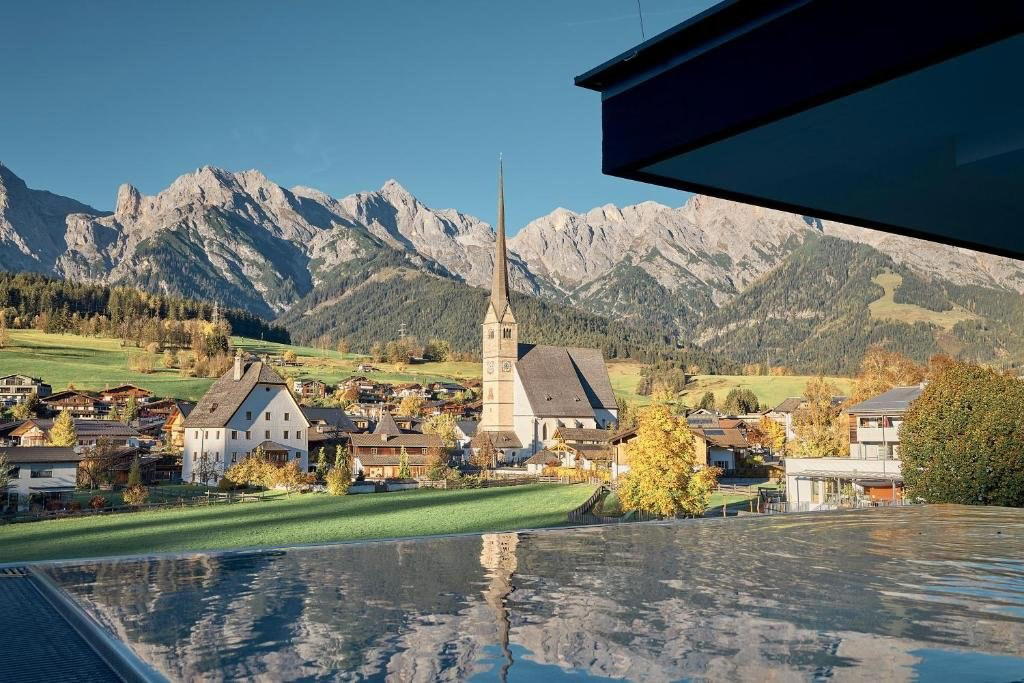
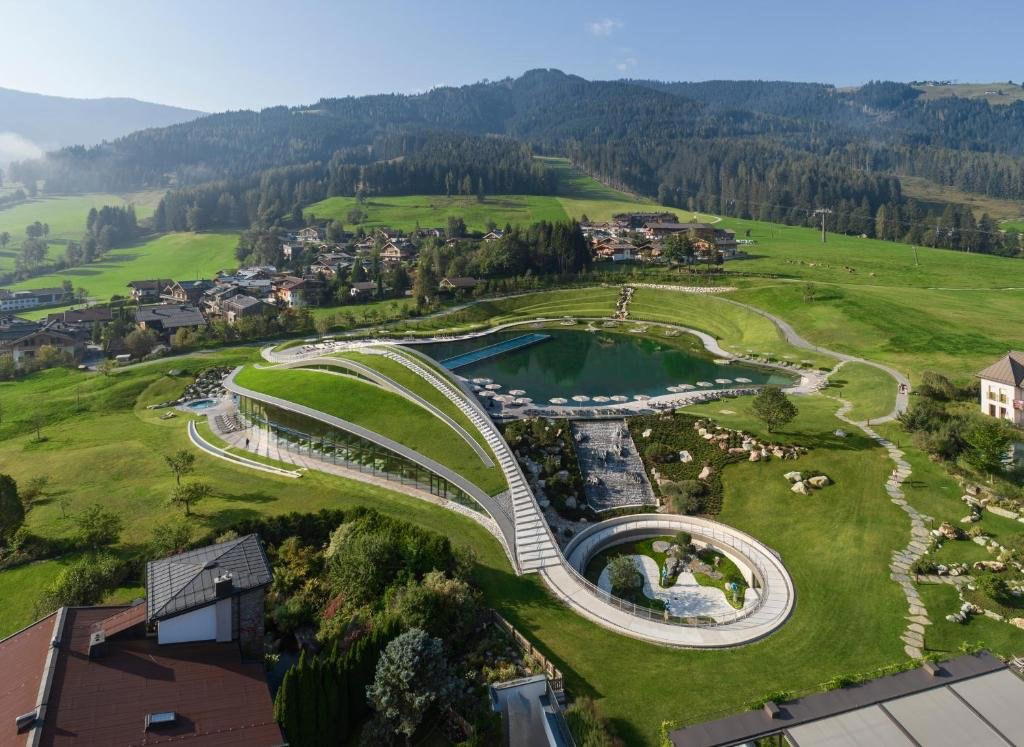
Hinterthal sits at the upper end of the Maria Alm basin, where the road thins and the Hochkönig massif closes in from three sides. Arriving here, the drop in ambient noise is immediate: fewer vehicles, no après-ski strip, and a quality of winter silence that the lower valley, busier, better signposted, simply does not offer. Almhof, addressed at Kreidenbachweg 5, occupies this quieter reach of the Salzburger Land, where the built environment defers to the agricultural one. The surrounding terrain is what alpine Austria looked like before resort infrastructure arrived: working pastures, timber stands, and stone-built structures that have been here long enough to settle into the hillside.
This physical context matters for how guests experience the property. In the Austrian alpine hospitality tradition, the relationship between a house and its landscape is not decorative, it is functional. The leading examples of this tradition draw their kitchen identity from what the surrounding altitude and soil actually produce, treating the mountains not as a backdrop but as a larder. That framework is useful for understanding what Almhof is and, more importantly, what kind of traveller it suits.
Alpine Sourcing and the Salzburg Tradition
The Salzburger Land occupies an interesting middle position in Austria's culinary geography. It is not Vienna, where restaurants like Steirereck im Stadtpark operate at an urban fine-dining register with brigade kitchens and destination-level wine programs. Nor is it the Wachau, where Landhaus Bacher anchors itself to the Danube valley's produce. The alpine Salzburg region has its own sourcing logic: short-season dairy, cattle that graze above 1,500 metres, wild herbs that appear for a matter of weeks each summer, and game that comes directly from the surrounding forests.
Properties in the Hinterthal-Maria Alm area sit within reach of suppliers who have operated on this altitude for generations. The Hochkönig's pastures produce milk with a fat content and mineral character that reflects the alpine grass diet, a measurable difference from lowland dairy, and one that shapes everything from butter to cheese to cream-based sauces. Restaurants and guesthouses that take this seriously, rather than sourcing from regional wholesale, produce food that is legible as a product of its specific place. This is the distinction that separates the better alpine kitchens from those that happen to be located in the mountains.
For regional context on how this sourcing philosophy plays out across the broader Salzburg area, Obauer in Werfen represents the upper benchmark, a kitchen that has worked alpine and Salzburg-region produce into a decades-long reputation. Similarly, Döllerer in Golling an der Salzach has built its identity around mountain-sourced ingredients at a serious technical level. Almhof operates in a different tier, positioned as a guesthouse rather than a destination restaurant, but the sourcing tradition it operates within is the same.
The Maria Alm Eating Scene in Context
Maria Alm itself supports a range of dining formats, from the mountain-hut register of Steinbockalm and Tom Almhütte to the more considered kitchen of RAR Fine Dining, which represents the area's most structured culinary offering. See the full Maria Alm restaurants guide for a mapped view of the local options across price tiers.
The alpine guesthouse format that Almhof represents sits between the informal mountain hut and the structured hotel restaurant. In Austrian tradition, this middle tier is where honest regional cooking often lives: food shaped by what the house has access to that week, served without ceremony in a room that feels like it belongs to someone rather than to a hospitality concept. Compared to destination-level alpine restaurants in the Austrian west, Gourmetrestaurant Tannenhof in Sankt Anton am Arlberg, Stüva in Ischgl, or Griggeler Stuba in Lech, the Almhof register is lower in formality and price, and more directly tied to a specific farming community.
That is a genuine distinction, not a compromise. The Vorarlberg and Tyrol destination restaurants listed above are calibrated for wealthy ski tourism and operate at price points and booking lead times that reflect that. Properties like Almhof exist in a different relationship with the landscape: closer to the agricultural source, less mediated by hospitality programming, and more dependent on seasonal variation.
Arriving and Planning a Stay
Hinterthal is accessible from Salzburg via the B164 through Zell am See and Saalfelden, a drive of approximately 70 to 80 kilometres depending on the approach. In winter, the village sits within the Hochkönig ski area, with lift access connecting to the broader network. The season here runs from December through April for snow sports, and from June through September for hiking, with the high-altitude trails around the Hochkönig summit offering routes that reach above 2,900 metres.
For guests comparing alpine options across the Austrian Tyrol and Salzburg regions, properties like Schwarzer Adler in Hall in Tirol or Restaurant 141 by Joachim Jaud in Mieming offer a sense of what the broader alpine hospitality tier looks like. Further afield, Kräuterreich by Vitus Winkler in Sankt Veit im Pongau is one directly relevant reference point in the Pongau region for a kitchen built around alpine herb sourcing at a serious level.
For those curious about how the ingredient-driven alpine model translates to wine-region contexts, Taubenkobel in Schützen am Gebirge and Ois in Neufelden represent the Austrian approach in different terrain. Internationally, the commitment to place-sourced cooking at a format-driven level has parallels in how restaurants like Le Bernardin in New York City or Lazy Bear in San Francisco anchor their identity to a specific sourcing or production philosophy, even across entirely different cuisine categories.
Practical Notes
Almhof is located at Kreidenbachweg 5, 5761 Hinterthal, in the upper Maria Alm valley. Current pricing is about US$60 per person, reservations are recommended, and seasonal opening dates are not listed in the record. Travellers who prefer to stay in the lower, more service-dense part of the valley should note that Hinterthal's appeal is specifically its remove from that infrastructure.
How It Stacks Up
Comparable venues nearby, for context on price, style, and recognition.
| Venue | Cuisine | Price | Awards | Notes |
|---|---|---|---|---|
| AlmhofThis venue — the venue you are viewing | Alpine Hut Cuisine with International Flair | $$$ | Not listed | Not listed |
| Tom Almhütte | Alpine Hut Cuisine with International Influences | $$$ | Not listed | Maria Alm |
| Steinbockalm | Traditional Austrian Mountain Hut | $$ | Not listed | Maria Alm |
| RAR Fine Dining | Alpine-Asian Fusion Fine Dining | $$$$ | Michelin Plate | Maria Alm |
| Merkel & Merkel | Modern Austrian Fine Dining | $$$ | Not listed | Hellbrunner Allee |
| Der Schwarzacher | Traditional Austrian Alpine | $$$ | Not listed | Hinterglemm |
Continue exploring
More in Maria Alm
Restaurants in Maria Alm
Browse all →
At a Glance
- Cozy
- Rustic
- Classic
- Elegant
- Family
- Celebration
- Special Occasion
- Group Dining
- Hotel Restaurant
- Terrace
- Panoramic View
- Farm To Table
- Local Sourcing
- Mountain
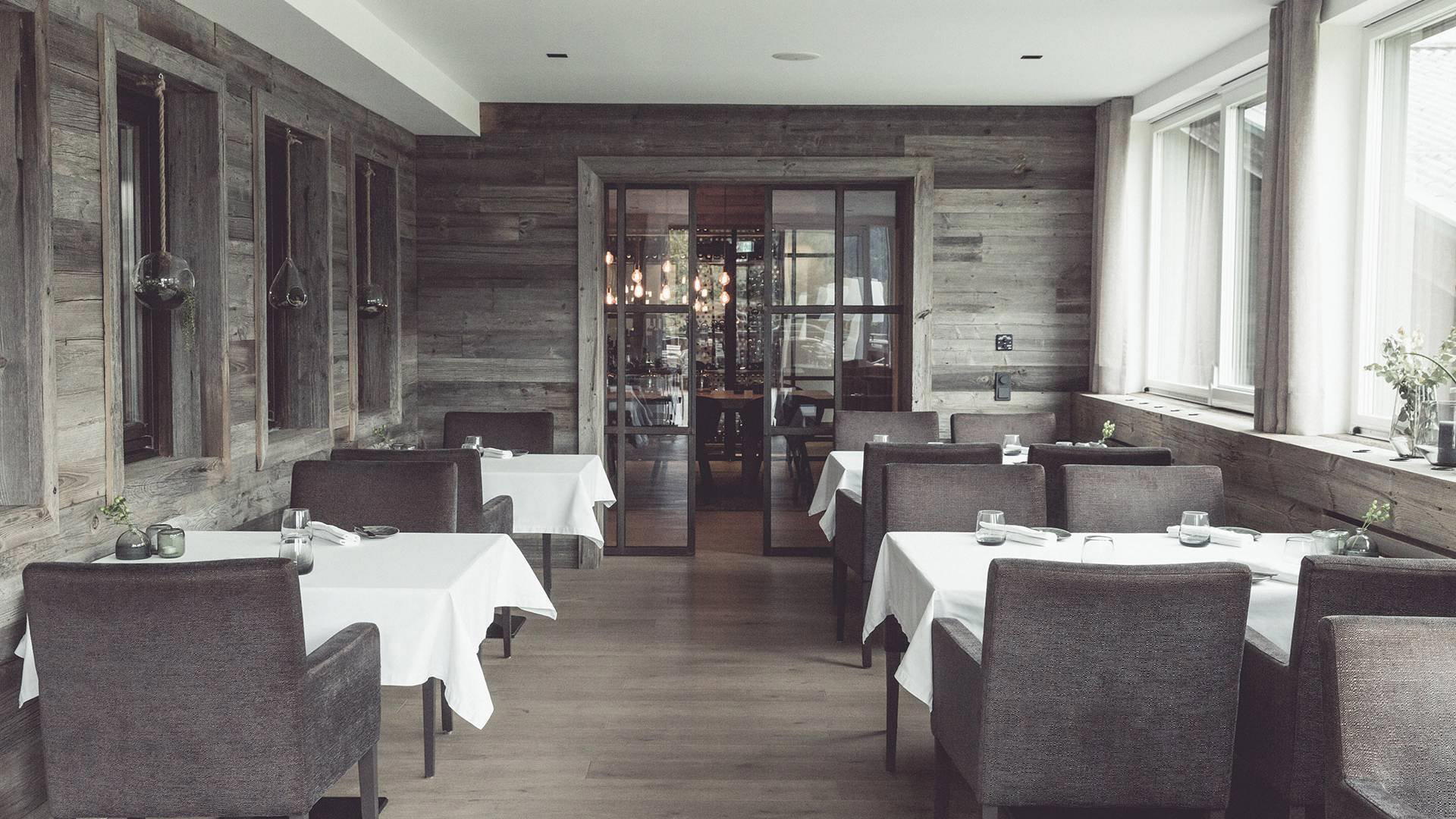
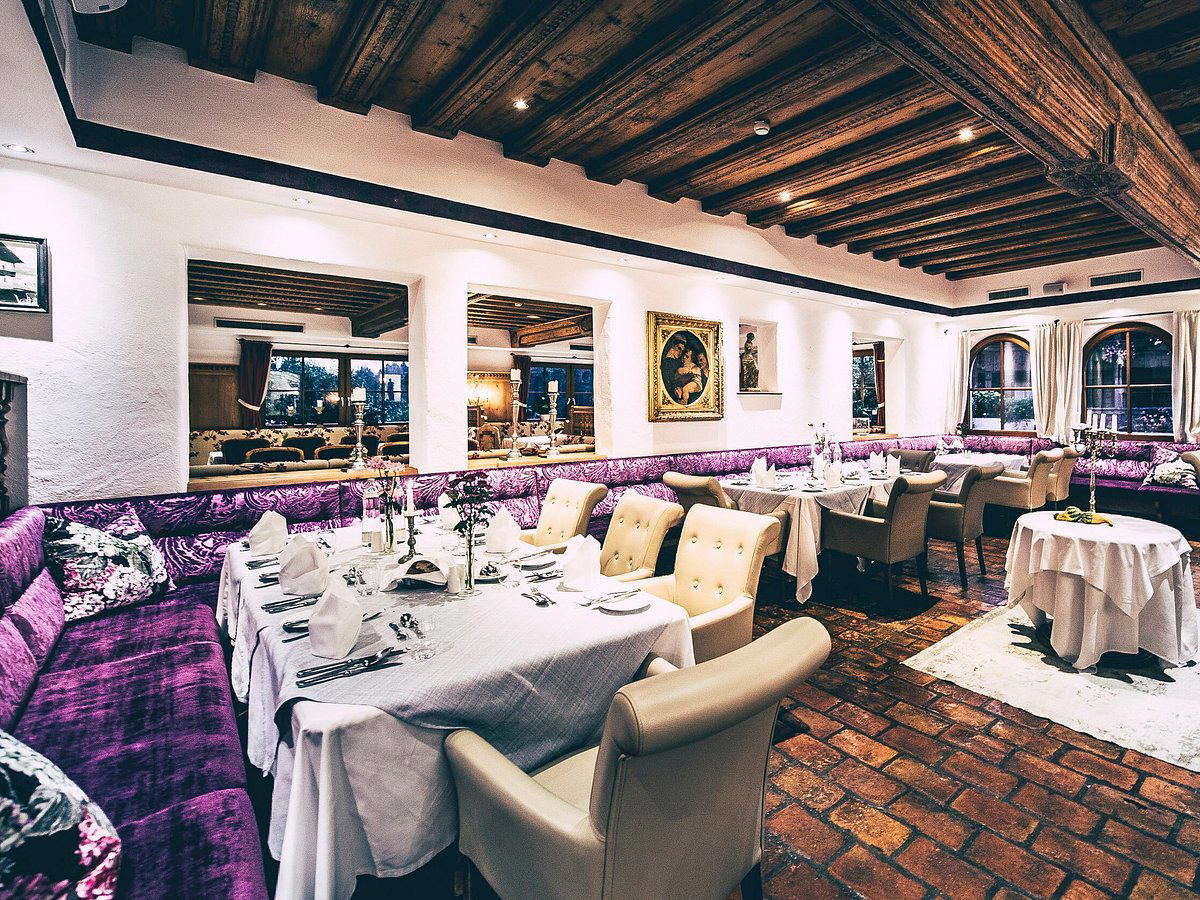
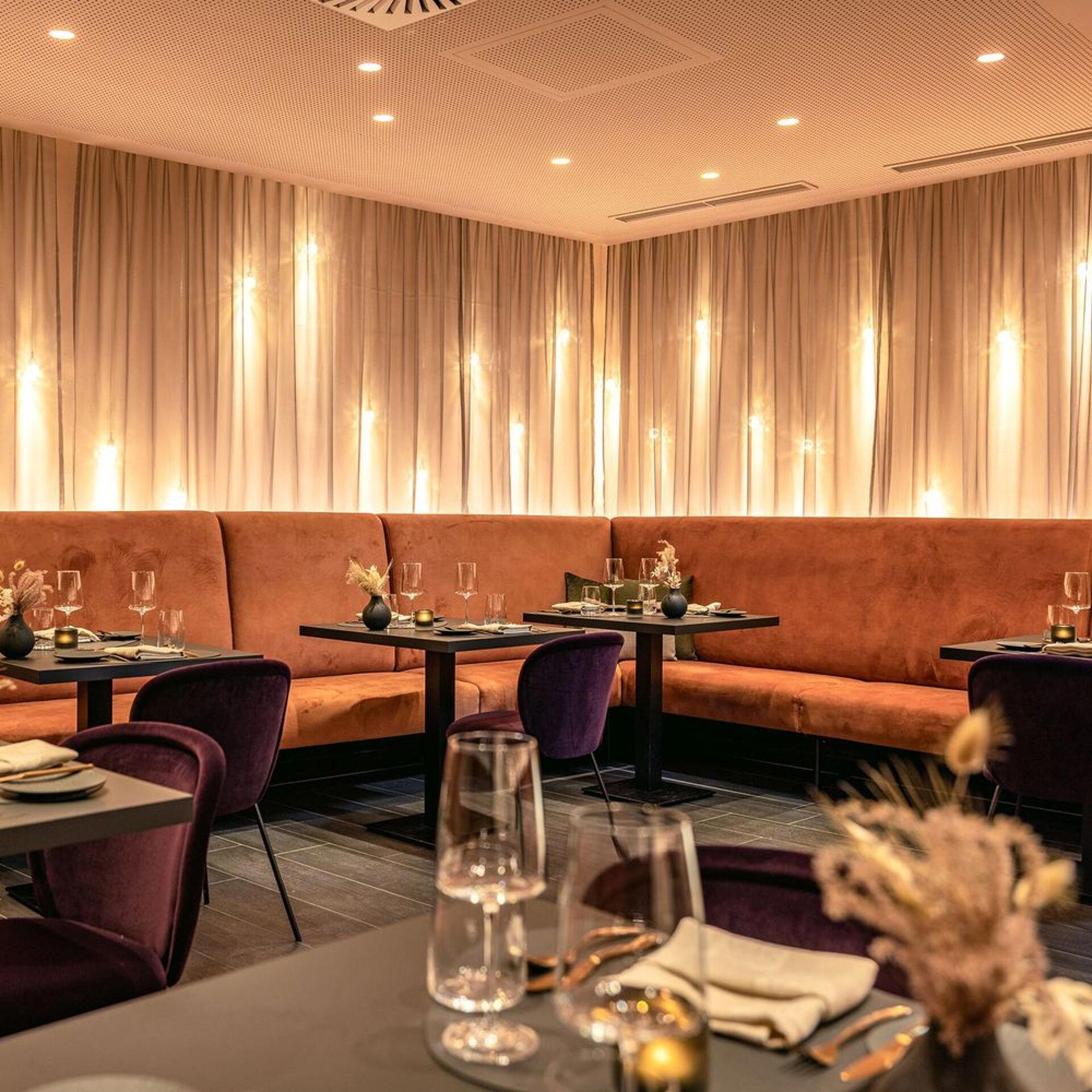
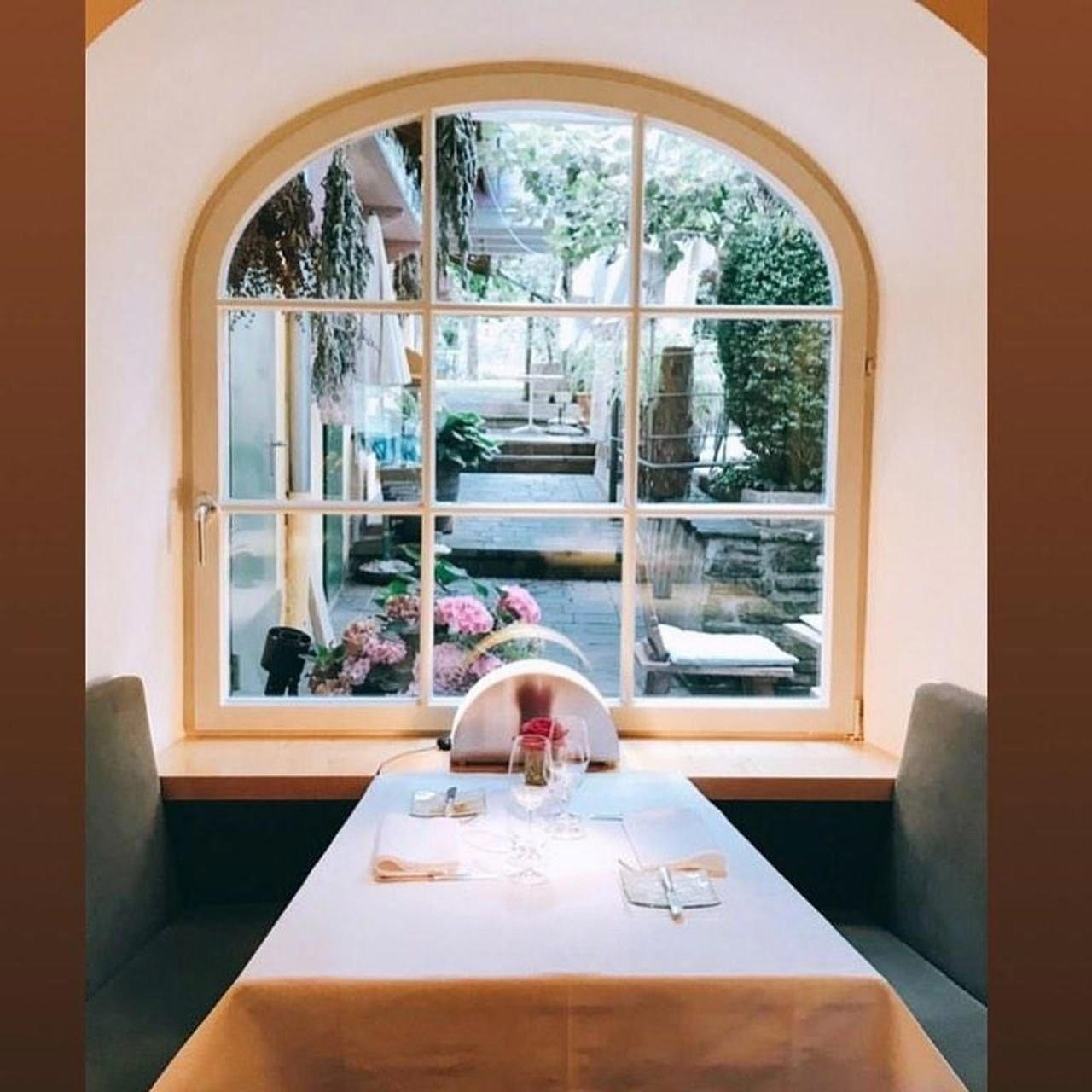
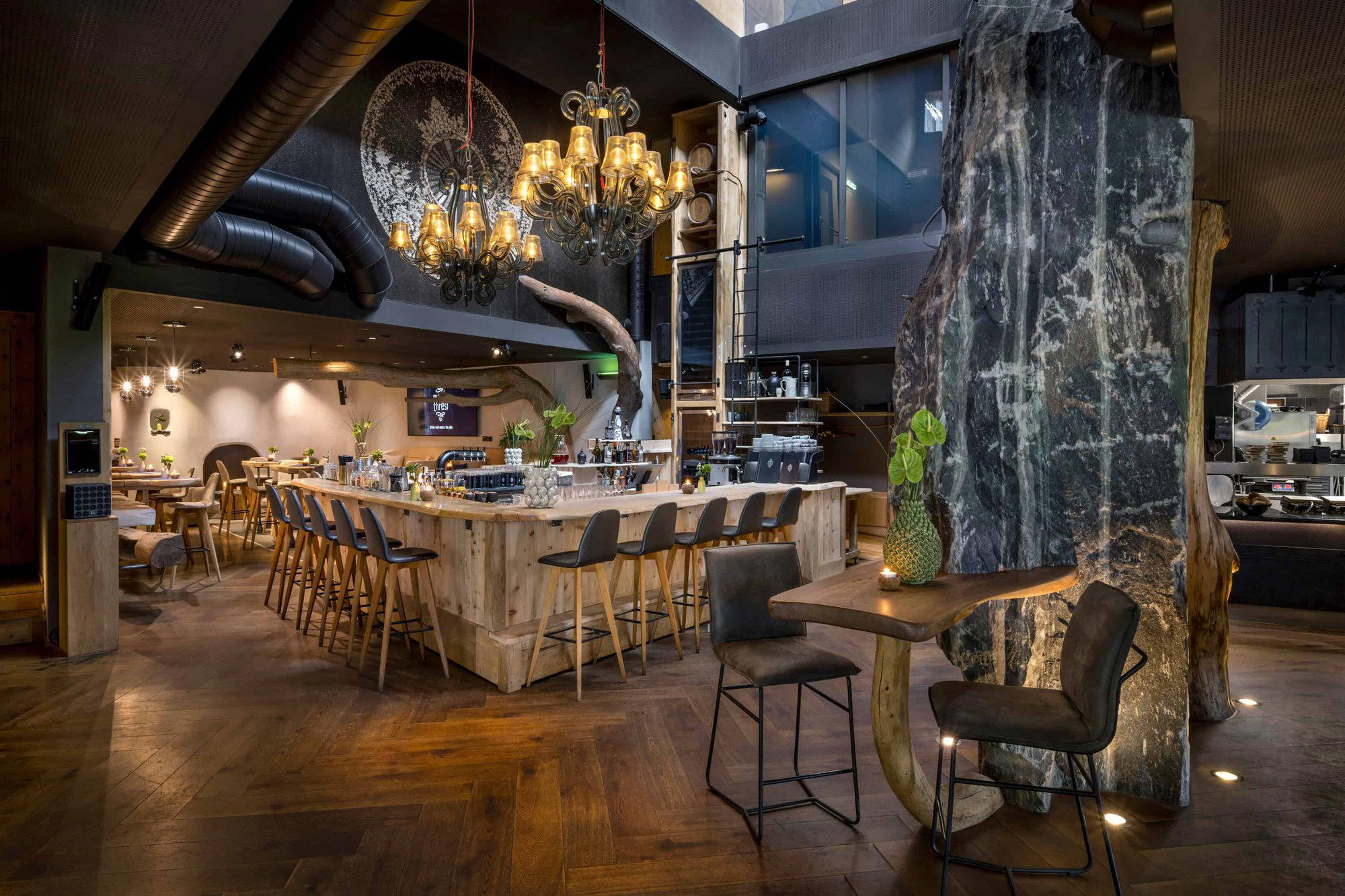
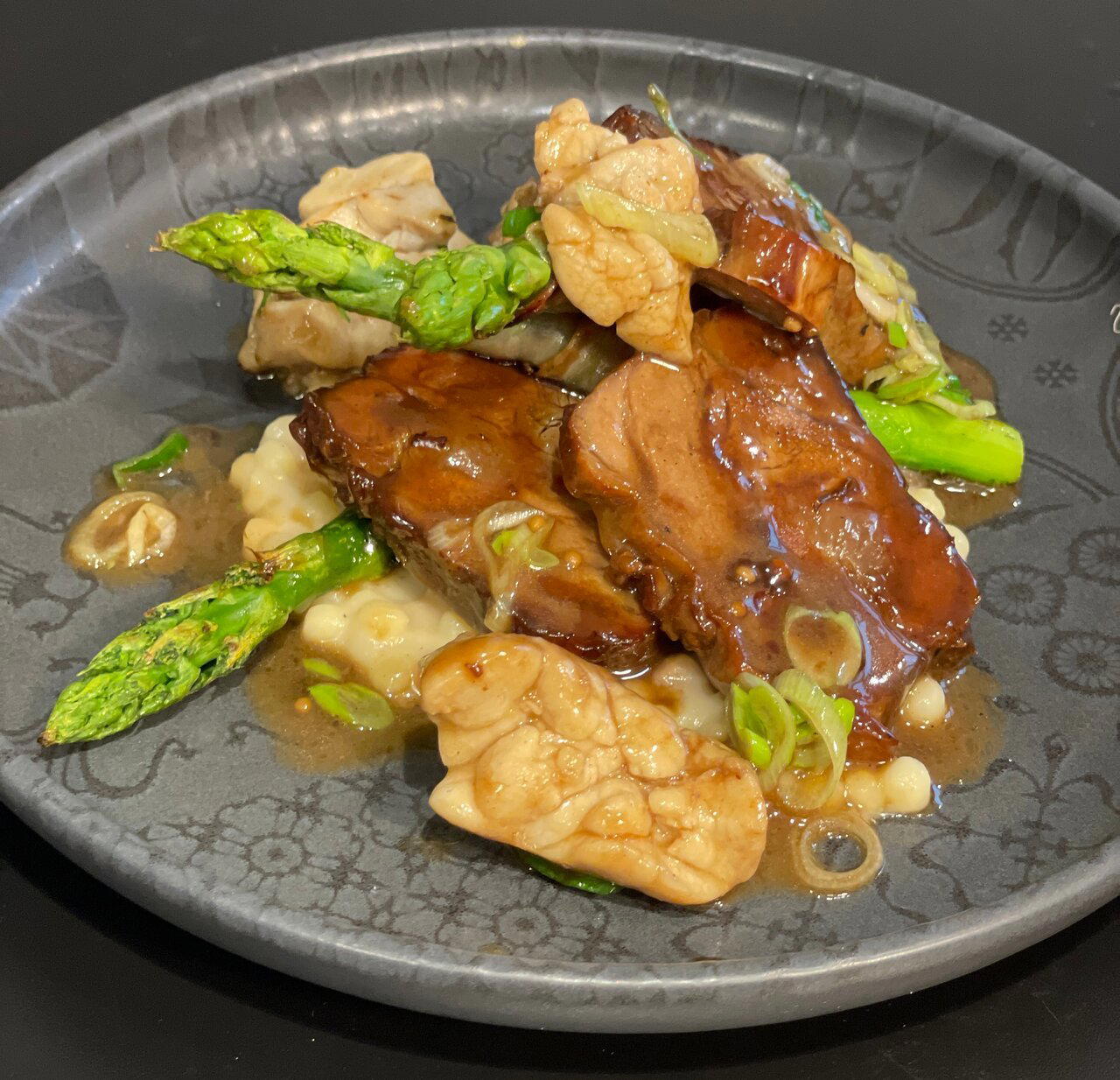
Warm and inviting traditional alpine atmosphere with the 'Rote Stube' dining room offering a cozy, intimate setting with fine gourmet cuisine presentation.