On Hallstatt's market square, Marketbeisl zur Ruth occupies the kind of position that Austrian market-town cooking was built around: close to the source, anchored by regional tradition, and operating at a scale where the kitchen and its suppliers are rarely more than a conversation apart. For visitors working through the Salzkammergut, it represents the practical, unsentimental side of Austrian alpine hospitality.
Pearl is the En Primeur Club membership app — saves, bookings, and concierge access live there. Same editors, same standards.
- Address
- Marktpl. 59, 4830 Hallstatt, Austria
- Phone
- +43 6134 20017
- Website
- derbl.at
- Directions
- Get directions
 Saves & bookings on Pearl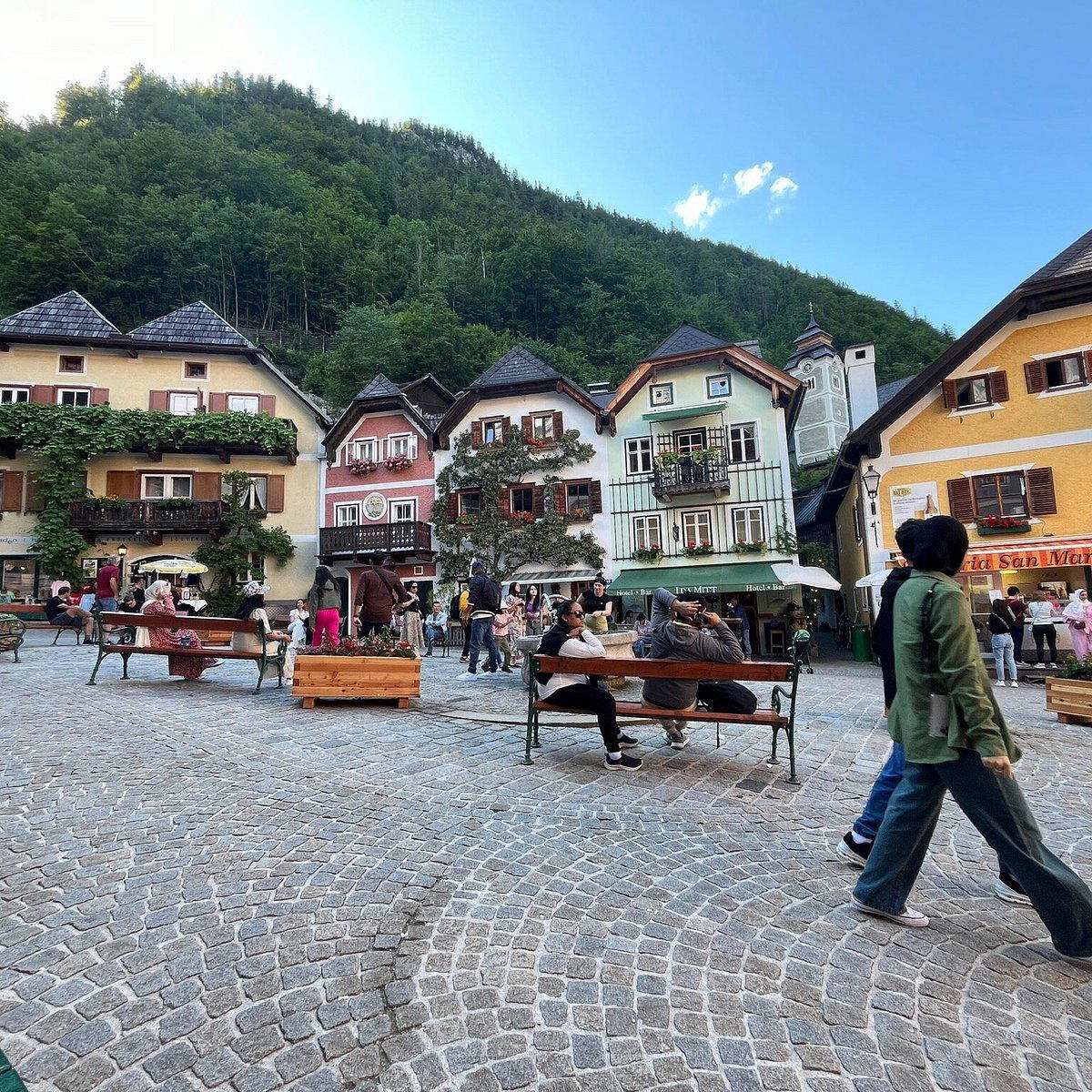
Market Square Cooking in the Salzkammergut
Hallstatt is among the more photographed villages in Central Europe, which makes it easy to forget that it is also a functioning Austrian market town with a market square, Marktplatz, that has hosted commerce, produce, and community meals for centuries. Marketbeisl zur Ruth sits at number 59 on that square, inside a tradition of market-adjacent cooking that predates modern tourism by a long margin. In Austria, the Beisl format has always meant something specific: a neighbourhood-scale dining room where the menu follows what is available locally, the atmosphere is unaffected, and the cooking does not need a press release to justify itself.
The broader Austrian alpine dining scene has split in two directions over the past two decades. On one side, ambitious kitchens such as Döllerer in Golling an der Salzach and Obauer in Werfen have built international reputations through technical ambition and tasting-menu formats. On the other, market-town institutions have held their ground by doing the opposite: shorter supply chains, familiar formats, and cooking that answers to the season rather than to a trend cycle. Marketbeisl zur Ruth belongs to the second tradition.
Where the Food Comes From
The Salzkammergut, the lake district that surrounds Hallstatt, is one of Austria's more productive alpine food regions. The lakes supply freshwater fish, including char and pike-perch, that feature consistently in regional cooking. The surrounding hills and valleys provide game in autumn, wild herbs in spring, and dairy products year-round from small-scale operations that have supplied the area's kitchens for generations. In a village of Hallstatt's size, the distance between kitchen and source is compressed in a way that larger city restaurants rarely achieve without deliberate effort.
This matters for how market-town Beisln operate. A kitchen at Marktplatz 59 is not importing ingredients from a national distributor to meet a standardised menu. The cooking follows what the region actually produces in a given week, which means the menu shifts with the season in a way that is structural rather than decorative. Austrian alpine cooking at this scale has always worked this way, it is the urban, high-volume restaurant that had to learn to mimic it.
For comparison, particularly decorated kitchens in the broader Austrian region, from Steirereck im Stadtpark in Vienna to Ikarus in Salzburg, have built explicit sourcing narratives as a central part of their identity. At a market-square Beisl, that sourcing relationship is older than the concept of making it a selling point.
The Hallstatt Dining Context
Hallstatt receives a volume of visitors that its infrastructure was not designed for. The village has a permanent population of well under a thousand, yet it sees millions of day-trippers annually, concentrated along the lakefront promenade and the main pedestrian routes. This creates a predictable split in the dining offer: lakefront venues oriented toward high-turnover tourism, and a smaller number of establishments that serve the village itself as much as its visitors.
The Marktplatz sits slightly removed from the intense tourist circulation, which gives venues there a different operating rhythm. Compared to lakefront options such as Seehotel Grüner Baum and Seewirt - Zauner, a market-square address puts a kitchen closer to the local supply network and further from the pressure to perform for cameras. Karmez Kebab represents the fast-casual tier that serves the visitor flow directly; Marketbeisl zur Ruth occupies a different register entirely.
The Beisl format rewards a slower pace. These are not venues where the meal is organised around a view or a booking milestone. They are rooms where Austrian cooking is treated as a practical matter, something that happens because the region produces good ingredients and someone knows how to cook them.
Alpine Cooking at Market Scale
Austrian Beisl cooking at its most grounded draws from a repertoire that has been in continuous use for long enough that it no longer needs to justify its choices. Tafelspitz, Wiener Schnitzel, freshwater fish preparations, game dishes in season, and Knödel in several variations are all part of a cooking grammar that the Salzkammergut has practiced for as long as the salt trade that made Hallstatt wealthy. The market-square setting reinforces that continuity, this is not a venue that reinvents itself for each season's trend, but one that maintains a specific style of cooking because the region has always eaten this way.
Across Austria's alpine dining scene, the venues that have built particularly durable reputations, from Kräuterreich by Vitus Winkler in Sankt Veit im Pongau to Schwarzer Adler in Hall in Tirol, share a commitment to regional specificity over generic alpine aesthetics. The Beisl tradition operates at a more accessible price point than those destination kitchens, but the underlying logic is the same: cook what the region grows, and cook it well.
Planning Your Visit
Hallstatt is accessible by ferry from Hallstatt station across the lake, or by road from Bad Ischl and Gosau. The village is compact and walkable once you arrive; Marktplatz 59 is a short walk from the main lakefront area. Given Hallstatt's visitor volumes, particularly between late spring and early autumn, arriving outside peak midday hours is worth considering for any sit-down meal.
For context on the wider Austrian alpine dining scene, Gourmetrestaurant Tannenhof in Sankt Anton am Arlberg, Griggeler Stuba in Lech, Stüva in Ischgl, Restaurant 141 by Joachim Jaud in Mieming, Landhaus Bacher in Mautern an der Donau, and Ois in Neufelden. For those arriving from outside Europe with reference points in high-end dining, Le Bernardin in New York City and Atomix in New York City as part of its global editorial scope.
A Quick Peer Check
Comparable venues nearby, for context on price, style, and recognition.
| Venue | Cuisine | Price | Notes |
|---|---|---|---|
| Marketbeisl zur RuthThis venue — the venue you are viewing | Traditional Austrian Café & Bar | $$ | Not listed |
| Seehotel Grüner Baum | Austrian with Mediterranean Influences | $$$ | Marktplatz |
| Seewirt - Zauner | Austrian Alpine Seafood & Game | $$ | Marktplatz (Market Square) |
| Karmez Kebab | Turkish Kebabs | $ | Landungsplatz |
| Jedermann's | Austrian | $$ | Innsbruck city center |
| Kühberg Alm | Traditional Austrian | $$ | Wagrain |
Continue exploring
More in Hallstatt
Restaurants in Hallstatt
Browse all →
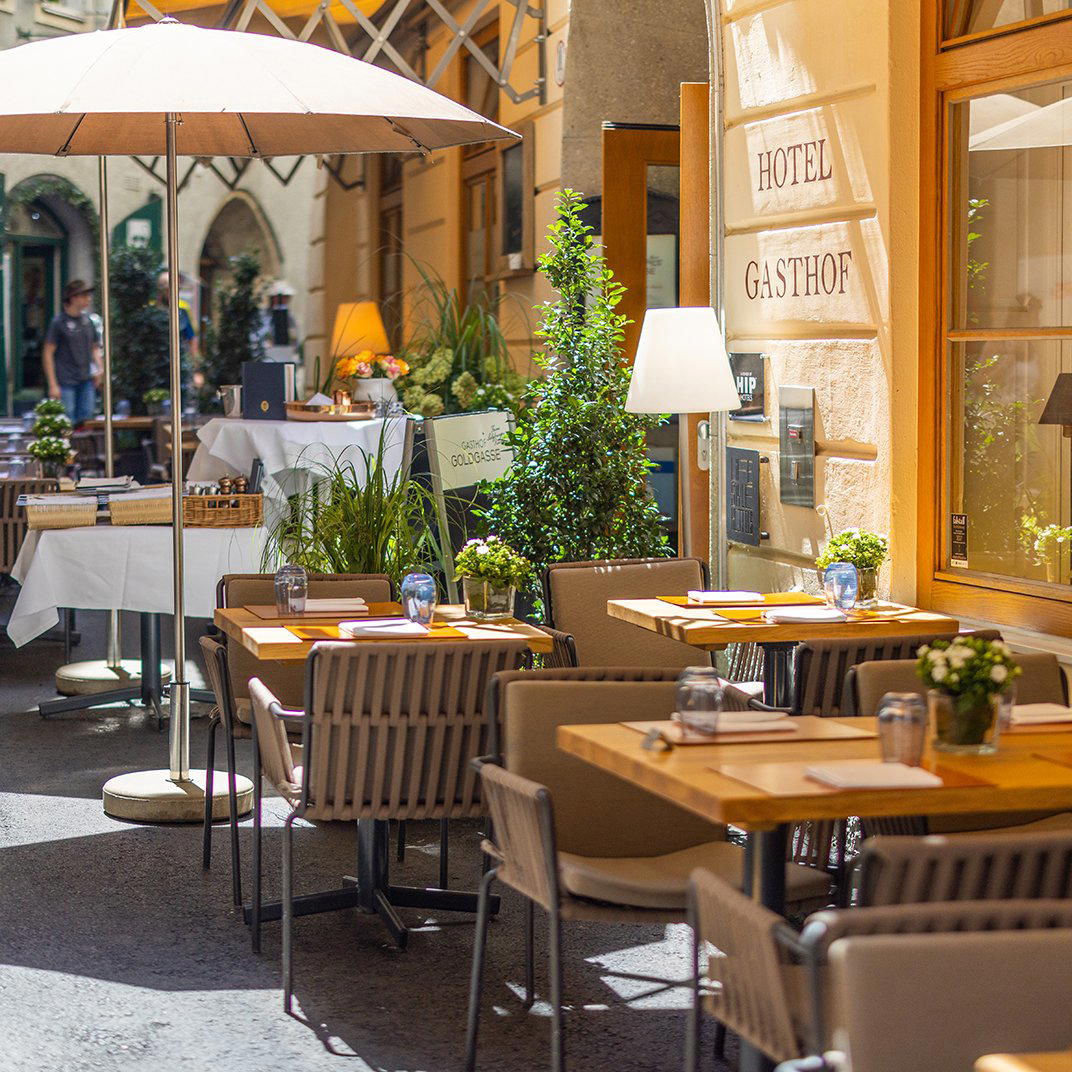
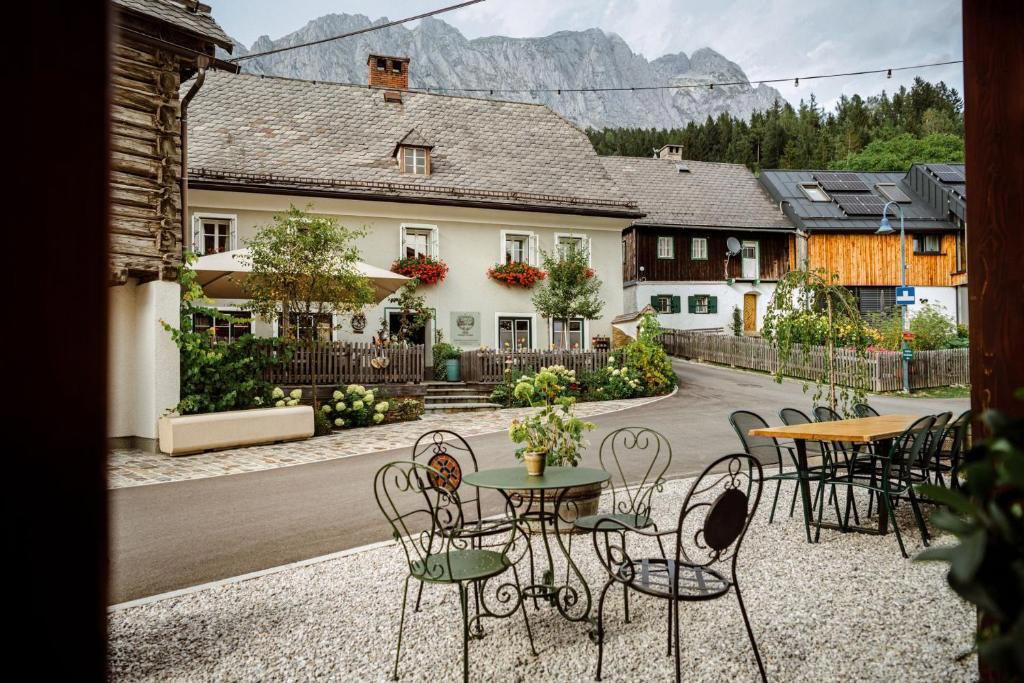
Bars in Hallstatt
Browse all →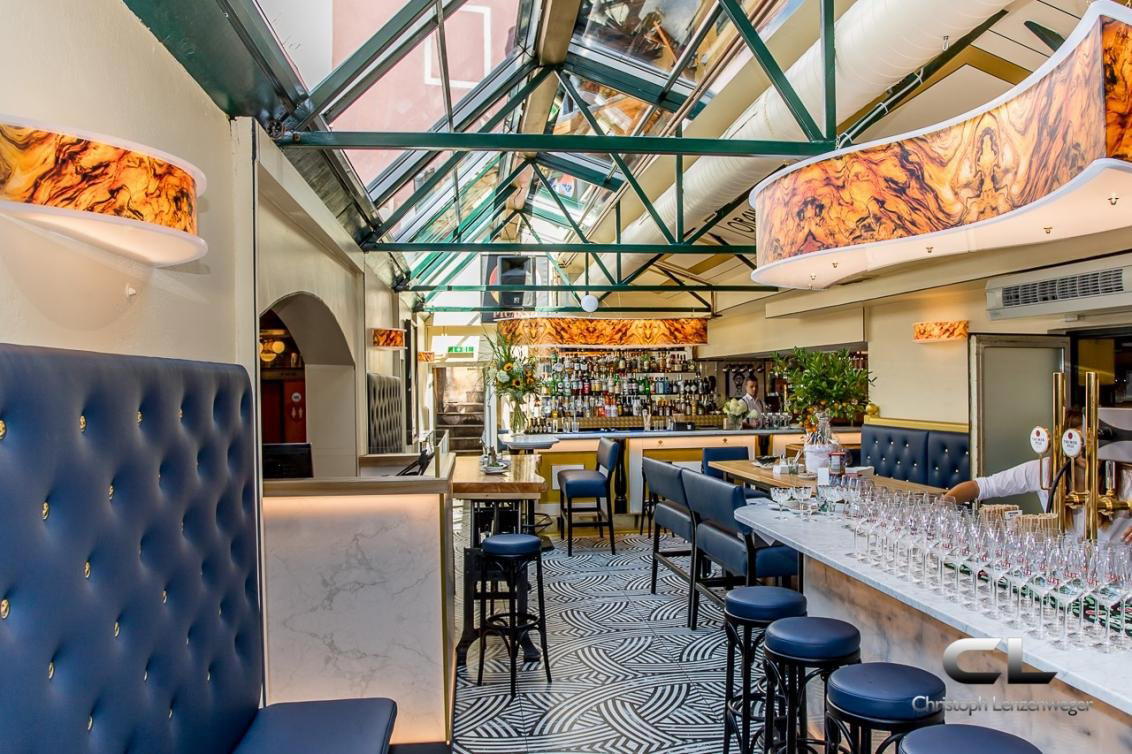

At a Glance
- Cozy
- Rustic
- Lively
- Casual Hangout
- Historic Building
- Beer Program
- Street Scene
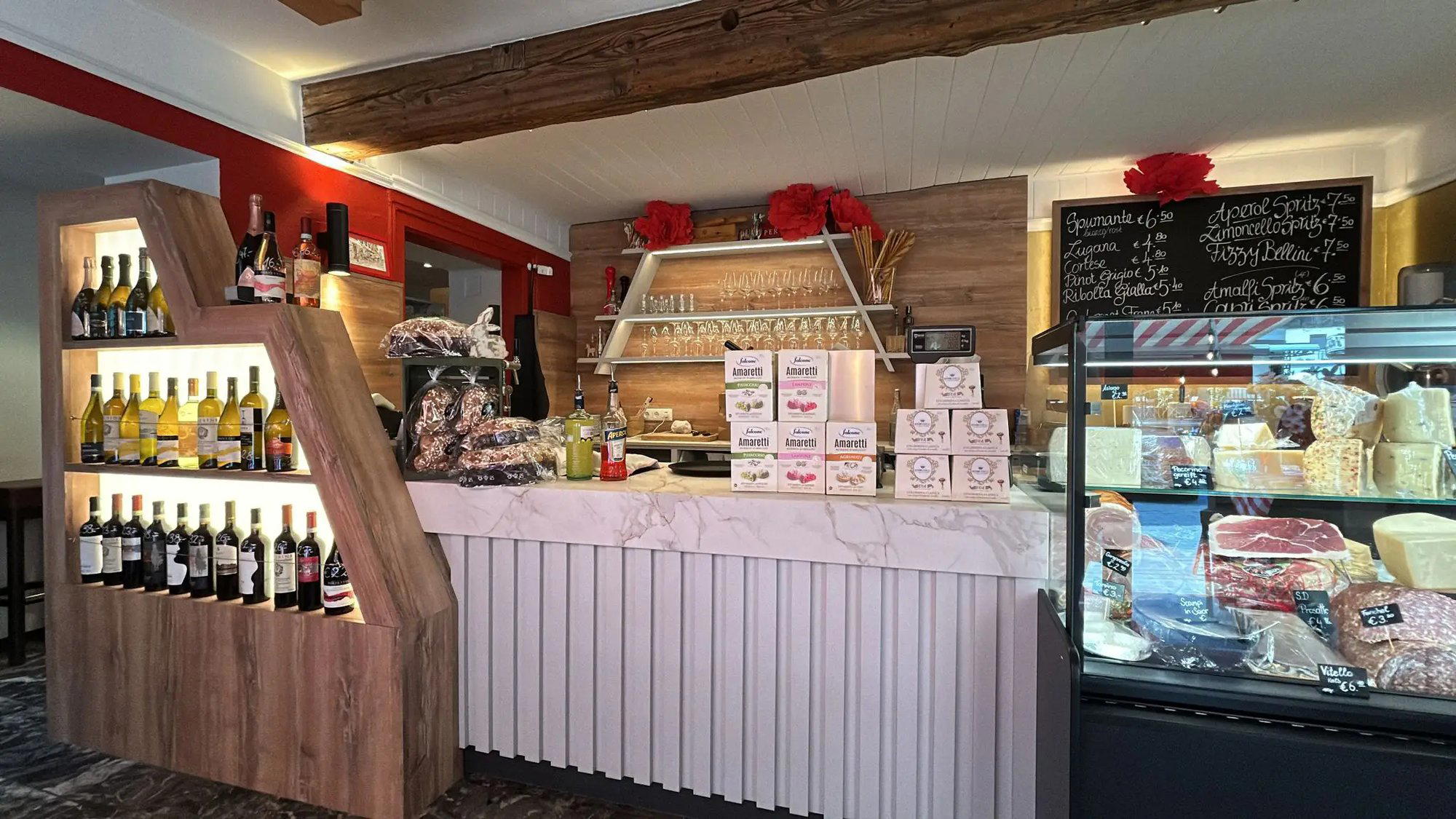
Cozy and rustic with a lively local atmosphere on the bustling market square.