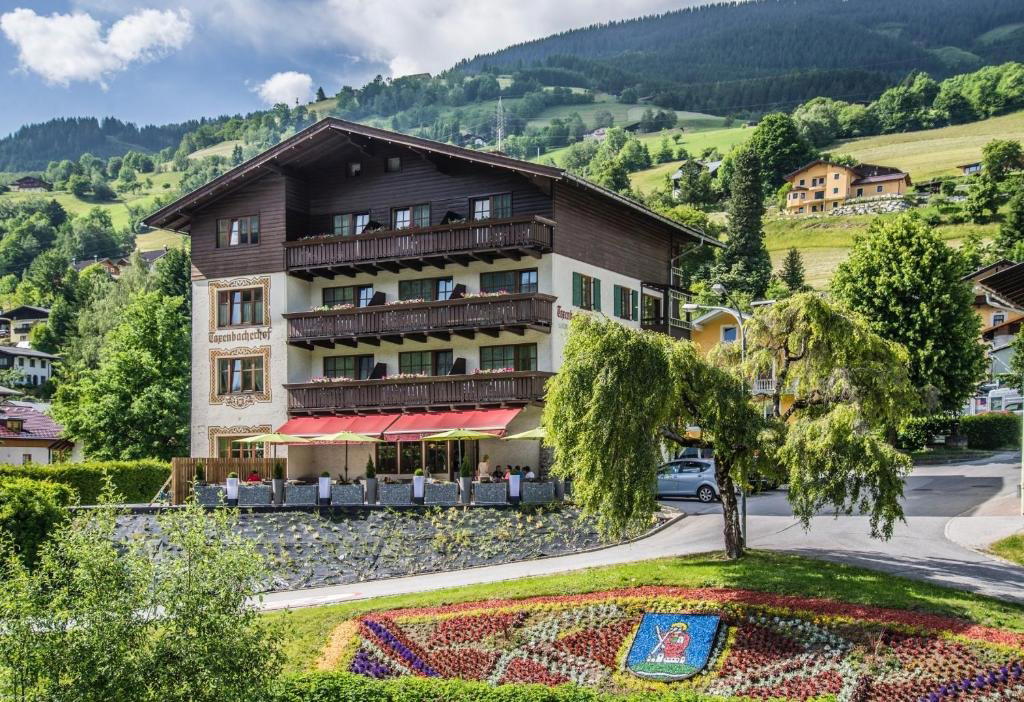
Set along the Unterbergstraße in the Salzburg Alps village of Grossarl, Edelweiß Mountain Cuisine represents the alpine dining tradition that defines this corner of Austria's Pongau region. The address places it within reach of Grossarl's valley floor dining scene, which ranges from informal mountain taverns to destination-grade kitchens. Visitors planning a table should cross-reference the local scene before committing to a single option.
Pearl is the En Primeur Club membership app — saves, bookings, and concierge access live there. Same editors, same standards.
- Address
- Unterbergstraße 65, 5611 Großarl, Austria
- Phone
- +434364143000
- Website
- edelweiss-grossarl.com
- Directions
- Get directions
 Saves & bookings on Pearl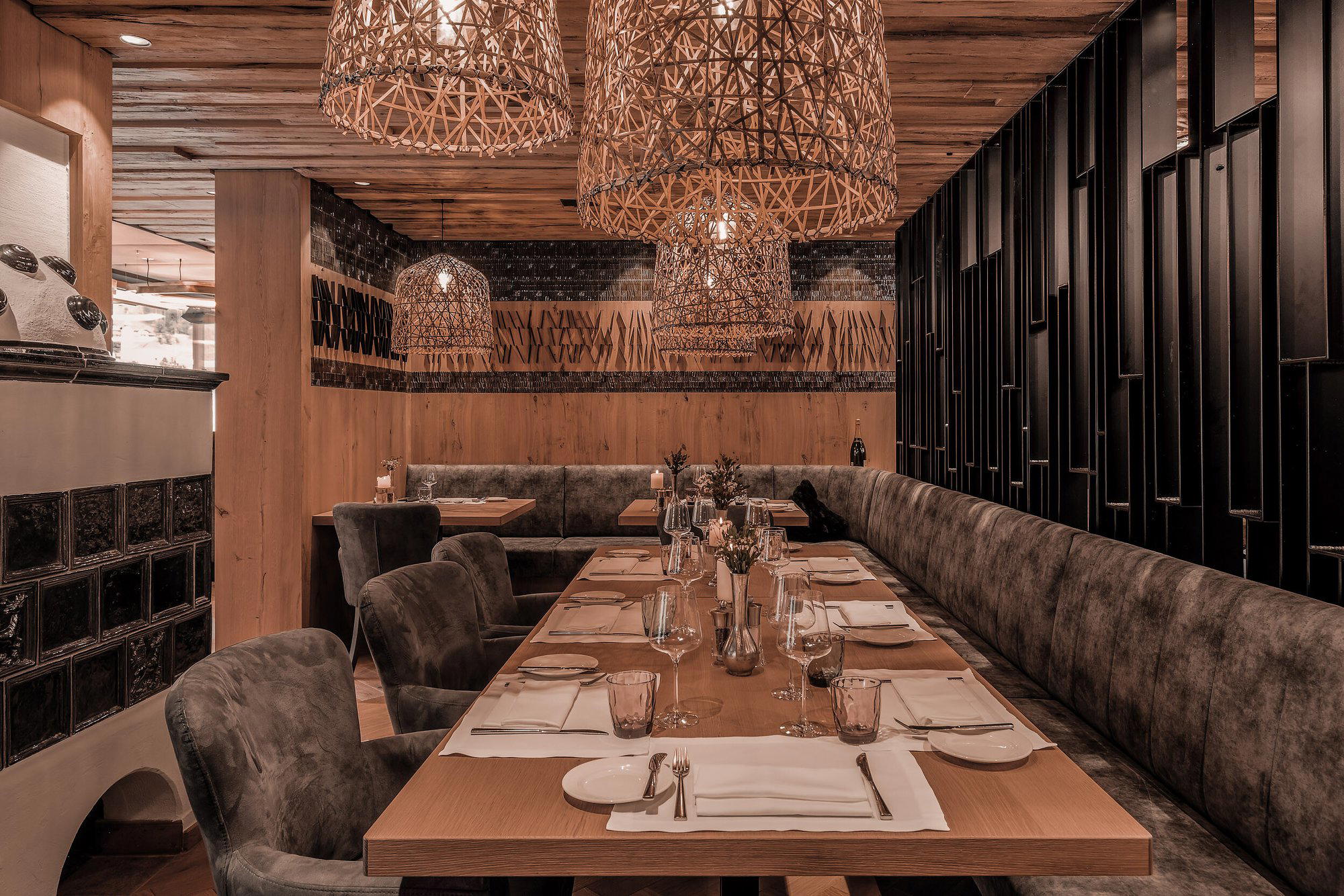
Alpine Dining in Grossarl: Where Mountain Tradition Meets Regional Identity
The Salzburg Alps impose a particular logic on the restaurants that form within them. Villages like Grossarl, positioned in the Pongau valley between the Hohe Tauern and the provincial capital, developed their food culture from necessity as much as pleasure: winter stores of cured meats, preserved beets, and aged dairy; game from the surrounding forests; bread baked to last. What distinguishes the better alpine tables today is how seriously they engage with that inheritance rather than treating it as decor. Edelweiß Mountain Cuisine is a restaurant at Unterbergstraße 65 in Großarl, Austria. It serves Austrian Mountain Cuisine with Pizza in a smart casual setting, and understanding the tradition is the starting point for any visitor deciding where to eat in Grossarl.
The Cultural Architecture of Austrian Mountain Cooking
Austrian alpine cuisine is not a single register. It occupies a spectrum that runs from the Gasthaus, communal, beer-forward, built around rösti, schnitzel, and dumpling soups, through to the serious regional kitchen, where chefs interpret ingredients like Pinzgauer beef, Lungauer Tauern lamb, mountain herbs, and locally foraged mushrooms with technique borrowed as much from French classical cooking as from Salzburger tradition. The Pongau sits in fertile country for the latter: a short drive from Obauer in Werfen, one of Austria's longest-standing fine-dining institutions, and within the same regional culinary orbit as Kräuterreich by Vitus Winkler in Sankt Veit im Pongau, which has drawn national recognition for its herb-led cooking rooted in Salzburg province sourcing.
That context matters when placing any Grossarl table. The village is not a dining destination in the way that Lech or Ischgl are, where places like Griggeler Stuba in Lech and Stüva in Ischgl operate as prestige ski-resort kitchens with corresponding price points and booking complexity. Grossarl is smaller, quieter, and its food scene reflects a different kind of ambition: one oriented toward the valley's own guests rather than toward international trophy-dining traffic.
The Name and What It Signals
The edelweiss has operated as a symbol of alpine authenticity for well over a century, appearing on Austrian coinage, in folk embroidery, and increasingly on menus as shorthand for high-altitude provenance. A restaurant carrying the name is placing itself in a particular conversation: one about place, elevation, and the specificity of mountain ingredients. Whether a kitchen can substantiate that claim depends on sourcing discipline, menu construction, and the degree to which the surrounding landscape actually shows up on the plate rather than just in the branding.
Austria's most rigorous alpine kitchens, from Döllerer in Golling an der Salzach to Steirereck im Stadtpark in Vienna, which brings mountain sourcing into an urban fine-dining context, have raised the standard for what regional specificity in Austrian cooking actually looks like. That benchmark has filtered outward. Smaller, village-level kitchens across Salzburg province now operate against a more demanding regional audience than they did two decades ago.
Grossarl's Dining Scene: Context Before Commitment
Grossarl's restaurant options cluster in a way that reflects a working alpine village rather than a curated resort strip. Die Schatzarei and Nesslerhof represent different orientations within the local scene, as does Sirloin Grill & Dine, which signals a more international grill-focused register. Visitors spending multiple nights in the valley have the option to move between formats rather than committing to a single table for the duration of a stay.
For those arriving from elsewhere in Austria's alpine dining circuit, the Pongau is well-connected. The Salzburg Autobahn brings visitors from the city in under an hour, and the valley road south from the B311 at Bischofshofen runs through ski-country terrain that sets the mood before any table is reached. Summer hiking season brings a different crowd: walkers and cyclists who tend toward earlier dinner sittings and less elaborate menus.
What the Region Does Well
The culinary strengths of the Salzburg alpine region are not abstract. Dairy is a practical foundation: the summer Alm pastures above Grossarl produce milk that finds its way into local cheeses, butters, and cream-based sauces of a quality that flatland equivalents rarely match. Game, particularly venison and wild boar, peaks in autumn, when menus across the valley tend to shift toward darker, richer preparations. Mushrooms from the surrounding forests, chanterelles, porcini, trumpet varieties, follow a similar seasonal logic. Bread culture in Salzburg province is a serious matter, with rye-heavy loaves and caraway-seeded rolls that bear little resemblance to the soft white basket bread of more urban Austrian dining.
These are the ingredients that an honestly alpine kitchen works with, and they set reasonable expectations for what any restaurant carrying a mountain identity in this part of Austria should be able to put on the table. Comparable kitchens across the broader Austrian alpine arc, from Gourmetrestaurant Tannenhof in Sankt Anton am Arlberg to Restaurant 141 by Joachim Jaud in Mieming in Tirol, and further afield to Schwarzer Adler in Hall in Tirol, demonstrate how much range exists within the alpine register, from rustic to formally ambitious. Landhaus Bacher in Mautern an der Donau and Taubenkobel in Schützen am Gebirge add a lower-Austria and Burgenland counterpoint: different regional ingredients, same discipline of place.
For international reference, the discipline of sourcing-led, place-specific cooking is not exclusive to Austria. Kitchens like Le Bernardin in New York City and Lazy Bear in San Francisco have built their authority on a specific and unwavering product commitment, which provides a useful lens for assessing any kitchen that claims regional identity as its foundation. Also worth consulting: Ois in Neufelden, which takes a similarly rooted approach in Upper Austria.
Planning a Visit
Edelweiß Mountain Cuisine is located at Unterbergstraße 65 in the 5611 postal zone of Großarl.
Pricing, Compared
Comparable venues nearby, for context on price, style, and recognition.
| Venue | Cuisine | Price | Notes |
|---|---|---|---|
| Edelweiß Mountain CuisineThis venue — the venue you are viewing | Not listed | $$$ | Not listed |
| Die Schatzarei | Grossarl, Creative Regional Austrian | $$ | Not listed |
| Nesslerhof | Grossarl, Modern Alpine Cuisine | $$$$ | Not listed |
| Sirloin Grill & Dine | Grossarl, Grill Steakhouse | $$$$ | Not listed |
| Landhaus Koller | Not listed | $$$ | Gosau Valley, Traditional Salzkammergut Cuisine |
| Elixhauser Wirt | Elixhausen, Modern Austrian Fine Dining | $$$ | Not listed |
Continue exploring
More in Grossarl
Restaurants in Grossarl
Browse all →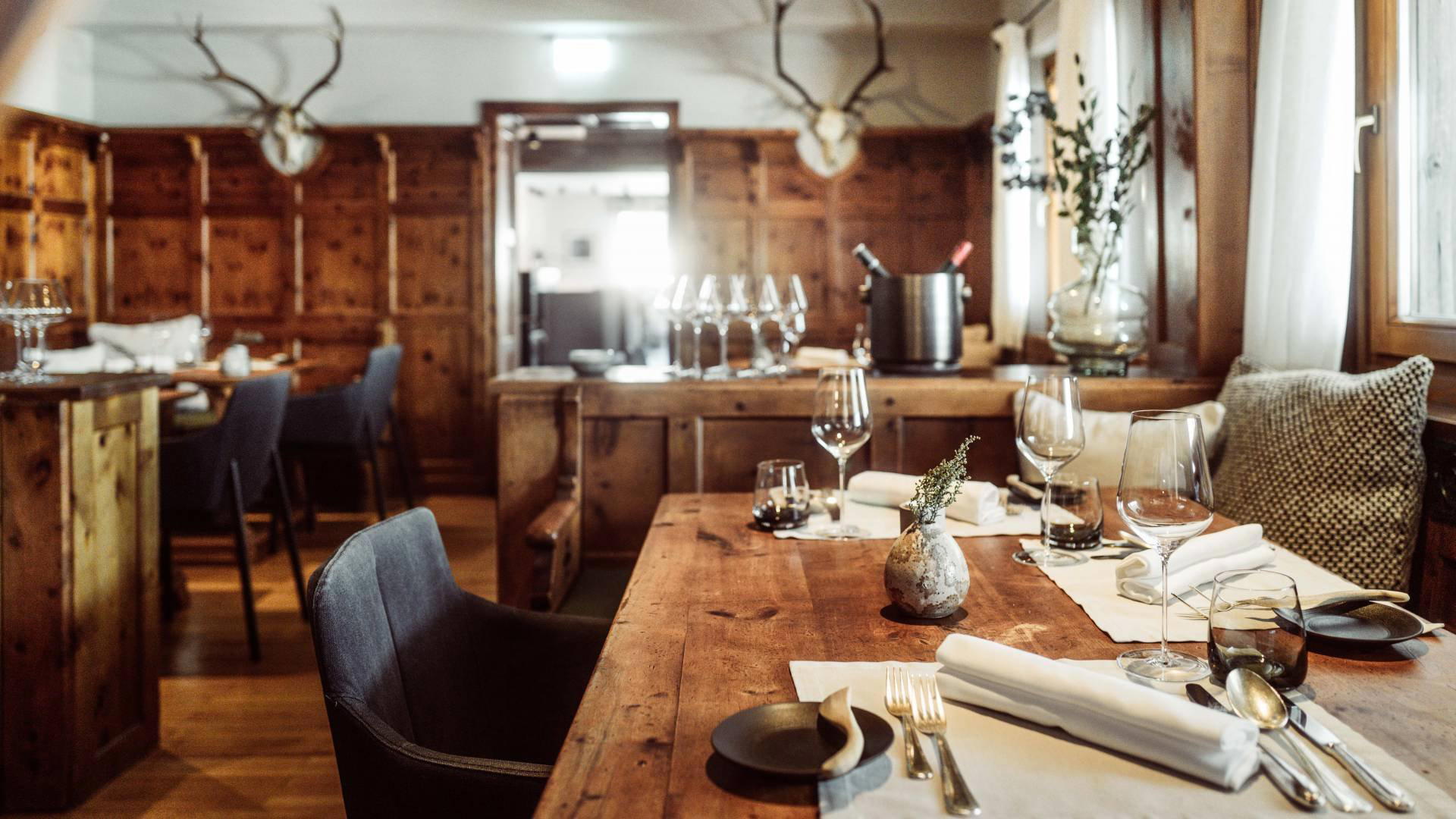
Bars in Grossarl
Browse all →

Hotels in Grossarl
Browse all →
Wineries in Grossarl
Browse all →
At a Glance
- Rustic
- Cozy
- Elegant
- Scenic
- Family
- Special Occasion
- Hotel Restaurant
- Open Kitchen
- Extensive Wine List
- Local Sourcing
- Mountain
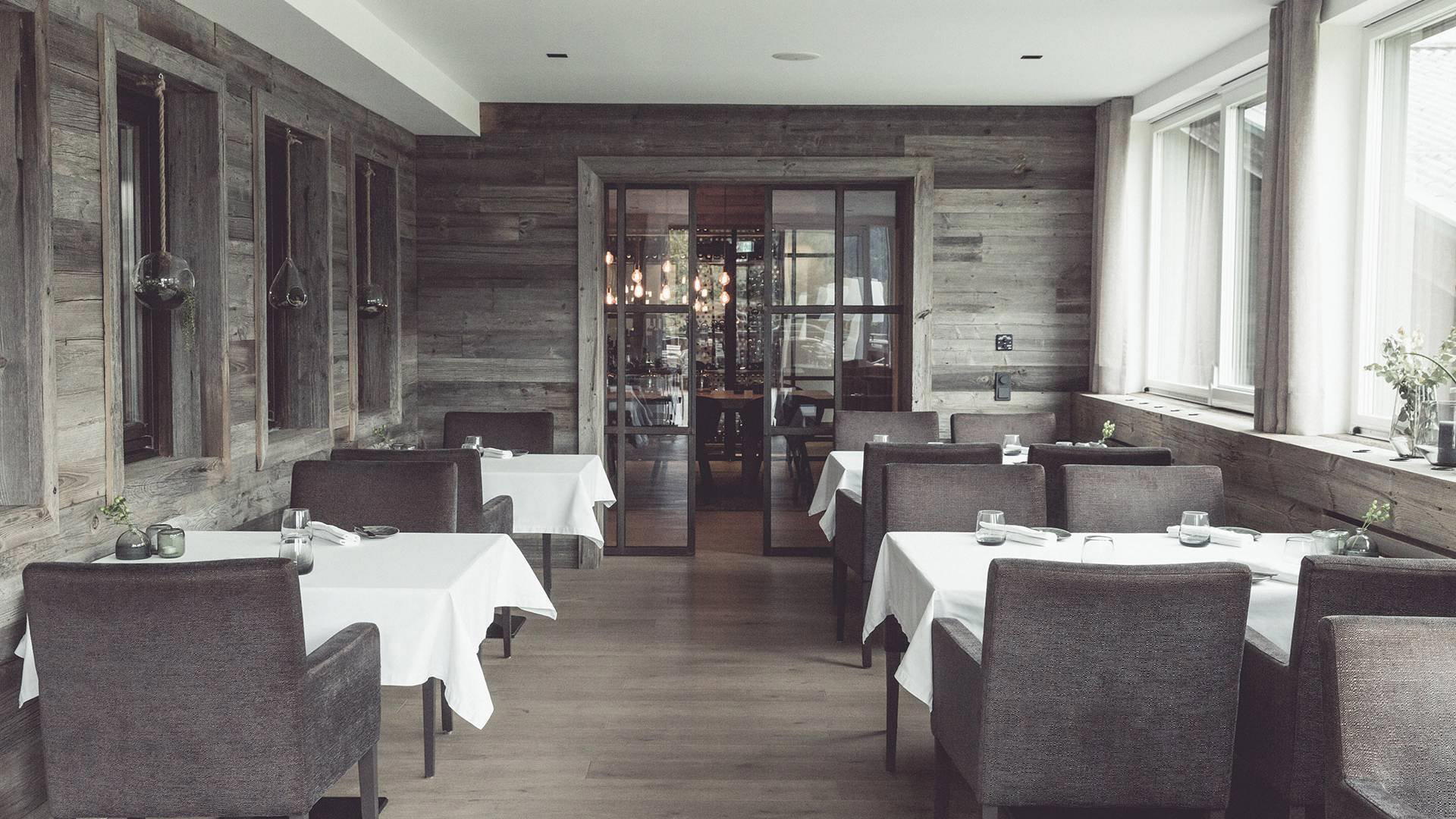
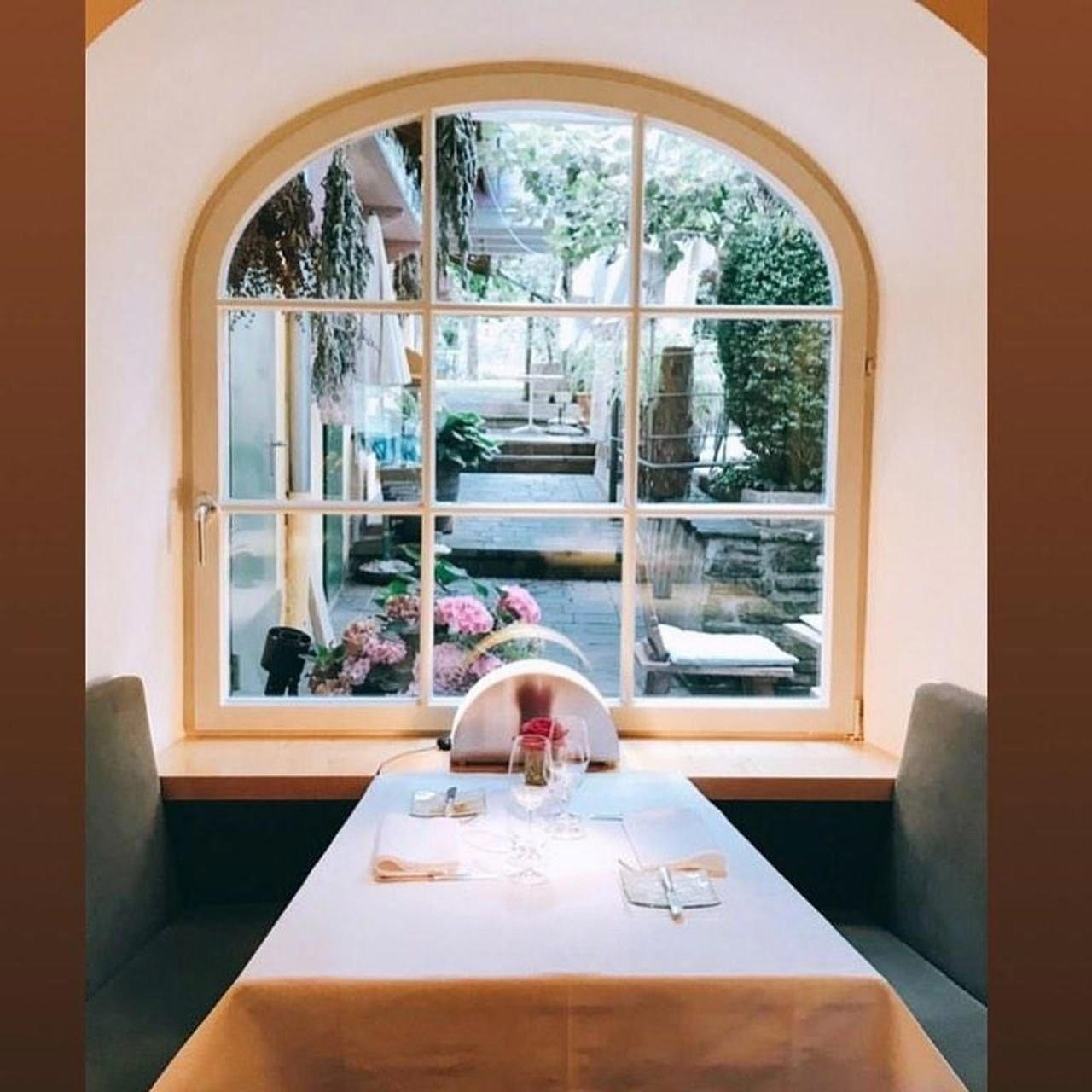
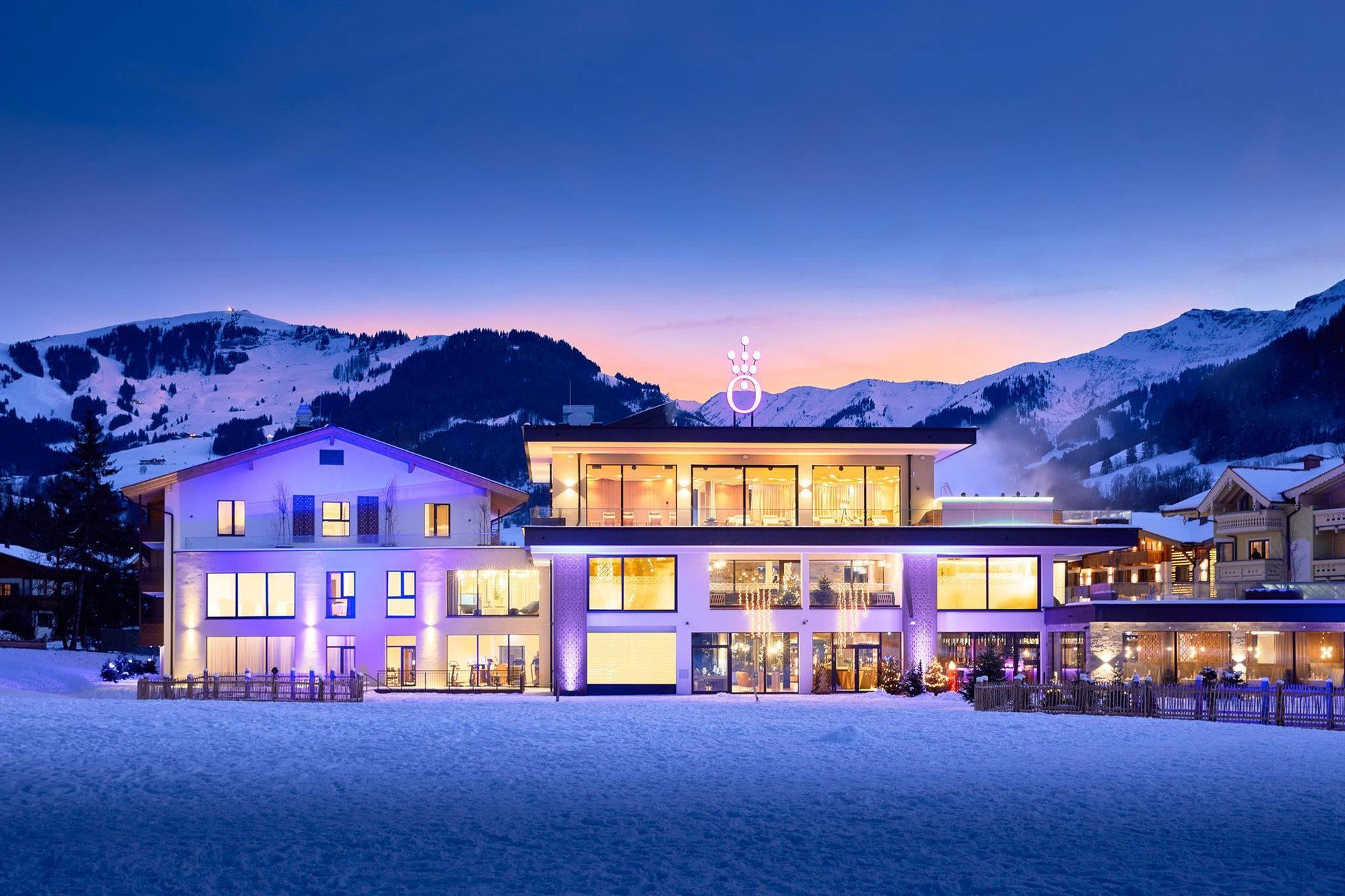
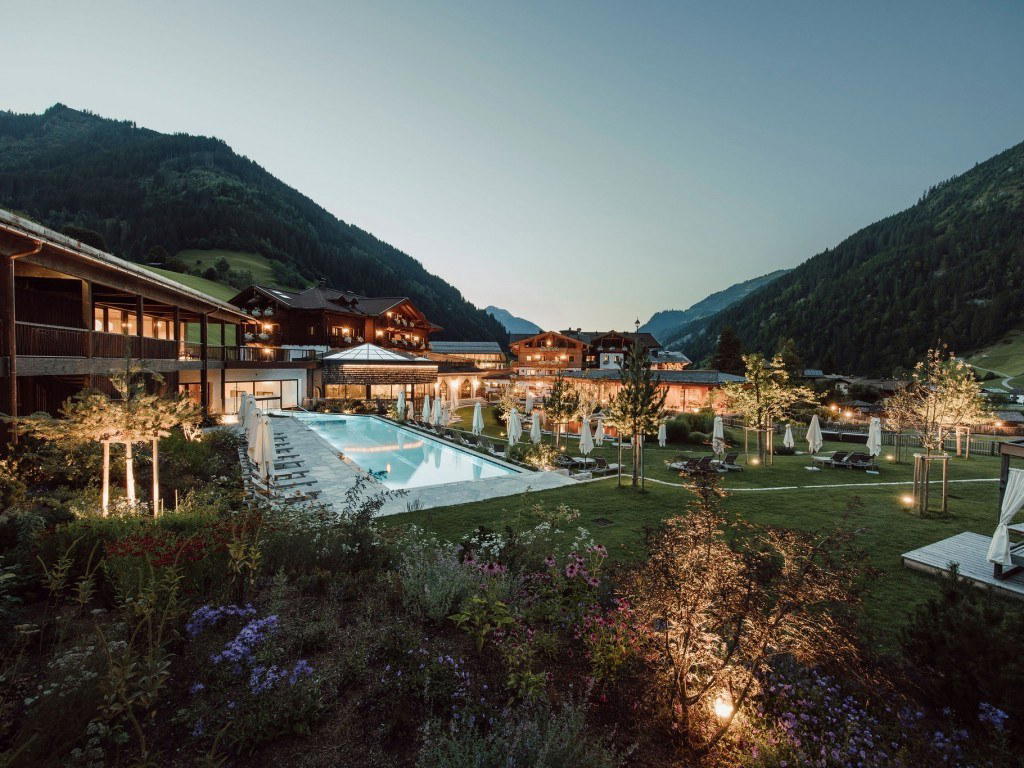
Relaxed and cosy atmosphere with pleasant decoration, minimalist spaces, and mountain views.