On the market square of one of Austria's most photographed villages, Seewirt - Zauner occupies a position that few lakeside restaurants can claim: immediate proximity to the Hallstätter See with the Salzkammergut's culinary traditions shaping its kitchen. Dining here means sitting inside the physical and cultural heart of Hallstatt, where the lake, the salt-mining heritage, and the Alpine setting converge at the table.
Pearl is the En Primeur Club membership app — saves, bookings, and concierge access live there. Same editors, same standards.
- Address
- Marktpl. 51, 4830 Hallstatt, Austria
- Phone
- +434361348246
- Website
- seewirt-zauner.at
- Directions
- Get directions
 Saves & bookings on Pearl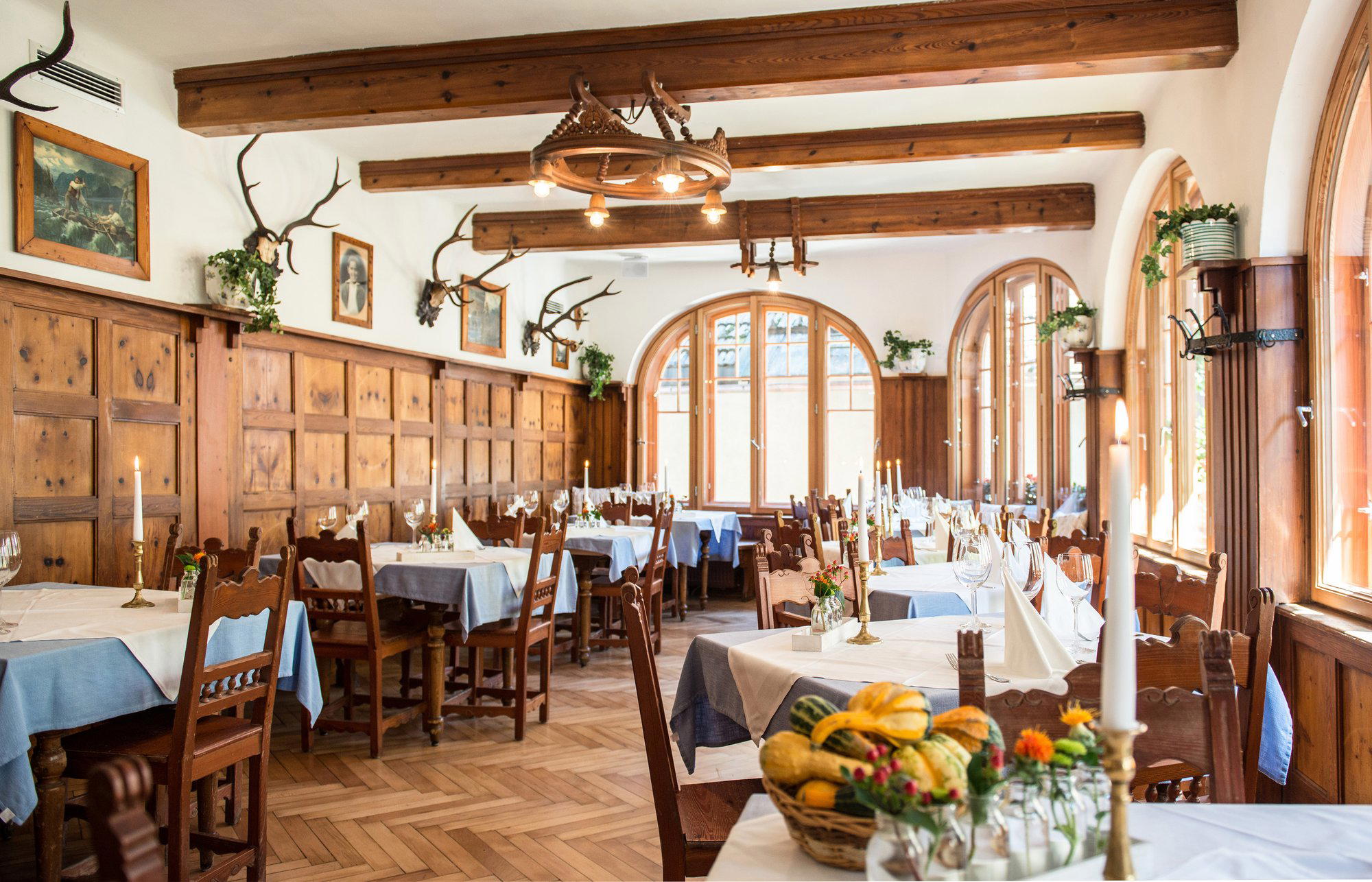
Where the Lake Meets the Market Square
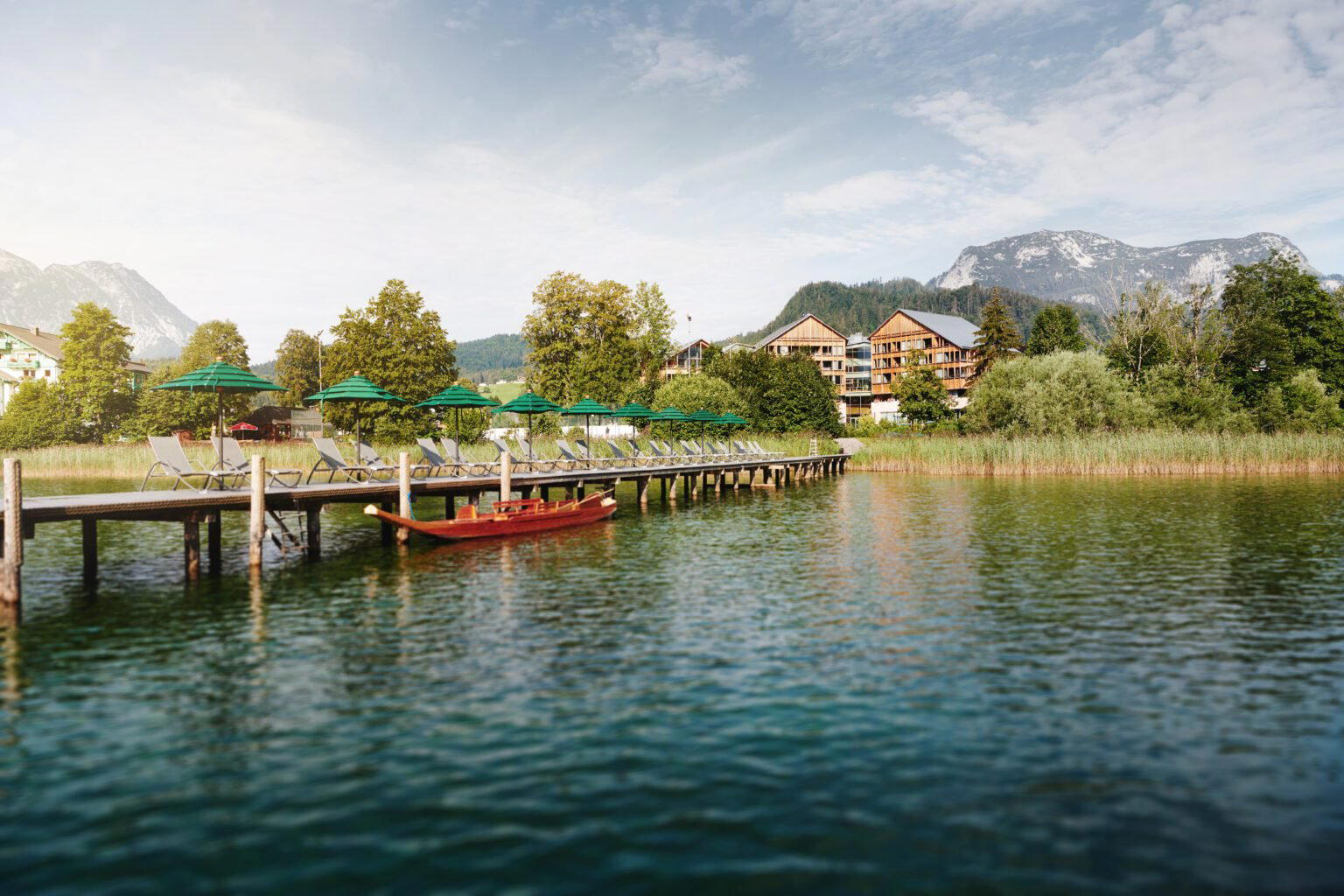
Hallstatt is a village that arrives before you're ready for it. The road from Bad Ischl deposits you at the ferry dock, or a narrow lakeside lane delivers you on foot, and either way the settlement materialises as a vertical arrangement of painted facades pressed between the Dachstein massif and the Hallstätter See. The market square sits at the centre of this compression, and Seewirt - Zauner occupies it at Marktplatz 51, with the lake a few steps in one direction and the salt-stained cliffs in the other. In a village this small, address is destiny: position on the square places a restaurant at the confluence of every pedestrian route through Hallstatt, which means the dining room draws from a narrow but concentrated pool of visitors who have already committed to experiencing the place seriously.
Hallstatt receives a volume of day-trippers that would overwhelm most villages of its size, yet its accommodation stock and the logistics of arrival by ferry or single-lane road create a natural filter. Those who stay overnight, or who arrive outside the midday peak, tend to engage with the village on different terms. Restaurants on the market square operate within that distinction: the foot traffic is real, but so is the quieter dinner hour when the tour groups have departed and the lake catches the last Alpine light. That rhythm shapes what lakeside dining in Hallstatt actually means in practice.
The Salzkammergut Dining Tradition
The Salzkammergut region built its identity on salt, and the culinary traditions that developed around the lake district reflect that geographic specificity. Freshwater fish from the Hallstätter See and neighbouring lakes, particularly char and trout, anchor the local kitchen in ways that parallel the role of game in the mountain valleys further west. Austrian lake-district cooking sits at an intersection of hearty Alpine fare and lighter lacustrine ingredients, with the two often appearing on the same menu rather than in opposition. That combination distinguishes Salzkammergut restaurants from the purely meat-forward Alpine tavern tradition you encounter in Tirol, and from the more refined Viennese interpretations you find at Steirereck im Stadtpark in Vienna.
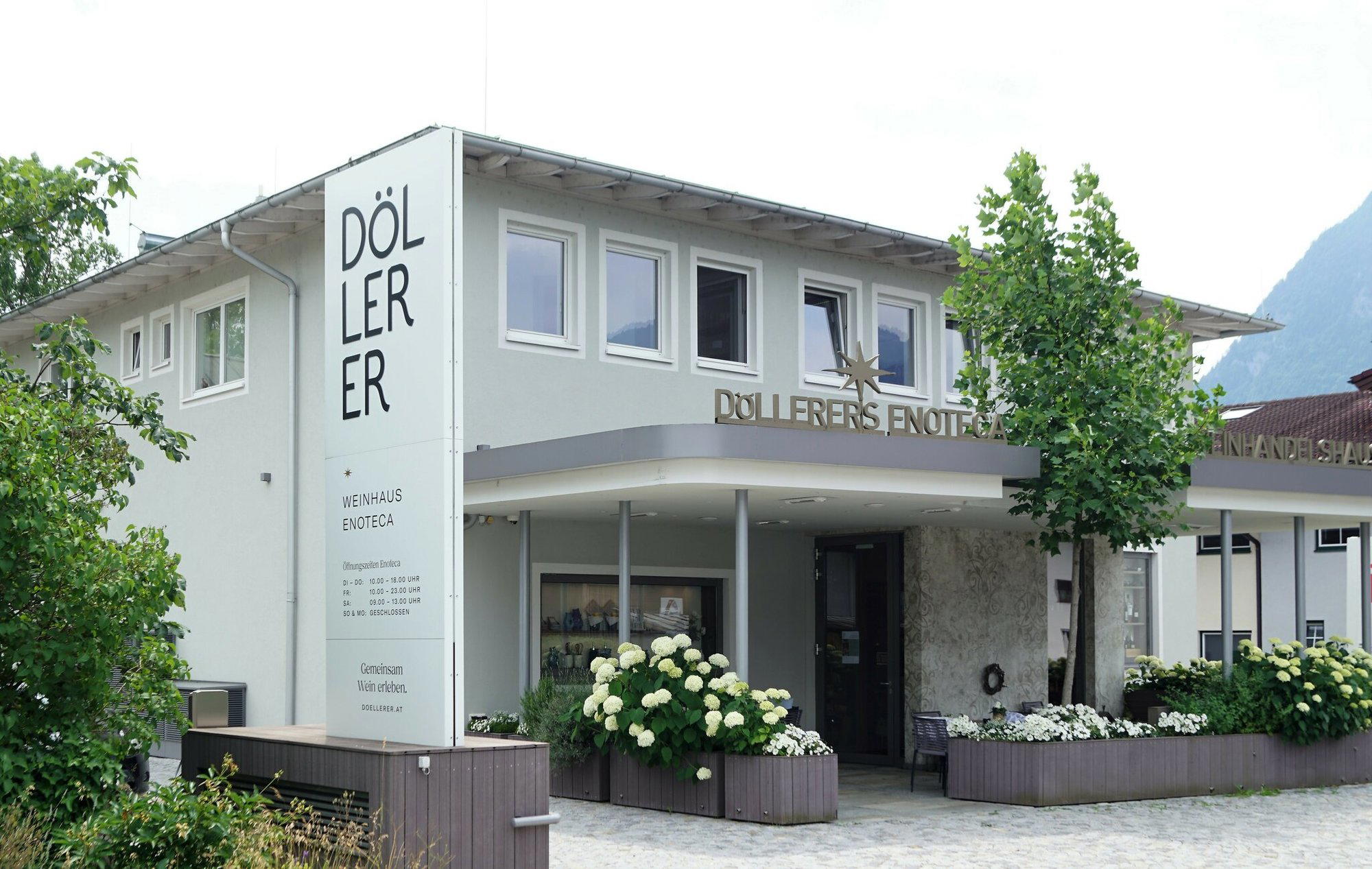
Within the Salzkammergut, Hallstatt sits at the more remote end of the accessibility spectrum compared with Bad Ischl or Gmunden, which historically positioned its restaurants as destinations for visitors already committed to the journey rather than casual passers-through. That dynamic has shifted with tourism volumes, but the underlying culinary character of the region persists: local sourcing from the lake and surrounding farms, preparations that reflect Austrian country-house cooking, and a directness of flavour that distinguishes the tradition from the more technically elaborate approaches you encounter at Döllerer in Golling an der Salzach or Ikarus in Salzburg.
Hallstatt's Dining Options in Context
Karmez Kebab addresses the fast-casual end of the market, while Marketbeisl zur Ruth and Seehotel Grüner Baum each bring their own positioning to a compressed dining scene. Seewirt - Zauner's placement on the market square gives it a visibility that carries its own weight: the name has accumulated recognition over the years that comes with being present at the centre of the village across multiple seasons and visitor generations.
For broader context on where Hallstatt sits within Austria's Alpine dining picture, that the country's most decorated restaurants cluster in Salzburg, Vienna, and the western Alpine valleys. Properties like Griggeler Stuba in Lech, Stüva in Ischgl, and Gourmetrestaurant Tannenhof in Sankt Anton am Arlberg represent the high-altitude fine dining tier, while places such as Obauer in Werfen, Landhaus Bacher in Mautern an der Donau, and Kräuterreich by Vitus Winkler in Sankt Veit im Pongau anchor the country-house restaurant tradition. Hallstatt's restaurants operate in a different register, shaped more by location and heritage than by the pursuit of formal recognition. That distinction matters when calibrating expectations: the village's hospitality is about place rather than culinary ambition in the technical sense.
Internationally, the gap between place-driven dining in a spectacular natural setting and technique-driven destination restaurants is well established. The comparison to somewhere like Le Bernardin in New York City or Atomix in New York City is instructive precisely because it clarifies what Hallstatt's restaurants are not trying to be, and why that's appropriate to their context. Similarly, Ois in Neufelden, Schwarzer Adler in Hall in Tirol, and Restaurant 141 by Joachim Jaud in Mieming each represent regional Austrian dining with a more defined culinary identity than a market-square tavern in a heritage village typically pursues.
Planning a Visit
Hallstatt's geography imposes its own logistics. The village is accessible by ferry from the Hallstatt Bahnhof on the opposite shore, or by road from the south via a tunnel and a single lane that demands patience in peak season. Arriving outside the June-to-September surge, particularly in early May or October, gives a different experience of the square: fewer visitors, cleaner light on the lake, and restaurants operating at a pace that allows for longer meals. The market square's restaurants, including Seewirt - Zauner, function as the social centre of the village in the evening hours after the day-trip crowds have cleared, which is when the setting delivers most of what it promises.
The Quick Read
Comparable venues nearby, for context on price, style, and recognition.
| Venue | Cuisine | Price | Notes |
|---|---|---|---|
| Seewirt - ZaunerThis venue — the venue you are viewing | Not listed | $$ | Not listed |
| Marketbeisl zur Ruth | Not listed | $$ | Marktplatz, Traditional Austrian Café & Bar |
| Seehotel Grüner Baum | Not listed | $$$ | Marktplatz, Austrian with Mediterranean Influences |
| Karmez Kebab | Landungsplatz, Turkish Kebabs | $ | Not listed |
| Pescheria Backi | Neustadt, Mediterranean Seafood | $$ | Not listed |
| Restaurant WASSERMANN | Not listed | $$$ | Grundlsee, Modern Austrian Fine Dining - Fish Specialties |
Continue exploring
More in Hallstatt
Restaurants in Hallstatt
Browse all →
Bars in Hallstatt
Browse all →

At a Glance
- Cozy
- Rustic
- Classic
- Scenic
- Family
- Group Dining
- Celebration
- Special Occasion
- Date Night
- Waterfront
- Terrace
- Historic Building
- Hotel Restaurant
- Panoramic View
- Extensive Wine List
- Local Sourcing
- Organic
- Waterfront
- Mountain
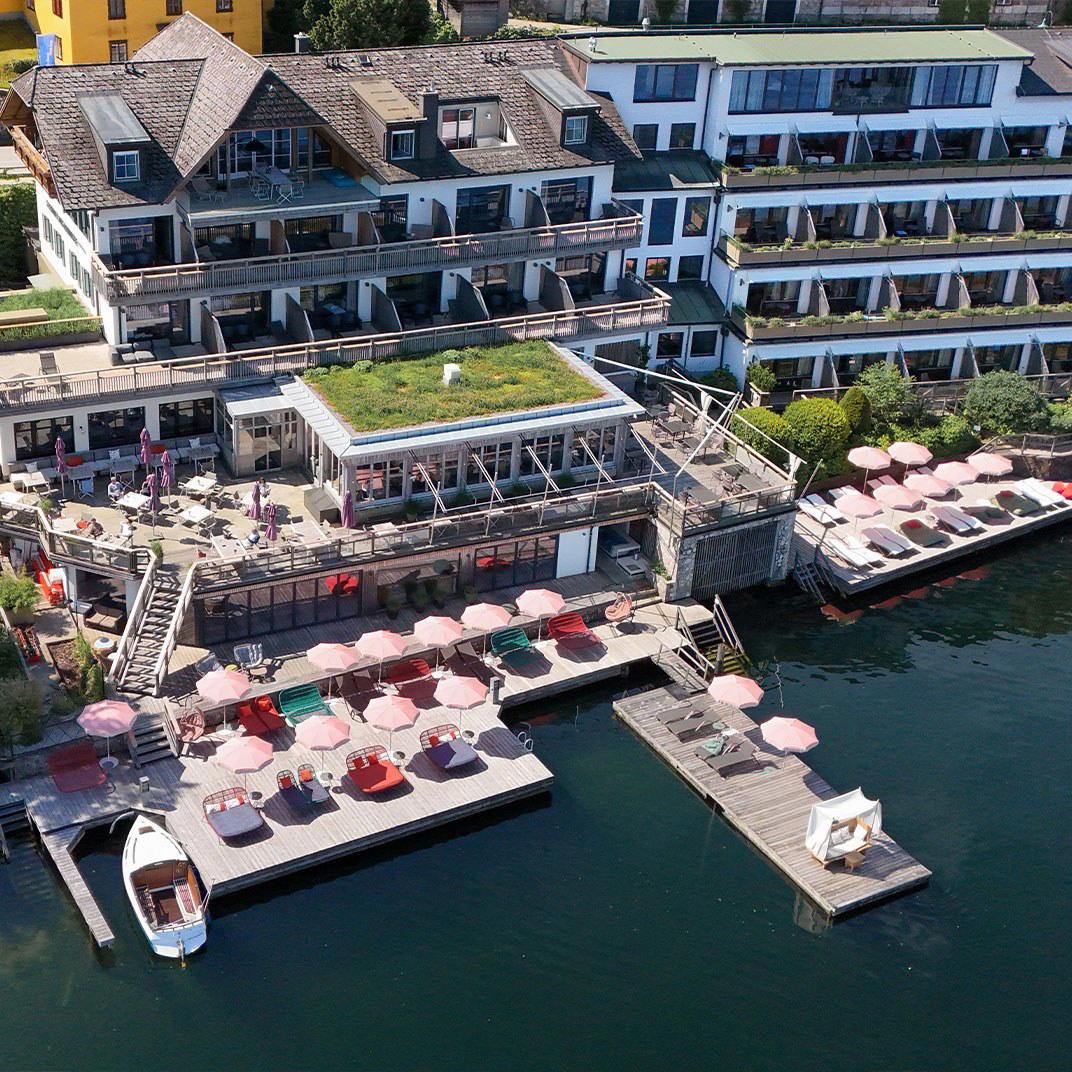
Traditional alpine charm with modern updates; warm, convivial atmosphere blending historic flair with contemporary comfort, featuring both indoor seating and lakeside outdoor terrace.