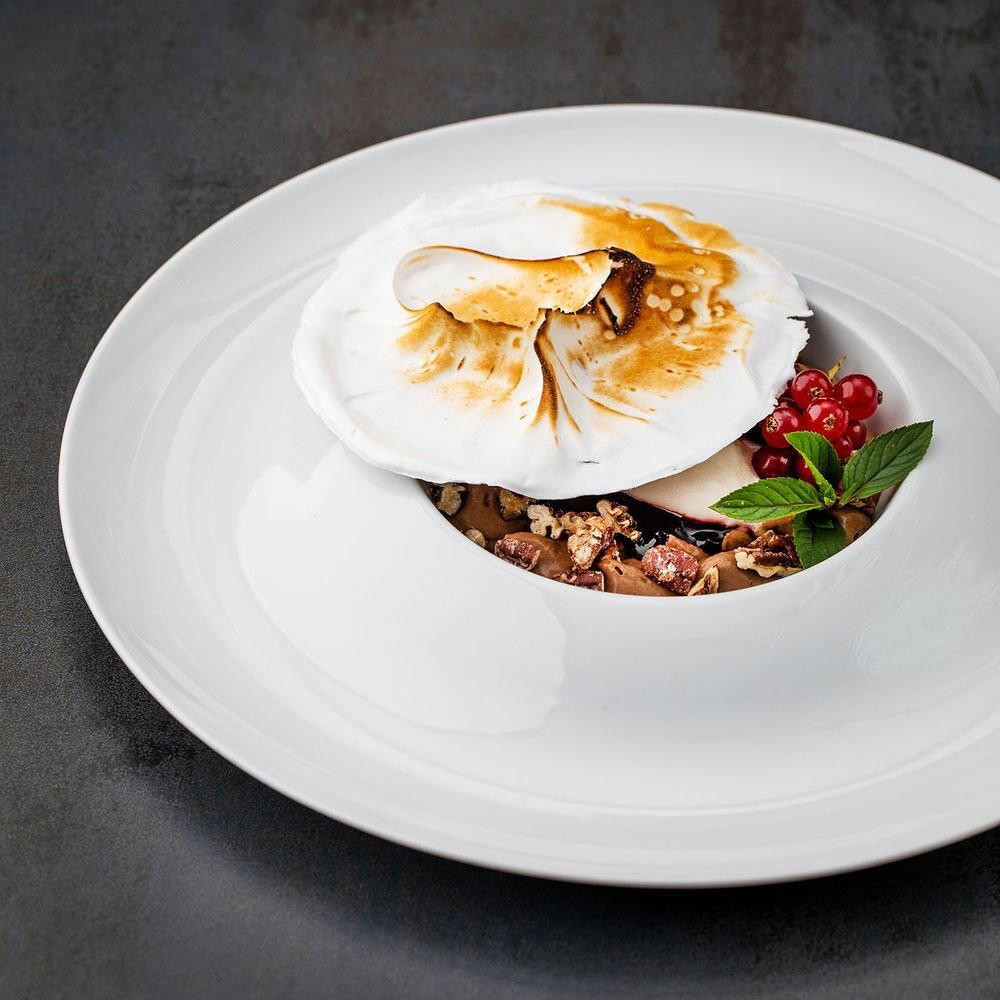
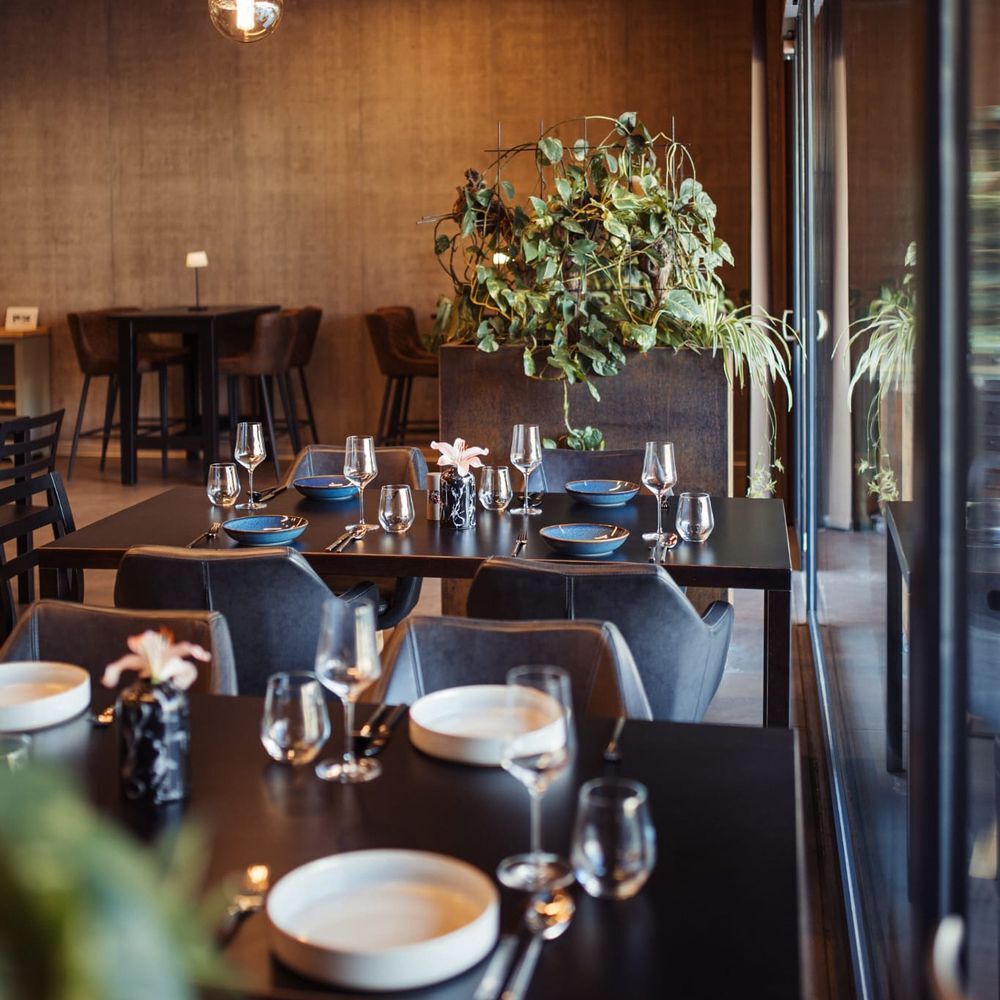
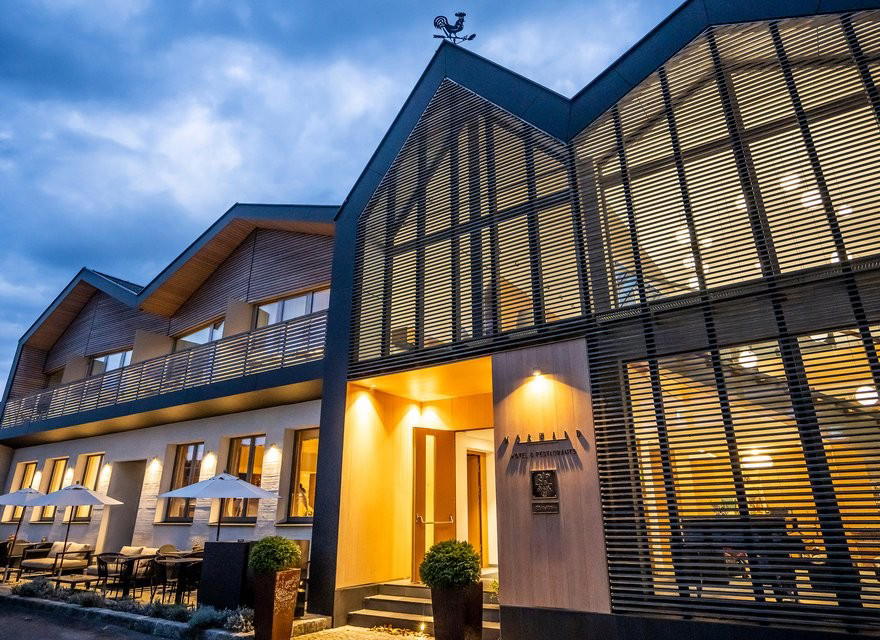
Seedeck pairs an urban-Mediterranean bistro format with a waterfront terrace in Horn, set up for conversational lunch or dinner in casual, upscale-casual dress.
Pearl is the En Primeur Club membership app — saves, bookings, and concierge access live there. Same editors, same standards.
- Address
- Stadtseepromenade 1, 3580 Horn, Austria
- Phone
- +43298250575
- Website
- seedeck.at
- Directions
- Get directions
 Saves & bookings on Pearl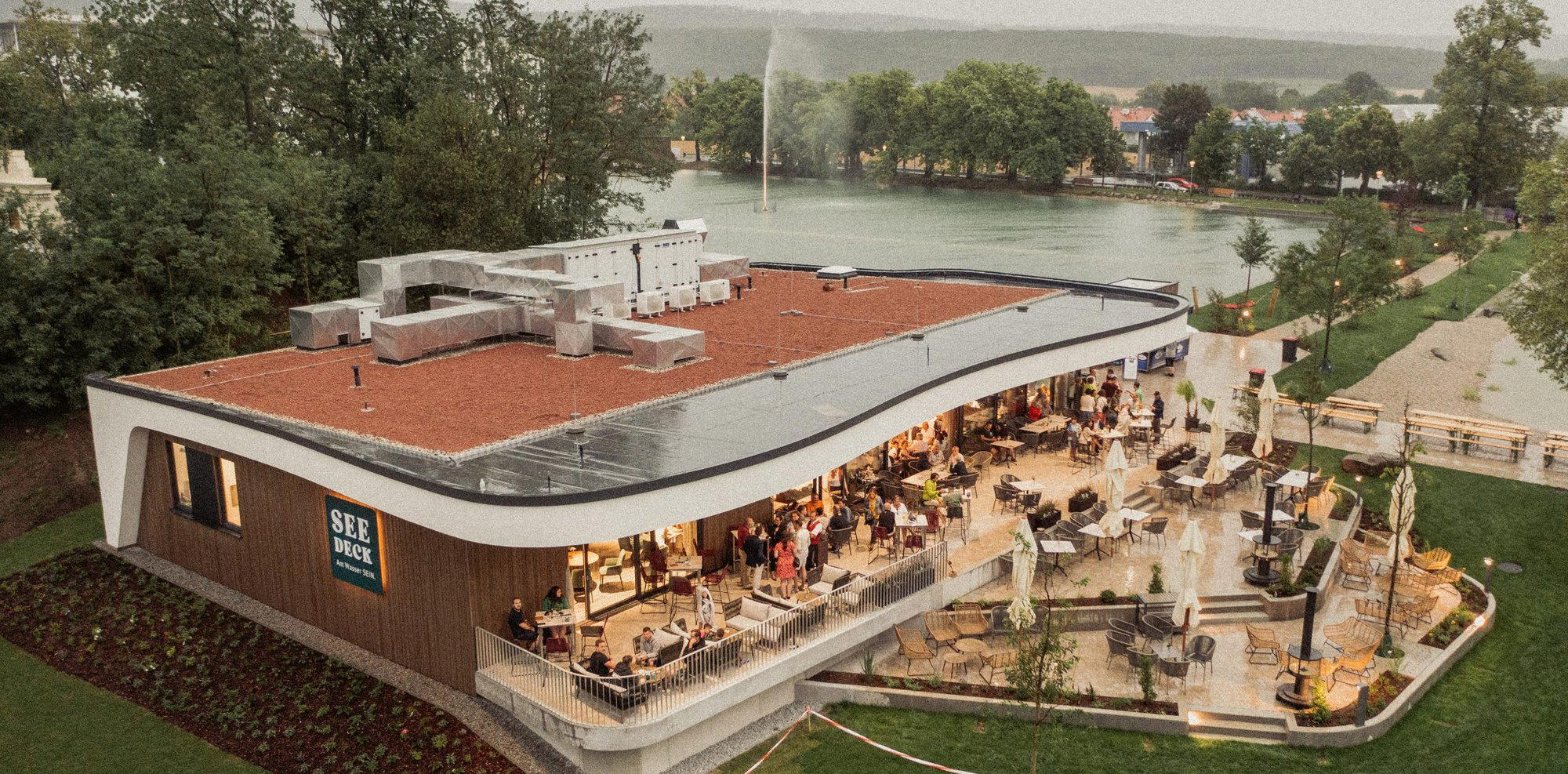
Where the Kamp Valley Meets the Table
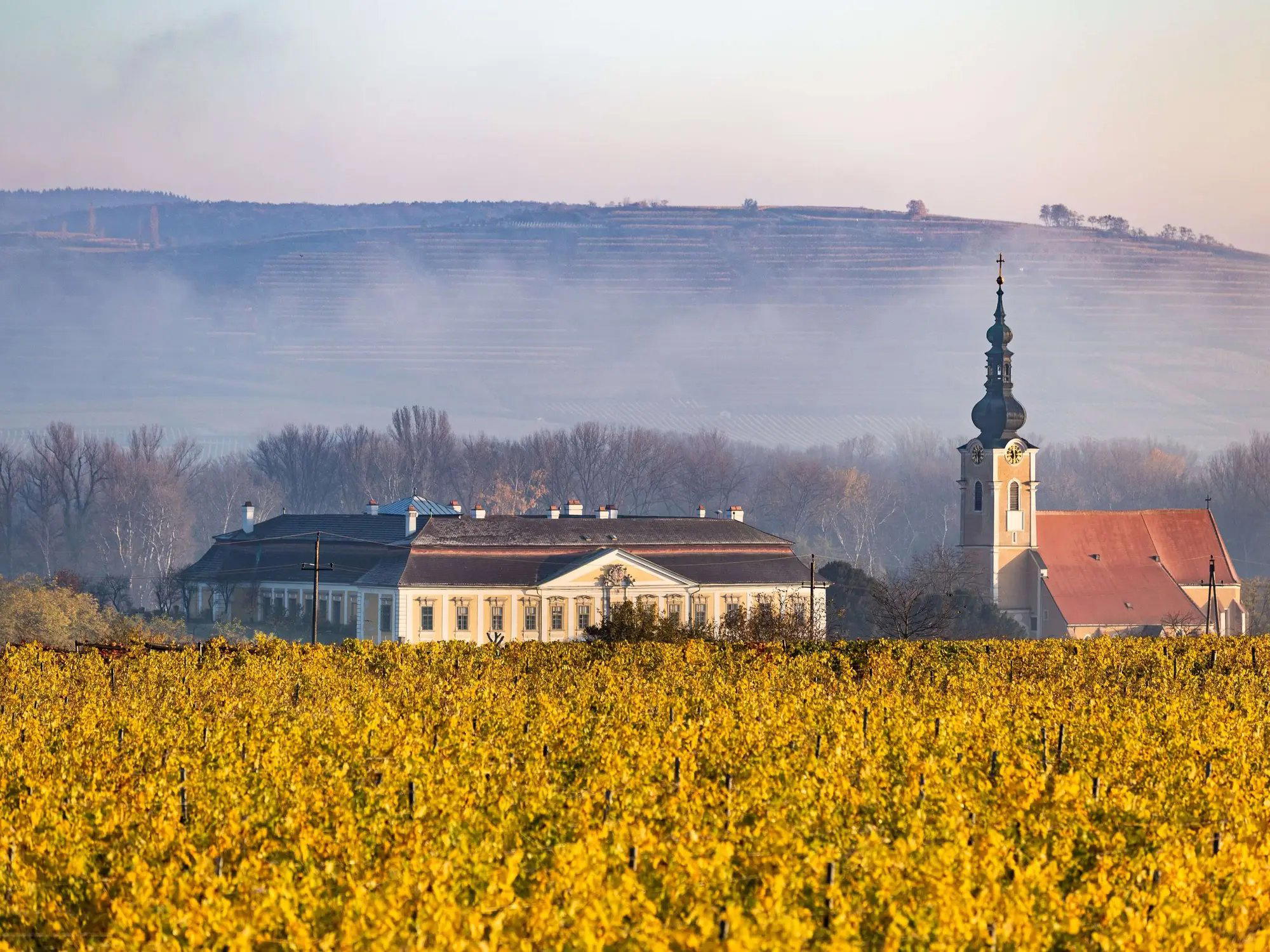
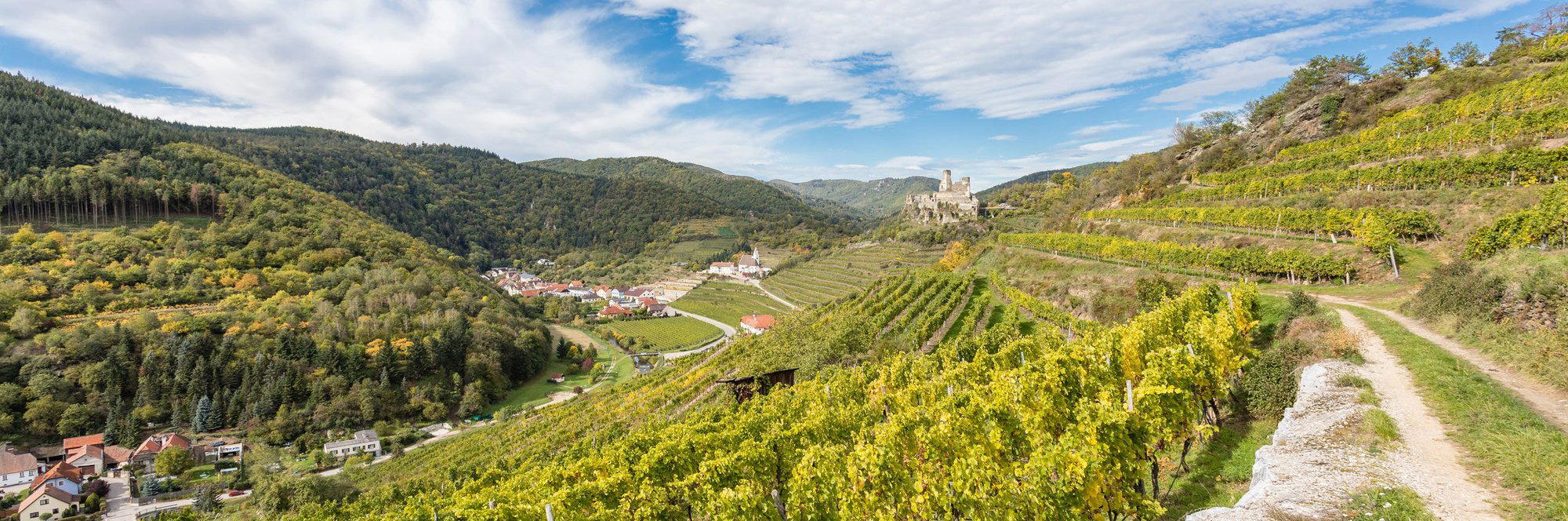
Horn sits in Lower Austria's Waldviertel, a granite-plateau region that has historically occupied a quieter position in Austrian culinary conversation than the wine-rich Wachau to its south or the alpine dining circuits further west. The town's position along the Kamp river corridor, with its cool microclimate and proximity to carp ponds, game forests, and root-vegetable farmland, gives local kitchens a supply chain that urban restaurants would pay significant logistics costs to replicate. Seedeck, at Stadtseepromenade 1, sits on Horn's lake edge.
Austrian regional cooking at this latitude is shaped by a tradition that predates the Viennese haute cuisine codification, one built on preservation, on the slow braise, on freshwater fish, on rye and spelt rather than refined white flour. The Waldviertel has long supplied the capital with ingredients rather than receiving culinary attention in return. That dynamic has been shifting, with a generation of Austrian cooks reconnecting with regional produce at the source rather than filtering it through metropolitan technique. Seedeck operates within this broader reorientation of where serious Austrian food happens.
The Scene Along the Stadtseepromenade
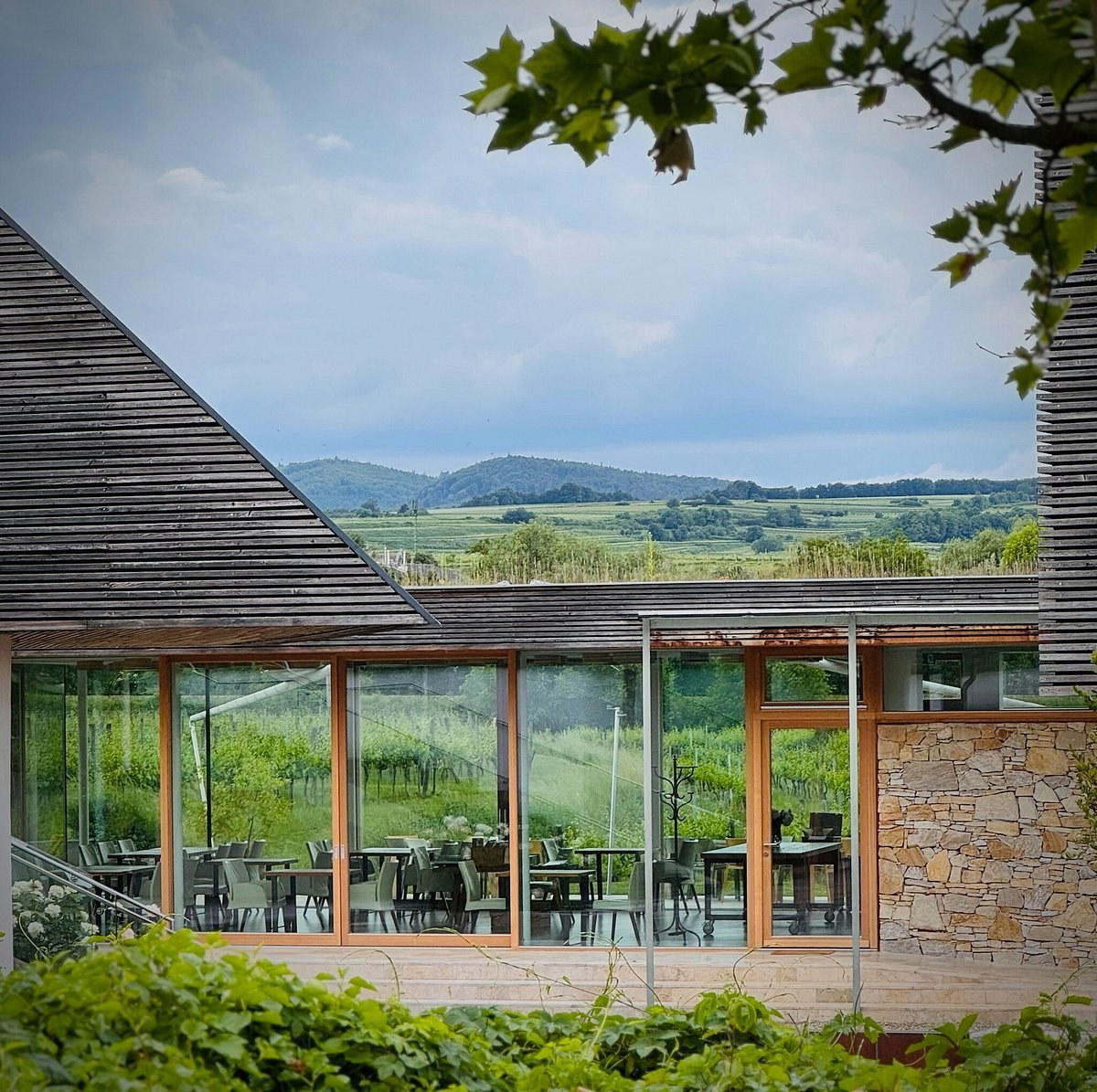
The lakeside promenade setting carries the kind of spatial logic that Austrian market-town hospitality has refined over generations: water nearby, open air available, a sense that the pace of the meal will be set by the surroundings as much as by the kitchen. This is not the compressed, high-turn environment of a city dining room. Promenade dining in Austrian provincial towns tends to attract a clientele that treats the meal as part of a longer afternoon or evening, and the architecture of such spaces, whether covered terracing, garden seating, or indoor rooms that open toward the water, typically supports that rhythm.
In the context of Austria's broader restaurant geography, Horn and the Waldviertel remain a less-travelled part of the circuit. The country's most-discussed kitchens cluster in Vienna, along the Salzkammergut, and in the alpine west. Steirereck im Stadtpark in Vienna represents the apex of the capital's creative fine dining; Döllerer in Golling an der Salzach has built a reputation for contemporary Austrian cooking with serious alpine produce sourcing; Ikarus in Salzburg operates on a rotating guest-chef model that positions it as a format experiment rather than a regional expression. Seedeck sits in a different register from all of these, provincial, lake-adjacent, and rooted in a part of Austria that rewards the traveller willing to move beyond the established itinerary.
Lower Austrian Culinary Tradition as Context
The Waldviertel's cooking identity is anchored by a handful of defining ingredients: the grey poppy (Waldviertler Graumohn), which carries a protected designation of origin; grey peas (Graupen and Grauerbsen), used in soups and stews; freshwater fish from the region's many pond systems; and game from the surrounding forests. These are not luxury ingredients in the metropolitan sense, they are workhorse larder items that carry cultural weight precisely because of their ordinariness and their specificity to this particular patch of central European geography.
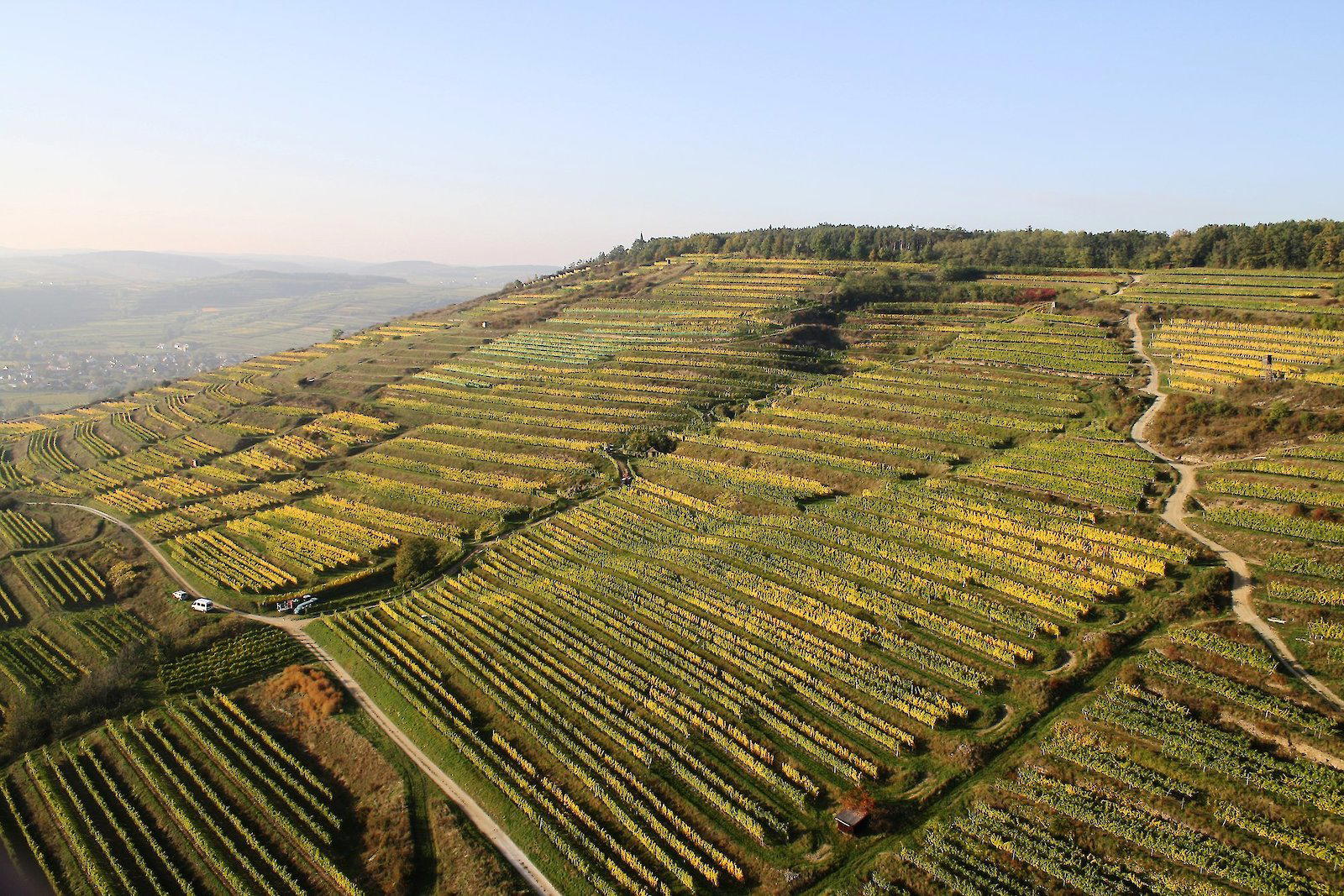
Austrian kitchens that work seriously with regional produce tend to organise their menus around seasonal availability in a way that French or Italian regional cooking has long been credited for but Austrian cuisine has sometimes been denied in international critical discussion. The reality is that Lower Austria's larder changes substantially across the year: early spring brings wild garlic and the first asparagus; summer moves into stone fruit, courgette, and freshwater fish at their peak; autumn delivers mushrooms, game, and the root vegetables that define Waldviertel cooking through the colder months. A kitchen on the Stadtseepromenade in Horn sits close enough to these supply chains that the seasonal shift in a menu can be traced directly to what is happening in the surrounding landscape.
For comparison, Landhaus Bacher in Mautern an der Donau represents the kind of rooted Lower Austrian hospitality that has earned sustained critical recognition, a reference point for what the region's classic cuisine tradition looks like when executed at a high level over decades. The Waldviertel, further north and with less Wachau-adjacent visibility, has produced fewer names of that standing, which makes attentive local kitchens worth tracking as the region's culinary profile develops.
Horn in the Austrian Small-Town Dining Context
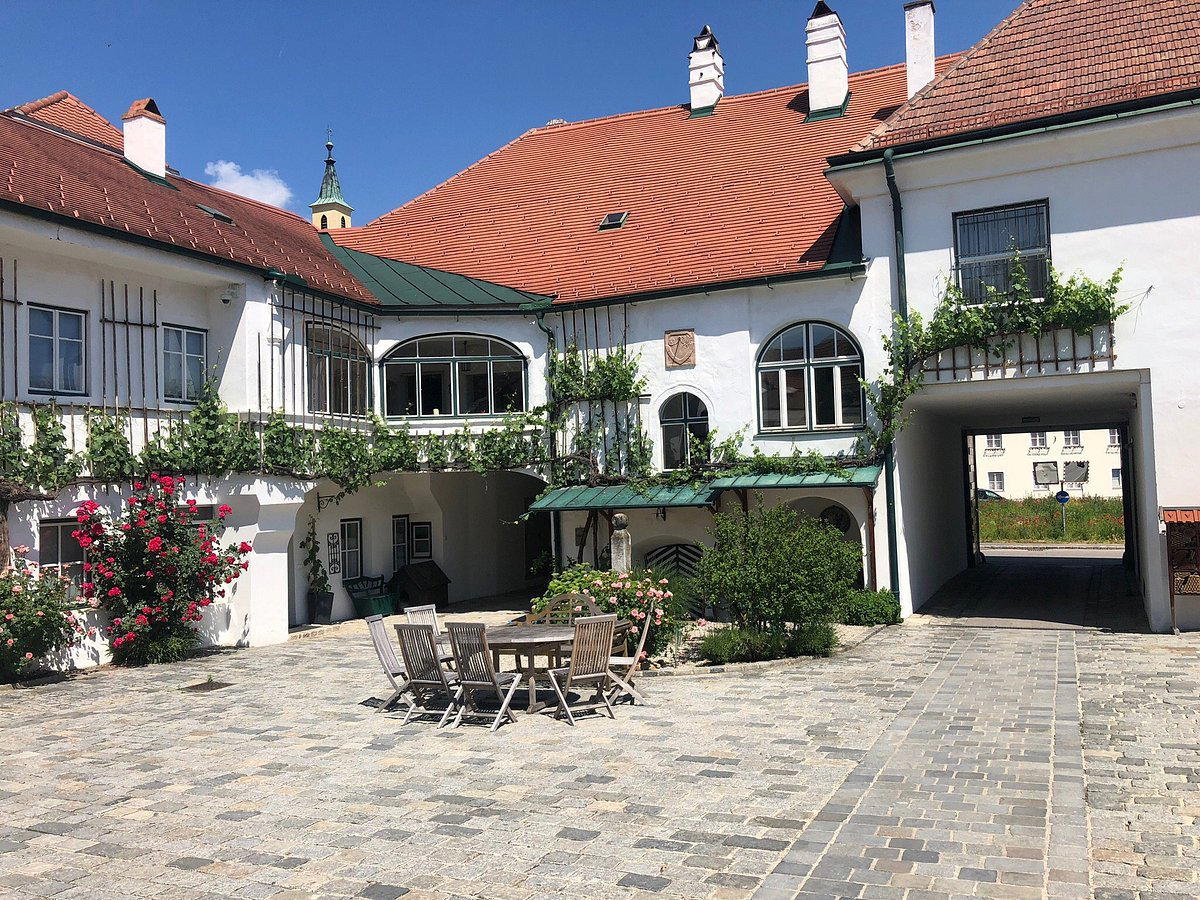
Small-town Austrian dining has a structural character that differs from alpine resort dining or Viennese neighbourhood bistro culture. In towns like Horn, the local restaurant often serves a community function that urban establishments do not: it is the venue for family celebrations, local business lunches, post-event gatherings, and the unhurried Sunday meal that remains embedded in provincial Austrian life. This dual role, serving a local clientele with embedded expectations while also being a reason for visitors to make the drive from Vienna (roughly 90 kilometres northwest via the B4 or the faster motorway routing through Krems), shapes the menu register and the service approach in ways that are distinct from destination-only kitchens.
Within Horn itself, Öhlknechthof represents another point of reference for understanding what the town's dining options look like. Our full Horn restaurants guide maps the local options in more detail for those planning a stay or a day trip into the Waldviertel.
Austria's provincial restaurant circuit extends across the country in patterns that often surprise visitors who have organised their trip around the alpine or metropolitan anchors. Obauer in Werfen is the clearest model for a small-town Austrian kitchen that has achieved sustained national and international recognition from an unlikely address. Ois in Neufelden demonstrates similar dynamics in Upper Austria. The pattern of serious cooking appearing in towns with little other tourist infrastructure is more common in Austria than the country's marketing tends to suggest.
For those building a broader Austrian dining itinerary, the alpine kitchens offer a different but related tradition: Gourmetrestaurant Tannenhof in Sankt Anton am Arlberg, Griggeler Stuba in Lech, and Stüva in Ischgl each represent the western Austrian fine dining tier. Kräuterreich by Vitus Winkler in Sankt Veit im Pongau and Schwarzer Adler in Hall in Tirol round out the Tyrolean and Salzburg provincial circuit. Restaurant 141 by Joachim Jaud in Mieming and Taubenkobel in Schützen am Gebirge extend the picture eastward. Artis in Graz anchors the Styrian end of the conversation. Outside Austria, Le Bernardin in New York City and Atomix in New York City illustrate how regional ingredient specificity translates into critical standing at the international level, a model that Austrian provincial kitchens increasingly reference.
Planning a Visit
Horn is accessible from Vienna by car in approximately 90 minutes, with the route passing through Krems an der Donau and then north into the Waldviertel. The town has limited accommodation infrastructure, making it more naturally a day-trip destination from Vienna or a stop within a longer Waldviertel itinerary that might include the Stift Altenburg monastery or the nearby market towns. Seedeck's address on the Stadtseepromenade places it at the town's lake edge, which is navigable on foot from Horn's central square.
Cost Snapshot
Comparable venues nearby, for context on price, style, and recognition.
| Venue | Cuisine | Price | Notes |
|---|---|---|---|
| SeedeckThis venue — the venue you are viewing | Not listed | $$ | Not listed |
| Öhlknechthof | Not listed | $$$ | Stadt Horn, Austrian Regional Fine Dining |
| The Epos | Hofburg, Mediterranean Turkish Greek | $$ | Not listed |
| MADAI aperitivobeisl | Not listed | $$ | Praterstern Wien Nord, Mediterranean-Austrian Small Plates |
| zina's eatery | Not listed | $$ | Mariahilf, Mediterranean & Middle Eastern with Vegan Focus |
| Senhor Vinho | Not listed | $$ | Margareten, Traditional Portuguese Seafood |
Continue exploring
More in Horn
Restaurants in Horn
Browse all →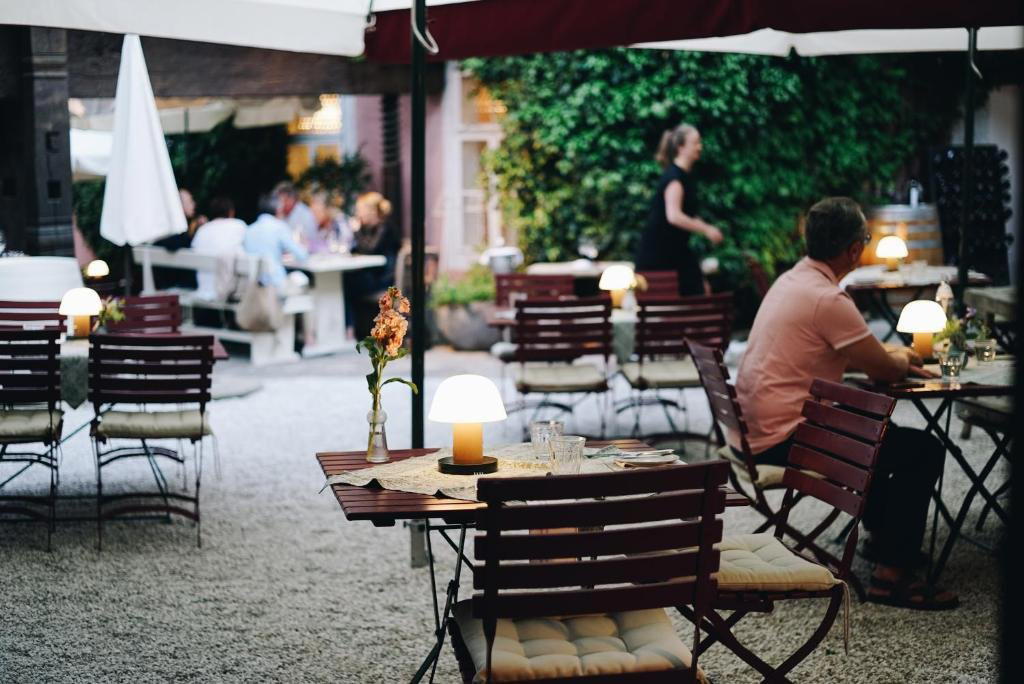
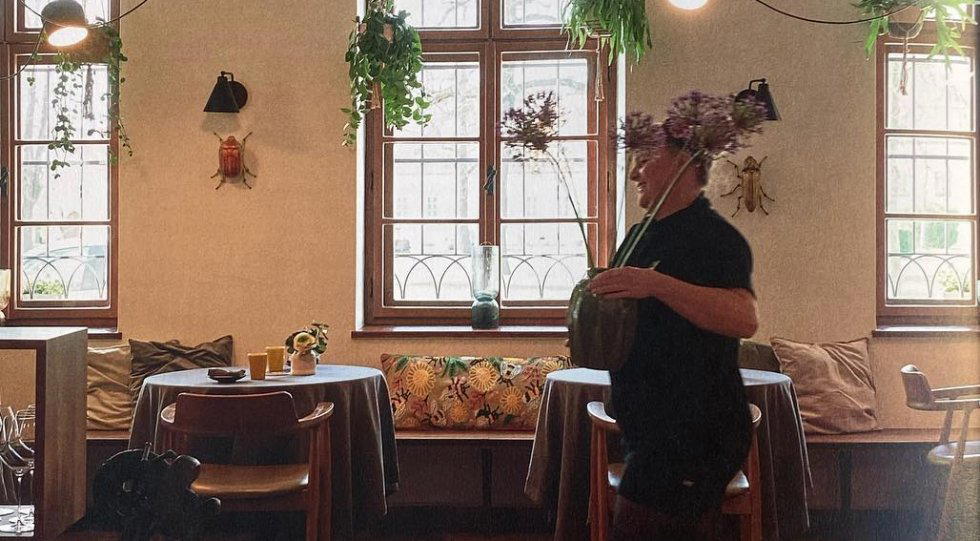
Bars in Horn
Browse all →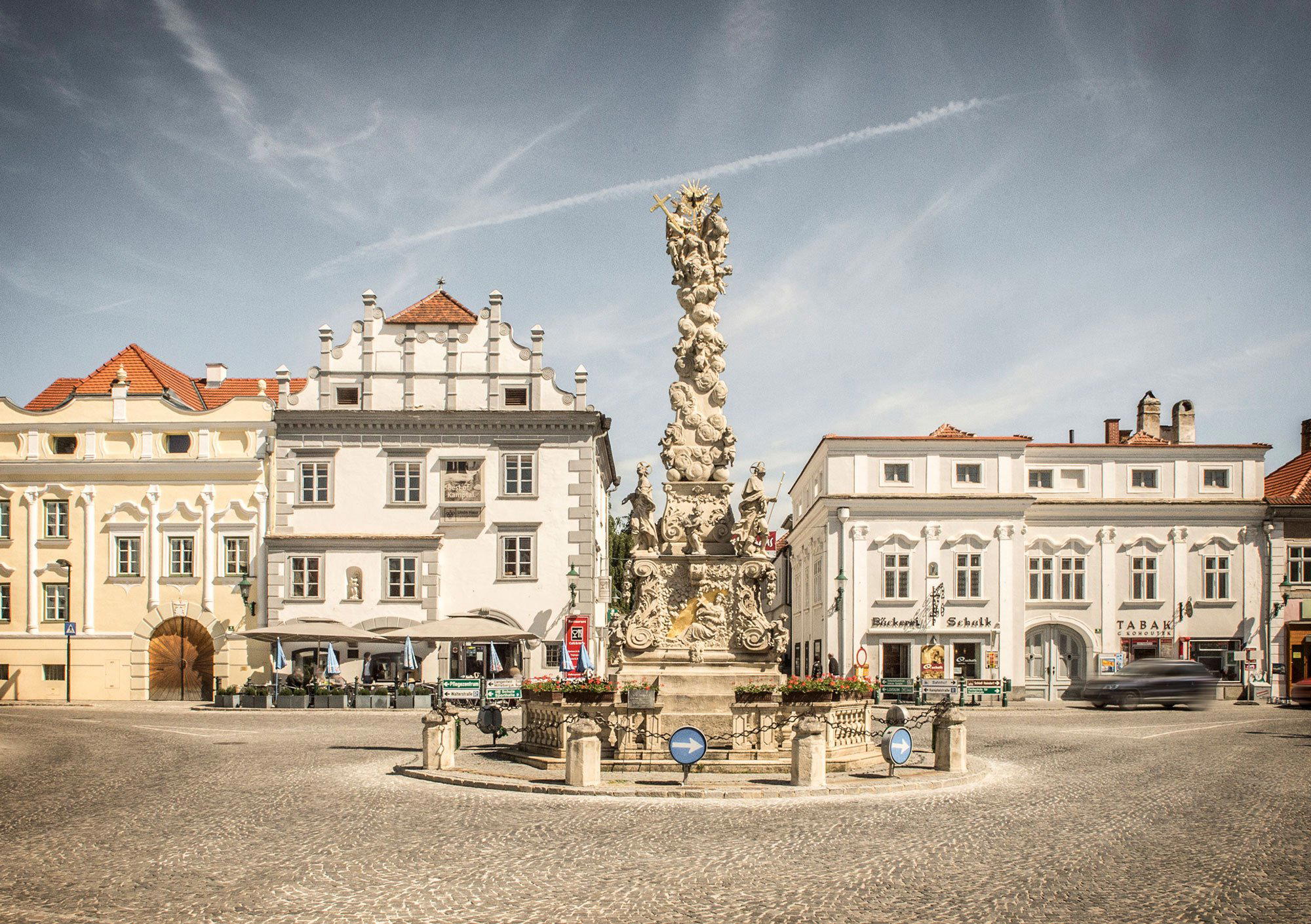
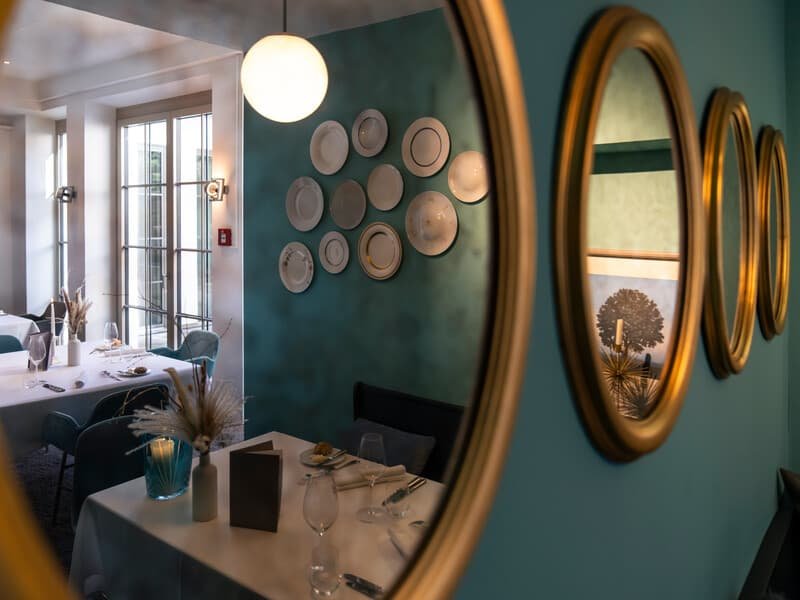
Hotels in Horn
Browse all →
At a Glance
- Scenic
- Casual
- Casual Hangout
- Family
- Waterfront
- Terrace
- Waterfront
Current opening hours
- Monday
- 11:30 AM–10 PM
- Tuesday
- 11:30 AM–10 PM
- Wednesday
- 11:30 AM–10 PM
- Thursday
- 11:30 AM–10 PM
- Friday
- 11:30 AM–10 PM
- Saturday
- 8:30 AM–10 PM
- Sunday
- 11 AM–4 PM
Hours can change for holidays and private events. Last verified .
Chilled beach vibes with urban-Mediterranean feel.