On Gumpendorfer Strasse in Vienna's 6th district, Zina's Eatery occupies a stretch of the city where independent neighbourhood restaurants still outnumber the branded operators. The address places it inside Mariahilf, a district that has quietly accumulated a serious dining presence over the past decade, operating at a different register from the grand-boulevard institutions further east.
Pearl is the En Primeur Club membership app — saves, bookings, and concierge access live there. Same editors, same standards.
- Address
- Gumpendorfer Str. 36, 1060 Wien, Austria
- Phone
- +436765741140
- Website
- zinas-eatery.com
- Directions
- Get directions
 Saves & bookings on Pearl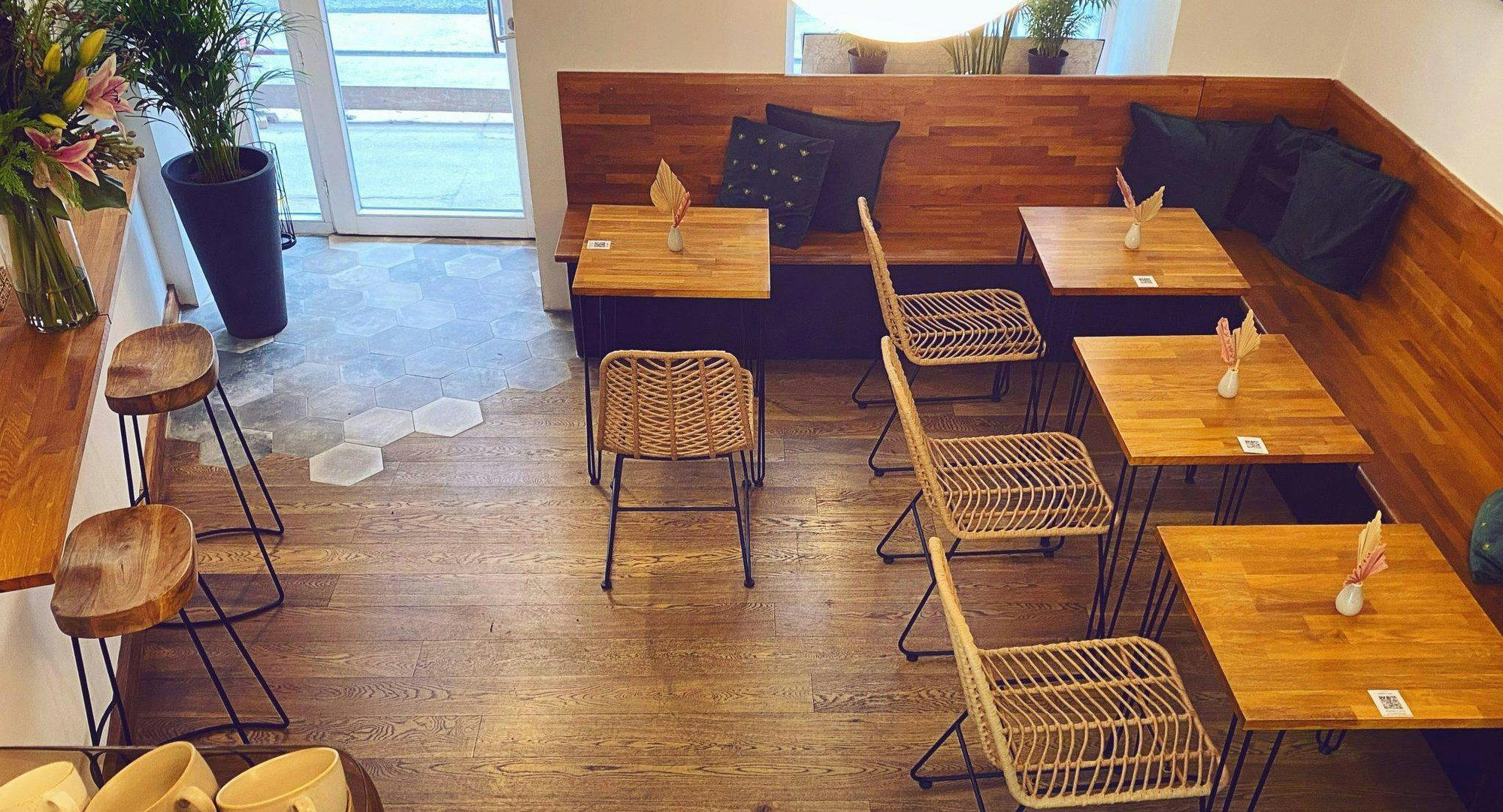
Gumpendorfer Strasse and the Quiet Rise of Vienna's 6th District
Zina's Eatery is a casual Mediterranean and Middle Eastern restaurant with a vegan focus in Vienna, at Gumpendorfer Str. 36, 1060 Wien, Austria. Vienna's restaurant conversation tends to orbit a familiar set of coordinates: the Stadtpark belt where Steirereck im Stadtpark anchors the creative fine-dining tier, the inner-city addresses where Konstantin Filippou and Amador operate at the upper reaches of modern European cuisine, and the scattered neighbourhood spots that rarely make international lists but sustain the city's actual eating life. Gumpendorfer Strasse, in the 6th district of Mariahilf, belongs firmly to that third category. It is a commercial street with a working-class history that has, over roughly the past fifteen years, become one of the more interesting strips for independent restaurants in Vienna, without announcing itself as a destination the way that some of the 7th district's streets have.
Zina's Eatery at number 36 sits inside that context. The address is a ten-minute walk from the Naschmarkt, Vienna's sprawling open-air market that runs along the Wienzeile and has long acted as a supply corridor for serious kitchens in the surrounding districts. The proximity matters in a city where provenance-driven cooking has become a point of distinction across multiple price tiers, from the multi-course formats at Mraz & Sohn to the smaller, more informal rooms that have emerged in Mariahilf and Neubau.
The Neighbourhood's Dining Character
The 6th district occupies a mid-ground in Vienna's dining geography that makes it worth understanding on its own terms. It lacks the density of grand hotel dining that defines the 1st, and it does not carry the self-consciously creative identity that Neubau has cultivated. What it has instead is a concentration of independently operated rooms that tend to be smaller, less formal, and more willing to shift format in response to what is actually working. The street-level dining on Gumpendorfer Strasse reflects that: the price points are mixed, the cuisines span a broader range than the inner-city strips, and the customer base is predominantly local rather than tourist-led.
That character shapes the kind of restaurant that survives here. Seasonal adjustment, reasonable margins, and repeat custom from the surrounding residential blocks matter more than positioning for the awards circuit. It is a different competitive logic from the one that governs Vienna's creative tasting-menu rooms or the destination addresses that draw visitors from outside Austria, including the country's celebrated regional houses such as Döllerer in Golling an der Salzach or Obauer in Werfen.
The Meal as It Unfolds
Vienna's neighbourhood eateries typically structure the meal around a shorter sequence than the multi-course progressions you find at the fine-dining tier. The rhythm at places like Zina's Eatery tends to be built around a compact menu that moves from lighter opening dishes through a central plate, with the kitchen's choices reflecting what is available rather than a fixed seasonal programme locked months in advance. That flexibility is part of what distinguishes the independent neighbourhood format from the more architecturally planned progression you would encounter at, say, Ikarus in Salzburg or the destination rooms of Tirol like Gourmetrestaurant Tannenhof in Sankt Anton am Arlberg and Griggeler Stuba in Lech.
The tasting progression in this format is less about a narrated arc from amuse-bouche to pre-dessert and more about a sequence that builds across the table rather than across courses: shared plates moving to individual mains, with the pacing set by the room rather than a timed kitchen sequence. That approach suits a street-level neighbourhood room in a way that the more formal progression would not. It also reflects a broader shift across Vienna's mid-market dining, where the distinction between starter and main has softened in favour of a more lateral spread of dishes.
For comparison, the structured multi-course approach at international reference points like Atomix in New York City or Le Bernardin represents the formal end of the tasting-progression spectrum. Vienna's neighbourhood rooms occupy the opposite end: shorter, less ceremonial, but no less considered in terms of what arrives and in what order.
Where Zina's Sits in Vienna's Eating Picture
Across Vienna's restaurant range, the 6th district addresses occupy a specific functional role. They serve the city's eating life between the grand institutional formats and the fast-casual operators, and they tend to be where residents actually eat during the week rather than where they take guests for occasions. That is not a lesser category. Particularly interesting cooking in any city happens in exactly this register, where the kitchen is not performing for a guide and the room is not dressed for occasion dining.
The wider Austrian dining network that EP Club tracks includes strong regional representation: Landhaus Bacher in Mautern an der Donau, Kräuterreich by Vitus Winkler in Sankt Veit im Pongau, Restaurant 141 by Joachim Jaud in Mieming, Schwarzer Adler in Hall in Tirol, and Ois in Neufelden. These are not the same tier as a Mariahilf neighbourhood eatery, but they share the broader Austrian commitment to produce-led cooking and seasonal adjustment that runs through the country's restaurant culture at multiple price points.
Planning Your Visit
Address: Gumpendorfer Str. 36, 1060 Wien, Austria.
Recognition Snapshot
Comparable venues nearby, for context on price, style, and recognition.
| Venue | Cuisine | Price | Notes |
|---|---|---|---|
| zina's eateryThis venue — the venue you are viewing | Mediterranean & Middle Eastern with Vegan Focus | $$ | Not listed |
| Senhor Vinho | Traditional Portuguese Seafood | $$ | Margareten |
| Felixx | Austrian Cafe | $$ | Hofburg |
| Sette Artisan Craft Pizza | Roman Artisan Pizza | $$ | Neubau |
| Marks | Austrian Fusion | $$ | Josefstadt |
| Schesch Besch | Middle Eastern & Caucasian | $$ | Staatsoper |
Continue exploring
More in Vienna
Restaurants in Vienna
Browse all →
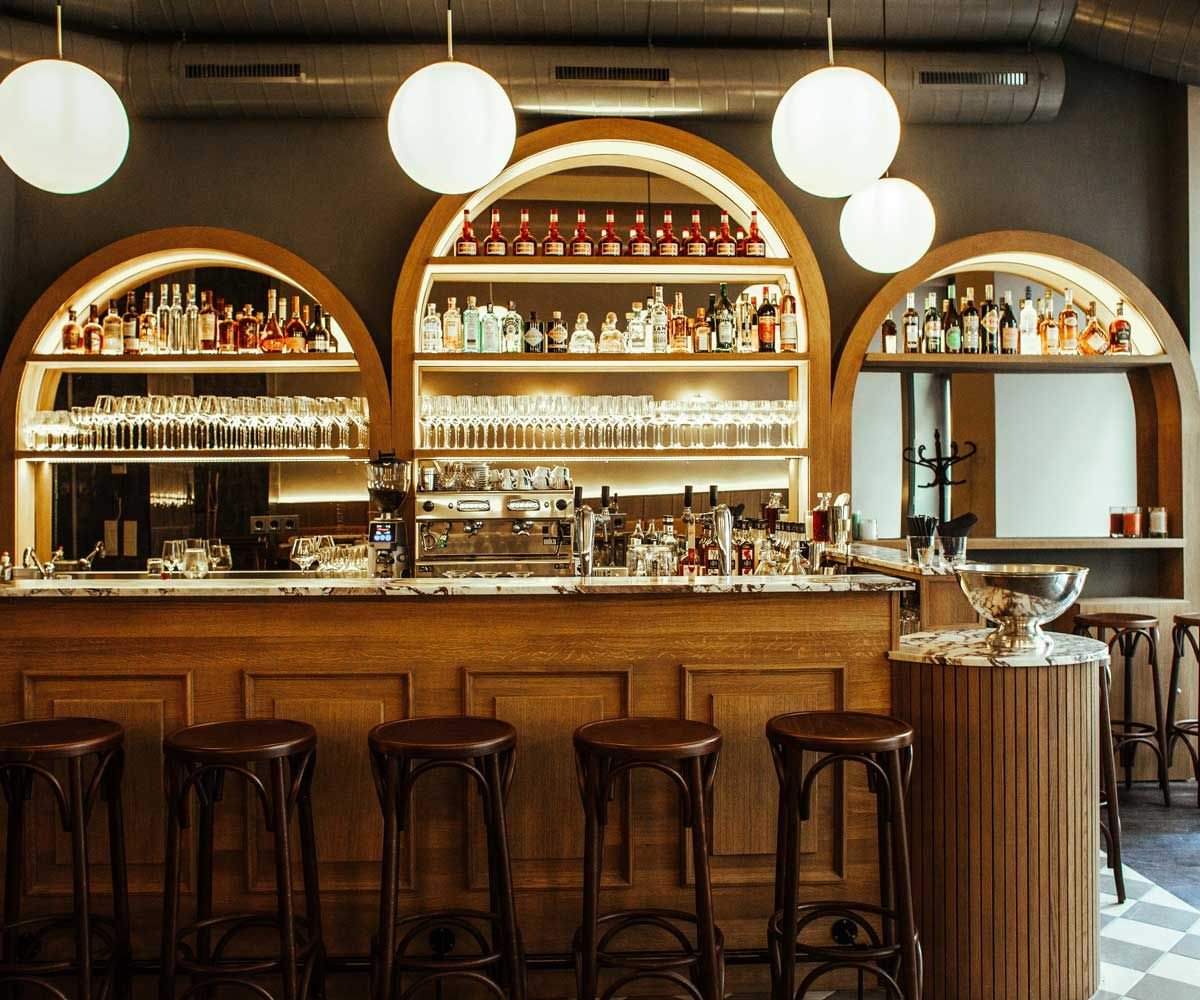
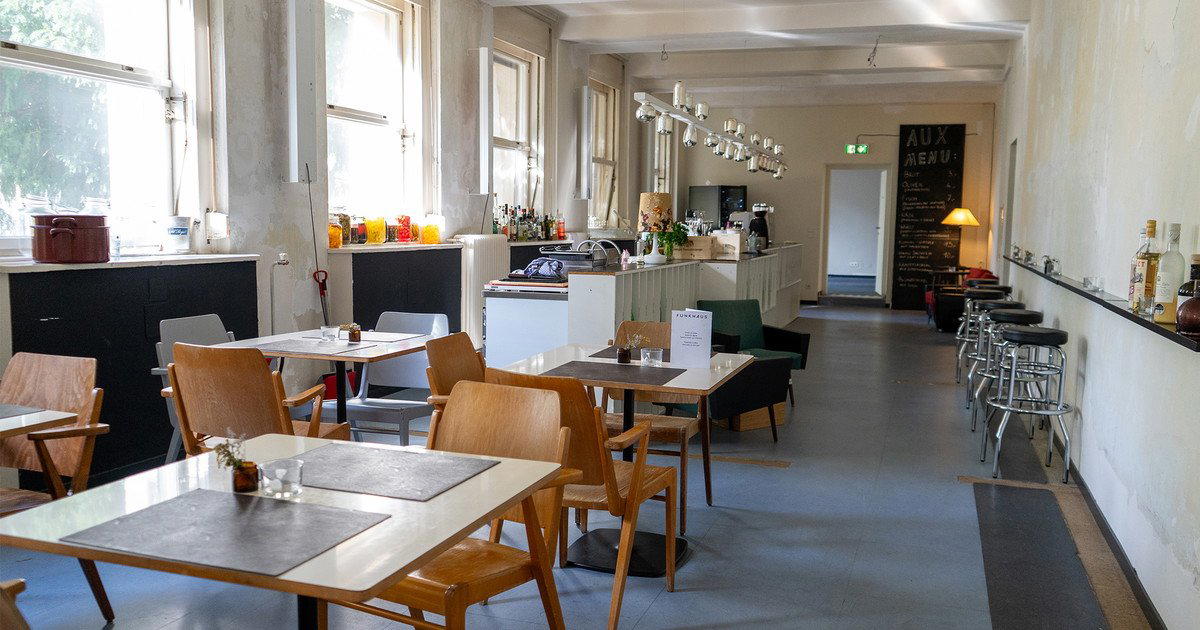
Bars in Vienna
Browse all →

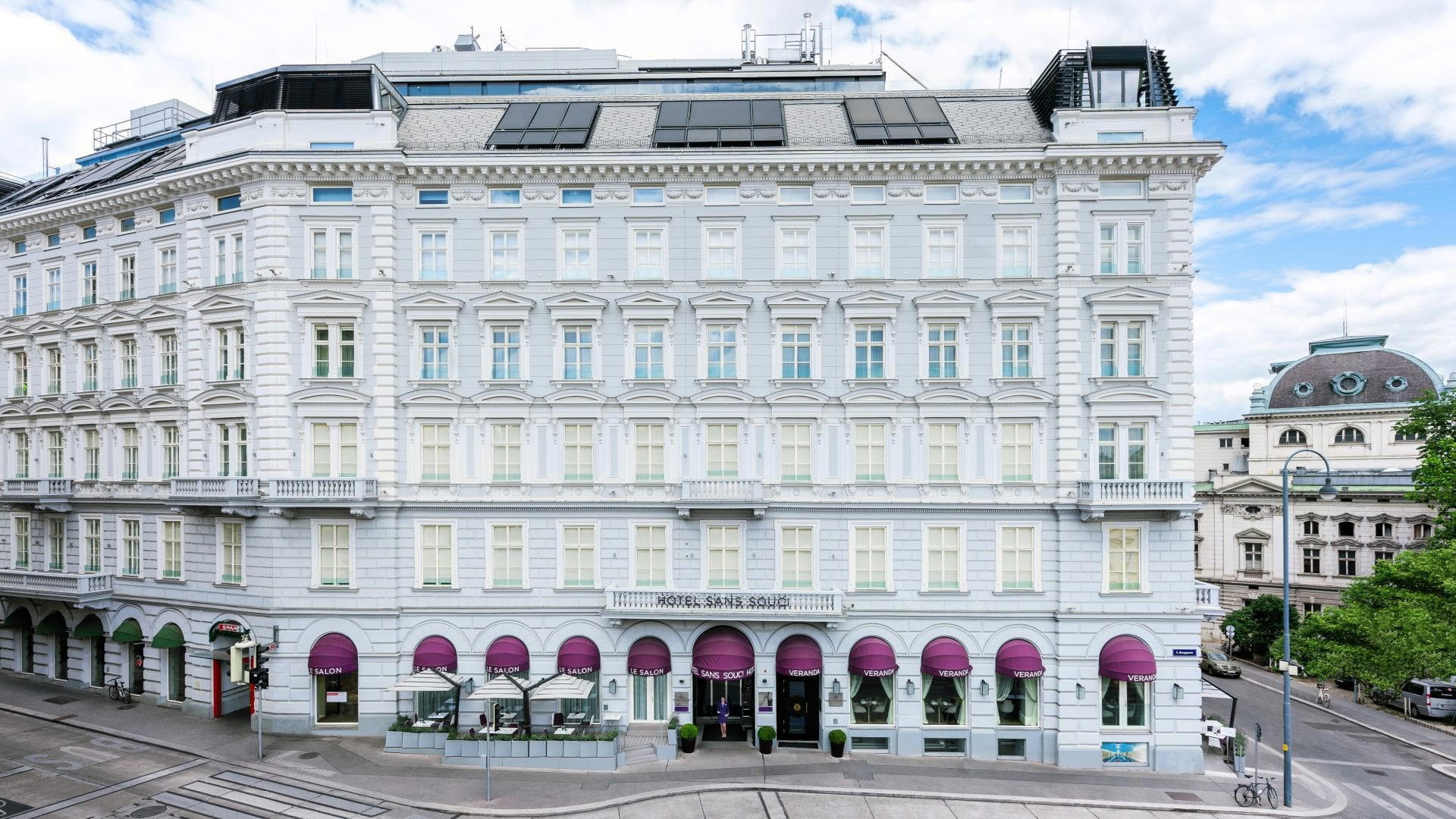
Hotels in Vienna
Browse all →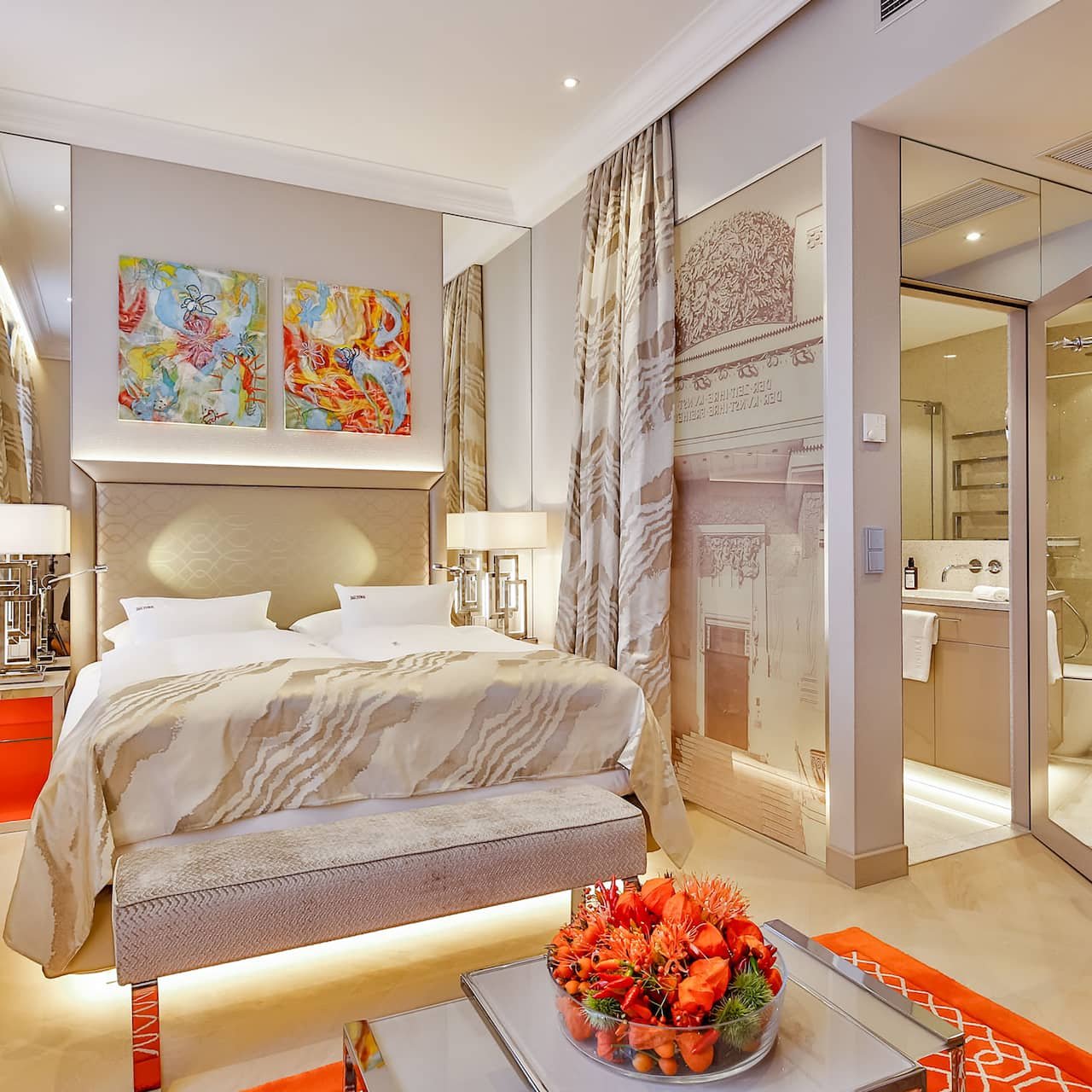

At a Glance
- Cozy
- Brunch
- Casual Hangout
- Organic
- Local Sourcing
Current opening hours
- Monday
- Closed
- Tuesday
- Closed
- Wednesday
- 9 AM–4 PM
- Thursday
- 9 AM–4 PM
- Friday
- 9 AM–4 PM
- Saturday
- 9 AM–4 PM
- Sunday
- 9 AM–3 PM
Hours can change for holidays and private events. Last verified .
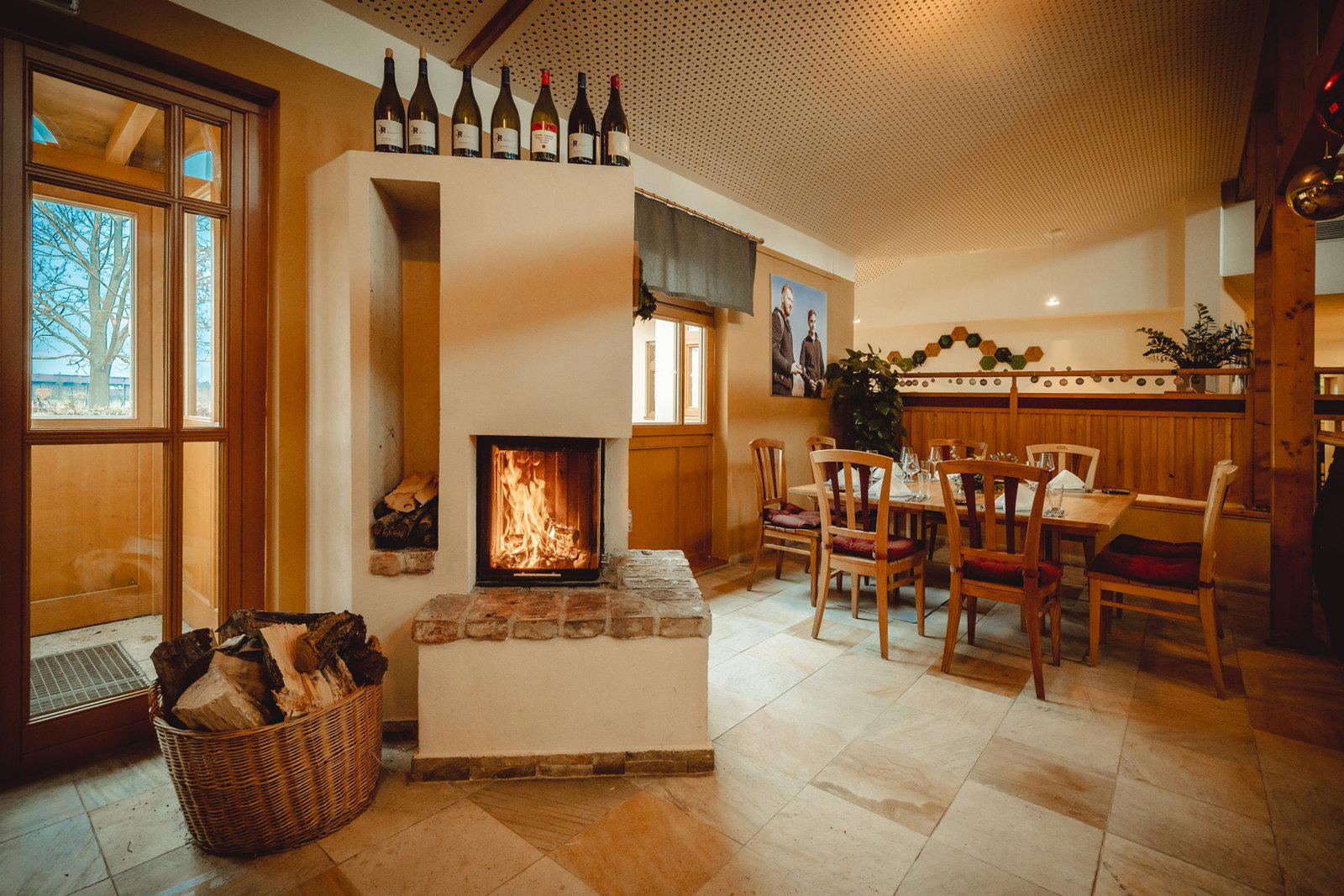
Cozy and welcoming atmosphere with a focus on healthy, homemade dishes in a charming local setting.