Weingut Fred Loimer

Falstaff Winery - 4 Stars
Weingut Fred Loimer sits at the precise intersection of Kamptal tradition and low-intervention winemaking that has defined Austria's most progressive wine conversation over the past two decades. For visitors planning time in the Wachau-adjacent wine country north of Vienna, Loimer is a reference point rather than a footnote.

Pearl is the En Primeur Club membership app — saves, bookings, and concierge access live there. Same editors, same standards.
- Address
- Haindorfer Vögerlweg 23, 3550 Langenlois
- Phone
- +43 2734 22390
- Website
- loimer.at
- Directions
- Get directions
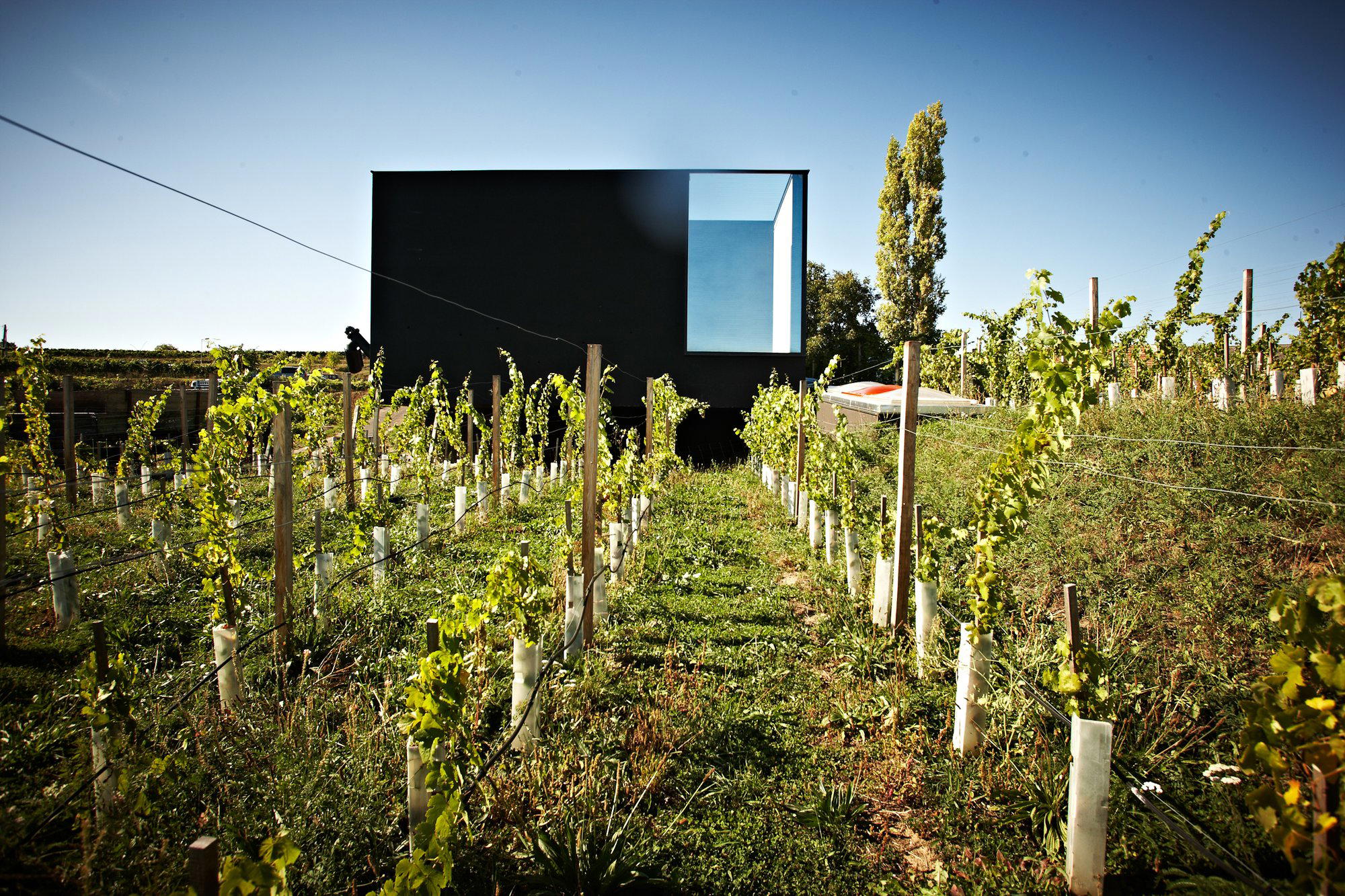
Where the Kamptal's Progressive Wine Argument Has a Home
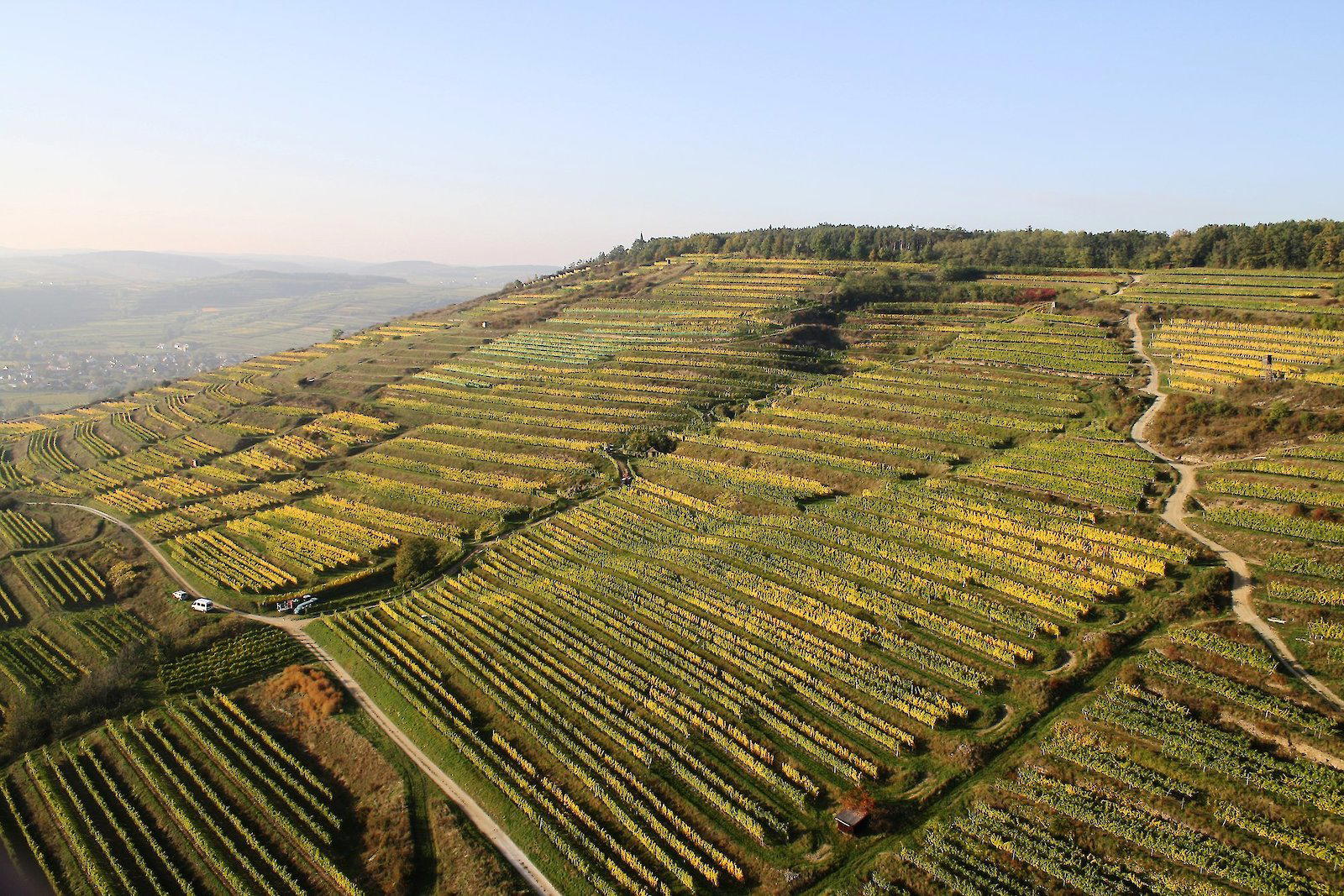
Langenlois does not announce itself dramatically. The town sits in the Kamptal valley of Lower Austria, roughly 70 kilometres northwest of Vienna, surrounded by loess-rich slopes and ancient vineyard sites that have been producing wine since the Romans mapped the region. What has changed in recent decades is the ambition and the idiom. The Kamptal's leading estates have repositioned themselves not merely as regional producers but as participants in a wider European conversation about terroir fidelity, minimal intervention, and the identity of Austrian white wine on an international stage. Weingut Fred Loimer sits squarely inside that shift.
That positioning matters when you read the broader Langenlois peer group: estates like Weingut Bründlmayer, Weingut Jurtschitsch, Schloss Gobelsburg, and Weingut Hiedler all occupy the same geography and draw from many of the same classified vineyard sites. The question is not whether these producers are serious — they are — but which philosophical strand each represents.
A Philosophy Shaped by the Soil, Not the Cellar
In the broader Austrian wine context, the Loimer estate has become associated with the biodynamic and organic strand of Kamptal production, a commitment that aligns it with a European-wide movement toward farming as the primary determinant of wine quality rather than cellar technique. This is a meaningful distinction in a region where the default is already high, but where the separation between conventional and certified-organic farming has become a genuine differentiator for international buyers and informed visitors.
The Kamptal's terroir gives producers strong raw material to work with. The region's signature expression is Grüner Veltliner from the great loess-terrace sites, capable of producing wines with a mineral tension and peppery concentration that has no close parallel in Austrian winemaking outside Kremstal and the Wachau. Riesling from the crystalline primary-rock soils along the Kamp river provides the second axis. Loimer has historically worked across both varieties at multiple classification levels, from entry-point estate wines to single-vineyard expressions from named Ried sites that carry the weight of this region's classification system behind them.
Austria's DAC (Districtus Austriae Controllatus) framework, which the Kamptal officially entered in 2008, provides a hierarchical structure: Klassik wines at the base, followed by Ortswein (village-level), and Riedenwein (single-vineyard) at the leading. Producers like Loimer who commit to expressing the full range of that hierarchy give visitors a rare opportunity to work through a vertical of the same grape across multiple terroir levels in one sitting, a tasting structure that teaches as much about the classification system as it does about any individual wine.
Positioning Loimer accurately within the Langenlois peer group requires acknowledging what that peer group has achieved collectively. The Kamptal is not a value-first appellation masquerading as something grander. Its leading estates compete directly with Wachau producers, a comparison that would have seemed improbable thirty years ago. Estates like Weingut Emmerich Knoll in Dürnstein represent the Wachau's classical expression, while the Kamptal's biodynamic contingent, which includes Loimer, has positioned itself as a complement to that tradition rather than a competitor to it.
Elsewhere in Austria, different regions address the question of low-intervention and organic farming in their own register. Weingut Pittnauer in Gols does so in the Burgenland context, where red varieties and the influence of the Neusiedlersee create an entirely different set of conditions. Weingut Wohlmuth in Kitzeck represents the Styrian interpretation, where the steeper, cooler Sausal slopes produce Sauvignon Blanc and Gelber Muskateller of a different aromatic register entirely. Loimer's Kamptal Grüner Veltliner and Riesling belong to a separate category: structured, age-worthy, and tied to one of Austria's most clearly mapped terroir systems.
The Biodynamic Argument in Practice
Biodynamic certification requires producers to go beyond organic farming prohibitions and apply a specific calendar-based approach to vineyard work, with preparations derived from plant and mineral sources. Whether or not one accepts the cosmological underpinnings of Rudolf Steiner's agricultural philosophy, and there is legitimate debate about that, the practical outcome in many certified estates is more attentive viticulture, lower yields, and a cellar approach that defaults toward non-intervention. The argument is not mystical but empirical: what happens in the vineyard sets the ceiling, and the cellar's job is not to exceed it but to preserve it.
Among Austrian producers who have formalised that position, Loimer belongs to a generation that converted to certified biodynamic farming as a deliberate quality statement rather than a marketing exercise. That context is worth knowing when comparing the estate's wines against those from Weingut Jurtschitsch, which has followed a similar organic trajectory in Langenlois, and against the conventional-farming wing of the same appellation, where very different cellar choices can produce wines of comparable acclaim through different means.
Planning a Visit to Langenlois
Langenlois is accessible from Vienna by train to Krems and then a regional connection, making it a feasible day trip from the capital, though an overnight stay in the town gives visitors access to morning tastings before the afternoon tour groups arrive. The estate is at Haindorfer Vögerlweg 23, visitors should confirm tasting appointment availability directly with the winery before arriving, as cellar-door access at prestige Kamptal estates typically operates by appointment rather than walk-in. Spring and autumn are the practical windows: late April through June allows visitors to taste the current vintage of the previous year before late-summer harvest activity closes many estates to guests, and October through November brings the new vintage's early releases alongside harvest tourism that fills the region's accommodation quickly.
For those building a longer Austrian wine itinerary, Langenlois connects naturally to the Krems area and the broader Lower Austrian wine corridor. Further afield, Weingut Kracher in Illmitz on the Neusiedlersee represents the Burgenland's sweet wine tradition, a logical contrast to the Kamptal's dry white focus. Weingut Heinrich Hartl in Oberwaltersdorf provides yet another Austrian production context for those assembling a comprehensive picture of the country's diversity. Our full Langenlois restaurants guide covers the town's eating options and other producers worth including on the same visit.
For visitors who want to extend beyond Austrian producers into international reference points, the EP Club guide also includes Accendo Cellars in St. Helena and other premium estates across multiple regions, which provides useful comparative context for understanding how prestige-tier winemaking decisions vary by appellation and climate.
Price and Recognition
Comparable venues nearby, for context on price, style, and recognition.
| Venue | Cuisine | Price | Awards |
|---|---|---|---|
| Weingut Fred LoimerThis venue — the venue you are viewing | Langenlois, Grüner Veltliner, Riesling | $20–30 | Falstaff Winery - 4 Stars |
| Weingut Jurtschitsch | Langenlois, Grüner Veltliner, Riesling | Not listed | Falstaff Winery - 4 Stars |
| Weingut Hiedler | Langenlois, Grüner Veltliner, Riesling | Not listed | Falstaff Winery - 4 Stars |
| Weingut Bründlmayer | Langenlois, Grüner Veltliner, Riesling | Not listed | Falstaff Winery - 5 Stars |
| Schloss Gobelsburg (Weingut) | Langenlois, Grüner Veltliner, Riesling | $30–50 | World's 50 Best #50 · Falstaff Winery - 5 Stars |
| Brennerei Durigon | Winery | Not listed | Not listed |
Recognition history
Dated appearances from independent guides and award organizations, with the underlying list record or original source where available.
Falstaff Winery - 4 Stars
Falstaff
Continue exploring
More in Langenlois
Wineries in Langenlois
Browse all →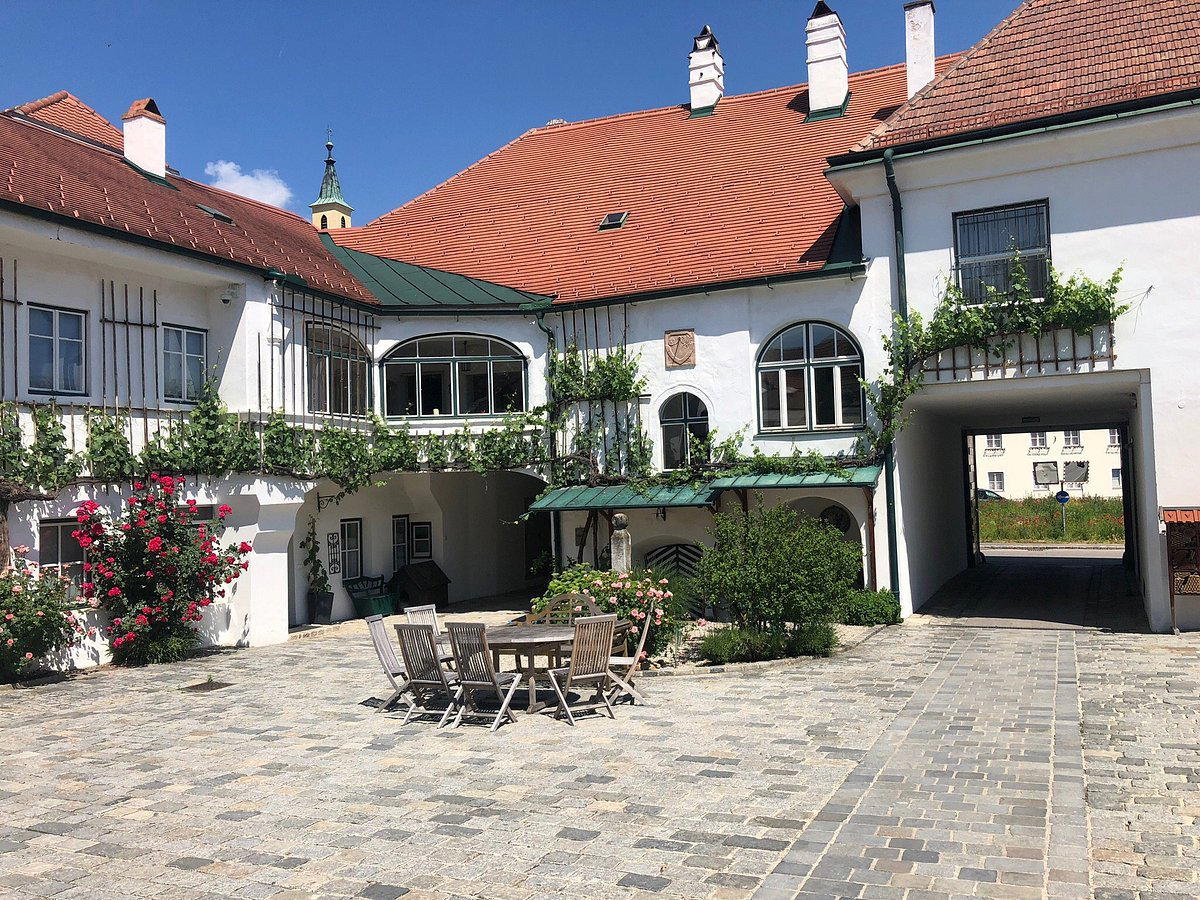
Bars in Langenlois
Browse all →
Restaurants in Langenlois
Browse all →
Details
- Modern
- Rustic
- Elegant
- Minimalist
- Wine Education
- Solo Exploration
- Special Occasion
- Vineyard Tour
- Estate Grounds
- Historic Building
- Biodynamic
- Organic
- Sustainable
- Vineyard
- Grüner Veltliner
- Riesling
- Chardonnay
- Pinot Noir
- Zweigelt
- Zierfandler
- Rotgipfler
- Still White
- Still Red
- Sparkling
- Orange
- Skin Contact
- Cave Tasting
- Private Tasting
- English
- German
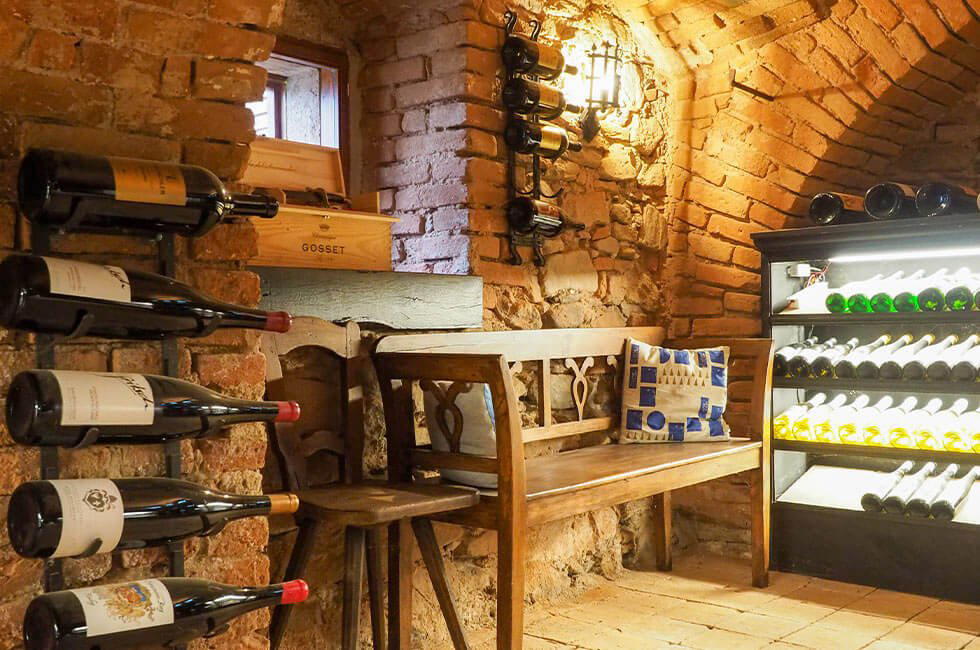
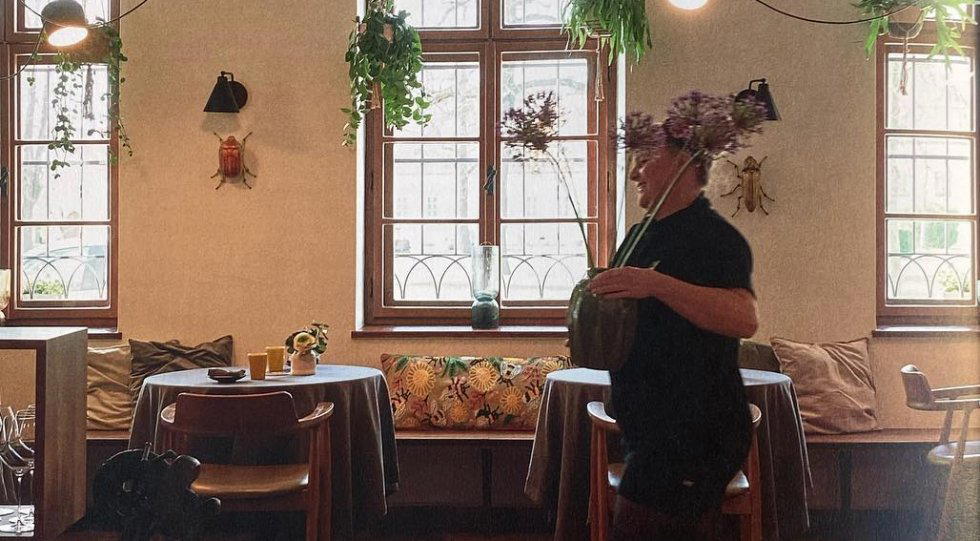
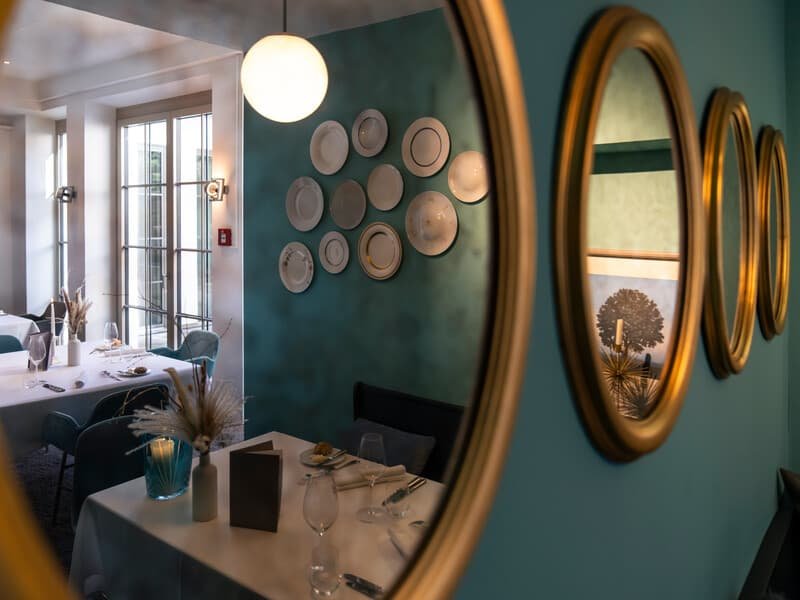
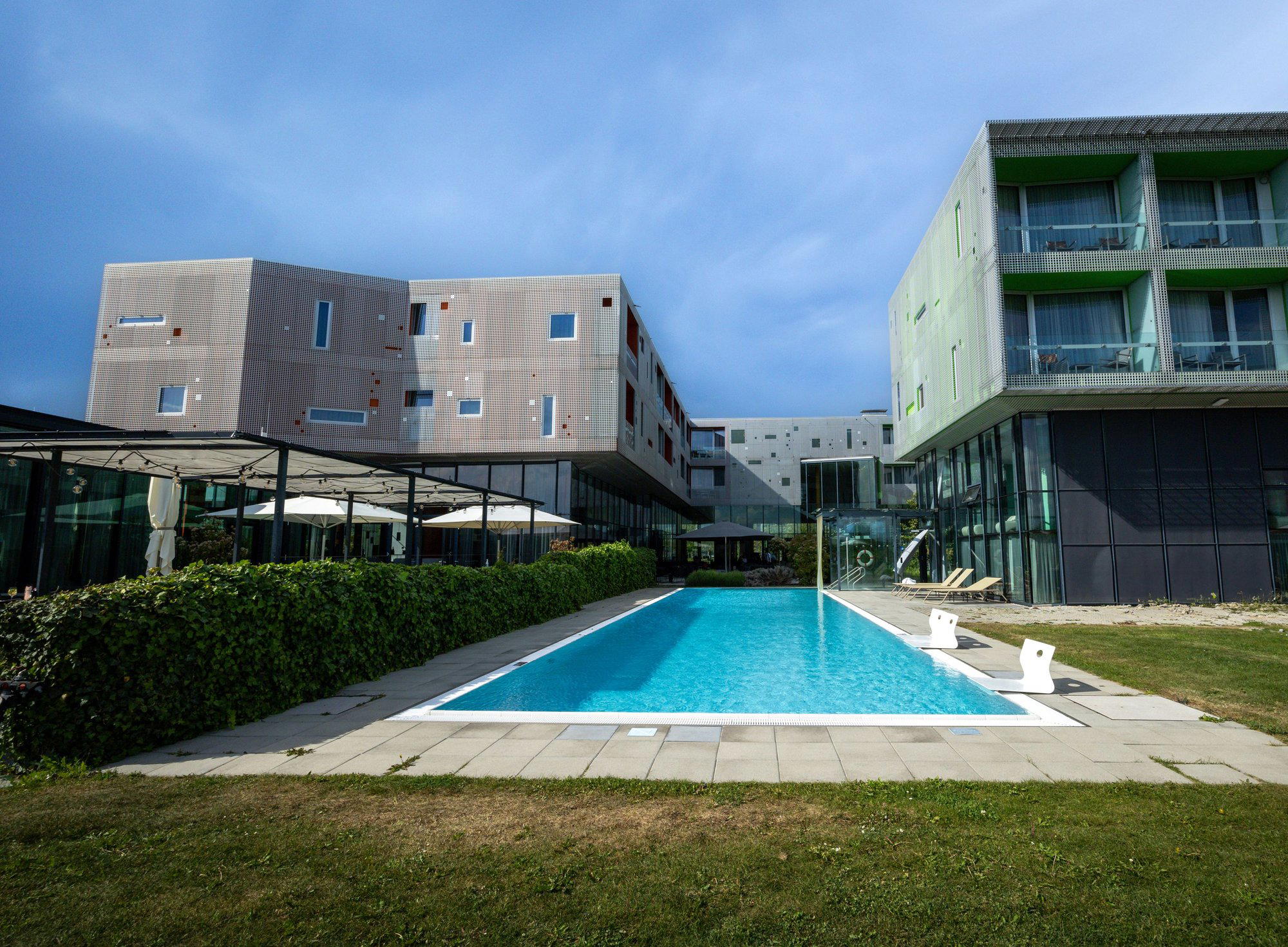
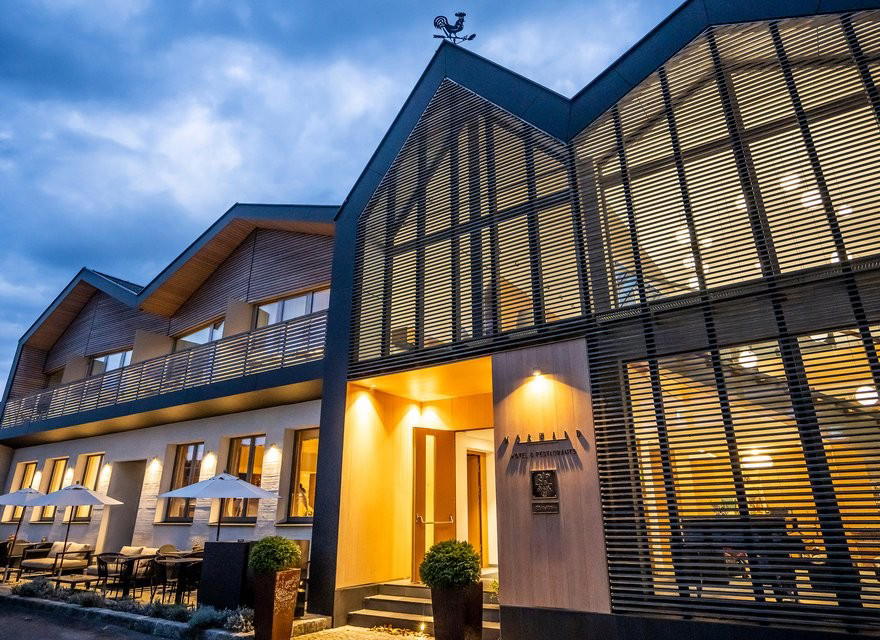
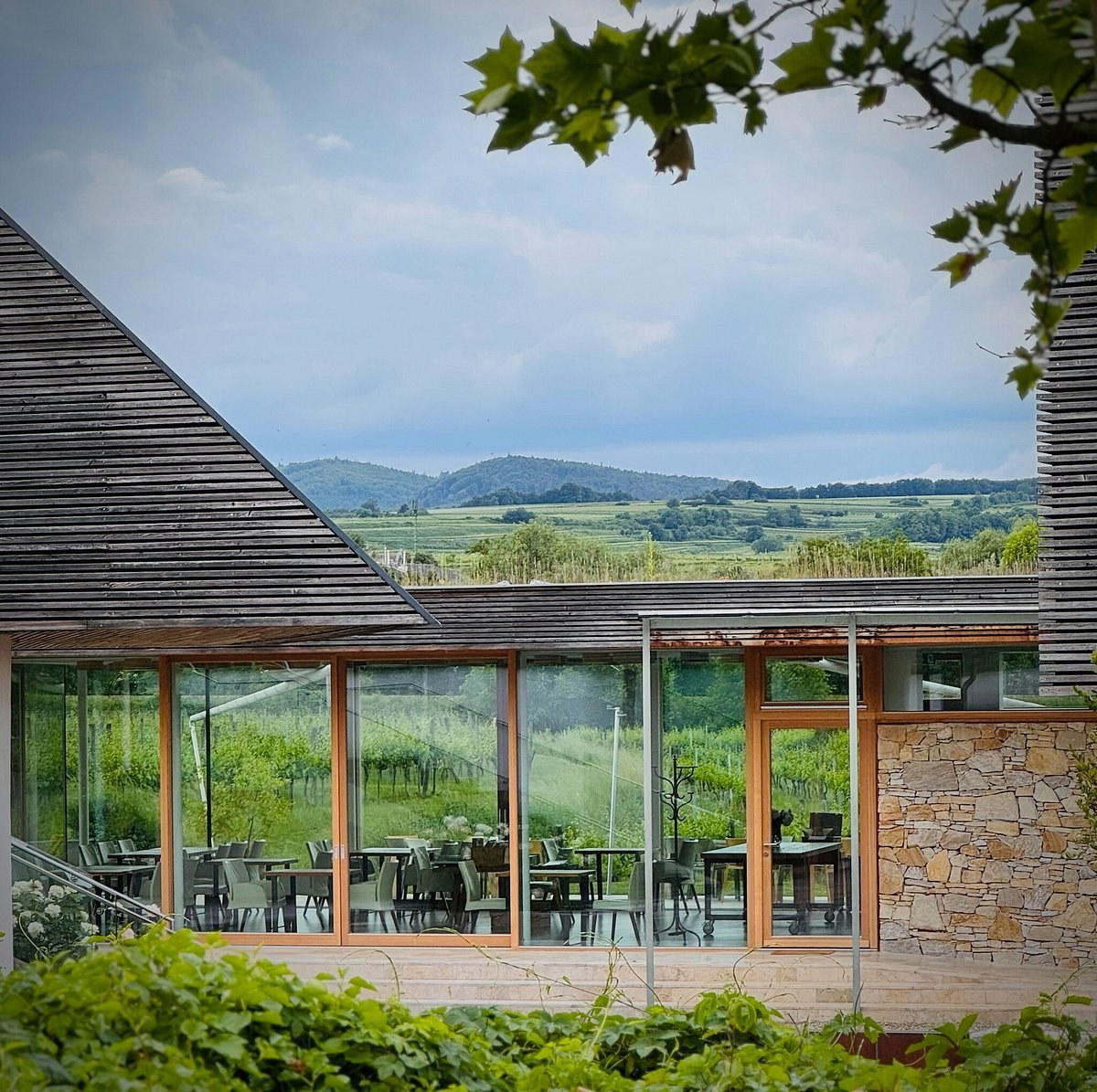
Minimalist modern design atop rustic historic cellars, creating an elegant fusion of old-world tradition and contemporary sophistication.