Seealm Hög sits in the alpine terrain above Serfaus, where the Tyrolean tradition of mountain dining meets the short-supply-chain logic that defines the region's most serious kitchens. The setting alone positions it within a distinct tier of Austrian alpine eating — one where altitude and provenance do most of the storytelling. A strong reference point for anyone building an itinerary around the Arlberg corridor.
Pearl is the En Primeur Club membership app — saves, bookings, and concierge access live there. Same editors, same standards.
- Address
- Hög, 6534 Serfaus, Austria
- Phone
- +4354766203650
- Website
- serfaus-fiss-ladis.at
- Directions
- Get directions
 Saves & bookings on Pearl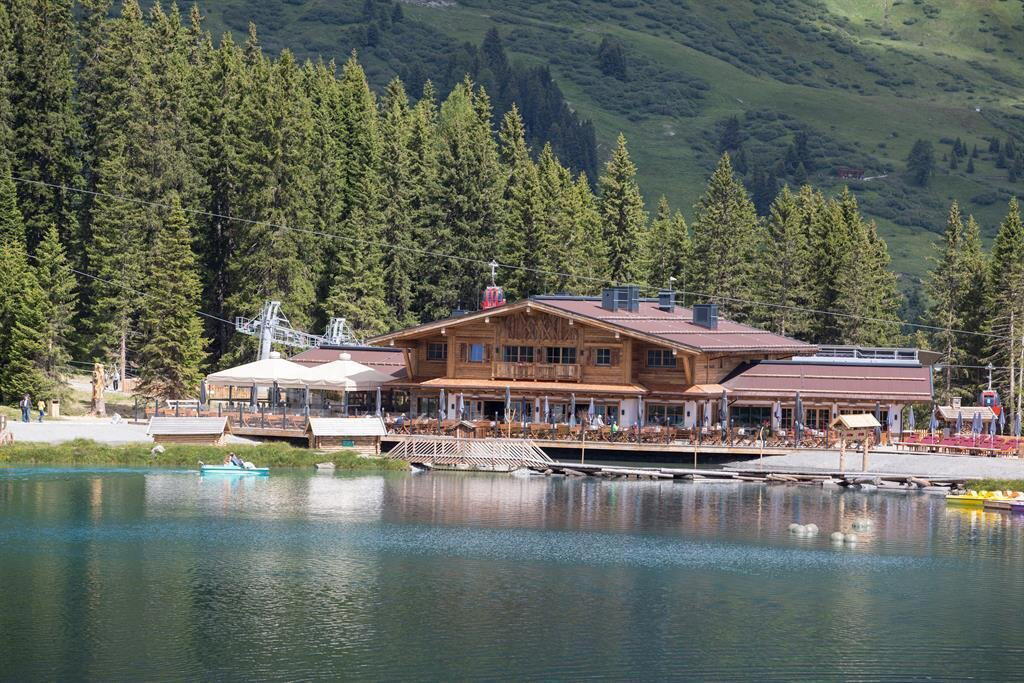
Alpine Dining Above Serfaus: Where Altitude Shapes the Plate
The mountain restaurant occupies a particular place in Austrian dining culture that has no precise equivalent elsewhere in Europe. Unlike urban fine dining, where the environment is constructed around the food, alpine eating venues in Tyrol operate inside landscapes that actively define what ends up on the table. The grazing land, the elevation, the seasonal window — these are not backdrop. They are the supply chain. Seealm Hög, positioned in the Hög area above Serfaus in the upper Inn Valley, belongs to that tradition. The name itself signals the setting: Seealm references a mountain pasture lake, and that geography is the premise around which the experience is built.
Serfaus sits at roughly 1,400 metres in Tyrolean Austria, and the terrain immediately above it extends into high alpine pasture. For restaurants operating at or near that altitude, ingredient sourcing is constrained by season and geography in ways that kitchens at lower elevations simply do not face. That constraint, counterintuitively, is what gives alpine dining its editorial interest. When a kitchen cannot import freely or rely on year-round delivery logistics, what ends up on the plate reflects what the land produces — dairy from local herds, game from surrounding forests, wild herbs from accessible meadows. This is not a marketing frame; it is the operational reality of cooking seriously at elevation.
The Tyrolean Kitchen in Context
Austrian alpine cuisine has undergone significant repositioning over the past two decades. The hut food of the 1990s, hearty, caloric, and largely undifferentiated, has split into two distinct tiers. The first tier remains comfort-led: Kaiserschmarrn, Tiroler Gröstl, and cheese-heavy Brettljause designed to fuel skiers. The second tier has moved toward ingredient-focused cooking that uses alpine geography as a sourcing rationale rather than just an aesthetic one. Across the Arlberg corridor, venues like Stüva in Ischgl and Griggeler Stuba in Lech represent the higher end of that second tier, where seasonal menus and local procurement are applied with the discipline you find at urban destination restaurants. Seealm Hög operates in the same regional context, where the question is not whether alpine ingredients matter, but how rigorously they are applied.
The broader Austrian fine dining conversation, anchored in Vienna by Steirereck im Stadtpark and extended regionally through houses like Döllerer in Golling an der Salzach and Obauer in Werfen, has increasingly positioned local provenance as a credential rather than a default. That shift has filtered into alpine venues, where sourcing transparency now functions as a trust signal in the same way that chef lineage or award recognition does in urban settings.
Ingredient Provenance at Elevation
Mountain dairy is the clearest example of how altitude produces flavour differentiation. Cattle grazing on high alpine pasture between June and September consume a diet of mountain grasses and wildflowers that produces milk with a measurably different fatty acid profile from valley-floor dairy. Tyrolean mountain cheese, whether used in a kitchen preparation or served as a stand-alone course, carries flavour information about the specific pasture it came from. This is not an abstract claim: the principle underpins the denomination systems for cheeses like Vorarlberger Bergkäse and informs how serious alpine kitchens talk about their dairy sourcing.
Game is the second axis. Tyrol's forests and high terrain support red deer, chamois, and wild boar populations managed through regulated seasonal hunting. Game seasons run primarily from late summer through autumn, and mountain restaurants that take sourcing seriously align their menus to those windows rather than working from frozen or imported product. Wild herbs present a third sourcing dimension: plants like yarrow, alpine sorrel, and various mountain thymes grow at specific elevations and are available only during short seasonal windows. Kitchens that use them meaningfully do so because they have direct relationships with foragers or gather themselves, not because they have a supplier who ships from elsewhere.
This is the ingredient framework within which Seealm Hög sits. The Hög location above Serfaus places it in terrain where these supply-chain realities are not theoretical. For visitors building a dining itinerary around provenance-focused eating in the Austrian alps, this matters as a selection criterion. Other Serfaus options, including Das Köhle and Zum Wohl Tirol, offer different positioning within the same town. The our full Serfaus restaurants guide maps those distinctions across the full local dining picture.
The Arlberg Corridor as a Dining Region
Serfaus is part of a broader cluster of high-alpine resort towns in western Austria that have, over the past decade, developed a dining culture that competes with better-known Swiss and French alpine destinations. The corridor running from Ischgl through Serfaus-Fiss-Ladis and west toward the Arlberg pass includes a concentration of serious restaurants per capita that is unusually high for its population. Visitors who would travel to Gourmetrestaurant Tannenhof in Sankt Anton am Arlberg for a destination dinner are operating within the same regional logic that makes Seealm Hög worth considering as part of a multi-day stay.
Further afield in Austria, the template for herb-led, altitude-aware alpine cooking has been refined at Kräuterreich by Vitus Winkler in Sankt Veit im Pongau, which has built significant recognition around exactly this sourcing approach. That venue's success illustrates the audience appetite for alpine ingredient specificity at a credentialed level. Houses like Landhaus Bacher in Mautern an der Donau and Taubenkobel in Schützen am Gebirge operate on different terrain, but share the underlying commitment to place-specific ingredients that defines the better end of Austrian regional cooking. Outside Austria, the global framing for this kind of provenance-led approach, where geography functions as kitchen infrastructure, is visible in restaurants like Le Bernardin in New York City and, in a different idiom, Atomix in New York City, both of which use sourcing specificity as a central editorial argument on the plate.
Planning a Visit
Serfaus operates primarily as a winter ski destination, with the main season running from late November through April, though summer hiking season draws a second wave of visitors between June and September. Alpine restaurants at elevation often follow resort operating calendars rather than standard hospitality schedules, which means shoulder-season visits in October or early November may find limited options open. Visitors travelling specifically for the dining should confirm the operating window in advance. The village of Serfaus is car-free and served by an underground funicular from the car park at the base, a logistical detail that applies to reaching any venue within the town. For the Hög area specifically, altitude access adds a further layer to journey planning that is worth building into timing. Those extending their itinerary across the region should cross-reference options at Schwarzer Adler in Hall in Tirol, Restaurant 141 by Joachim Jaud in Mieming, and Ois in Neufelden for a broader picture of what serious Austrian regional cooking looks like across different terrain types. For Salzburg-based travellers, Ikarus in Salzburg provides a different but equally considered reference point.
Comparison Snapshot
| Venue | Cuisine | Price | Awards |
|---|---|---|---|
| Seealm HögThis venue — the venue you are viewing | This venue | Not listed | Not listed |
| Steirereck im Stadtpark | Creative | €€€€ | Michelin 3 Star |
| Döllerer | Contemporary Austrian, Innovative | €€€€ | Michelin 2 Star |
| Ikarus | Modern European, Creative | €€€€ | Michelin 2 Star |
| Konstantin Filippou | Modern European, Modern Cuisine | €€€€ | Michelin 2 Star |
| Landhaus Bacher | Austrian, Classic Cuisine | €€€€ | Michelin 2 Star |
Continue exploring
More in Serfaus
Restaurants in Serfaus
Browse all →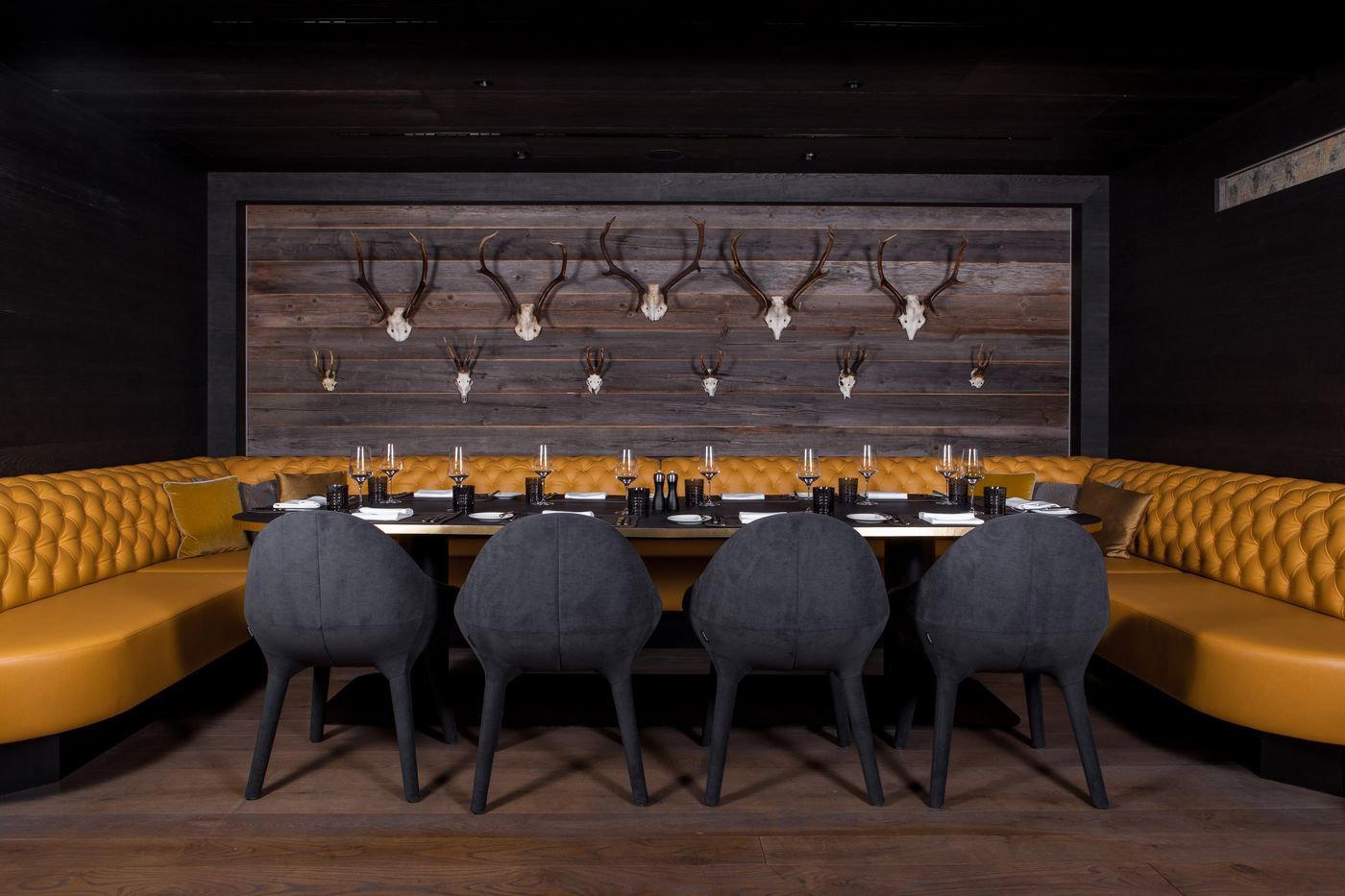
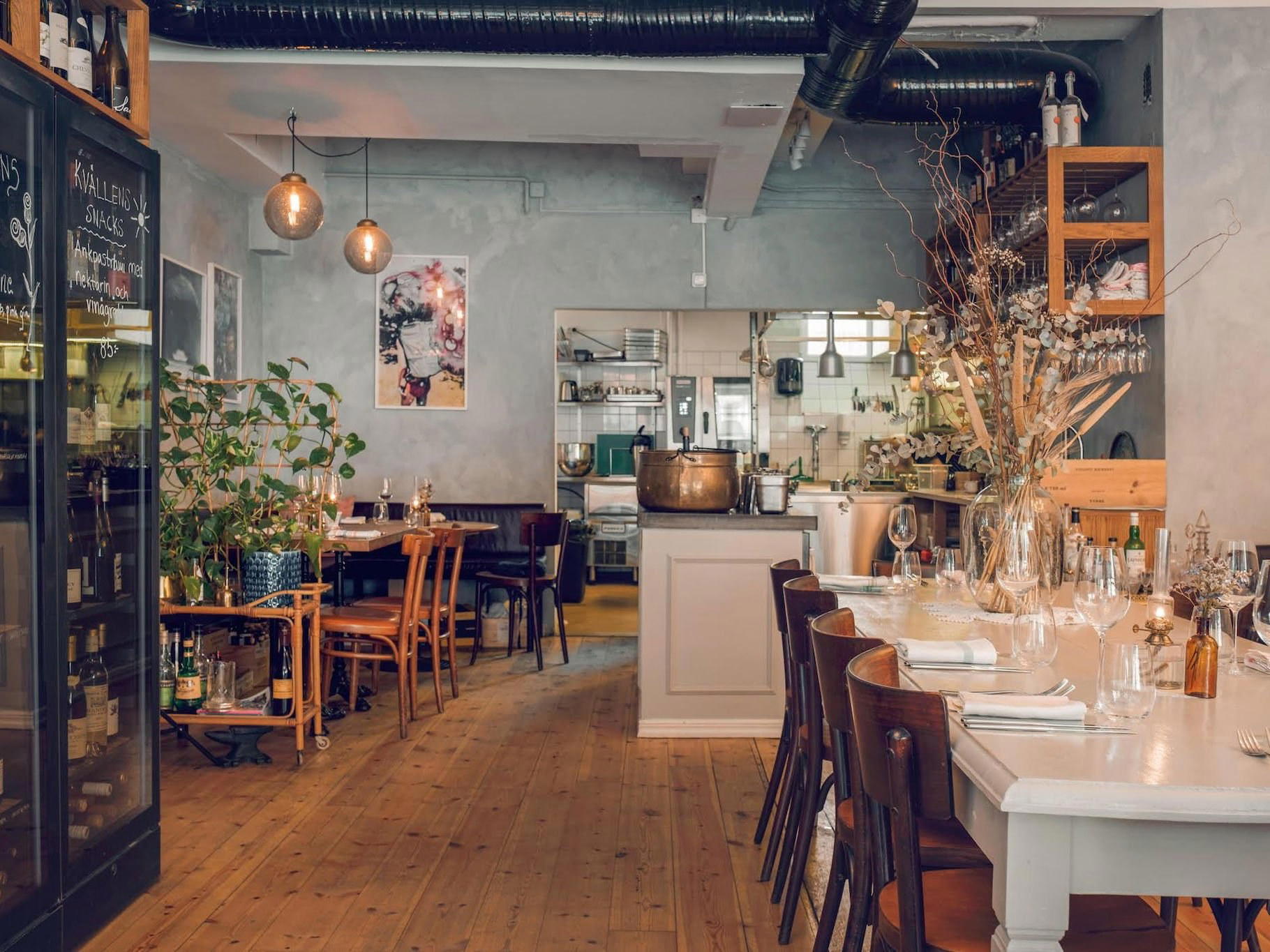
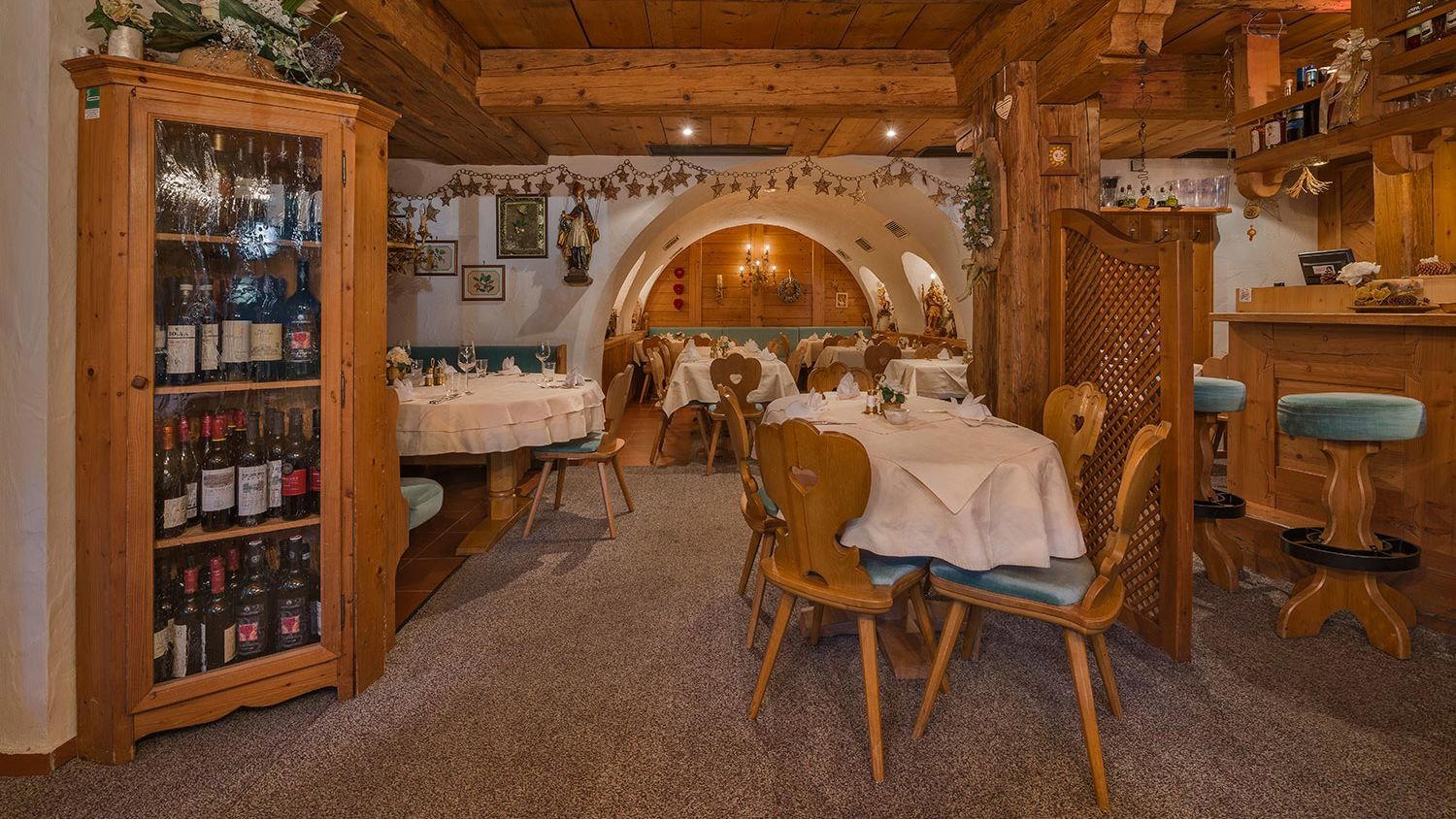
Bars in Serfaus
Browse all →
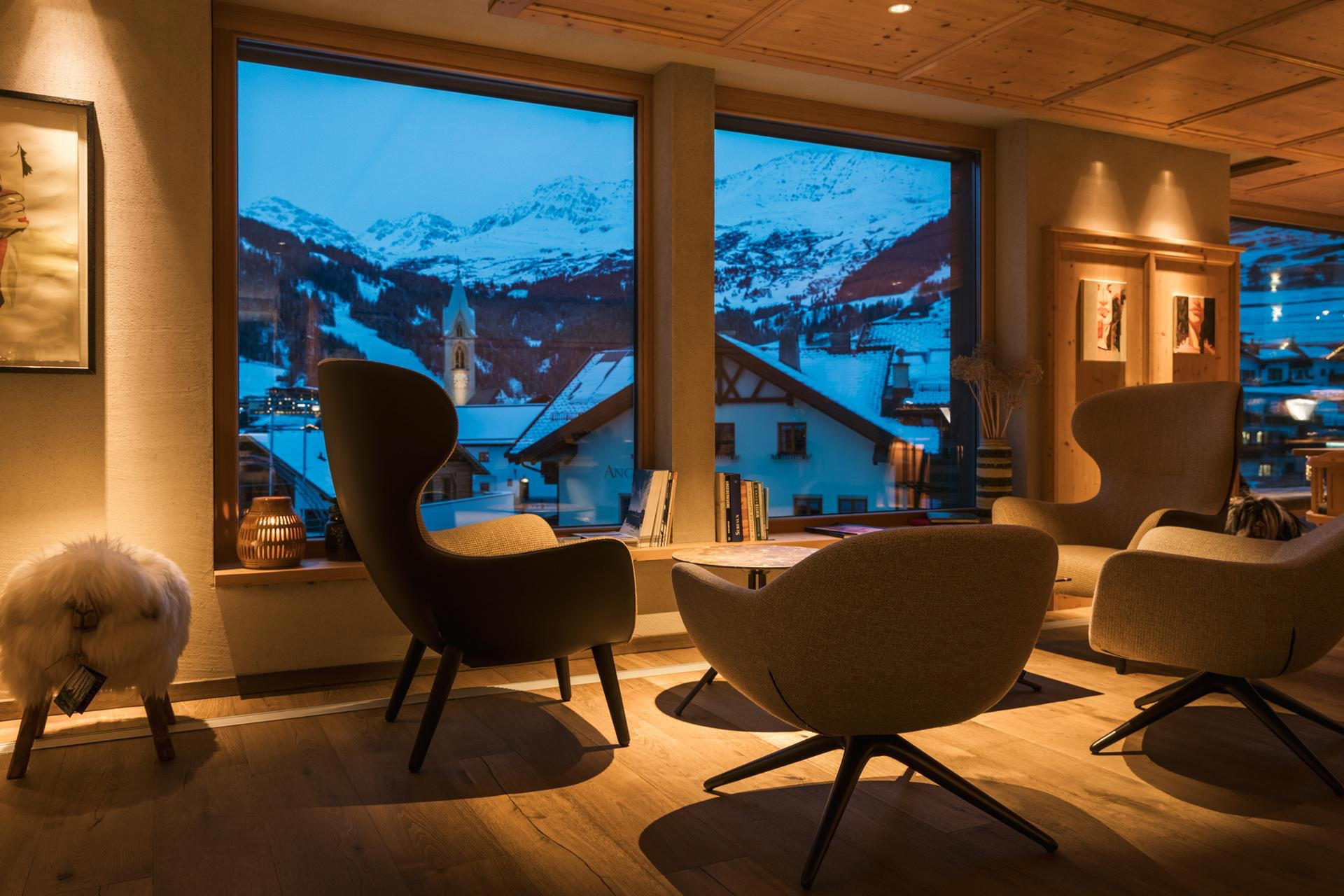
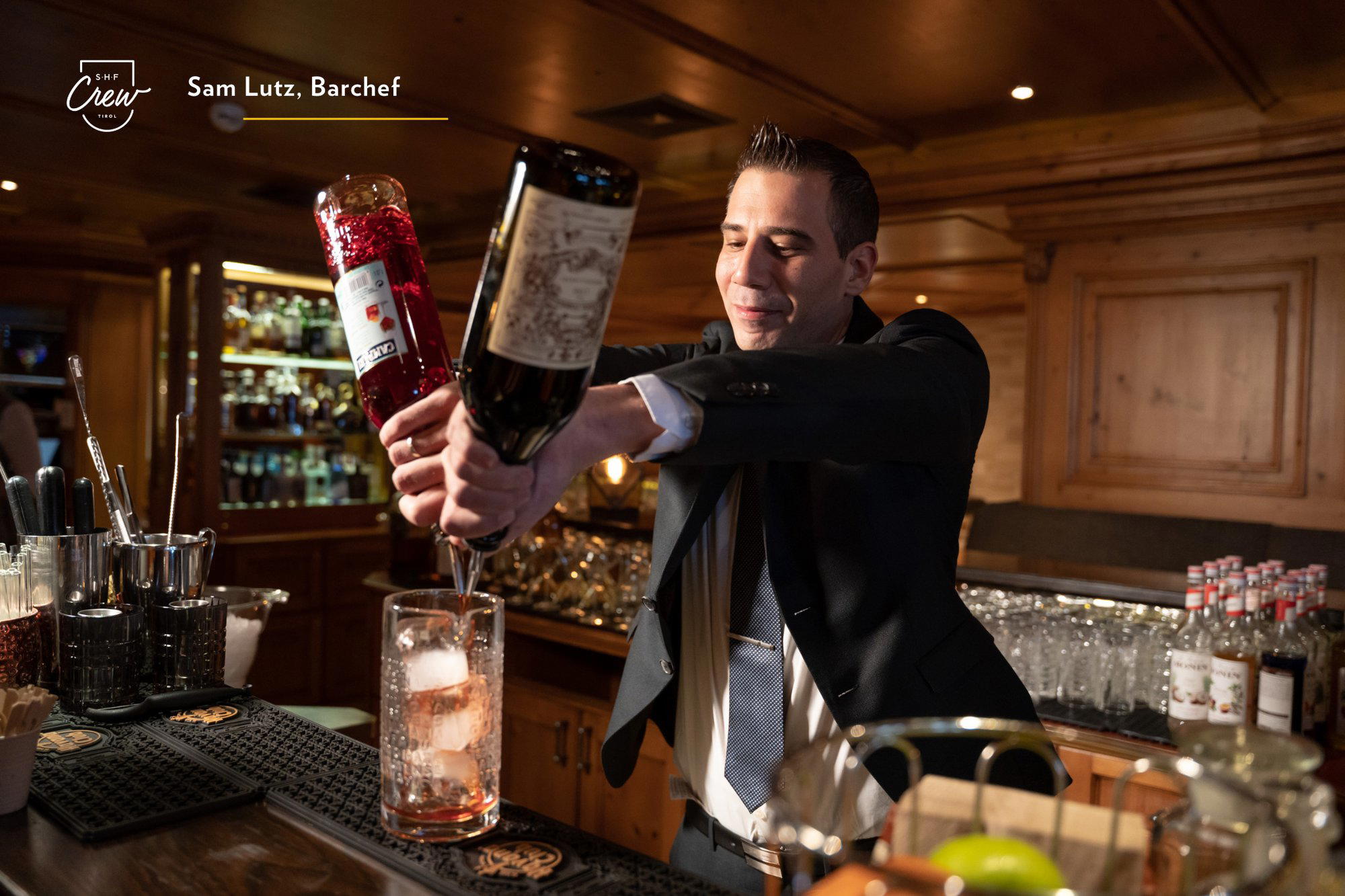
Hotels in Serfaus
Browse all →

At a Glance
- Rustic
- Scenic
- Cozy
- Casual Hangout
- Family
- Brunch
- Group Dining
- Terrace
- Panoramic View
- Standalone
- Beer Program
- Local Sourcing
- Mountain
- Waterfront
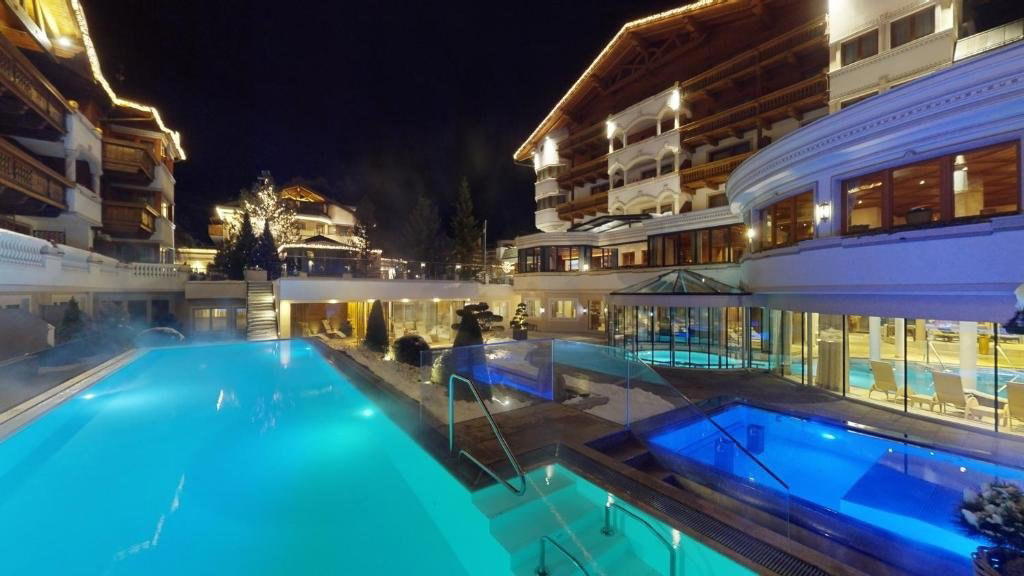
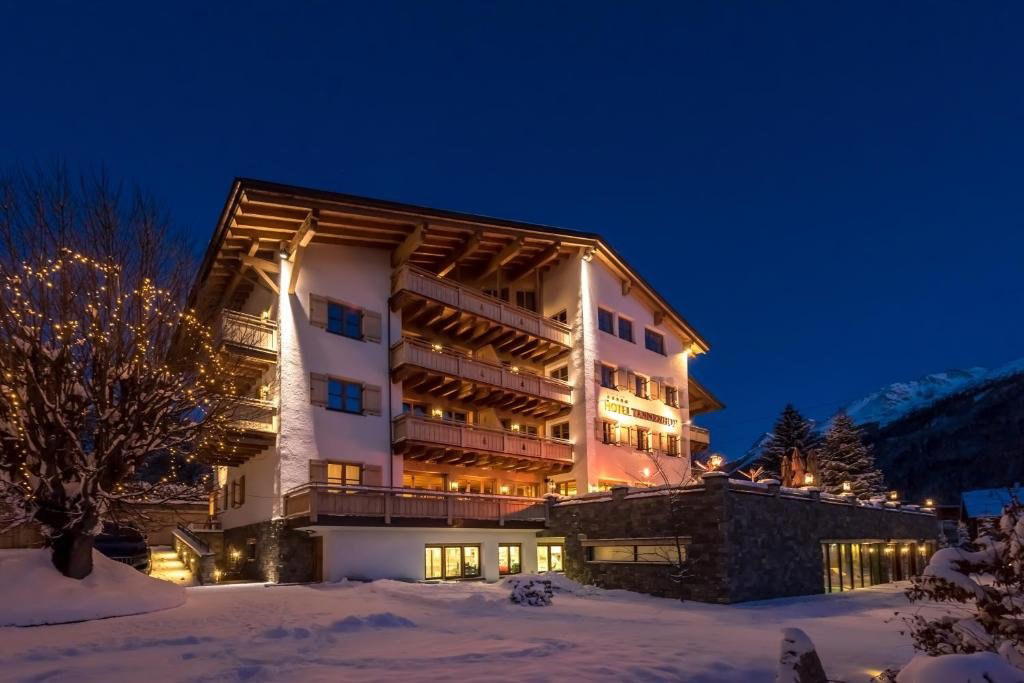
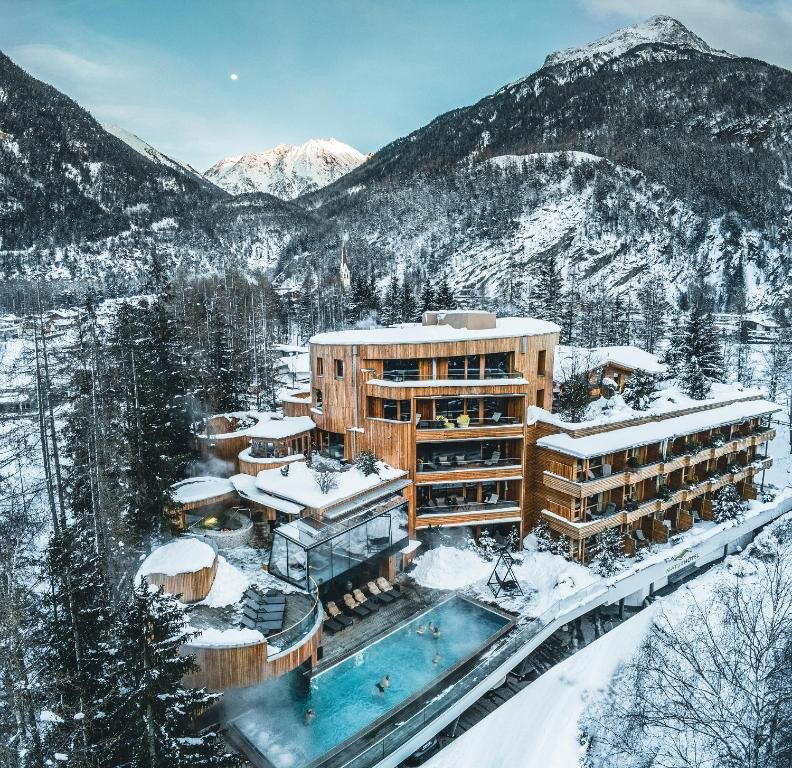
Rustic service restaurant with open design and large window fronts offering natural light and mountain vistas; warm and welcoming atmosphere enhanced by sun terrace seating on clear days.