In Serfaus, where alpine dining has trended toward resort-polished excess, Das Köhle at Dorfbahnstraße 24 represents a different register — one grounded in the produce and traditions of the Tyrolean highlands. The address places it in the village proper, close to the local rhythm rather than the ski-lift rush, making it a reference point for anyone reading Serfaus beyond its resort surface.
Pearl is the En Primeur Club membership app — saves, bookings, and concierge access live there. Same editors, same standards.
- Address
- Dorfbahnstraße 24, 6534 Serfaus, Austria
- Phone
- +4354766244
- Website
- das-koehle.at
- Directions
- Get directions
 Saves & bookings on Pearl
Where Serfaus Eats Like a Village, Not a Resort
High-altitude dining in the Austrian Tyrol has split into two distinct camps. The first is resort-facing: polished hotel restaurants calibrated for international guests on a ski week, with menus that could plausibly appear in any European mountain destination. The second is rarer and more interesting: places that read as extensions of the local food culture, where the mountain is not a backdrop but a source. Das Köhle, at Dorfbahnstraße 24 in Serfaus, sits in that second camp — a positioning that becomes more legible the more you understand how unusual it is in a village that draws the volume of visitors Serfaus does.
Serfaus itself occupies a plateau above the Inn Valley at roughly 1,400 metres, accessed by a small underground people-mover that runs beneath the village — one of the few such systems in any Alpine settlement. That physical remove from the valley floor has historically protected Serfaus from the architectural sprawl that has consumed other Tyrolean resort villages, and it has allowed a more compact, locally oriented character to persist in parts of the village that the resort economy has not entirely absorbed. Das Köhle's address on Dorfbahnstraße places it within that older village grain.
Alpine Sourcing and What It Actually Means Here
The broader conversation about ingredient sourcing in Alpine restaurants tends to be dominated by larger-format destination kitchens: places like Steirereck im Stadtpark in Vienna or Döllerer in Golling an der Salzach, which have the procurement infrastructure and the press profile to make sourcing narratives audible at a national level. At village scale, in a place like Serfaus, sourcing operates differently. The relevant supply chains are shorter and more contingent, on what mountain farms in the Paznaun and upper Inn Valley are producing, on seasonal availability at altitude, and on the relationships a kitchen maintains with suppliers who are, in many cases, nearby neighbours rather than specialist distributors.
Tyrolean cuisine as a tradition draws heavily on what the landscape produces under constraint: rye and spelt grown at altitude, dairy from cattle that summer on high pastures, freshwater fish from mountain streams, and preserved proteins that historically bridged the gap between seasons. The leading alpine kitchens in this part of Austria treat those constraints as a grammar rather than a limitation. For a point of comparison further west, Gourmetrestaurant Tannenhof in Sankt Anton am Arlberg and Stüva in Ischgl demonstrate how seriously the Arlberg region has taken this grammar at fine-dining scale. Das Köhle operates closer to village-restaurant register, but within the same tradition of placing the mountain's actual produce at the centre of the table.
The Serfaus Dining Context
Serfaus has a dining scene shaped almost entirely by its winter season and its position as a family resort village, a combination that pushes most restaurants toward hearty, crowd-pleasing formats. That is not a criticism; the demand profile is what it is. But it does mean that a restaurant operating with more specificity about provenance and preparation occupies a distinct position locally. For a reading of what that specificity looks like at the premium end of Tyrolean dining more broadly, the reference points extend across the state: Schwarzer Adler in Hall in Tirol and Restaurant 141 by Joachim Jaud in Mieming both illustrate the range that Tyrolean cooking covers, from classically anchored to more contemporary approaches.
Within Serfaus itself, Seealm Hög and Zum Wohl Tirol represent the other named addresses in the village's dining roster, collectively, they map a scene that is small by any urban standard but coherent in its alpine orientation. Our full Serfaus restaurants guide covers all three in context.
How This Compares to Austria's Wider Restaurant Culture
Austria's restaurant culture at the serious end is anchored by a handful of institutions that have defined what the country's cuisine can be: Landhaus Bacher in Mautern an der Donau, Obauer in Werfen, and Taubenkobel in Schützen am Gebirge each represent a different strand of that tradition, from classically grounded to modern-Austrian to a kind of pan-European naturalism applied to local ingredients. Further afield in Austria, Kräuterreich by Vitus Winkler in Sankt Veit im Pongau shows what a herb-and-alpine-produce focus looks like when taken to its logical extreme, and Ois in Neufelden adds a different regional voice from Upper Austria.
Das Köhle does not compete in that tier, it operates at village scale in a resort context, but the broader Austrian conversation about sourcing, seasonality, and regional identity is the backdrop against which any serious Tyrolean restaurant is now read. Internationally, the turn toward place-specific ingredient sourcing that drives restaurants like Lazy Bear in San Francisco and the produce discipline visible at places like Le Bernardin in New York City reflects the same underlying shift: diners increasingly want to know where their food comes from, and the most interesting kitchens at every scale have responded by making provenance legible rather than incidental. Ikarus in Salzburg and Griggeler Stuba in Lech show how that shift plays out in the Alpine luxury dining format specifically.
Planning Your Visit
Das Köhle is located at Dorfbahnstraße 24, in the village centre of Serfaus, reachable via the village's electric underground railway from the car parks at the valley entrance, Serfaus prohibits most private vehicle traffic within the settlement itself, so the underground shuttle is the standard arrival mode. The village is most active from December through April for the ski season, with a shorter summer window from late June through September. Visitors arriving outside peak weeks will find a different pace, though restaurant availability during the ski season's peak periods warrants early enquiry. No booking method or current hours are confirmed in available data; contacting the venue directly before arrival is advisable.
A Quick Peer Check
| Venue | Cuisine | Price | Awards |
|---|---|---|---|
| Das KöhleThis venue — the venue you are viewing | This venue | Not listed | Not listed |
| Steirereck im Stadtpark | Creative | €€€€ | Michelin 3 Star |
| Döllerer | Contemporary Austrian, Innovative | €€€€ | Michelin 2 Star |
| Landhaus Bacher | Austrian, Classic Cuisine | €€€€ | Michelin 2 Star |
| Obauer | Classic Cuisine | €€€€ | Michelin 2 Star |
| Taubenkobel | Modern Austrian, French Contemporary | €€€€ | Michelin 2 Star |
Continue exploring
More in Serfaus
Restaurants in Serfaus
Browse all →
Bars in Serfaus
Browse all →

Hotels in Serfaus
Browse all →

At a Glance
- Cozy
- Rustic
- Family
- Group Dining
- Casual Hangout
- Open Kitchen
- Hotel Restaurant
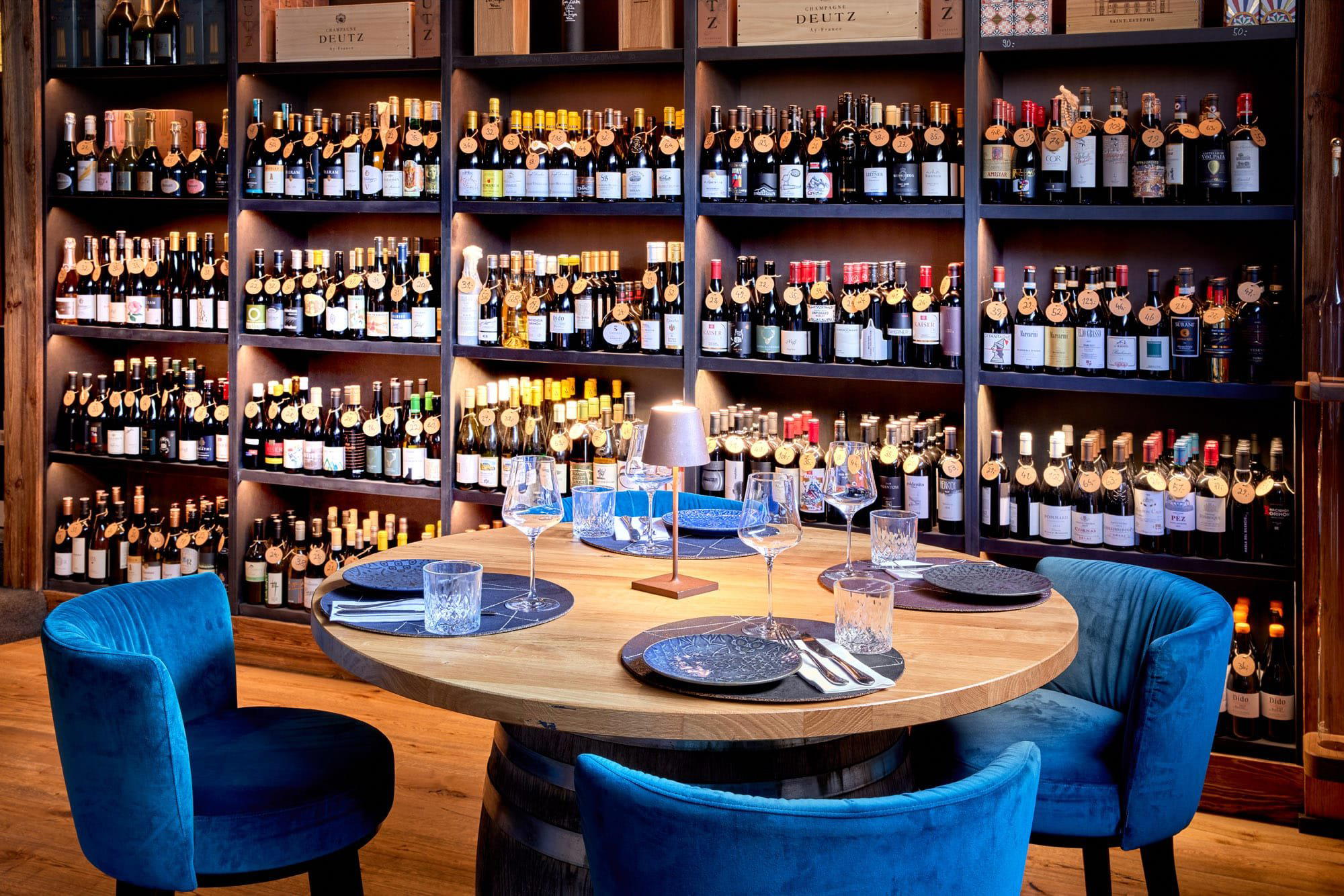
- Extensive Wine List
- Local Sourcing
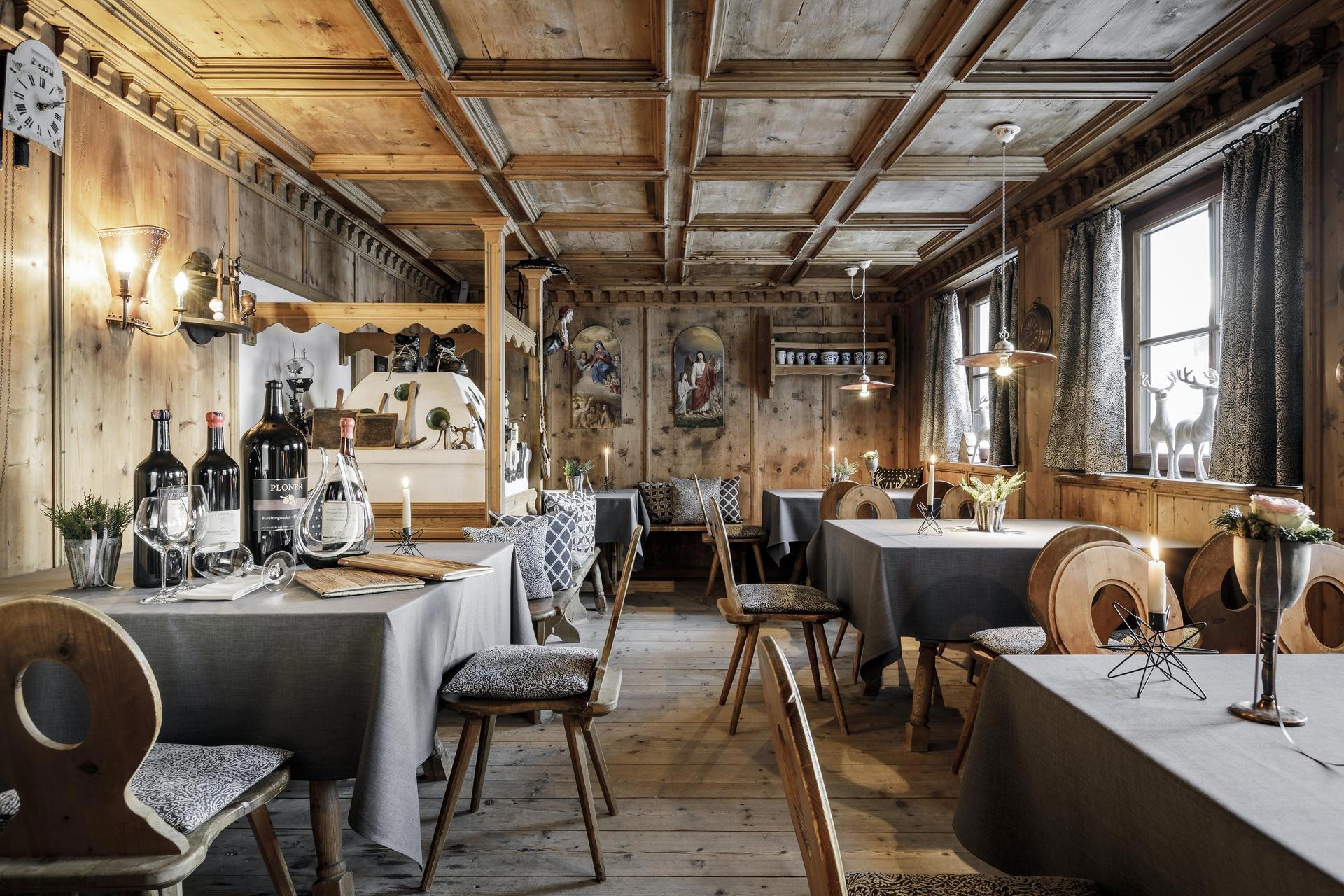
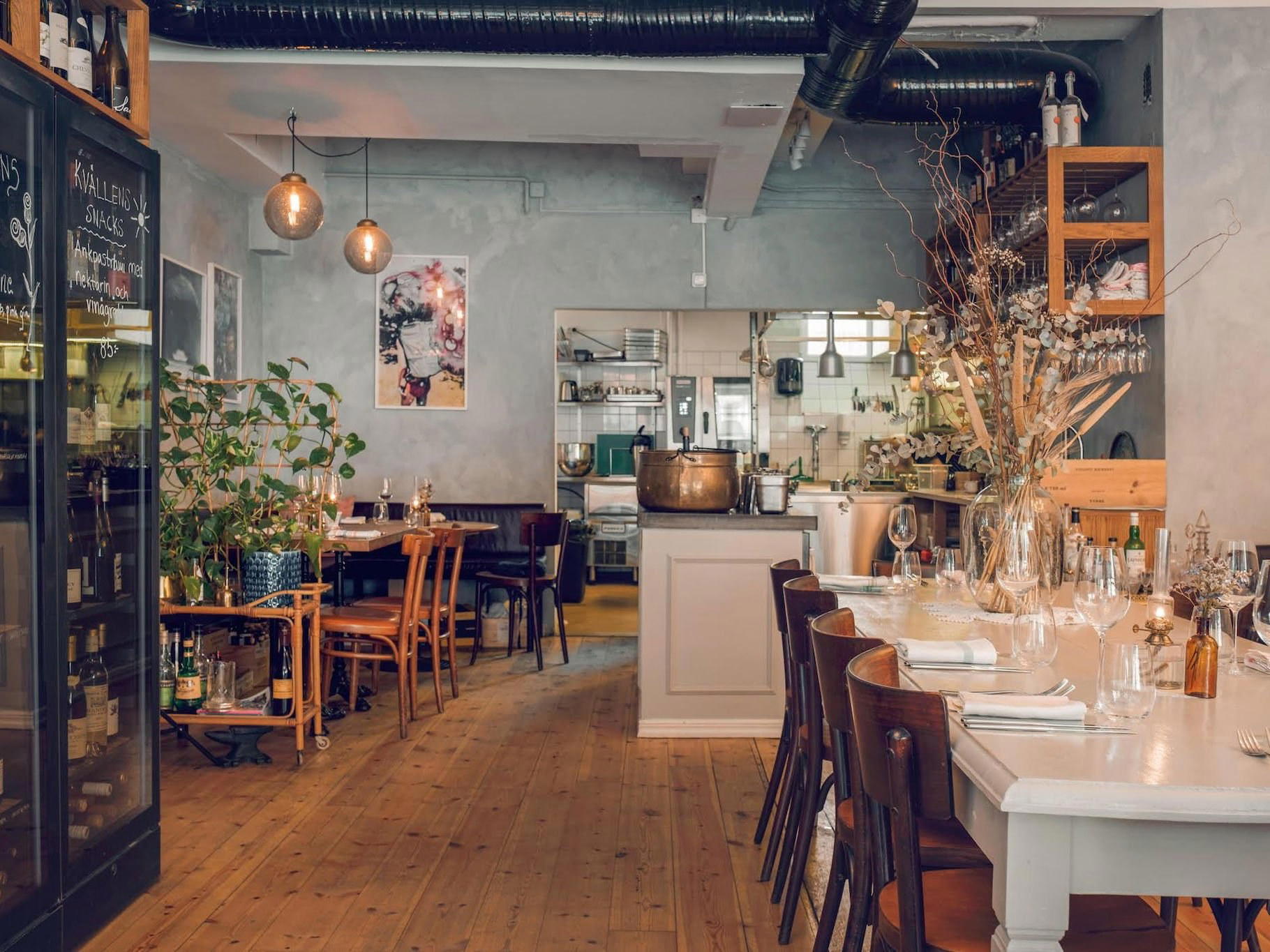
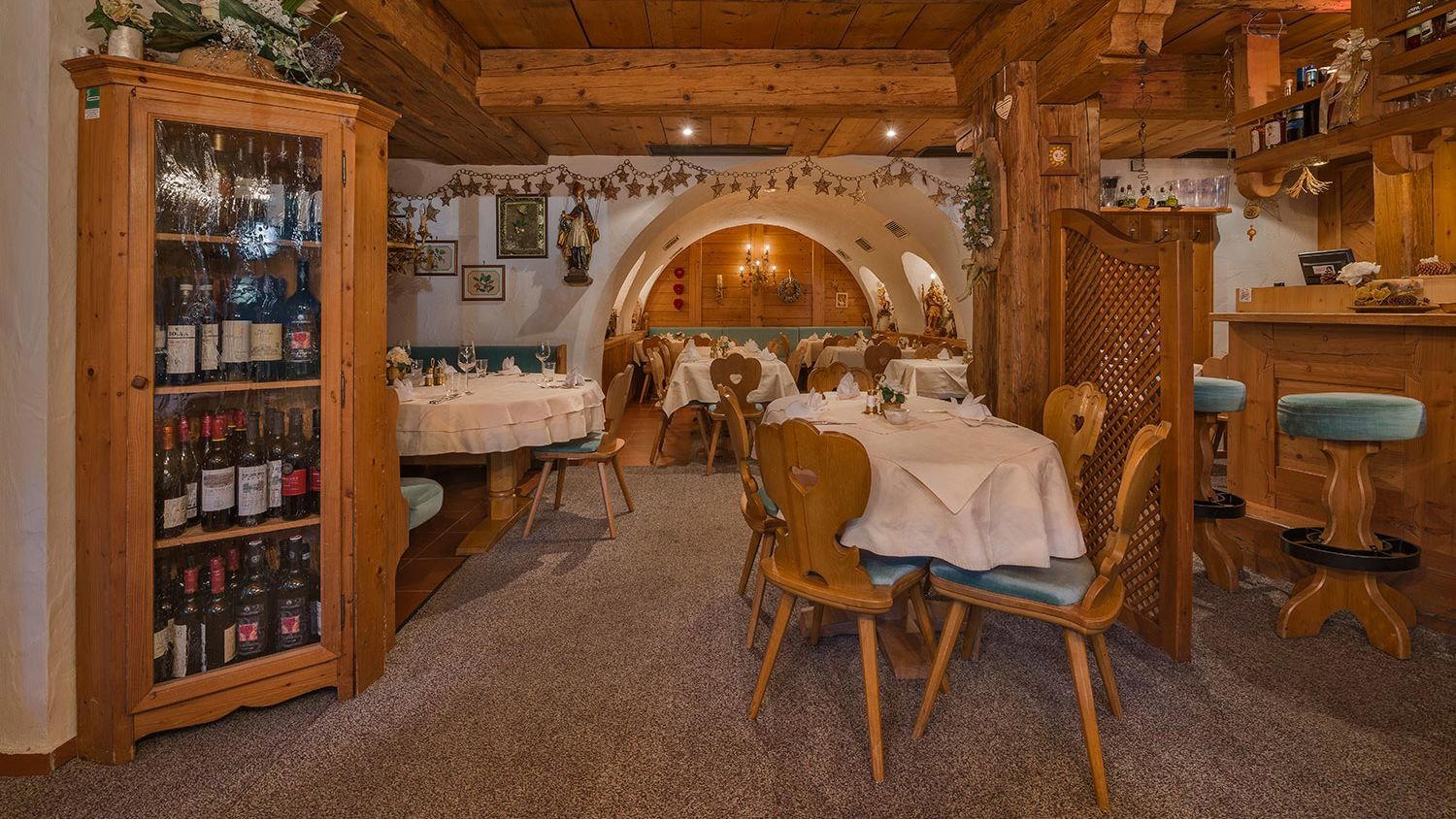
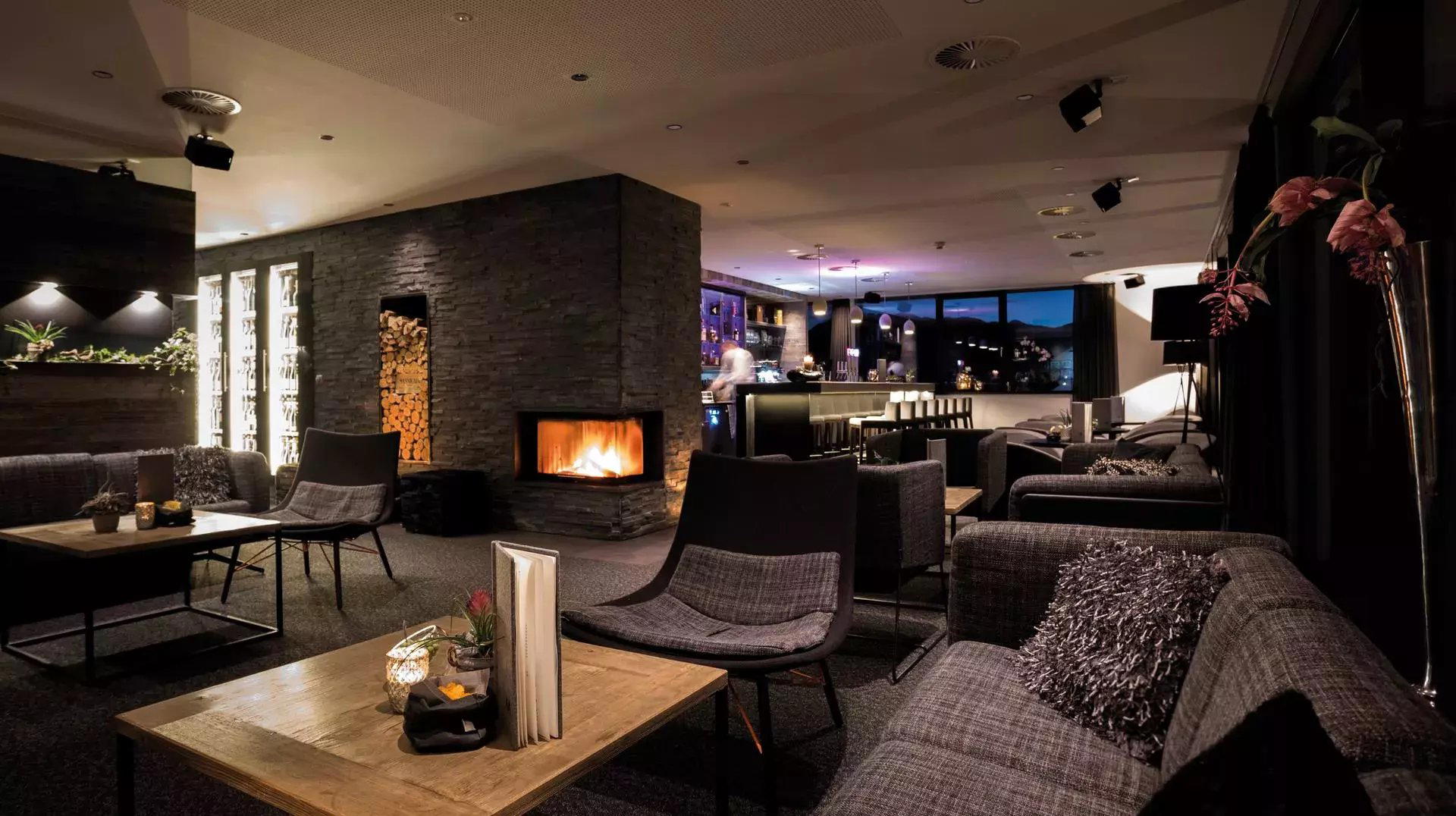
stylish-cozy atmosphere with warm service and pleasant family-friendly vibe