Vilser Alm sits at Gemeinde 68 in the small Tyrolean village of Vils, operating in the tradition of alpine farmhouse dining where the surrounding terrain dictates what reaches the table. The setting places ingredient provenance at the centre of the experience, with mountain pasture and regional supply chains doing the editorial work that elaborate technique often tries to do elsewhere. For travellers moving through the Außerfern region, it represents a grounded alternative to the resort-circuit dining of nearby Arlberg.
Pearl is the En Primeur Club membership app — saves, bookings, and concierge access live there. Same editors, same standards.
- Address
- Gemeinde 68, 6682 Vils, Austria
- Phone
- +43491702487863
- Website
- vilseralm.at
- Directions
- Get directions
 Saves & bookings on Pearl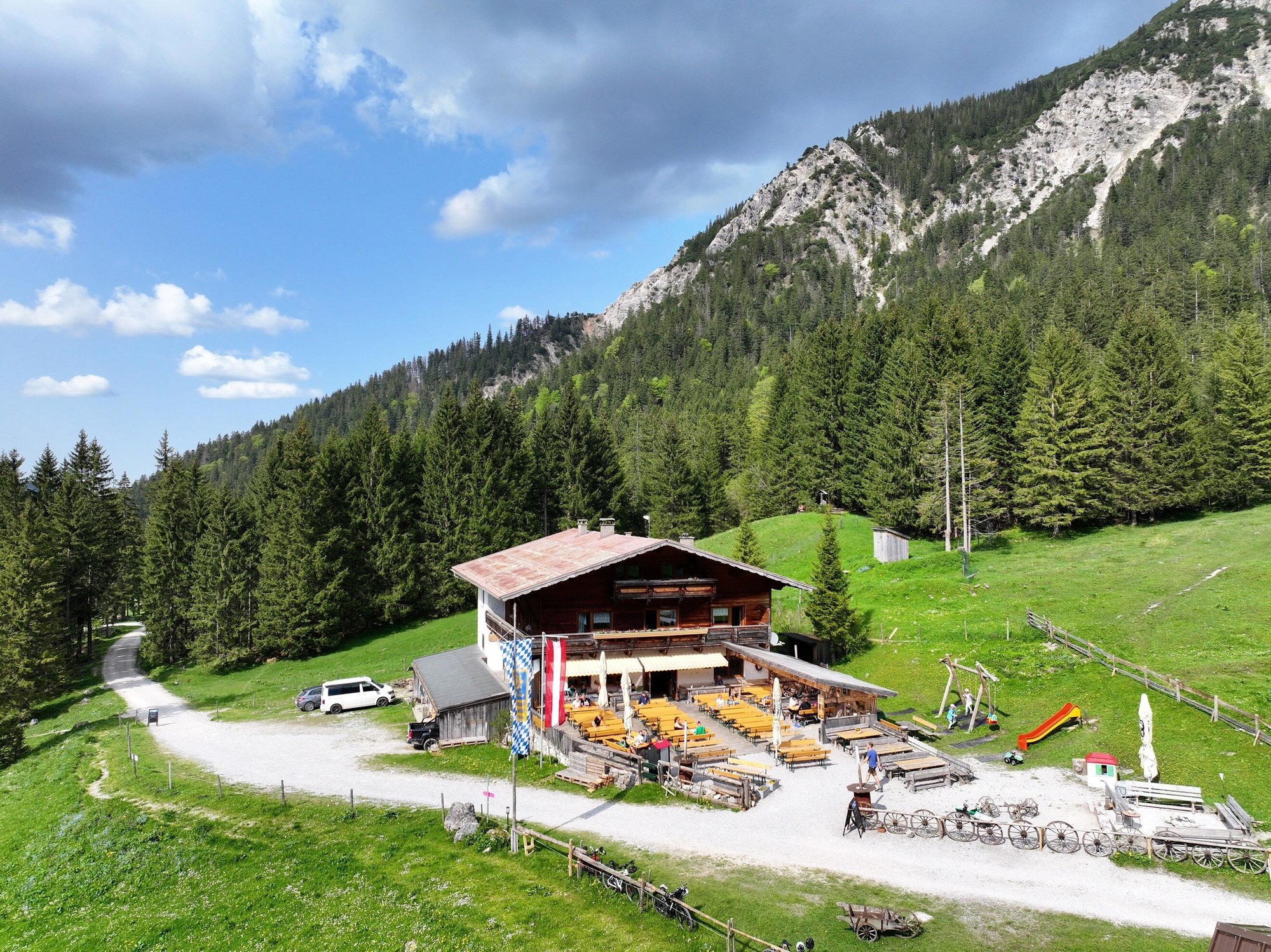
Where the Terrain Writes the Menu
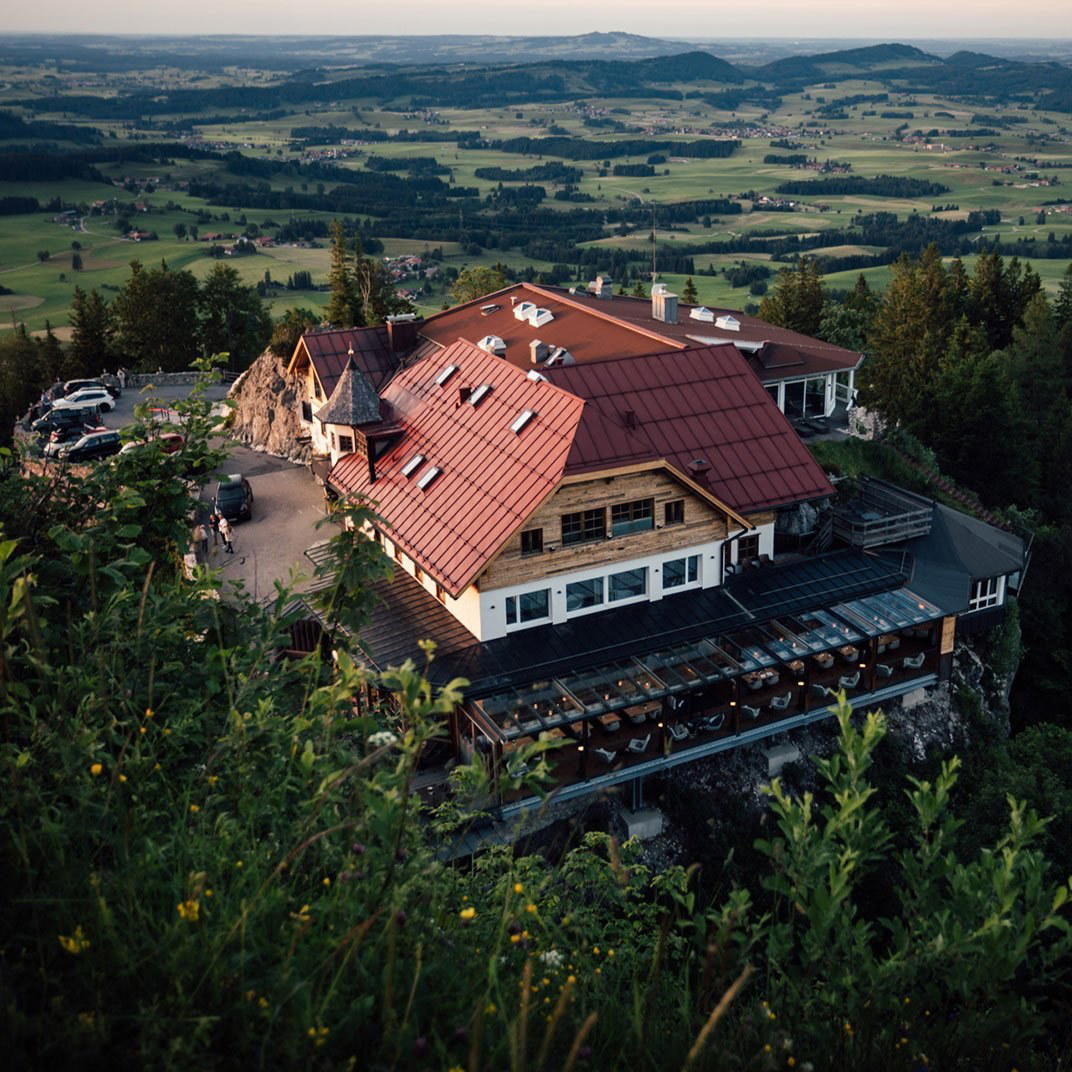
In the Tyrolean district of Außerfern, the gap between farm and table is often measured in walking minutes rather than supply-chain days. Vils, Austria's smallest town by area, sits in a valley pocket where that compression is most literal: pasture land wraps close to the settlement, dairy herds graze at altitudes that shape milk fat content, and the season's weather determines what is available with a directness that urban restaurant supply systems systematically eliminate. Vilser Alm is a casual, walk-in-friendly restaurant at Gemeinde 68, 6682 Vils, Austria, serving Traditional Austrian Alpine food. An Alm, in the Austrian and Bavarian tradition, is a high-pasture farmstead, and the name alone signals a philosophy before a single dish is ordered: the land is the source, and the source is close.
This approach puts Vilser Alm in a category that Austrian dining has long sustained but rarely exported noisily. While Michelin-tracked kitchens like Döllerer in Golling an der Salzach or Gourmetrestaurant Tannenhof in Sankt Anton am Arlberg formalise the alpine-ingredient argument through tasting menus and brigade kitchens, the alpine farmhouse format operates at a different register. There is less mediation between terrain and plate, and the kitchen's role is proportionally more about preservation, timing, and restraint than transformation. The distinction matters for how you read the experience.
What the Außerfern Setting Produces
The Außerfern region, separated from the Inn Valley by the Zugspitz massif, has historically operated as something of a culinary island. Supply routes were difficult, which meant self-sufficiency was structural rather than ideological. That history persists in the food culture: cured meats, aged cheeses, rye preparations, and dairy-forward dishes that reflect long winters and productive short summers. An establishment operating under the Alm designation in this geography is drawing on that continuity, whether consciously or by circumstance.
Austria's alpine restaurant scene has split in recent years between properties that capitalise on that provenance story for a premium tourist audience, and those that maintain it as a baseline operating condition for a local one. The former tier, which includes celebrated addresses like Griggeler Stuba in Lech and Stüva in Ischgl, competes on refinement and destination appeal. Vilser Alm, given its location in a town of under 1,500 residents with no major ski infrastructure, sits closer to the second model: a place whose ingredient sourcing is a product of geography rather than marketing strategy.
The Ingredient Argument in Alpine Dining
The strongest case for farmhouse-format dining in this part of Tyrol is not nostalgia. It is that certain ingredients, particularly dairy, mountain herbs, freshwater fish, and game, are genuinely different at source. Milk from cows grazing above 1,000 metres has a measurable difference in fat structure compared to lowland dairy. Mountain herbs, including wild varieties unavailable in cultivated form, alter the aromatic character of dishes in ways that imported equivalents cannot replicate. Game from the surrounding forests carries a diet and activity profile that affects texture and flavour in ways industrial meat production cannot approximate.
When an alpine kitchen draws on these inputs within a tight geographic radius, the cooking operates with raw material advantages that more technically ambitious kitchens at lower altitudes spend considerable effort trying to compensate for. This is not a claim that simplicity outperforms technique at the level of Steirereck im Stadtpark in Vienna or Ikarus in Salzburg. It is an observation that the competitive ground is different, and the evaluation criteria should reflect that.
Peer comparisons in Austria's ingredient-led dining category include operations like Kräuterreich by Vitus Winkler in Sankt Veit im Pongau, where herb cultivation is treated as a kitchen discipline in its own right, and Obauer in Werfen, which has sustained a regional-sourcing model across decades. Beyond Austria, the pattern connects to a broader European shift: ingredient provenance as the primary editorial statement of a restaurant, a position that operations like Le Bernardin in New York City have occupied for seafood, and that Atomix in New York City extends into fermentation and Korean pantry specificity.
Approaching Vils: Practical Orientation
Vils sits in the far west of Tyrol, close to the German border and accessible from Reutte, the district capital, in under twenty minutes by car. Travellers arriving from Innsbruck should budget approximately ninety minutes by road. The town has no rail connection; driving is the realistic option. The restaurant's address at Gemeinde 68 places it within the compact town centre, where distances are short on foot. Given the limited accommodation infrastructure in Vils itself, most visitors combine a meal here with a base in Reutte or, for those also covering the Arlberg, in Lech or Warth. For context on the broader regional dining picture, see our full Vils restaurants guide.
Where Vilser Alm Sits in the Tyrolean Dining Conversation
Tyrol's most discussed dining addresses cluster around ski resort infrastructure: Schwarzer Adler in Hall in Tirol serves the Inn Valley corridor, while Restaurant 141 by Joachim Jaud in Mieming anchors a more contemporary position in the region. Außerfern, by contrast, receives less editorial attention despite a food culture that predates resort development by centuries. The restaurant operates in that less-mapped territory, which is precisely what makes it of interest to travellers who have already covered the Arlberg circuit and are looking for something that doesn't perform for the same audience.
Austria's farmhouse dining tradition has parallels across the country. Taubenkobel in Schützen am Gebirge takes a Pannonian-ingredients approach in Burgenland. Landhaus Bacher in Mautern an der Donau sustains a Danube-valley sourcing model with a classical kitchen framing it. Ois in Neufelden represents the Upper Austrian version. Each operates in a distinct regional pantry; the restaurant's is alpine Tyrolean, which means dairy, game, and mountain herbs as the primary vocabulary. For completeness across Austria's more technically ambitious addresses, Atelier Fischer in Sankt Gilgen and Artis in Graz represent the contemporary-cuisine end of the spectrum that restaurant does not occupy and does not try to.
At-a-Glance Comparison
Comparable venues nearby, for context on price, style, and recognition.
| Venue | Cuisine | Price | Notes |
|---|---|---|---|
| Vilser AlmThis venue — the venue you are viewing | Traditional Austrian Alpine | $$ | Not listed |
| Carnozet | Authentic Austrian Inn Cuisine | $$ | Hirschegg |
| Almstüberl Kappl | Traditional Austrian Mountain Hut | $$ | Kappl |
| Gasthaus Löwen | Traditional Austrian Regional | $$ | Au-Rehmen |
| Gibler Alm | Traditional Tyrolean Alpine Cuisine | $$ | Elbigenalp, Lechtal |
| Feilalm | Traditional Tyrolean Mountain Hut | $$ | Eben am Achensee |
Continue exploring
More in Vils
Restaurants in Vils
Browse all →
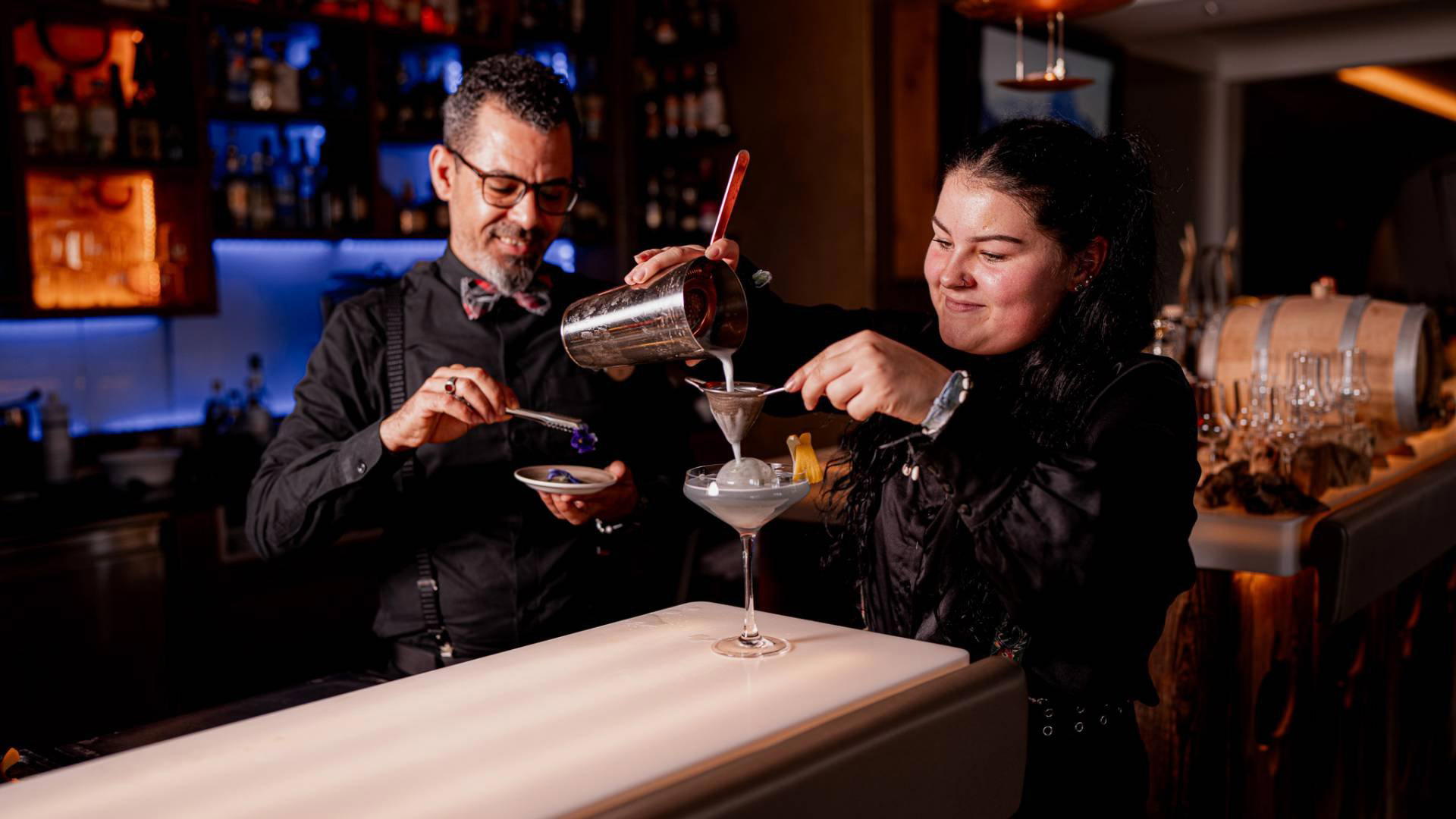
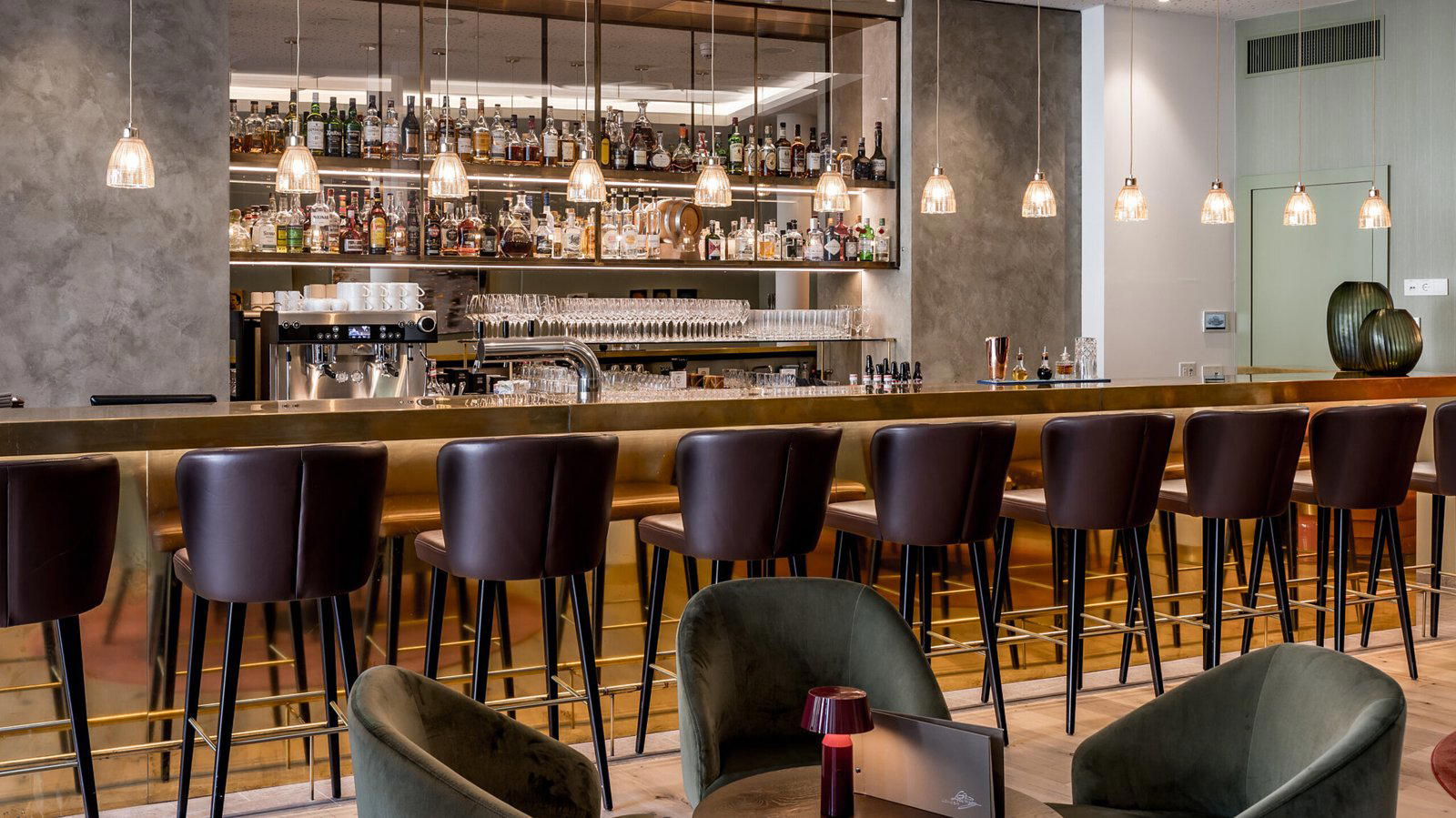
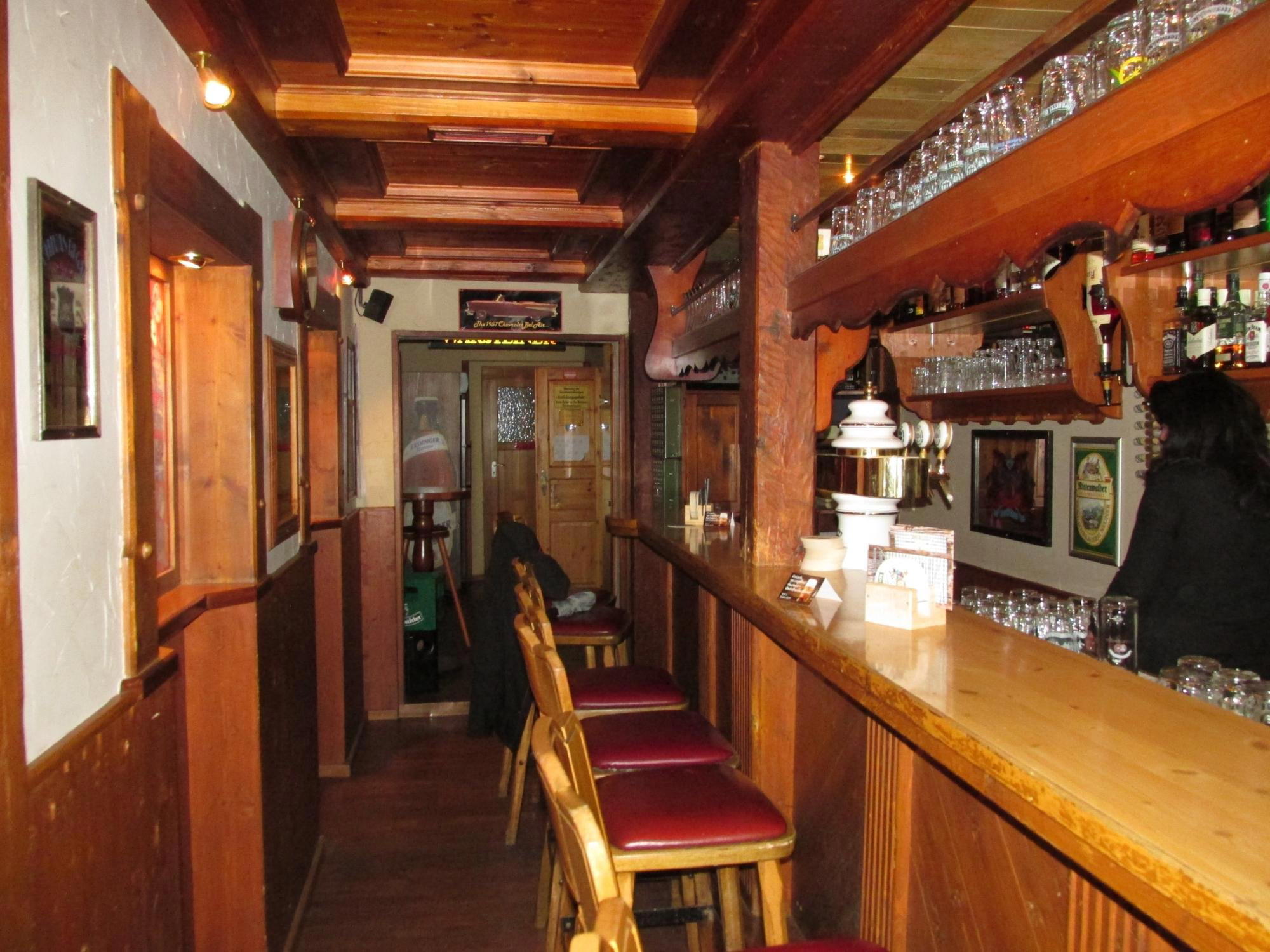
Bars in Vils
Browse all →
Hotels in Vils
Browse all →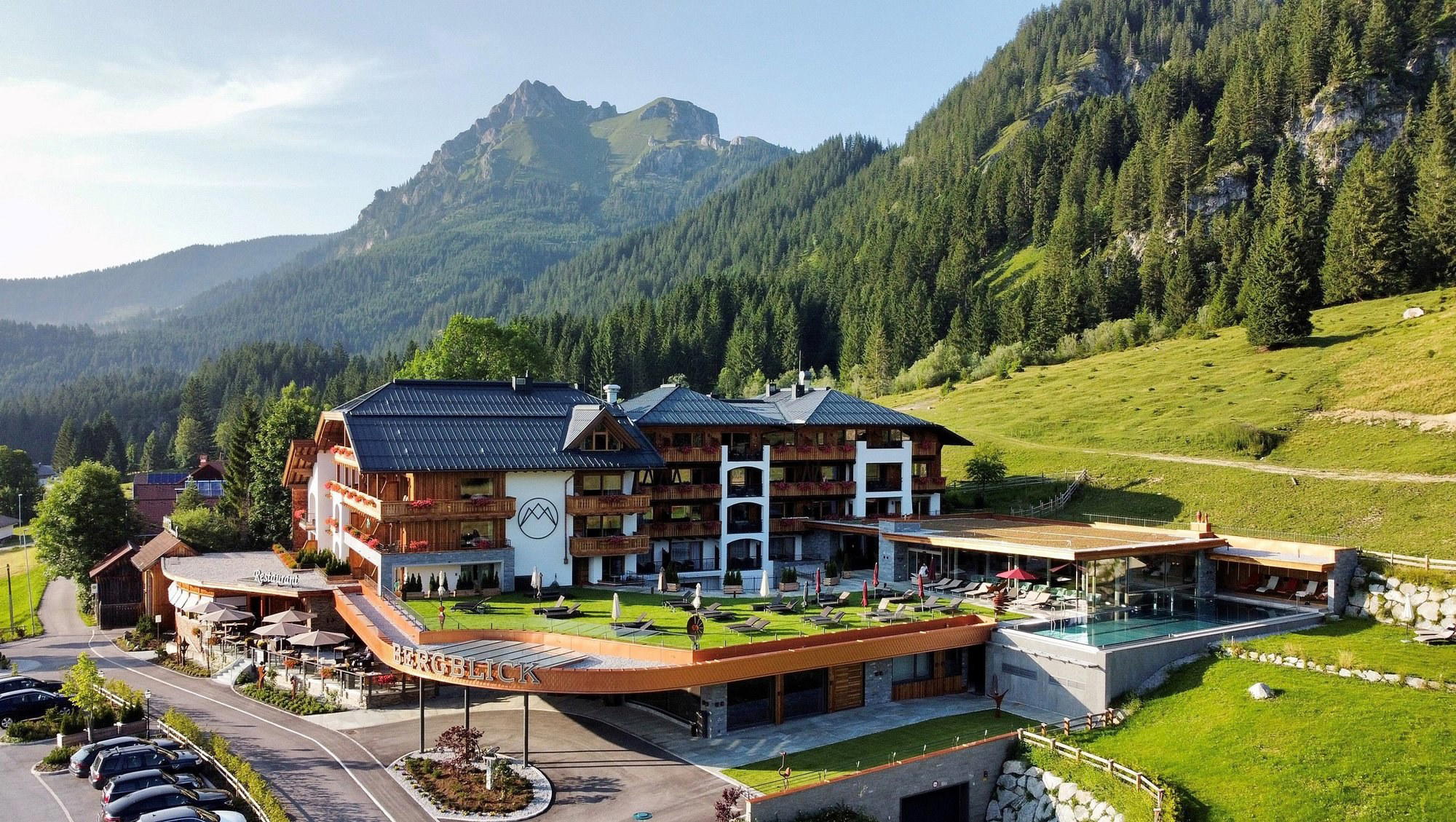

At a Glance
- Cozy
- Rustic
- Scenic
- Family
- Casual Hangout
- Terrace
- Local Sourcing
- Mountain
Current opening hours
- Monday
- Closed
- Tuesday
- Closed
- Wednesday
- 9 AM–5 PM
- Thursday
- 9 AM–5 PM
- Friday
- 9 AM–10 PM
- Saturday
- 9 AM–10 PM
- Sunday
- 10 AM–5 PM
Hours can change for holidays and private events. Last verified .
Cozy alpine atmosphere with warm regional hospitality, ideal after a hike.