Seavey Vineyard
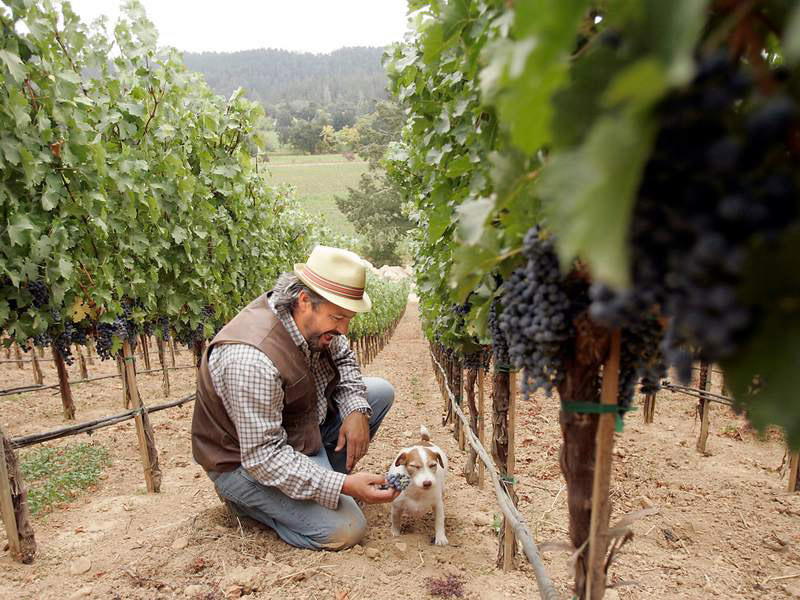
Seavey Vineyard occupies a quiet stretch of Conn Valley Road in St. Helena, operating in the tradition of small Napa estates that prioritize estate-grown fruit over production volume. The property sits within a region where the gap between boutique and blockbuster has widened considerably over the past two decades, placing Seavey in a comparable set defined by restraint and place-specificity rather than scale.
 Discover on Pearl
Pearl is the En Primeur Club membership app — saves, bookings, and concierge access live there. Same editors, same standards.
- Address
- 1310 Conn Valley Rd, St Helena, CA 94574
- Phone
- +1 707 963 8339
- Website
- seaveyvineyard.com
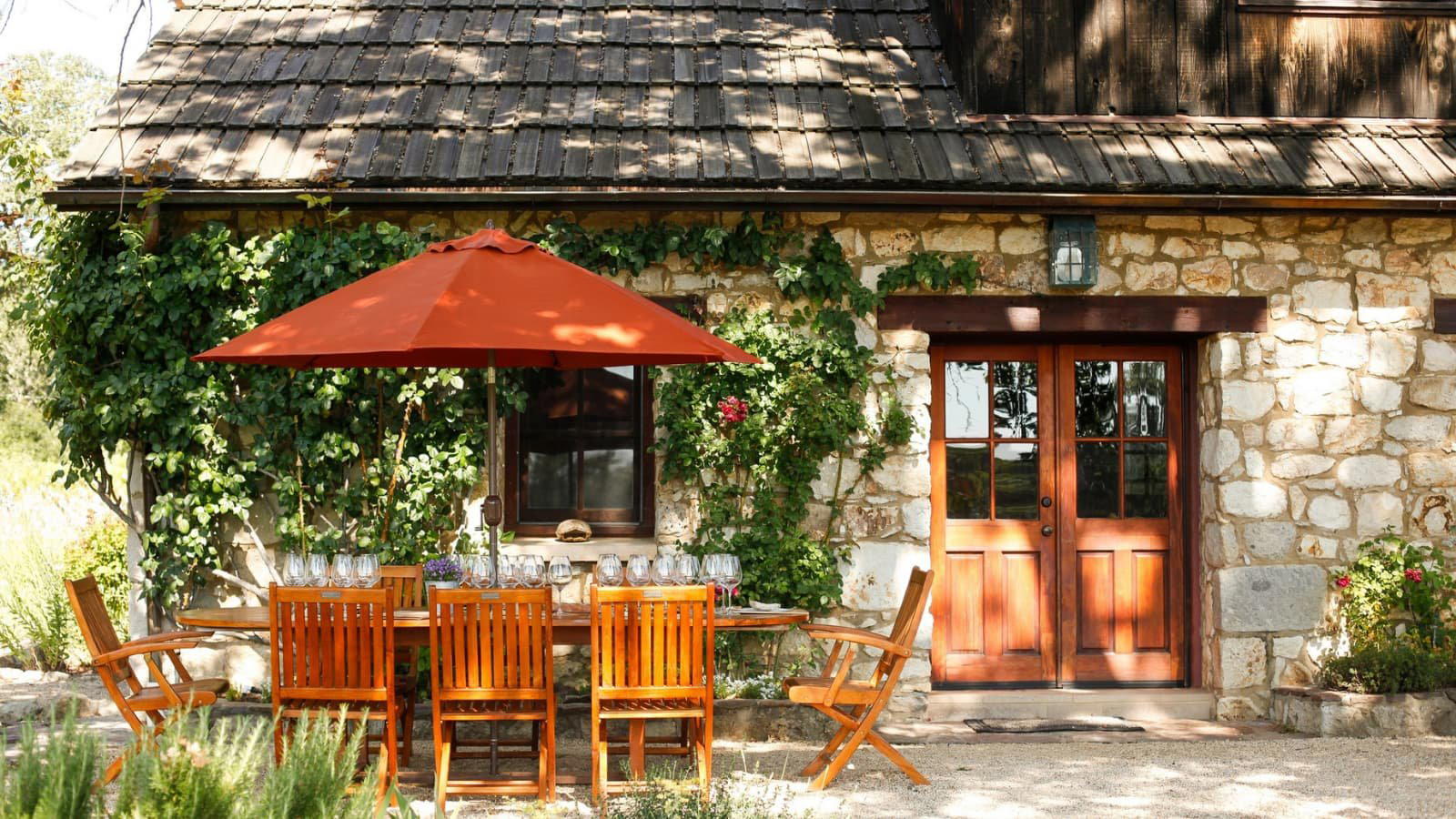
Conn Valley and the Case for Small-Estate Napa
Napa's reputation is built on Cabernet, but not all Cabernet is built the same way. The valley has stratified over time into a recognizable hierarchy: high-volume producers anchored by brand recognition at one end, and a smaller cohort of estate-focused properties at the other, where the land itself is meant to do the talking. Seavey Vineyard, located on Conn Valley Road in St. Helena at the northeastern edge of the valley floor, belongs to that second category. Conn Valley sits away from the Highway 29 corridor that draws the bulk of tasting-room traffic, and properties here tend to operate on appointment schedules that filter for visitors with specific intent rather than casual passersby.
That geography matters more than it might seem. The eastern hills of Napa, where Conn Valley runs, receive different afternoon light and retain different heat signatures than the western benchlands. Estates in this corridor have historically produced wines with a particular structural profile: firm tannins, slower evolution, and a tendency toward longevity that suits cellaring rather than immediate consumption. It is the kind of terroir context that shapes a visit before you even arrive, because understanding why the wines taste the way they do requires understanding where they come from.
The Conn Valley Corridor in Context
Comparing Seavey to its broader Napa comparable set clarifies its positioning. Wineries like Caymus Vineyards and Frog's Leap Winery have built substantial public profiles around accessible formats and higher production numbers. Ashes & Diamonds Winery takes a design-forward approach that draws a different kind of attention. Seavey operates at a remove from all of those, in the quieter tradition of estate Napa that preceded the valley's transformation into a lifestyle destination. The comparison set that matters most here is not Napa's most-visited tasting rooms but rather the small allocation-model estates that direct most of their production through mailing lists and trade channels.
That allocation model is characteristic of a specific tier of Napa production, one that has become more pronounced as land values have pushed smaller estates to choose between scaling up and staying deliberate. Properties that choose the latter tend to attract a visitor profile with deeper wine literacy and longer lead times. Planning a visit to an estate like Seavey requires the same advance thinking you'd apply to booking a counter seat at The French Laundry in Napa or securing a reservation at Single Thread Farm in Healdsburg: confirming availability well ahead, particularly during harvest season when the property's attention is on the vintage rather than hosting.
Local Fruit, European Framing
The most instructive frame for understanding what Seavey represents is the intersection of Napa's terroir specificity with winemaking traditions imported from Europe, particularly Bordeaux. This is not unique to Seavey; it describes a significant portion of serious Napa Cabernet production. But the application varies considerably across estates. At one extreme, European techniques become a veneer over extracted, high-alcohol fruit that is fundamentally Californian in character. At the more interesting end of the spectrum, the imported methods, longer maceration windows, careful barrel regimens, patience with cellar time, actually reshape how the local fruit expresses itself.
That tension between imported methodology and indigenous raw material is what gives Conn Valley estates their particular interest. The valley's volcanic and alluvial soils, combined with its elevation and exposure, produce grapes that carry a different flavor signature than fruit from the valley floor or the western hills near Brasswood Bar + Kitchen's St. Helena corridor. When winemaking discipline is applied to that specific starting point, the results can be structurally complex in ways that reward attention. The leading analogy from the restaurant world might be the approach taken at places like Blue Hill at Stone Barns in Tarrytown or Smyth in Chicago, where sourcing specificity and technique work together rather than in opposition.
This parallel holds across American fine dining more broadly. Chefs at Le Bernardin in New York City, Providence in Los Angeles, and Addison in San Diego all work within European technical traditions applied to specifically American or regional ingredients. The winemaking equivalent is Napa Cabernet produced with Bordeaux-informed restraint. The question in both cases is whether the technique serves the ingredient or overshadows it. At estate Napa properties in the Conn Valley corridor, the answer tends to be the former.
Seasonal Timing and Planning
The practical window for visiting Conn Valley estates shifts meaningfully across the year. Spring, when cover crops are still green between the vine rows and temperatures sit in the low to mid-60s, offers the most visually coherent version of the property. Harvest, from late August through October depending on the vintage, brings the most activity but also the most competition for appointment slots, as estate teams divide attention between production and visitors. Winter and early spring are quieter and often more generous in terms of time with the people pouring the wines. For visitors focused on tasting rather than spectacle, that off-peak window is worth considering.
Conn Valley Road is accessible from Highway 128 east of St. Helena. The drive itself, through increasingly rural terrain as the valley narrows, is part of the context-setting for what Seavey represents: a Napa that exists at some distance from the commercialized tasting-room corridor. Properties like Boon Fly Café at the southern end of the valley provide a useful counterpoint in terms of visitor format, operating with the casual throughput of a café-adjacent venue rather than the appointment-driven model of a small estate. Both models have their place; they simply serve different intentions.
The broader American estate-winery model, at its most rigorous, shares something with the farm-to-table ethos found at Lazy Bear in San Francisco or the ingredient-driven precision of Atomix in New York City: a commitment to sourcing specificity that makes the origin of raw materials the organizing principle of the entire operation. At Seavey, that principle runs through the estate-grown Cabernet that defines its output. The production comes from the property's own vines, which connects the wine directly to the particular conditions of Conn Valley in ways that purchased-fruit operations cannot replicate. That provenance is not incidental; it is the argument the estate is making with every bottle it releases.
For context beyond Napa, the estate-terroir conversation finds parallels in European models like Atelier Moessmer Norbert Niederkofler in Brunico, where place-specificity functions as both culinary and ethical framework. Closer to home, Emeril's in New Orleans and The Inn at Little Washington in Washington represent the restaurant-world corollary: serious operations built around a specific regional identity rather than a transportable brand concept. Seavey's position in Conn Valley reflects the same logic applied to wine production.
Planning Your Visit
Visits to Seavey Vineyard are by appointment. The property sits at 1310 Conn Valley Road, St. Helena, CA 94574, in the quieter northeastern reaches of the valley away from the main tasting-room corridor. Visits are by appointment, with regular hours Monday through Sunday from 10 AM to 3:30 PM. Timing a visit to spring or the post-harvest winter window typically yields more unhurried access than the peak summer and harvest season.
Comparable Options
Comparable venues nearby, for context on price, style, and recognition.
| Venue | Cuisine | Price | Notes |
|---|---|---|---|
| Seavey VineyardThis venue — the venue you are viewing | Estate Wine Tasting | $$$$ | |
| Odette Estate Winery | Winery Tasting Experience | $$$$ | Stags Leap District |
| Matthiasson Winery | Wine Tasting Experience | $$$ | Oak Knoll District of Napa Valley |
| Shafer Vineyards | Winery Tasting with Seasonal Cuisine | $$$$ | Napa Valley |
| Celadon | Global Comfort Food | $$$ | Downtown Napa |
| Kenzo Estate | Authentic Japanese Kaiseki | $$$$ | downtown Napa |
Continue exploring
More in Napa
Restaurants in Napa
Browse all →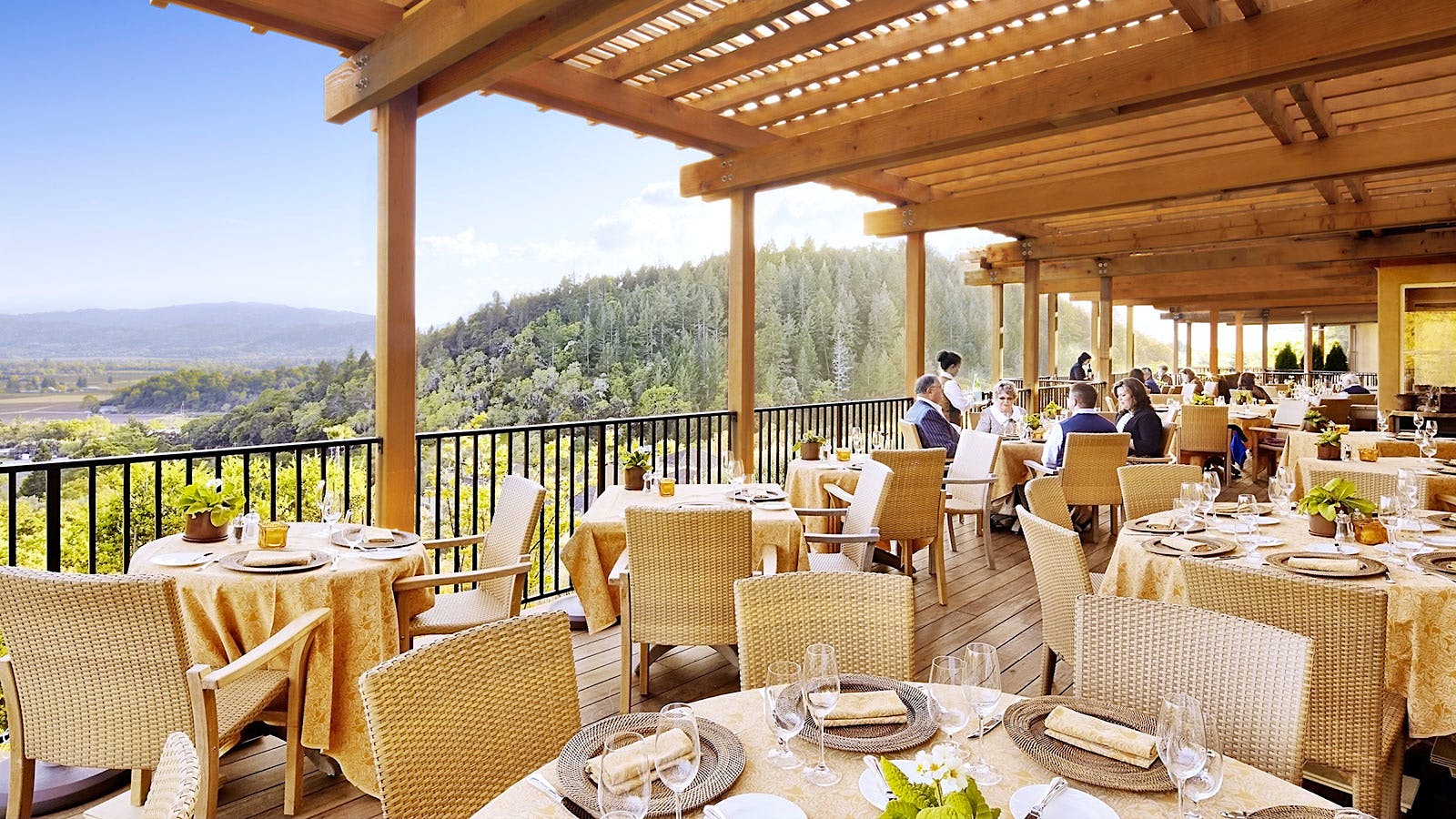
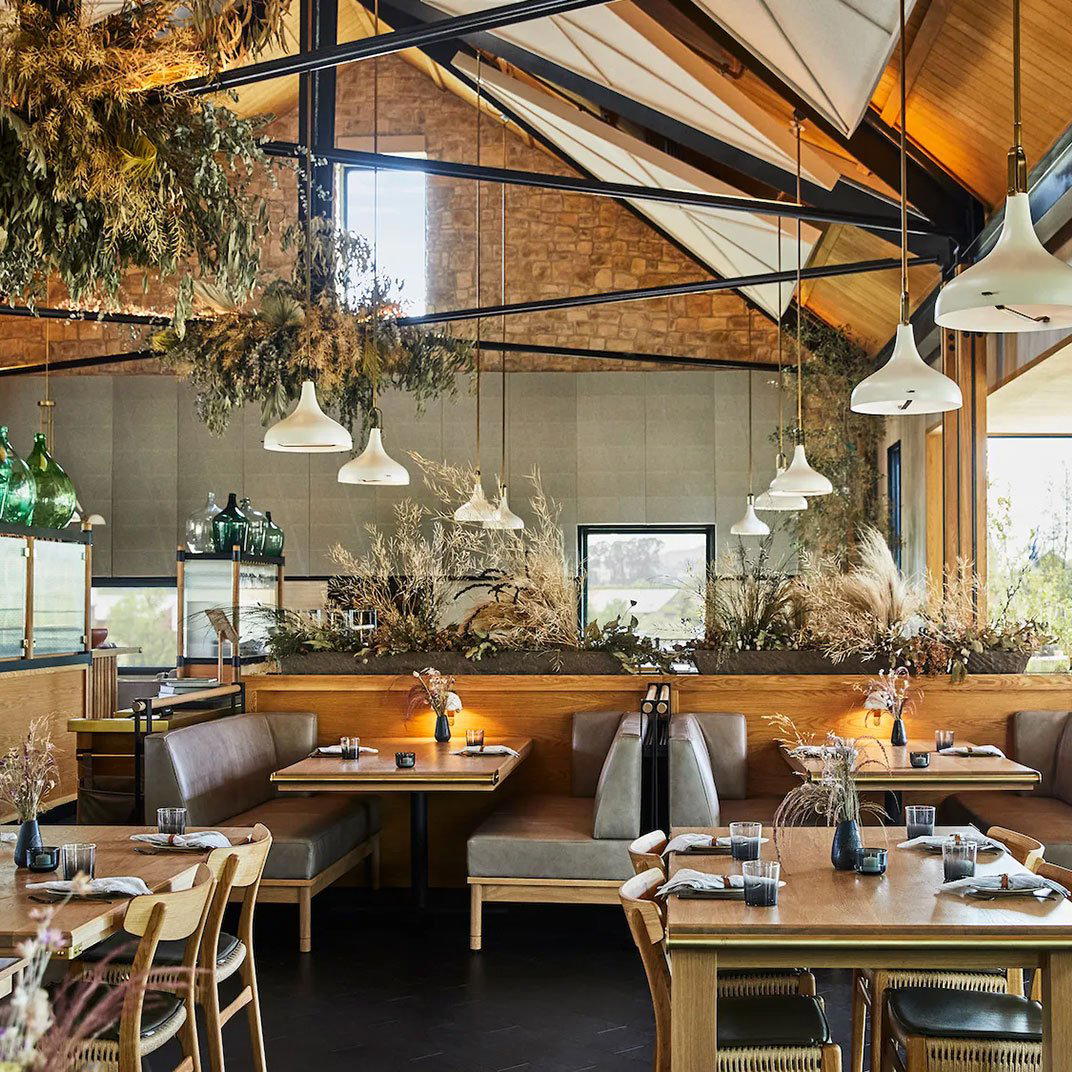
Bars in Napa
Browse all →
Hotels in Napa
Browse all →
At a Glance
- Intimate
- Rustic
- Scenic
- Elegant
- Hidden Gem
- Date Night
- Special Occasion
- Wine Cellar
- Historic Building
- Panoramic View
- Extensive Wine List
- Sommelier Led
- Local Sourcing
- Vineyard
- Mountain
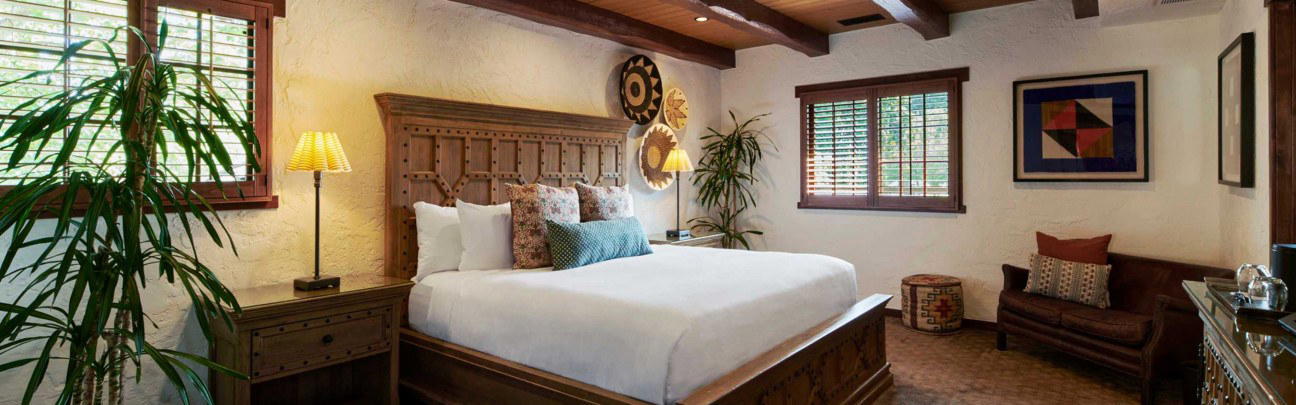
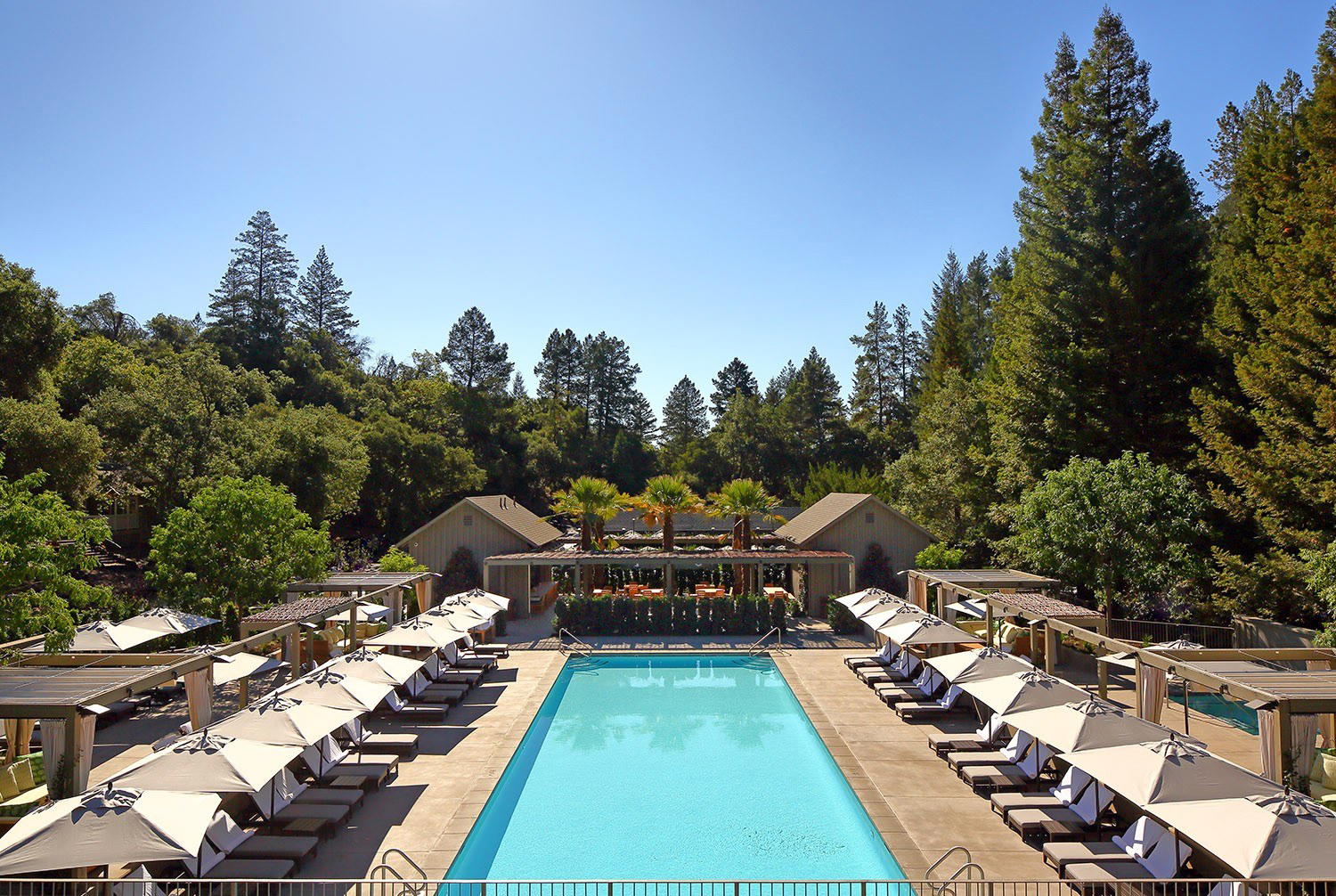
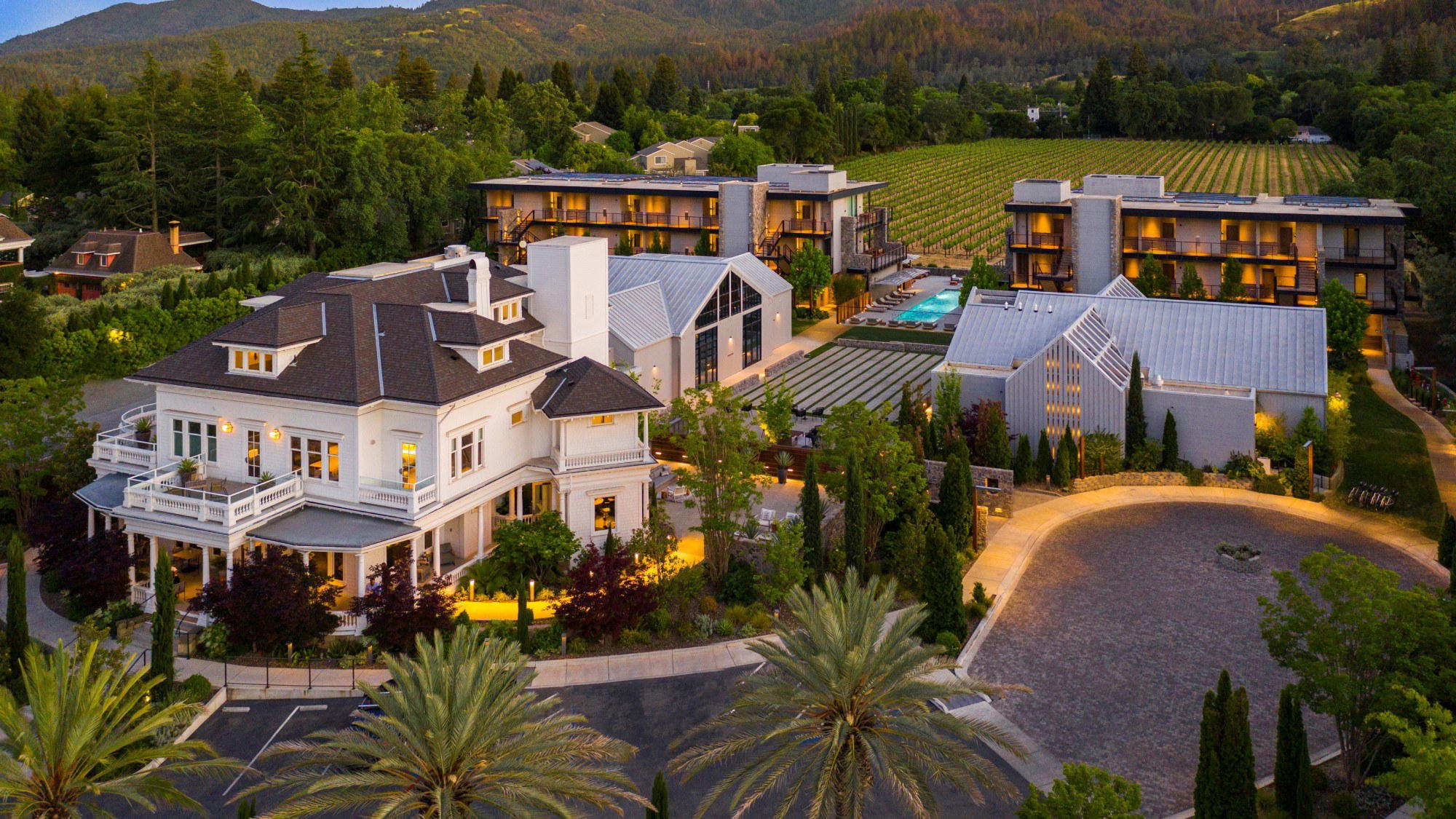
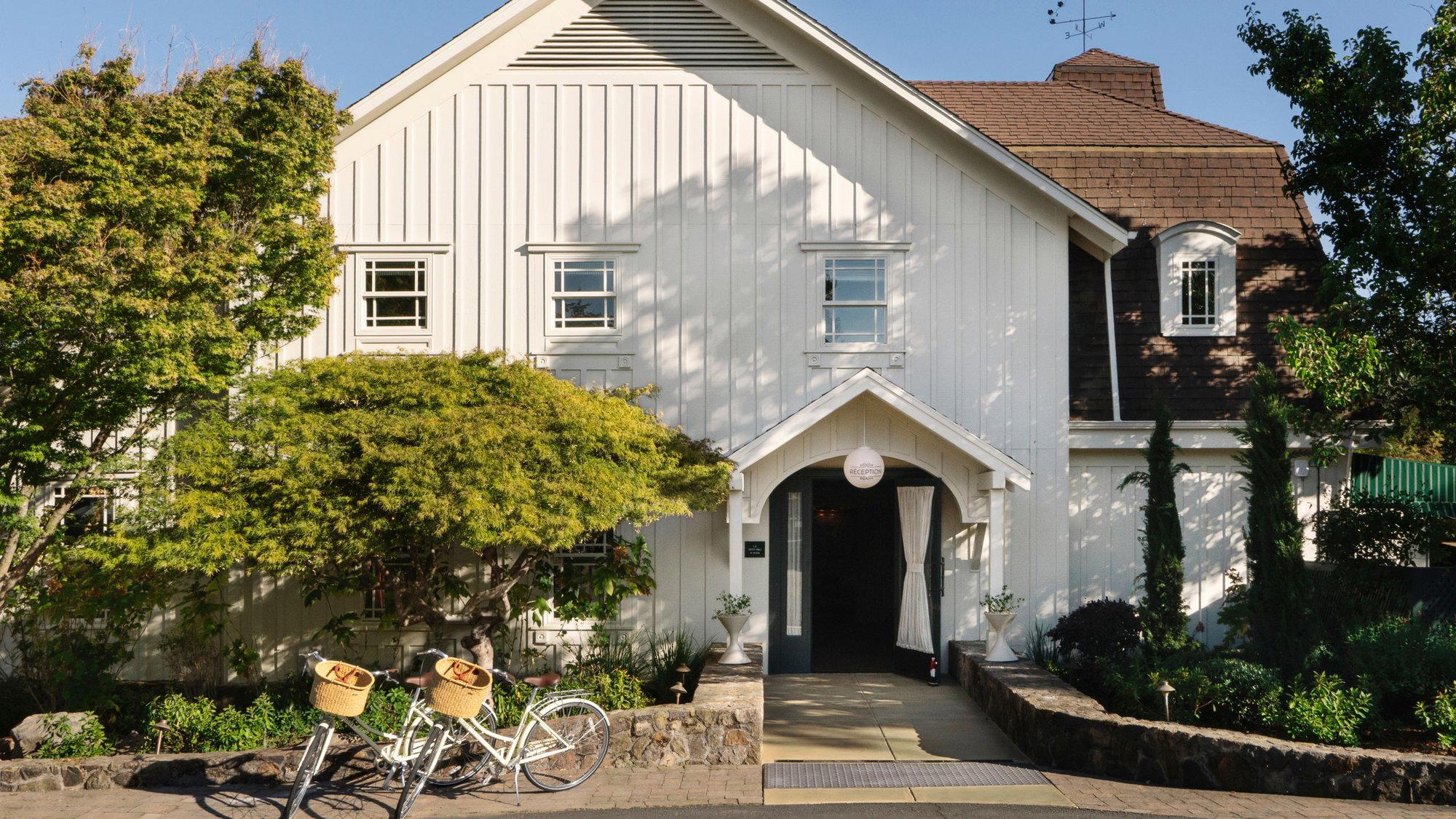
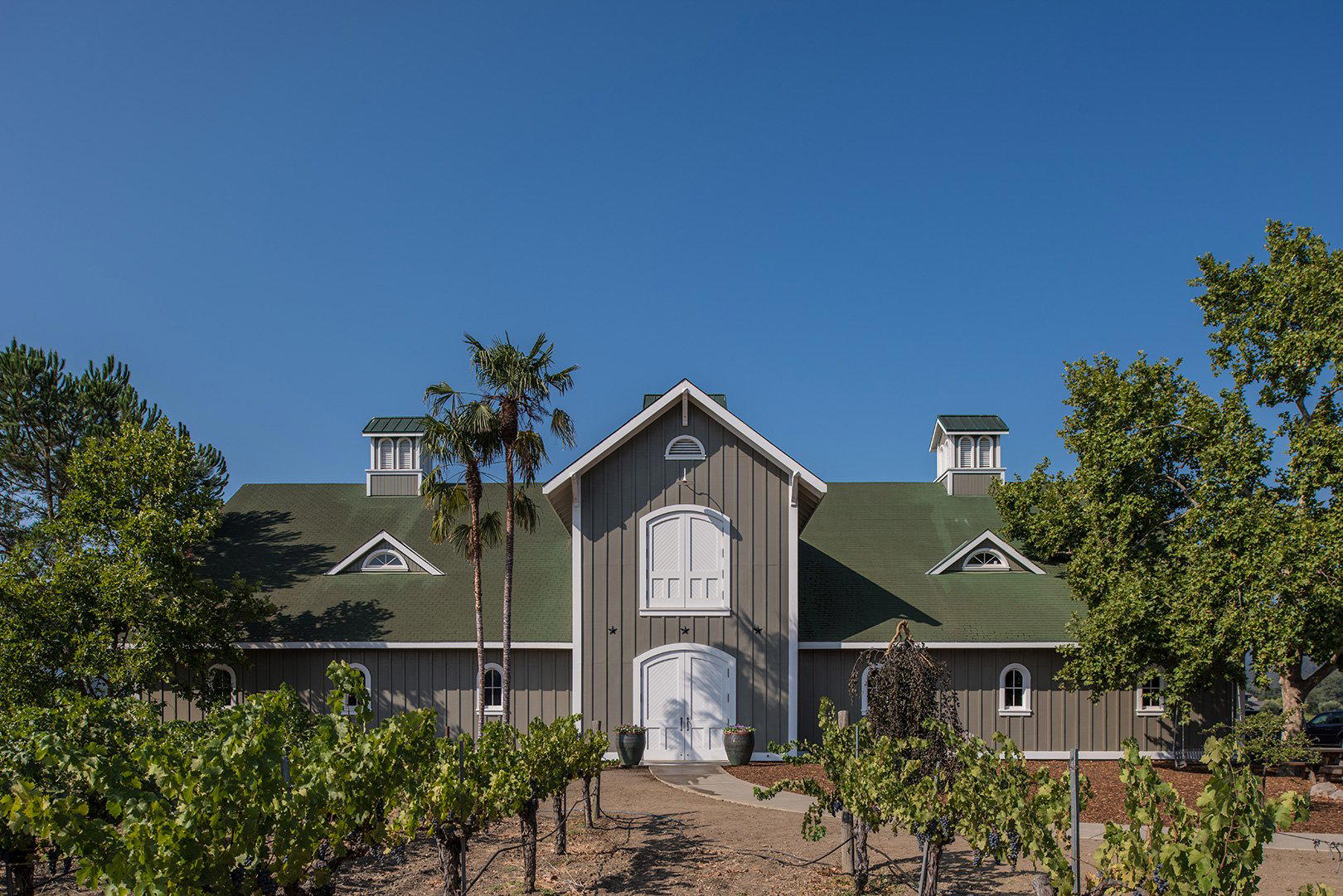
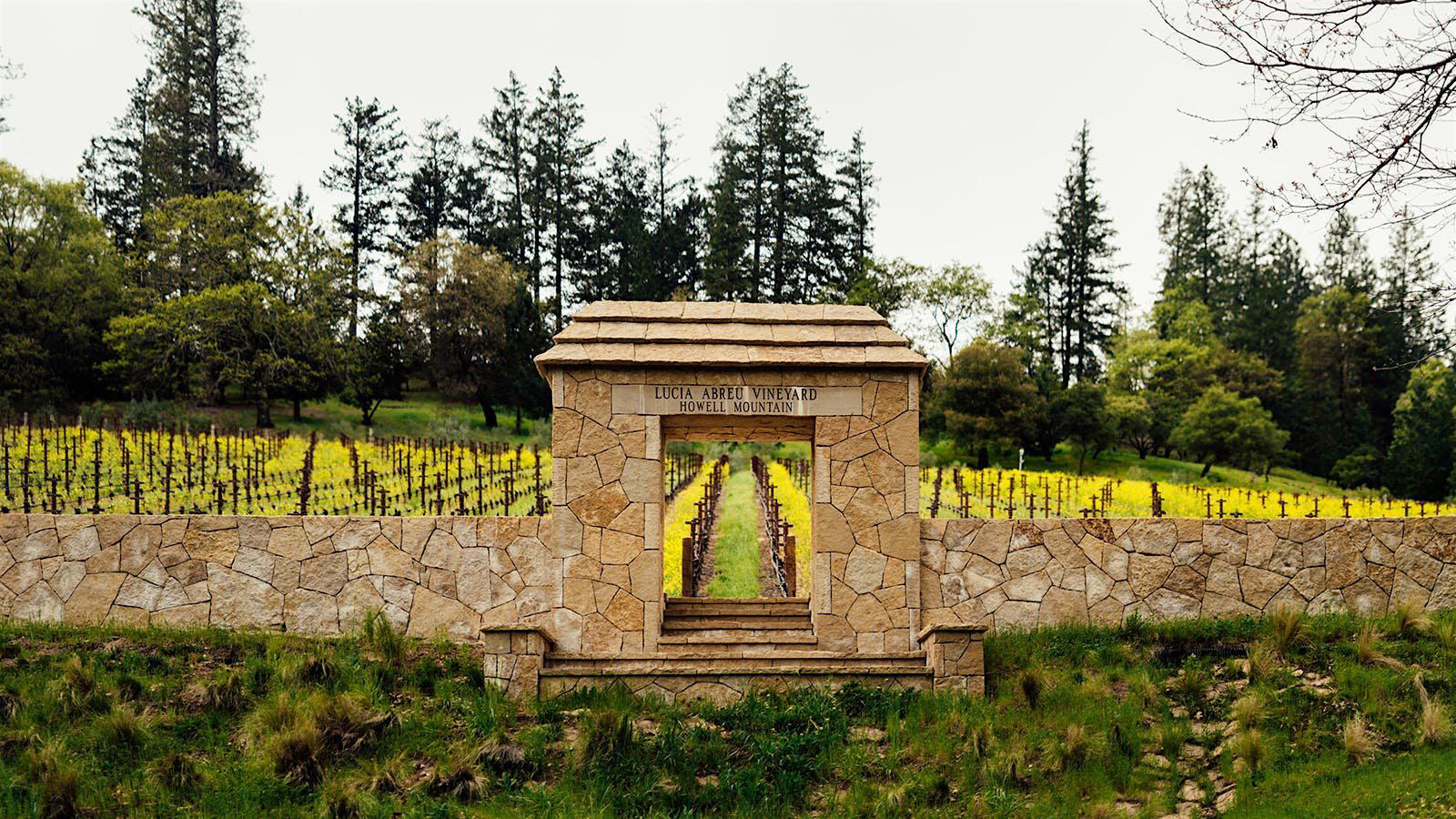
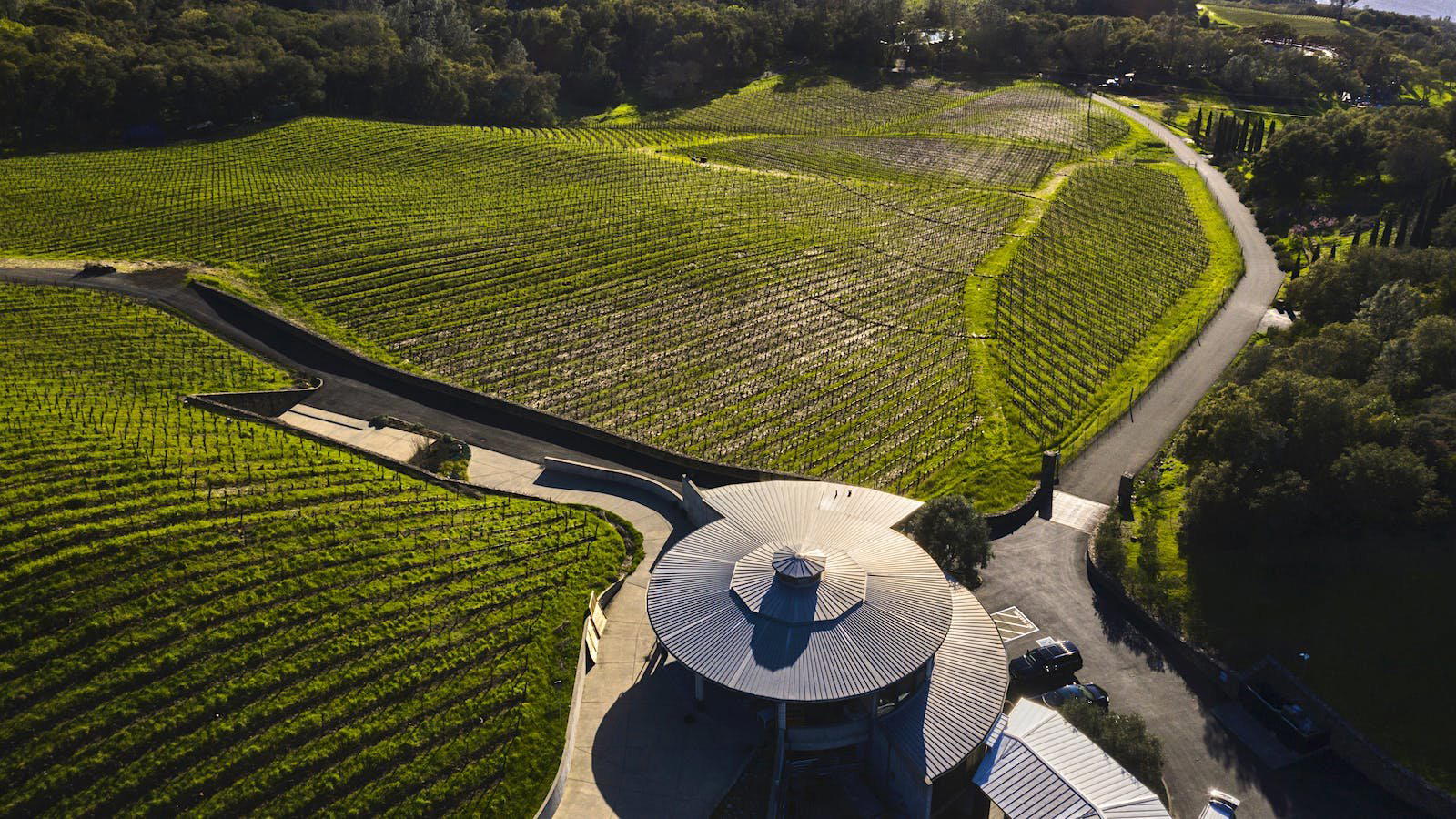
Intimate and serene with a workaday farm setting, offering a rare glimpse into traditional winemaking amid historic stone barns and underground caves.