Frog's Leap Winery
Frog's Leap Winery sits on Conn Creek Road in Rutherford, one of Napa Valley's most historically significant farming corridors. The winery has built its identity around dry-farmed viticulture at a time when water-intensive growing remains the valley norm, positioning it within a smaller cohort of producers whose agricultural commitments shape what ends up in the bottle. For visitors interested in how farming philosophy translates to wine character, Rutherford is the right postcode to start that conversation.
 Discover on Pearl
Pearl is the En Primeur Club membership app — saves, bookings, and concierge access live there. Same editors, same standards.
- Address
- 8815 Conn Creek Rd, Rutherford, CA 94573
- Phone
- +1 707 963 4704
- Website
- frogsleap.com
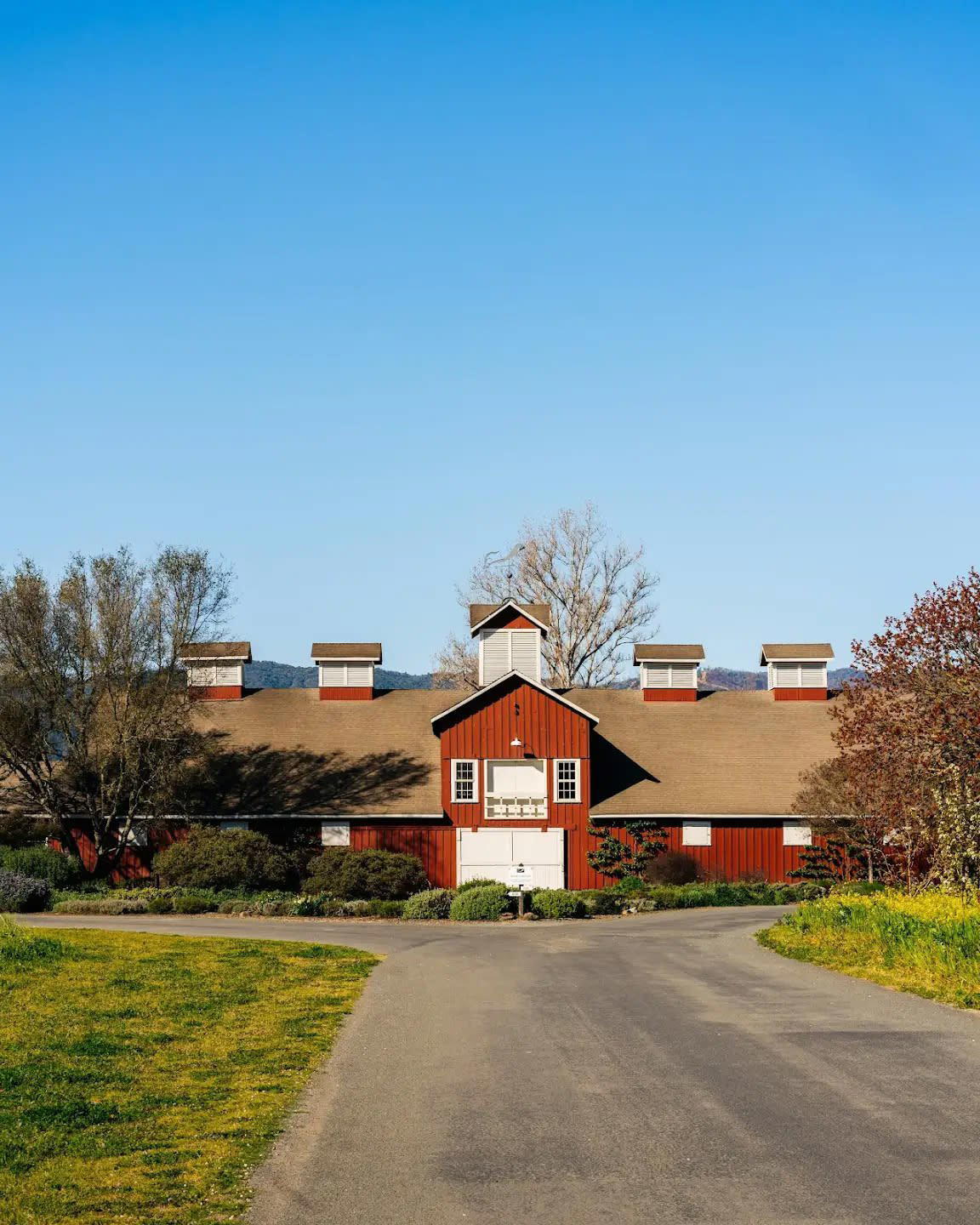
Rutherford, Dry Farming, and What the Land Actually Asks For
Conn Creek Road in Rutherford runs through one of Napa Valley's most argued-over sub-appellations. The Rutherford Bench, a fan of well-drained alluvial soils deposited by centuries of creek activity, has long been held up as the explanation for a particular dusty, grippy quality in the Cabernets grown here. Whether that argument holds up under blind tasting is a debate that wine writers have been having since the 1970s, but the producers who chose to plant along this corridor did so with a clear geological thesis in mind. Frog's Leap Winery is a California Wine Country Tasting Experience in Rutherford, California, at 8815 Conn Creek Rd, with a $125 per person price point and a 4.6 Google rating. It sits within that argument rather than above it.
What separates the Rutherford Bench tier from broader Napa Valley production is partly terroir and partly practice. The wineries that have earned sustained attention in this corridor tend to combine specific site advantages with growing decisions that amplify rather than override what the soil offers. Dry farming, the practice of growing vines without supplemental irrigation, is one such decision. In a valley where drip irrigation is nearly universal, choosing to withhold water forces vine roots deeper into the subsoil, a practice associated with lower yields and more concentrated, site-specific fruit. Frog's Leap has been publicly identified with this approach for decades, placing it among Napa producers whose agricultural commitments are inseparable from their wine identity.
How the Portfolio Is Structured, and What That Signals
Napa Valley wineries above a certain reputation threshold tend to organize their portfolios in one of two ways. The first is a Cabernet-dominant hierarchy where a flagship reserve anchors the range and everything else functions as a stepping stone toward it. The second is a variety-driven structure where the winery treats multiple grapes as genuinely separate conversations rather than supporting acts. The distinction matters because it tells you something about how the producer thinks about the land.
Frog's Leap has historically operated closer to the second model. The winery produces Sauvignon Blanc, Merlot, Zinfandel, and Cabernet Sauvignon alongside other varieties, and the Sauvignon Blanc in particular has received sustained attention from critics over the years. In a valley where white wine production is often treated as commercially necessary rather than philosophically interesting, committing serious agricultural resources to Sauvignon Blanc is a position. It suggests that the portfolio architecture here is organized around what the land supports rather than what the market most aggressively prices. That orientation places Frog's Leap in a different competitive conversation than, say, Caymus Vineyards, whose identity is built almost entirely around the premium Cabernet bracket.
Within the Napa County producer set, this multi-variety approach is more common among older estates that predate the valley's full pivot toward Cabernet supremacy in the late 1980s and early 1990s. Frog's Leap was established in that earlier period and has maintained a portfolio breadth that reads, at this point, as deliberate rather than inherited. For visitors approaching the winery as a tasting destination, this structure means the experience is about reading across varieties to understand what dry-farmed Rutherford fruit expresses in different grape contexts.
Placing Frog's Leap in the Napa Visitor Circuit
Napa County winery visits divide fairly cleanly into two formats. The first is the large-production estate with polished hospitality infrastructure: multiple tasting rooms, event spaces, restaurant partnerships, and ticketed experiences priced to reflect the capital investment. The second is the farm-scale producer where the visit is closer to an agricultural encounter, smaller in scale, quieter in presentation, and more dependent on the wines doing the talking. Frog's Leap, given its farming commitments and Rutherford address, sits closer to the second category.
That placement has implications for how you plan a day in the valley. If your itinerary is anchored around dining, the corridor between St. Helena and Yountville offers the highest concentration of serious restaurant options, including The French Laundry in Napa at the top of the formality scale and Boon Fly Café for a less formal midday stop. Winery visits pair logistically with restaurant bookings when you map them geographically rather than alphabetically. Rutherford sits roughly between Yountville to the south and St. Helena to the north, which makes Frog's Leap a natural stop on a north-south traverse of the valley floor.
For visitors who want to compare dry-farming and organic positioning across multiple producers in a single day, Kenefick Ranch Vineyard & Winery and Ashes & Diamonds Winery offer different but adjacent perspectives on Napa farming philosophy. Ashes & Diamonds in particular has drawn comparison to mid-century California wine culture and presents a design and hospitality sensibility that contrasts with more conventional estate formats.
Agricultural Commitment as Editorial Position
The broader American fine dining and wine circuit has been moving, for roughly a decade, toward a more explicit acknowledgment of farming as authorship. Restaurants like Blue Hill at Stone Barns in Tarrytown and Single Thread Farm in Healdsburg have built their entire identities around the argument that what happens in the field is more determinative than what happens in the kitchen. The same argument applies to wine, and the producers who made that bet early, before it became a marketing category, now occupy a different credibility position than those who adopted the language later.
Frog's Leap's dry-farming commitment predates the current wave of regenerative agriculture branding that has swept through the Napa Valley communications apparatus. That timing matters. It is one thing to adopt sustainable practices when they are commercially advantageous; it is another to have maintained them through periods when the market was indifferent or actively skeptical. The winery's position on Conn Creek Road reflects a set of agricultural decisions made before those decisions were fashionable.
For visitors who approach Napa with the same curiosity they might bring to dining at Lazy Bear in San Francisco or Providence in Los Angeles, Frog's Leap offers a legible version of the same conversation in wine form. The farm is the menu, and the varieties in the bottle are the courses.
Planning Your Visit
Frog's Leap is located at 8815 Conn Creek Rd, Rutherford, CA 94573. Advance reservations are recommended. Walk-in availability may be limited. Pairing a visit here with lunch at a nearby spot, whether Boon Fly Café or a more formal sit-down along the valley floor, is practical for a half-day in the Rutherford corridor.
Credentials Lens
Comparable venues nearby, for context on price, style, and recognition.
| Venue | Cuisine | Price | Awards | Notes |
|---|---|---|---|---|
| Frog's Leap WineryThis venue — the venue you are viewing | California Wine Country Tasting Experience | $$$ | , | |
| Matthiasson Winery | Wine Tasting Experience | $$$ | , | Oak Knoll District of Napa Valley |
| Seavey Vineyard | Estate Wine Tasting | $$$$ | , | Conn Valley |
| Caymus Vineyards | Wine Tasting | $$$$ | , | Rutherford |
| Bistro Don Giovanni | Traditional Italian Bistro | $$$ | Napa | |
| Raymond Vineyards | Seasonal California Fine Dining | $$$$ | , | St. Helena |
Continue exploring
More in Napa
Restaurants in Napa
Browse all →
Bars in Napa
Browse all →
Hotels in Napa
Browse all →
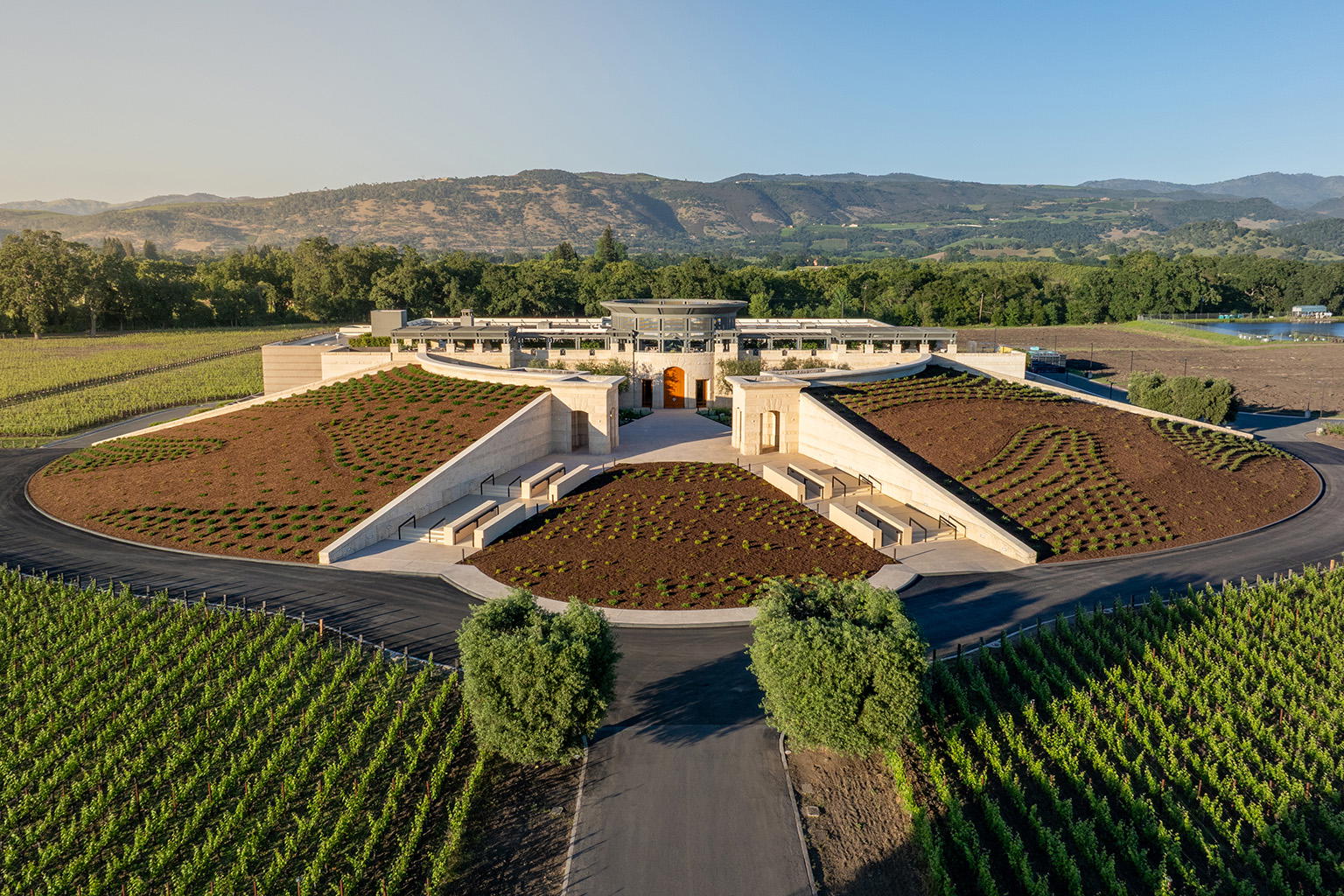
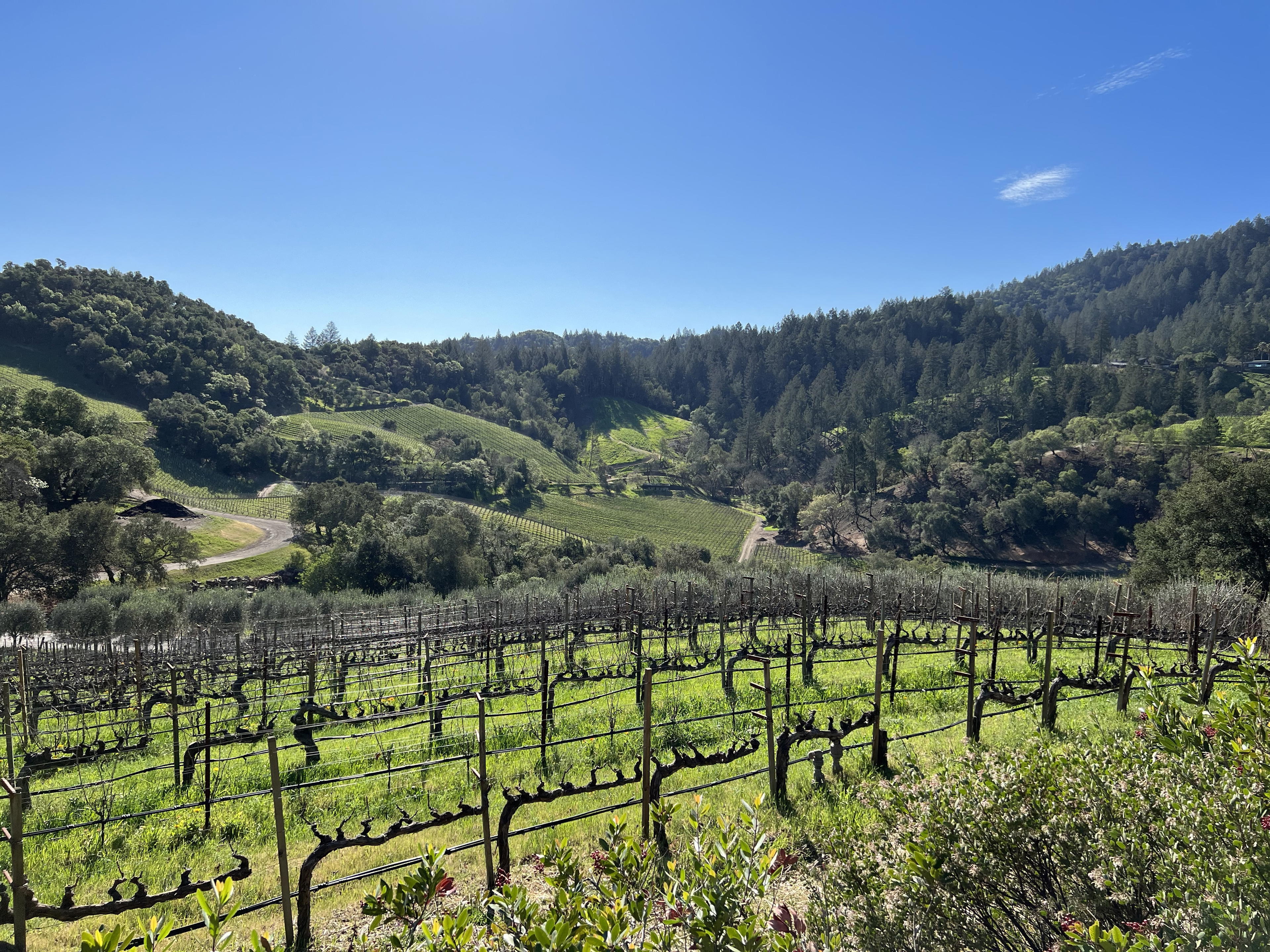
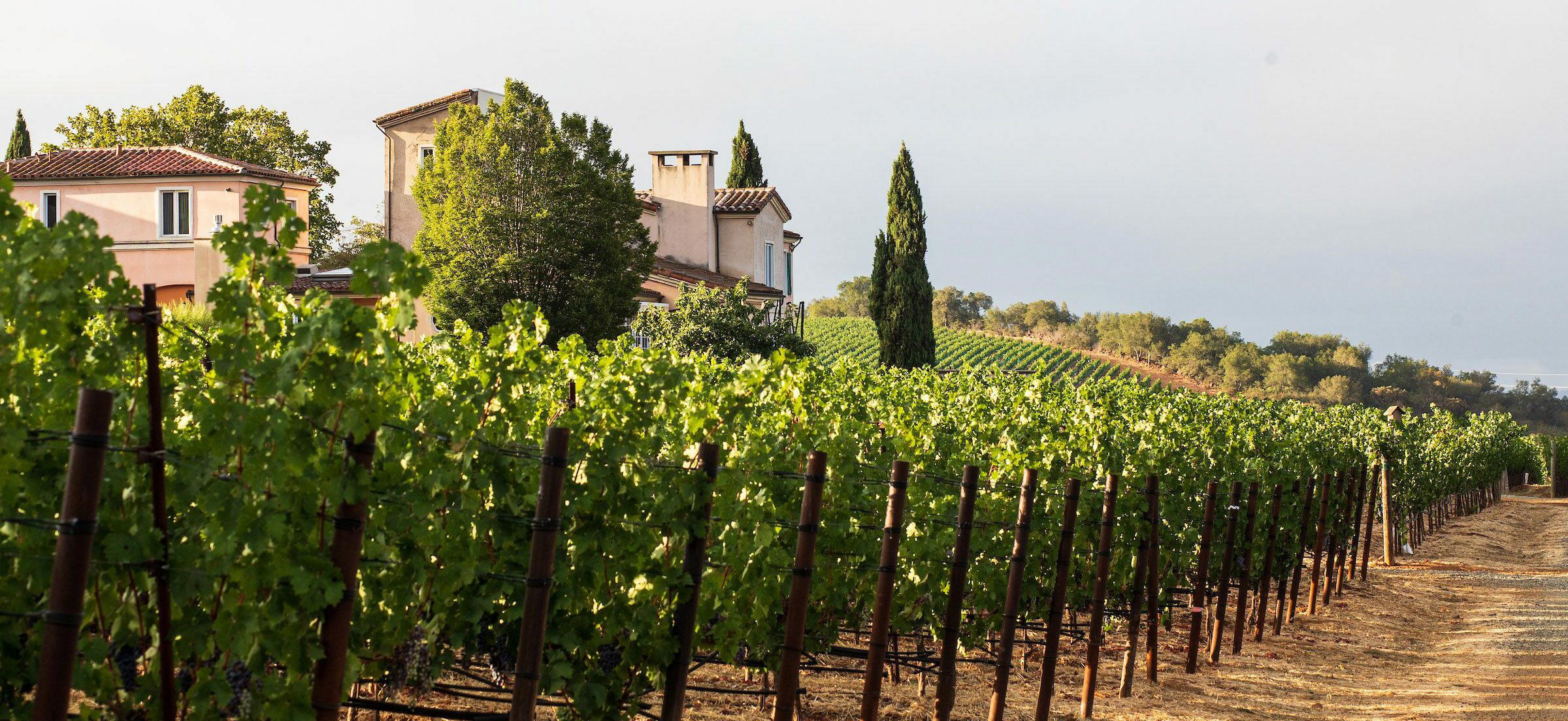
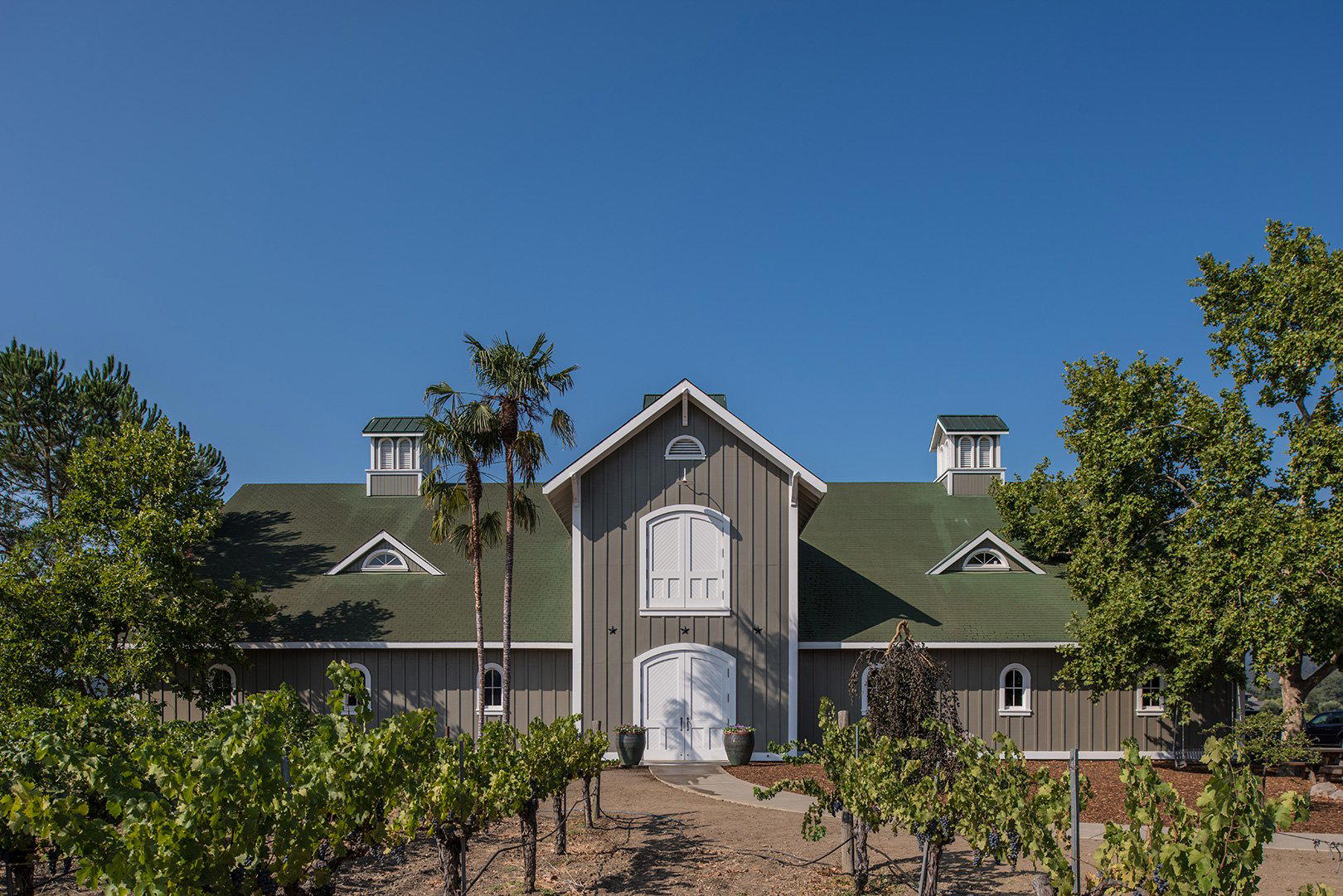
At a Glance
- Rustic
- Scenic
- Whimsical
- Sophisticated
- Intimate
- Date Night
- Group Dining
- Special Occasion
- Casual Hangout
- Garden
- Wine Cellar
- Terrace
- Standalone
- Extensive Wine List
- Sommelier Led
- Farm To Table
- Organic
- Biodynamic
- Vineyard
- Garden
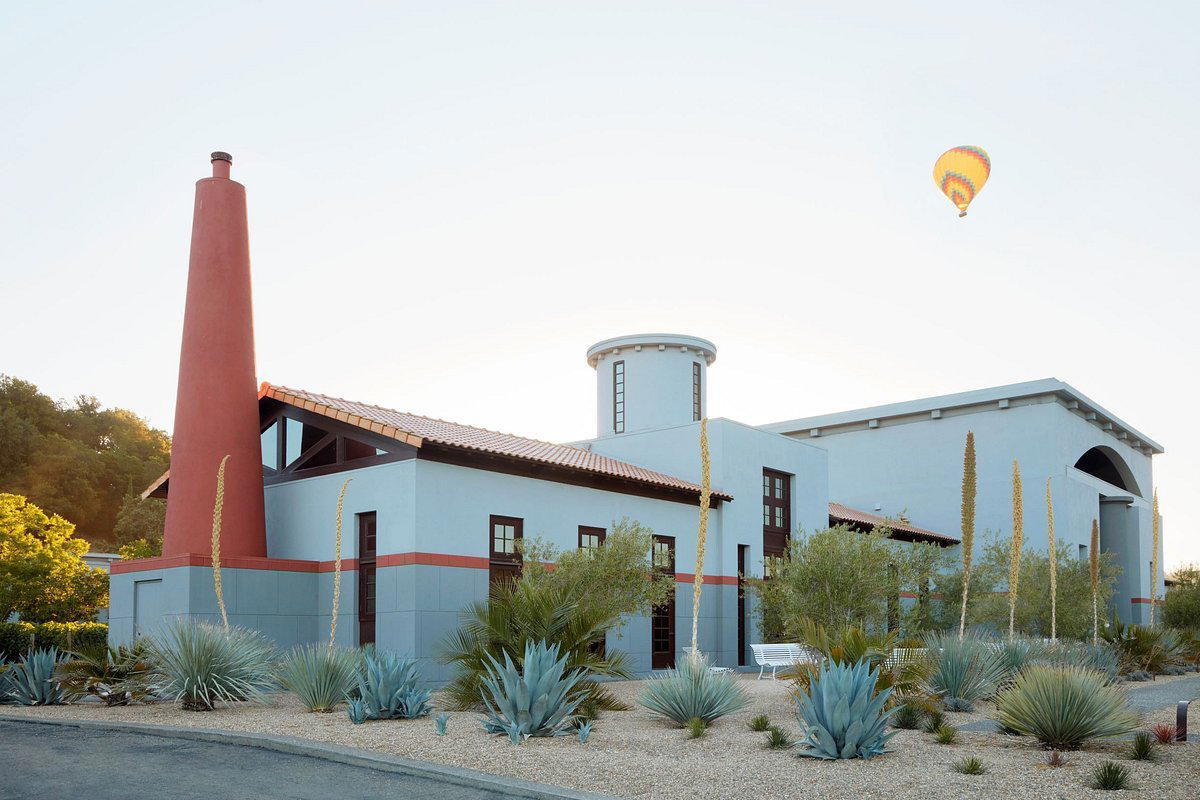
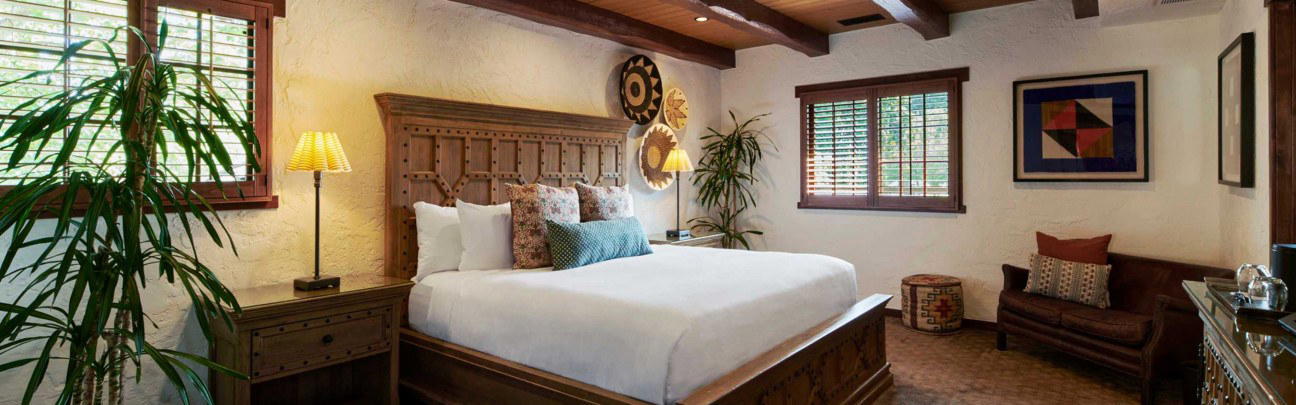
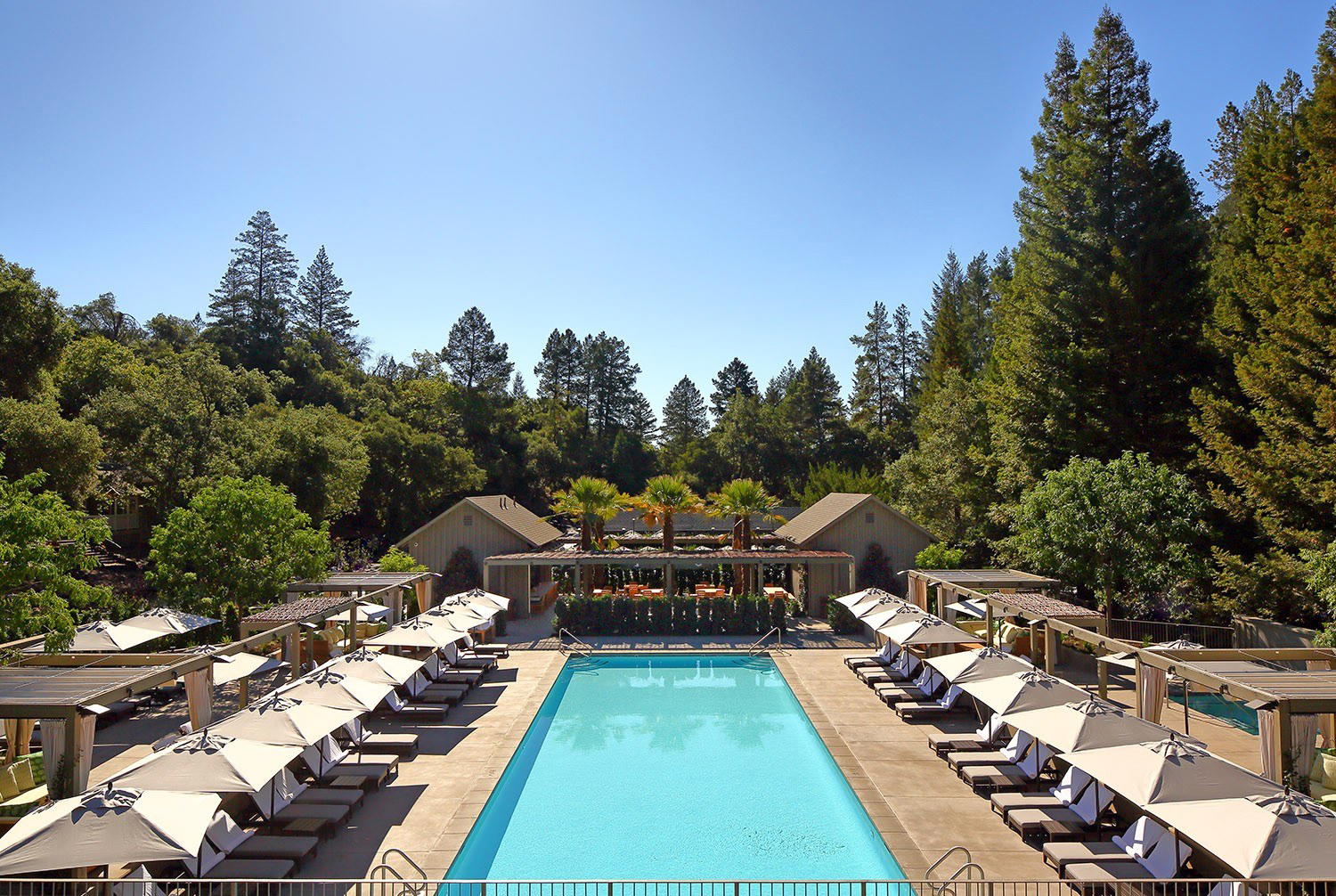
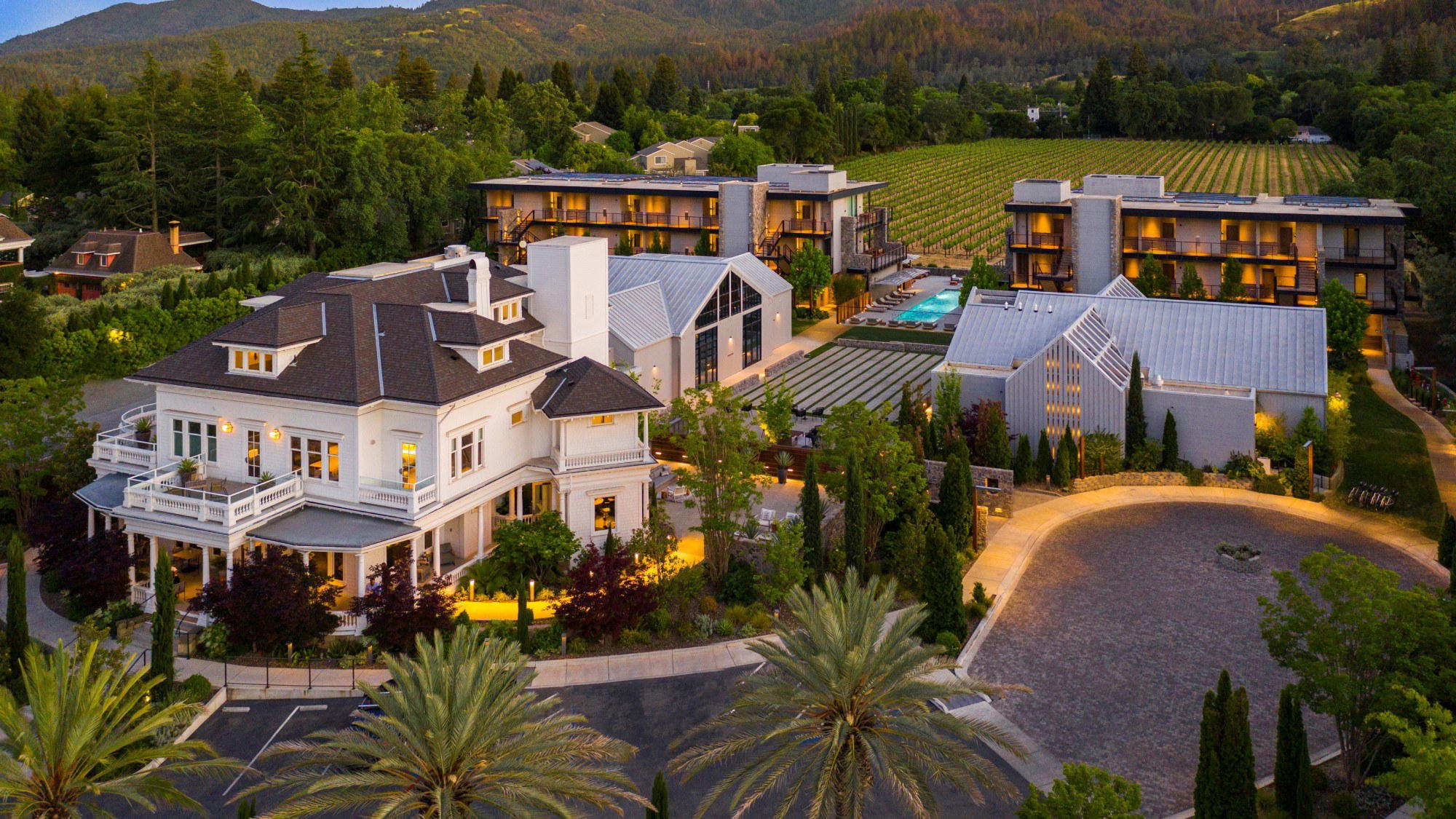
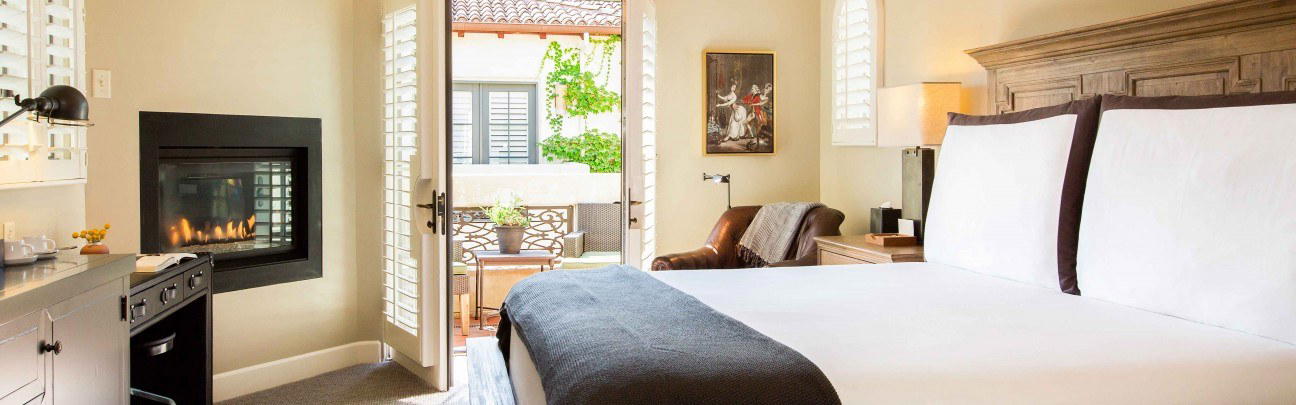
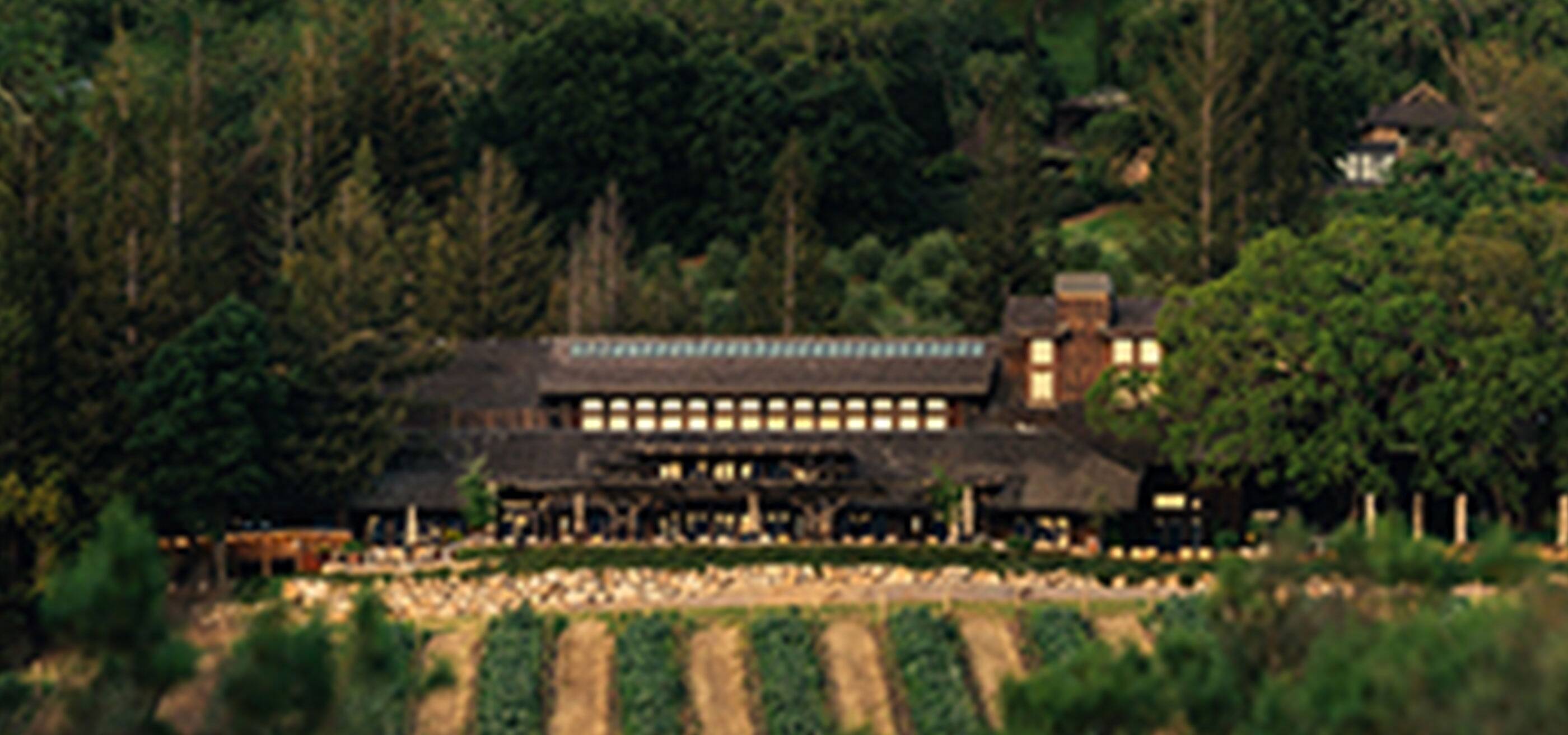
Down-to-earth farm setting with contemporary-meets-Mission-style architecture, cooled wraparound porch, lush gardens, and a welcoming, no-pressure atmosphere that feels intentional yet unpretentious.