Matthiasson Winery
Matthiasson Winery operates from Dry Creek Road in Napa County, producing wines that sit at a deliberate remove from the valley's dominant Cabernet culture. The project draws on farming-first principles and a collaborative approach to viticulture that positions it among a small cohort of Napa producers who reference European restraint over extraction. Contact the winery directly to confirm current visiting arrangements and allocation access.
 Discover on Pearl
Pearl is the En Primeur Club membership app — saves, bookings, and concierge access live there. Same editors, same standards.
- Address
- 3175 Dry Creek Rd, Napa, CA 94558
- Phone
- +1 707 637 4877
- Website
- matthiasson.com
Against the Grain in Napa Valley
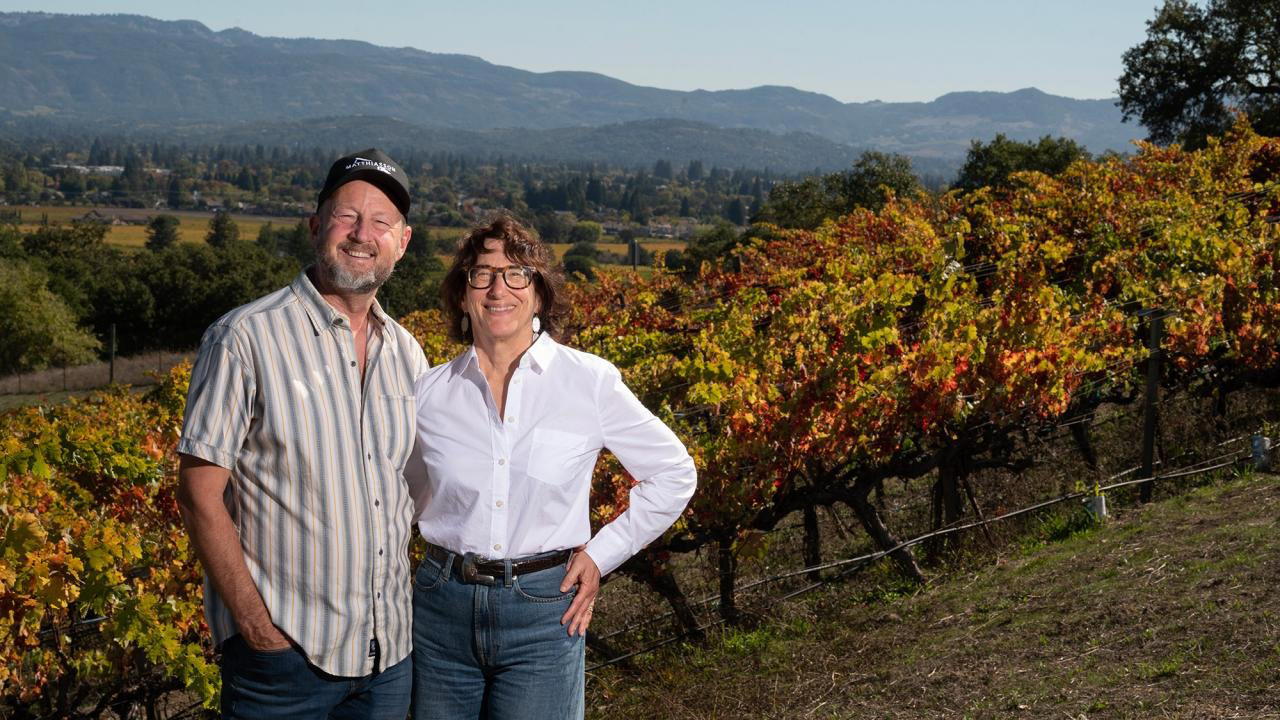
Napa County's wine identity has been shaped, for decades, by a gravitational pull toward Cabernet Sauvignon: rich, concentrated, allocated in small quantities and priced to signal prestige. That dominant mode has produced some of California's most documented wines, from the multi-generational programs at Caymus Vineyards to the architectural ambitions of Ashes & Diamonds Winery. But running parallel to that mainstream is a smaller, less visible current: producers who look to earlier Napa traditions, or outward to European farming models, and build programs around varieties and techniques that the valley's commercial center largely ignores. Matthiasson Winery, a Napa wine tasting experience at 3175 Dry Creek Rd, operates by appointment and belongs firmly to that second category.
The property sits in a part of the county that doesn't carry the marquee address value of Oakville or Rutherford. That is partly by design. Wineries oriented around farming discipline and varietal diversity tend to follow land quality and lease economics over postcode prestige, and the Dry Creek corridor in southern Napa offers exactly that kind of working-agricultural character. The approach separates Matthiasson from the tasting-room-as-destination model favored by larger valley operations, and it aligns the project instead with a cohort that includes places like Frog's Leap Winery, where the farming conversation is as central as the wine in the glass.
Where Matthiasson Sits in the Napa comparable set
Napa's premium segment has stratified significantly over the past fifteen years. At the leading, a small number of cult Cabernet producers command four-figure allocations and multi-year waiting lists. Below that, a mid-tier of estate-focused operations occupies a broad price band with consistent critical traction. Matthiasson operates in a distinct niche within that structure: a farming-centered, polyglot program that produces white wines and non-Cabernet reds alongside whatever Cabernet makes it into the range, in a county where white wine production is often treated as an afterthought or a commercial hedge rather than a serious focus.
That positioning places it in conversation with a handful of California producers who've drawn sustained attention from critics who cover European wine seriously. The reference points tend to be northern Italian or Burgundian in sensibility: wines made with restraint, lower alcohol profiles, and genuine cellar aging potential. In a county where the standard tasting note vocabulary runs toward dark fruit, plush tannins, and generous oak, that constitutes a meaningful departure. For visitors who've traveled the full range of Napa's offerings, from the French Laundry wine list's canonical Napa selections to the more eclectic pours at Brasswood Bar + Kitchen, Matthiasson reads as a corrective rather than a complement to the valley's mainstream identity.
The Collaborative Model Behind the Wines
The editorial angle on Matthiasson is, at its core, a story about how a small winery coordinates its different competencies across viticulture, winemaking, and hospitality to produce a coherent identity. In large Napa operations, those functions are often siloed: a farming team, a cellar team, and a separate visitor experience operation that may have limited connection to either. At smaller, farming-led properties, the overlap tends to be tighter and the communication more direct, which produces wines and visitor experiences that feel continuous rather than curated. That dynamic is visible across several of Napa's most-discussed smaller producers, and Matthiasson is one of the clearer examples of it operating at an identifiable scale.
The farming philosophy at properties like this one has downstream consequences for everything from harvest timing to the sensory character of the finished wine. When the farming and winemaking conversations happen in the same room, the result is typically wines that reflect site conditions rather than winemaker intervention, and visiting experiences that feel closer to working agriculture than to consumer hospitality. That is a different offer from the polished, service-heavy visitor programs at larger valley estates, and it appeals to a specific kind of wine drinker: someone already comfortable with European reference points and less interested in the theatrical side of Napa's tasting-room culture.
That orientation links Matthiasson, in spirit if not in geography, to the kind of producer-hospitality model you find at Single Thread Farm in Healdsburg, where farming and the visitor experience are treated as inseparable rather than complementary. It also connects, at a broader level, to the farm-to-table seriousness you find at places like Blue Hill at Stone Barns in Tarrytown, where the agricultural premise is not a marketing claim but a production reality.
The Wider Napa Context for This Kind of Producer
Understanding what Matthiasson represents requires some fluency with the county's broader arc. Napa's transformation from a modest agricultural district into one of the world's most commercially significant wine regions happened fast, compressed largely into the decades following the 1976 Judgment of Paris. The consequence is a valley that carries premium expectations at virtually every price point, where even entry-level production from recognized sub-appellations trades at multiples of what comparable European regions command. Within that context, producers who prioritize variety breadth, farming integrity, and stylistic restraint operate against a commercial headwind: the market rewards Napa Cabernet, and anything else requires a more deliberate consumer relationship to sustain.
Matthiasson uses an appointment-only model, with mailing list allocation access. That model suits wines built for aging: it places the bottles with drinkers who understand what they're buying and will hold them appropriately. It also creates the kind of loyal, repeat-purchase base that insulates a small producer from the volatility of wholesale markets. The comparison set here is less the big-volume Napa brands and more the allocation-driven, farming-centric operations scattered across the county, including those featured in our full Napa County restaurants and venues guide.
For visitors who want to eat well alongside a Matthiasson visit, the southern Napa corridor offers solid options. The Boon Fly Café at the Carneros Inn sits close enough to serve as a practical lunch stop, and the broader county's dining range, from Michelin-starred kitchens to producer-adjacent bistros, is documented across EP Club's coverage of properties like Lazy Bear in San Francisco, Providence in Los Angeles, and Addison in San Diego, all of which share the kind of serious wine program sensibility that makes Matthiasson wines a natural reference point.
Planning a Visit
Visits are by appointment only, and mailing list allocation access requires advance registration. Given the limited production scale typical of farming-led Napa operations, timing matters: reaching out several weeks ahead of an intended visit is advisable, and harvest season in September and October will reduce availability for visitor appointments. The Dry Creek Road address in the city of Napa places the property at the southern end of the county, which is more convenient from the Napa Oxbow area or the Carneros district than from the upper valley towns of St. Helena or Calistoga.
For context on what a visit to this kind of producer involves relative to the broader valley experience, EP Club's coverage of dining and wine programs in comparable registers, from Smyth in Chicago to Le Bernardin in New York City and Atomix in New York City, gives a sense of how farming-led hospitality translates across different formats and geographies. The common thread is intentionality: programs where the decisions made in production are visible in the experience, and where the visitor is expected to arrive with some prior investment in the subject.
Cost Snapshot
Comparable venues nearby, for context on price, style, and recognition.
| Venue | Cuisine | Price | Awards | Notes |
|---|---|---|---|---|
| Matthiasson WineryThis venue — the venue you are viewing | $$$ | , | ||
| Seavey Vineyard | Conn Valley, Estate Wine Tasting | $$$$ | , | |
| Frog's Leap Winery | $$$ | , | Rutherford, California Wine Country Tasting Experience | |
| Hilltop restaurant | Carneros, California Farm-to-Table | $$$ | , | |
| Angele | Downtown, French Bistro | $$$ | , | |
| Miminashi | downtown, Modern Japanese Izakaya | $$$ | , |
Continue exploring
More in Napa
Restaurants in Napa
Browse all →
Bars in Napa
Browse all →
Hotels in Napa
Browse all →

At a Glance
- Rustic
- Scenic
- Quiet
- Hidden Gem
- Elegant
- Intimate
- Special Occasion
- Casual Hangout
- Garden
- Standalone
- Panoramic View
- Natural Wine
- Sommelier Led
- Farm To Table
- Organic
- Biodynamic
- Sustainable Seafood
- Vineyard
- Mountain
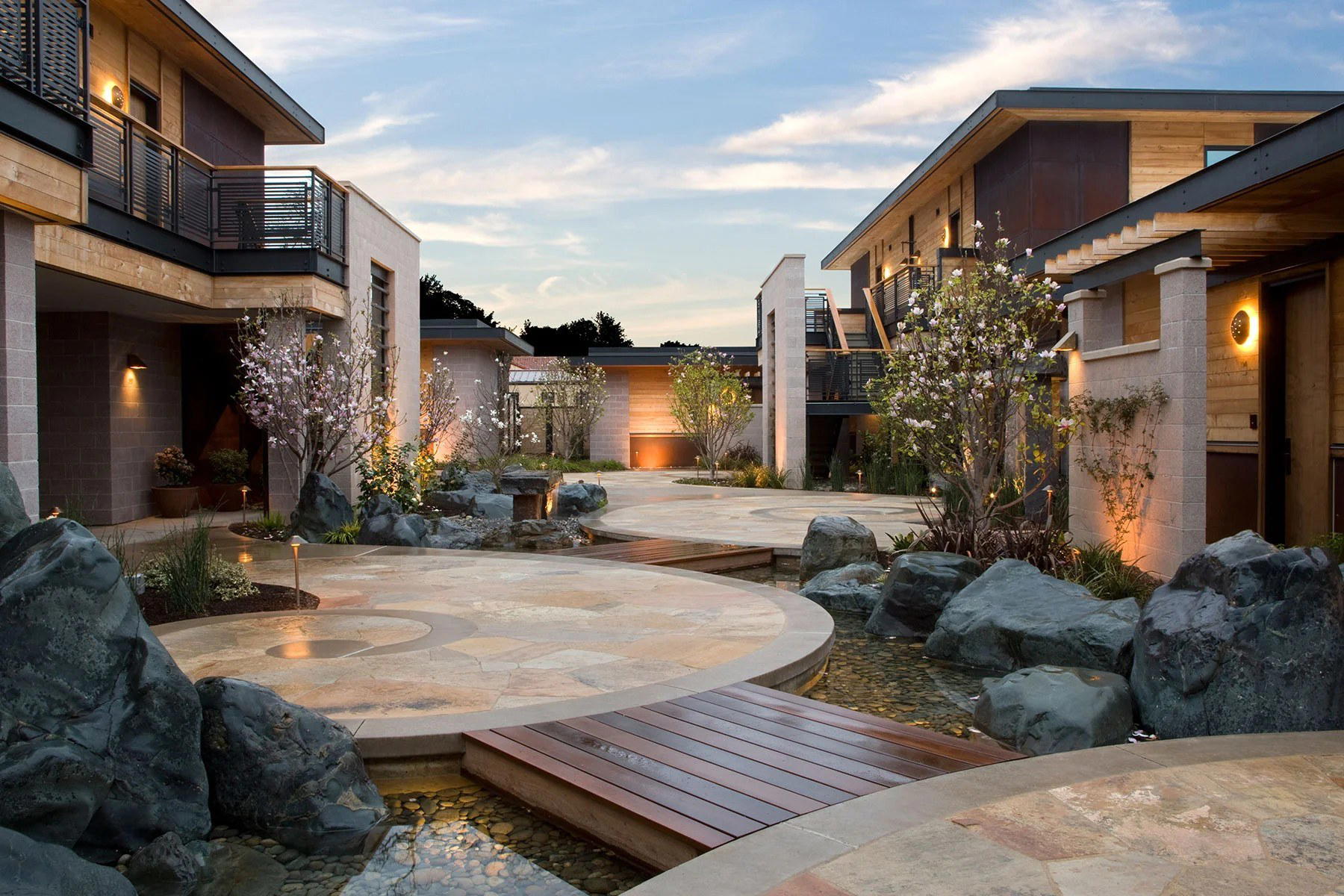
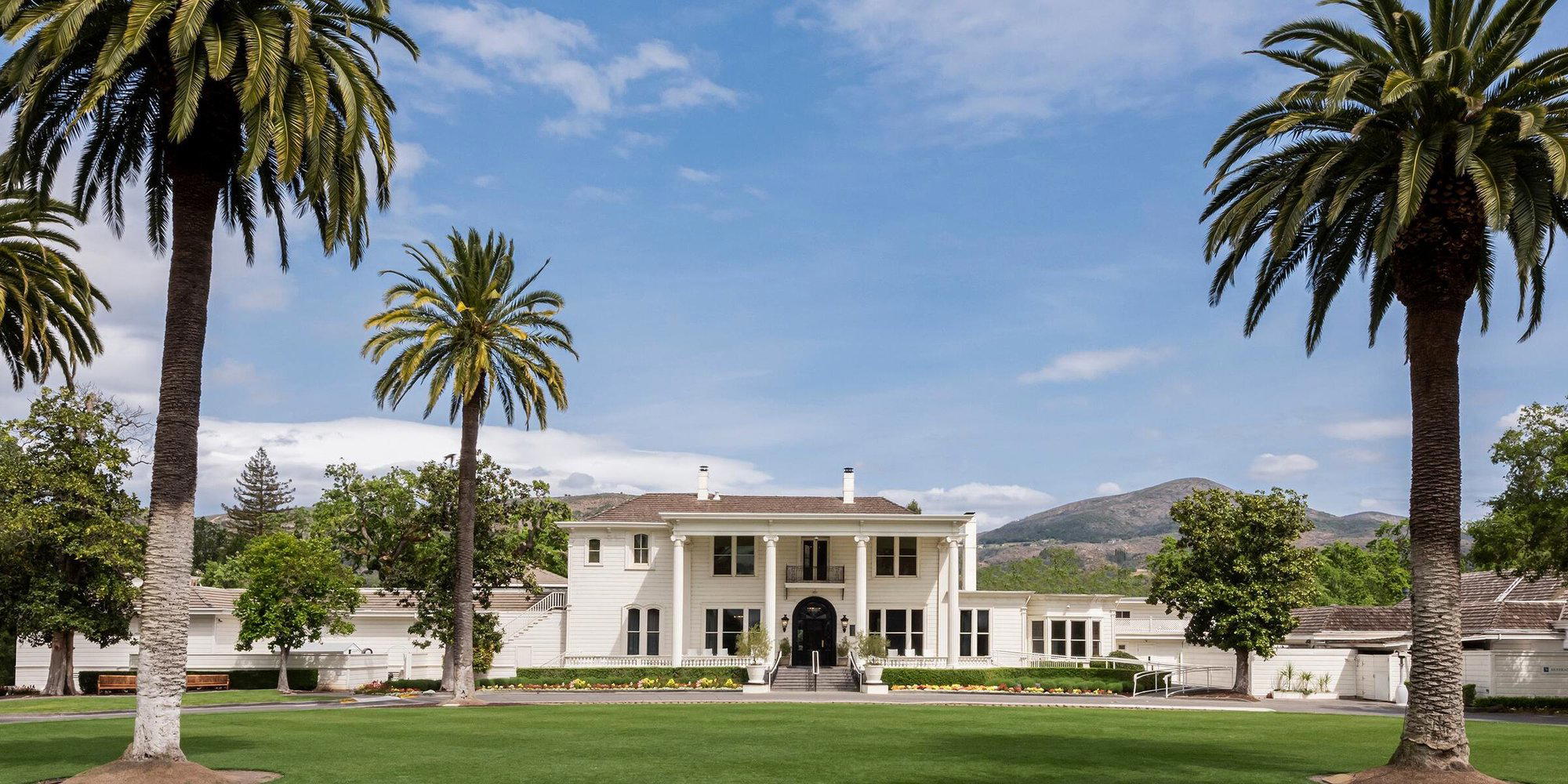
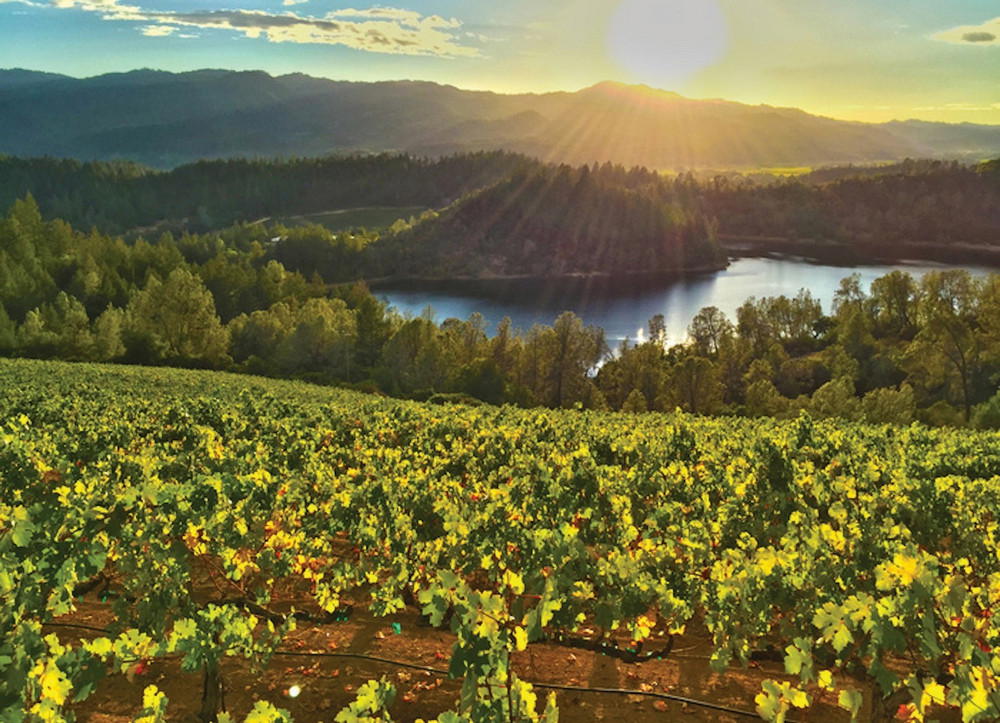
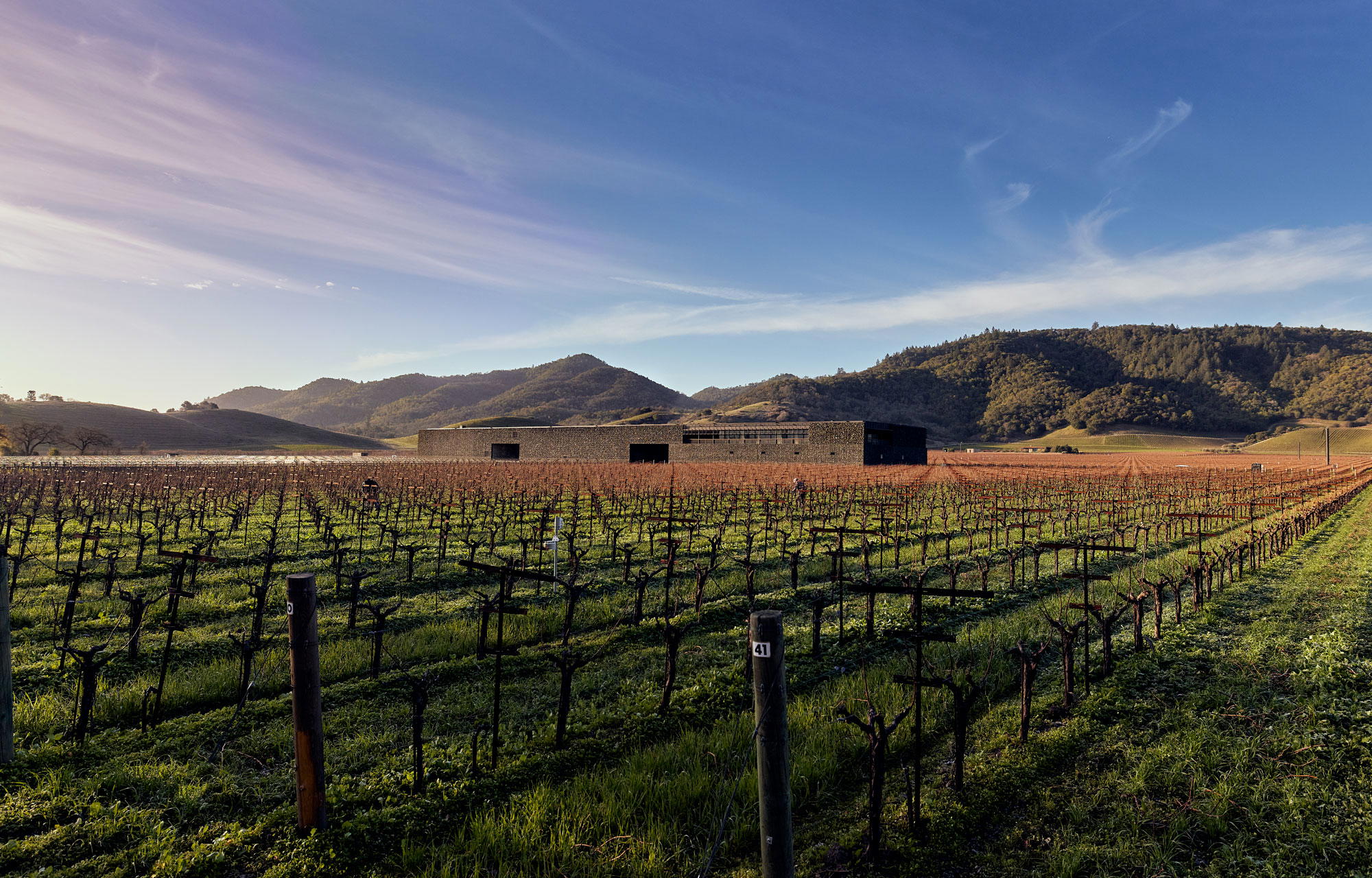
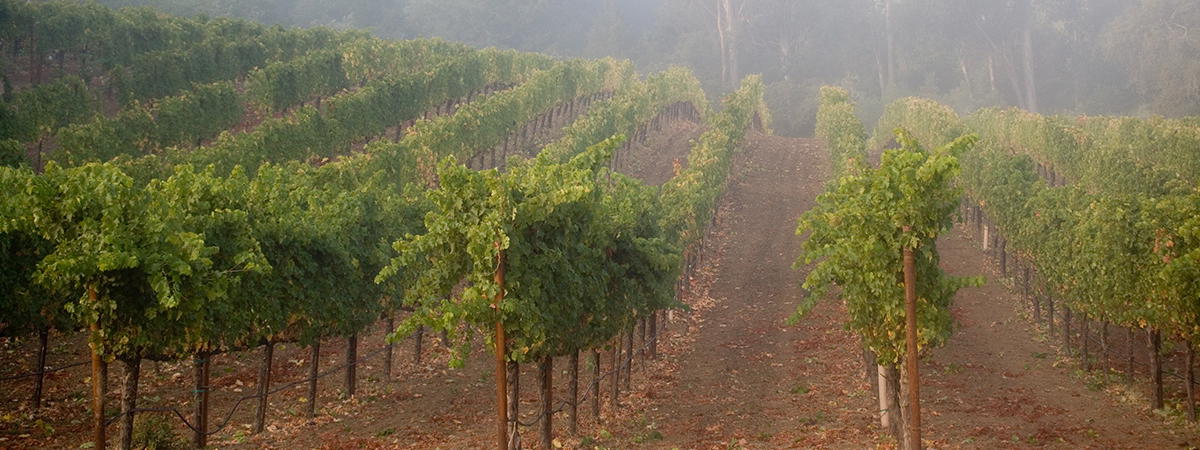
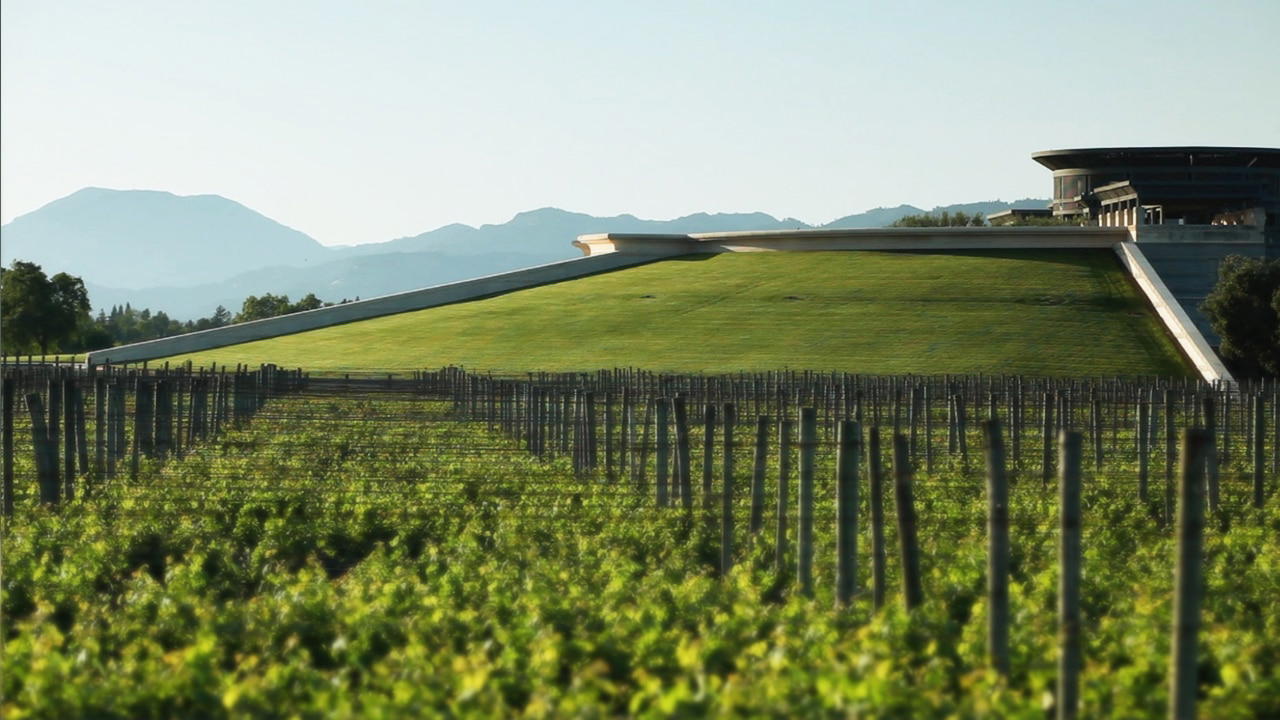
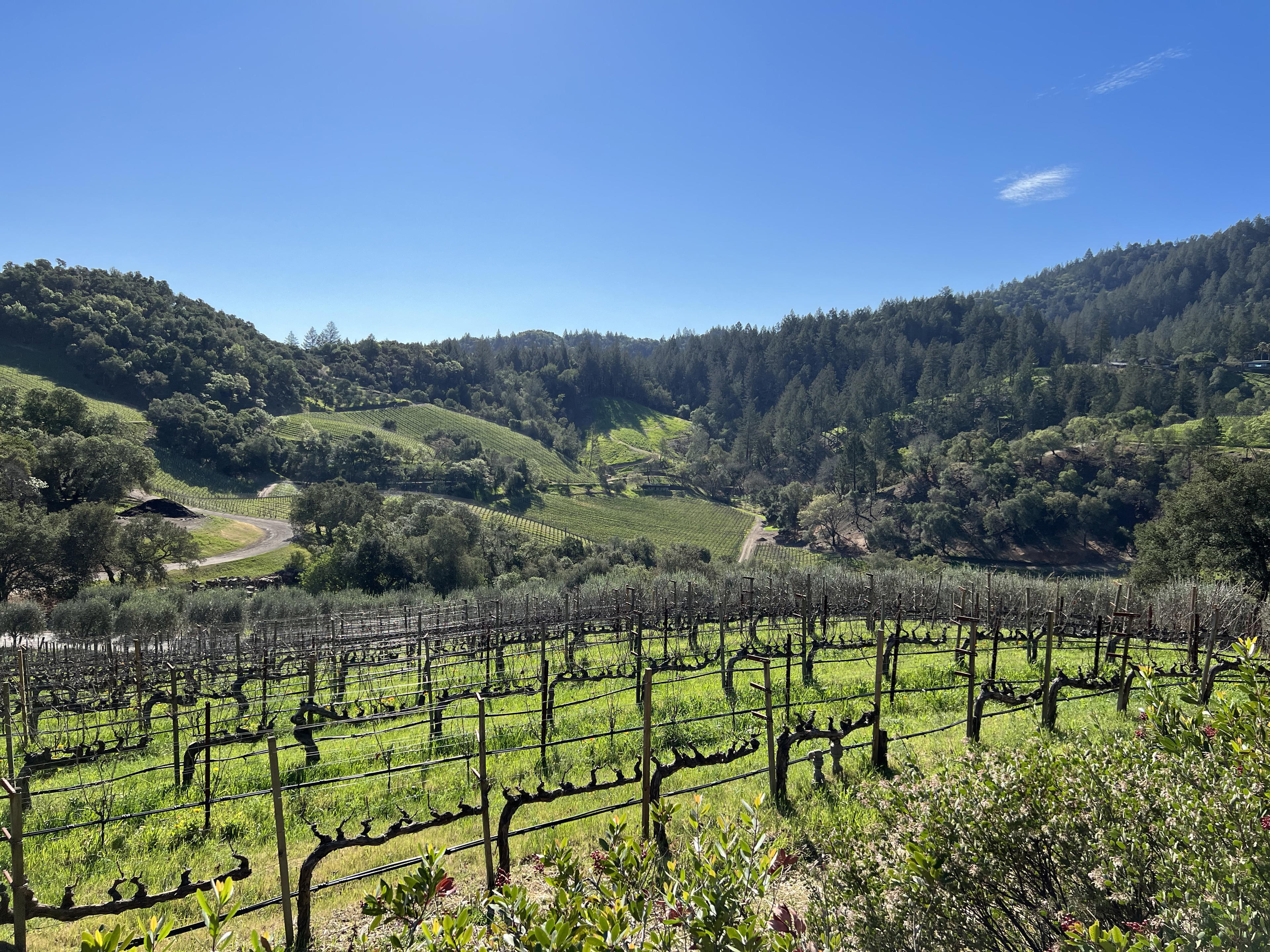
Outdoor vineyard setting with natural lighting, unpretentious and serene atmosphere overlooking Napa Valley, emphasizing connection to the land and farming heritage.