Celadon
Celadon occupies a ground-floor address on Main Street in downtown Napa, placing it at the center of one of California's most wine-saturated dining scenes. Its position in the city's mid-to-upper dining tier makes it a logical stop for visitors moving between the valley's bigger-ticket tasting rooms and the region's most rigorous restaurant kitchens. For the Napa dining circuit, it reads as a considered local option rather than a destination-in-itself.
Pearl is the En Primeur Club membership app — saves, bookings, and concierge access live there. Same editors, same standards.
- Address
- 500 Main St G, Napa, CA 94559
- Phone
- +1 707 254 9690
- Website
- celadonnapa.com
- Directions
- Get directions
 Saves & bookings on Pearl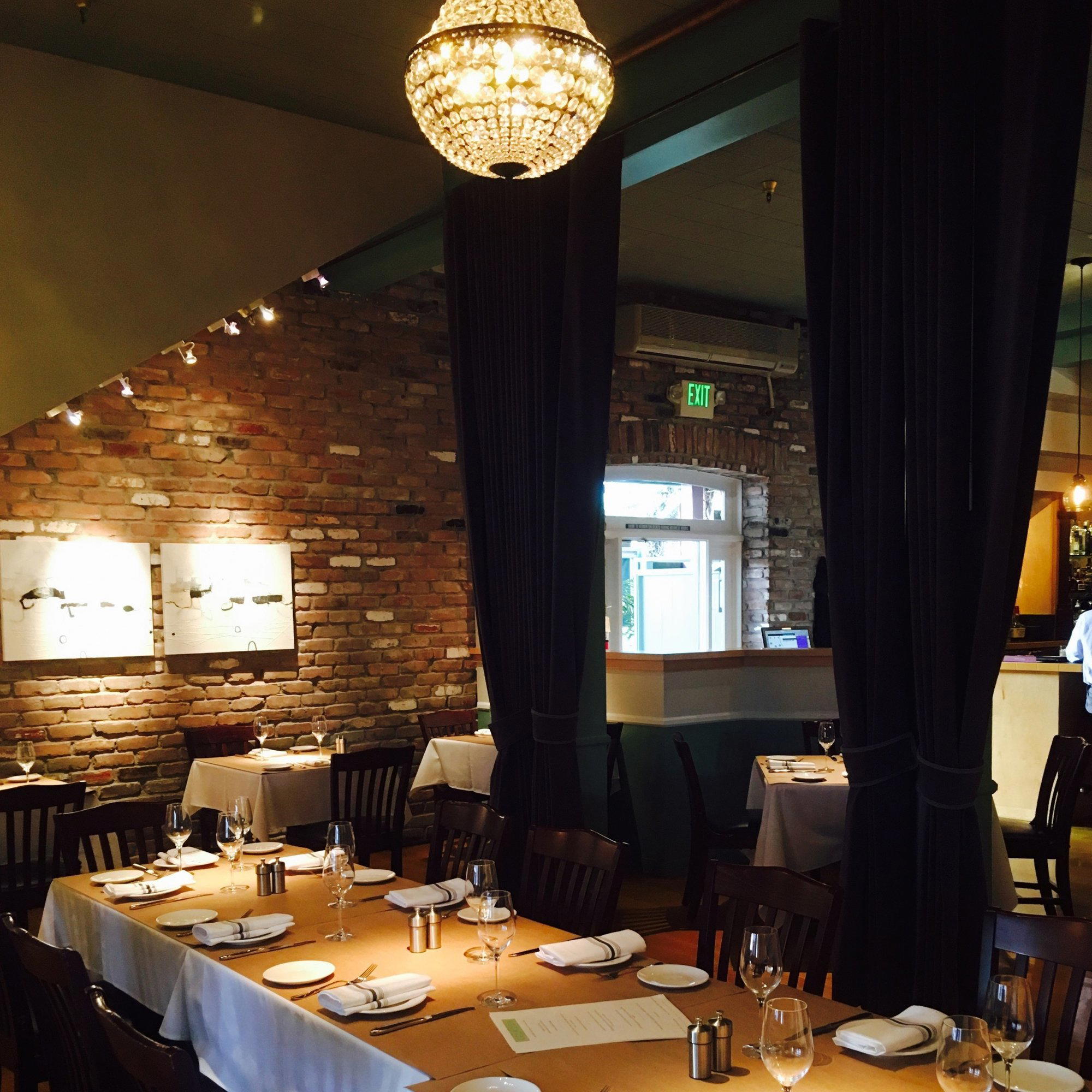
Downtown Napa and the Case for Sourcing-Led Dining
Main Street in downtown Napa has shifted considerably over the past decade. What was once a corridor of utilitarian storefronts serving winery workers and locals has become a stretch where serious restaurants sit alongside wine bars, craft producers, and visitor-oriented retail. The transformation reflects a broader pattern across American wine country towns: as winery tourism concentrates wealth and draws increasingly well-traveled visitors, the supporting restaurant infrastructure tends to sharpen in response. Celadon, at 500 Main St, is a Napa restaurant serving Global Comfort Food at the accessible end of the valley's dining circuit.
That location matters for understanding the restaurant's positioning. Downtown Napa now draws a different comparison set than the valley's famous highway corridor. Where the highway runs toward The French Laundry in Yountville and the terraced dining room of The Restaurant at Auberge du Soleil, the downtown core rewards a different kind of engagement with the valley's food culture. It's more accessible in format, closer to the residential and commercial rhythms of the city itself, and adjacent to the kind of everyday producers and market activity that makes farm-to-table claims credible rather than decorative.
The Sourcing Argument in California Wine Country
In Northern California, the argument for ingredient-led cooking is harder to fake than in most American cities. The agricultural density of Napa, Sonoma, and the surrounding counties means that any restaurant serious about provenance is genuinely close to its sources. Farms in the Carneros region, ranches along the northern valley floor, and fisheries accessible via the Bay Area supply chain give Napa restaurants a geographic advantage that destinations like Le Bernardin in New York City or Emeril's in New Orleans can approximate but not replicate. The proximity is structural, not aspirational.
This is the operating context for any Napa restaurant that anchors its identity around where the food comes from. Restaurants at the tier above, like Single Thread Farm in Healdsburg, have built vertically integrated sourcing operations where the farm is literally part of the business model. Others, like Blue Hill at Stone Barns in Tarrytown, have made provenance their defining editorial position over two decades. Celadon operates in a different bracket and at a different scale, but the logic is the same: in a region with this much agricultural infrastructure, ingredient sourcing is a credibility signal, not a marketing angle.
The broader pattern across farm-to-table-oriented restaurants in American wine country is that sourcing quality tends to track closely with kitchen ambition. When both are present, the result is a cooking style where seasonal variation drives the menu rather than decorates it. This is also the context in which Smyth in Chicago and Lazy Bear in San Francisco operate, though both sit in a higher-format, more tasting-menu-driven tier than a Main Street downtown address typically signals.
Napa's Mid-Tier Dining and Where Celadon Sits
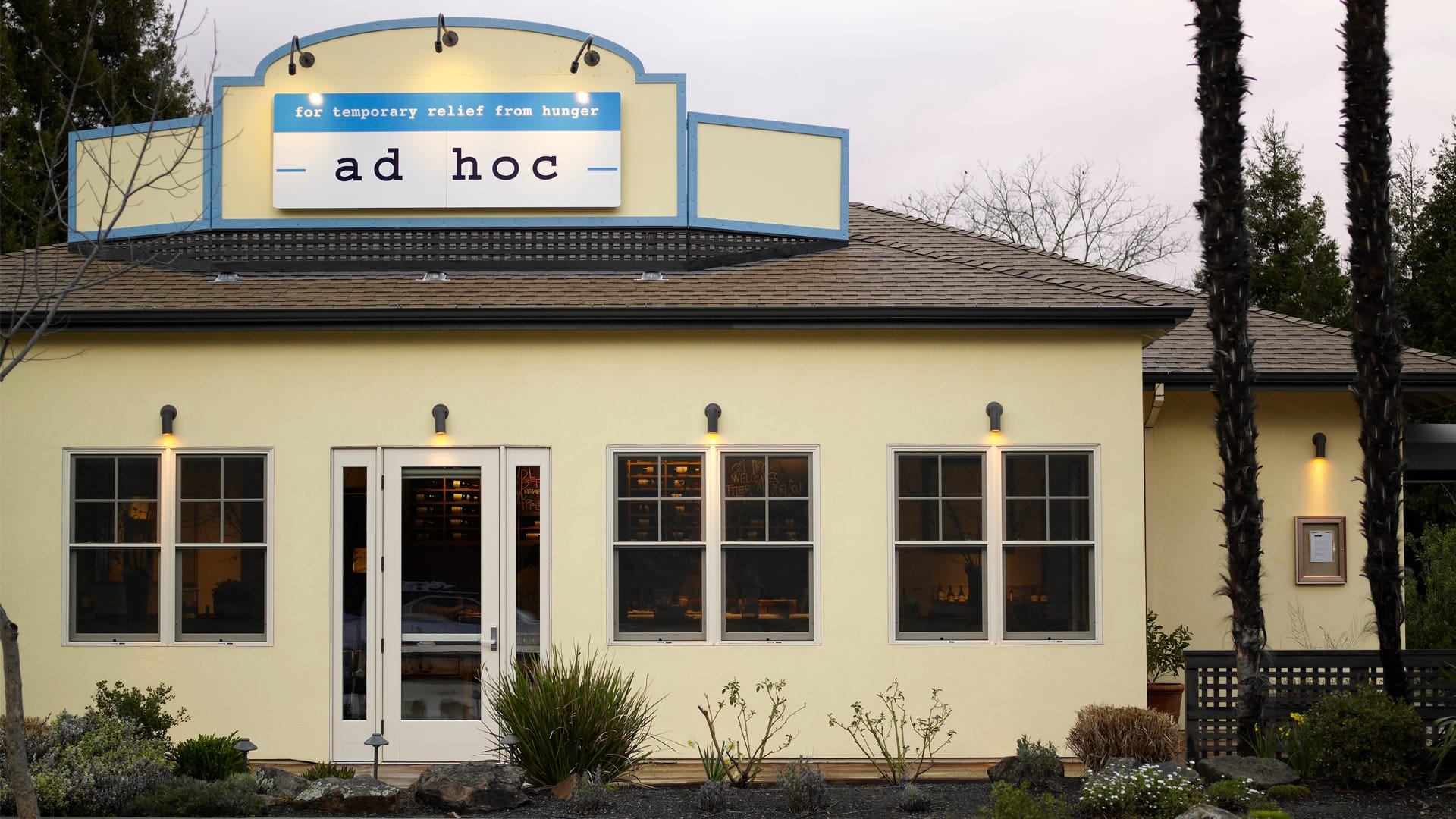
The Napa dining scene is frequently discussed through its extremes: the three-Michelin-star formality of The French Laundry, the wine-country luxury of Auberge, the Japanese counter precision of Kenzo. But the valley also sustains a substantial middle tier, where restaurants serve food that is technically attentive and locally sourced without the prix-fixe architecture or price points of the valley's leading bracket. Ad Hoc, Thomas Keller's family-style restaurant in Yountville, occupies one end of that range. Alexis Baking Company anchors the casual end of the downtown Napa market. Celadon sits somewhere in the band between those poles, in the zone where a visitor with serious food interests but no reservation at The French Laundry will typically land.
That middle tier has national equivalents worth noting. Frasca Food and Wine in Boulder operates in a comparable relationship to its wine-country-adjacent market. Addison in San Diego and Providence in Los Angeles sit at the higher end of the California fine-dining tier. The Inn at Little Washington in Virginia demonstrates how wine-country restaurant culture can anchor a destination town. In each case, the restaurant's relationship to its local agricultural and wine ecosystem is part of what defines its character.
What to Know Before You Go
Planning around Celadon is best approached within the context of a broader Napa itinerary. The downtown address at 500 Main St puts it within walking distance of the main visitor corridor and the Oxbow Public Market, which is itself a useful orientation point for understanding the valley's local producer scene. The Napa valley's dining calendar is shaped significantly by harvest season, roughly September through October, when the valley is at its most active and tables at most restaurants tighten up across the board. For visitors arriving outside harvest, booking pressure is generally lighter across the downtown tier, though the weekend-versus-weekday gap is consistent year-round in a market this dependent on drive-in tourism from the Bay Area.
Travelers interested in the sourcing-led end of the California dining spectrum should also look at Atomix in New York City and Atelier Moessmer Norbert Niederkofler in Brunico for comparison points on how ingredient provenance functions as a formal organizing principle at the highest tier of international dining.
A Quick Peer Check
Comparable venues nearby, for context on price, style, and recognition.
| Venue | Cuisine | Price | Notes |
|---|---|---|---|
| CeladonThis venue — the venue you are viewing | Global Comfort Food | $$$ | Not listed |
| Boon Fly Cafe | Modern Rustic American | $$ | Carneros |
| Oakville Grocery | American Deli & Gourmet Market | $$ | Oakville |
| Bear | Modern American Grill with Global Influences | $$$$ | Carneros |
| Bounty Hunter | Smoked BBQ & Wine Bar | $$ | Downtown Napa |
| Blue Note Napa | Gourmet Farm-to-Table with French Influences | $$$ | Downtown Napa |
Continue exploring
More in Napa
Restaurants in Napa
Browse all →
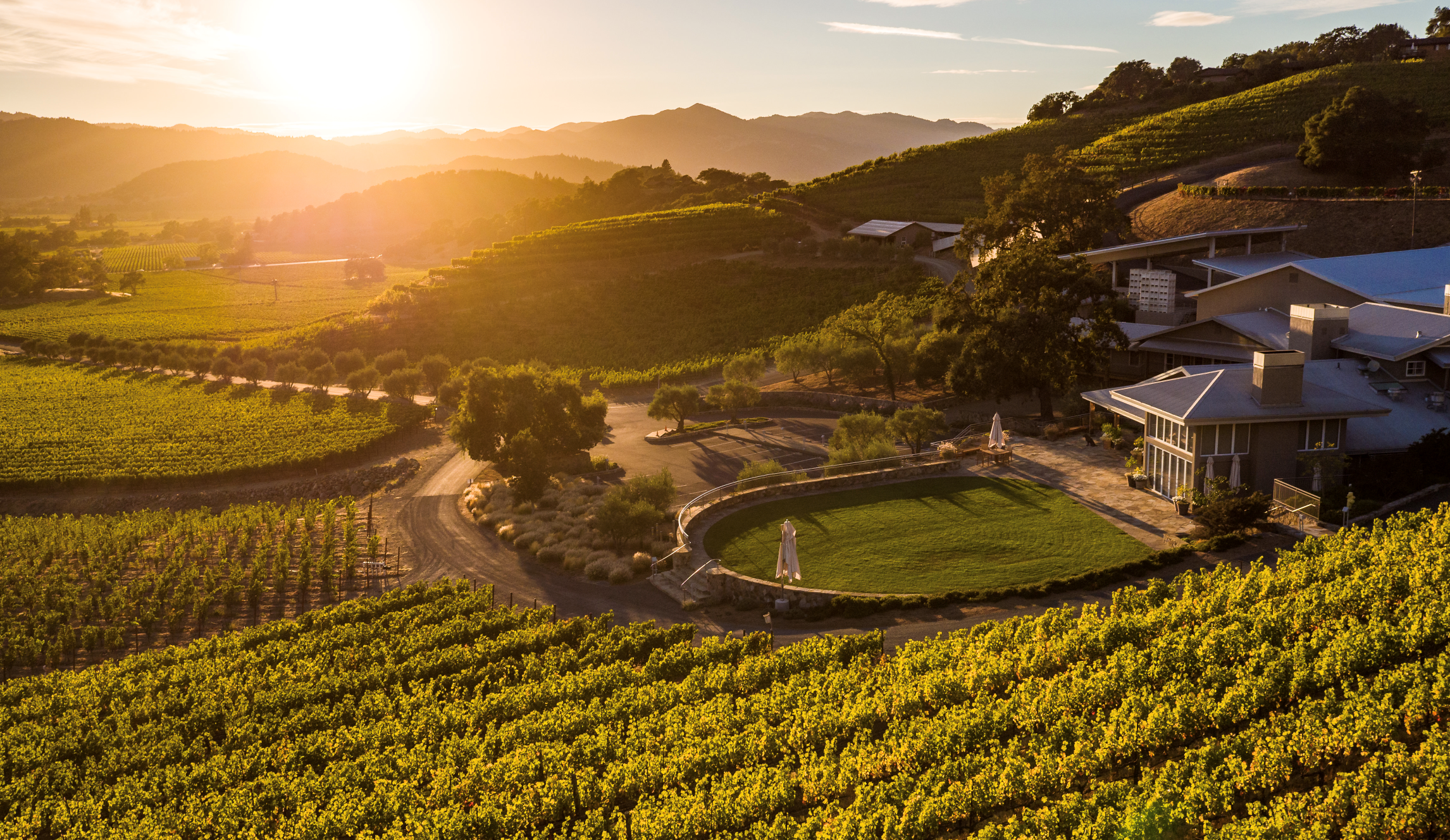
Bars in Napa
Browse all →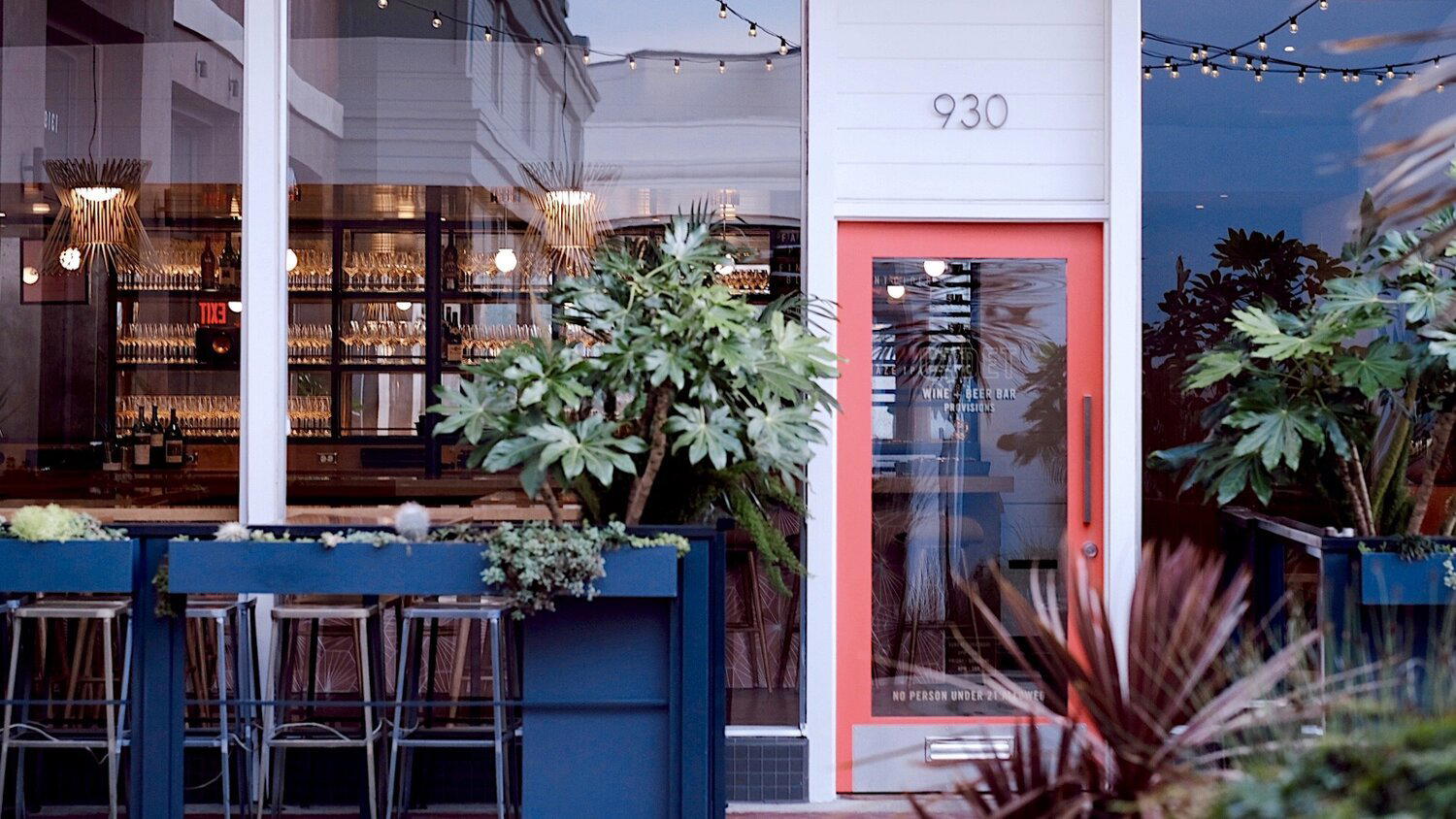
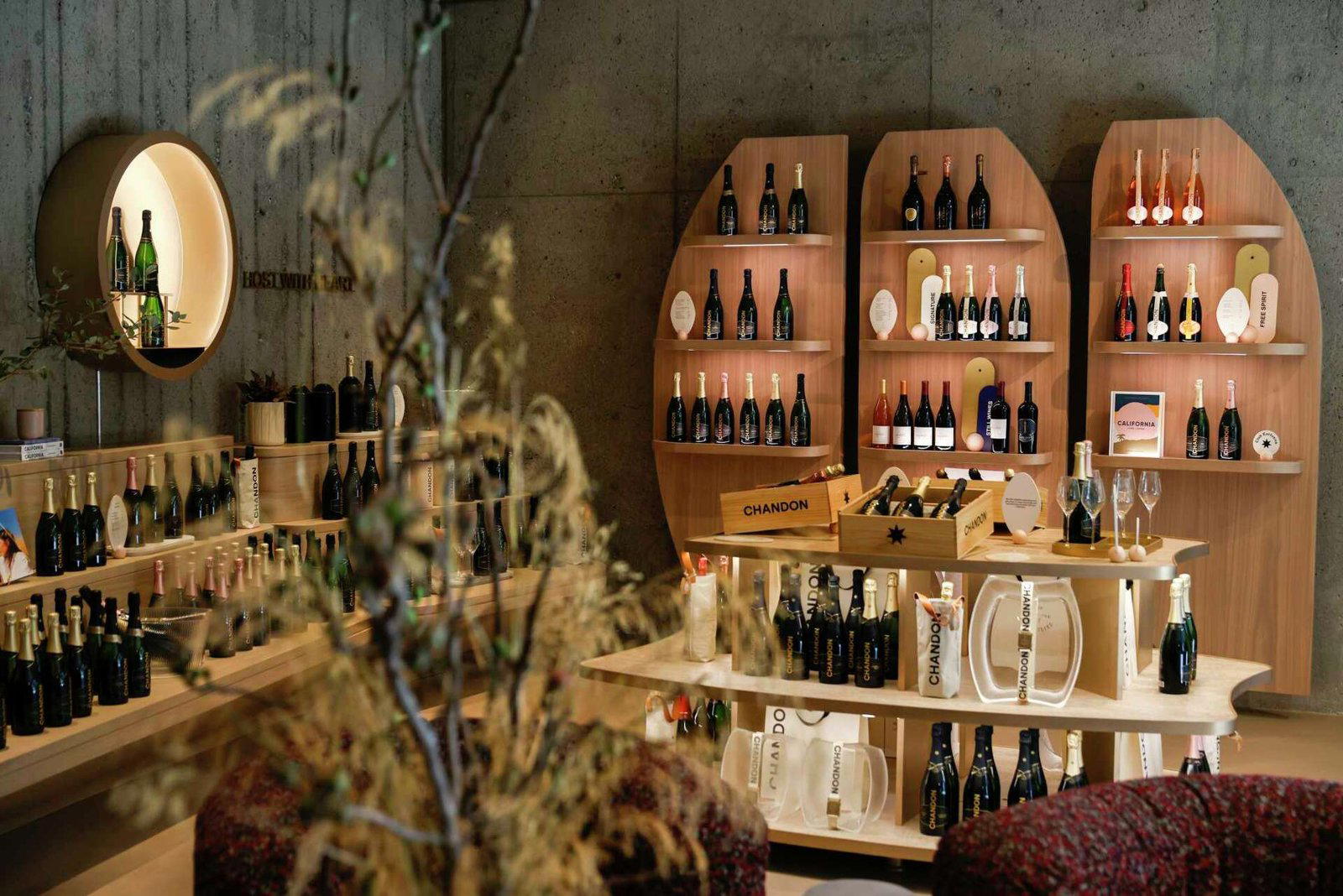
Hotels in Napa
Browse all →

At a Glance
- Elegant
- Cozy
- Romantic
- Scenic
- Date Night
- Group Dining
- Special Occasion
- Courtyard
- Open Kitchen
- Extensive Wine List
- Craft Cocktails
- Local Sourcing
Current opening hours
- Monday
- 5–8:30 PM
- Tuesday
- 5–8:30 PM
- Wednesday
- 5–8:30 PM
- Thursday
- 5–8:30 PM
- Friday
- 5–9 PM
- Saturday
- 10 AM–2:30 PM, 5–9 PM
- Sunday
- 10 AM–2:30 PM, 5–8:30 PM
Hours can change for holidays and private events. Last verified .
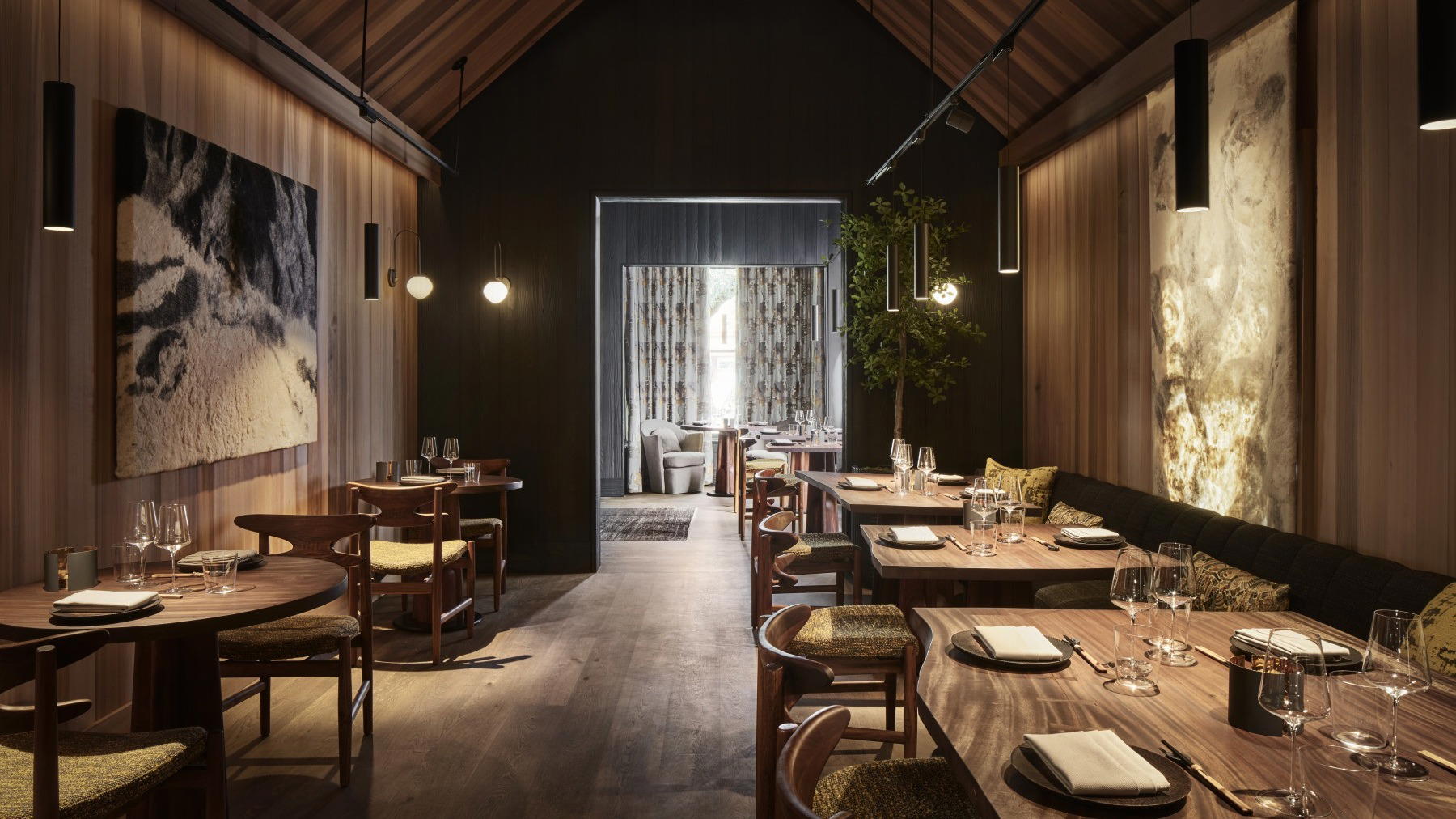
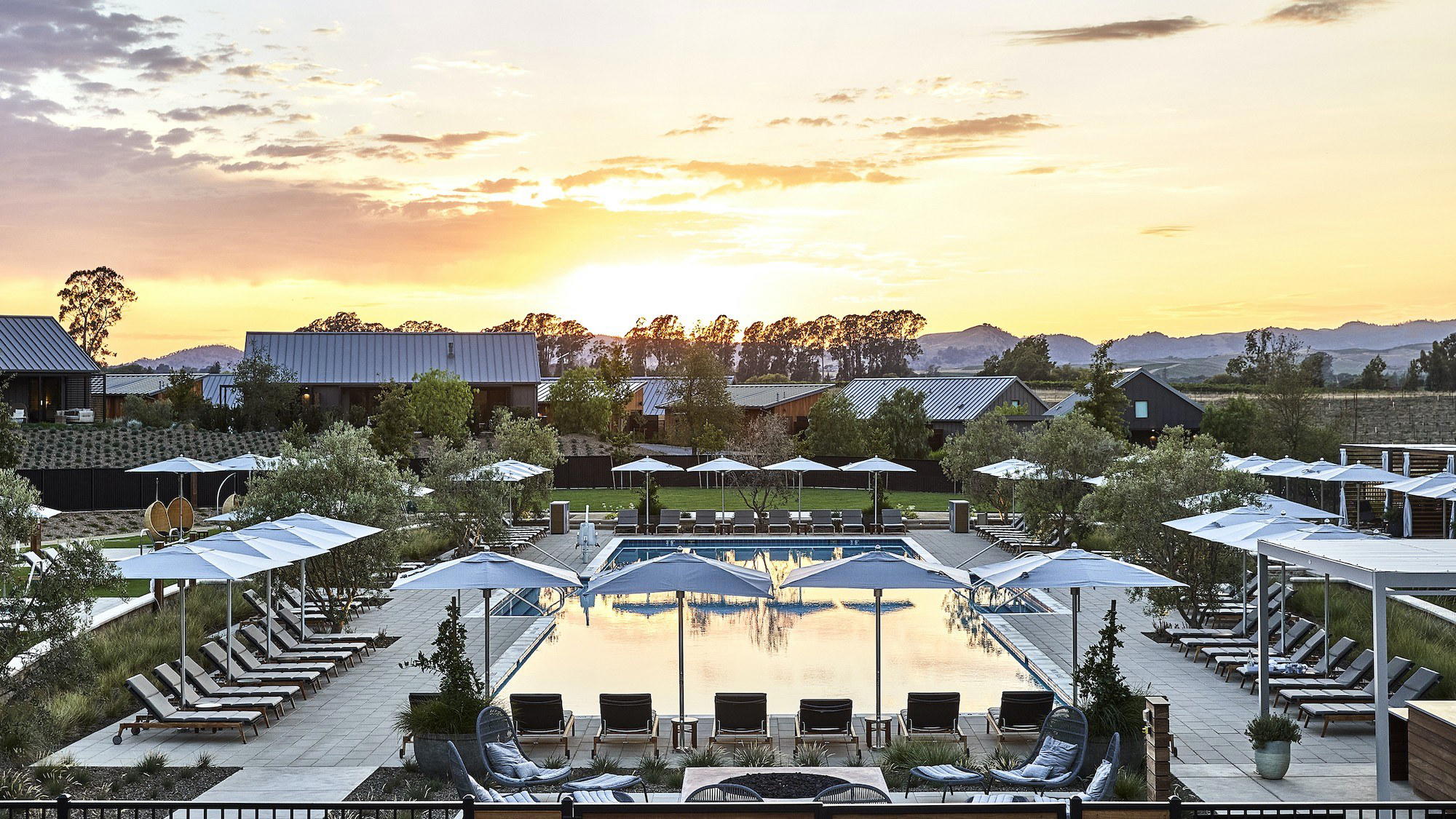
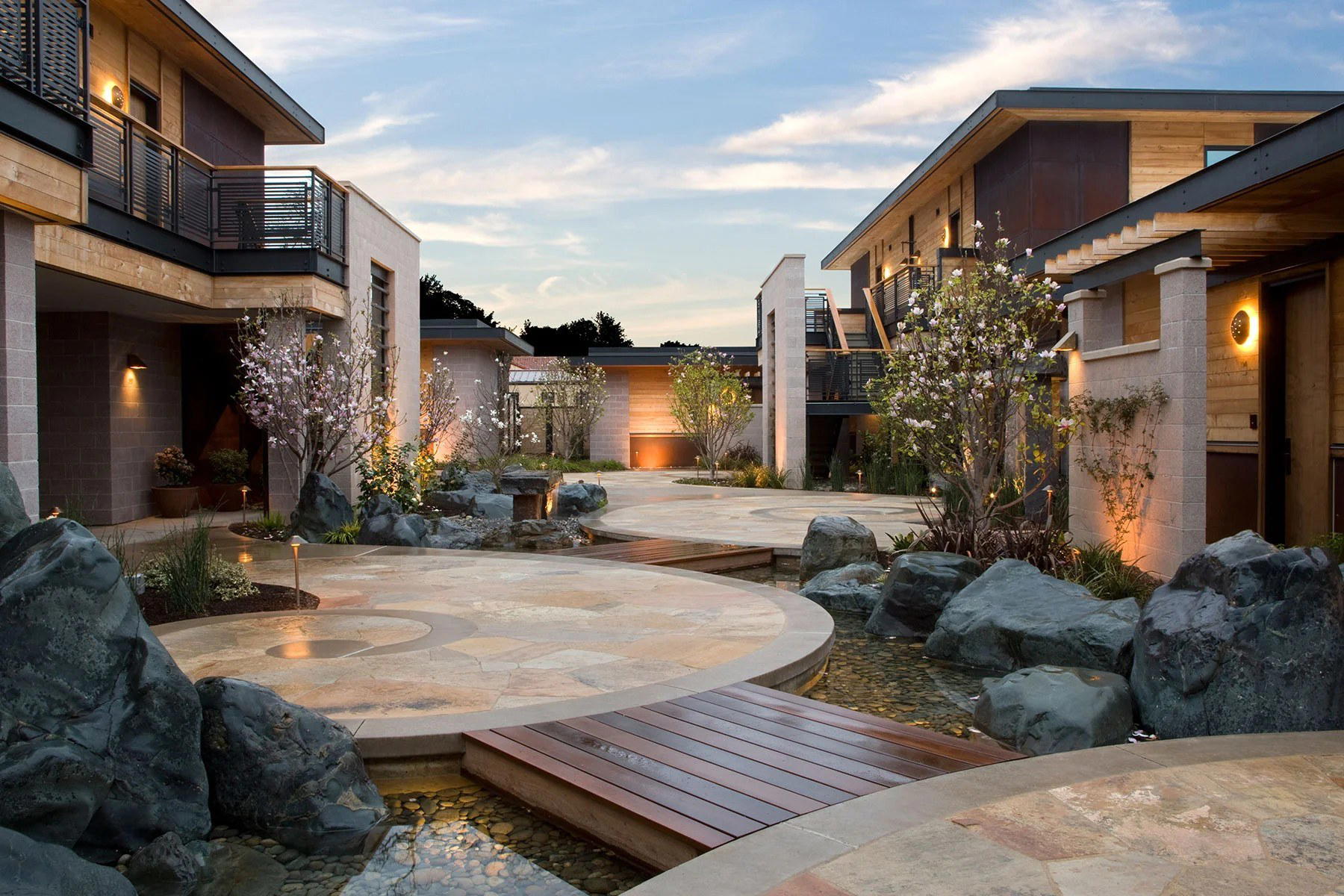
Calming atmosphere in a beautiful dining room or quaint courtyard with garden-like plants and dramatic outdoor fireplace.