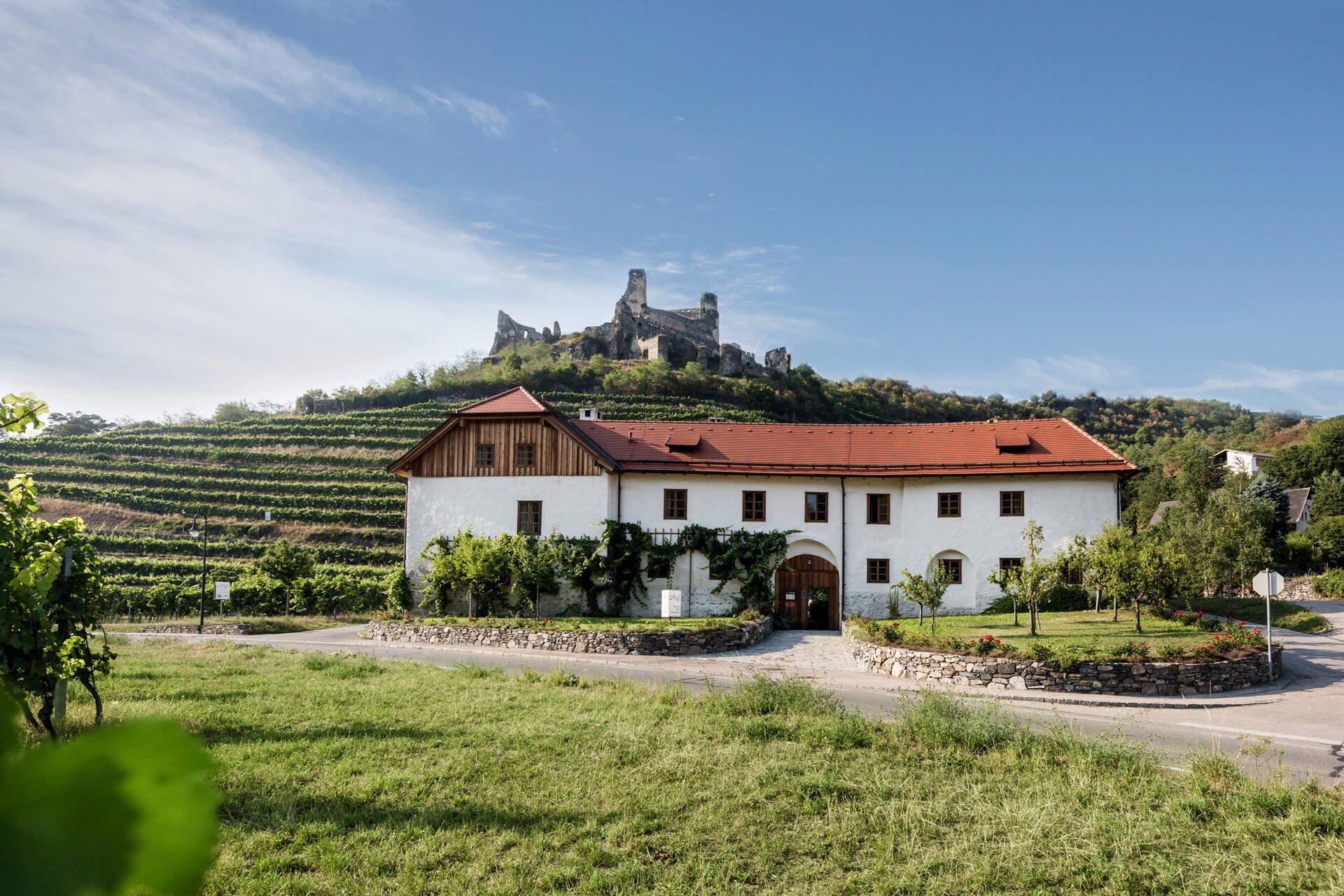
Faulenzerhotel sits in Friedersbach, a quiet corner of the Waldviertel region outside Zwettl, where the slower rhythms of Lower Austria's forested plateau set the tone before you even arrive. The hotel occupies a part of Austria where proximity to local farms and forest sourcing shapes hospitality almost by default. For travellers moving through this stretch of the Waldviertel, it represents a pause rather than a destination sprint.
Pearl is the En Primeur Club membership app — saves, bookings, and concierge access live there. Same editors, same standards.
- Address
- Friedersbach 53, 3533, Austria
- Phone
- +432822775110
- Website
- faulenzerhotel.at
- Directions
- Get directions
 Saves & bookings on Pearl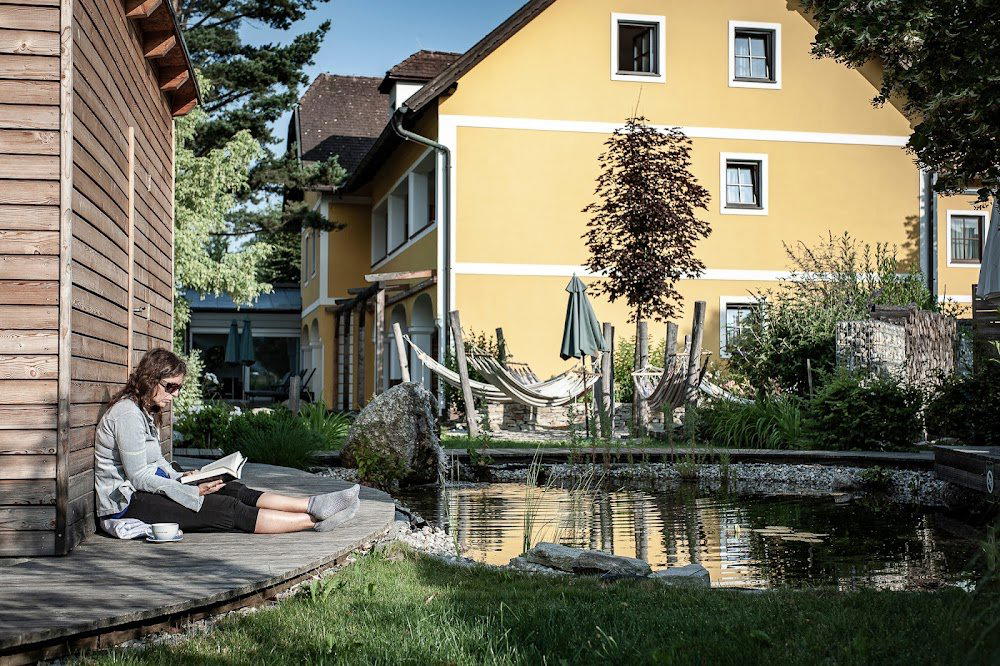
The Waldviertel as Context: Why Location Shapes Everything Here
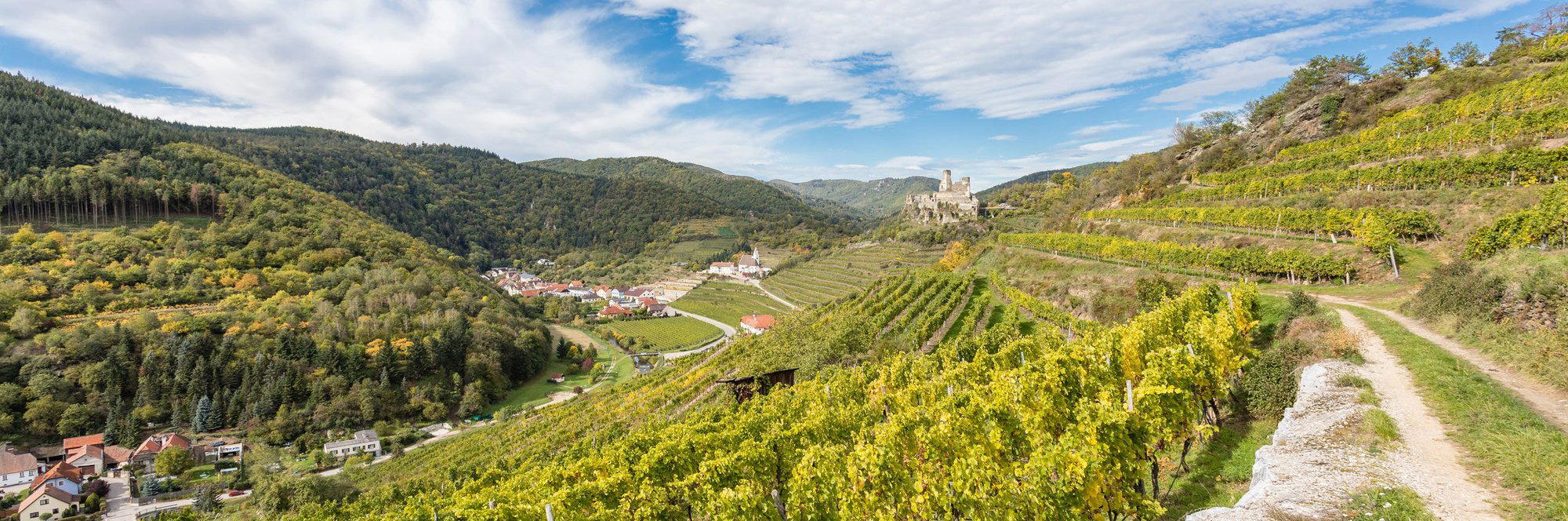
The Waldviertel, the forested plateau that fills the northwest corner of Lower Austria, has long operated at a remove from the country's more celebrated culinary corridors. It is not the Wachau, where Landhaus Bacher in Mautern an der Donau draws guests who plan their visits around the menu. It is not Salzburg province, where Obauer in Werfen and Kräuterreich by Vitus Winkler in Sankt Veit im Pongau carry serious kitchen reputations. What the Waldviertel offers instead is a different register of Austrian hospitality: unhurried, physically grounded, and structured around a landscape that produces its own distinct agricultural character, from the region's prized grey poppies and root vegetables to its freshwater fish and game.
Faulenzerhotel is a restaurant at Friedersbach 53, 3533, Austria, in the Waldviertel region near Zwettl. The address itself signals the operating logic: this is not a city-hotel annexe, but a property whose setting is the pitch. The name, loosely translating to "lazybones hotel", makes the editorial stance explicit before you cross the threshold. The aim is deceleration, and in a region where guests come to step away from urban density, that framing aligns with how the Waldviertel sells itself to domestic Austrian travellers in particular.
Approaching Friedersbach: The Physical Approach Matters
The drive into this part of Zwettl's wider commune follows roads that narrow steadily as forest cover increases. The Waldviertel sits at elevations between roughly 400 and 1,000 metres, and its character shifts from the gentler Danube basin farmland into something cooler and more enclosed as you move north and west from the river. Arriving at a property like Faulenzerhotel means arriving at the end of a route that has already done some of the atmospheric work. The surrounding quiet is not manufactured; it is structural, a function of population density and land use in one of Austria's least urbanised regions.
For travellers accustomed to the alpine-resort tier, say, Griggeler Stuba in Lech or Stüva in Ischgl, the Waldviertel operates on an entirely different economy of attention. There is no ski infrastructure, no après-culture, and no international visitor concentration. What exists is a regional food tradition built on proximity: short supply chains between farm and table that operate not as marketing strategy but as practical geography.
Ingredient Geography: What the Waldviertel Produces
The editorial angle most useful for understanding any hospitality property in this part of Austria is ingredient sourcing, because the Waldviertel's agricultural output is both distinctive and genuinely hyperlocal. The region's grey poppy (Graumohn) holds protected geographical indication status in Austria and appears across regional cooking in ways that have no equivalent elsewhere in the country. Carp, pike-perch, and trout from the area's ponds and rivers have sustained a freshwater fish tradition that predates modern supply logistics. Wild mushroom and game seasons structure autumn menus across the region. Rye bread from Waldviertel grain and locally produced cheeses complete a sourcing picture that is not constructed for tourism purposes, it reflects what the land actually yields.
Properties situated in this geography either engage with that sourcing culture or operate as generic accommodation. The distinction matters for how a guest reads their stay. Austrian dining at its most serious, Steirereck im Stadtpark in Vienna or Döllerer in Golling an der Salzach, has long used regional sourcing as an organising principle rather than a garnish. In the Waldviertel, that connection is available even to properties operating well below the Michelin tier, simply because local producers are geographically close.
Zwettl's Hospitality Scene and Where Faulenzerhotel Sits Within It
Zwettl's dining and hotel options are modest relative to Lower Austria's more visited corridors, which makes the comparative set genuinely useful to assess. Schlosshotel Rosenau, set within a baroque castle complex a short distance from Zwettl, represents the architectural end of the market, combining historical setting with conventional hotel facilities. Schwarz Alm operates as a wellness-oriented property with thermal facilities, targeting a different primary motivation. Faulenzerhotel, by its name and location in Friedersbach rather than the town centre, appears to address a third cohort: guests whose priority is quiet and rural atmosphere over either heritage architecture or spa programming.
This positioning is consistent with how smaller Waldviertel properties have found their audience: by offering the region's environmental qualities, forest, quiet, space, as the primary product. Internationally, the model has analogues in formats like Lazy Bear in San Francisco, where a deliberate communal pace is built into the format itself, though the contexts are entirely different. In the Waldviertel, the pace is environmental rather than programmed.
Planning a Visit: Practical Considerations
Zwettl sits roughly 120 kilometres northwest of Vienna, a journey of under two hours by car. Public transport connections exist via regional rail and bus but require planning and additional transit time. The Waldviertel rewards self-drive visits: the region's forest roads, monastery sites (the Cistercian Stift Zwettl dates to 1138), and pond landscapes are most accessible with a vehicle. Seasonal timing affects the Waldviertel significantly: autumn brings game and mushroom season, spring and early summer the freshwater fish peak, and winter a stillness that suits the hotel's declared orientation entirely.
A Quick Peer Check
Comparable venues nearby, for context on price, style, and recognition.
| Venue | Cuisine | Price | Notes |
|---|---|---|---|
| FaulenzerhotelThis venue — the venue you are viewing | Traditional Waldviertel Austrian Cuisine | $$$ | Not listed |
| Schlosshotel Rosenau | Austrian Castle Fine Dining | $$$ | Schloss Rosenau |
| Schwarz Alm | New Waldviertel Cuisine | $$ | Zwettl |
| Hotel Weinresidenz Sonnleitner | Traditional Austrian | $$$ | Furth bei Gottweig |
| Dorfwirt Litschau | Modern Waldviertel Regional Cuisine | $$$ | Litschau |
| Demel Vienna cafe | Traditional Viennese Pastry Cafe | $$$ | Stephansdom |
Continue exploring
More in Zwettl
Restaurants in Zwettl
Browse all →
Bars in Zwettl
Browse all →

Hotels in Zwettl
Browse all →
At a Glance
- Cozy
- Rustic
- Classic
- Scenic
- Group Dining
- Celebration
- Special Occasion
- Business Dinner
- Hotel Restaurant
- Terrace
- Panoramic View
- Private Dining
- Extensive Wine List
- Beer Program
- Local Sourcing
- Farm To Table
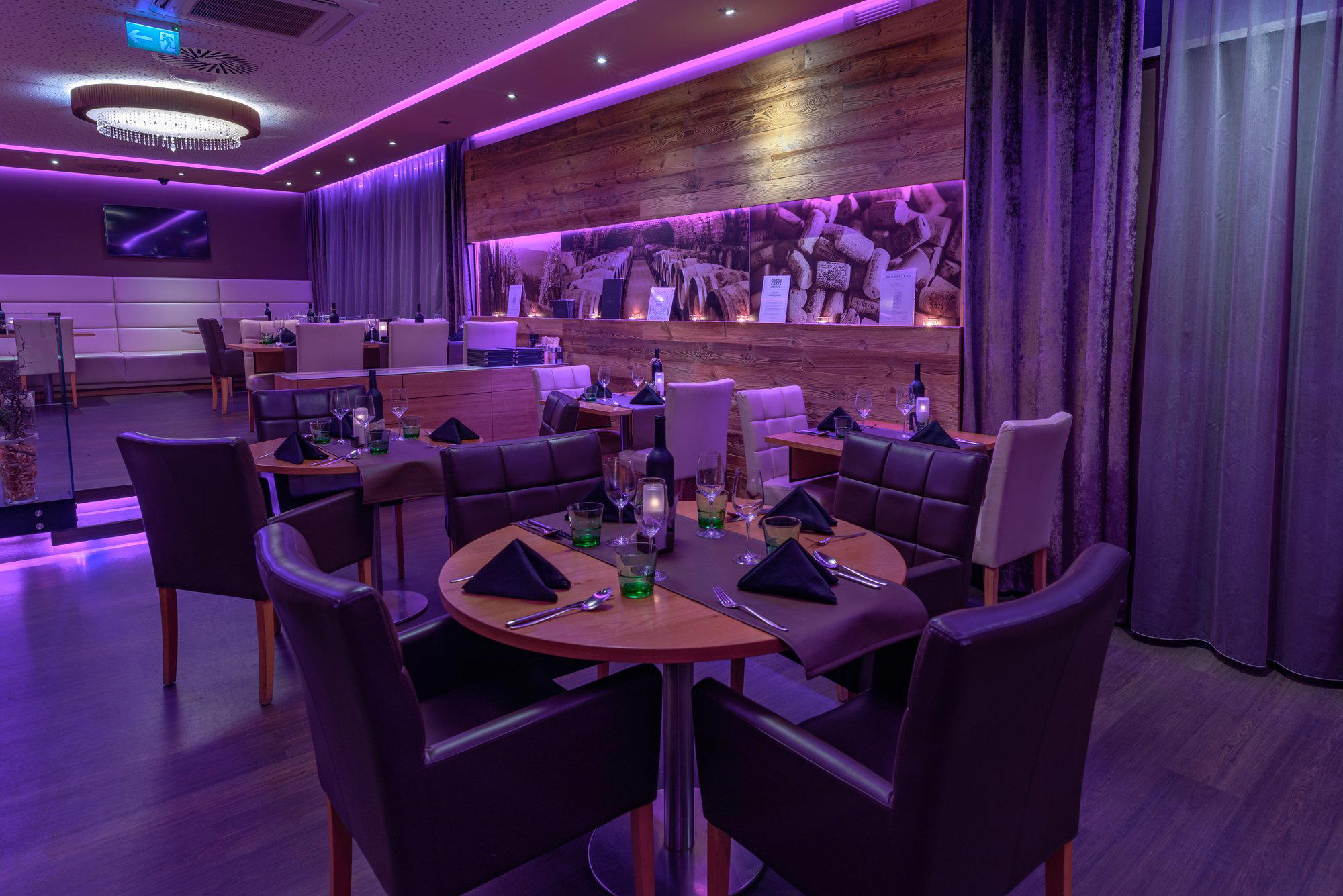
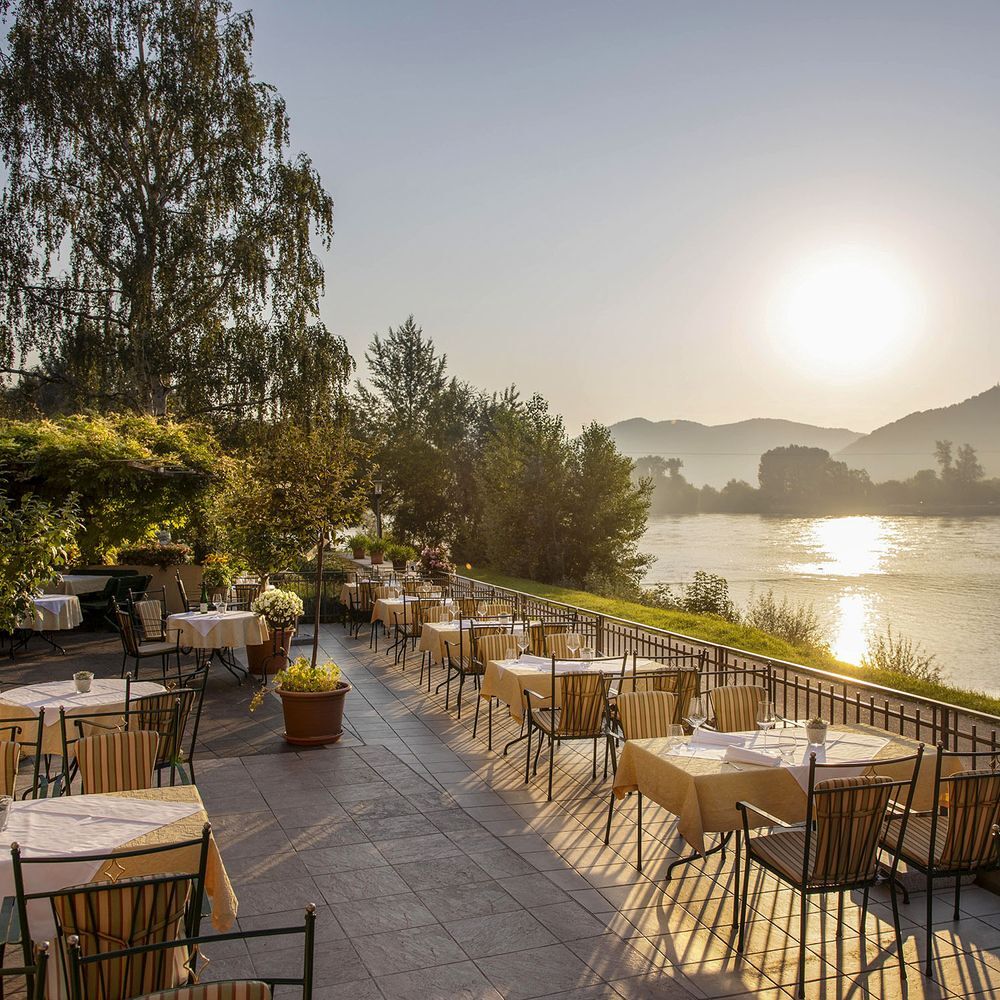
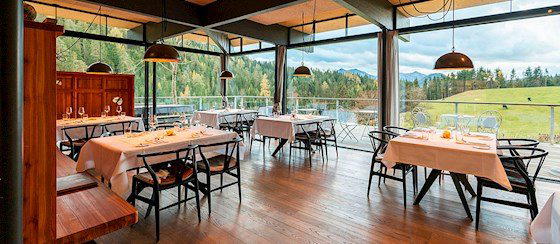
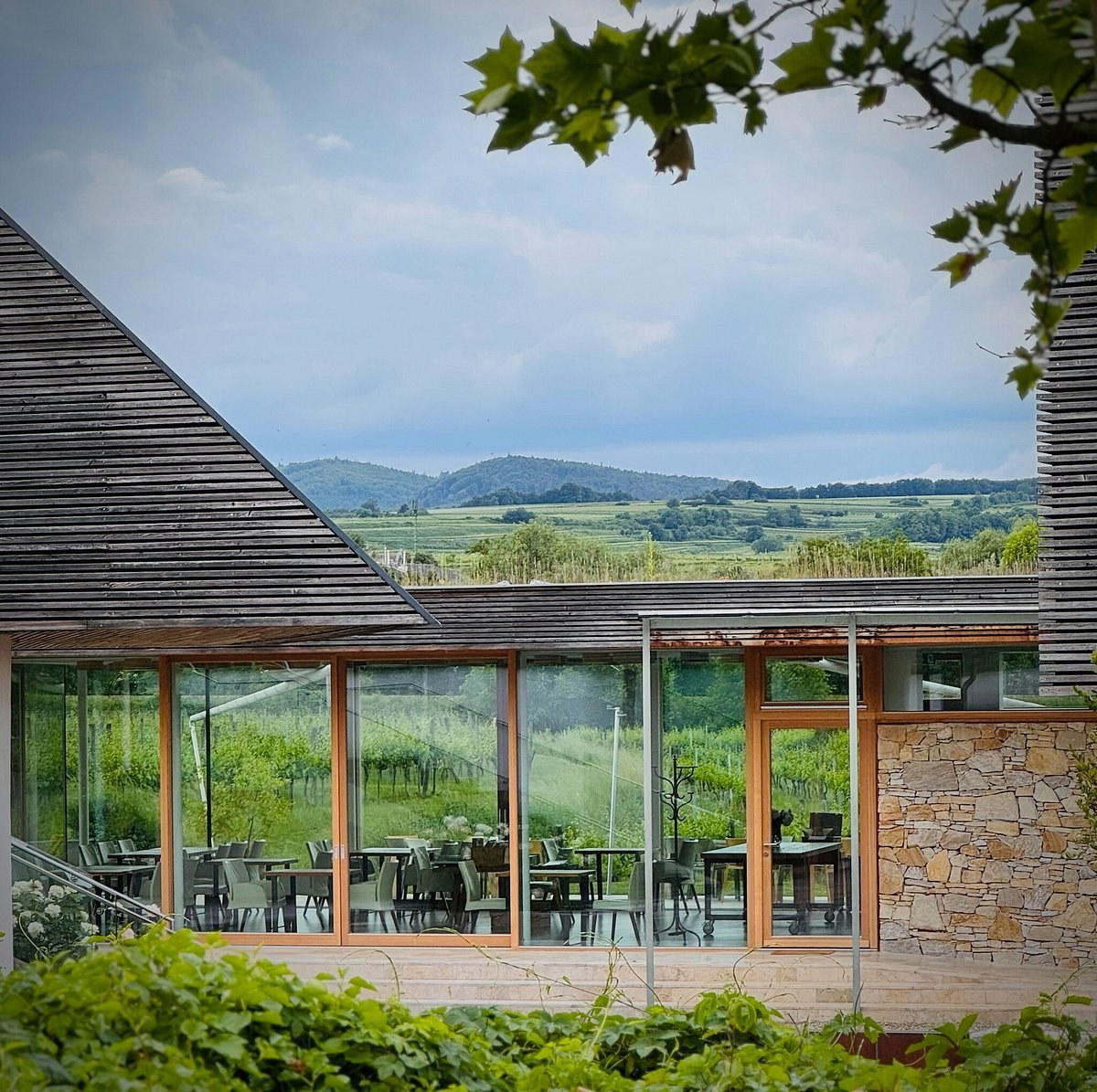
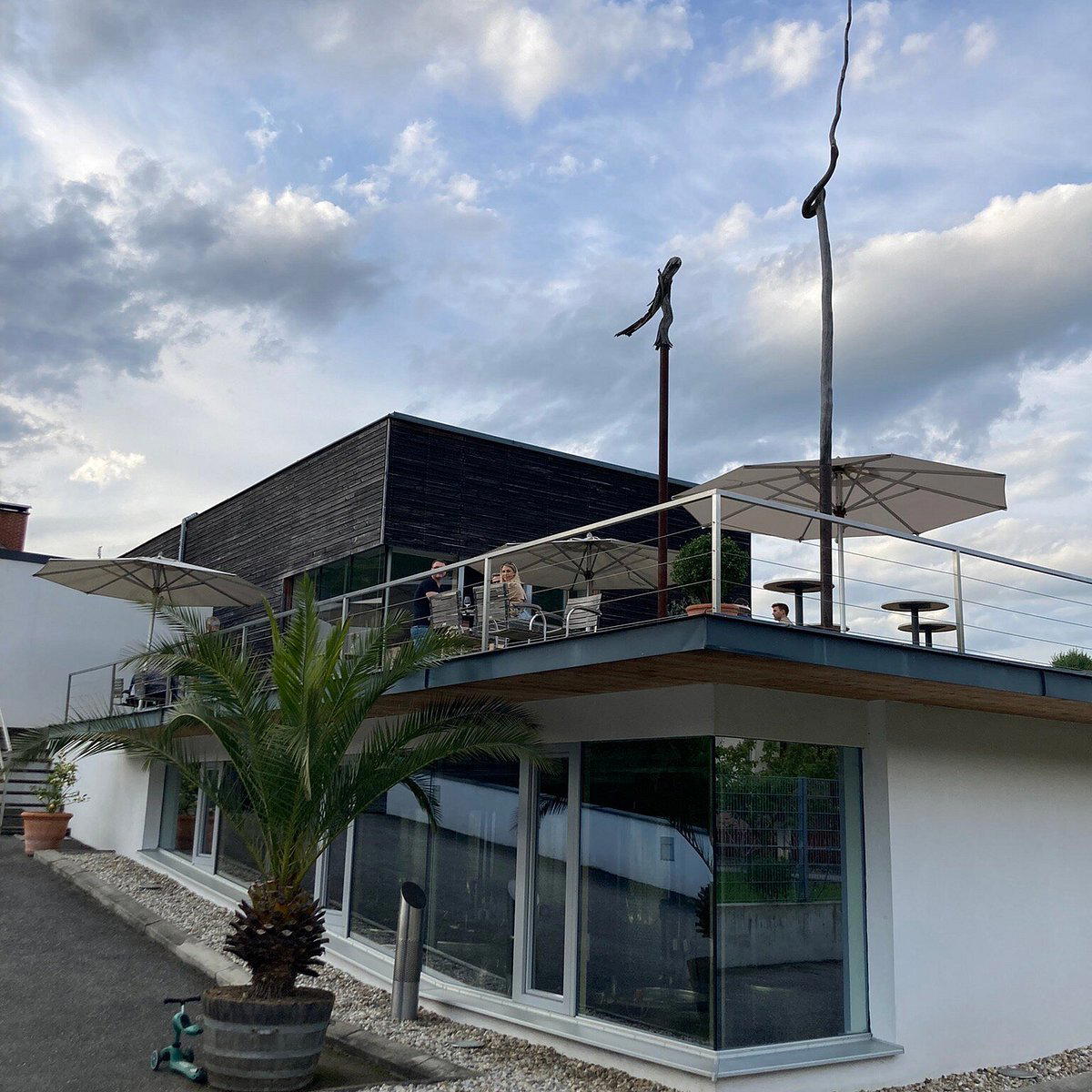
Warm and welcoming atmosphere in a traditional Austrian setting with six differently designed dining rooms, cozy bar/lounge, and panorama terrace overlooking the countryside.