Google: 4.7 · 29 reviews
.png)
Perched above Homburg on the Schlossberg heights, this mid-range international restaurant earns its reputation primarily through elevation: floor-to-ceiling windows frame panoramic views across Graz and well beyond the city limits. The kitchen works a seasonal menu alongside established classics, with a more accessible lunch format. Access arrives either on foot via the Schlossbergsteig trail or by funicular in minutes.
 Discover on Pearl
Pearl is the En Primeur Club membership app — saves, bookings, and concierge access live there. Same editors, same standards.
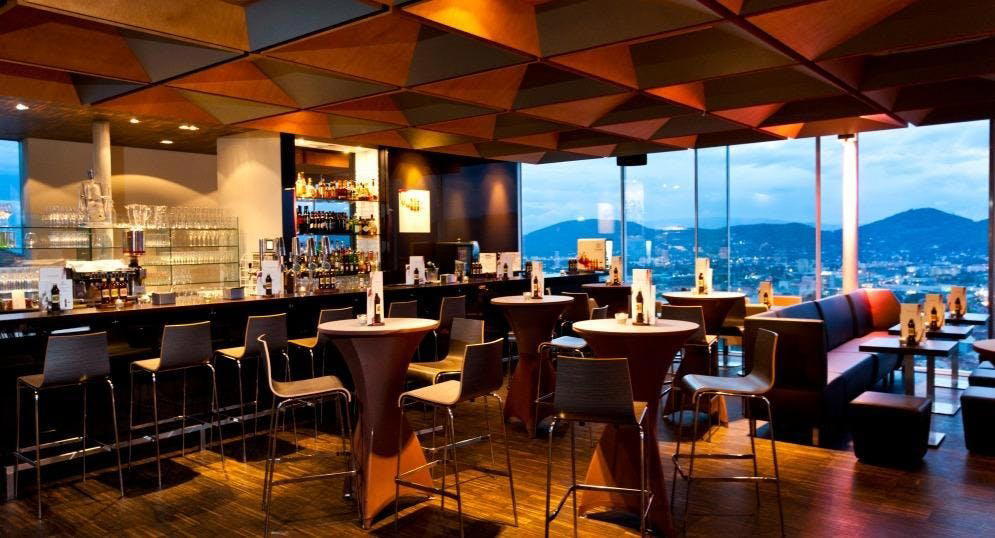
The View as Premise, Not Afterthought
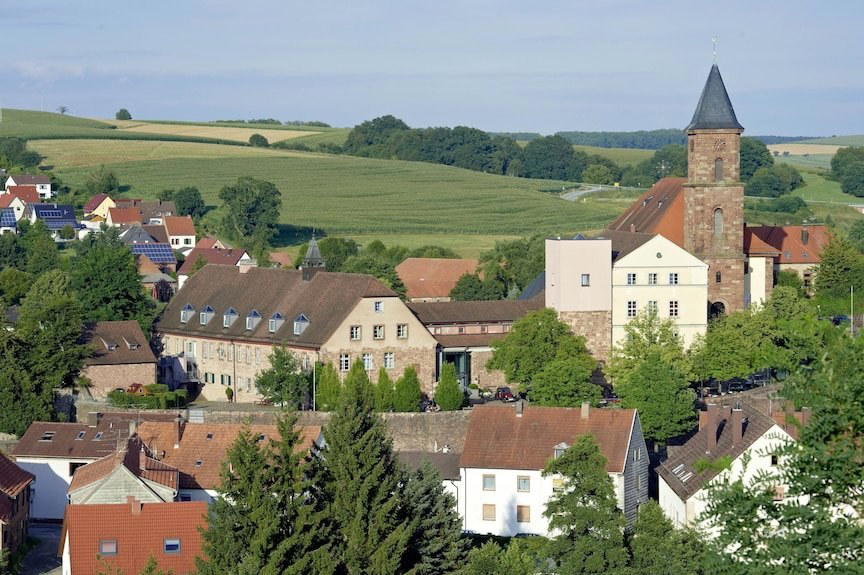
There is a category of dining room that earns its place not through kitchen fireworks alone but through the deliberate pairing of food with landscape. Schlossberg, sitting at height on the Schlossberg-Höhen-Straße above Homburg, belongs to that category. The panorama across the city and far beyond its limits is not background decoration; it is the foundational argument for the room. The floor-to-ceiling windows are positioned to make that argument as clearly as possible, and the tables placed directly against the glass are the ones guests request first. A Google review score of 4.8 from current respondents suggests the proposition holds up on arrival.
Restaurants built around views carry a specific risk: the kitchen can become secondary, kept just competent enough to justify the room rate. Schlossberg resists that pattern, at least in its menu structure. The kitchen works across seasonal dishes and established classics, with a lunch format that introduces a more accessible price point alongside the standard evening menu. That split signals an operation thinking about different visitor types rather than a single captive audience arriving for the spectacle.
What Reaches the Table — and Where It Comes From
An international menu at the mid-range price tier (€€) in a setting defined by its regional geography creates an interesting tension. The Saarland sits at a culinary crossroads: French influence from across the border has shaped local kitchens for generations, and the region's proximity to Lorraine and the wine-producing Moselle valley means that produce, wine selection, and even service sensibility often carry Franco-German characteristics. That cross-border sourcing logic is more than geography: it reflects how southwestern German restaurants in this price range have historically distinguished themselves from the more strictly regional kitchens of Bavaria or Baden.
The seasonal component of the menu matters here. A kitchen that commits to seasonal rotation is, by definition, committing to shorter supply chains and produce that shifts with the calendar. In southwestern Germany, that means spring asparagus from the Rhine plain, summer stone fruit and mushrooms from local forests, game in autumn, and root-heavy preparations through the winter months. Whether Schlossberg draws explicitly on Saarland-specific sourcing or takes a broader regional approach is not documented in available data, but an international menu with a seasonal spine in this location sits within a well-established regional tradition of kitchens that acknowledge geography without being bound strictly to one nation's pantry.
For a broader sense of how Germany's most ambitious kitchens are approaching ingredient sourcing and seasonal discipline right now, the contrast is instructive. Restaurants like Schwarzwaldstube in Baiersbronn and Waldhotel Sonnora in Dreis operate at €€€€ tier with rigorous provenance programs. Schanz in Piesport takes a similar approach in the Moselle valley, a short drive from Homburg's broader region. Schlossberg does not compete in that tier or with that level of documented sourcing — its €€ positioning and international scope place it in a different conversation entirely , but those kitchens illustrate the regional tradition within which any serious seasonal menu in this part of Germany operates.
A Room With Two Audiences
The dual menu structure at Schlossberg , cheaper lunch options running alongside the full evening menu , reflects a pragmatic understanding of who arrives at a hilltop restaurant and why. Lunchtime draws walkers who have climbed the Schlossbergsteig trail, tourists who have taken the Schlossbergbahn funicular for the view, and local residents making use of an accessible midday stop. The evening menu serves a different guest: one who has made the journey deliberately and expects a fuller experience. Offering both without collapsing the kitchen into a single format shows menu discipline that view-destination restaurants don't always manage.
The funicular option is worth noting practically. The Schlossbergbahn provides a quick ascent for guests who are not walking the trail, making the restaurant accessible regardless of physical fitness or weather. For those inclined to walk, the Schlossbergsteig is the path of choice, and the ascent itself becomes part of the occasion. Either way, Schlossberg sits adjacent to the clock tower and the Schlossberg Museum, which means the visit can absorb additional time before or after the meal without requiring a separate trip.
Placing Schlossberg in the Regional Picture
Homburg is not a city with a deep fine-dining infrastructure. The major restaurant names in this part of Germany sit in neighbouring regions: the Moselle, the Rhineland, and across into Saarbrücken. Further afield, operations like Victor's Fine Dining by Christian Bau in Perl and Bagatelle in Trier represent the region's upper end. JAN in Munich, Aqua in Wolfsburg, and Vendôme in Bergisch Gladbach operate at a tier and with a sourcing rigour that belongs to a different category of investment entirely. Germany also has creative outliers worth knowing about: CODA Dessert Dining in Berlin and Loumi in Berlin represent how the capital's international scene is evolving, while Haubentaucher in Rottach-Egern and ES:SENZ in Grassau show what alpine-adjacent international kitchens can produce. Restaurant Haerlin in Hamburg anchors the north.
Against that backdrop, Schlossberg is not positioning itself as a destination kitchen. It is positioning itself as the leading use of a particular piece of geography in Homburg , a proposition that has its own validity. The 4.8 rating suggests it is executing that proposition with consistency. Within Homburg, it occupies a distinctive position that other restaurants in the city simply cannot replicate without the elevation and the glass.
Planning the Visit
Getting to Schlossberg is direct by design. The Schlossbergbahn funicular provides the fastest ascent, taking guests up in a matter of minutes; the Schlossbergsteig walking path is the alternative for those who prefer the approach on foot. The address is Schlossberg-Höhen-Straße 1, 66424 Homburg. The kitchen runs both lunch and dinner, with the more accessible pricing concentrated at midday. Given the floor-to-ceiling window tables are consistently the most requested, arriving at a non-peak time or contacting the restaurant directly about table preference is advisable. The clock tower and the Schlossberg Museum are immediately adjacent, making a pre- or post-meal visit easy to combine.
For broader context on what Homburg offers across dining, accommodation, and activities, see our full Homburg restaurants guide, our full Homburg hotels guide, our full Homburg bars guide, our full Homburg wineries guide, and our full Homburg experiences guide.
In Context: Similar Options
These are the closest comparables we have in our database for quick context.
| Venue | Cuisine | Price | Awards | Notes |
|---|---|---|---|---|
| Schlossberg | International | €€ | What a view! It would be worth coming up here if only to drink in the panoramic… | This venue |
| Schwarzwaldstube | French, Classic French | €€€€ | Michelin 3 Star | French, Classic French, €€€€ |
| Aqua | Contemporary German, Italian/Japanese, Creative | €€€€ | Michelin 3 Star | Contemporary German, Italian/Japanese, Creative, €€€€ |
| CODA Dessert Dining | Creative | €€€€ | Michelin 2 Star | Creative, €€€€ |
| Tantris | Modern French, French Contemporary | €€€€ | Michelin 2 Star | Modern French, French Contemporary, €€€€ |
| Vendôme | Modern European, Creative | €€€€ | Michelin 2 Star | Modern European, Creative, €€€€ |
At a Glance
- Elegant
- Scenic
- Sophisticated
- Cozy
- Date Night
- Special Occasion
- Business Dinner
- Terrace
- Panoramic View
- Historic Building
- Hotel Restaurant
- Extensive Wine List
- Sommelier Led
- Skyline
- Mountain
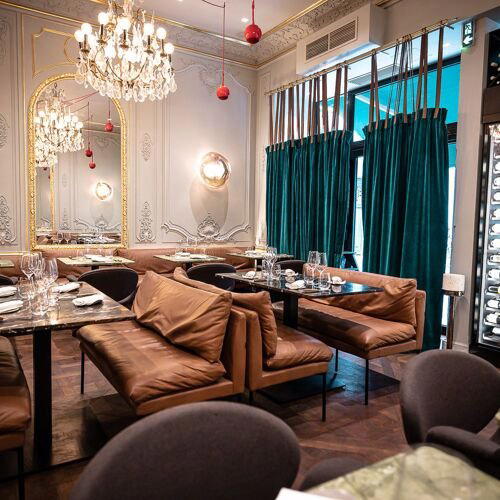
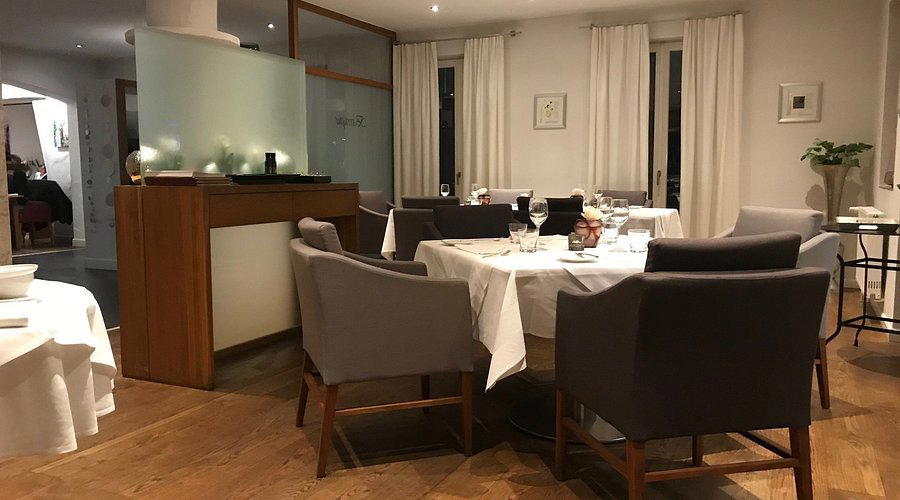
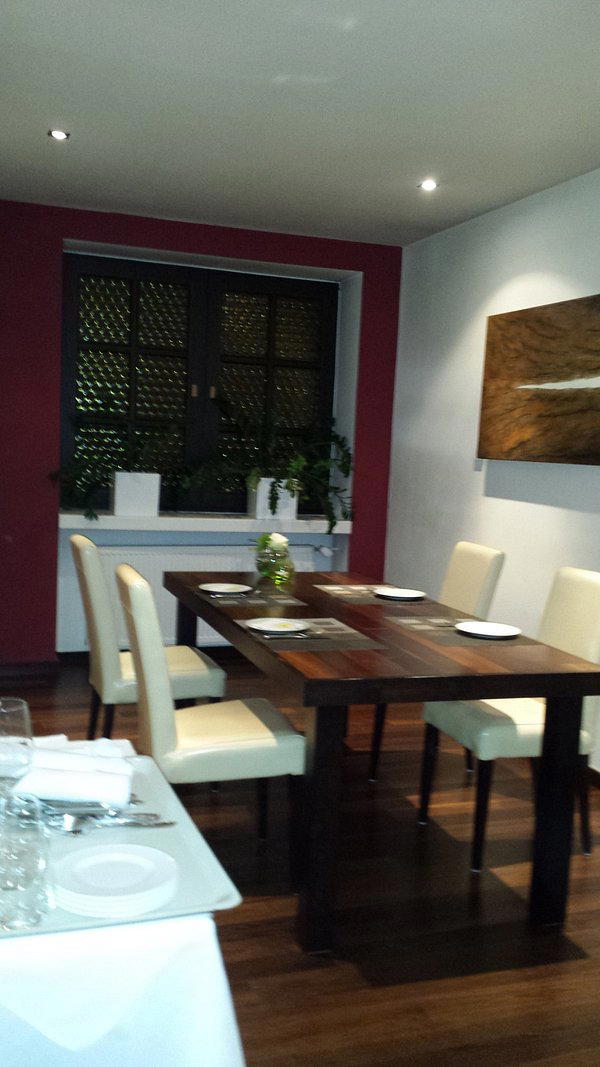
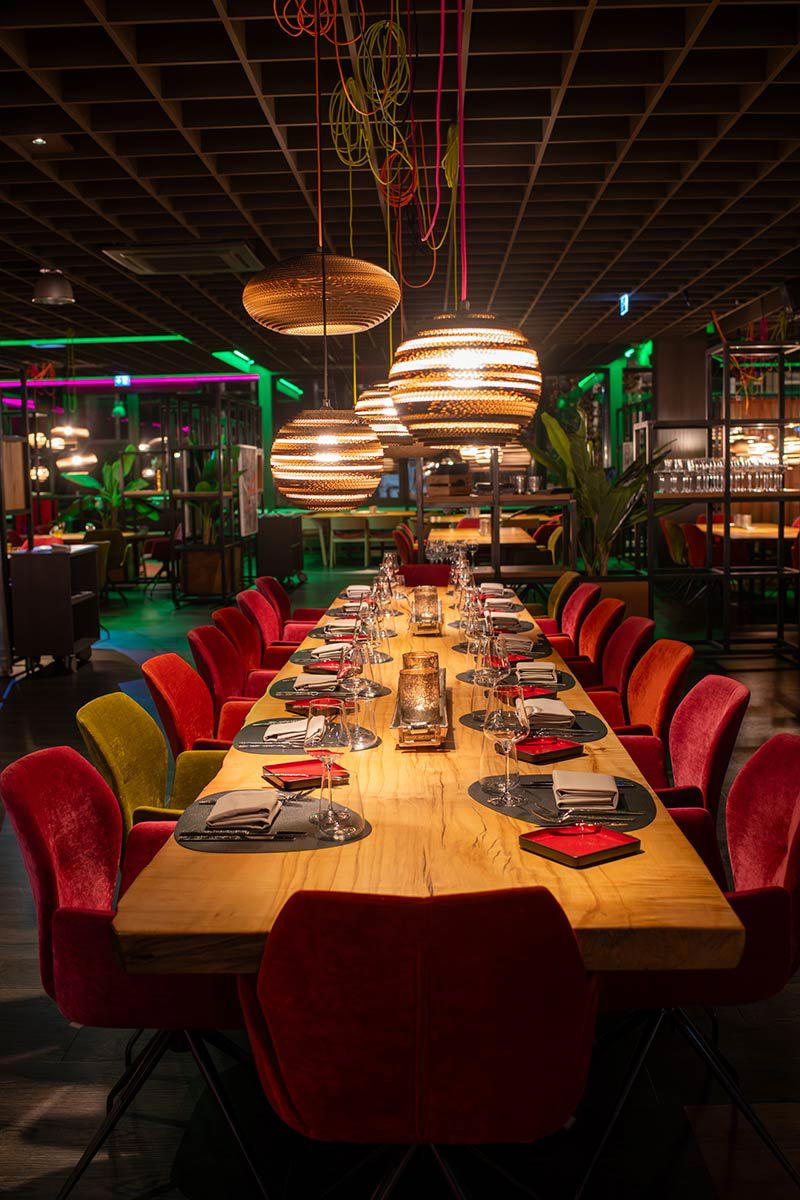
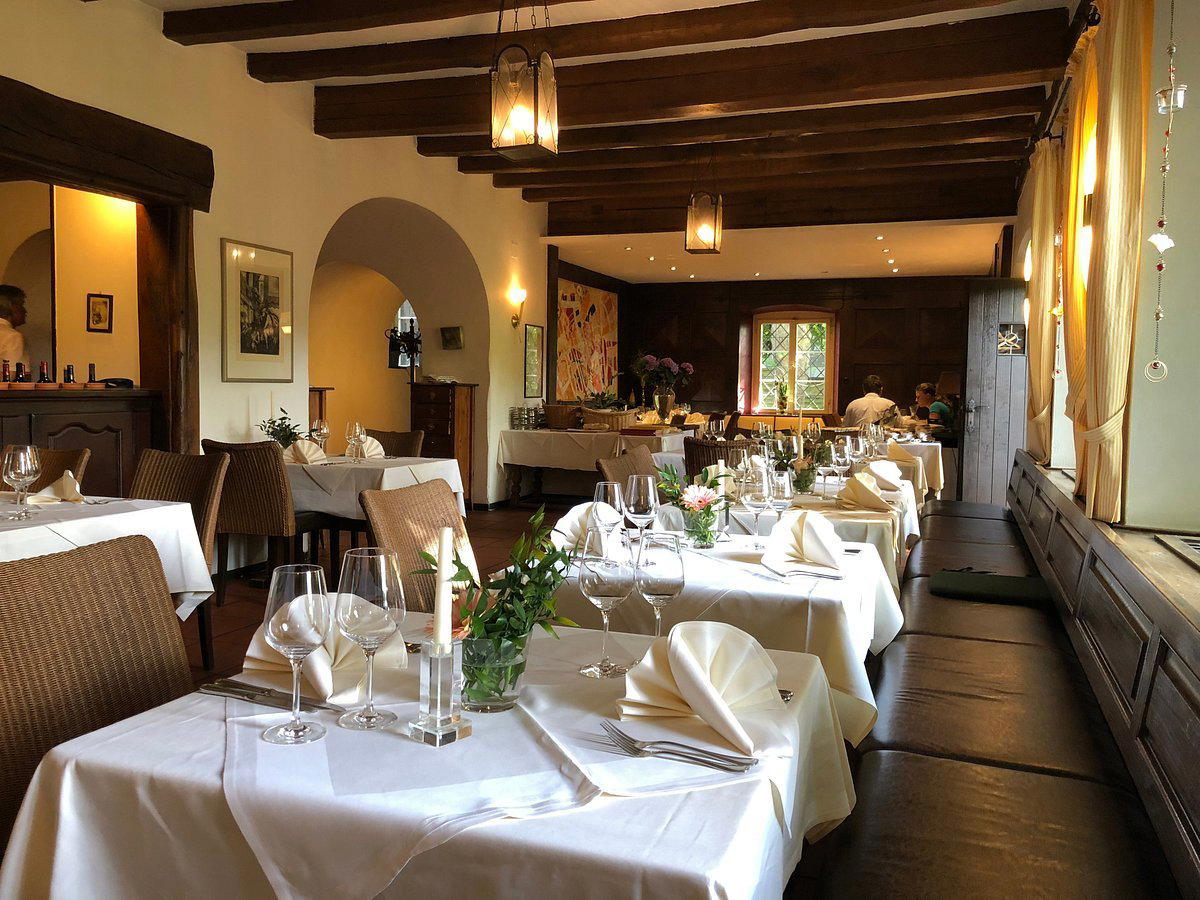
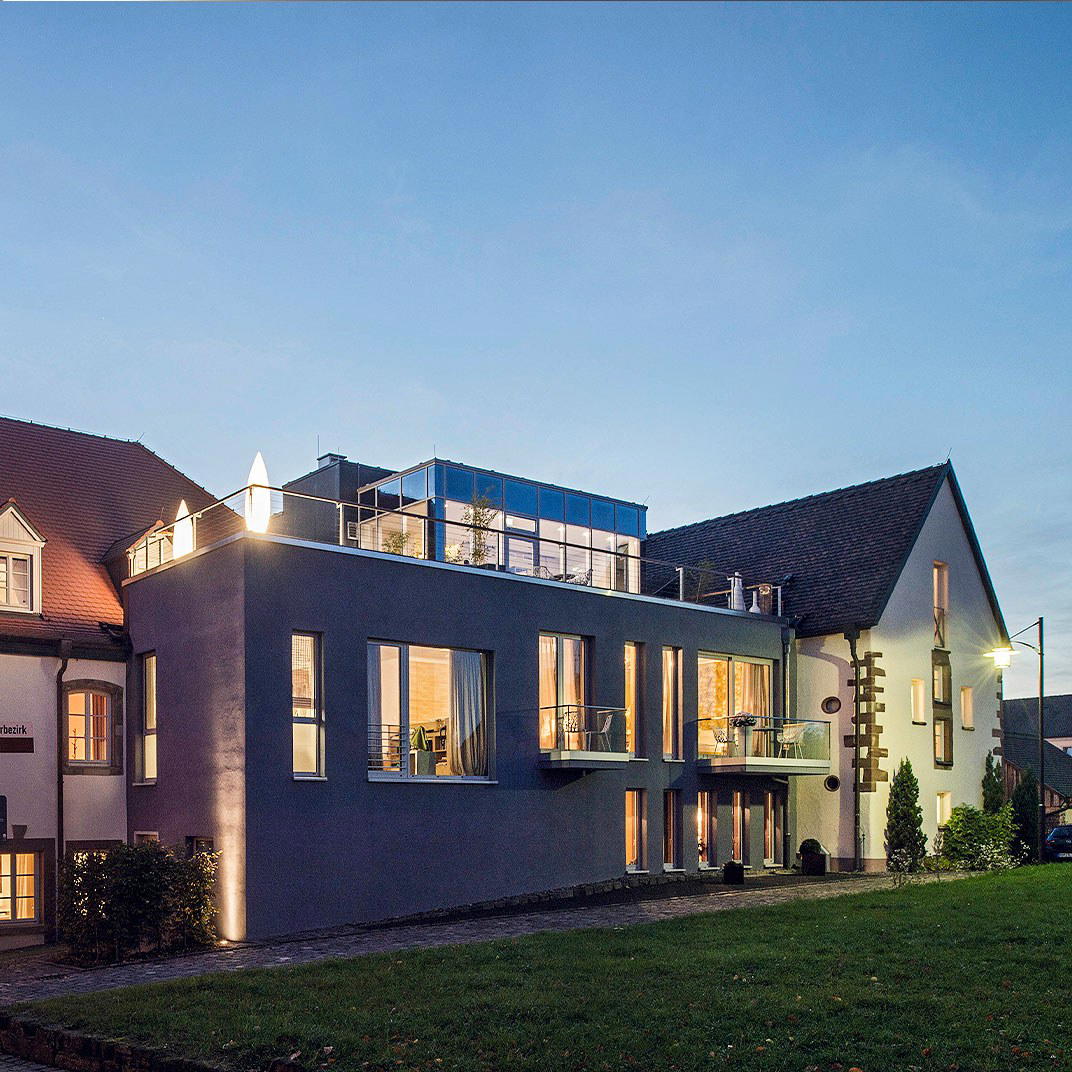
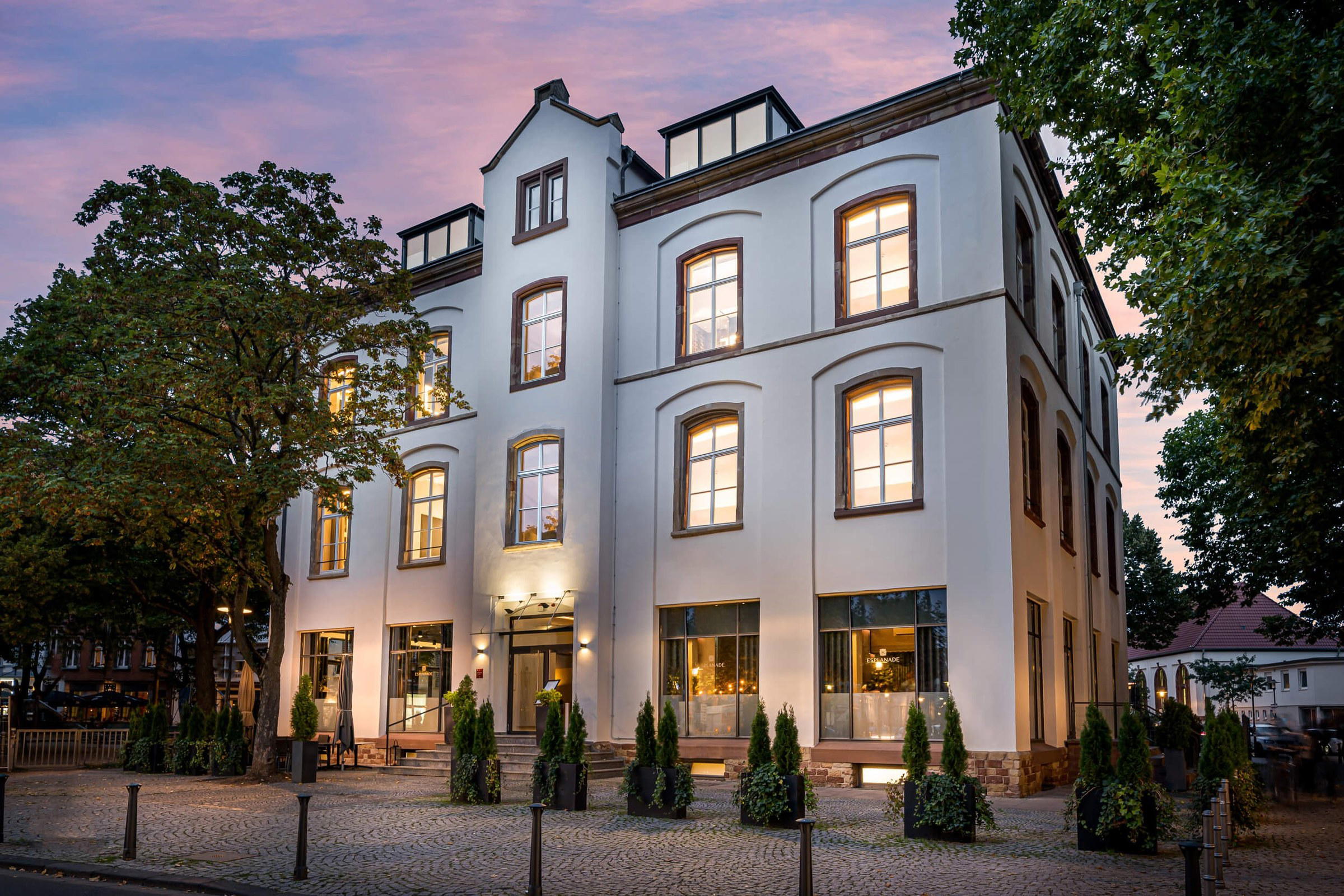
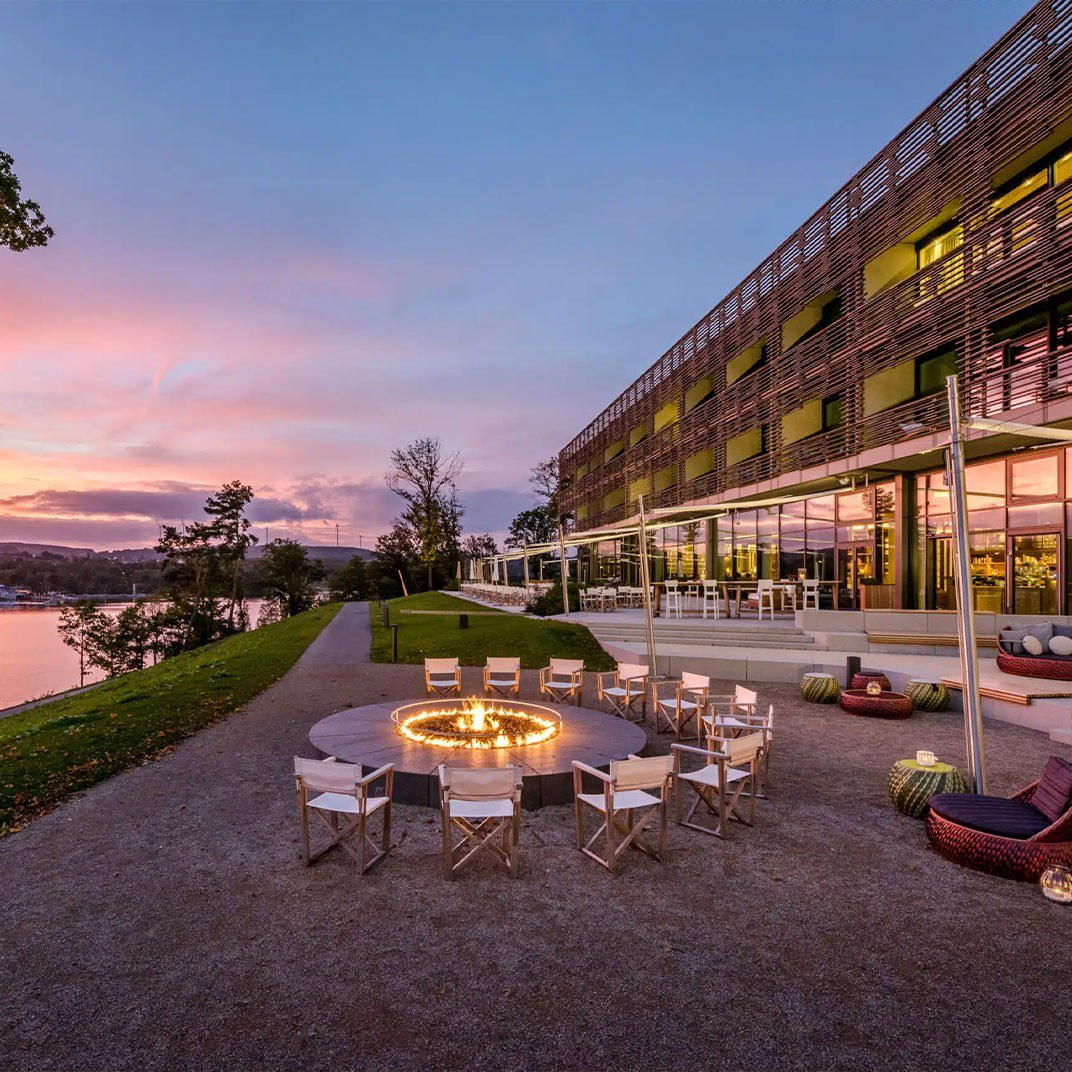
Sleek contemporary design with generous windows offering panoramic vistas and delightful terrace atmosphere.